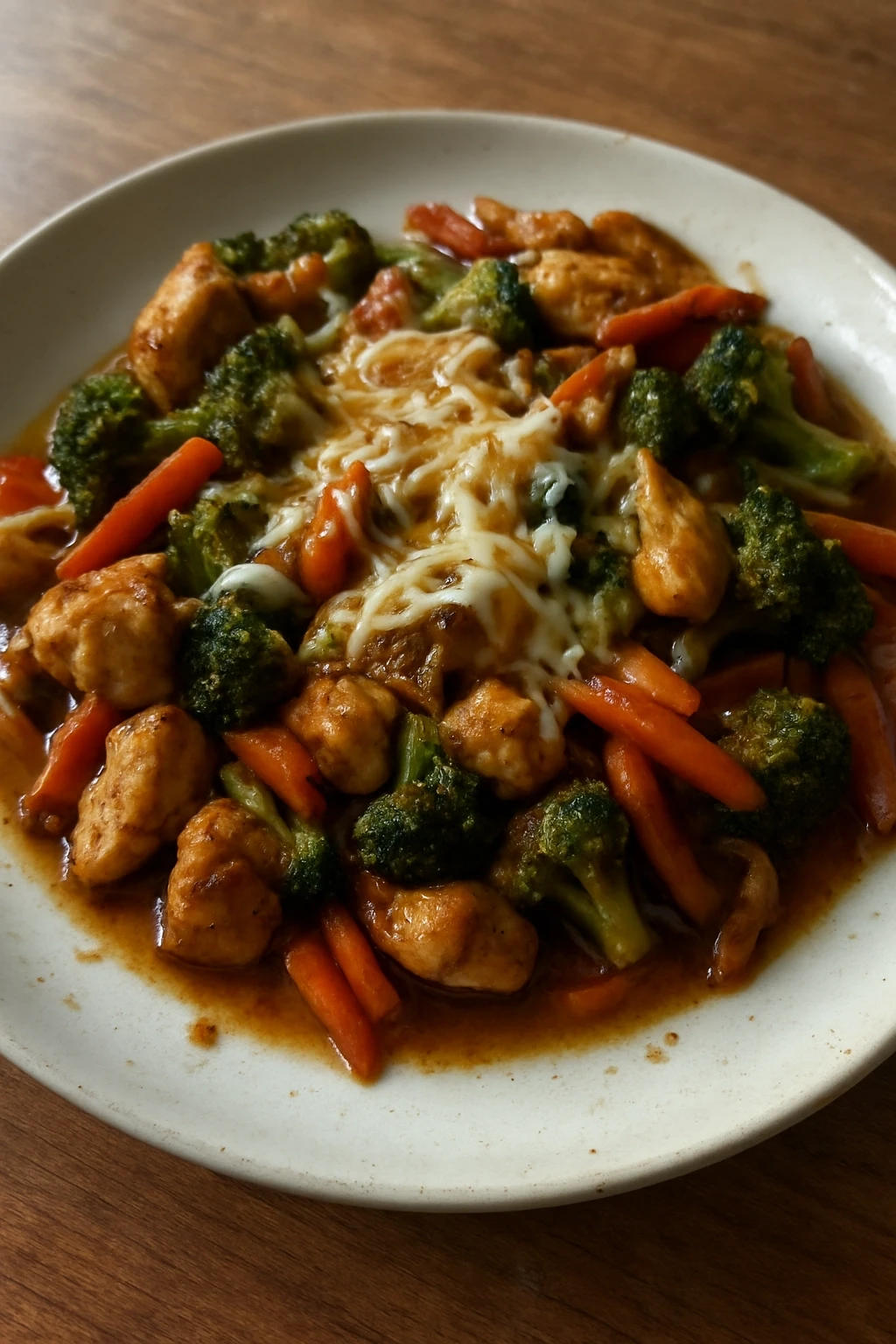
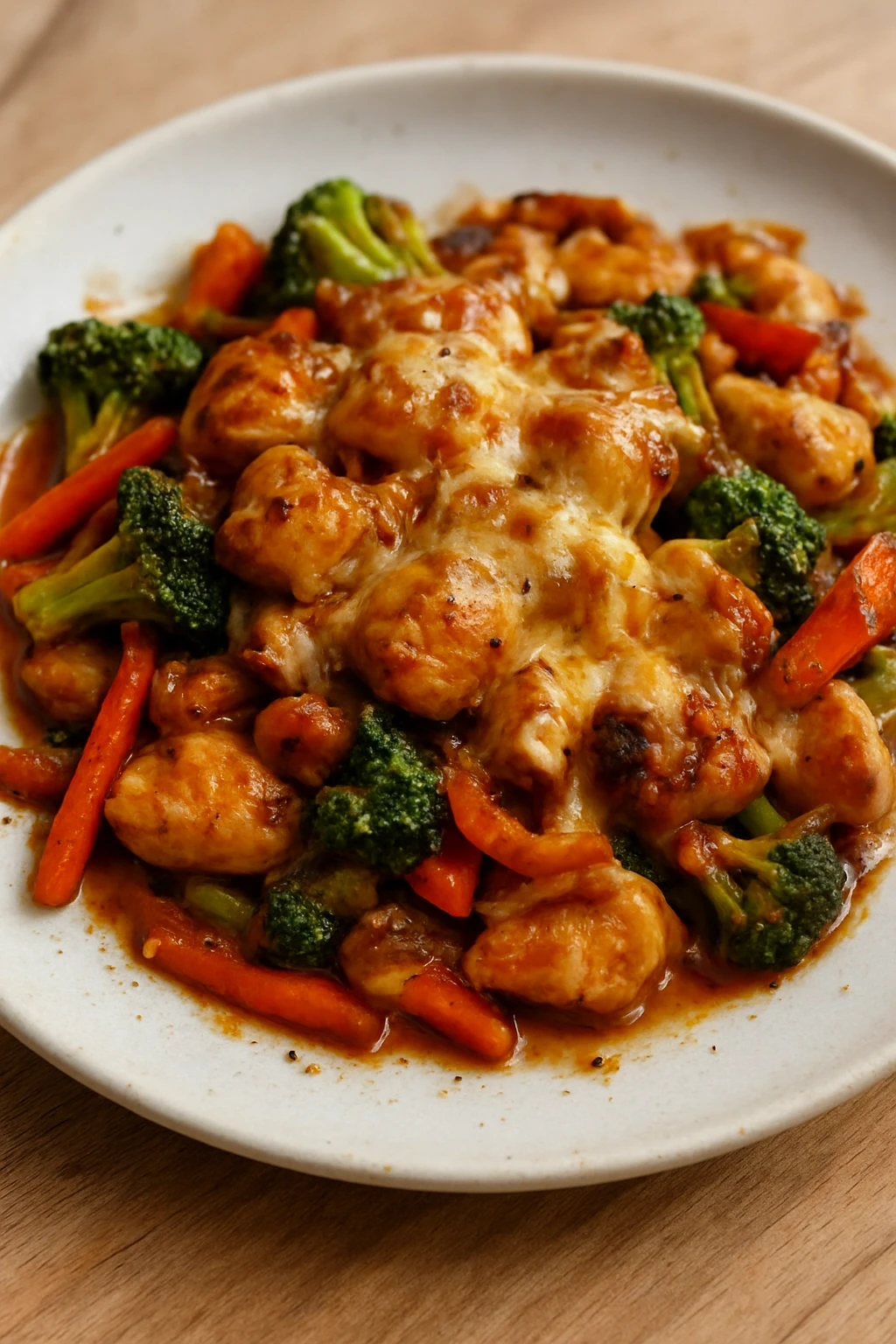
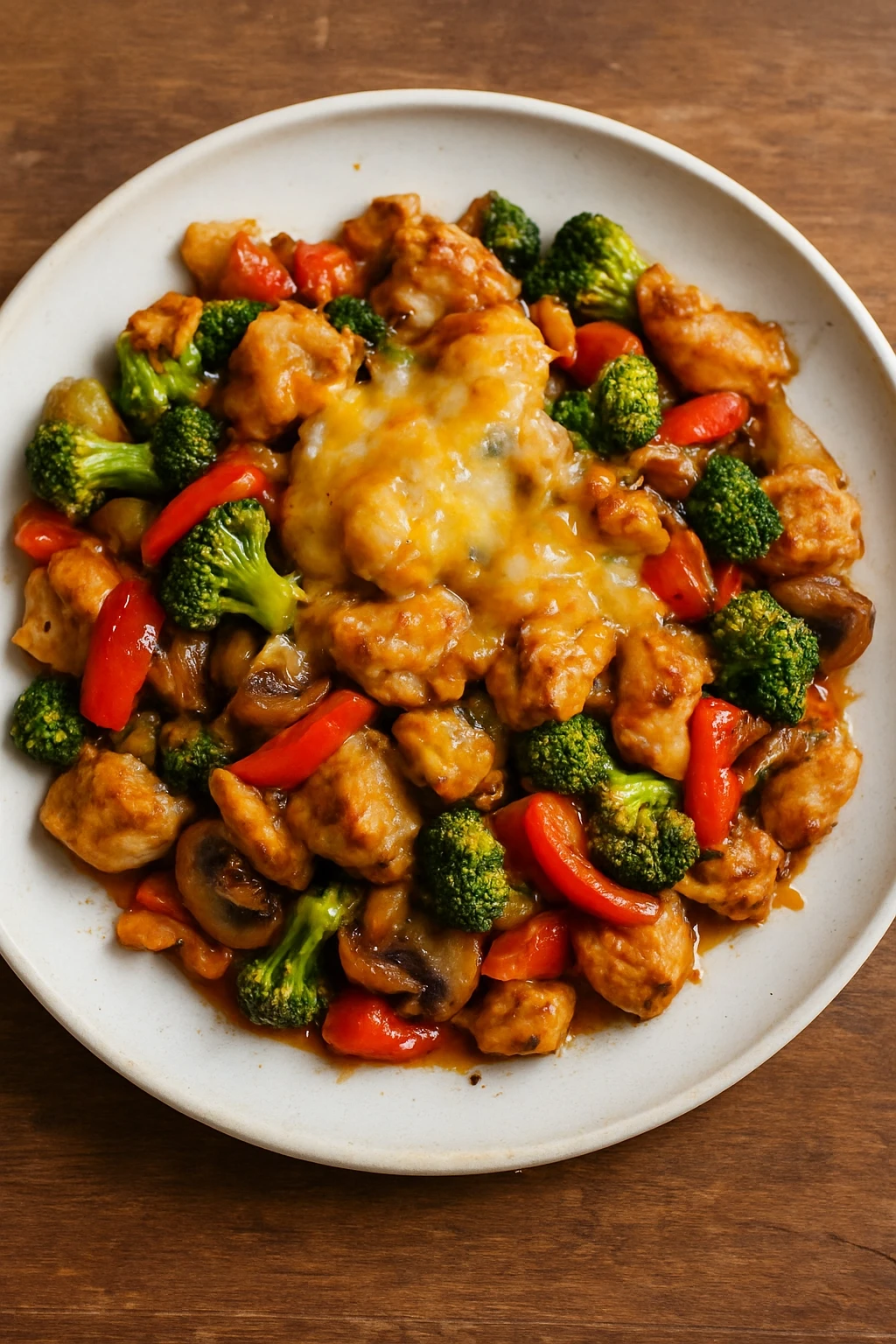
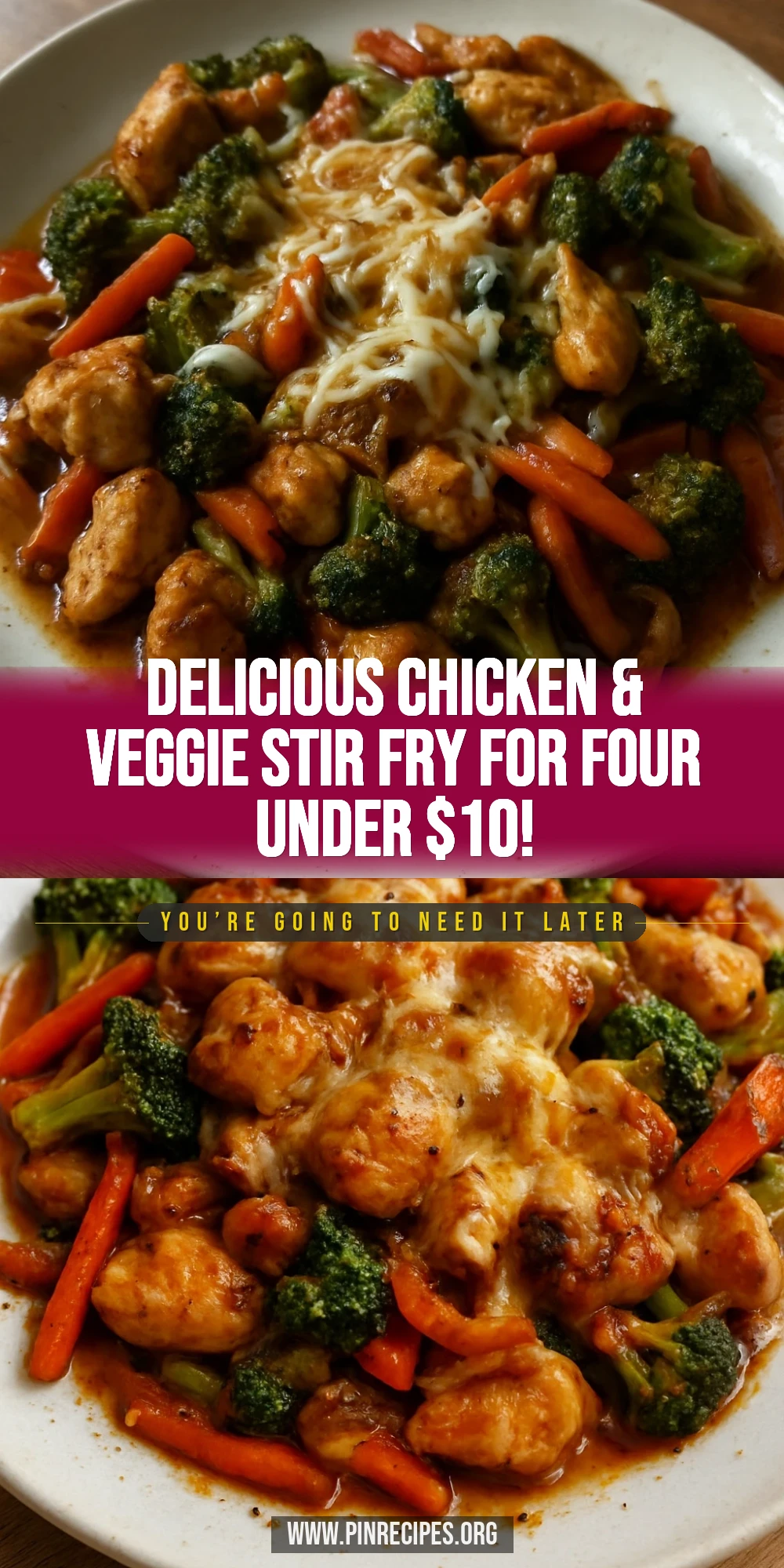
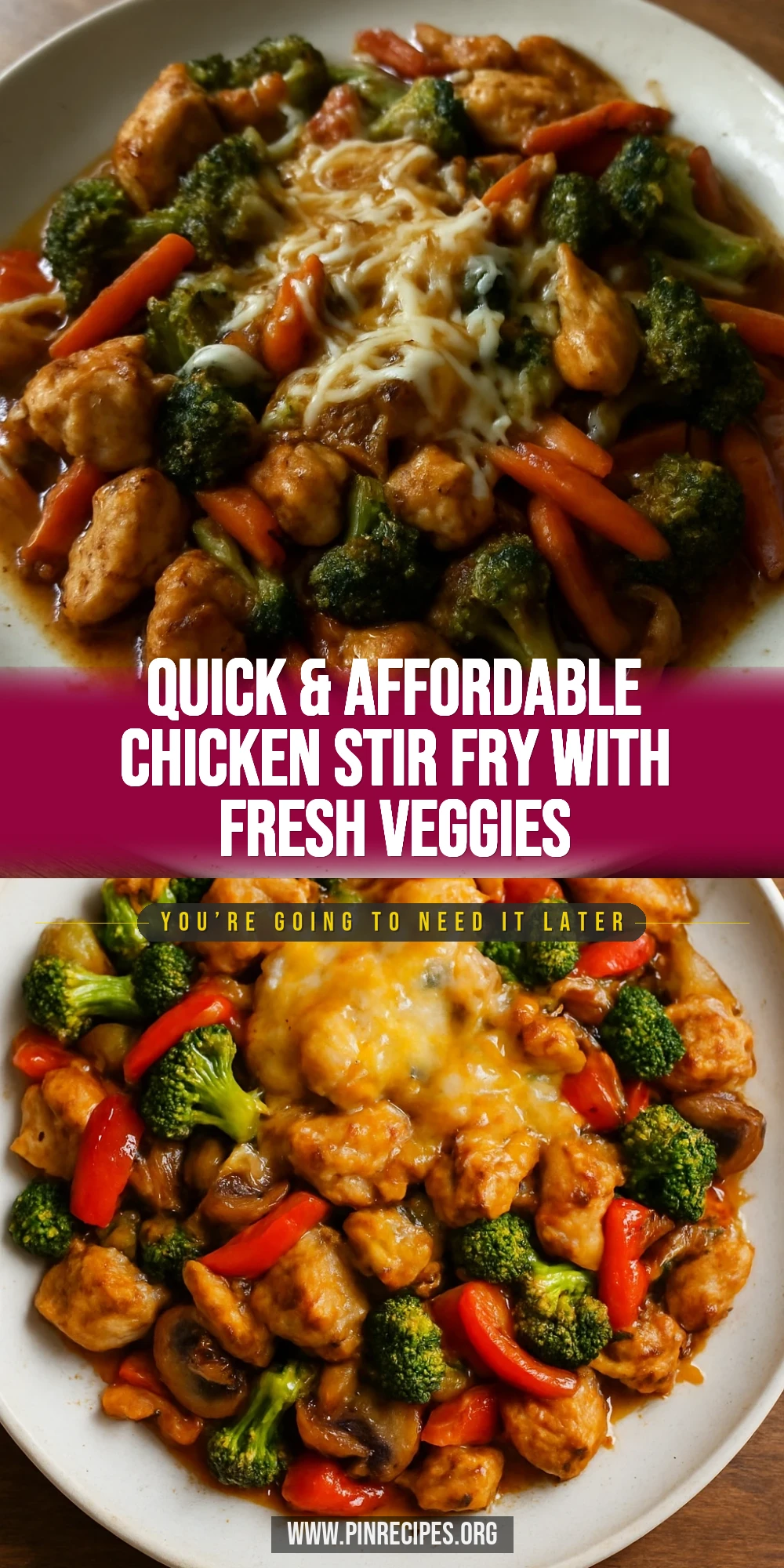
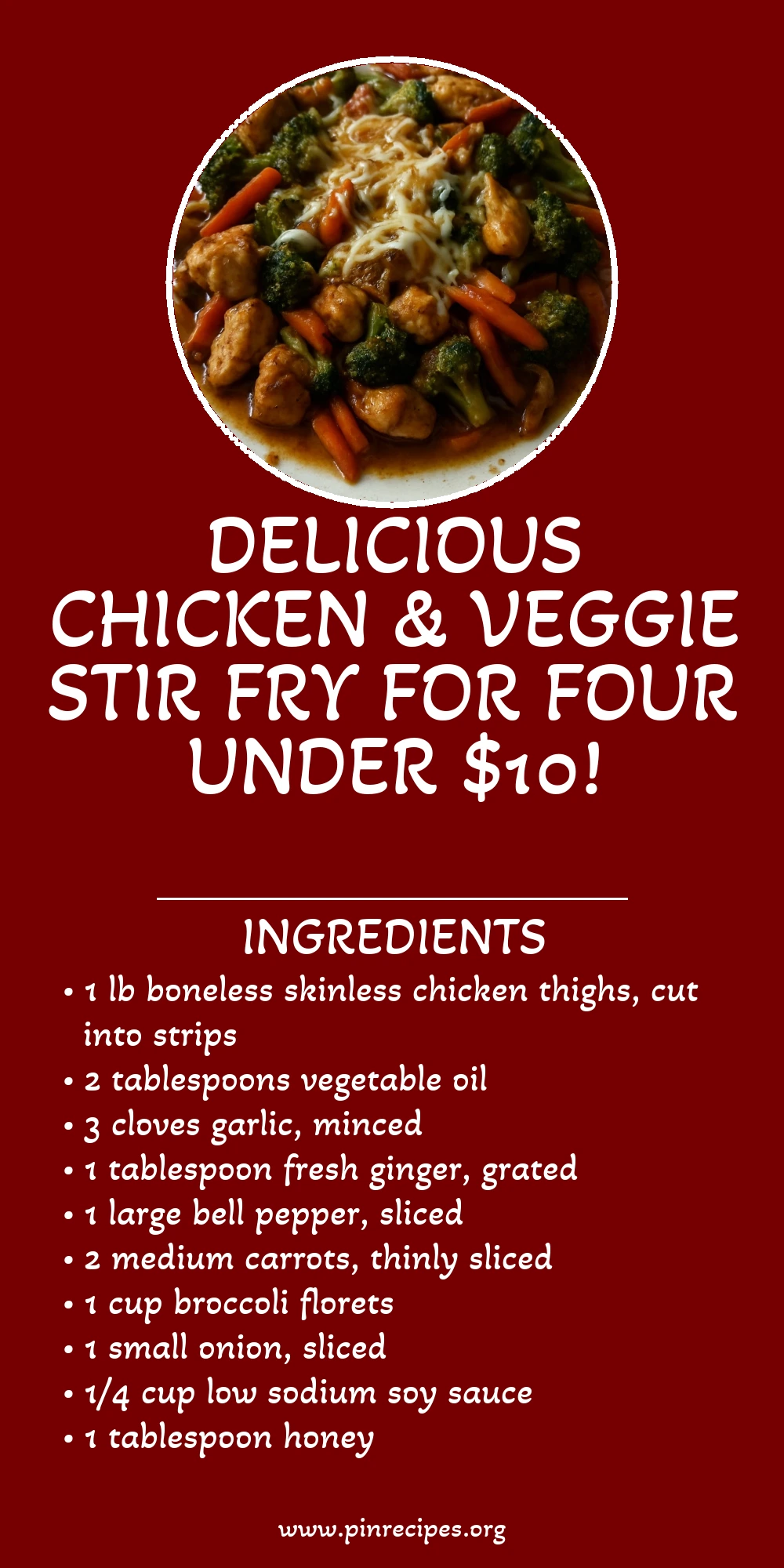
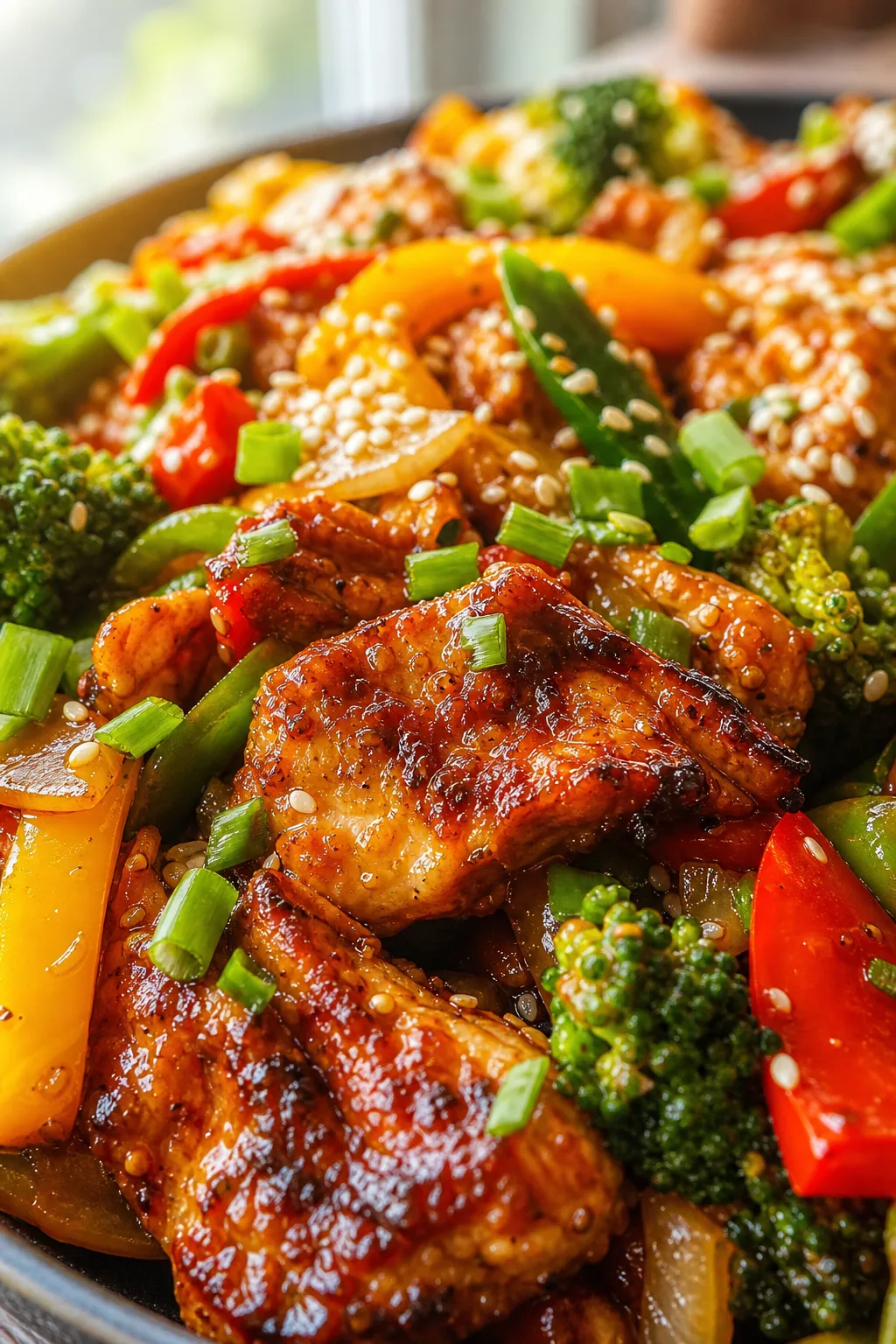
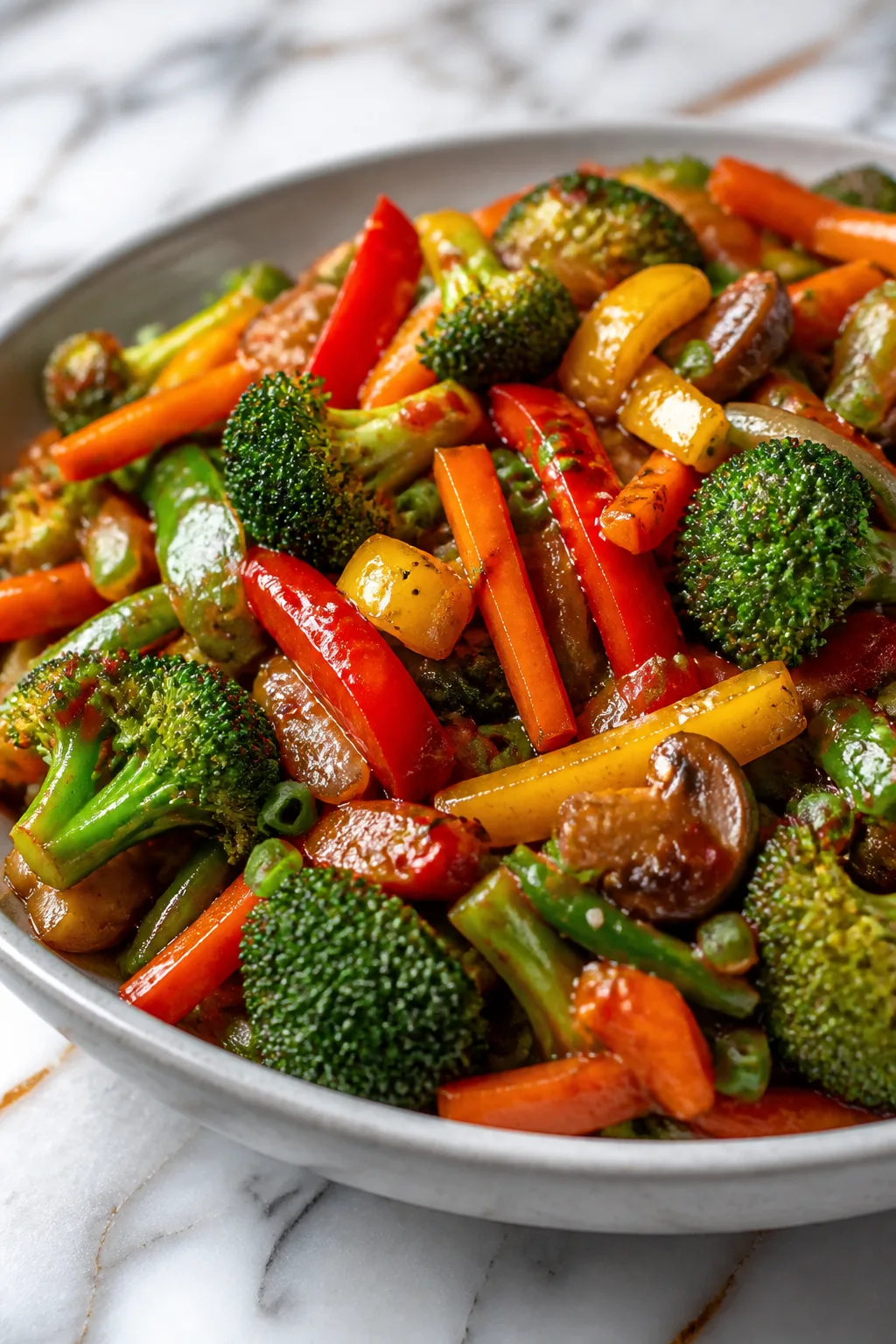
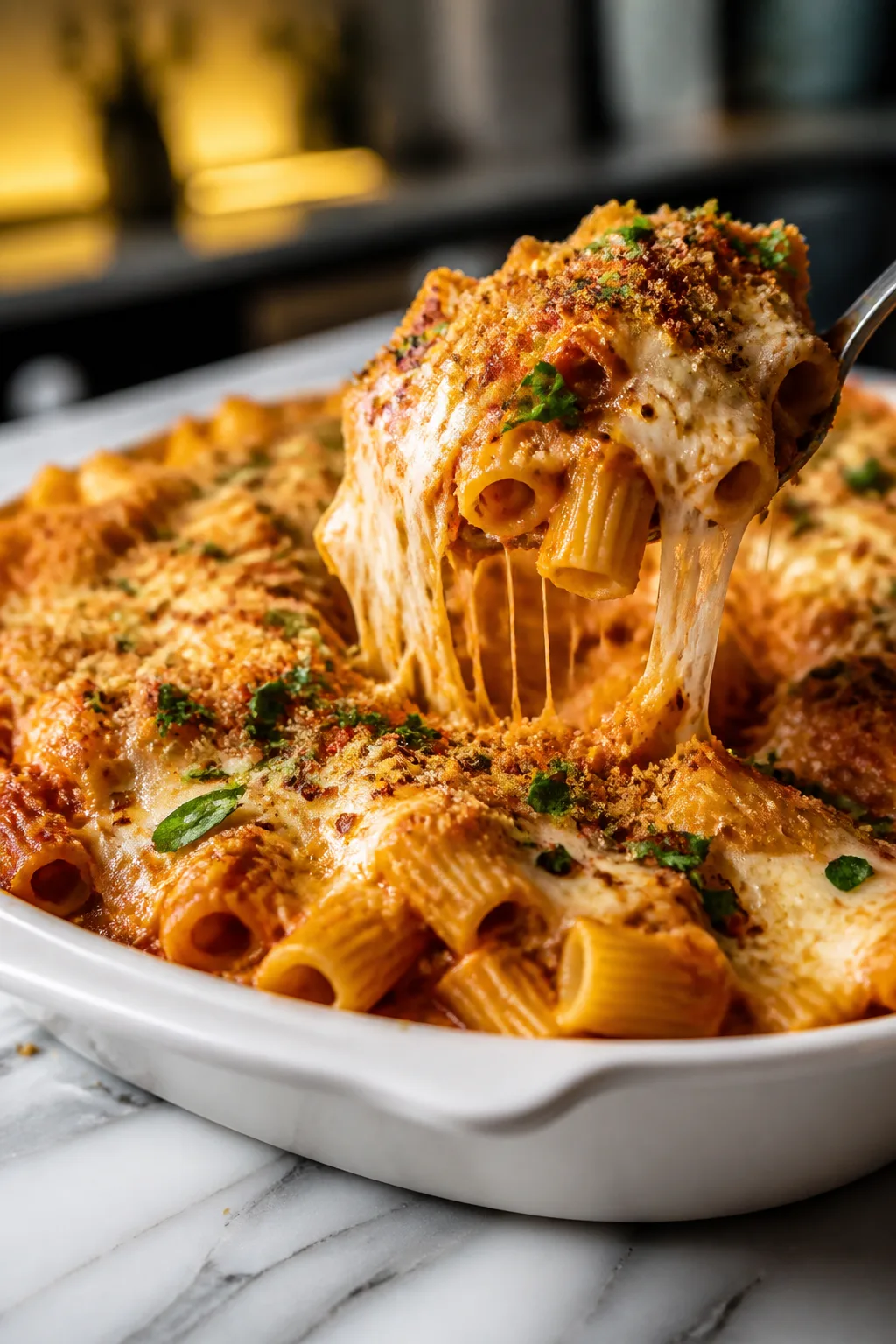
This stir fry is a lifesaver when you're feeding four on a tight budget. Packed with fresh veggies and tender chicken, it’s quick to whip up and full of flavor thanks to a simple soy-ginger sauce. Perfect for busy weeknights!
Introduction
I first stumbled upon this chicken stir fry recipe during a particularly tight month when I was trying to feed my family of four without breaking the bank. What I love about it is how it stretches simple ingredients into a flavorful, filling meal without any fancy or expensive sauces. The secret is really in the fresh ginger and garlic combo, which adds that punch of flavor you crave without adding cost. Plus, using chicken thighs instead of breasts keeps the dish juicy and tender, which I think makes a big difference compared to many stir fry recipes I've tried before. Over time, I've learned that cooking the veggies just right—still crisp but tender—keeps the dish lively and colorful, which makes it more appealing especially to picky eaters. When it’s done, you get this wonderful harmony of savory, sweet, and a little nutty from the sesame oil, all coating the chicken and veggies perfectly. It’s become a go-to for busy weeknights when I want something quick, wholesome, and wallet-friendly.
How To Do It
Step 1
Start by prepping all your ingredients so everything is ready to go. Cut the chicken into thin strips to ensure quick, even cooking. This step is crucial because uneven pieces can lead to some parts drying out while others remain undercooked. Also, slice your vegetables uniformly; this helps them cook at the same rate and keeps the texture balanced. Take your time here—good prep makes the cooking process smooth and stress-free.
⏱ Time: 10 minutes
✓ Doneness: Chicken strips are uniform in size; vegetables are sliced evenly
Step 2
Heat the vegetable oil in a large skillet or wok over medium-high heat until shimmering. Add the chicken strips in a single layer, avoiding overcrowding, and let them sear without stirring for about 3 minutes. This initial sear locks in juices and creates a nice caramelized crust, enhancing flavor. Stir and cook for another 2-3 minutes until the chicken is mostly cooked through but still juicy. Avoid stirring too often to get that golden color.
⏱ Time: 6 minutes
✓ Doneness: Chicken is golden brown on edges and opaque throughout
Step 3
Push the chicken to one side of the pan and add the minced garlic and grated ginger to the empty space. Sauté for about 30 seconds until fragrant, being careful not to burn them as burnt garlic tastes bitter. This step infuses the oil and chicken with aromatic flavors that are the backbone of the dish’s savory profile.
⏱ Time: 1 minute
✓ Doneness: Garlic and ginger smell fragrant and golden but not browned
Step 4
Add the sliced onion, bell pepper, carrots, and broccoli to the pan. Stir everything together and cook for about 5-7 minutes, stirring occasionally. The goal is to soften the veggies but keep them slightly crisp for texture contrast. If you cook them too long, they lose their vibrant color and crunch, making the dish less appealing.
⏱ Time: 7 minutes
✓ Doneness: Vegetables are bright, tender-crisp, and slightly softened
Step 5
In a small bowl, whisk together the soy sauce, honey, and sesame oil. Pour this sauce over the chicken and veggies, stirring well to coat everything evenly. The balance of salty and sweet here is key to making the dish flavorful without being overpowering. Let it cook for another 2 minutes to marry the flavors.
⏱ Time: 2 minutes
✓ Doneness: Sauce is glossy and evenly coats all ingredients
Step 6
Stir the cornstarch slurry (cornstarch mixed with water) into the pan. This thickens the sauce, helping it cling to the chicken and veggies instead of pooling at the bottom. Cook for an additional 1-2 minutes, stirring constantly, until the sauce has thickened to your liking. If you skip this, the dish can feel watery and less satisfying.
⏱ Time: 2 minutes
✓ Doneness: Sauce is thickened and shiny, coats ingredients well
Step 7
Taste and adjust seasoning if needed—sometimes a pinch of salt or a splash more soy sauce can brighten things up. Remove from heat. This final check ensures the dish is perfectly balanced and ready to serve.
⏱ Time: 1 minute
✓ Doneness: Flavor is balanced with no overpowering saltiness or sweetness
Step 8
Serve the stir fry hot over freshly cooked white rice. The rice soaks up the sauce beautifully and makes the meal more filling. Using freshly steamed rice instead of leftover or cold rice makes a big difference in texture and taste.
⏱ Time: 5 minutes
✓ Doneness: Rice is fluffy and warm, complements the stir fry
Step 9
Garnish with optional toasted sesame seeds or chopped green onions if you have them on hand. These little touches add texture and a pop of color that make the dish feel special, even on a budget.
⏱ Time: 2 minutes
✓ Doneness: Garnish is fresh, adds visual appeal
Pro Tips
Cut chicken into uniform thin strips
Uniform pieces cook evenly and quickly, preventing some from drying out while others remain undercooked. Thin strips increase surface area for browning, which adds flavor through the Maillard reaction.
Don’t overcrowd the pan when searing chicken
Crowding traps steam, causing the chicken to boil instead of sear. Proper searing creates caramelized edges that deepen flavor and improve texture.
Cook garlic and ginger just until fragrant
Overcooking these aromatics leads to bitterness. Cooking briefly releases essential oils that infuse the dish with bright, fresh flavor.
Use fresh vegetables and slice evenly
Fresh veggies retain crunch and vibrant color, making the dish more appealing. Even slices cook uniformly, avoiding a mix of undercooked and mushy pieces.
Add cornstarch slurry slowly while stirring
Gradually adding the slurry prevents lumps and ensures the sauce thickens evenly, creating a smooth, glossy coating.
Taste and adjust the sauce at the end
Soy sauce saltiness can vary by brand; tasting lets you balance salt and sweetness for perfect flavor.
Serve immediately over freshly cooked rice
Fresh rice absorbs sauce better and has a fluffier texture, enhancing the overall eating experience.
Common Mistakes to Avoid
Overcooking chicken causing dryness
Why it happens Many assume cooking chicken longer ensures safety, but high heat and thin strips cook quickly. Overcooking squeezes moisture out, making it tough.
Fix Cook chicken in batches if needed to avoid overcrowding, sear until just opaque and golden, then remove from heat to finish cooking with residual heat.
Burning garlic and ginger
Why it happens Garlic and ginger cook very fast; leaving them unattended on high heat causes burning, which tastes bitter.
Fix Add aromatics after chicken sears and stir constantly, cooking only until fragrant (about 30 seconds) before adding vegetables.
Vegetables too soft or soggy
Why it happens Overcooking or uneven slicing causes some veggies to turn mushy, losing texture and color.
Fix Cut veggies evenly and cook on medium-high heat, stirring occasionally, to keep them crisp-tender.
Sauce too thin or watery
Why it happens Skipping or improperly mixing cornstarch slurry leads to a runny sauce that doesn’t cling to ingredients.
Fix Mix cornstarch with cold water before adding, stir constantly, and cook until sauce thickens and becomes glossy.
Not tasting and adjusting seasoning
Why it happens Assuming soy sauce amount is perfect can result in under or oversalted dishes.
Fix Always taste at the end and add a splash more soy or a pinch of sugar to balance flavors.
Variations
Spicy Szechuan Stir Fry
Add 1-2 teaspoons of chili garlic sauce or crushed red pepper flakes during the garlic and ginger sauté for a spicy kick. Use Szechuan peppercorns for authentic numbing heat. This variation adds complexity and heat, perfect if you like bold flavors.
Note: Adjust cooking time slightly as the spice can intensify quickly; balance with a touch more honey if needed.
Vegetarian Tofu Stir Fry
Replace chicken with firm tofu pressed and cubed. Marinate tofu briefly in soy sauce before cooking for flavor. This version is lighter and plant-based but still satisfying with the same sauce and veggies.
Note: Cook tofu until golden on all sides to improve texture and prevent sogginess.
Brown Rice and Cashew Stir Fry
Serve the stir fry over nutty brown rice and toss in a handful of toasted cashews for crunch. This adds fiber and a lovely texture contrast, making the dish more wholesome.
Note: Toast cashews separately in a dry pan to avoid burning and add just before serving.
Mushroom and Snap Pea Stir Fry
Swap bell peppers and carrots for sliced mushrooms and snap peas. This gives an earthier, fresher flavor and a different texture profile. Great for spring or summer produce.
Note: Cook mushrooms first to release moisture before adding other veggies to avoid sogginess.
Honey Garlic Glazed Stir Fry
Increase honey to 2 tablespoons and add an extra clove of garlic for a sweeter, more garlicky glaze. This is great for those who prefer a sticky, slightly sweet coating on their stir fry.
Note: Watch the heat carefully to prevent the honey from burning and becoming bitter.
Nutrition
Per Serving:
Nutritional values are estimates and may vary based on specific ingredients used.
Storage & Tips
Room Temperature
This stir fry is best eaten immediately but can safely sit covered at room temperature for up to 2 hours. Beyond that, bacteria growth risks increase, so refrigerate leftovers promptly.
Refrigerator
Store leftovers in an airtight container for up to 3 days. The sauce may thicken and veggies soften when cold. Reheat gently to preserve texture, adding a splash of water or broth if needed to loosen the sauce.
Freezer
Freeze in airtight containers for up to 2 months. To prevent freezer burn, cool completely before freezing and seal tightly. Thaw overnight in the fridge for best texture before reheating.
Reheating
Reheat on the stovetop over medium heat, stirring occasionally. Add a small splash of water or broth to loosen sauce if it has thickened too much. Avoid microwaving for long periods as it can make veggies soggy.
Make Ahead
Prep and slice all veggies and chicken 1-2 days ahead and store separately in the fridge. Mix sauce ingredients in advance. On the day, stir fry everything fresh for best texture and flavor.
FAQ
Can I use chicken breast instead of thighs?
Yes, you can substitute chicken breast, but be careful not to overcook it since it’s leaner and dries out faster. Cut into thin strips and sear quickly over high heat, removing from the pan as soon as it’s opaque.
What can I substitute for soy sauce?
Tamari or coconut aminos work well as gluten-free alternatives, offering similar umami flavor. Keep in mind they vary in saltiness, so taste and adjust seasoning accordingly.
How do I keep vegetables crisp in stir fry?
Slice veggies evenly and cook over medium-high heat, stirring often but not constantly. Remove from heat when they’re bright and tender-crisp to preserve texture and nutrients.
Can I make this recipe vegan?
Absolutely! Swap chicken for firm tofu or tempeh and use vegan-friendly soy sauce. Press and marinate tofu for best flavor and texture.
What’s the best way to thicken the sauce?
Mix cornstarch with cold water before adding it to the pan. Stir constantly as it cooks to avoid lumps and achieve a smooth, glossy sauce that clings well.
Can I prepare this recipe ahead of time?
Yes, you can prep and slice ingredients a day or two in advance and store separately. Cook everything fresh for best texture and flavor on the day you serve.
Why does my stir fry sometimes turn out watery?
Overcrowding the pan or adding frozen veggies can release excess water. Cook in batches if needed and use fresh veggies to avoid a watery sauce.
Is there a way to make this recipe spicier?
Add chili flakes, chili garlic sauce, or fresh chopped chilies during the garlic and ginger sauté. Adjust to taste to avoid overpowering the other flavors.
Final Thoughts
Give this budget-friendly chicken stir fry a try—you’ll be surprised how flavorful and satisfying it is without spending a lot. I’d love to hear how your version turns out!