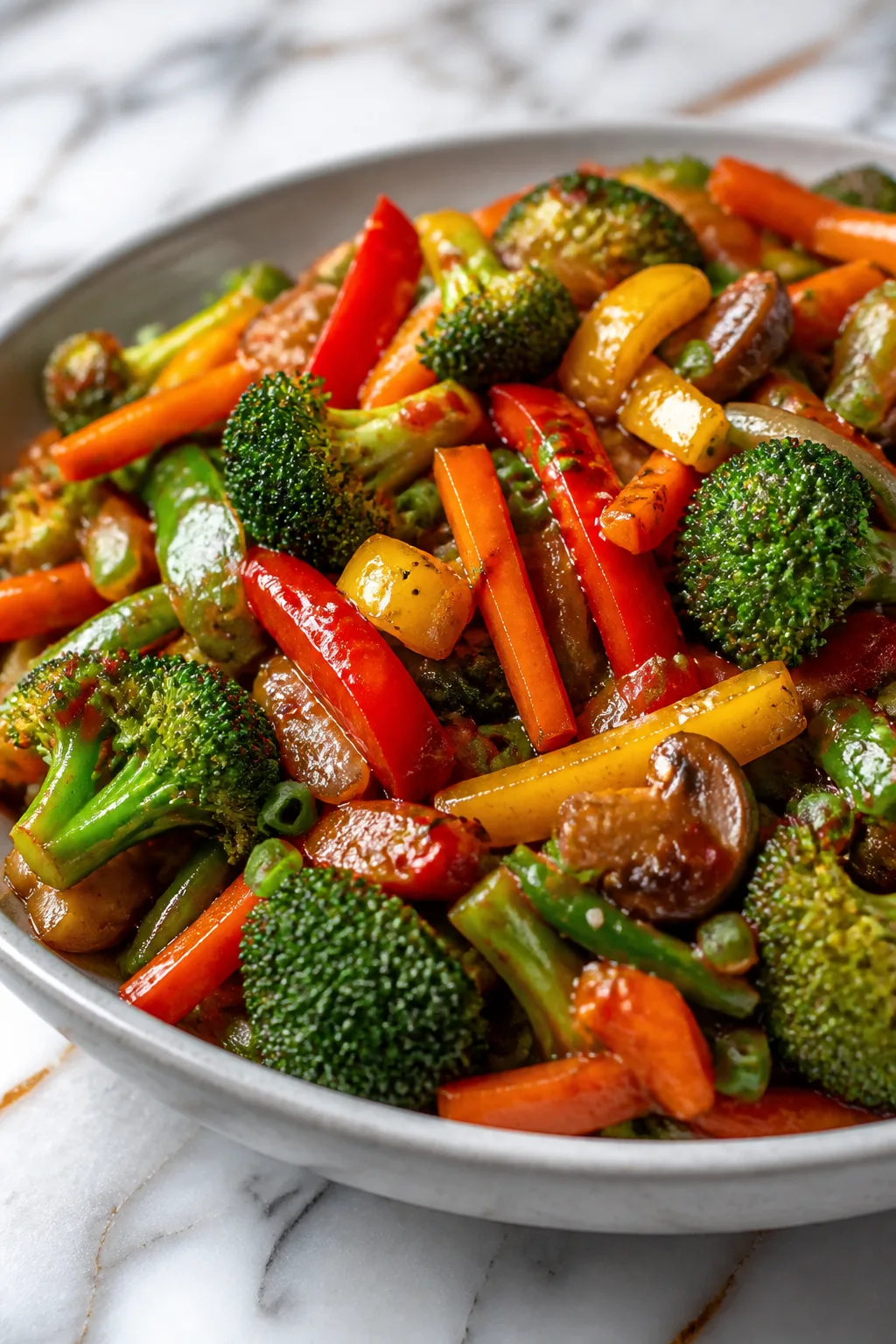
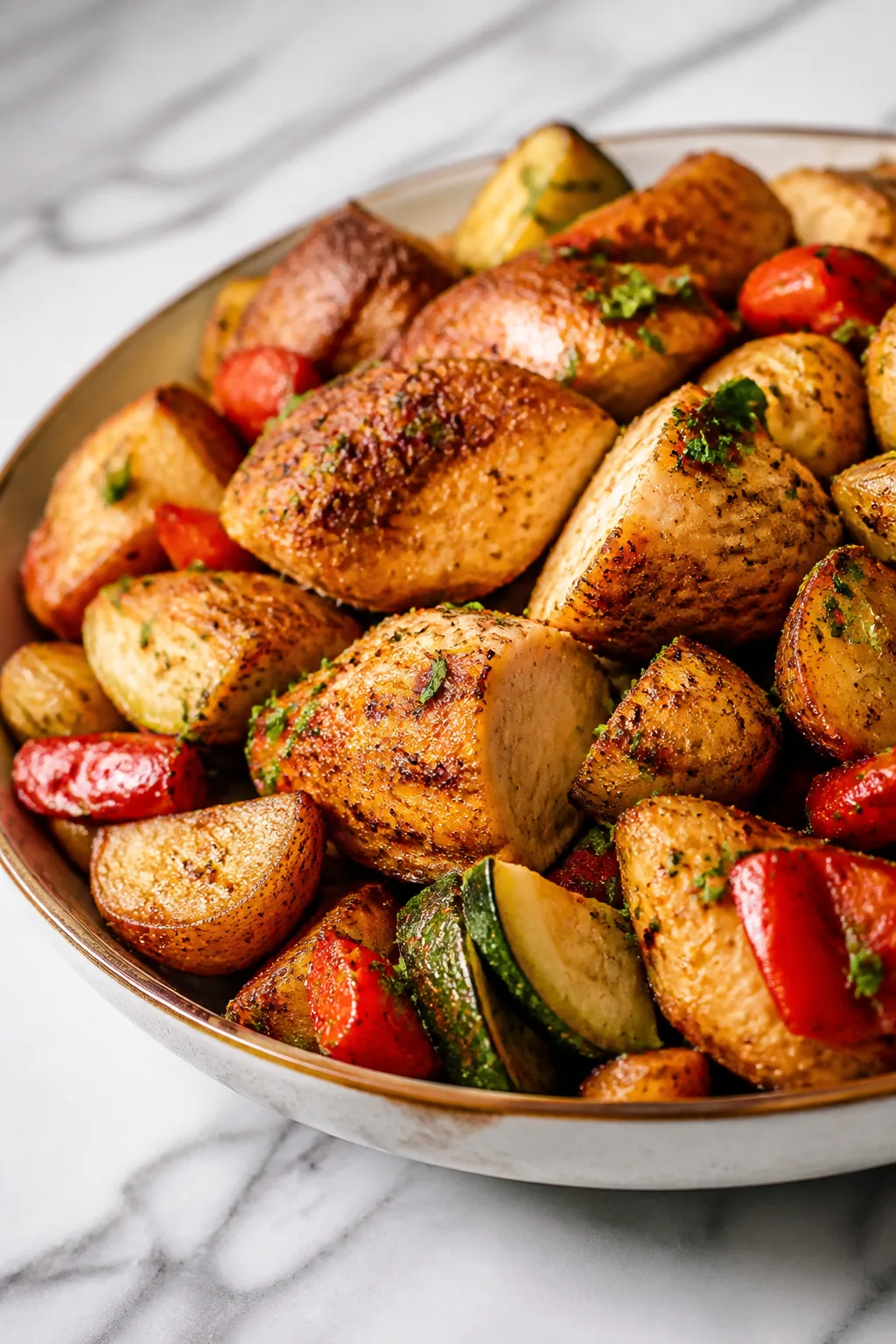
Nothing beats the charm of campfire food—simple, hearty dishes cooked over an open flame. I love using foil packets to keep flavors locked in and cleanup easy. Perfect for weekend camping trips or backyard bonfires!
Introduction
I’ve always loved the simple joy of cooking over a campfire. This recipe brings back memories of family camping trips where we'd gather around the fire, sharing stories and waiting for the smell of dinner to fill the air. What I really like about this version of campfire food is how easy it is to prepare ahead of time. You just chop everything, toss it in a packet, and throw it on the fire. No pots or pans to wash later — just pure outdoor fun. The trick I learned is to slice the potatoes thin so they cook evenly without burning, and seasoning with smoked paprika adds that perfect campfire flavor. When it’s done, you get a hearty, comforting meal with crispy edges and tender veggies inside. It’s perfect for cool evenings when you want something warm and satisfying without a lot of fuss.
What You'll Need
Approximately 4 foil packets, 4 servings
- 4 medium potatoes, thinly sliced
- 1 large onion, thinly sliced
- 1 bell pepper, chopped
- 2 cups cooked sausage, sliced
- 2 tablespoons olive oil
- Salt and pepper to taste
- 1 teaspoon smoked paprika
- Aluminum foil for wrapping
How To Do It
Step 1
Start by slicing the potatoes thinly—about 1/8 inch thick. This helps them cook evenly inside the foil packets without needing to soak or parboil them. You want thin slices so they soften through but don’t become mushy or take forever to cook. Avoid thick chunks that stay hard in the center. Use a sharp knife or mandoline if you have one, and try to keep the slices uniform for best results.
⏱ Time: 10 minutes
✓ Doneness: Potato slices are uniformly thin and flexible without breaking apart
Step 2
In a large bowl, toss the sliced potatoes, onions, bell peppers, and cooked sausage with olive oil, salt, pepper, and smoked paprika. The olive oil helps everything cook without sticking to the foil and adds richness. The smoked paprika brings a subtle smoky flavor that enhances the campfire taste. Make sure the seasoning is evenly distributed so each bite is flavorful. Don’t rush this step; well-coated ingredients cook better and taste more balanced.
⏱ Time: 5 minutes
✓ Doneness: Ingredients are evenly coated with oil and spices, no dry spots
Step 3
Tear off four large sheets of heavy-duty aluminum foil, about 12 inches long each. Divide the mixture evenly among the sheets, placing it in the center of each. Fold the foil over the food and crimp the edges tightly to create sealed packets. This traps steam inside, cooking the food gently and preserving moisture. Make sure the packets are sealed well so no juices leak out on the fire, which can cause flare-ups or uneven cooking.
⏱ Time: 5 minutes
✓ Doneness: Foil packets are tightly sealed with no gaps or holes
Step 4
Place the foil packets on hot coals or a grill over the campfire. Avoid placing directly in flames to prevent burning. The indirect heat cooks the food slowly and evenly. Cook for about 25-30 minutes, turning packets occasionally to prevent hot spots. This slow cooking softens the potatoes and melds the flavors. Keep an eye on the fire temperature; too hot and the packets might burn, too low and cooking takes too long.
⏱ Time: 25-30 minutes
✓ Doneness: Steam escapes gently when opening packets; potatoes are tender when pierced with a fork
Step 5
Carefully open one packet to check doneness—watch out for hot steam! The potatoes should be tender and cooked through, and the sausage warmed. If the potatoes feel firm, reseal and cook a bit longer. The onions and peppers should be soft but not mushy. This step is important to avoid undercooked potatoes which can be unpleasant to eat. If needed, close the packet and return to heat for another 5-10 minutes.
⏱ Time: 5 minutes
✓ Doneness: Potatoes are fork-tender and vegetables are softened
Step 6
Once cooked, carefully transfer packets to a plate or wooden board. Let them rest for a couple of minutes before serving; this allows the steam to settle and flavors to meld further. Opening too soon can cause juices to spill and burn your fingers. Resting also makes the packets easier to handle. Serve the packets as is for a rustic feel or open and spoon onto plates.
⏱ Time: 2-3 minutes
✓ Doneness: Packets are cool enough to handle safely and flavors are well combined
Step 7
For extra flavor, sprinkle fresh chopped parsley or a squeeze of lemon juice over the packets just before serving. This adds brightness to balance the smoky richness. It’s a simple finishing touch that lifts the whole dish. If you like a bit of heat, add a dash of hot sauce or crushed red pepper flakes. These small additions make the meal feel more special without complicating the cooking process.
⏱ Time: 1 minute
✓ Doneness: Fresh herbs add a vibrant green color and fresh aroma
Step 8
If you want to add cheese, sprinkle shredded cheddar or mozzarella on top of the opened packets and close them again for a couple of minutes on the fire to melt. This gives a gooey, comforting finish but is totally optional. Cheese melts quickly so watch carefully to avoid burning. This step makes the dish feel extra indulgent, especially on cooler nights.
⏱ Time: 3-5 minutes
✓ Doneness: Cheese is melted and bubbly without burning
Step 9
Clean up is super easy with this method—just fold the foil and toss it when done. No pots or pans to scrub. If you want to save leftovers, carefully unwrap the packets and transfer the food to airtight containers once cooled. This makes campfire cooking low-stress and enjoyable, especially when you’re outdoors and want to focus on the fun, not the mess.
⏱ Time: 5 minutes
✓ Doneness: Foil is discarded or cleaned up easily, leaving no residue behind
Pro Tips
Slice potatoes uniformly thin to ensure even cooking.
Potatoes cook through faster and more evenly when sliced thinly. Thick slices risk undercooked centers or mushy edges, ruining texture. Uniformity helps all slices finish cooking at the same time.
Seal foil packets tightly to trap steam and moisture.
Proper sealing creates a mini steam oven inside the packet, softening ingredients without drying them out. If not sealed well, steam escapes causing uneven cooking and dry food.
Cook packets on hot coals instead of direct flames.
Direct flames can burn the foil and food quickly. Hot coals provide steady, indirect heat that cooks food gently and evenly, preventing burnt spots and undercooked centers.
Turn packets occasionally during cooking.
Rotating packets prevents hot spots and uneven cooking, ensuring all sides receive heat. This helps avoid burnt edges or raw spots inside.
Let packets rest a few minutes after cooking.
Resting allows steam to redistribute and flavors to meld. Opening too soon can cause juices to spill and burn fingers, plus flavors may be less developed.
Use smoked paprika for authentic campfire flavor.
Smoked paprika adds a subtle smoky aroma reminiscent of cooking over wood fire. It enhances flavor without adding heat and makes the dish taste like true campfire food.
Prepare ingredients in advance for easy campfire cooking.
Chopping and seasoning at home saves time outdoors and reduces mess. It lets you focus on enjoying the fire and company instead of prep work.
Common Mistakes to Avoid
Using thick potato slices that don’t cook through.
Why it happens People often slice potatoes too thick, thinking it will hold shape better, but thick slices need longer cooking and risk being hard inside.
Fix Slice potatoes thinly and evenly, about 1/8 inch thick. This ensures they soften fully during the 25-30 minute cooking time without burning.
Not sealing foil packets tightly enough.
Why it happens Sometimes packets are folded loosely, letting steam escape and drying out the food.
Fix Fold foil edges carefully and press firmly to seal packets. Double wrap if needed to prevent leaks and keep moisture inside.
Cooking directly in flames causing burnt food.
Why it happens Direct flames are too hot and inconsistent, burning foil and ingredients quickly.
Fix Place packets on coals or grill grates away from open flames. This indirect heat cooks food slowly and evenly.
Skipping the resting period after cooking.
Why it happens Impatience to eat leads to opening packets immediately, risking burns and losing flavor.
Fix Wait 2-3 minutes after cooking before opening. This lets steam settle and flavors develop.
Using raw sausage without pre-cooking.
Why it happens Some assume sausage will cook fully inside packets, but thick pieces may remain underdone.
Fix Cook sausage fully before adding to packets to ensure food safety and even cooking.
Variations
Vegetarian Campfire Packets
Skip the sausage and add hearty veggies like mushrooms, zucchini, and cherry tomatoes. Season with herbs like thyme or rosemary for depth. Expect a lighter but still satisfying meal with fresh, earthy flavors.
Note: Vegetables may cook faster than potatoes; slice evenly and monitor cooking time to avoid over-softening.
Cheesy Campfire Packets
Add shredded cheddar or mozzarella cheese on top of cooked packets and seal again for a few minutes to melt. This adds creamy richness and makes the dish extra comforting and indulgent.
Note: Watch closely to prevent cheese from burning; remove from heat as soon as melted.
Spicy Campfire Packets
Add diced jalapeños or a pinch of cayenne pepper to the mix for a spicy kick. This variation livens up the dish and pairs well with smoky paprika for bold flavors.
Note: Adjust spice level to taste; spicy ingredients cook quickly, so balance with milder veggies.
Breakfast Campfire Packets
Add scrambled eggs and cooked bacon or ham to the potato and veggie mix. Great for a hearty breakfast cooked right at the campsite, combining all your morning favorites in one packet.
Note: Add eggs last and cook on lower heat to prevent overcooking or drying out.
Herb-Infused Campfire Packets
Mix fresh herbs like rosemary, thyme, and parsley into the packets for a fragrant, garden-fresh flavor. This adds complexity and bright notes to the smoky base dish.
Note: Add herbs towards the end of mixing to preserve their aroma and color.
Nutrition
Per Serving:
Nutritional values are estimates and may vary based on specific ingredients used.
Storage & Tips
Room Temperature
Campfire food packets can safely sit at room temperature for about 2 hours if covered. Beyond that, bacteria can grow, so it’s best to refrigerate leftovers promptly. Keep packets sealed to retain moisture and prevent drying.
Refrigerator
Store leftovers in airtight containers for up to 3 days. The food may firm up in the fridge; reheat gently to restore tenderness. Flavors may deepen but texture can become denser when cold.
Freezer
Freeze cooked campfire food in airtight freezer-safe containers or freezer bags for up to 2 months. Wrap well to avoid freezer burn. Thaw overnight in the fridge before reheating to maintain texture.
Reheating
Reheat leftovers in a covered skillet over low heat or in the oven at 350°F until warmed through. Add a splash of water or broth to prevent drying. Avoid microwaving too long as it can make potatoes rubbery.
Make Ahead
Prepare and season all ingredients a day ahead and store in the fridge. Assemble foil packets just before cooking. This reduces prep time outdoors and lets flavors meld overnight for extra depth.
FAQ
Can I use sweet potatoes instead of regular potatoes?
Yes! Sweet potatoes work well but may cook a bit faster. Slice them thinly like regular potatoes and check doneness a few minutes earlier to avoid mushiness. They add a nice natural sweetness that pairs well with smoked paprika.
What if I don’t have smoked paprika?
You can substitute regular paprika or a mix of paprika and a tiny bit of cumin for smokiness. The flavor won’t be as smoky but still tasty. Avoid chili powder if you want to keep it mild.
Can I make these packets in the oven instead of a campfire?
Absolutely! Preheat oven to 400°F and bake packets on a baking sheet for about 30-35 minutes. The foil traps moisture just like on a fire, so results are very similar and great for indoor cooking.
How do I avoid soggy vegetables in the packets?
Make sure your vegetables are cut evenly and avoid adding too much oil or liquid. Sealing packets tightly traps steam but too much moisture can cause sogginess. Cook over moderate heat and don’t open packets prematurely.
Is it safe to cook raw sausage in the packets?
It’s safer to pre-cook sausage before adding it to packets to ensure it’s fully cooked through. Raw sausage may not cook evenly inside the packet, risking food safety. Pre-cooked sausage also adds flavor and texture.
Can I add cheese before cooking the packets?
Cheese tends to burn if cooked inside sealed packets over fire. It’s better to add cheese after cooking and then briefly reheat the open packets to melt the cheese gently.
What’s the best way to store leftovers?
Transfer leftovers to airtight containers and refrigerate within two hours of cooking. Use within 3 days. For longer storage, freeze in freezer-safe containers for up to 2 months.
How do I prevent the foil from tearing on the fire?
Use heavy-duty aluminum foil and avoid placing directly in flames. Place packets on coals or grill grates. Double wrapping can add extra protection if needed.
Final Thoughts
I hope you enjoy this simple campfire food as much as my family does. It’s an easy, cozy meal that brings everyone together—give it a try and share your favorite twists!