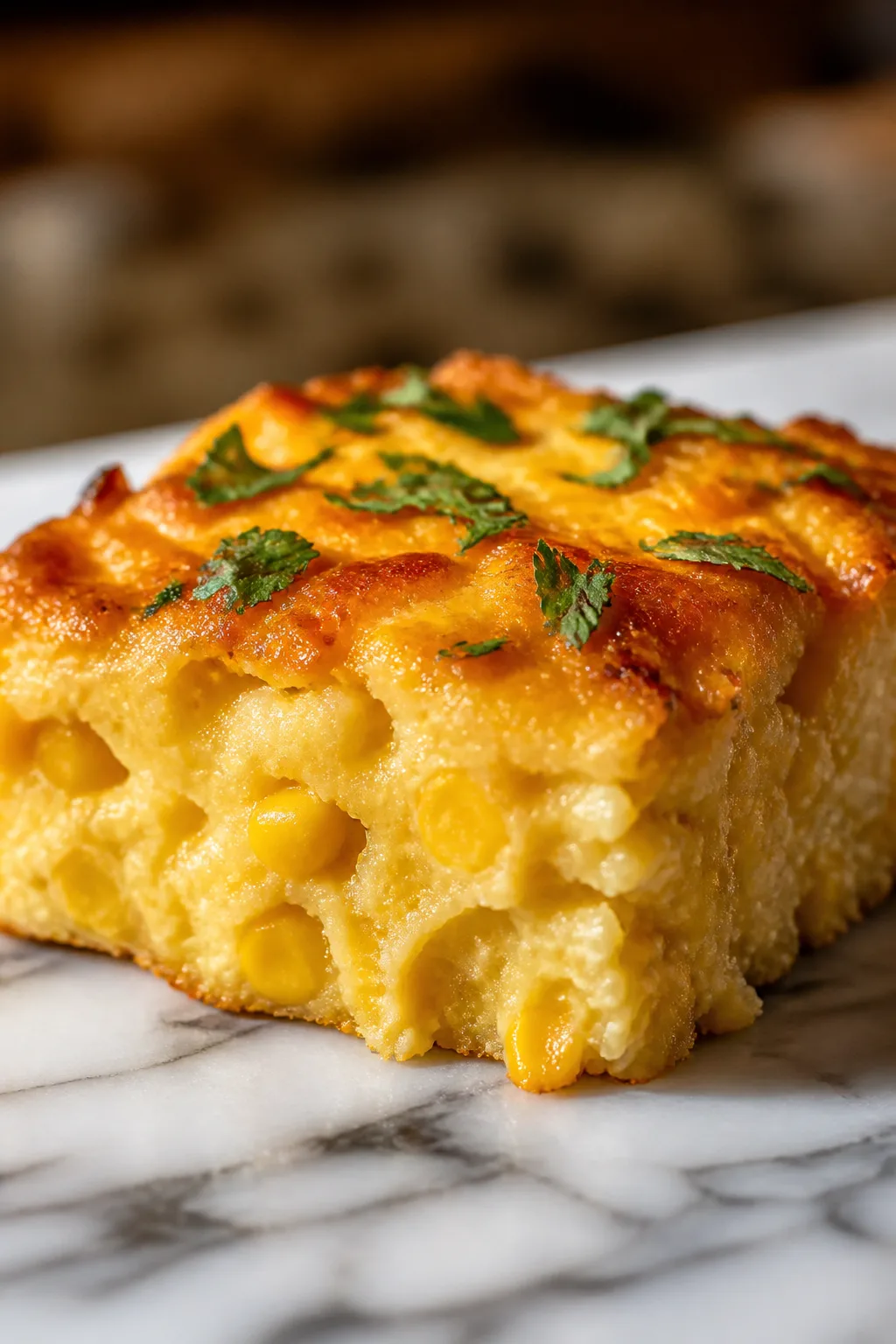
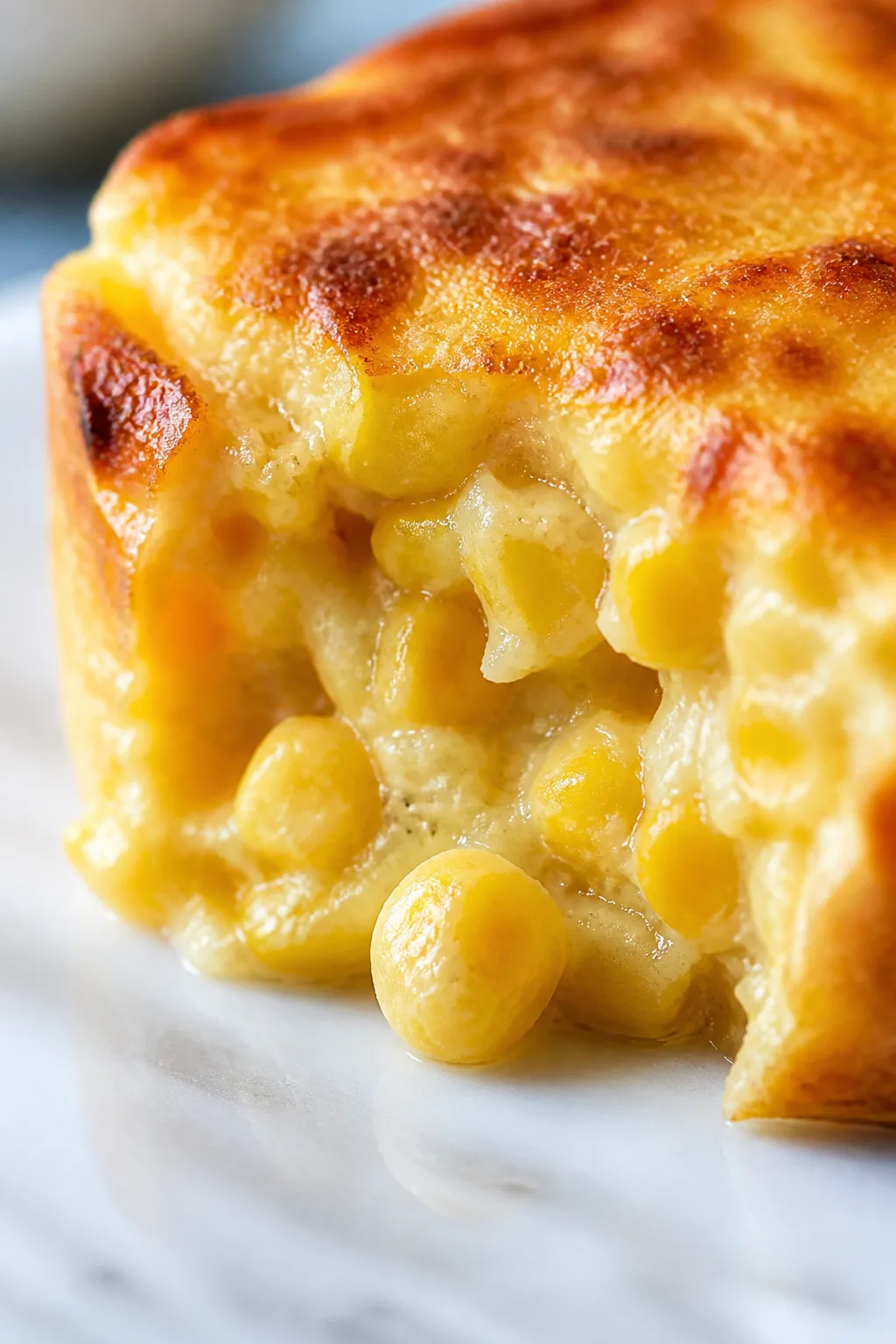
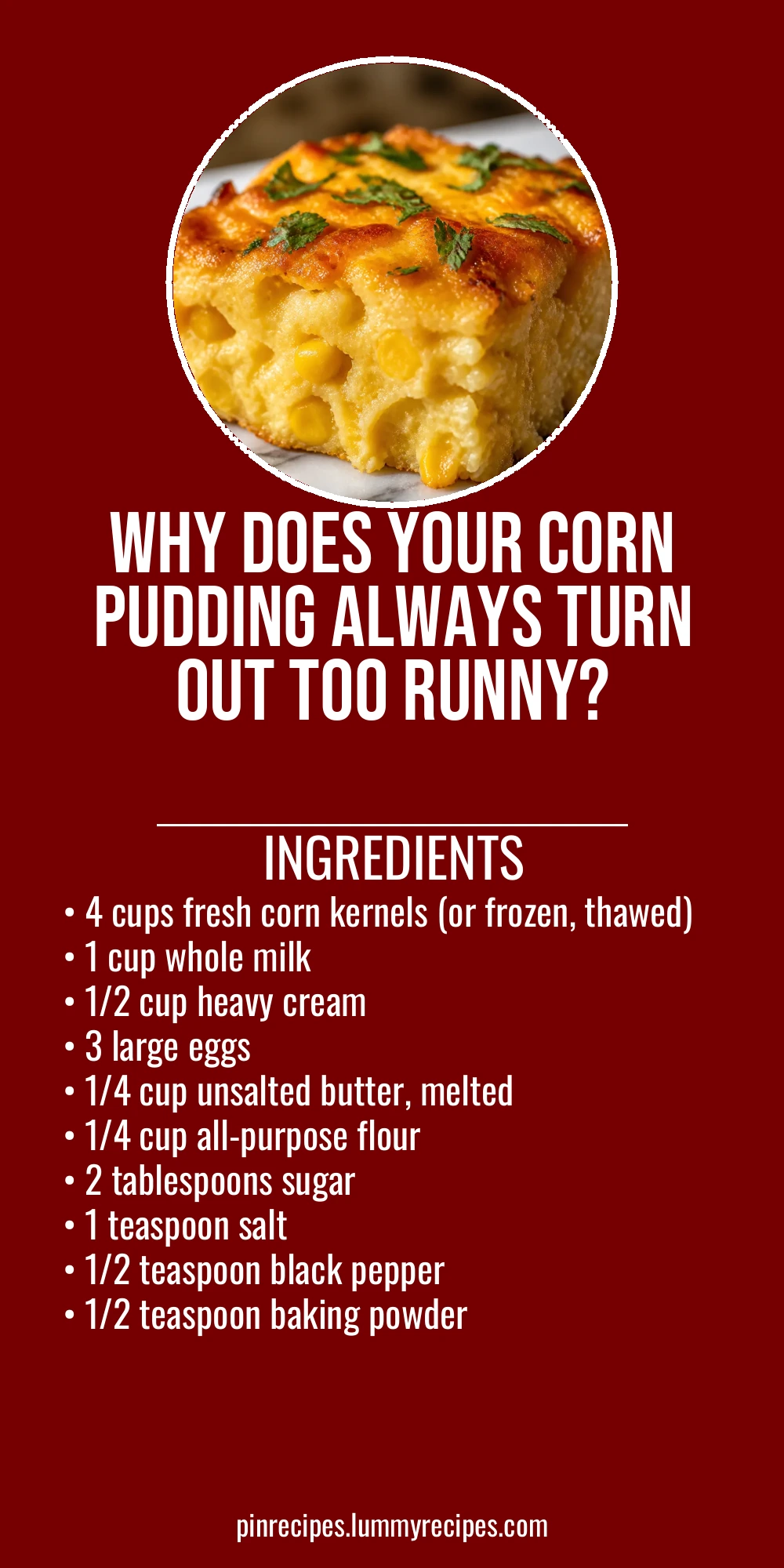
This corn pudding is a cozy, creamy side dish that’s been a family favorite for years. I love how the subtle sweetness of corn blends with a smooth custard base. It’s perfect for holiday dinners or any comforting meal.
Introduction
I first made this classic corn pudding years ago for a family holiday dinner, and it quickly became a staple. What I love about this version is its perfect balance of creamy and sweet, without being too heavy or dry like some recipes can be. The trick I learned is using fresh corn when possible, and gently folding in the eggs and milk mixture so it stays light and custardy. I also add just a touch of baking powder for a subtle lift that keeps the texture from becoming dense. The result is a golden, slightly sweet pudding that's soft and comforting — perfect alongside roast meats or as a warm side for any occasion. It’s one of those dishes that feels like a warm hug from the inside, and my family always asks for seconds. If you’ve ever been intimidated by corn pudding, don’t be! This recipe is straightforward and forgiving, and I think you’ll love how it turns out.
How To Do It
Step 1
Preheat your oven to 350°F (175°C) and lightly grease a 2-quart baking dish. This step ensures your pudding won’t stick and will brown evenly. Using a baking dish with enough depth lets the pudding cook through without drying out on top. Avoid greasing too heavily, or it can make the edges greasy instead of golden.
⏱ Time: 10
✓ Doneness: Baking dish is evenly coated but not dripping with butter or oil.
Step 2
In a large mixing bowl, whisk together the eggs, milk, heavy cream, melted butter, sugar, salt, and pepper until fully combined. This mixture forms the custard base that will set your pudding. Whisking thoroughly helps incorporate air for a lighter texture and ensures the sugar and salt dissolve evenly, which improves flavor balance.
⏱ Time: 5
✓ Doneness: Mixture is smooth, slightly frothy, and uniform in color.
Step 3
Add the corn kernels to the custard mixture and stir gently to combine. If using fresh corn, the kernels add natural sweetness and texture. Be careful not to overmix here, or the corn can break down and turn the pudding mushy. If you want a smoother pudding, you can pulse some kernels in a food processor before mixing.
⏱ Time: 3
✓ Doneness: Corn is evenly distributed without mashing.
Step 4
Sift the flour and baking powder together, then sprinkle over the corn mixture. Gently fold this in to avoid lumps and to keep the batter light. The flour and baking powder help the pudding hold its shape and give it a slight lift. Mixing too vigorously can develop gluten and make the pudding tough.
⏱ Time: 3
✓ Doneness: No visible flour clumps; batter looks smooth but thickened.
Step 5
Pour the mixture into the prepared baking dish, smoothing the top with a spatula. This ensures even cooking and a nice golden crust. Avoid overfilling the dish; leave a little space for expansion. If you like, sprinkle a tiny bit of sugar on top for a caramelized finish.
⏱ Time: 2
✓ Doneness: Mixture is level and fills about 3/4 of the dish.
Step 6
Bake uncovered for about 40-45 minutes. The heat will slowly set the custard and cook the corn through. Don’t rush this step by increasing the temperature, or the pudding might brown too fast on top while remaining wet inside. Keep an eye on the edges; they should turn golden and pull away slightly from the sides.
⏱ Time: 40
✓ Doneness: Top is golden brown and a knife inserted in the center comes out mostly clean.
Step 7
Remove the pudding from the oven and let it rest for at least 10 minutes before serving. Resting allows the custard to finish setting and makes it easier to slice. If you cut it too soon, it may be too soft and fall apart.
⏱ Time: 10
✓ Doneness: Pudding firms up slightly and holds shape when sliced.
Step 8
Serve warm as a side dish with your favorite roast or holiday meal. Corn pudding pairs beautifully with turkey, ham, or roast chicken. It’s also great with a simple green salad for a lighter dinner. Leftovers reheat well and taste even better the next day!
⏱ Time: 0
✓ Doneness: Pudding is creamy, warm, and flavorful.
Step 9
Store any leftovers in an airtight container in the fridge and reheat gently in the oven or microwave with a splash of milk to keep it moist. Avoid overheating, or the custard can dry out and become rubbery.
⏱ Time: 0
✓ Doneness: Reheated pudding is warm and creamy without drying.
Pro Tips
Use fresh corn whenever possible for the best flavor and texture.
Fresh corn kernels retain their natural sweetness and firm bite, which adds a wonderful texture contrast to the creamy custard. Frozen corn can work if thawed and drained well, but canned corn often introduces too much moisture and a softer texture that can make the pudding runny.
Don’t overmix the batter once the flour is added.
Overmixing develops gluten in the flour, which can make the pudding tough and chewy instead of tender and creamy. Gently folding the flour in just until combined keeps the texture light and custardy.
Bake at a moderate temperature and avoid opening the oven door too often.
A steady, moderate heat allows the custard to set evenly without curdling or drying out. Opening the oven frequently causes temperature fluctuations that can affect the setting process and texture.
Let the pudding rest after baking before slicing.
Resting allows the proteins in the eggs to finish coagulating and the custard to firm up, making it easier to slice and improving the mouthfeel. Cutting too soon results in a loose, runny pudding.
Lightly grease the baking dish but don’t overdo it.
Greasing prevents sticking but too much fat can cause greasy edges and interfere with browning. A thin, even coating is enough to release the pudding cleanly.
Add a small sprinkle of sugar on top before baking for a caramelized crust.
The sugar on top undergoes the Maillard reaction and caramelizes, adding a subtle crunchy texture and depth of flavor that contrasts beautifully with the creamy interior.
Use room temperature eggs and dairy for smoother mixing.
Cold ingredients can cause the batter to curdle or mix unevenly. Bringing eggs and milk to room temperature helps them blend smoothly, resulting in a uniform custard.
Common Mistakes to Avoid
Using canned corn instead of fresh or frozen.
Why it happens Canned corn is convenient and often stocked in pantries, so it’s an easy choice. However, it contains more water and softer kernels that can make the pudding watery and mushy.
Fix Use fresh corn when in season or frozen corn that’s fully thawed and drained. If only canned is available, drain it thoroughly and pat dry with paper towels to remove excess moisture before adding.
Overbaking the pudding until it’s dry or cracked.
Why it happens Some cooks leave the pudding in the oven too long, thinking it needs to be very firm. This dries out the custard and ruins the creamy texture.
Fix Bake until the center is just set and a knife inserted comes out mostly clean with a few moist crumbs. The pudding will continue to firm as it cools.
Mixing the flour too vigorously.
Why it happens In an effort to avoid lumps, some people overmix the batter, which develops gluten and toughens the pudding.
Fix Fold the flour in gently with a spatula just until no streaks remain. Stop mixing once combined to keep the texture tender.
Skipping the resting time after baking.
Why it happens Eager to serve, some skip resting and cut the pudding immediately, causing it to fall apart.
Fix Allow the pudding to cool and rest at room temperature for at least 10 minutes for better slicing and texture.
Not greasing the baking dish properly.
Why it happens Sometimes cooks forget or use too little grease, causing the pudding to stick and break apart when served.
Fix Lightly butter or spray the dish evenly before pouring in the batter to ensure easy release.
Variations
Cheesy Corn Pudding
Add 1 cup of shredded sharp cheddar cheese to the batter for a savory twist. The cheese melts into the custard, adding richness and a slightly tangy flavor that pairs well with roasted meats.
Note: Mix cheese in with the corn kernels before adding the flour. Watch the baking time; cheese can brown quickly, so tent with foil if needed.
Jalapeño Corn Pudding
Stir in 1-2 finely chopped jalapeños for a subtle kick. This variation adds a nice balance of heat and sweetness, perfect for those who like a little spice without overpowering the classic flavor.
Note: Remove seeds for milder heat. Add jalapeños with the corn kernels and adjust salt to taste.
Herb-Infused Corn Pudding
Add fresh chopped herbs like thyme, parsley, or chives for a fragrant, fresh flavor. This brightens the dish and makes it a little lighter, great for spring or summer meals.
Note: Fold herbs in gently with the custard before baking. Use about 2 tablespoons total.
Sweet Corn Pudding with Maple Syrup
Replace the sugar with 2 tablespoons of pure maple syrup for a warm, natural sweetness. This version has a deeper flavor and pairs wonderfully with ham or bacon dishes.
Note: Reduce other liquids slightly to compensate for syrup’s added moisture.
Gluten-Free Corn Pudding
Use a gluten-free flour blend instead of all-purpose flour to make this dish safe for gluten-sensitive eaters. The texture will be slightly different but still creamy and delicious.
Note: Choose a blend that includes xanthan gum for best results. Baking time may vary slightly.
Nutrition
Per Serving:
Nutritional values are estimates and may vary based on specific ingredients used.
Storage & Tips
Room Temperature
Corn pudding can safely sit out for up to 2 hours covered loosely with foil or a clean towel. Beyond that, bacteria growth increases, so refrigerate promptly.
Refrigerator
Store leftovers in an airtight container for up to 4 days. The pudding will firm up and flavors meld over time. It’s best reheated gently to restore creaminess.
Freezer
Freeze in a sealed container for up to 2 months. Wrap well to prevent freezer burn. Thaw overnight in the fridge before reheating.
Reheating
Reheat in a 325°F oven covered with foil for 15-20 minutes or microwave in short bursts with a splash of milk to keep moist. Avoid overheating to prevent drying out.
Make Ahead
You can prepare the batter up to a day ahead and keep it covered in the fridge. Pour into the baking dish and bake fresh on serving day for best texture and flavor.
FAQ
Can I use canned corn instead of fresh or frozen?
While canned corn is convenient, it tends to be softer and contains more liquid, which can make the pudding runny. If using canned, drain it very well and pat dry to remove excess moisture. Fresh or frozen corn is preferred for the best texture and flavor.
What if my pudding is too runny after baking?
This usually means it didn’t bake long enough or there was too much liquid in the mixture. Make sure to bake until a knife inserted comes out mostly clean. Also, avoid adding extra liquid and drain corn well. Letting the pudding rest helps it firm up too.
Can I make this recipe dairy-free?
You can substitute the milk and cream with plant-based alternatives like coconut milk or almond milk, but the texture and flavor will change. Use full-fat versions for creaminess, and be aware the custard may not set as firmly without dairy.
How do I reheat leftovers without drying them out?
Reheat gently in the oven at a low temperature covered with foil or microwave with a splash of milk to keep moisture. Avoid high heat or long reheating times, which can dry out the custard.
Can I prepare the pudding ahead of time?
Yes, you can mix the batter and refrigerate it for up to 24 hours before baking. Just give it a gentle stir before pouring into the baking dish. This makes it easy to prepare for holiday meals.
Why does my corn pudding sometimes crack on top?
Cracking usually happens if the oven temperature is too high or the pudding is overbaked. Baking at a moderate temperature and removing the pudding as soon as it’s set helps prevent cracks.
Is it okay to add cheese to this recipe?
Absolutely! Adding shredded cheese like cheddar or Monterey Jack gives the pudding a savory depth. Mix cheese in with the corn before adding flour and adjust baking time if needed to prevent overbrowning.
What’s the best way to serve corn pudding?
Serve warm as a side to roast meats, especially turkey or ham. It also pairs well with simple green salads or steamed vegetables for a lighter meal. Leftovers are great for lunch too!
Final Thoughts
I hope you enjoy this classic corn pudding as much as my family does. It’s simple, comforting, and always a crowd-pleaser. Give it a try and let me know how it turns out!