This classic Easter dinner menu is my go-to for family gatherings. Featuring timeless dishes with smart make-ahead tricks, it lets you enjoy the holiday without kitchen chaos. Perfect for a relaxed spring feast!
Introduction
Every Easter, my family gathers around the table, and this menu has become a tradition I cherish. I first tried roasting a leg of lamb years ago, inspired by my grandmother’s stories, but I always struggled with timing. Over time, I learned that prepping components ahead of time makes all the difference. For example, marinating the lamb overnight infuses it with flavor and makes it incredibly tender. Roasting the potatoes and prepping the vegetables in advance means less stress on the big day. What I love most about this menu is how the flavors balance—herbaceous lamb, buttery potatoes, and bright, fresh veggies. It’s elegant but approachable, perfect for both seasoned cooks and those new to holiday hosting. The key is pacing yourself and embracing make-ahead steps so you can spend more time with your loved ones instead of the stove. When everything comes together, the table looks vibrant and inviting, and the whole meal feels like a warm, joyful celebration of spring and family.
How To Do It
Step 1
Start by marinating the lamb. Combine minced garlic, chopped rosemary, olive oil, salt, and pepper in a small bowl. Rub this mixture all over the leg of lamb, making sure to coat evenly. Place the lamb in a large resealable bag or covered dish and refrigerate for at least 8 hours or overnight. This slow marination breaks down the meat fibers and infuses it with aromatic flavors, which results in a tender, juicy roast. Avoid skipping this step as it’s key to a flavorful and moist lamb.
⏱ Time: 10 minutes prep + 8 hours marination
✓ Doneness: Lamb surface evenly coated and fragrant after marinating
Step 2
When ready to cook, preheat your oven to 375°F (190°C). Place the lamb on a rack in a roasting pan to ensure even heat circulation. Roast uncovered for about 1 hour 20 minutes, or until a meat thermometer inserted into the thickest part reads 135°F for medium-rare. Resting the lamb after roasting is critical; it allows juices to redistribute, keeping the meat moist. Resist the urge to cut immediately or the juices will escape, leaving it dry.
⏱ Time: 1 hour 20 minutes roasting + 15 minutes resting
✓ Doneness: Golden brown crust with internal temp of 135°F, resting juices clear
Step 3
While the lamb roasts, prepare the baby potatoes. Toss them with olive oil, salt, pepper, and a handful of rosemary sprigs. Spread on a baking sheet and roast in the oven alongside the lamb for about 40 minutes until crispy and golden. Turning the potatoes halfway through ensures even browning. Overcrowding the pan can cause steaming instead of roasting, so give them space.
⏱ Time: 40 minutes roasting
✓ Doneness: Potatoes are golden brown and crisp on the edges
Step 4
For the green beans, blanch them in boiling salted water for 3 minutes until bright green and tender-crisp. Immediately plunge into ice water to stop cooking and preserve color. This technique locks in freshness and prevents overcooking. When ready to serve, sauté the beans with butter, lemon zest, and juice for a simple, fresh side dish.
⏱ Time: 10 minutes total
✓ Doneness: Green beans are vivid green and tender but still firm
Step 5
Prepare the asparagus and carrots by tossing with olive oil, salt, and pepper. Roast in the oven at 400°F for 15 minutes until tender and slightly caramelized. Drizzle with a honey-Dijon glaze made by whisking honey and mustard together just before serving. This adds a subtle sweetness that complements the savory veggies.
⏱ Time: 15 minutes roasting + 5 minutes glazing
✓ Doneness: Veggies are tender with golden edges and shiny glaze
Step 6
Make a simple pan sauce with the lamb drippings. After removing the lamb from the roasting pan, place the pan over medium heat on the stove. Add chicken broth and scrape up browned bits with a wooden spoon. Let it simmer until slightly reduced and thickened. This sauce carries the rich lamb flavor and ties the whole meal together. Don’t skip this step—it adds a lovely depth.
⏱ Time: 10 minutes simmering
✓ Doneness: Sauce is glossy and coats the back of a spoon
Step 7
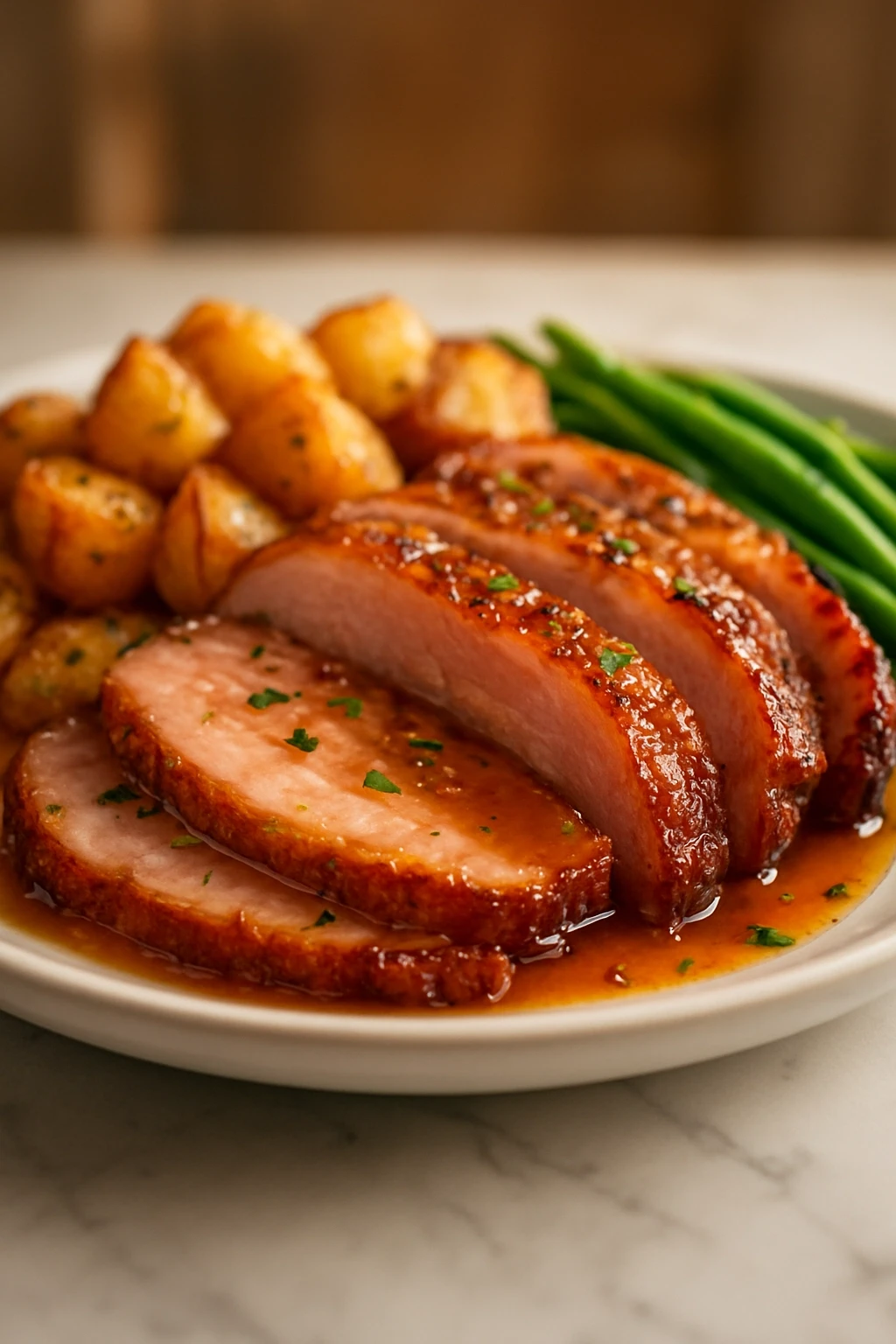
Set your table and carve the lamb just before serving. Slice against the grain for maximum tenderness. Arrange the roasted potatoes and vegetables on serving dishes. Pour the pan sauce over the lamb or serve on the side for guests to add as they like. This final presentation feels special but is surprisingly simple when you’ve prepared ahead.
⏱ Time: 10 minutes
✓ Doneness: Slices are juicy and tender with a pink center
Step 8
If you want to make things easier on the day, roast the potatoes and prep the vegetables a day ahead. Store them separately in airtight containers. Reheat the potatoes in a hot oven to restore crispness, and quickly sauté the green beans with fresh lemon zest. This saves time and keeps flavors fresh without fuss.
⏱ Time: Varies based on prep timing
✓ Doneness: Reheated potatoes regain crisp edges, veggies remain bright
Step 9
Don’t forget to rest yourself! Hosting can be hectic, but pacing your cooking with these make-ahead tips means you can relax and enjoy the meal with your family. The food will be delicious, and the memories even better.
⏱ Time: N/A
✓ Doneness: Feeling calm and ready to enjoy the celebration
Pro Tips
Marinate the lamb overnight for deeper flavor and tenderness.
Allowing the lamb to marinate for at least 8 hours lets the garlic and rosemary oils penetrate the meat fibers. This breaks down proteins and infuses flavor, resulting in a juicy, aromatic roast. Skipping this step often leads to bland or tougher meat.
Use a meat thermometer to avoid overcooking the lamb.
Lamb can dry out quickly if overcooked. A thermometer ensures you hit the perfect medium-rare temperature (135°F), preserving juiciness and tenderness. Guessing by time alone can lead to uneven results.
Don’t overcrowd the roasting pan when cooking potatoes.
Giving potatoes space allows hot air to circulate, promoting crispness and even browning. Overcrowding traps steam and yields soggy potatoes. Spread them in a single layer for best texture.
Blanch green beans and shock in ice water to keep their color and crunch.
Blanching cooks the beans just enough to soften while preserving nutrients and vibrant color. The ice bath stops cooking immediately, preventing mushiness and dullness.
Rest the lamb after roasting before slicing.
Resting allows juices to redistribute throughout the meat. Cutting too soon causes juices to escape, leading to dry slices. A 15-minute rest is ideal for juicy results.
Make the pan sauce from drippings for extra flavor.
Deglazing the roasting pan with broth captures all the browned bits full of flavor. Simmering reduces it into a rich sauce that enhances the lamb and sides.
Prepare vegetables a day ahead to reduce stress on serving day.
Roasting or blanching vegetables ahead saves time and lets flavors develop. Reheating properly keeps them fresh-tasting, freeing you to focus on the main dish and guests.
Common Mistakes to Avoid
Skipping the marination step for the lamb.
Why it happens Many cooks underestimate how much marinating enhances flavor and tenderness, thinking it’s optional or time-consuming.
Fix Plan ahead and start marinating the lamb the night before. Even a few hours helps, but overnight is best. This simple step transforms the meat’s texture and taste.
Overcooking the lamb and ending up with dry meat.
Why it happens Without a thermometer, it’s easy to rely on guesswork or cooking times that don’t account for oven variations or meat size.
Fix Use an instant-read thermometer and remove the lamb at 135°F for medium-rare. Let it rest before slicing to lock in juices.
Crowding the roasting pan with potatoes.
Why it happens Trying to save time or pans leads to piling potatoes together, causing steaming instead of roasting.
Fix Use a large baking sheet and spread potatoes out in a single layer. Roast in batches if needed to maintain crispness.
Overcooking green beans until mushy and dull.
Why it happens Without blanching and shocking, green beans continue cooking and lose their bright color and snap.
Fix Blanch beans in boiling water for 3 minutes, then immediately plunge into ice water to halt cooking and preserve texture.
Not resting the lamb before carving.
Why it happens Eagerness to serve leads to slicing immediately, causing juices to run out and dry meat.
Fix Let the lamb rest tented with foil for at least 15 minutes to redistribute juices for moist, tender slices.
Variations
Herb-Crusted Leg of Lamb
Add a crust of breadcrumbs mixed with garlic, rosemary, and Parmesan cheese before roasting. This adds a crunchy texture and an extra layer of flavor, perfect if you want a more pronounced herb profile.
Note: Press the crust firmly onto the lamb and roast as usual; the crust browns and crisps without burning if monitored carefully.
Honey-Mustard Glazed Carrots
Instead of roasting carrots plain, toss them with honey and Dijon mustard before cooking. The glaze caramelizes in the oven, giving the carrots a sweet and tangy finish that pairs beautifully with lamb.
Note: Apply glaze halfway through roasting to prevent burning and maintain texture.
Garlic Mashed Potatoes
Swap roasted potatoes for creamy garlic mashed potatoes for a comforting, classic side. Boil peeled potatoes, mash with roasted garlic, butter, and cream for a rich, smooth texture.
Note: Avoid over-mixing to prevent gluey texture; hand-mash gently.
Roasted Spring Vegetables Medley
Expand the vegetable sides with asparagus, radishes, and baby carrots all roasted together with olive oil and lemon zest. This colorful medley adds variety and freshness to the meal.
Note: Roast harder vegetables longer and add delicate ones like asparagus towards the end to avoid overcooking.
Slow Cooker Leg of Lamb
For a hands-off approach, cook the marinated lamb in a slow cooker on low for 6-8 hours. The meat becomes fall-apart tender and infused with herbs without needing oven attention.
Note: Sear the lamb first for better flavor, then transfer to slow cooker. Adjust seasoning after cooking.
Nutrition
Per Serving:
Nutritional values are estimates and may vary based on specific ingredients used.
Storage & Tips
Room Temperature
The cooked lamb and sides can safely sit covered at room temperature for up to 2 hours. Beyond that, refrigerate to prevent bacterial growth.
Refrigerator
Store leftovers in airtight containers for up to 3 days. The lamb may firm up when cold but reheats well. Vegetables might lose some crispness; reheat gently to preserve texture.
Freezer
Freeze leftover lamb and vegetables separately in airtight containers or heavy-duty freezer bags for up to 3 months. Wrap tightly to prevent freezer burn. Thaw overnight in the fridge before reheating.
Reheating
Reheat lamb slices in a low oven (300°F) covered with foil to avoid drying. Add a splash of broth if needed. Vegetables reheat best in a skillet over medium heat to avoid sogginess. Avoid microwaving lamb directly as it can dry out quickly.
Make Ahead
Marinate the lamb and prep vegetables a day ahead. Roast potatoes and blanch beans in advance, then reheat on serving day. Make pan sauce fresh after roasting. This pacing reduces stress and improves flavor integration.
FAQ
Can I use a different cut of lamb for this recipe?
Absolutely! While leg of lamb is traditional for Easter, you can use a boneless shoulder or rack. Adjust cooking times accordingly—shoulder needs longer, and rack cooks faster. The flavor profile remains delicious with these cuts.
What if I don’t have fresh rosemary?
Dried rosemary can substitute but use about half the amount since it’s more concentrated. Crush it lightly to release aroma. Fresh rosemary gives a brighter, fresher flavor, so if possible, try to get fresh.
How do I know when the lamb is done without a thermometer?
It’s tricky but you can do the finger test for doneness or check the juices run clear when pierced. Still, a meat thermometer is the most reliable way to avoid over or undercooking.
Can I prepare the entire meal a day ahead?
You can marinate the lamb and prep the vegetables ahead, but roast the lamb fresh on the day for best texture. Potatoes and some veggies reheat well, but fresh roasting yields the best flavor.
What sides can I serve if I want something lighter?
Avoid heavy cream-based sides to keep the meal fresh and spring-appropriate.
Is this recipe suitable for beginners?
Yes! The steps are straightforward, and the make-ahead tips help break down the work. Just take your time with marinating and use a thermometer for confidence.
How do I reheat leftovers without drying them out?
Reheat lamb gently in a low oven covered with foil and add a little broth or water to keep moisture. For veggies, a quick sauté or oven reheat works best to avoid sogginess.
Can I make the pan sauce vegan or vegetarian?
You can skip the lamb drippings and use vegetable broth with herbs and garlic instead. Simmer and reduce to concentrate flavors for a tasty vegan sauce alternative.
Final Thoughts
I hope you enjoy this Easter dinner as much as my family does. Give these make-ahead tips a try and let me know how your celebration turns out!