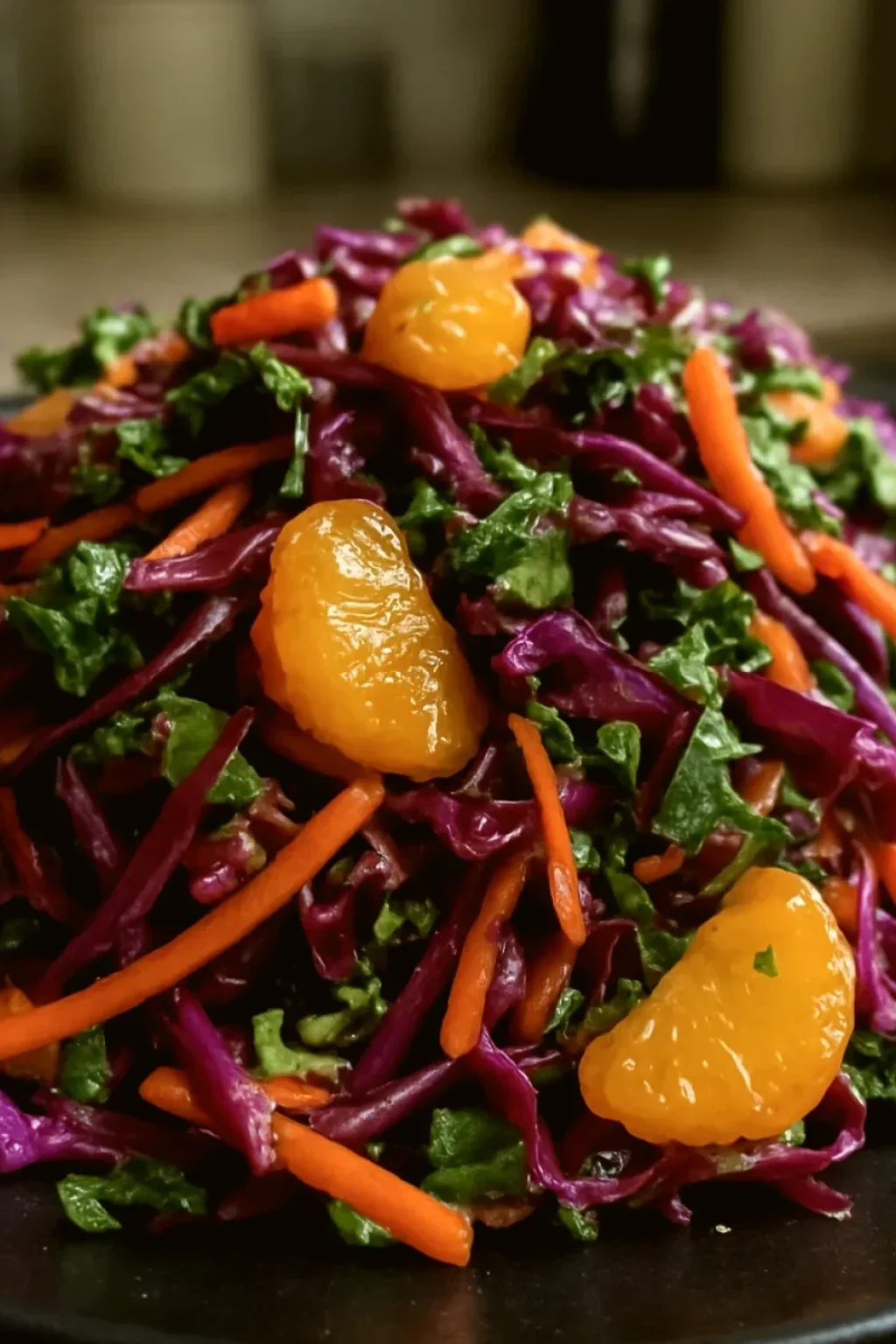
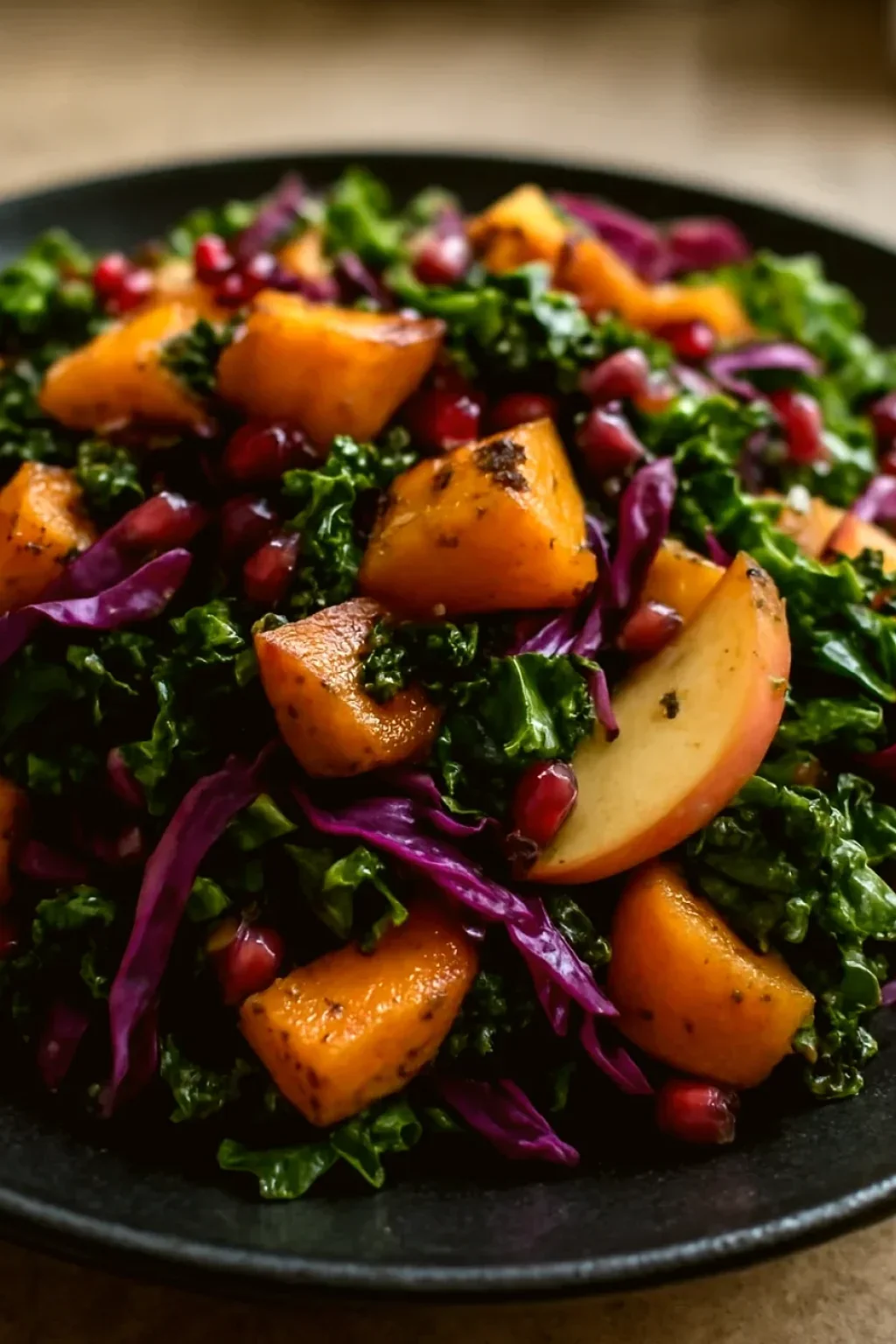
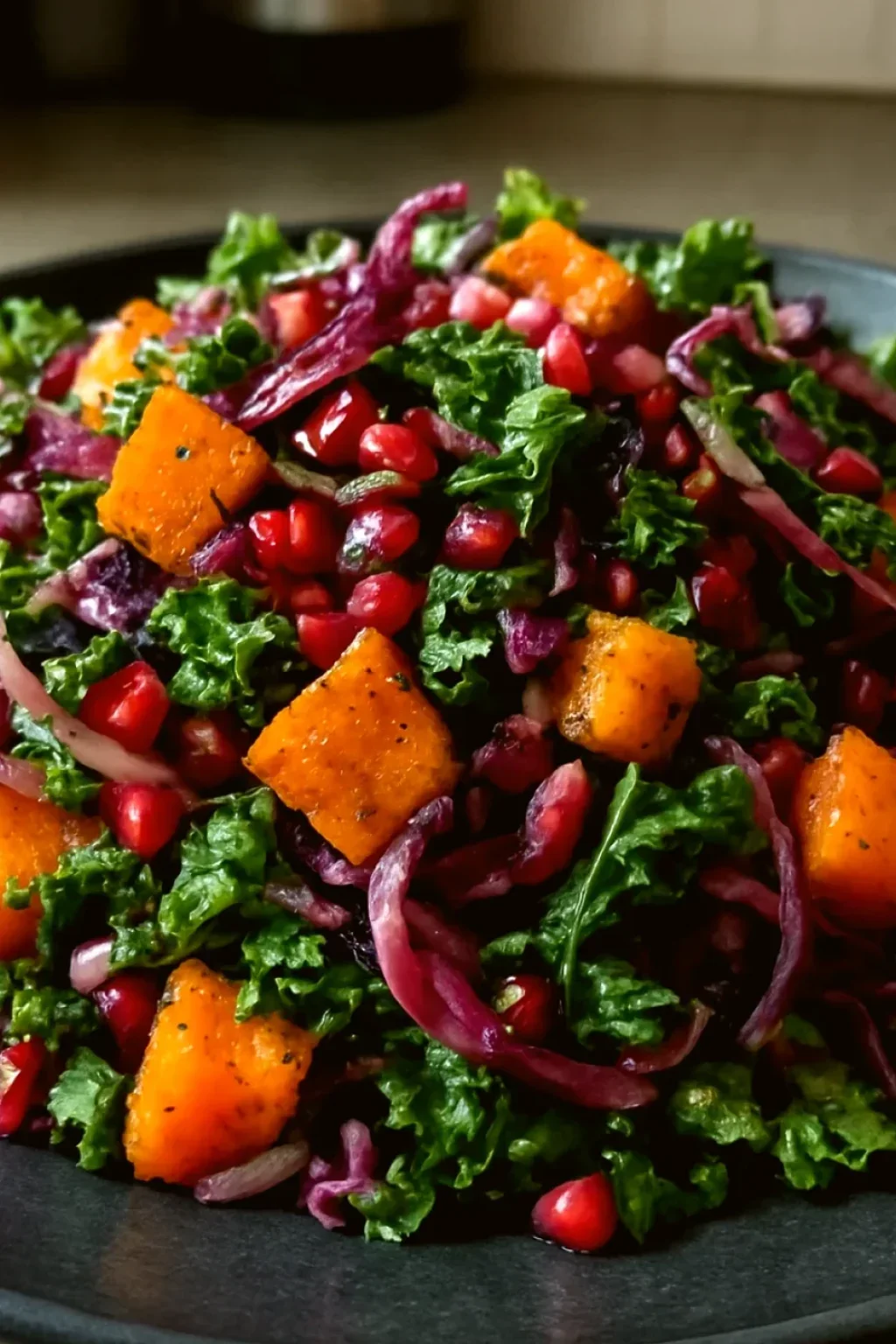
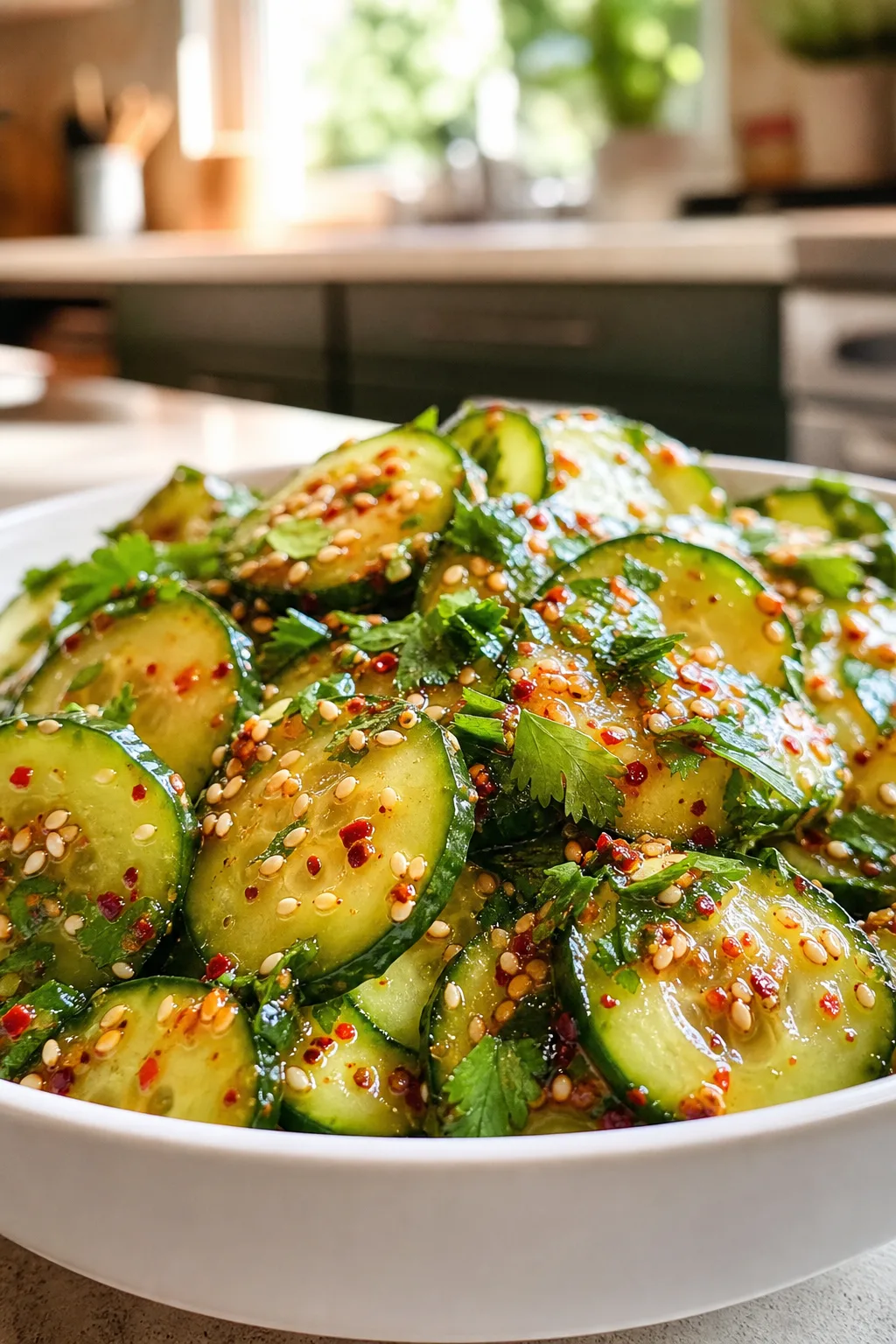
A versatile winter salad that balances citrus brightness with creamy feta and toasted pecans. This simple combination demonstrates how quality ingredients and proper technique can create depth in minimal-ingredient cooking. Naturally gluten-free and adaptable to dietary needs.
What You'll Need
4 servings as a side dish, 2 servings as a light meal
- 4 cups (120g) mixed greens (spinach and arugula work well, or any tender greens)
- 2 medium navel or Valencia oranges (about 350g total), peeled and segmented
- ½ cup (60g) raw pecans, roughly chopped
- ¼ cup (40g) crumbled feta cheese
- ¼ cup (60ml) extra-virgin olive oil
- 2 tablespoons (30ml) balsamic vinegar
- ¼ teaspoon (1.5g) fine sea salt
- Freshly ground black pepper to taste
How To Do It
Step 1
Wash the mixed greens thoroughly in cold water, swishing them gently to remove any dirt or grit. Transfer to a salad spinner and spin until completely dry, or lay them on clean kitchen towels and pat dry with paper towels. Moisture is the primary cause of wilted, soggy salad. Any water clinging to the leaves will dilute the dressing and prevent the oil from coating properly. You want the greens bone-dry to the touch.
⏱ Time: 3-4 minutes
✓ Doneness: Greens feel completely dry when touched, no water droplets visible on leaves, leaves appear crisp and stand upright rather than wilted
Step 2
Place the chopped pecans in a dry skillet (no oil needed) over medium heat. Stir them every 30-40 seconds to ensure even toasting. As they heat, the natural oils will release and you'll begin to smell a warm, nutty aroma that fills the kitchen. This is the Maillard reaction creating new flavor compounds. Continue toasting until the pecans darken slightly from tan to light brown and the aroma intensifies. This step is optional but recommended—it takes the pecans from bland to rich in just a few minutes.
⏱ Time: 4-5 minutes
✓ Doneness: Pecans darken from tan to light golden-brown, strong toasted nut aroma fills the kitchen, pecans feel dry and crisp when stirred, you may hear faint crackling as moisture evaporates
Step 3
Remove the pecans from the heat immediately and transfer to a plate to cool. Nuts continue cooking in a hot pan even after you turn off the heat, which can lead to burning. Let them cool for 3-4 minutes while you prepare the oranges. They'll crisp up further as they cool.
⏱ Time: 3-4 minutes
✓ Doneness: Pecans are cool enough to handle, texture is crisp and crunchy rather than soft
Step 4
To segment the oranges, start by cutting off the top and bottom so the fruit sits flat on your cutting board. Using a sharp knife, slice downward following the curve of the orange to remove all the peel and white pith in vertical strips. You want to expose the flesh completely. Hold the peeled orange over a small bowl to catch any dripping juice. Insert your knife between the membrane and the fruit segment, slice down to the center, then angle the knife and slice along the other side of that segment to release it. Repeat around the entire orange until all segments are free. Squeeze the remaining membrane over the bowl to extract any residual juice—this liquid gold will enhance your dressing.
⏱ Time: 6-8 minutes for 2 oranges
✓ Doneness: Orange segments are completely free of membrane and pith, they're clean and intact, juice has collected in the bowl below, no white pith remains on segments
Step 5
In a small bowl, combine the olive oil, balsamic vinegar, salt, and several grinds of black pepper. Add any juice you collected from segmenting the oranges (usually 2-3 tablespoons). Whisk vigorously for 30-45 seconds until the mixture emulsifies slightly—it should look darker and slightly thickened rather than separated into distinct oil and vinegar layers. Taste the dressing with a clean spoon. The acidity should be bright and noticeable but not harsh. The salt should be just enough to enhance flavor without tasting salty. Adjust as needed.
⏱ Time: 2 minutes
✓ Doneness: Dressing appears darker and slightly cloudy rather than separated, oil and vinegar are temporarily combined, flavor is balanced between acid, salt, and richness
Step 6
Place the completely dry greens in your largest mixing bowl. Add the orange segments, cooled toasted pecans, and crumbled feta. Do not add dressing yet. This staging step prevents premature wilting and keeps the greens crisp. You want full control over how much dressing coats the salad.
⏱ Time: 1 minute
✓ Doneness: All components are distributed in the bowl, greens are still crisp and dry, ready for dressing
Step 7
Drizzle the prepared dressing evenly over the salad. Using two large forks or salad servers, toss the salad gently but thoroughly, lifting from the bottom and folding over the top. You want every leaf coated with a thin film of dressing, and you want the orange segments, pecans, and feta distributed evenly throughout. Be gentle with the orange segments—they should remain intact rather than breaking apart and releasing all their juice at once. Toss for about 30-45 seconds total.
⏱ Time: 1 minute
✓ Doneness: Greens glisten with dressing, no puddles of dressing remain at bottom of bowl, all components are evenly distributed, orange segments are mostly intact, feta is scattered throughout
Step 8
Taste a forkful of the dressed salad. Check for seasoning—the feta provides salt, but you may need an additional small pinch if your feta is mild. Add more black pepper if desired. Serve immediately while the greens are cold and crisp. The window for optimal texture is about 15-20 minutes after dressing, so plan accordingly.
⏱ Time: 0 minutes (immediate serving)
✓ Doneness: Salad tastes balanced with bright acidity, mild saltiness, nutty richness, and sweet citrus notes, greens remain crisp
Pro Tips
Select oranges that feel heavy for their size when you hold them. Weight indicates high juice content, which means better flavor and more moisture for the salad.
Lighter oranges are often dry inside with less juice and more pith. The weight test is more reliable than visual inspection. I've tested this dozens of times and heavy oranges consistently produce more flavorful segments and more usable juice.
Prepare all components separately and store them in individual containers if making ahead. Combine only 10-15 minutes before serving.
Acid in the dressing (from both vinegar and orange juice) begins breaking down the greens' cell walls immediately upon contact. This process causes wilting and mushiness within 20-30 minutes. Separate storage prevents this until you're ready to eat.
If your feta tastes very salty on its own, reduce the salt in the dressing to just a pinch or omit it entirely. Taste the dressed salad before adding more.
Feta salt content varies significantly by brand and style. Block feta is often saltier than pre-crumbled varieties. Since the cheese distributes its sodium throughout the salad when tossed, you risk over-salting if you don't account for this.
Toast the pecans to exactly the point where they smell intensely nutty but haven't yet darkened to medium brown. Pull them from heat while they're still light golden.
The line between toasted and burnt is thin with nuts. They continue cooking from residual heat even after removal from the pan. Under-toasted pecans taste raw and bland; over-toasted ones develop bitterness from burned oils. The aroma is your most reliable indicator.
Use a salad spinner rather than paper towels if you have one. It removes water more thoroughly and doesn't bruise delicate greens.
Paper towels work, but they can tear delicate leaves and often leave moisture in the crevices of curly greens like arugula. A spinner uses centrifugal force to remove water from all surfaces without physical contact.
Whisk a tablespoon of Dijon mustard into the dressing if you want a creamier, more stable vinaigrette that clings to leaves better.
Mustard contains lecithin and mucilage, both natural emulsifiers that help oil and vinegar stay combined longer. This creates a thicker dressing that coats greens more evenly. Start with half a tablespoon if you're unsure about the mustard flavor.
Common Mistakes to Avoid
Adding dressing to the salad more than 15-20 minutes before serving, causing the greens to wilt and become soggy
Why it happens The acetic acid in vinegar (pH around 2.4-3.4) and citric acid from orange juice (pH around 3.0-4.0) denature the proteins in plant cell walls, weakening the structure. This causes cells to lose their rigidity and release water, which creates the wilted, limp texture. This process begins immediately upon contact.
Fix If you must make the salad ahead, keep all components separate until serving time. Store the dried greens in one container, the orange segments in another, the pecans in a third, and the feta wrapped separately. Mix and dress within 15 minutes of serving for optimal crispness.
Skipping the step of thoroughly drying the greens after washing, leading to a watery, diluted salad
Why it happens Water and oil don't mix. Any water clinging to the greens prevents the oil-based dressing from coating the leaves properly. Instead, the water dilutes the dressing, pools at the bottom of the bowl, and causes sogginess. Most people underestimate how much water remains after a quick shake.
Fix Use a salad spinner and run it for at least 3-4 full spins. If you don't have a spinner, spread the greens on clean kitchen towels, then roll the towels up gently to absorb moisture. Let them sit for 5 minutes, then pat any remaining dampness away.
Using sliced orange rounds instead of properly segmented oranges, which releases too much juice and makes the salad swimming in liquid
Why it happens When you slice through orange segments rather than cutting between the membranes, you rupture all the juice-containing vesicles at once. The membrane normally holds this juice in place, but slicing breaks that barrier.
Fix Take the extra 3-4 minutes to properly segment your oranges. The technique (called suprêmes in French cooking) takes practice but becomes quick with repetition. The result is clean segments that release juice gradually rather than flooding the bowl.
Using low-quality, old, or rancid olive oil that tastes bitter or musty rather than fresh and fruity
Why it happens Olive oil oxidizes when exposed to heat, light, and air. Once opened, a bottle gradually degrades. Most people don't realize their olive oil has gone rancid because the change is gradual. Rancid oil contains aldehydes and ketones that taste bitter and smell stale.
Fix Store olive oil in a dark bottle in a cool, dark cabinet away from the stove. Use opened bottles within 2-3 months for best quality. Fresh extra-virgin olive oil should smell grassy or fruity, not musty or like crayons. Taste it plain if you're uncertain—it should taste pleasant, not harsh.
Variations
Vegan Winter Salad
Omit the feta entirely or replace it with 3 tablespoons of vegan feta (cashew-based varieties work well). Increase the pecans to ⅔ cup to compensate for the missing richness from dairy fat. The salad remains satisfying without cheese—the toasted pecans provide enough fat and the orange juice contributes enough moisture.
Note: Without feta's salt content, you'll need to increase the salt in the dressing to ½ teaspoon instead of ¼ teaspoon. Taste after dressing and adjust. Vegan cheese varies in saltiness, so taste yours first.
Protein-Added Main Course Salad
Top the salad with 6-8 ounces of grilled chicken breast (sliced), one 15-ounce can of chickpeas (drained, rinsed, and pan-seared with olive oil until crispy), or 1 cup of cooked quinoa. This transforms the side dish into a light lunch or dinner.
Note: Add protein after assembling the base salad so it sits on top rather than getting lost in the greens. If using chickpeas, season them with ½ teaspoon cumin and ¼ teaspoon smoked paprika while crisping for complementary flavor.
Mediterranean-Style Citrus Salad
Add ¼ cup pitted Kalamata olives (halved) and 3 tablespoons oil-packed sun-dried tomatoes (drained and chopped). Reduce the feta to 2-3 tablespoons since the olives add significant salt. The briny, savory elements balance the citrus sweetness.
Note: Oil-packed sun-dried tomatoes work better than dry-packed ones in this application because they're softer and integrate better. If using dry-packed, rehydrate them in warm water for 10 minutes first, then drain and pat dry.
Winter Bitter Greens Version
Replace half the spinach and arugula with thinly sliced radicchio (about 1 cup) or torn endive leaves. These heartier greens provide more pronounced bitterness that contrasts beautifully with the sweet oranges. They also hold up better to dressing if you need to make the salad slightly ahead.
Note: Radicchio and endive contain higher concentrations of sesquiterpene lactones, bitter compounds that stimulate appetite. They're more assertive than spinach or arugula, so use them to balance rather than dominate. Half radicchio, half tender greens is the sweet spot.
Candied Pecan Variation
Toss the pecans with 1 tablespoon maple syrup and a pinch of salt before toasting. Spread them on parchment paper on a baking sheet and bake at 325°F (163°C) for 12-15 minutes, stirring halfway through. Cool completely before adding to salad. This creates a sweet-savory contrast.
Note: The maple syrup caramelizes during baking, creating a thin candy coating. Watch carefully in the final minutes—the sugars can burn quickly. The nuts should be shiny and sticky when hot, then harden as they cool.
Nutrition
Per Serving:
approximately 285
Calories
Values are estimates and may vary based on specific ingredient brands, measuring accuracy, and portion sizes. Nutrition information is provided for general reference only and should not be considered medical or dietary advice.
Storage & Tips
Refrigerator
Store undressed salad components separately in airtight containers for maximum freshness. Dried greens keep 2-3 days in a container lined with paper towels to absorb any residual moisture. Orange segments store well for 2 days in a covered glass container. Toasted pecans stay crisp for up to 5 days in an airtight jar. Feta lasts 5-7 days wrapped tightly in plastic wrap or stored in its brine. The prepared dressing keeps 3-4 days refrigerated in a sealed jar—shake or whisk before using.
Freezer
Do not freeze this salad or its components (except the pecans, which freeze well for up to 3 months). Greens and oranges contain high water content and will become mushy upon thawing. The cell walls rupture when ice crystals form during freezing, destroying the crisp texture that makes the salad appealing.
Reheating
Not applicable—this salad is served cold. If ingredients have been refrigerated, remove them 10 minutes before assembly to take the chill off, which allows flavors to be more pronounced. Very cold ingredients can mute flavor perception.
Make Ahead
Prepare all components in the morning, store them separately in the refrigerator, then assemble 10-15 minutes before serving. This approach minimizes day-of work while preserving texture. The dressing can be made up to 3 days ahead and stored in a jar in the refrigerator. The toasted pecans can be prepared several days ahead.
FAQ
Can I make this salad ahead of time?
You can prepare all the individual components ahead (wash and dry greens, segment oranges, toast pecans, make dressing), but don't combine them until 10-15 minutes before serving. Once dressed, the acid breaks down the greens' cell structure and causes wilting within 20-30 minutes.
Why does my salad get soggy so quickly?
The two main causes are inadequately dried greens and adding dressing too far in advance. Water on the greens dilutes the dressing and prevents proper coating. The acidity in the dressing begins breaking down cell walls immediately, causing moisture release and wilting.
Can I substitute the feta cheese with something else?
Yes. Goat cheese, fresh ricotta, or shaved Parmesan all work. For dairy-free versions, use vegan feta or omit cheese entirely and increase pecans to ⅔ cup for added richness. The salad works without cheese—you'll just need to increase salt in the dressing slightly.
What type of oranges work best for this salad?
Navel oranges are most reliable year-round because they're seedless, easy to segment, and consistently sweet. Valencia oranges also work well and are juicier, though they may contain seeds. Blood oranges are excellent if in season (December-March) and add visual appeal with their deep red color.
Can I use bottled salad dressing instead of making my own?
You can, though the flavor won't be as balanced. Choose a simple balsamic vinaigrette rather than creamy dressings, which overpower the delicate citrus. Use about half the amount you'd normally use since the orange segments contribute additional acid and moisture.
How long does dressed salad last in the refrigerator?
Once dressed, this salad is best eaten within 2-3 hours. After that, the greens wilt significantly and lose their appealing crisp texture. If you have leftover dressed salad, it's still safe to eat for 24 hours, but the quality diminishes rapidly.
Final Thoughts
I've been making this salad long enough to know that it succeeds because it doesn't try too hard. Five ingredients, minimal technique, maximum flavor. The balance between bitter greens, sweet citrus, rich nuts, and creamy cheese works without adjustment. If you make it once and enjoy it, you'll probably return to it often—I do. Feel free to share your experience or any variations you try in the comments below.