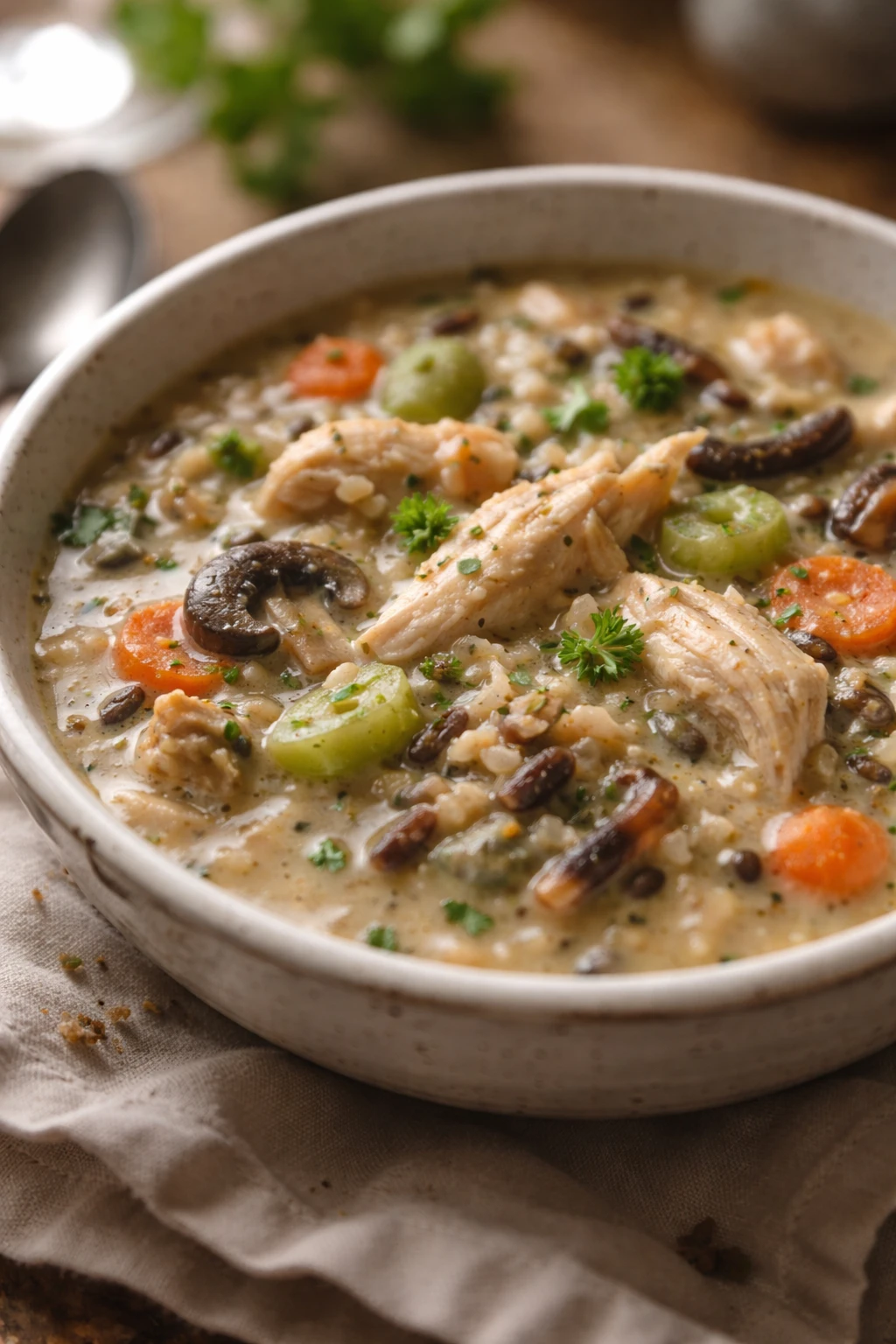
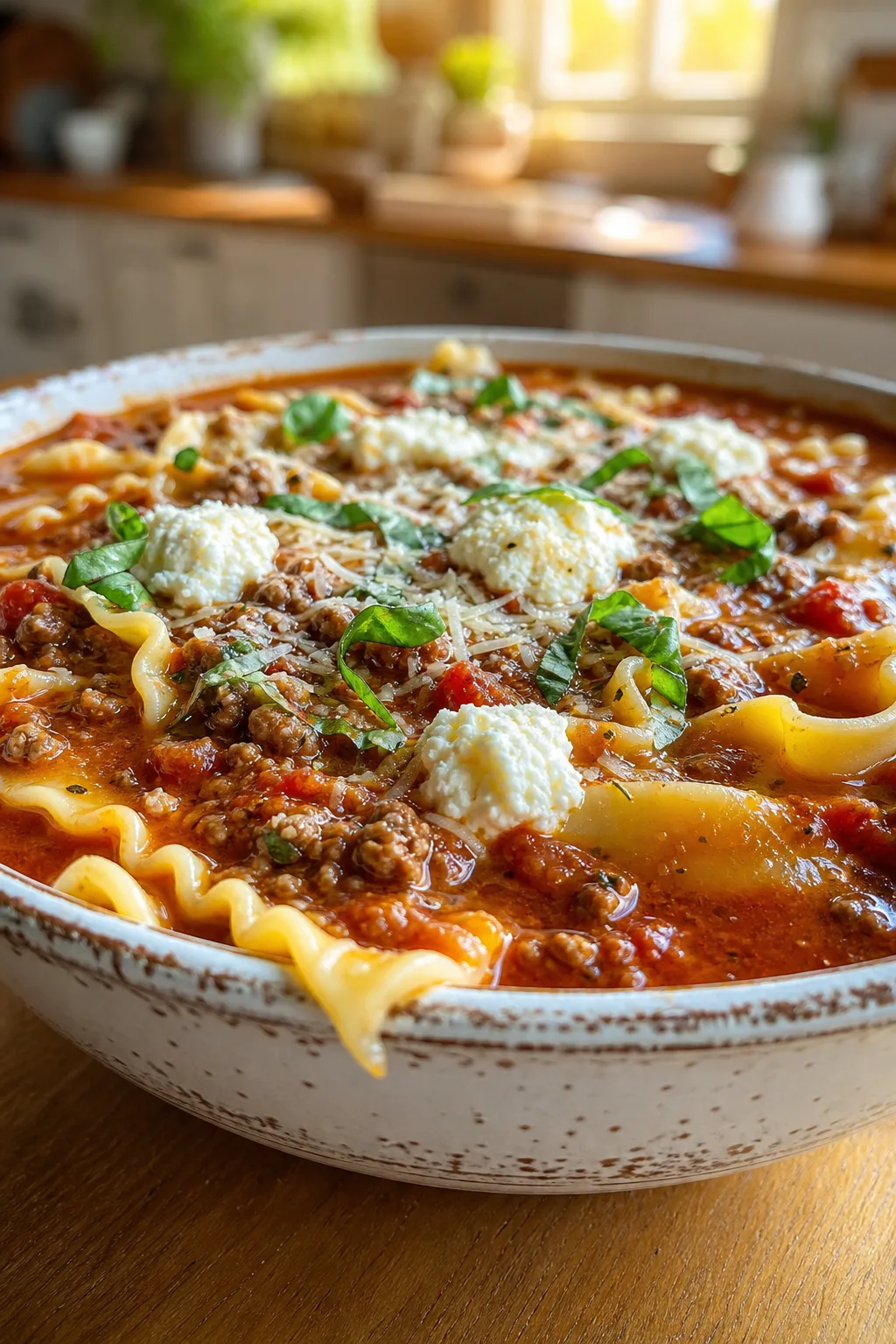
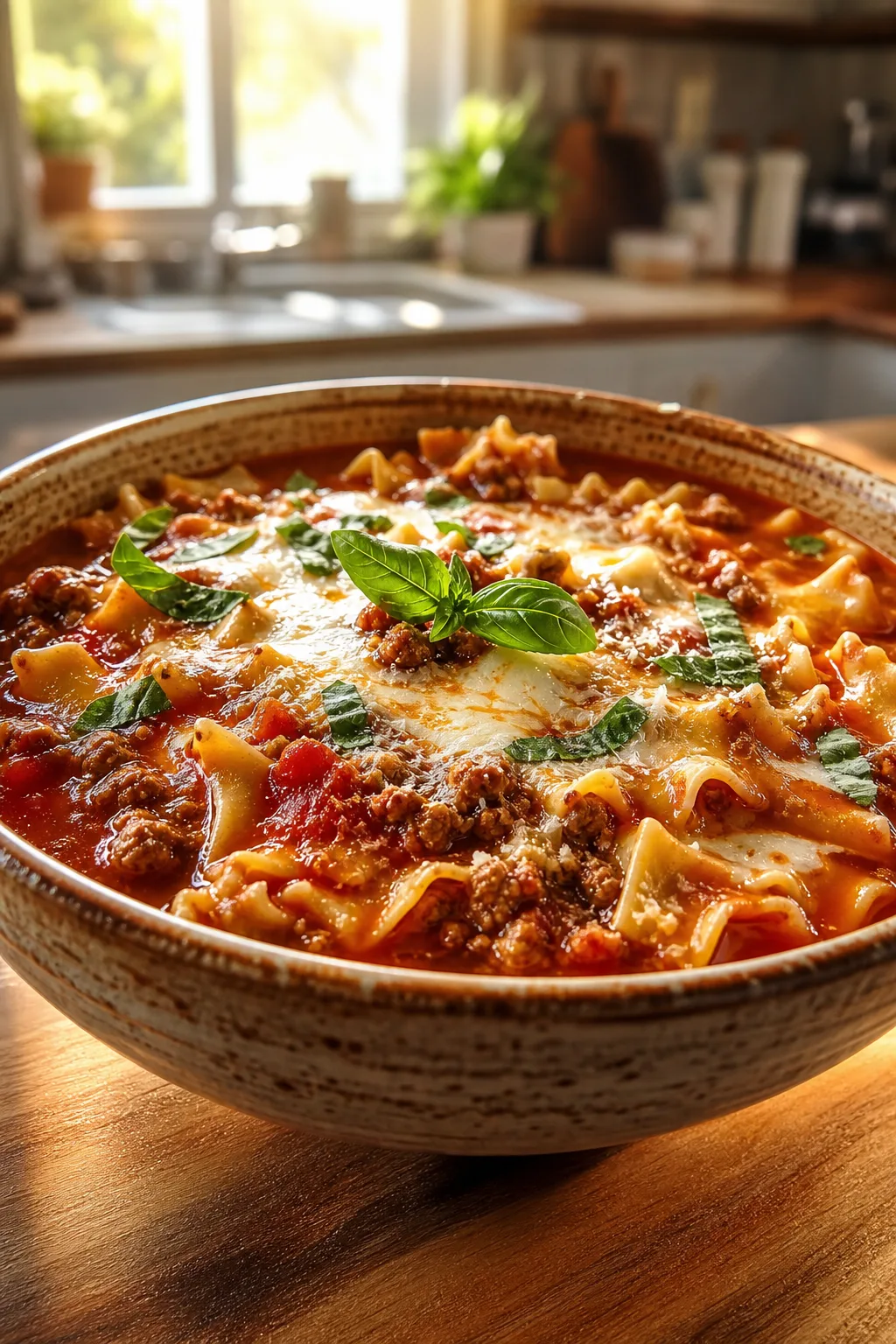
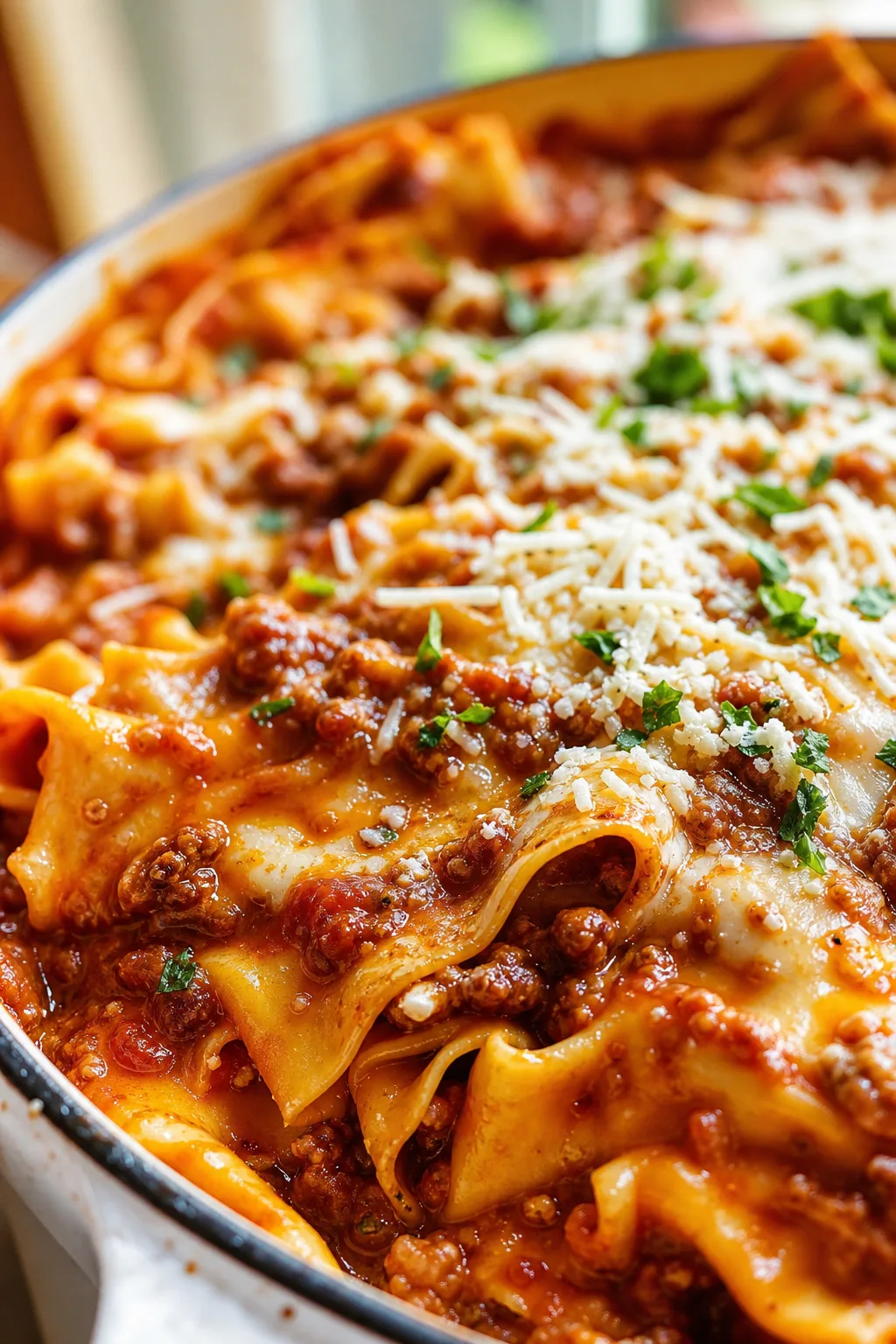
This chicken and wild rice soup is pure comfort in a bowl, with tender chicken, earthy wild rice, and fresh herbs. The slow simmer brings out deep flavors perfect for chilly spring nights or anytime you need a warm hug.
Introduction
I first made this chicken and wild rice soup on a rainy spring evening when I wanted something comforting but not too heavy. It quickly became a family favorite because it hits that perfect balance between hearty and fresh. What I love about this version is the way the wild rice adds a lovely chewy texture that contrasts with the tender chicken and creamy broth. Plus, I use a slow simmer to really develop the flavors, which makes all the difference. I remember the first time I tried a wild rice soup and it was a bit bland, but here I learned to roast the veggies lightly before simmering, which gives the soup a deeper, richer flavor. The finished soup is creamy, with just enough herbs to feel bright and spring-like without overpowering the comforting base. It’s great for a cozy night in or when you want to impress guests with a simple but satisfying dish. I think you’ll find it easy to make and even easier to love.
What You'll Need
Approximately 8 cups, 6 servings
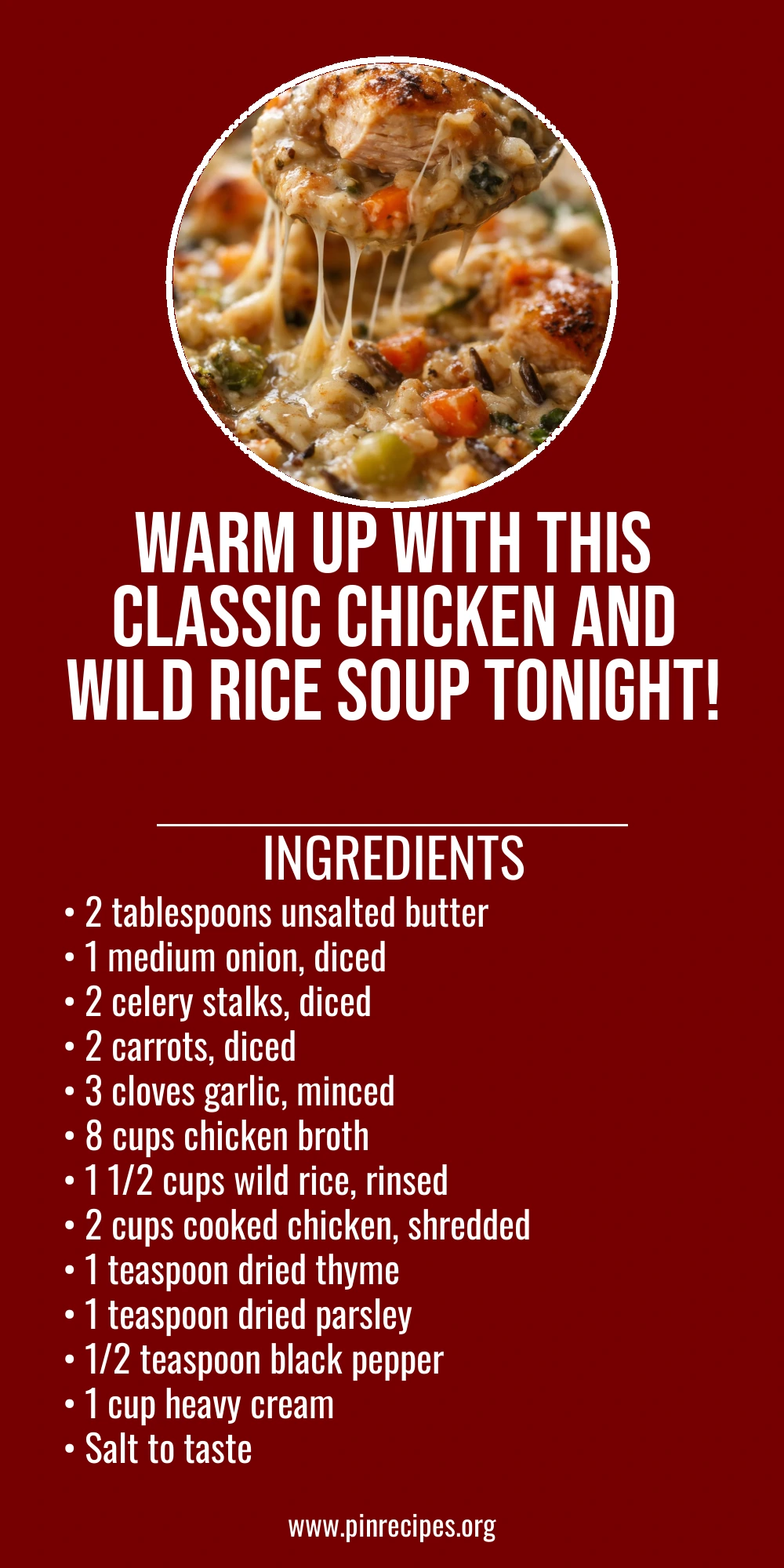
- 2 tablespoons unsalted butter
- 1 medium onion, diced
- 2 celery stalks, diced
- 2 carrots, diced
- 3 cloves garlic, minced
- 8 cups chicken broth
- 1 1/2 cups wild rice, rinsed
- 2 cups cooked chicken, shredded
- 1 teaspoon dried thyme
- 1 teaspoon dried parsley
- 1/2 teaspoon black pepper
- 1 cup heavy cream
- Salt to taste
How To Do It
Step 1
Start by melting the butter in a large heavy-bottomed pot over medium heat. Add the diced onion, celery, and carrots. Sauté gently for about 8-10 minutes until the vegetables soften and the onions turn translucent. This step is crucial because it builds the flavor base of the soup; gently cooking the veggies releases their natural sweetness and aroma. Avoid rushing or turning the heat too high, which can burn the onions and create bitterness.
⏱ Time: 10 minutes
✓ Doneness: Vegetables are tender and onions translucent without browning
Step 2
Add the minced garlic to the pot and cook for another 1-2 minutes, stirring constantly. Garlic cooks quickly and releases its fragrance, which enhances the soup’s depth. Be careful not to let it brown or burn, as that will make it taste bitter and overpowering.
⏱ Time: 2 minutes
✓ Doneness: Garlic is fragrant but not browned
Step 3
Pour in the chicken broth and bring the mixture to a boil. Then stir in the rinsed wild rice and dried thyme and parsley. Lower the heat to a simmer and cover the pot. Simmer gently for about 40 minutes or until the wild rice is tender but still chewy. This slow simmer allows the rice to absorb the broth’s flavor while releasing its nutty taste into the soup. Avoid boiling vigorously, which can break down the rice and make the soup cloudy.
⏱ Time: 40 minutes
✓ Doneness: Wild rice is tender but chewy, broth is flavorful
Step 4
While the soup simmers, shred your cooked chicken into bite-sized pieces. Using cooked chicken (leftover or rotisserie) saves time and ensures the chicken stays tender in the soup. Raw chicken would require longer cooking and could dry out.
⏱ Time: 5 minutes
✓ Doneness: Chicken shredded into uniform pieces
Step 5
Once the rice is tender, stir in the shredded chicken and black pepper. Let the soup simmer gently for another 5-7 minutes to allow the chicken to heat through and flavors to meld. This step is important to avoid overcooking the chicken, which would make it dry and rubbery.
⏱ Time: 7 minutes
✓ Doneness: Chicken is heated through, soup is steaming
Step 6
Lower the heat to very low and stir in the heavy cream. Heat gently without boiling to prevent the cream from curdling. This adds a rich, velvety texture and mellow flavor that makes the soup feel indulgent yet balanced.
⏱ Time: 3 minutes
✓ Doneness: Soup is creamy and smooth without separation
Step 7
Taste the soup and add salt as needed, starting with about 1/2 teaspoon. Seasoning is key here because the broth and cream can mute flavors. Adjust gradually and taste after each addition to avoid over-salting.
⏱ Time: 2 minutes
✓ Doneness: Soup tastes balanced and savory
Step 8
Remove the pot from heat and let the soup rest for 5 minutes before serving. This resting time lets the flavors marry and the soup thicken slightly. It also cools it just enough to enjoy safely and fully appreciate the texture.
⏱ Time: 5 minutes
✓ Doneness: Soup has thickened slightly and flavors melded
Step 9
Serve the soup hot, garnished with a sprinkle of fresh parsley if you like. Pair it with crusty bread or a simple green salad for a complete meal. Enjoy the comforting warmth and fresh spring notes in every spoonful!
⏱ Time: Immediate
✓ Doneness: Soup is hot and garnished attractively
Pro Tips
Rinse the wild rice thoroughly before cooking.
Rinsing removes surface starch and any debris, which helps keep the soup clear and prevents the rice from clumping together. This simple step ensures a cleaner broth and better texture.
Sauté the vegetables slowly over medium heat.
Cooking the aromatics gently allows their natural sugars to caramelize slightly without burning, building a deeper, sweeter flavor base. Rushing this step or using high heat can cause bitterness and uneven cooking.
Add the cream at the end off the heat or on very low heat.
Heavy cream can curdle if boiled or cooked at high temperatures. Adding it gently preserves the smooth, velvety texture and keeps the soup looking appetizing.
Use cooked chicken instead of raw to avoid drying out.
Adding pre-cooked chicken allows you to control the cooking time and keeps the meat tender. Cooking raw chicken in the soup too long can make it tough and stringy.
Simmer the soup gently, don’t boil vigorously.
A gentle simmer ensures the wild rice cooks evenly without breaking down, and the broth stays clear. Boiling hard can make the soup cloudy and mushy.
Let the soup rest before serving.
Resting allows the flavors to meld and the texture to thicken slightly, making each spoonful more flavorful and satisfying.
Season the soup at the end after adding cream.
Cream can mute flavors, so final seasoning adjustments are best made last to get the perfect balance of salt and pepper.
Common Mistakes to Avoid
Not rinsing the wild rice before cooking.
Why it happens Many skip rinsing to save time or don’t realize it’s necessary, thinking the rice is clean from packaging.
Fix Always rinse wild rice under cold water until it runs clear. This removes dust and excess starch, preventing cloudy broth and clumping.
Cooking vegetables too quickly or at high heat.
Why it happens In a hurry, cooks may crank up the heat to speed things up, risking burnt veggies.
Fix Cook aromatics over medium heat slowly until softened and translucent, about 8-10 minutes. This develops sweetness and avoids bitterness.
Adding cream while the soup is boiling.
Why it happens Not realizing cream is sensitive to heat, some add it too early or at high temperature.
Fix Turn off or lower heat before stirring in cream. Heat gently afterward to avoid curdling and keep the soup silky.
Using raw chicken directly in the soup.
Why it happens For convenience, some add raw chicken, but this can overcook it during long simmering.
Fix Use cooked shredded chicken and add it near the end to warm through, ensuring tender meat.
Not seasoning at the end after adding cream.
Why it happens Seasoning early can lead to under- or over-salted soup once cream is added.
Fix Taste and adjust salt and pepper after cream is stirred in to get the perfect flavor balance.
Variations
Mushroom and Herb Wild Rice Soup
Swap out the chicken for sautéed mushrooms and add fresh thyme and rosemary for a vegetarian twist. The mushrooms add umami depth while keeping the soup hearty and satisfying.
Note: Sauté mushrooms until golden before adding broth to deepen flavor; omit chicken and adjust cooking time accordingly.
Spicy Chicken and Wild Rice Soup
Add a diced jalapeño or a pinch of cayenne pepper with the aromatics for a gentle kick. This variation livens up the classic with a touch of heat that pairs well with the creamy base.
Note: Add spice early with veggies to infuse flavor; adjust heat level to taste.
Creamy Coconut Wild Rice Soup
Replace heavy cream with full-fat coconut milk and add a dash of curry powder for a tropical flair. This dairy-free version is rich and exotic with a subtle sweetness.
Note: Add coconut milk at the end off heat to prevent curdling; balance curry with fresh lime juice.
Lemon and Dill Chicken Wild Rice Soup
Brighten the soup with fresh lemon juice and dill added just before serving. This variation feels fresh and spring-like, perfect for warmer days while keeping the comforting base.
Note: Add lemon juice and dill off heat to preserve brightness and aroma.
Slow Cooker Chicken and Wild Rice Soup
Combine all ingredients except cream in a slow cooker and cook on low for 6-8 hours. Stir in cream at the end. This hands-off method is perfect for busy days and yields tender rice and flavorful broth.
Note: Use pre-cooked chicken to avoid overcooking; add cream after slow cooking to keep it smooth.
Nutrition
Per Serving:
Nutritional values are estimates and may vary based on specific ingredients used.
Storage & Tips
Room Temperature
The soup can be safely kept at room temperature for up to 2 hours if covered. Beyond that, it should be refrigerated to prevent bacterial growth.
Refrigerator
Store leftovers in an airtight container for up to 4 days. The soup thickens when chilled; reheat gently with a splash of broth or water to restore creamy consistency. Flavor may deepen after resting.
Freezer
Freeze the soup for up to 3 months in a freezer-safe container, leaving space for expansion. Thaw overnight in the fridge before reheating. Texture of wild rice may soften slightly but remains tasty.
Reheating
Reheat on the stovetop over low-medium heat, stirring occasionally. Add a splash of broth or water if too thick. Avoid boiling to prevent cream curdling. Microwave reheating is possible but less even.
Make Ahead
You can prepare the soup base (broth, rice, and veggies) 1-2 days ahead and store it refrigerated. Add shredded chicken and cream just before reheating to keep the texture fresh and flavors bright.
FAQ
Can I use white rice instead of wild rice?
You can substitute white rice, but it will cook faster and become softer, losing the chewy texture wild rice provides. Adjust cooking time accordingly and expect a milder flavor.
How do I make this soup dairy-free?
Replace heavy cream with coconut milk or a plant-based cream alternative. Add it gently at the end to avoid curdling. This will change the flavor slightly but keep the soup creamy.
Can I cook this soup in a slow cooker?
Yes! Combine all ingredients except cream in a slow cooker on low for 6-8 hours. Add cream and cooked chicken near the end to avoid overcooking and curdling.
What’s the best way to shred cooked chicken?
Use two forks to pull the chicken apart into bite-sized pieces. This method keeps the chicken tender and ensures even distribution throughout the soup.
Why does my soup sometimes turn out cloudy?
Boiling the soup too vigorously or not rinsing the wild rice can cause cloudiness. Simmer gently and rinse rice well to keep the broth clear.
Can I freeze the soup after adding cream?
It’s best to freeze the soup before adding cream. Cream can separate when frozen and thawed, affecting texture. Add cream fresh when reheating.
How can I make the soup thicker?
Simmer the soup uncovered for a few extra minutes to reduce liquid. Alternatively, stir in a slurry of cornstarch and water, cooking until thickened.
Is it okay to use leftover chicken?
Absolutely! Leftover roasted or boiled chicken works perfectly and saves time. Just add it near the end to warm through without overcooking.
Final Thoughts
I hope you enjoy this cozy chicken and wild rice soup as much as my family does. It’s a simple way to bring warmth and comfort to your table—give it a try and let me know what you think!