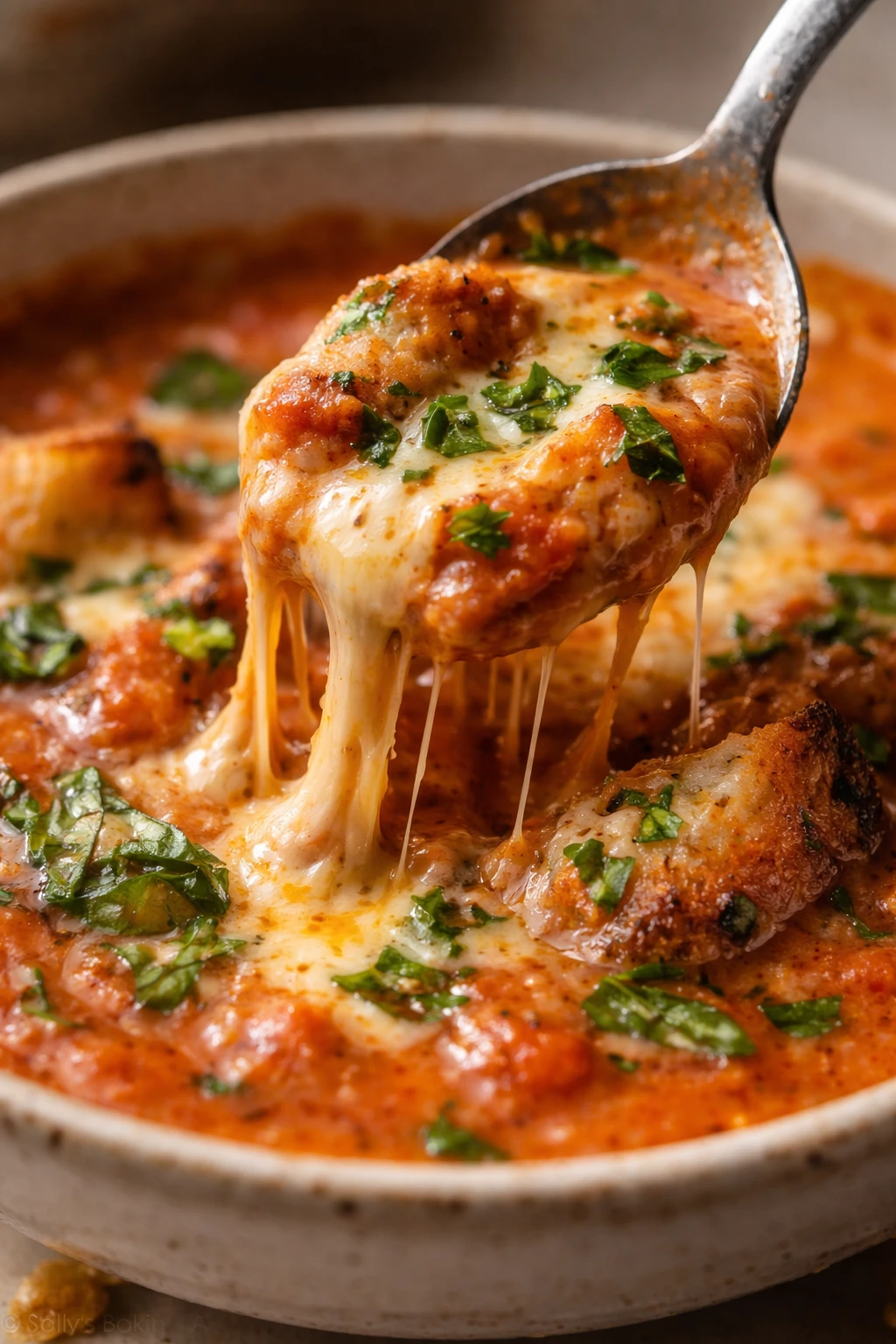
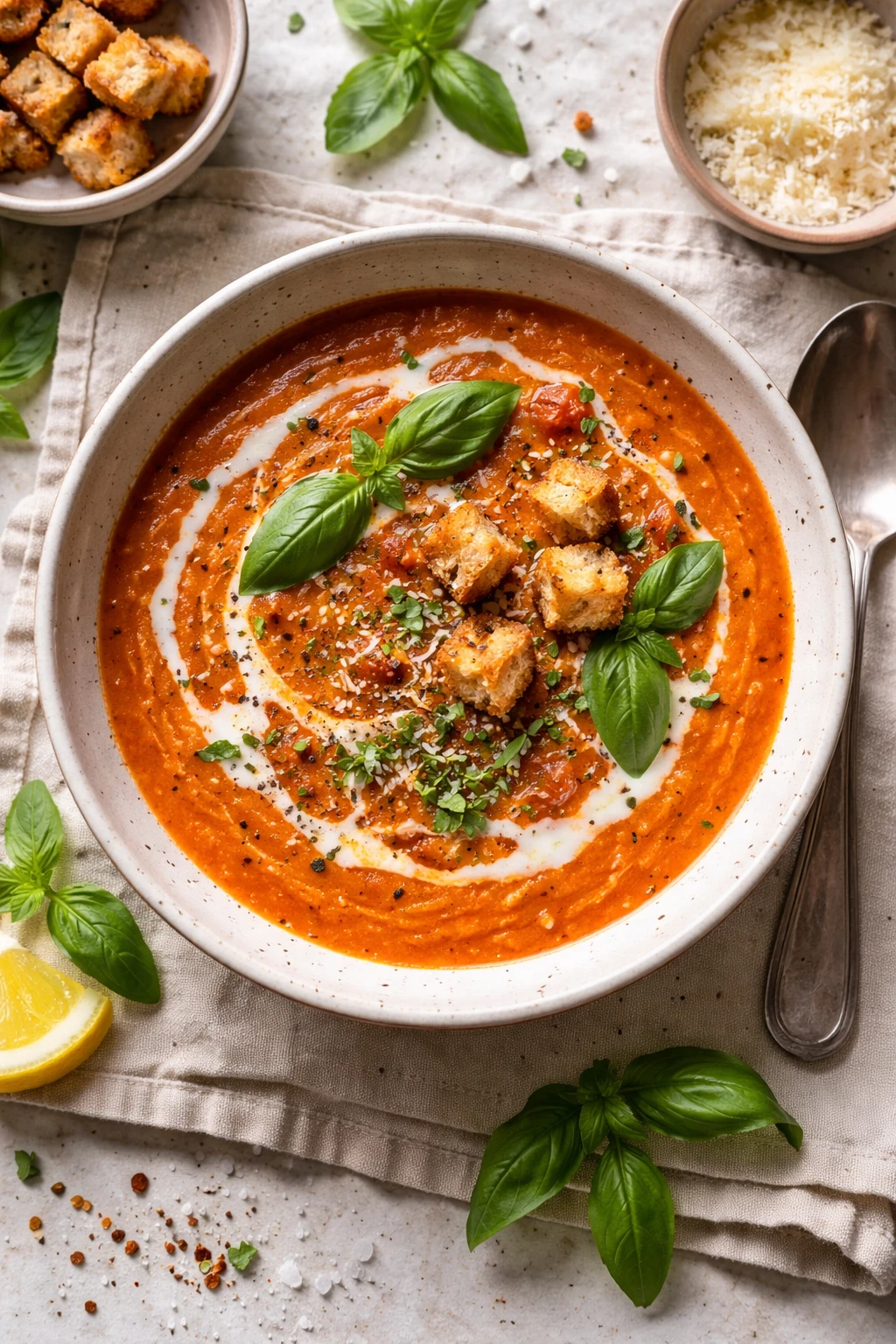
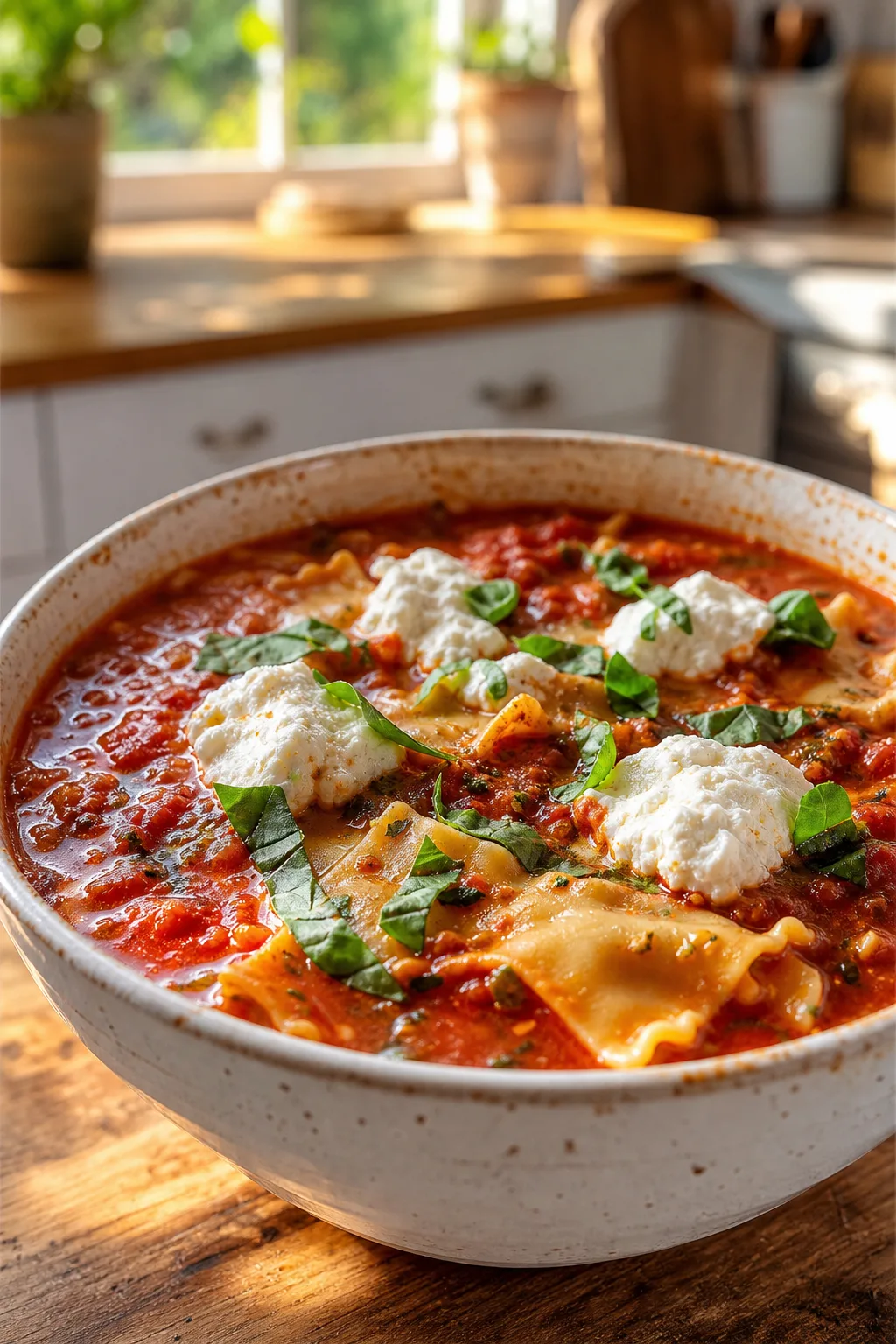
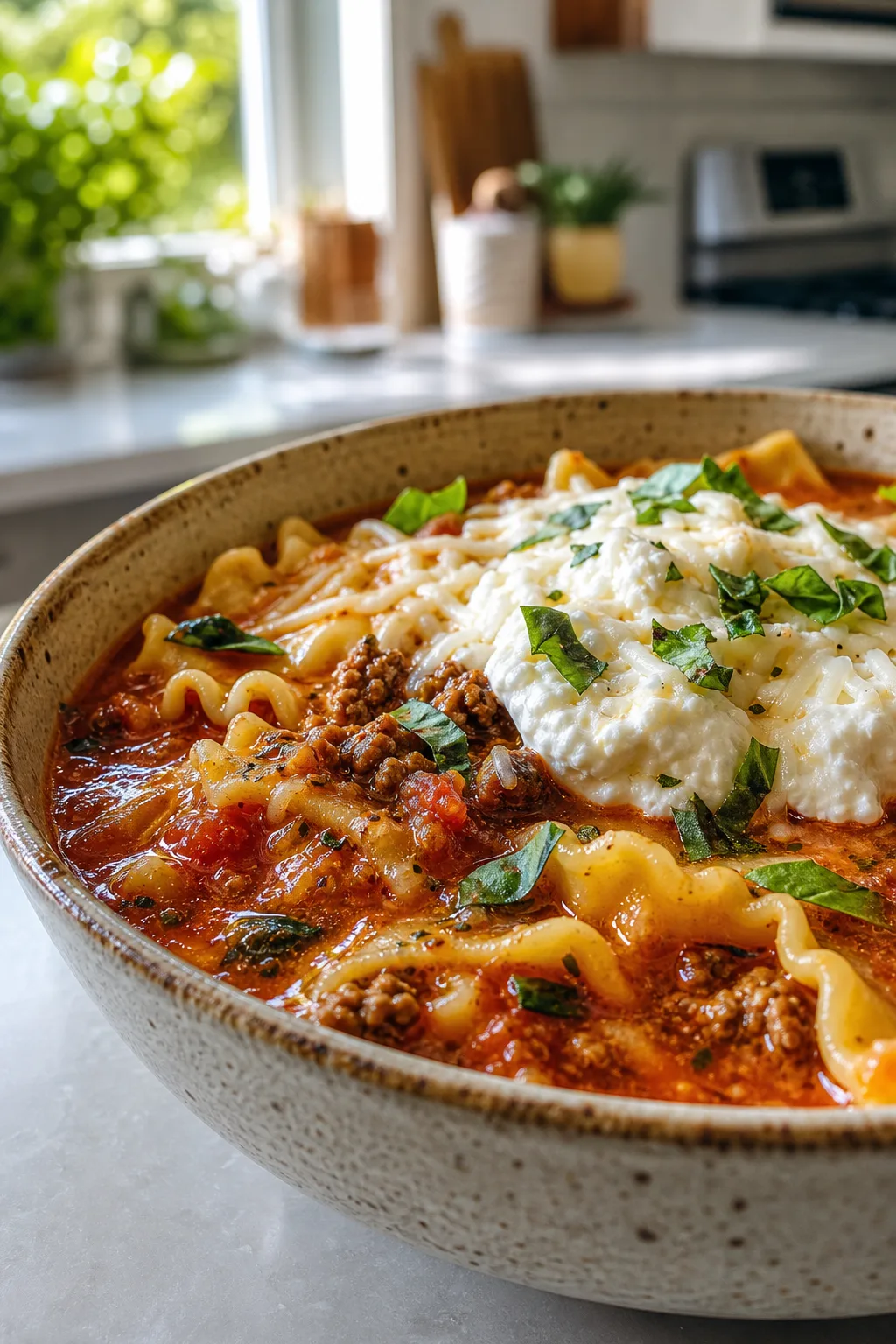
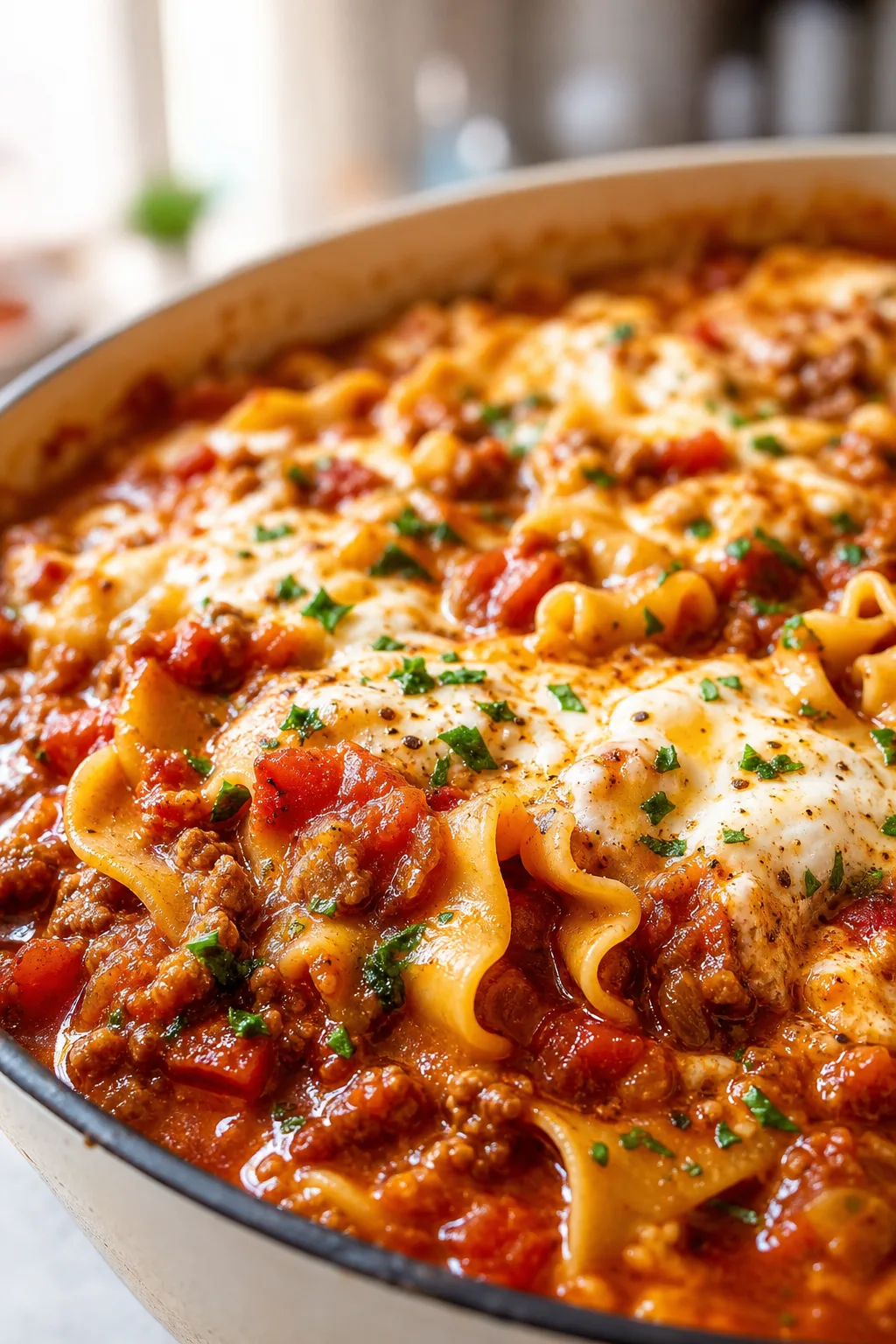
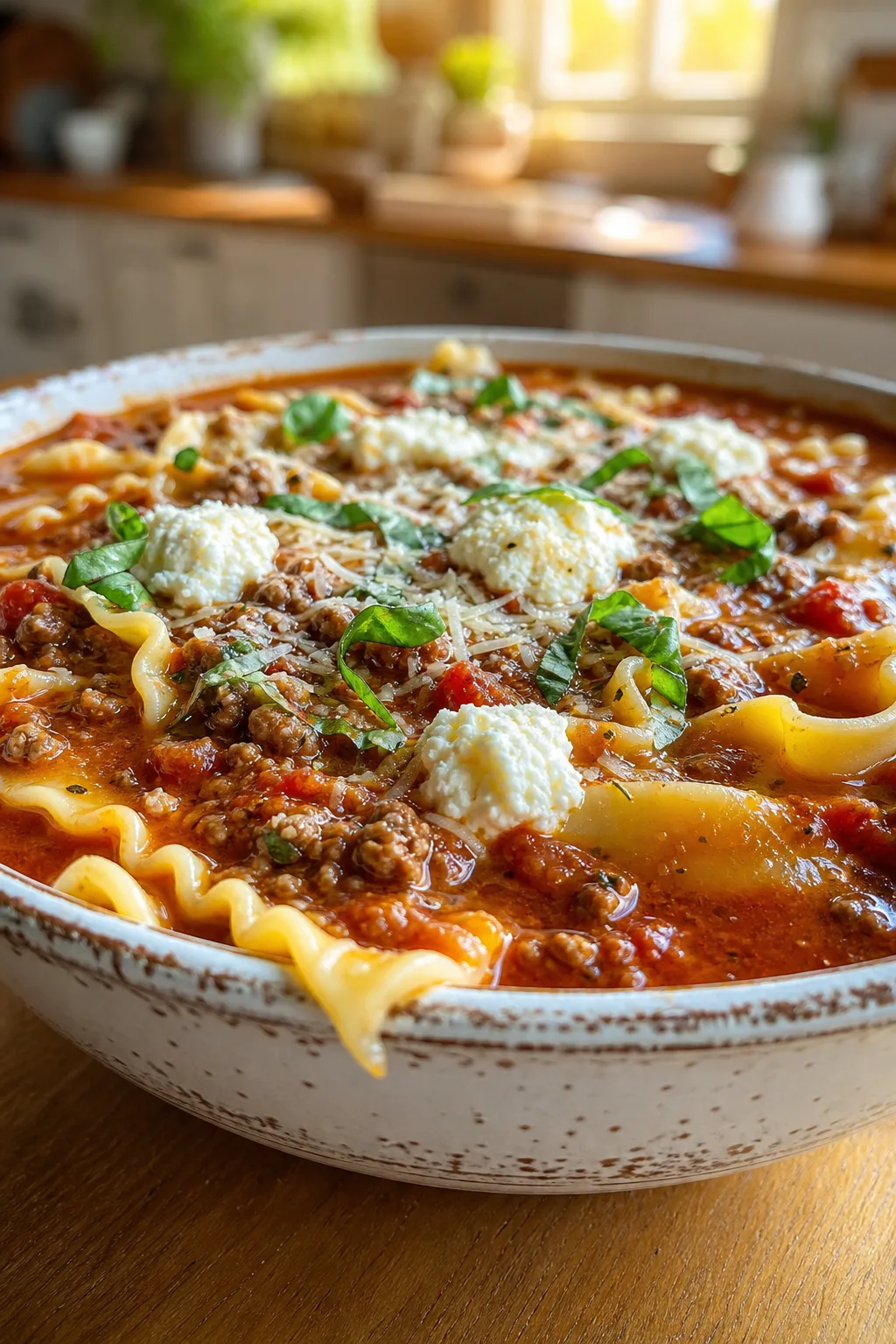
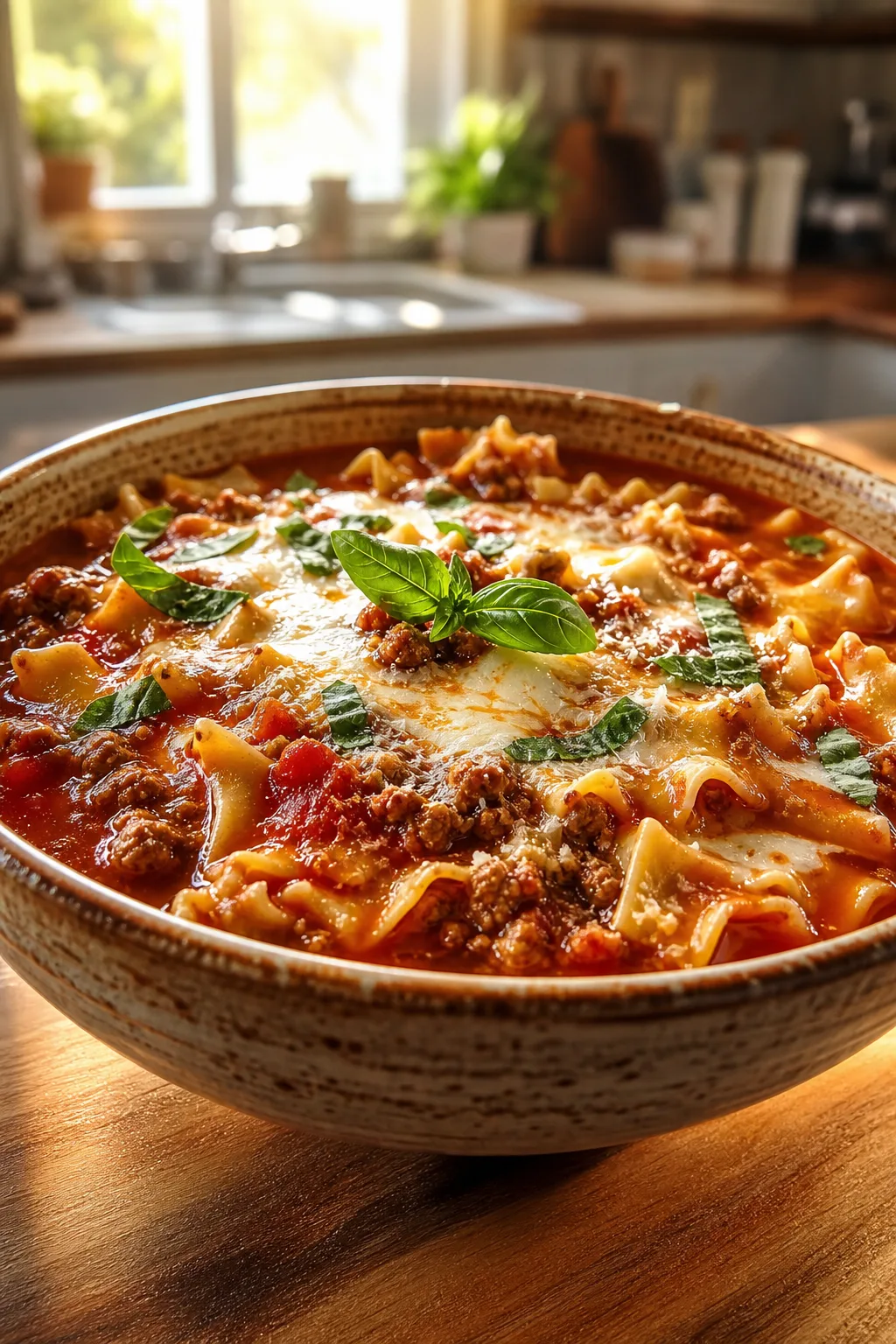
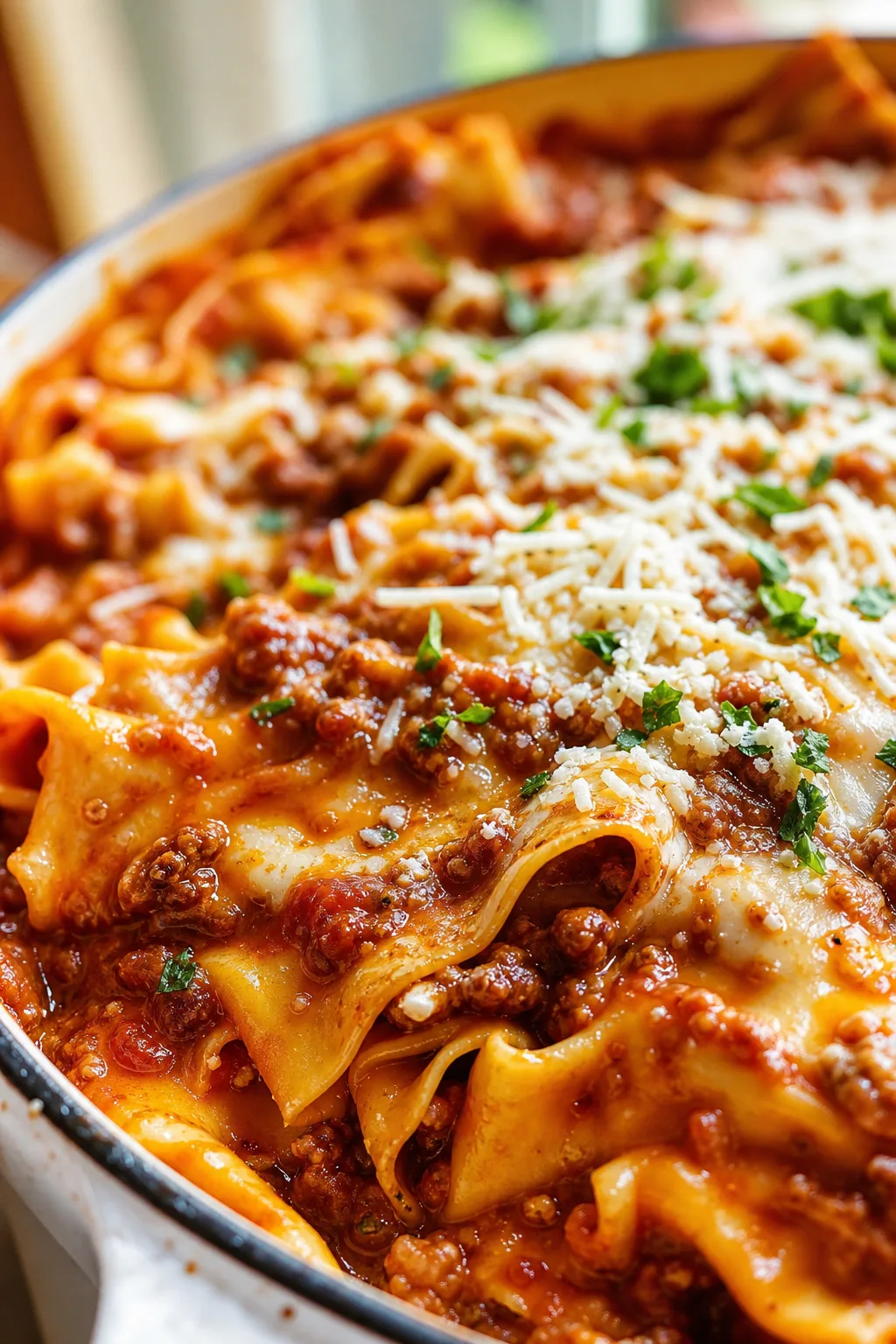
This tomato basil soup is the perfect hug in a bowl—rich, creamy, and bursting with fresh herbs. I add a splash of cream and fresh basil at the end for that vibrant taste. Ideal for cozy evenings or a light lunch!
Introduction
I first discovered this creamy tomato basil soup recipe during a chilly fall weekend when I craved something warm but fresh. What makes this soup stand out for me is the balance between the tangy tomatoes and the fragrant basil, plus that little splash of cream which adds a velvety richness without being heavy. I’ve tried a few versions before, but I always come back to this one because it’s simple, quick, and uses fresh herbs that really brighten the flavor. The trick I learned is to crush the canned tomatoes by hand instead of using a blender—this keeps a lovely texture without making it overly smooth or thin. When it’s done, the soup feels like a cozy hug—perfect for dinner or even a light lunch with some crusty bread. It’s one of those recipes that feels like comfort food but still fresh and vibrant, which I think is pretty special.
What You'll Need
Approximately 6 cups, 4 servings
- 2 tablespoons olive oil, extra virgin
- 1 medium onion, finely chopped
- 3 cloves garlic, minced
- 1 can (28 ounces) whole peeled tomatoes, crushed by hand
- 2 cups vegetable broth
- 1/2 cup heavy cream
- 1/4 cup fresh basil leaves, chopped
- 1 teaspoon sugar
- Salt and freshly ground black pepper to taste
How To Do It
Step 1
Heat the olive oil in a large pot over medium heat. Add the chopped onion and sauté for about 5-7 minutes until soft and translucent. This step is crucial as it builds the base flavor, gently sweetening the onion without browning it too much, which would add bitterness. Stir occasionally to prevent sticking and watch for a soft texture and a faint sweet aroma—this means the onions are ready for the next step.
⏱ Time: 7 minutes
✓ Doneness: Onions are soft, translucent, and slightly sweet-smelling
Step 2
Add the minced garlic and cook for another 1-2 minutes, stirring constantly to avoid burning. Garlic cooks quickly and can turn bitter if overcooked, so keep the heat moderate and watch for a fragrant aroma. This step adds a depth of flavor that complements the tomatoes beautifully.
⏱ Time: 2 minutes
✓ Doneness: Garlic is fragrant but not browned or burnt
Step 3
Pour in the crushed tomatoes along with their juices. If you prefer, you can crush the whole peeled tomatoes by hand before adding to keep a nice chunky texture. Stir everything together and bring to a gentle simmer. This step is where the soup begins to develop its signature tomato flavor, and simmering allows the acidity to mellow out.
⏱ Time: 5 minutes
✓ Doneness: Soup starts to bubble gently, and aromas deepen
Step 4
Add the vegetable broth and stir. The broth adds body and balances the natural acidity of the tomatoes. Bring the soup back to a simmer and let it cook for 15 minutes, uncovered. This slow simmer helps the flavors meld and the soup thicken slightly. Avoid boiling vigorously as it can cause the soup to reduce too much or taste too concentrated.
⏱ Time: 15 minutes
✓ Doneness: Soup thickens slightly and flavors are well blended
Step 5
Stir in the sugar, salt, and pepper to taste. The sugar cuts the acidity of the tomatoes, balancing the soup’s flavor. Season gradually and taste as you go to avoid over-salting. This step is key to achieving that perfect harmony between sweet and tangy.
⏱ Time: 2 minutes
✓ Doneness: Soup tastes balanced, not too acidic or salty
Step 6
Remove the soup from heat and stir in the heavy cream slowly. Adding the cream off the heat prevents it from curdling and ensures a smooth, rich texture. The cream softens the tomato’s acidity and adds a luxurious mouthfeel that makes this soup so comforting.
⏱ Time: 3 minutes
✓ Doneness: Soup is creamy and smooth without any curdling
Step 7
Add the chopped fresh basil leaves and gently stir. Fresh basil adds a bright, herbal note that lifts the soup’s flavor. Add it last to preserve its color and fragrance. Avoid cooking the basil for too long or it will lose its vibrancy.
⏱ Time: 1 minute
✓ Doneness: Fresh basil is vibrant green and aromatic
Step 8
Use an immersion blender to gently puree the soup if you want a smoother texture, or leave it chunky for more bite. Blending is optional but helps create that classic creamy consistency. If you don’t have an immersion blender, carefully transfer the soup in batches to a regular blender, then return it to the pot.
⏱ Time: 3 minutes
✓ Doneness: Soup has desired smoothness without being watery
Step 9
Warm the soup gently over low heat if needed before serving. Taste one last time and adjust seasoning if necessary. Serve hot with crusty bread or a grilled cheese sandwich for a classic combo. This final warming ensures the flavors are well married and the soup is perfectly cozy.
⏱ Time: 2 minutes
✓ Doneness: Soup is hot and seasoned perfectly
Pro Tips
Don’t rush sautéing the onions; cook them low and slow until translucent.
Slowly cooking onions allows their natural sugars to develop, which mellows the sharpness and adds a subtle sweetness that balances the acidity of the tomatoes. Rushing this step can leave you with harsh, raw onion flavors that overpower the soup.
Add the cream off the heat to avoid curdling.
Heavy cream can curdle if added to boiling soup. By stirring it in after removing the pot from heat, you preserve the smooth, creamy texture that makes the soup feel indulgent and velvety.
Use fresh basil and add it at the very end.
Fresh basil loses its bright flavor and color when cooked for too long. Adding it last preserves its aroma and vibrant green color, giving the soup a fresh herbal lift.
Crush canned tomatoes by hand instead of blending.
Hand crushing retains some chunks and texture, making the soup feel more homemade and rustic. Over-blending can make the soup too thin and watery.
Taste and adjust seasoning gradually, especially salt and sugar.
Tomato acidity varies by brand and batch, so balancing with salt and sugar is important. Adding too much at once can throw off the flavor, so taste as you go to find the perfect harmony.
Simmer the soup gently, avoid boiling vigorously.
A gentle simmer allows flavors to meld without reducing the soup too much or making it overly concentrated. Boiling can also break down the cream and herbs, affecting texture and taste.
Use a good quality olive oil for sautéing.
Since olive oil is a key flavor in this soup’s base, using a fresh, high-quality extra virgin olive oil ensures a fruity, peppery note that complements the tomatoes beautifully.
Common Mistakes to Avoid
Burning the garlic during sauté
Why it happens Garlic cooks very quickly and can burn if added too early or cooked on too high heat. Many cooks assume it can be treated like onions, but it’s more delicate.
Fix Add garlic after the onions are soft and reduce heat to medium-low. Stir constantly and cook just until fragrant, about 1-2 minutes, to avoid bitterness.
Adding cream while soup is boiling
Why it happens Adding cream to very hot or boiling soup can cause it to curdle, ruining the texture.
Fix Remove the pot from heat before stirring in the cream slowly. This keeps the soup smooth and velvety.
Over-blending the soup
Why it happens Using a blender for too long breaks down the tomatoes too much, making the soup watery and lacking texture.
Fix Pulse briefly or crush tomatoes by hand for a chunkier texture. If blending, do it in short bursts and check consistency often.
Skipping the sugar to balance acidity
Why it happens Some cooks avoid sugar thinking it’s unhealthy, but tomatoes can be quite acidic and harsh without a bit of sweetness.
Fix Add a small amount of sugar gradually while tasting to balance the acidity and enhance the natural tomato flavor.
Cooking basil too early
Why it happens Adding fresh basil at the start or during long cooking dulls its flavor and turns it dark green or brown.
Fix Add basil at the very end off the heat to preserve its bright color and fresh aroma.
Variations
Vegan Version with Coconut Cream
Swap heavy cream for coconut cream to make this soup vegan and add a subtle tropical twist. It’s just as creamy and comforting but with a slightly different flavor profile that pairs well with the basil.
Note: Add coconut cream off heat just like dairy cream to avoid separation. The texture may be slightly lighter but still rich.
Spicy Tomato Basil Soup
Add a pinch of red pepper flakes or a diced jalapeño when sautéing the onions for a spicy kick. This variation adds warmth and depth, perfect for those who like a little heat in their comfort food.
Note: Adjust spice level carefully, and add fresh basil at the end as usual to balance the heat.
Roasted Tomato Basil Soup
Roast fresh tomatoes and garlic before adding them to the soup for a smoky, caramelized flavor. This gives the soup a deeper, more complex taste that feels gourmet but is easy to make.
Note: Roast tomatoes at 400°F until caramelized, then blend or crush before adding to the pot.
Add Parmesan Cheese
Stir in grated Parmesan cheese just before serving for a salty, nutty boost. It melts into the soup and adds savory richness that pairs beautifully with basil and tomato.
Note: Add cheese off heat to prevent clumping and stir well to incorporate.
Chunky Vegetable Tomato Basil Soup
Add diced carrots, celery, and bell peppers sautéed with the onions for extra texture and nutrition. This makes the soup heartier and more like a stew, great for a filling meal.
Note: Sauté vegetables until tender before adding tomatoes and broth; simmer longer to soften.
Nutrition
Per Serving:
Nutritional values are estimates and may vary based on specific ingredients used.
Storage & Tips
Room Temperature
The soup can safely sit at room temperature for up to 2 hours if covered. Beyond that, it’s best to refrigerate to prevent bacterial growth.
Refrigerator
Store the soup in an airtight container for up to 4 days. The flavor may deepen overnight, but the cream can thicken; reheat gently and stir to restore smoothness.
Freezer
Freeze the soup in airtight containers or freezer bags for up to 3 months. To prevent freezer burn, remove as much air as possible before sealing. Thaw overnight in the fridge before reheating.
Reheating
Reheat gently on the stovetop over low heat, stirring occasionally. Add a splash of broth or cream if the soup has thickened too much. Avoid boiling to preserve creaminess and fresh flavor.
Make Ahead
You can prepare the soup base (onions, garlic, tomatoes, broth) a day ahead and refrigerate. Add cream and basil just before reheating and serving for the freshest taste.
FAQ
Can I use fresh tomatoes instead of canned?
Yes, but fresh tomatoes vary in acidity and water content. For best results, use ripe Roma tomatoes, peel and seed them, then roast or simmer down to concentrate flavor. You might need to adjust cooking time and seasoning accordingly.
How do I make this soup dairy-free?
Replace heavy cream with coconut cream or a cashew cream for a dairy-free alternative. Add it off the heat to avoid curdling. The flavor will be slightly different but still creamy and delicious.
Why is my soup too acidic or sour?
Tomatoes can vary in acidity. If your soup tastes too sour, try adding a small pinch of sugar gradually while tasting. Also, ensure you cook the onions well as their sweetness helps balance acidity.
Can I freeze this soup after adding cream?
Freezing cream-based soups can sometimes cause separation. It’s better to freeze the soup base without cream and add fresh cream when reheating for best texture and flavor.
What can I serve with tomato basil soup?
Crusty bread, grilled cheese sandwiches, or a fresh green salad pair wonderfully with this soup. The creamy texture and fresh herbs make it versatile for many sides.
How can I make the soup thicker?
Simmer the soup longer uncovered to reduce liquid and thicken naturally. Alternatively, blend a portion of the soup and stir it back in for extra body.
Can I use dried basil instead of fresh?
You can, but dried basil is less vibrant and aromatic. Add it earlier in cooking to allow flavors to develop, but fresh basil at the end gives the best flavor and color.
Is there a way to make this soup spicier?
Absolutely! Add red pepper flakes, cayenne, or diced jalapeños when sautéing the onions. Start with a small amount and adjust to your heat preference.
Final Thoughts
I hope you enjoy making and savoring this cozy tomato basil soup as much as I do. Don’t forget to share your soup stories and tweaks—I’d love to hear how it turns out!