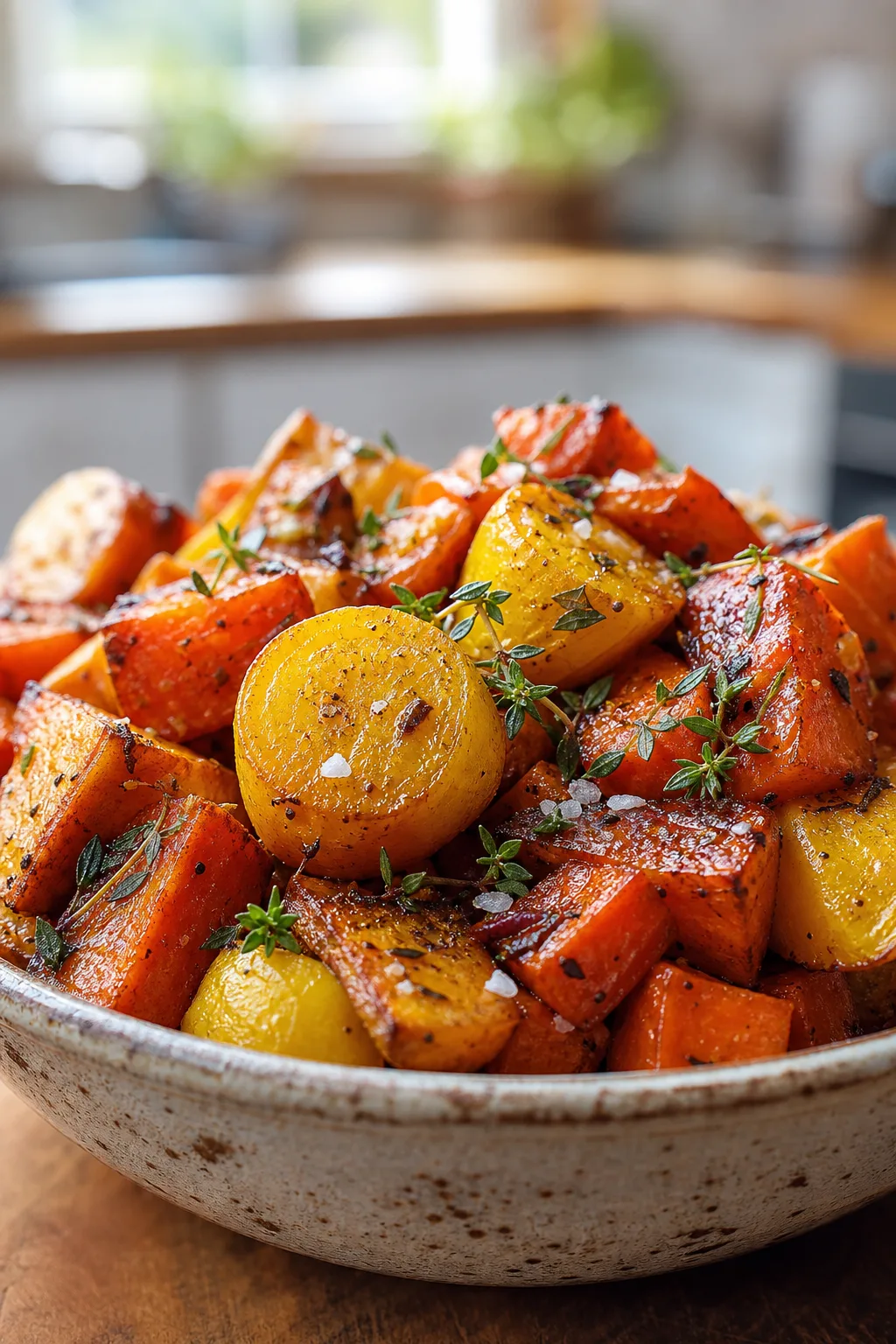
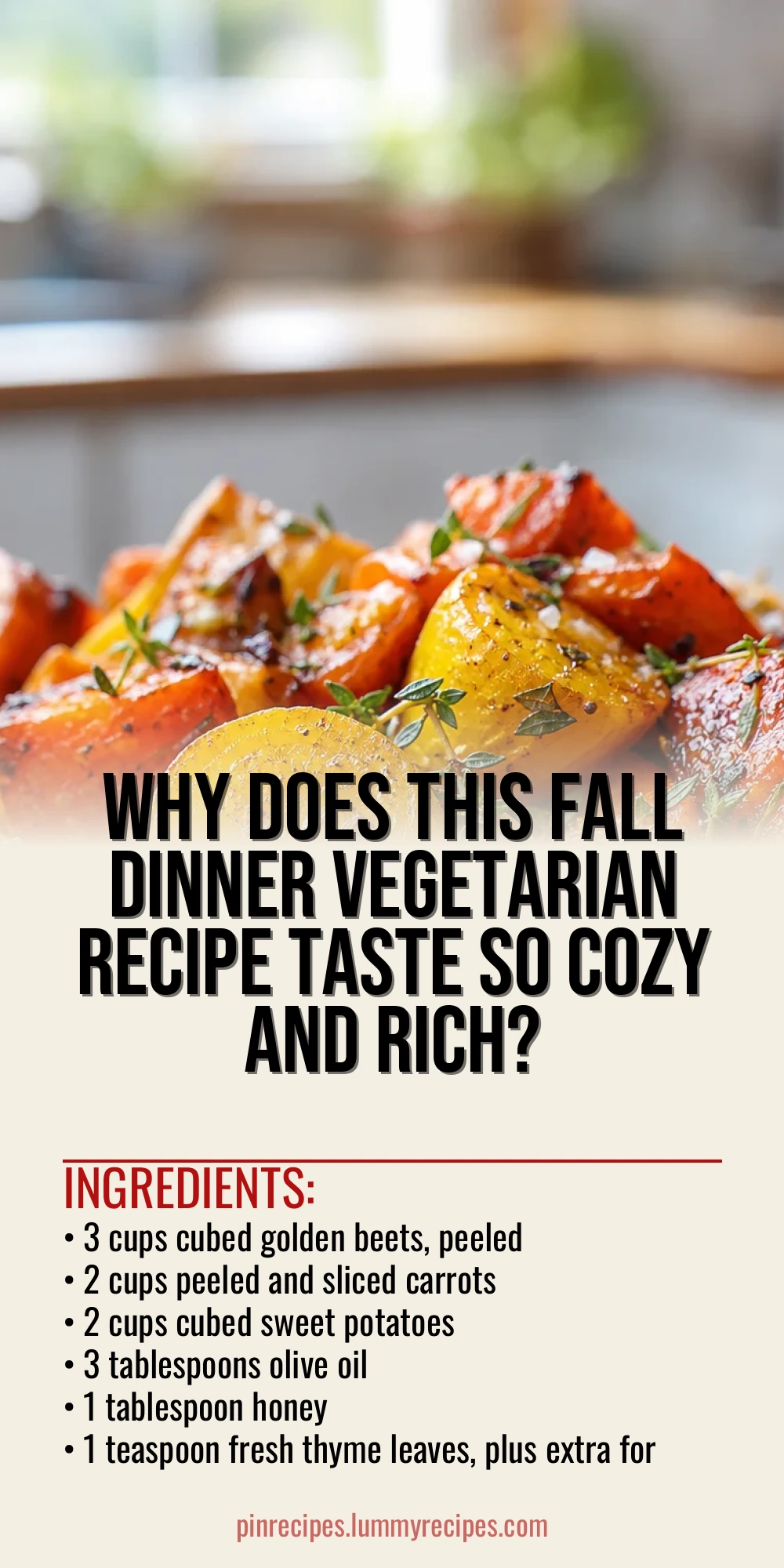
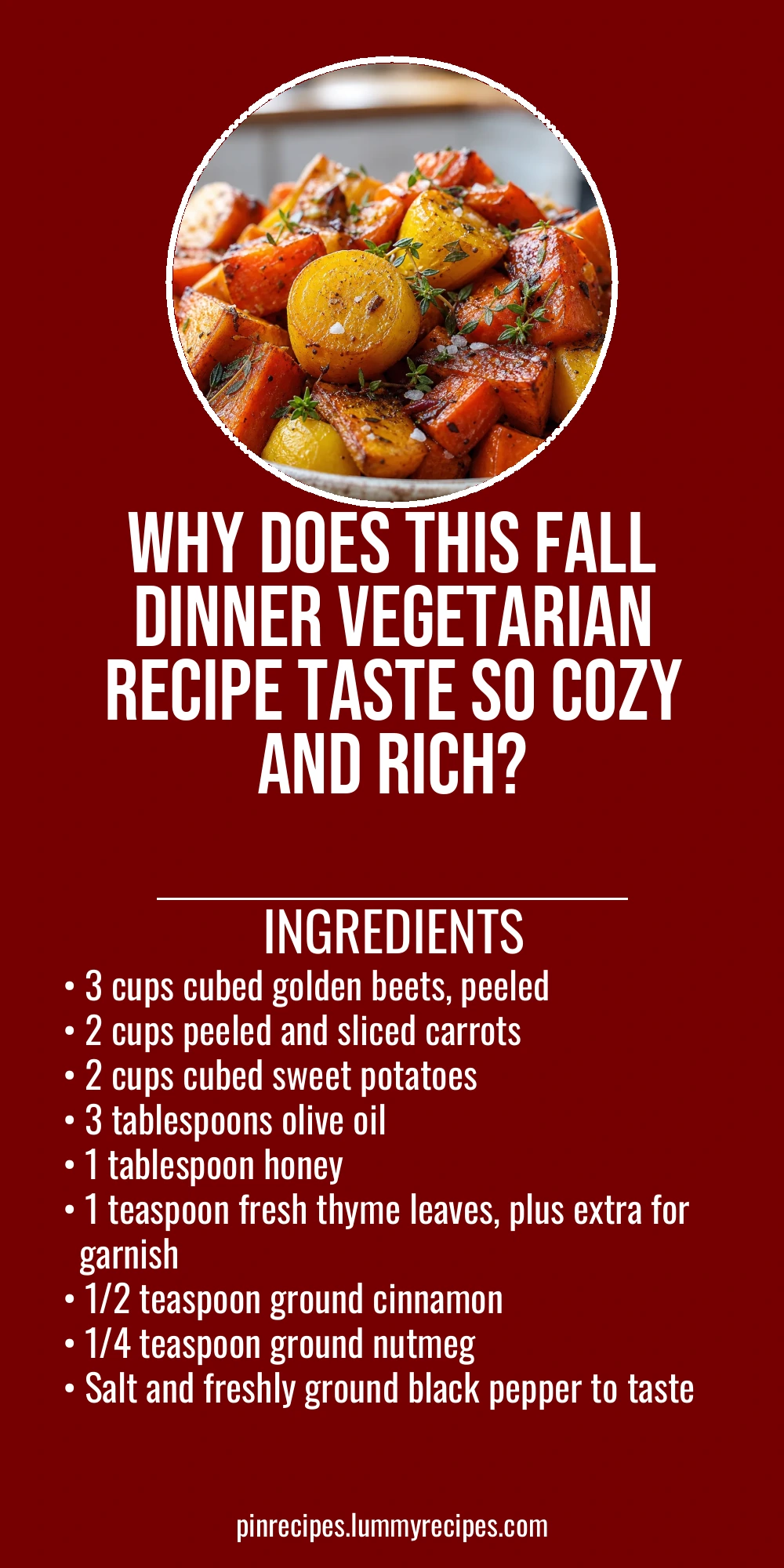
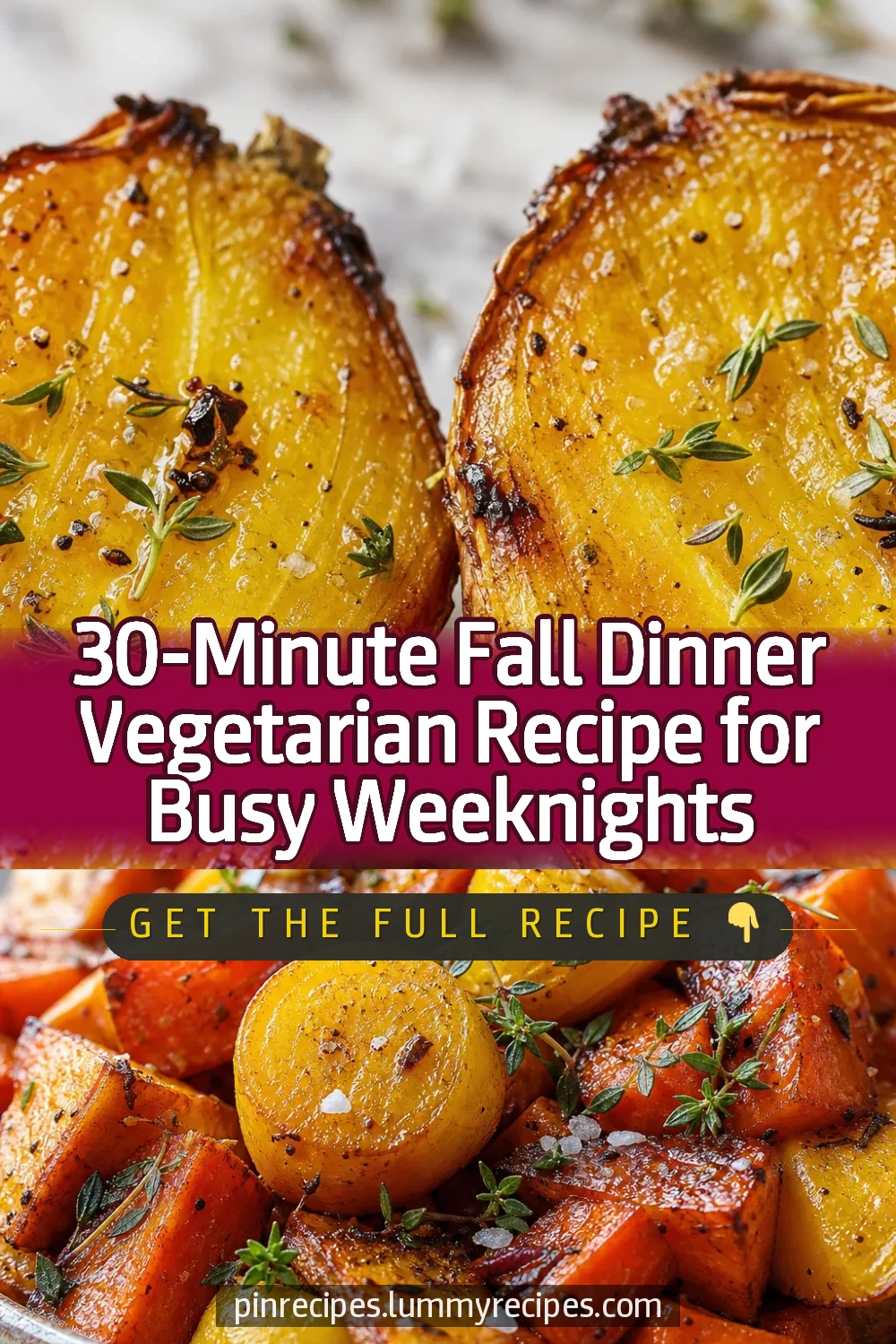
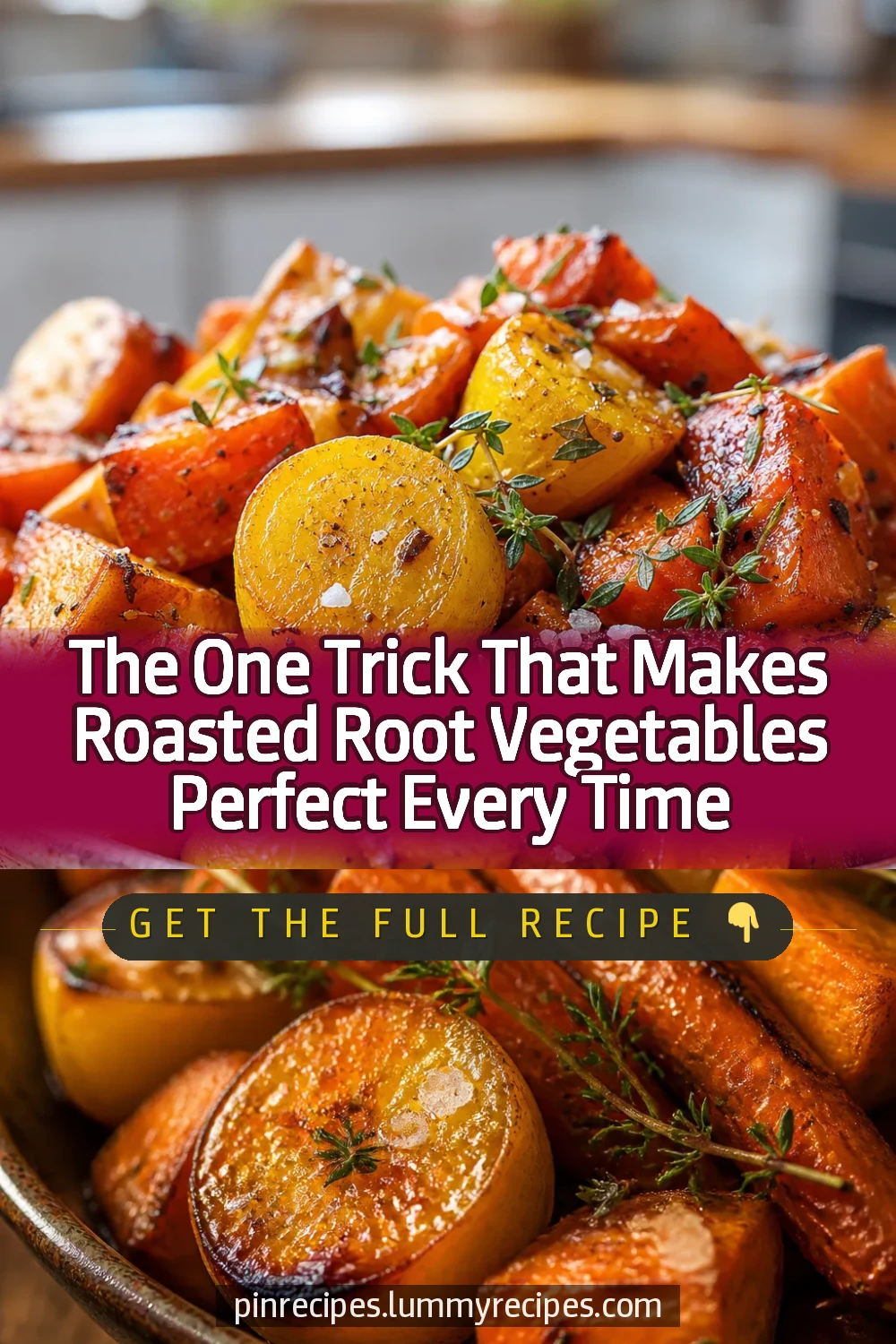
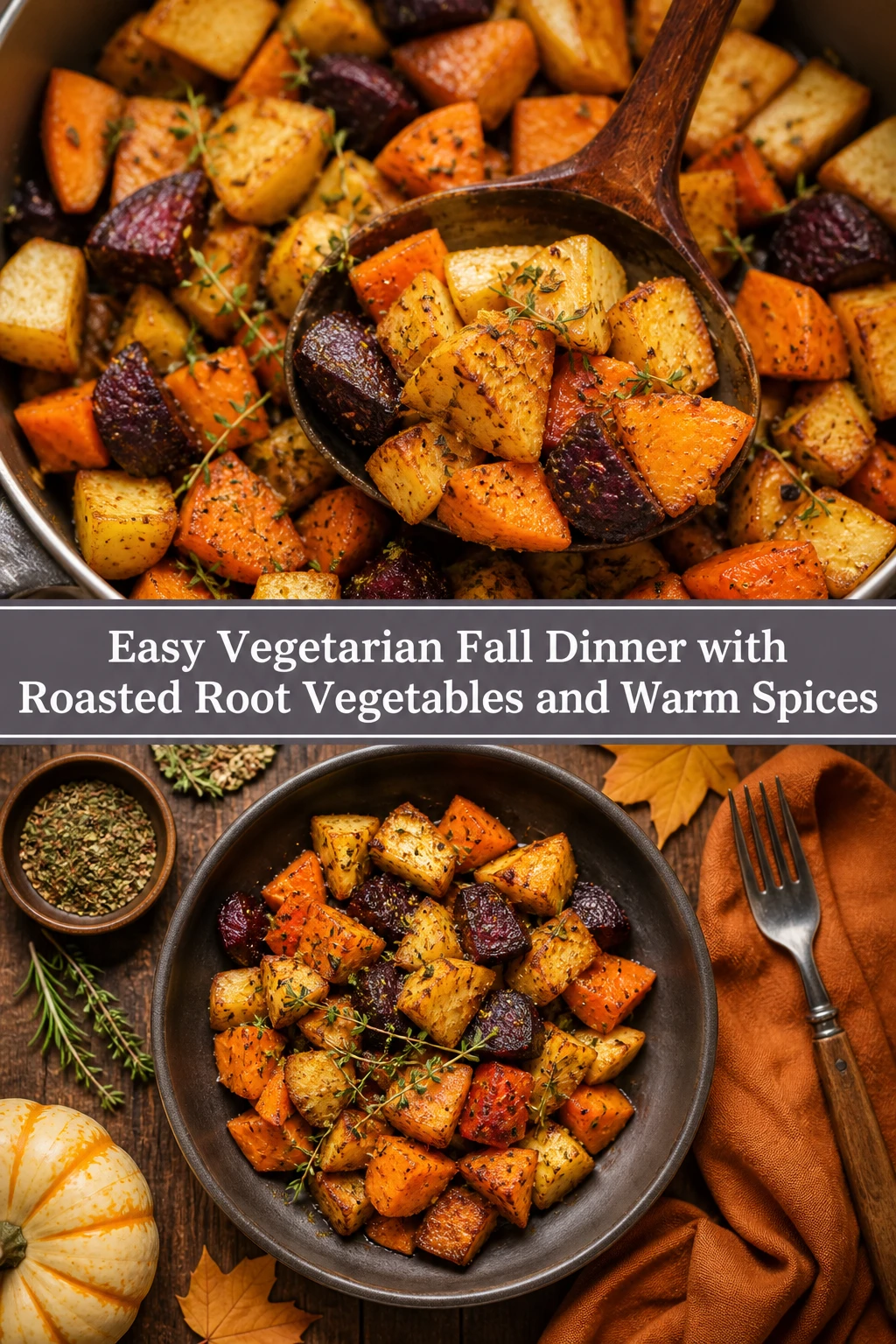
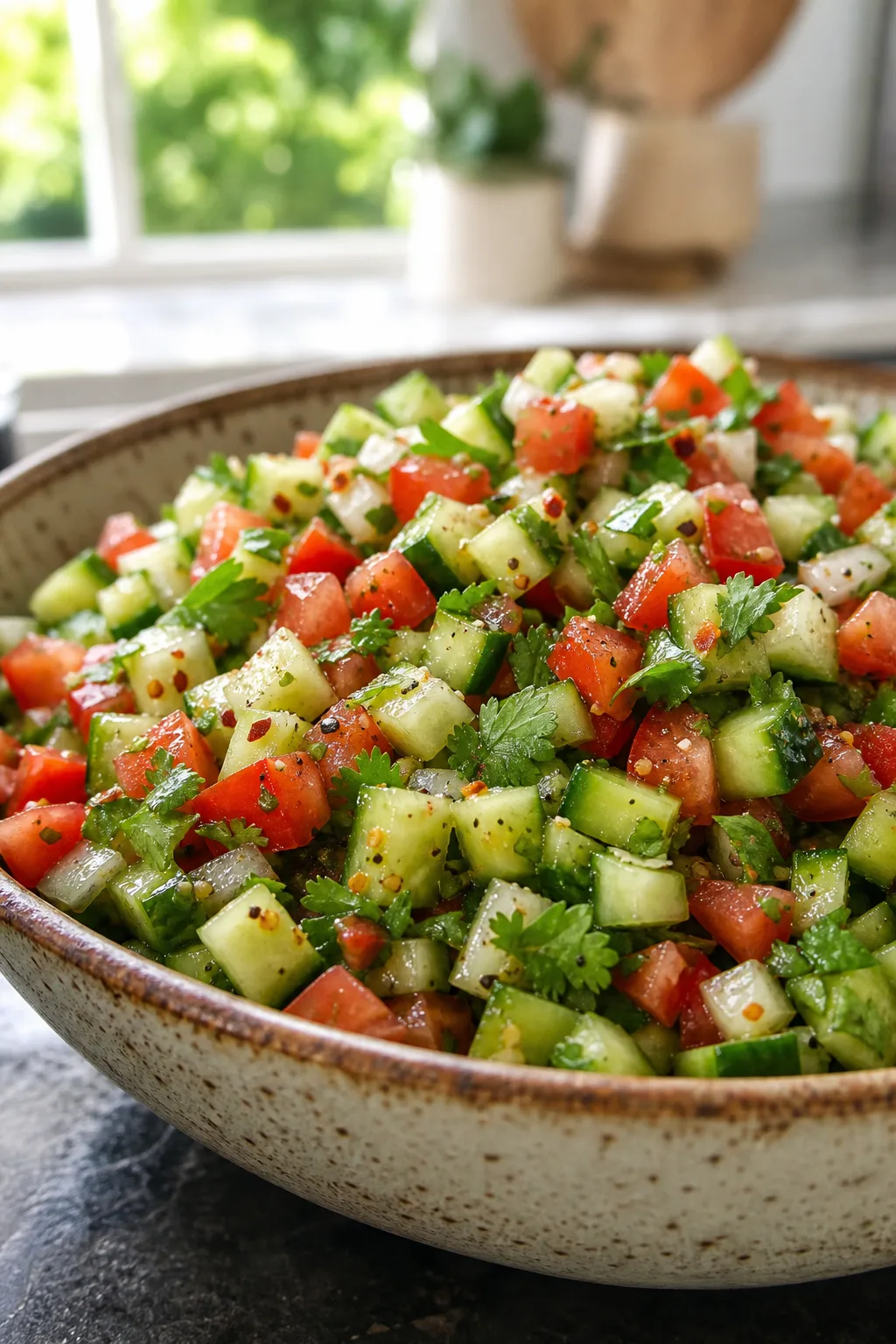
This vegetarian fall dinner idea brings the cozy flavors of roasted root vegetables with warm spices and fresh herbs. The sweet caramelized edges and tender interiors make it a perfect comfort meal on chilly evenings. It’s easy to prepare and full of seasonal goodness.
Introduction
I first stumbled upon this vegetarian fall dinner idea a few years ago when I wanted something hearty yet simple to make after work. What makes this recipe stand out is the combination of roasting root vegetables until they’re tender inside with beautifully caramelized edges, then finishing them with a touch of honey and warming spices like cinnamon and nutmeg. I’ve tried many variations over time, but the trick I learned was not to overcrowd the pan so the veggies roast instead of steam. The result is a dish that’s both cozy and vibrant, perfect for chilly autumn nights. My family loves how the natural sweetness of the carrots and beets shines through, balanced by the herbs and spices. Plus, it’s incredibly easy to throw together—just prep, roast, and serve. This recipe feels like a warm hug on a plate and makes a perfect meatless main or side for any fall dinner.
How To Do It
Step 1
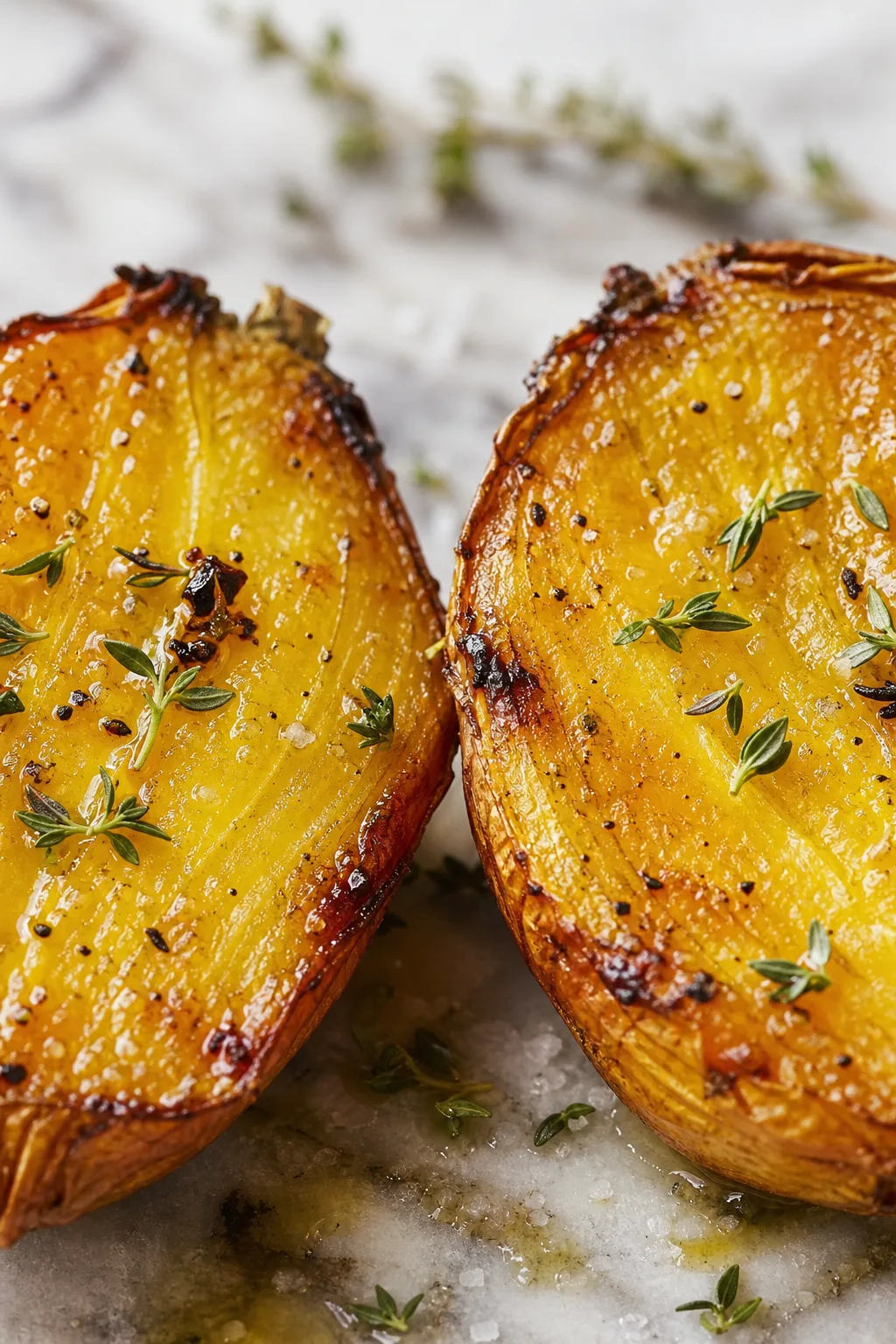
Preheat your oven to 425°F (220°C). While the oven warms, peel and cube the golden beets, carrots, and sweet potatoes into roughly the same size pieces. This ensures even cooking and caramelization. Toss the veggies in a large bowl with olive oil, honey, thyme leaves, cinnamon, nutmeg, salt, and pepper. Make sure each piece is well coated; the oil helps with roasting and the honey adds a subtle glaze that enhances browning. Avoid overcrowding the baking sheet by spreading the vegetables in a single layer, which helps them roast rather than steam.
⏱ Time: 15 minutes
✓ Doneness: Vegetables are tender when pierced with a fork and edges are golden brown and slightly crisp.
Step 2
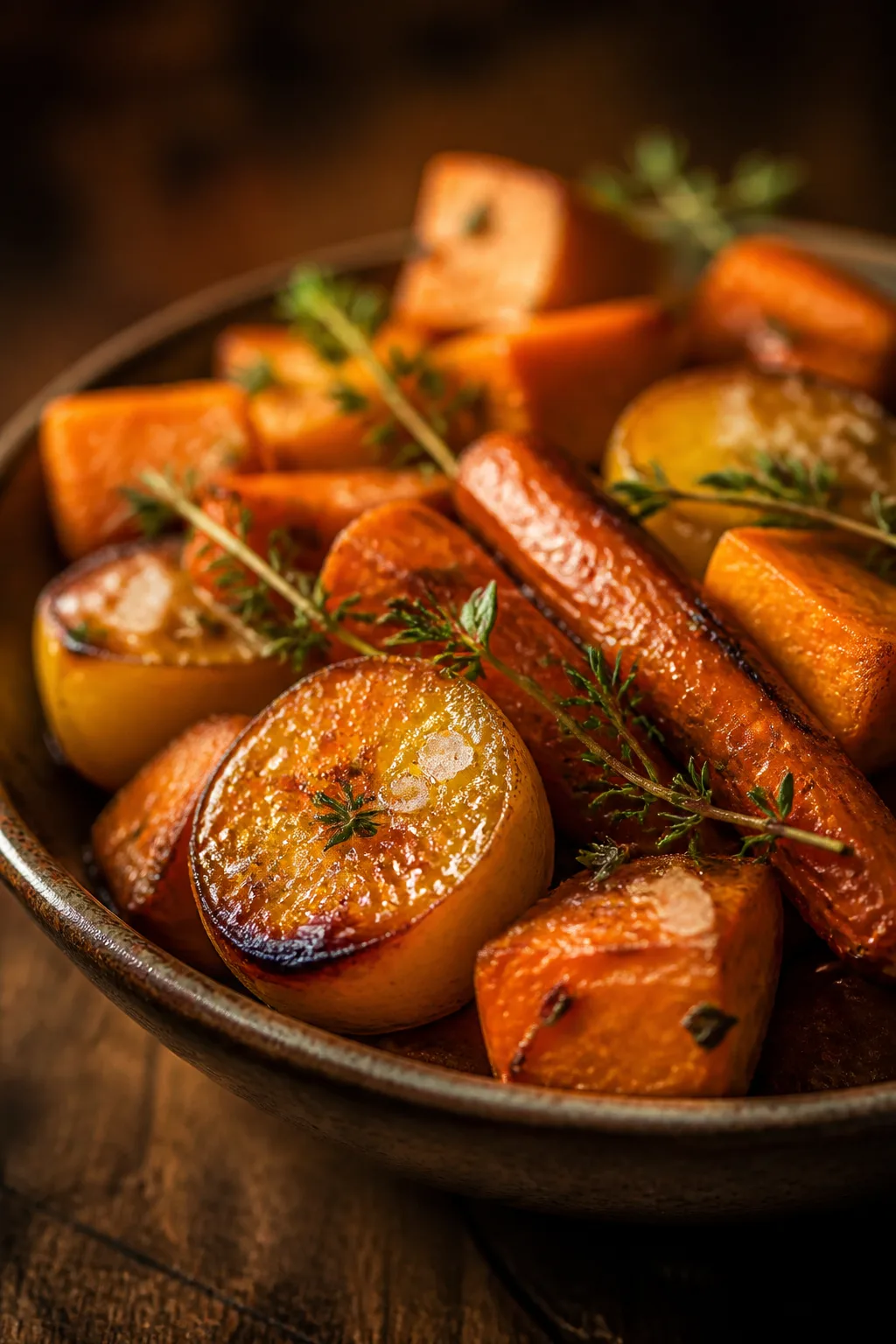
Place the coated vegetables on a rimmed baking sheet lined with parchment paper to prevent sticking. Roast in the preheated oven for 25-30 minutes, flipping halfway through to ensure even browning. Roasting at high heat triggers the Maillard reaction, creating deep caramelized flavors and a crispy texture on the outside while keeping the insides soft. If you rush this step or skip flipping, the veggies may cook unevenly or become mushy. Keep an eye on them in the last 5 minutes to avoid burning.
⏱ Time: 25-30 minutes
✓ Doneness: Vegetables should have a rich amber color with crispy edges and a tender, juicy interior.
Step 3
Once roasted, transfer the vegetables to a serving bowl. Taste and adjust seasoning with additional salt or pepper if needed. Sprinkle fresh thyme leaves on top for a bright herbal note. The contrast between the warm spices and fresh herbs makes the dish pop. Serve immediately while warm for the best flavor and texture experience.
⏱ Time: 5 minutes
✓ Doneness: Aromatic with visible herb garnish and glossy surface from olive oil and honey.
Step 4
For an added touch, consider serving with a dollop of plain Greek yogurt or a sprinkle of toasted nuts for texture contrast. This adds creaminess and a slight crunch that complements the roasted vegetables perfectly. If you want to keep it vegan, a drizzle of tahini works beautifully too.
⏱ Time: Optional, 5 minutes
✓ Doneness: Creamy or crunchy accents visible on the plated dish.
Step 5
To make this dish ahead, roast the vegetables fully, then cool completely before storing in an airtight container in the fridge. When ready to serve, reheat gently in the oven at 350°F (175°C) to restore crispiness without drying them out.
⏱ Time: Preparation varies
✓ Doneness: Reheated vegetables are warm throughout with slightly crisp edges.
Step 6
If you want to add more depth, try tossing the vegetables with a splash of balsamic vinegar before roasting. The acidity balances the natural sweetness and adds complexity to the flavor profile. Just be careful not to add too much, or the veggies might become soggy.
⏱ Time: During initial mixing
✓ Doneness: Balanced sweet and tangy aroma before roasting.
Step 7
Use fresh thyme rather than dried for the best flavor and aroma. Add it before roasting to infuse the vegetables, and sprinkle some fresh leaves on top after cooking for a bright finish. Dried herbs can become bitter if roasted too long.
⏱ Time: Throughout prep and finishing
✓ Doneness: Herbal fragrance noticeable in the dish.
Step 8
Make sure to peel the beets and carrots properly to avoid any tough or bitter bits. Using a sharp vegetable peeler or paring knife helps get clean, thin skins off without wasting too much flesh.
⏱ Time: Preparation time
✓ Doneness: Smooth, clean vegetable surfaces ready for roasting.
Step 9
If you prefer a bit of heat, sprinkle a pinch of red pepper flakes into the olive oil mixture before roasting. It adds a subtle kick that contrasts nicely with the sweet and earthy flavors.
⏱ Time: During mixing
✓ Doneness: Slight spicy aroma and taste on the finished dish.
Pro Tips
Don’t overcrowd the baking sheet when roasting.
Crowding traps steam, which prevents caramelization and leads to soggy vegetables. Spacing them out allows hot air to circulate around each piece, producing crispy, golden edges and tender interiors.
Flip the vegetables halfway through roasting.
Turning the veggies ensures even browning on all sides. Without flipping, one side may burn while the other remains undercooked, resulting in uneven texture and flavor.
Use fresh herbs both before and after roasting.
Adding fresh thyme before roasting infuses the vegetables with flavor, while a sprinkle of fresh leaves after cooking provides a bright herbal contrast that lifts the dish.
Cut vegetables into uniform sizes.
Uniform pieces cook evenly, preventing some from being mushy while others stay crunchy. This consistency is key for a balanced texture.
Add honey after tossing the vegetables in oil and spices.
Honey’s sugars caramelize better when coated evenly with oil, creating a beautiful glaze without burning. Adding it too late can cause uneven browning.
Line your baking sheet with parchment paper.
Parchment prevents sticking and makes cleanup easier, allowing you to roast at high temperatures without losing crispy bits to the pan.
Let the vegetables rest a few minutes after roasting.
Resting allows juices to redistribute, making the vegetables more moist and flavorful instead of drying out when served immediately.
Common Mistakes to Avoid
Overcrowding the pan
Why it happens It’s tempting to roast everything on one sheet to save time, but this traps moisture and prevents the vegetables from crisping.
Fix Use two baking sheets if needed, spreading the vegetables in a single layer with space between pieces to ensure proper roasting and caramelization.
Skipping the flipping step
Why it happens Some cooks forget or rush through the roasting and don’t turn the veggies, leading to uneven cooking.
Fix Set a timer to remind yourself to flip the vegetables halfway through roasting for even browning and texture.
Not peeling root vegetables properly
Why it happens Sometimes the skin is left on, which can be tough or bitter, especially on beets and carrots.
Fix Use a sharp peeler or knife to remove skins thoroughly before roasting for a tender, pleasant texture.
Using low oven temperature
Why it happens Cooking at too low a temperature causes steaming rather than roasting, resulting in mushy vegetables.
Fix Always roast at 425°F (220°C) or higher to trigger caramelization and crisp edges.
Adding honey too early
Why it happens Honey can burn if exposed to high heat too long, creating bitterness.
Fix Mix honey with oil and spices before roasting, or drizzle it on near the end of cooking to avoid burning.
Variations
Add Roasted Brussels Sprouts
For extra green and texture, toss halved Brussels sprouts with the root vegetables before roasting. They add a slightly bitter crunch that pairs well with the sweet roots.
Note: Brussels sprouts roast faster; add them halfway through the root vegetables’ cooking time to prevent burning.
Spicy Maple Glaze
Swap honey for maple syrup and add a pinch of cayenne pepper for a sweet-spicy twist. This variation adds warmth and a little kick to the dish.
Note: Adjust cayenne carefully to avoid overpowering the natural sweetness of the vegetables.
Add Toasted Pecans
Sprinkle toasted pecans on top just before serving for a crunchy texture and nutty flavor contrast that complements the roasted vegetables.
Note: Toast pecans separately in a dry pan until fragrant and golden, then sprinkle immediately to retain crunch.
Serve with Tahini Drizzle
For a vegan creamy finish, drizzle tahini mixed with lemon juice and garlic over the roasted vegetables. It adds richness and a tangy note.
Note: Make sure the tahini sauce is smooth and not too thick for easy drizzling.
Add Roasted Garlic Cloves
Toss whole peeled garlic cloves with the vegetables before roasting for mellow, sweet garlic flavor infused throughout the dish.
Note: Roast garlic cloves longer if needed to soften fully without burning.
Nutrition
Per Serving:
Nutritional values are estimates and may vary based on specific ingredients used.
Storage & Tips
Room Temperature
This dish can safely sit out covered for up to 2 hours. Avoid leaving it longer to prevent spoilage.
Refrigerator
Store leftovers in an airtight container for up to 4 days. The vegetables may lose some crispness but remain flavorful. Reheat gently in the oven or microwave.
Freezer
Freeze roasted vegetables in a freezer-safe container for up to 2 months. Thaw overnight in the refrigerator before reheating to preserve texture.
Reheating
Reheat in a preheated oven at 350°F (175°C) for 10-15 minutes to restore crisp edges. Avoid microwaving too long to prevent sogginess. A light drizzle of olive oil before reheating helps maintain moisture.
Make Ahead
You can prep and peel all vegetables 1-2 days ahead and store them in water in the fridge to keep fresh. Roast the day of serving for best texture and flavor.
FAQ
Can I use frozen vegetables for this recipe?
Frozen vegetables tend to release more water during roasting, which can cause sogginess instead of crisp edges. If you must use frozen, thaw and pat dry thoroughly before roasting, and consider reducing the roasting time slightly to avoid overcooking.
What can I substitute for honey to keep this vegan?
Maple syrup or agave nectar are excellent vegan alternatives to honey. They provide similar sweetness and help with caramelization, though the flavor profile will be slightly different but still delicious.
How do I prevent the vegetables from burning?
Keep an eye on the vegetables during the last 5-10 minutes of roasting, and flip them halfway through cooking. If edges brown too quickly, reduce the oven temperature slightly or cover loosely with foil to prevent burning while the inside cooks.
Can I add other spices to this recipe?
Absolutely! Ground cumin, smoked paprika, or even a pinch of chili powder can add interesting flavor twists. Just add spices sparingly and adjust to taste to maintain balance with the natural sweetness.
How do I know when the vegetables are done roasting?
They should be tender when pierced with a fork and have golden, caramelized edges. The aroma will be rich and slightly sweet, and the texture should be soft inside with a slight crisp outside.
Can I make this recipe gluten-free?
Yes, this recipe is naturally gluten-free as it contains only vegetables and seasonings. Just ensure any additional toppings or accompaniments are gluten-free as well.
Is it better to peel the vegetables before or after roasting?
Peeling before roasting is best for this dish to avoid tough or bitter skins, especially on beets and carrots. It also helps the seasonings and glaze adhere better to the vegetable surfaces.
How do I store leftovers to keep them fresh?
Store leftovers in an airtight container in the refrigerator for up to 4 days. To maintain texture, reheat in the oven rather than the microwave, and consider adding a little olive oil before reheating.
Final Thoughts
I hope you enjoy making and sharing this cozy fall vegetarian dinner as much as my family does. It’s a simple way to celebrate seasonal flavors and bring warmth to the table. Let me know how it turns out!