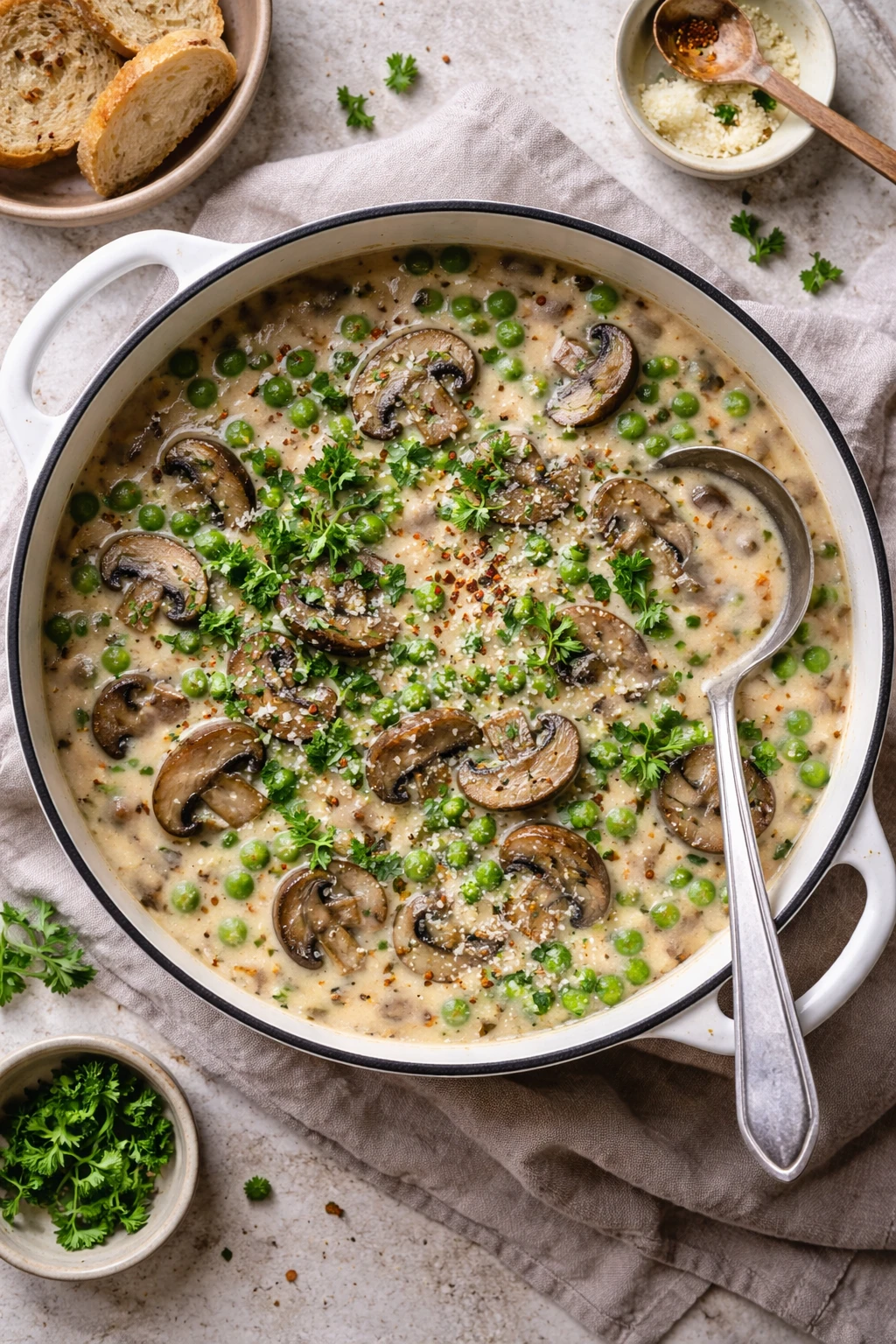
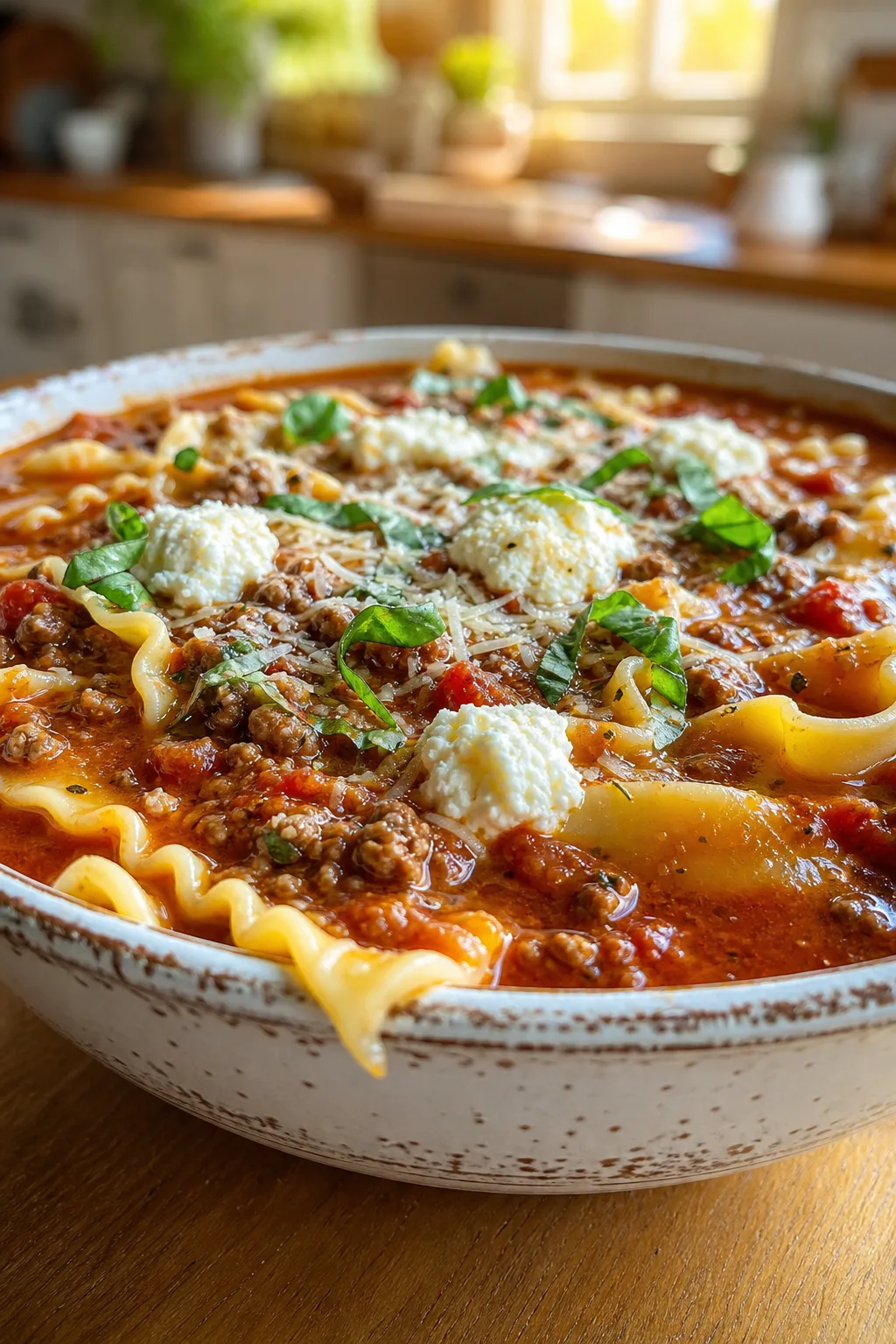
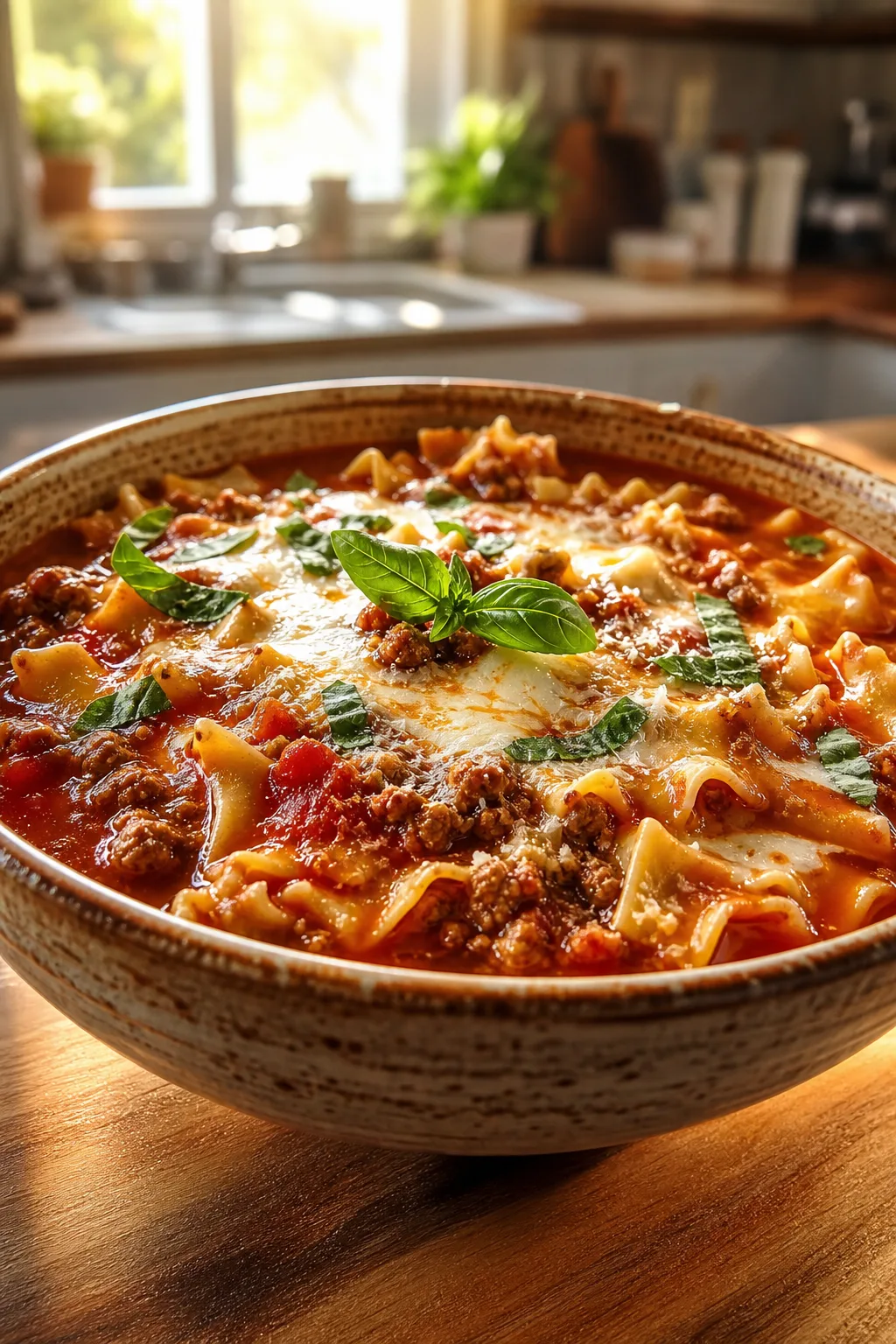
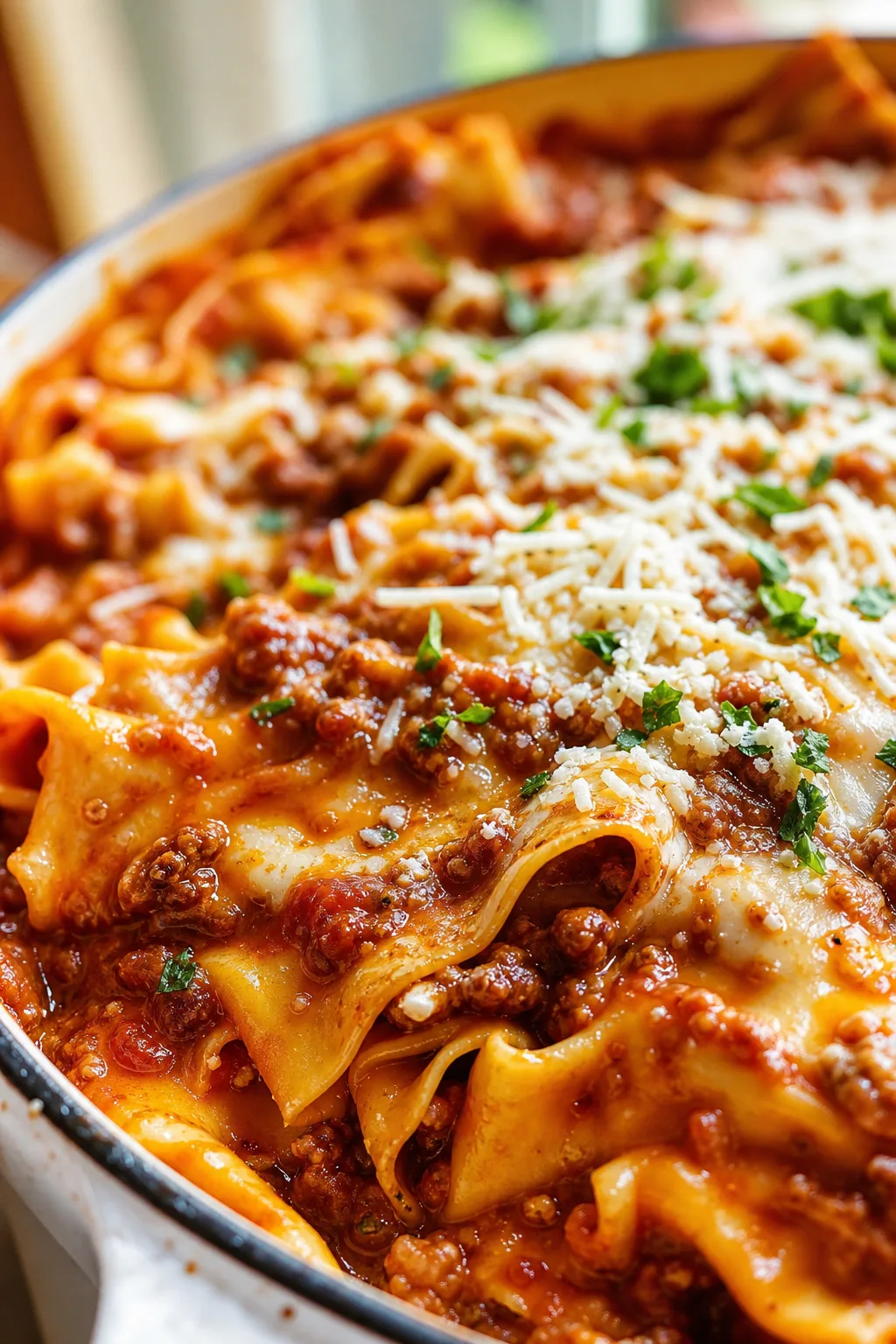
This creamy mushroom and pea soup is a comforting hug in a bowl. Made all in one pot with fresh peas and earthy mushrooms, it’s perfect for chilly evenings when you want something warm and easy.
Introduction
I first stumbled upon this creamy mushroom and pea soup on a chilly autumn evening when I was craving something warm but didn’t want to fuss with a complicated recipe. This one-pot wonder quickly became a staple in my kitchen because it’s both comforting and surprisingly simple. What I love most is how the earthy mushrooms and sweet peas balance each other perfectly, and the cream adds just the right touch of indulgence without being overwhelming. Over time, I tweaked the recipe to use fresh thyme instead of dried, which adds a subtle but fresh aroma that really elevates the flavor. The trick I learned is to sauté the mushrooms until they’re nicely browned — this step builds a deep, rich base for the soup. When it’s all done, you get a velvety, hearty soup that's perfect for curling up with on a cold evening. It’s the kind of dish that tastes like it took hours but actually comes together in under an hour, making it a go-to for busy weeknights or lazy weekends alike.
What You'll Need
Approximately 6 cups, 4 servings
- 2 tablespoons unsalted butter
- 1 medium onion, finely chopped
- 3 garlic cloves, minced
- 10 ounces cremini mushrooms, sliced
- 4 cups vegetable broth
- 1 cup frozen peas
- 1/2 cup heavy cream
- 1 teaspoon fresh thyme leaves
- Salt and freshly ground black pepper, to taste
- Optional: crusty bread for serving
How To Do It
Step 1
Start by melting the butter in a large pot over medium heat. Once melted, add the chopped onion and cook gently until it’s soft and translucent, about 5-7 minutes. This slow cooking helps release the natural sweetness of the onion, which forms the flavor base of your soup. Be careful not to rush this step or brown the onions too much, as you want a gentle sweetness rather than caramelization here.
⏱ Time: 7 minutes
✓ Doneness: Onions should be soft and translucent without any browning.
Step 2
Add the minced garlic to the pot and cook for about 1 minute until fragrant, stirring constantly so it doesn’t burn. Then add the sliced mushrooms and increase the heat to medium-high. Sauté the mushrooms until they release their moisture and start to brown, about 8-10 minutes. This browning develops deep umami flavors that are essential for a rich soup. Avoid overcrowding the pot to ensure the mushrooms brown rather than steam.
⏱ Time: 10 minutes
✓ Doneness: Mushrooms should be golden brown and have reduced in size.
Step 3
Pour in the vegetable broth and bring the mixture to a gentle boil. Add the fresh thyme leaves and season with salt and pepper. Reduce the heat and let it simmer for about 10 minutes to allow the flavors to meld together. This simmering step is crucial because it softens the mushrooms further and infuses the broth with their flavor.
⏱ Time: 10 minutes
✓ Doneness: Soup should be simmering gently with a fragrant aroma.
Step 4
Add the frozen peas directly to the pot and cook for another 5 minutes until the peas are tender and bright green. Since peas cook quickly, adding them last keeps their vibrant color and fresh flavor intact. Overcooking can make them mushy and dull the soup’s texture.
⏱ Time: 5 minutes
✓ Doneness: Peas should be tender but still hold their shape and color.
Step 5
Remove the pot from heat and use an immersion blender to puree about half the soup, leaving some chunks for texture. This technique creates a creamy consistency without needing extra thickening agents. If you don’t have an immersion blender, carefully transfer half the soup to a blender and puree, then return it to the pot.
⏱ Time: 5 minutes
✓ Doneness: Soup should be creamy but still have visible pieces of mushroom and peas.
Step 6
Stir in the heavy cream and adjust seasoning with more salt and pepper if needed. The cream adds a luscious richness that balances the earthiness of the mushrooms and sweetness of the peas. Heat gently over low heat for 2-3 minutes, but don’t let it boil to avoid curdling.
⏱ Time: 3 minutes
✓ Doneness: Soup should be warm and creamy with no signs of separation.
Step 7
Give the soup one last taste and add a pinch of fresh thyme or black pepper if desired. This final seasoning brightens the flavors and adds a fresh herbal note. Serve hot with crusty bread for dipping, making it a perfect cozy meal.
⏱ Time: 2 minutes
✓ Doneness: Soup is flavorful, balanced, and ready to serve.
Pro Tips
Don’t overcrowd the mushrooms when sautéing.
Crowding traps moisture, causing mushrooms to steam instead of brown. Browning triggers Maillard reactions that deepen flavor and add a pleasant texture. Taking your time to sauté in batches if needed ensures a richer, more complex soup.
Use an immersion blender to puree half the soup.
Pureeing half the soup creates a creamy texture without heaviness or flour. It balances smoothness with chunks for a satisfying bite. If you don’t have an immersion blender, blending in batches works but be careful with hot liquid.
Add peas near the end of cooking.
Peas cook quickly and can lose their bright color and fresh flavor if overcooked. Adding them last preserves their texture and sweetness, which contrasts nicely with the earthy mushrooms and creamy base.
Simmer gently after adding cream.
Cream can curdle if boiled. Keeping the heat low maintains a smooth, velvety texture. Stir gently and avoid rapid temperature changes to keep the soup luscious.
Use fresh thyme instead of dried.
Fresh thyme has a lighter, more delicate flavor that complements mushrooms without overpowering. It infuses the soup gently during simmering, enhancing aroma and taste.
Wipe mushrooms clean rather than rinsing.
Mushrooms absorb water easily, which can make them soggy and prevent proper browning. Cleaning with a damp cloth preserves texture and flavor.
Season gradually and taste often.
Adding salt and pepper in stages allows you to build balanced flavor without over-salting. Tasting as you go ensures the soup is perfectly seasoned by the end.
Common Mistakes to Avoid
Skipping the browning of mushrooms
Why it happens Many cooks rush this step, thinking it’s enough to just soften mushrooms. They may be eager to speed up cooking or underestimate its importance.
Fix Take your time to sauté mushrooms over medium-high heat without overcrowding. Let them brown and caramelize for full flavor. If the pan is crowded, cook in batches to avoid steaming.
Overcooking peas
Why it happens Adding peas too early or cooking too long makes them mushy and dulls their color and sweetness.
Fix Add frozen peas in the last 5 minutes of cooking. This keeps them tender but fresh and vibrant in the final soup.
Boiling after adding cream
Why it happens High heat causes cream to curdle, ruining the smooth texture.
Fix After stirring in cream, reduce heat to low and warm gently. Avoid boiling to keep the soup silky.
Not seasoning gradually
Why it happens Adding all salt at once can lead to over-seasoning or uneven flavor.
Fix Season in stages, tasting between additions to achieve balanced seasoning.
Rinsing mushrooms under water
Why it happens Waterlogged mushrooms become soggy and don’t brown properly.
Fix Clean mushrooms with a damp cloth or soft brush to remove dirt without soaking.
Variations
Vegan Version
Swap the butter for olive oil and use coconut cream or cashew cream instead of heavy cream. This keeps the soup rich and creamy but dairy-free. Use vegetable broth to keep it plant-based.
Note: Plant-based creams can separate if boiled; warm gently and stir continuously.
Add Herbs and Spice
Try adding fresh rosemary or a pinch of smoked paprika for a flavor twist. These additions add warmth and complexity, perfect if you want a more robust soup.
Note: Add herbs early with the broth to infuse flavor; add paprika with mushrooms to toast spices.
Make it Chunkier
Skip pureeing and leave the soup chunky for more texture. Add diced potatoes or carrots for heartiness and a rustic feel.
Note: Increase simmer time to soften added vegetables fully before serving.
Use Different Mushrooms
Try shiitake or portobello for a deeper, woodsy flavor. These mushrooms have a meatier texture, adding more bite to the soup.
Note: Adjust sauté time as these mushrooms may take longer to brown.
Add Protein
Stir in cooked shredded chicken or crispy bacon bits for extra protein and smoky flavor. This turns the soup into a more filling meal.
Note: Add cooked proteins at the end to avoid overcooking and drying out.
Nutrition
Per Serving:
Nutritional values are estimates and may vary based on specific ingredients used.
Storage & Tips
Room Temperature
The soup can be safely kept at room temperature for up to 2 hours if covered. Beyond that, it’s best to refrigerate to prevent bacterial growth.
Refrigerator
Store the soup in an airtight container in the fridge for up to 4 days. The flavors meld nicely overnight, but the creaminess may thicken; reheat gently and add a splash of broth or water to loosen.
Freezer
Freeze soup in airtight containers or freezer bags for up to 3 months. To prevent freezer burn, remove as much air as possible. Thaw overnight in the fridge before reheating.
Reheating
Reheat gently on the stovetop over low heat, stirring occasionally. Add a splash of broth or water if it’s too thick. Avoid boiling to prevent the cream from curdling.
Make Ahead
You can prepare the soup base (sautéed mushrooms, onions, broth) 1-2 days ahead and refrigerate. Add peas and cream fresh when reheating to keep the flavors bright and texture perfect.
FAQ
Can I use fresh peas instead of frozen?
Absolutely! Fresh peas work wonderfully and add a bright, sweet flavor. Just add them towards the end of cooking, similar to frozen peas, to avoid overcooking. Fresh peas may cook even faster, so keep an eye on them to maintain their texture.
What can I substitute for heavy cream?
If you want a lighter or dairy-free option, try coconut cream, cashew cream, or a plant-based creamer. These alternatives provide creaminess but be careful to heat gently to avoid separation. For a lower-fat option, you can use whole milk, but the soup will be less rich.
Can I make this soup ahead of time?
Yes! The soup actually tastes better the next day as the flavors meld. Store it in the fridge and reheat gently, adding a bit of broth if it thickens too much. Avoid freezing if you’ve added cream; freeze before adding cream for best results.
How do I avoid the soup becoming too thick after refrigerating?
The soup naturally thickens when chilled because of the cream and starches from the vegetables. Simply add a splash of broth or water when reheating and stir well to loosen the texture back to your liking.
Can I use dried thyme instead of fresh?
You can, but use about one-third of the amount since dried herbs are more concentrated. Add dried thyme earlier in the cooking process to allow it to rehydrate and release flavor fully.
Is it okay to skip pureeing the soup?
Definitely! Leaving the soup chunky creates a rustic, hearty texture. You can also blend a smaller portion for a smoother consistency or use a potato masher to lightly mash some ingredients.
What if I don’t have an immersion blender?
No worries! Carefully transfer half the soup to a regular blender, puree it, then return it to the pot. Just be cautious with hot liquids—blend in batches and vent the lid slightly to avoid pressure buildup.
How can I make the soup spicier?
Add a pinch of crushed red pepper flakes when sautéing the onions, or stir in a dash of hot sauce at the end. Freshly ground black pepper also adds a mild heat that complements the creamy flavors.
Final Thoughts
I hope you enjoy making and savoring this cozy mushroom and pea soup as much as I do. It’s truly a simple dish that feels like a warm hug—perfect for sharing with friends or enjoying solo on a chilly night!