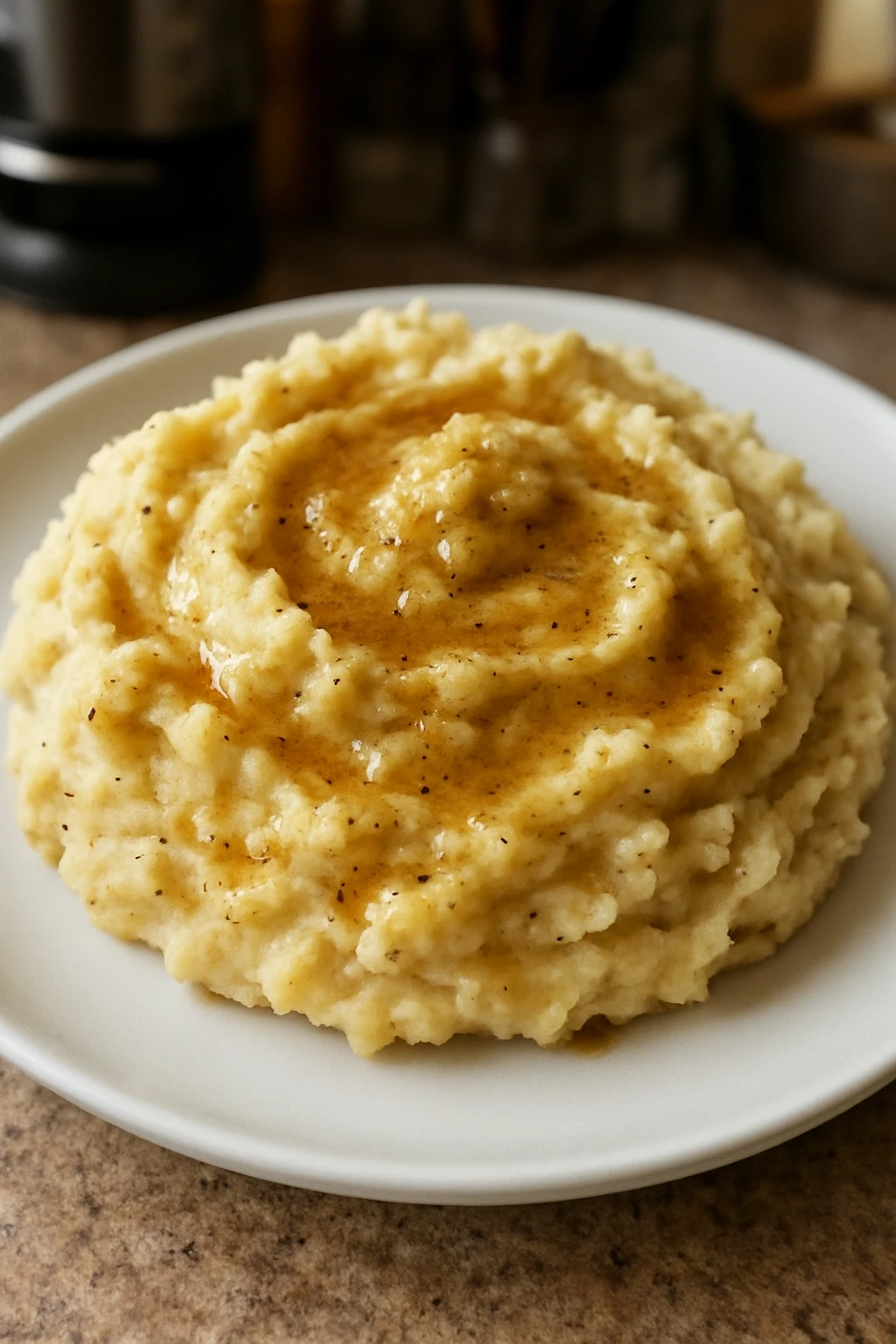
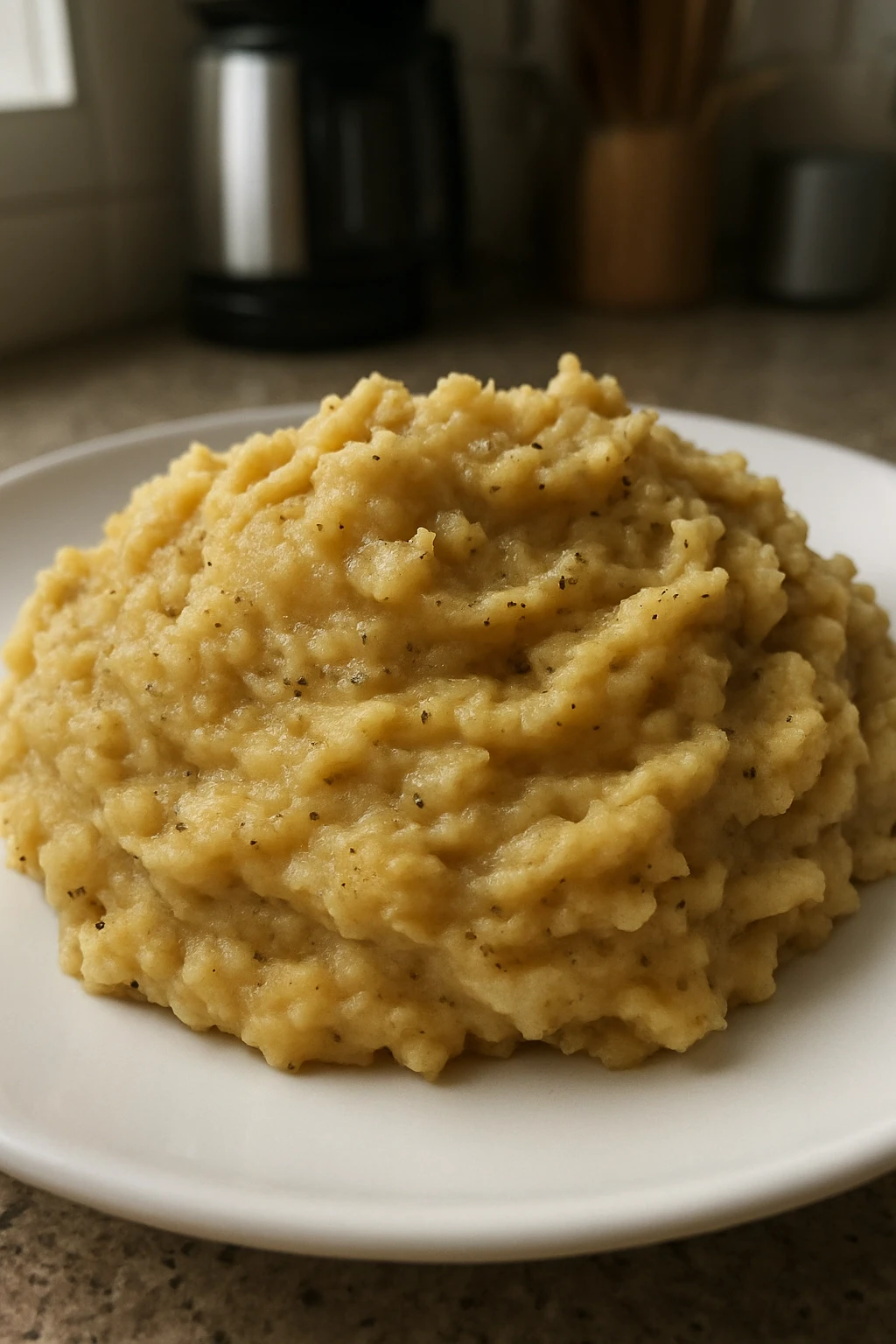
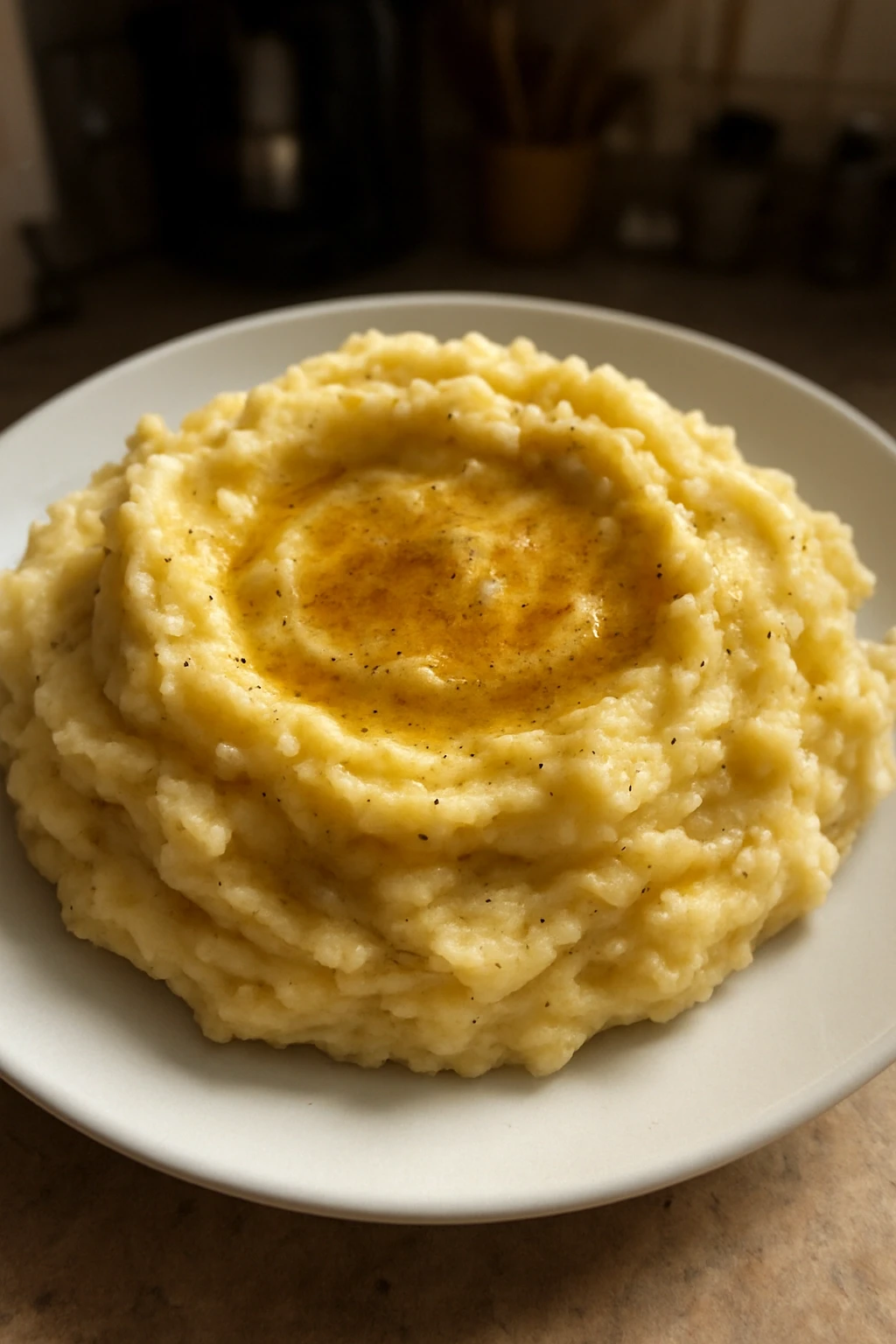
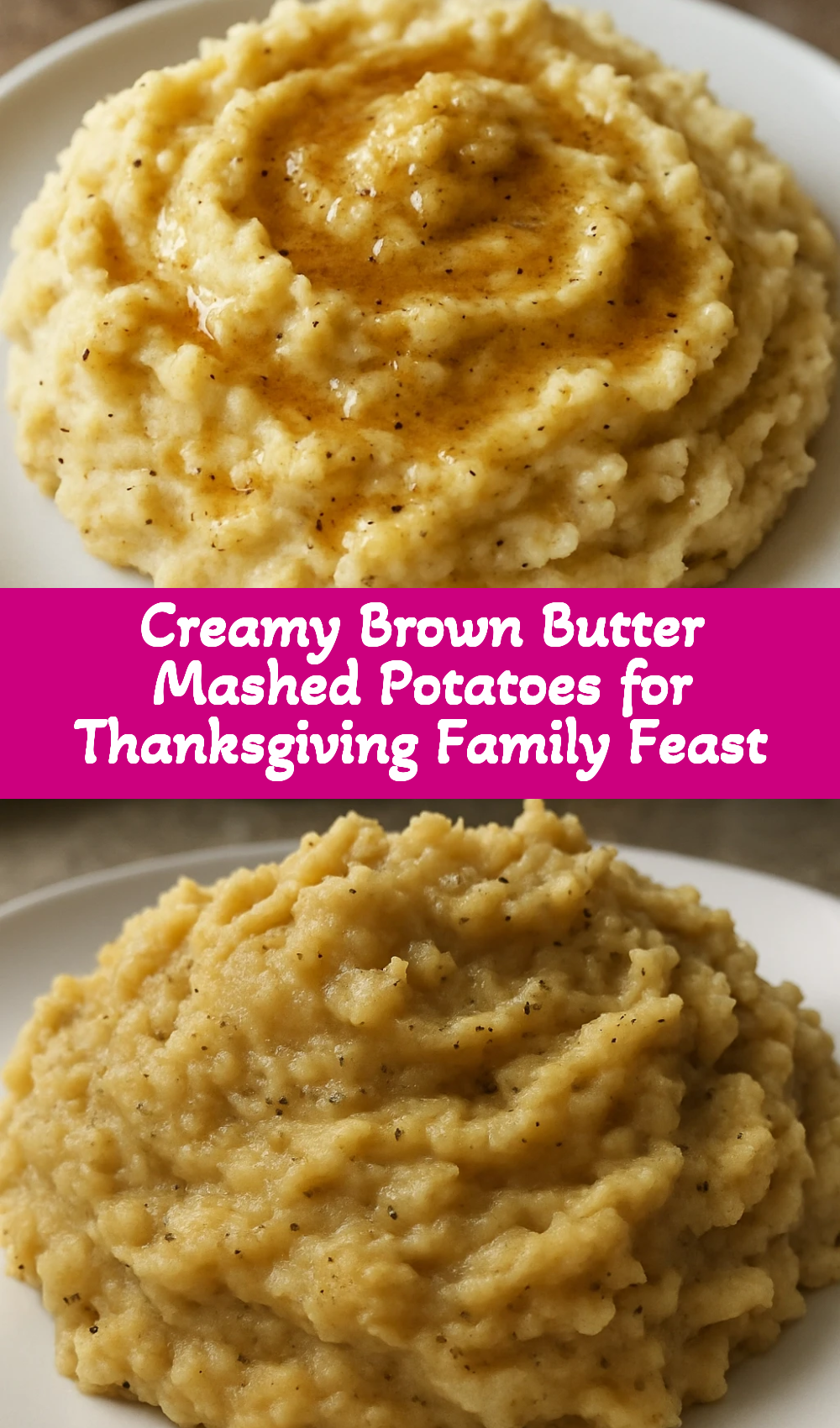
A guide to making silky mashed potatoes with brown butter that achieves perfect creaminess without becoming gluey. Learn why potato variety matters, how to manage starch breakdown to preserve texture, and the chemistry behind brown butter emulsification.
Introduction
<p>Mashed potatoes seem deceptively simple—peel potatoes, boil them, mash with butter and cream, serve. Yet nearly every home cook has made a batch that turned out gluey, gummy, or somehow dense despite using the same basic ingredients and method. I spent years making mediocre mashed potatoes before realizing that the failure wasn't in the ingredients or effort, but in understanding the chemistry happening in the pot.</p><p>The turning point came when I started paying attention to how potato starch behaves when exposed to water, heat, and mechanical action. Potatoes are roughly 17-20% starch and 79-82% water. When you boil potatoes, their starch granules absorb water and swell. If you then over-mash them or work the mixture too vigorously, the starch granules rupture and release their starch content into the surrounding liquid, creating a gluey paste rather than light, fluffy potatoes. Understanding this single principle—that you need to minimize starch breakdown through careful handling—transformed every batch I made afterward.</p><p>Brown butter adds richness that's noticeably different from simply creaming potatoes with regular butter. As butter heats, its milk solids (milk proteins and lactose) separate from the butterfat and eventually brown through the Maillard reaction, creating hundreds of new flavor compounds that taste nutty, toasty, and complex. These compounds dissolve into the potatoes and create depth that regular butter cannot achieve, but only if you understand the timing and temperature management required.</p><p>This recipe is calibrated through testing to achieve silky, creamy potatoes that are neither dense nor gluey. The potato-to-liquid ratio, the temperature of the cream when added, the specific mashing technique, and the brown butter's timing all work together to create the final texture. Once you understand why each step matters, you can adjust the recipe confidently based on your specific potatoes' moisture content or your preferred texture.</p>
What You'll Need
Approximately 3.5 cups mashed potatoes, 6 servings
- 2.5 lbs (1.1kg) russet potatoes, peeled and cut into 1.5-inch (4cm) cubes
- 1 tsp (6g) fine sea salt, divided
- 1/2 cup (115g) unsalted butter
- 1/2 cup (120ml) heavy cream, warmed
- 1/4 cup (60ml) whole milk, warmed
- 1/8 tsp (0.5g) white pepper
- 1/4 tsp (0.5g) freshly grated nutmeg
- 2 tbsp (6g) fresh chives, finely chopped, for garnish
How To Do It
Step 1
Peel the potatoes and cut them into 1.5-inch (4cm) cubes. Place them in a large pot and cover with cold water by about 2 inches (5cm). This starting with cold water rather than hot water allows the potatoes to heat gradually, which helps them cook evenly. Add 1 teaspoon (6g) of fine sea salt to the water. The salt should dissolve into the water, making the water taste like seawater (salty but not inedible). This salt penetrates the potato cells during cooking, seasoning them from the inside. Place the pot over high heat and bring the water to a boil, uncovered.
⏱ Time: 5-7 minutes to reach boil
✓ Doneness: Water is at a rolling boil with vigorous bubbling, steam rises from the pot, water is cloudy white (from released potato starch)
Step 2
Once the water reaches a boil, adjust the heat to maintain a gentle boil (not a rolling boil). A gentle boil is characterized by steady bubbling rather than vigorous, aggressive bubbling. Boil the potatoes uncovered for approximately 15-20 minutes, depending on the potato cubes' exact size and the specific potato variety. Russet potatoes usually cook in this timeframe. Begin testing for doneness at 15 minutes by piercing a potato piece with a fork—the fork should slide through the potato with no resistance. If you feel resistance or if the potato is still firm, continue cooking and check again in 2-3 minutes.
⏱ Time: 15-20 minutes
✓ Doneness: Fork slides through potato pieces with zero resistance, potatoes are soft and beginning to fall slightly apart, cooking water is now quite cloudy white from released starch
Step 3
Place a colander in your sink and carefully drain the potatoes by pouring the contents of the pot into the colander. Allow the potatoes to drain for about 30 seconds, pressing gently with the back of a spoon to release excess water without mashing the potatoes. The potatoes will still be hot, which is correct—you want to work with warm potatoes. Do not rinse the drained potatoes with cold water, which some posts recommend. Rinsing removes the starch coating on the potatoes, and that starch is what helps create the creamy texture through emulsification.
⏱ Time: 1 minute
✓ Doneness: Most excess water has drained from the colander, potatoes no longer drip water, potatoes are still steaming hot to the touch
Step 4
Return the drained potatoes to the hot pot. Place the pot over low heat (or remove the pot from heat entirely if your stovetop has residual heat). Let the potatoes sit in the pot for approximately 1 minute. You'll notice the potatoes visibly dry out and the color becomes lighter and less translucent. This brief resting period allows residual heat to evaporate surface moisture clinging to the potato pieces. This step is crucial because it prevents excess water from being incorporated into the mashed potatoes.
⏱ Time: 1-2 minutes
✓ Doneness: Potatoes appear drier, surface moisture has evaporated, potatoes are lighter in appearance, small wisps of steam rise from them
Step 5
Begin mashing the potatoes gently using a potato masher, pressing the potatoes against the side of the pot. Use gentle pressure and folding motions rather than vigorous mashing or stirring. Push the masher down and slightly to the side, folding the partly-mashed potatoes over the unmashed pieces. Repeat this motion, rotating to different areas of the pot, until the potatoes reach your desired texture. For most preferences, the potatoes should be mostly smooth but with no visible large lumps of unmashed potato. The process should take approximately 1-2 minutes. Avoid over-working the potatoes—excessive mashing ruptures the starch granules and releases starch into the liquid, creating a gluey texture.
⏱ Time: 1-2 minutes
✓ Doneness: Potatoes are mostly smooth with only tiny lumps visible, no large unbroken pieces remain, texture is light and fluffy appearing, potatoes still steam
Step 6
While the potatoes are mashing, begin browning the butter in a small saucepan over medium heat. Add the 1/2 cup (115g) of unsalted butter and watch it carefully. The butter will first melt, appearing as clear, golden liquid. Then it will begin to foam as water in the butter evaporates. Continue heating, swirling the pan occasionally (don't stir with a spoon, just tilt and swirl the pan gently). After approximately 3-5 minutes, the foaming will subside and the butter will be clear again. Around 4-6 minutes total, the milk solids (which have sunk to the bottom of the pan) will begin to brown. You'll notice the butter darkens to a light golden color, then progresses to a deeper golden-brown. At the same time, an aroma develops—it will smell toasty, nutty, and pleasant. As soon as you see the milk solids are deep golden-brown (about the color of caramel), remove the pan from heat. The butter should smell intensely nutty, not burnt or bitter. This is the critical moment—over-heat even slightly and the butter tastes burnt rather than nutty.
⏱ Time: 5-7 minutes
✓ Doneness: Butter has changed from clear golden to deep golden-brown, aroma is intensely nutty and toasty (not burnt), milk solids visible at bottom are deep brown, butter is foaming has subsided to calm surface
Step 7
Immediately pour the brown butter and its milk solids (pour carefully so the solids come along) from the saucepan into the mashed potatoes. The brown butter should be added while it's still hot, which ensures the potatoes remain warm enough for the starch to properly emulsify the liquid. Do not pour the brown butter gently and slowly—pour it in one motion into the potatoes. Then, using a wooden spoon or spatula, fold the brown butter into the potatoes using gentle folding motions, turning the potatoes over themselves and mixing until the butter is distributed throughout. This folding process should take about 30-45 seconds. Avoid stirring vigorously, which would over-work the potatoes.
⏱ Time: 1 minute
✓ Doneness: Brown butter is distributed throughout potatoes, no streaks of butter remain visible, potatoes have a light golden color from the brown butter, mixture appears silky
Step 8
Warm the heavy cream and whole milk together—you can do this while the butter is browning by placing both in a small saucepan over low heat or by microwaving them together in a small microwave-safe bowl for 60-90 seconds. The cream and milk should be warm to the touch (approximately 120-130°F / 49-54°C) but not hot or steaming. Pour the warmed cream and milk into the mashed potatoes and fold gently to incorporate, using the same gentle folding motions used for the brown butter. The folding should take 30-45 seconds. The potatoes will transform noticeably—they'll become creamier and lighter in texture as the liquid is folded in. Do not overmix even though the potatoes look stiff initially—another 10-15 seconds of gentle folding is sufficient.
⏱ Time: 1-2 minutes
✓ Doneness: Cream and milk are fully incorporated, no streaks remain, potatoes are creamy and silky, mixture mounds slightly when scooped with a spoon but is not stiff
Step 9
Add the remaining salt (approximately 1/4 teaspoon), white pepper, and freshly grated nutmeg. Fold these seasonings in gently using 8-10 folding motions. Taste the potatoes and assess the seasoning. Add a tiny pinch more salt if needed, folding it in. The potatoes should taste well-seasoned with salt enhancing the potato flavor, and the nutmeg should be barely perceptible as a flavor note (you taste the effect it has on creaminess rather than a distinct nutmeg flavor). Adjust seasoning to your preference.
⏱ Time: 1 minute
✓ Doneness: Seasonings are incorporated, no visible spice specks remain, flavor is well-balanced and seasoned
Step 10
Transfer the finished mashed potatoes to a warm serving bowl. The potatoes will continue to thicken slightly as they cool, so they should appear to be the perfect consistency at serving time (not stiff, but thicker than they are in the pot). Garnish with the fresh chopped chives and a small pinch of white pepper or nutmeg if desired. Serve immediately while the potatoes are still hot.
⏱ Time: 2-3 minutes
✓ Doneness: Potatoes are in serving bowl, steam rises from them, chives are visible on top, texture appears creamy and silky
Pro Tips
Use russet potatoes specifically, not red potatoes, fingerlings, or waxy potatoes. Russets produce light, fluffy mashed potatoes; waxy potatoes produce dense, gluey ones.
Russet potatoes contain 17-20% starch and 79-82% water. This ratio produces light mashed potatoes when handled properly. Waxy potatoes (red potatoes, fingerlings) contain only 12-15% starch and 85% water. When mashed, the higher water content and lower starch produce a dense, gluey texture regardless of technique. I've tested batches using both types with identical technique, and the difference is dramatic—russets produce fluffy, light potatoes while waxy potatoes produce dense, pasty potatoes.
Drain the potatoes thoroughly and let them rest briefly over low heat to evaporate surface moisture. This step is as important as the mashing technique itself.
Excess water from boiling will incorporate into the mashed potatoes and make them watery, requiring more potato to achieve the right texture. The brief rest allows residual heat to evaporate this water, producing drier potatoes that mash to the perfect texture with just the calculated amount of cream.
Mash gently using folding motions rather than vigorous mashing. If you prefer very smooth potatoes, use a potato ricer instead of a masher.
Vigorous mashing ruptures the starch granules and releases starch into the surrounding liquid, creating glue. Gentle folding keeps the starch granules mostly intact while still breaking the potatoes into small pieces. A ricer (which forces cooked potatoes through small holes) produces texture without any mashing action, resulting in the lightest possible texture. I can visibly feel the texture difference between vigorously mashed potatoes and gently mashed potatoes—the latter is noticeably less dense.
Watch the butter closely while browning. The moment it's golden-brown and smells nutty, remove it from heat. One minute too long produces bitter-tasting burnt butter instead of nutty brown butter.
The browning of milk solids happens quickly. The difference between perfect brown butter and burnt butter is literally 30 seconds. Once the butter smells burnt, it's too late. I learned this the hard way by ruining batches of potatoes with bitter-tasting brown butter. Now I set a timer and watch carefully during the browning step.
Use warm cream and warm milk, not cold. Adding cold liquid to warm potatoes lowers the temperature enough to affect the starch's emulsifying ability.
Potato starch emulsifies fats and water-based liquids, creating the silky texture. Starch's emulsifying ability is temperature-dependent. Warm starch (around 160-180°F / 71-82°C) emulsifies effectively, while cooler starch loses some ability. Adding warm liquid keeps the potatoes warm enough for proper emulsification throughout the folding process.
If your potatoes seem too thick after adding the cream, fold in additional warm milk by the tablespoon rather than adding more cream, which adds richness.
The potato-to-liquid ratio depends on the specific potatoes' moisture content, which varies seasonally and between growing regions. If your batch seems thicker than expected, you can adjust with additional liquid, but adding more cream makes the potatoes very heavy. A tablespoon or two of additional warm milk achieves the right consistency without excessive richness.
Common Mistakes to Avoid
Using waxy potatoes (red potatoes, fingerlings, new potatoes) instead of russets, expecting them to produce the same light, fluffy texture
Why it happens Waxy potatoes are often available and seem like they should work because they also cook and mash. Their appearance is similar to russets after cooking. The difference in starch content and water content isn't obvious until you mash them, at which point they've already released all their water into the mashing liquid.
Fix
Why it happens
Fix Use russet potatoes specifically. If you can't find russets, Yukon Gold potatoes are an acceptable second choice (though they produce slightly creamier, less fluffy potatoes). Never use red potatoes or fingerling potatoes for traditional mashed potatoes if you want light, fluffy texture. Save those for potato salads or other preparations where their waxy texture is desirable.
Adding the cream and butter cold or at room temperature, thinking that the warm potatoes will heat them adequately
Why it happens Cold liquid seems like it shouldn't matter much when the potatoes are already quite warm. There's an assumption that the potatoes' heat will warm the liquid enough. In reality, cold liquid lowers the overall temperature noticeably and affects the starch's emulsifying ability.
Fix
Why it happens
Fix Warm the cream and milk to approximately 120-130°F (49-54°C) before adding them. You can warm them while the potatoes are cooking, in a small saucepan over low heat, or in the microwave. The brown butter will also be quite hot from browning, which helps maintain the temperature throughout the folding process.
Over-mashing or stirring the potatoes extensively after adding the liquids, trying to ensure everything is thoroughly mixed
Why it happens The instruction to fold gently seems insufficient when you can see streaks of unmixed butter or liquid. People continue mixing to ensure thorough incorporation, not realizing they're rupturing starch granules with each stroke.
Fix
Why it happens
Fix Commit to folding gently for just 30-45 seconds after adding butter and 30-45 seconds after adding cream. Thirty seconds of folding is sufficient for even distribution. Small streaks of unmixed cream will disappear on their own as the potatoes rest. If you're concerned about mixing, use fewer but deeper strokes rather than many quick strokes, which ruptures more starch granules.
Rinsing the drained potatoes with cold water to remove the starch coating
Why it happens Some posts and cooking sources recommend rinsing potatoes to remove starch and produce fluffier potatoes. This advice is counterintuitive but actually removes a key ingredient in the emulsion.
Fix
Why it happens
Fix Do not rinse the potatoes. The starch coating on the outside of each cooked potato piece is exactly what helps emulsify the butter and cream. Rinsing removes this and makes it harder to achieve smooth, creamy texture.
Over-browning the butter, burning the milk solids until they taste bitter
Why it happens The browning process happens quickly. By the time you notice the butter has turned darker, it may have already gone too far. Some cooks continue heating thinking more browning means more flavor, not realizing that burnt tastes bitter, not nutty.
Fix
Why it happens
Fix Watch the butter carefully during the browning step. The moment you smell an intense, toasty, nutty aroma and the milk solids at the bottom of the pan are deep golden-brown (but not nearly black), remove the pan from heat immediately. Do not wait for the aroma to become stronger—the transition from nutty to burnt happens in seconds.
Adding all the seasonings at once before tasting, then being unable to adjust if too salty or too strong
Why it happens posts list all seasonings, so people tend to add them all together. Testing isn't part of their mental process until the dish is fully finished.
Fix
Why it happens
Fix Add seasonings gradually and taste. Add half the salt first, taste, then add the remaining salt if needed. Add white pepper and nutmeg together, taste, then adjust. This way you can achieve the perfect balance for your preference and correct if something was over-salted.
Variations
Garlic Brown Butter Mashed Potatoes
Peel 4-5 cloves of garlic, slice them thinly, and add them to the butter saucepan about 1 minute before the butter finishes browning. The garlic will cook in the brown butter and develop a slightly golden, nutty flavor. Proceed with the rest of the recipe as written. The garlic pieces will soften completely and distribute throughout the finished potatoes, creating subtle garlic flavor.
Note: Garlic contains sulfurous compounds that taste harsh when raw but become sweet and mellow when cooked slowly in fat. Adding garlic to the browning butter allows these compounds to break down gradually, creating a subtle sweetness rather than harsh garlic flavor. Watch the garlic carefully to prevent it from burning in the hot butter.
Herb Brown Butter Mashed Potatoes
Add 2 tablespoons (6g) of fresh herb leaves (thyme, sage, or rosemary) to the butter saucepan during browning, or add them after browning by steeping them in the hot brown butter for 1 minute before pouring into the potatoes. Alternatively, mix fresh chopped parsley or chives (2-3 tablespoons / 6-9g) into the finished potatoes instead of using them only for garnish.
Note: Delicate herbs like parsley and chives should be added after cooking because their volatile flavor compounds evaporate with heat. Heartier herbs like thyme, sage, and rosemary can cook in the brown butter, creating deeper herb flavor. Fresh herbs provide more nuanced flavor than dried herbs, which can taste dusty in this application.
Creamy Smashed Potatoes (No Brown Butter)
If brown butter isn't available or desired, use 1/2 cup (115g) of unsalted regular butter (not browned) or substitute with extra-virgin olive oil instead. The potatoes will be slightly less complex in flavor but still rich and creamy. Follow the remainder of the recipe identically—the technique remains the same, only the fat choice changes.
Note: Regular butter lacks the toasted, nutty flavor compounds that brown butter develops. Olive oil produces a more Mediterranean flavor profile. The emulsification process and handling technique remain identical regardless of the fat choice.
Lighter Mashed Potatoes (Dairy-Free)
Replace the heavy cream with 1/2 cup (120ml) of unsweetened oat milk or cashew cream (which has a similar fat content to heavy cream). Replace the whole milk with additional oat or cashew milk or with vegetable broth. Use vegan butter or additional olive oil instead of regular butter. Reduce the salt slightly initially and taste, as plant-based milks can taste slightly different. Follow the remainder of the recipe identically, using the same folding technique.
Note: Plant-based creams vary in composition and fat content. Higher-fat alternatives like cashew cream or full-fat oat milk emulsify better with the potato starch and produce a more luxurious texture than low-fat plant-based milks. Vegetable broth adds flavor that water alone would not provide. The starch-emulsifying process works with these alternatives, though the final texture may be slightly less rich than dairy-based versions.
Garlic and Roasted Cauliflower Mashed Potatoes
Reduce the potatoes to 1.75 lbs (800g) and add 8 oz (225g) of cauliflower florets to the pot during the last 5 minutes of cooking (add them after 10-15 minutes of potato cooking). The cauliflower will cook in the same water and time as the remaining potatoes. This lightens the final dish while adding vegetable nutrition and slightly different flavor. Use the garlic brown butter variation above, and proceed with the remaining recipe identically.
Note: Cauliflower has a higher moisture content than potatoes. The ratio of 1.75 lbs potatoes to 8 oz cauliflower maintains a balanced texture between the two vegetables. The cauliflower will essentially dissolve into the potatoes during mashing, creating a subtle cauliflower flavor without visible vegetable pieces.
Nutrition
Per Serving:
approximately 310
Calories
These values are estimates based on USDA nutritional databases and may vary based on the specific potatoes used, exact cream fat content, and how much seasoning is added. Values assume unsalted butter and are calculated for the brown butter version. The addition of fresh chive garnish (which is minimal by weight) does not materially affect nutritional values.
Storage & Tips
Room Temperature
Mashed potatoes can be held warm in a covered serving dish for up to 1-2 hours after cooking. Place plastic wrap directly on the surface to prevent a crust from forming. Beyond 2 hours, the potatoes begin to thicken noticeably as they cool and the starch structure sets more firmly.
Refrigerator
Store cooled mashed potatoes in an airtight container in the refrigerator for up to 4 days. The texture will firm up noticeably when cold (this is normal—starch sets more firmly in cold temperatures) but will soften again when reheated. The potatoes may appear slightly separated or watery when first removed from the refrigerator; this is due to the emulsion breaking slightly during cooling, and this will re-emulsify during reheating.
Freezer
Mashed potatoes freeze well for up to 3 months. Spread cooled potatoes into a freezer-safe container, leaving about 1 inch (2.5cm) of headspace for expansion. Freeze until solid, then transfer to a freezer bag if desired to save space. Thaw overnight in the refrigerator before reheating. Freezing slightly affects texture—the final result will be acceptable but slightly less smooth than freshly made potatoes.
Reheating
Thaw frozen potatoes overnight in the refrigerator. Reheat on the stovetop by placing the potatoes in a saucepan over low heat and stirring gently. Add a small splash of warm milk or cream (1-2 tablespoons) if the potatoes seem stiff, folding gently until creamy. Alternatively, spread cooled potatoes in a buttered baking dish, cover with foil, and reheat in a 325°F (163°C) oven for 15-20 minutes, stirring halfway through. Do not reheat in a microwave if possible, as microwave heating can create hot spots and uneven texture.
Make Ahead
Mashed potatoes can be prepared up to 8 hours ahead and held in a warm slow cooker set to the 'warm' setting. Cover with foil to prevent drying. Or prepare the potatoes completely, cool them to room temperature, refrigerate, and reheat using the stovetop method described above just before serving. The flavor and texture remain excellent when reheated gently.
FAQ
Why did my mashed potatoes turn out gluey and paste-like despite following the recipe?
Gluey potatoes result from ruptured starch granules releasing their contents into the surrounding liquid. This happens from excessive mashing, over-stirring, over-working the potatoes, or starting with waxy potato varieties instead of russets. Verify you used russet potatoes and limit your mashing to gentle folding motions for about 1-2 minutes total. If these adjustments don't help, the potatoes were likely over-cooked, which causes excessive cell breakdown. Reduce cooking time by 2-3 minutes next time and check for doneness earlier.
Can I use a food processor or blender to mash the potatoes for a smoother texture?
No. A food processor or blender over-works the potatoes and ruptures massive amounts of starch granules, creating extremely gluey texture. Even a hand mixer is not recommended because its whipping action develops the gluten network and ruptures starch granules. Use only a hand-held potato masher or a ricer for the best texture. If you want very smooth potatoes, a ricer is superior to a masher because it produces texture without any mashing action.
My brown butter turned dark and tastes burnt instead of nutty. Can I still use it?
Burnt brown butter tastes bitter and unpleasant and will make the potatoes taste bitter. Discard this batch and start with new butter. The difference between perfect brown butter and burnt butter is only 30-60 seconds of heating. Next time, watch the butter closely during browning, remove it from heat as soon as it smells intensely nutty (not burnt), and don't wait for it to get darker.
Can I make these potatoes ahead of time and reheat them later?
Yes. Mashed potatoes reheat well. Cool them completely, refrigerate for up to 4 days, then reheat gently on the stovetop over low heat, adding a splash of warm milk or cream if needed to restore creaminess. The texture will be acceptable but slightly less smooth than freshly made potatoes because the emulsion breaks slightly during cooling, though it re-emulsifies during reheating.
My potatoes are too thick and stiff. Can I fix this without ruining them?
Yes. Heat 2-3 tablespoons (30-45ml) of milk or cream in a small saucepan until warm, then fold it gently into the potatoes using gentle folding motions. Add the liquid in small amounts and fold 5-10 times after each addition. Stop as soon as the potatoes reach your desired consistency. Over-folding will rupture starch granules, so add just enough liquid to achieve the right texture.
The recipe calls for white pepper but I only have black pepper. Is that okay?
Yes, black pepper works fine. White pepper is traditionally used for potatoes because the visible black specks from black pepper can look slightly unappealing in white mashed potatoes, but the flavor is identical. If appearance isn't a concern, black pepper is a perfect substitute.
How long can I hold mashed potatoes warm in a serving dish for a dinner party?
Mashed potatoes can be held warm, covered with plastic wrap to prevent a crust, for about 1-2 hours. Beyond that, they begin to thicken as they cool and can develop a drying-out appearance. If you need to hold them longer, transfer them to a slow cooker set to warm, cover with foil, and keep them there until serving.
Final Thoughts
<p>Mashed potatoes teach one of cooking's most valuable lessons: technique and understanding matter more than ingredients. Three pounds of russets, butter, and cream can produce either silky, creamy potatoes or gluey, dense potatoes depending entirely on your approach to handling the starch. Understanding that starch rupture creates glue—and learning how to minimize rupture through gentle handling and careful temperature management—transforms not just this recipe, but your approach to many other potato preparations.</p><p>I return to mashed potatoes throughout the year, not just at Thanksgiving, because they're humble enough to be everyday comfort food but sophisticated enough to teach real technique. Each batch teaches me something about the specific potatoes I'm working with, the characteristics of my particular stove and oven, the humidity and temperature of my kitchen. If your batch doesn't turn out perfectly the first time, that failure contains information about your specific ingredients and equipment—information that makes the next batch better.</p><p>Brown butter elevates mashed potatoes from basic comfort food to something more memorable, but only if the brown butter is made correctly and handled gently. The nutty, toasty flavor compounds in brown butter are fragile; aggressive mixing or vigorous mashing destroys the delicate emulsion and creates graininess. Learning to work gently, to fold rather than stir, to respect the ingredients' structure rather than forcing them to blend—these lessons transcend mashed potatoes and apply to countless other dishes.</p><p>If you make this recipe and discover something unexpected—a technique that works better for you, an observation about your particular potatoes' behavior, a successful variation—I'd genuinely welcome hearing about it. Cooking knowledge grows through shared observation and accumulated experience, not through posts alone. Your feedback helps others refine their technique and understanding.</p>