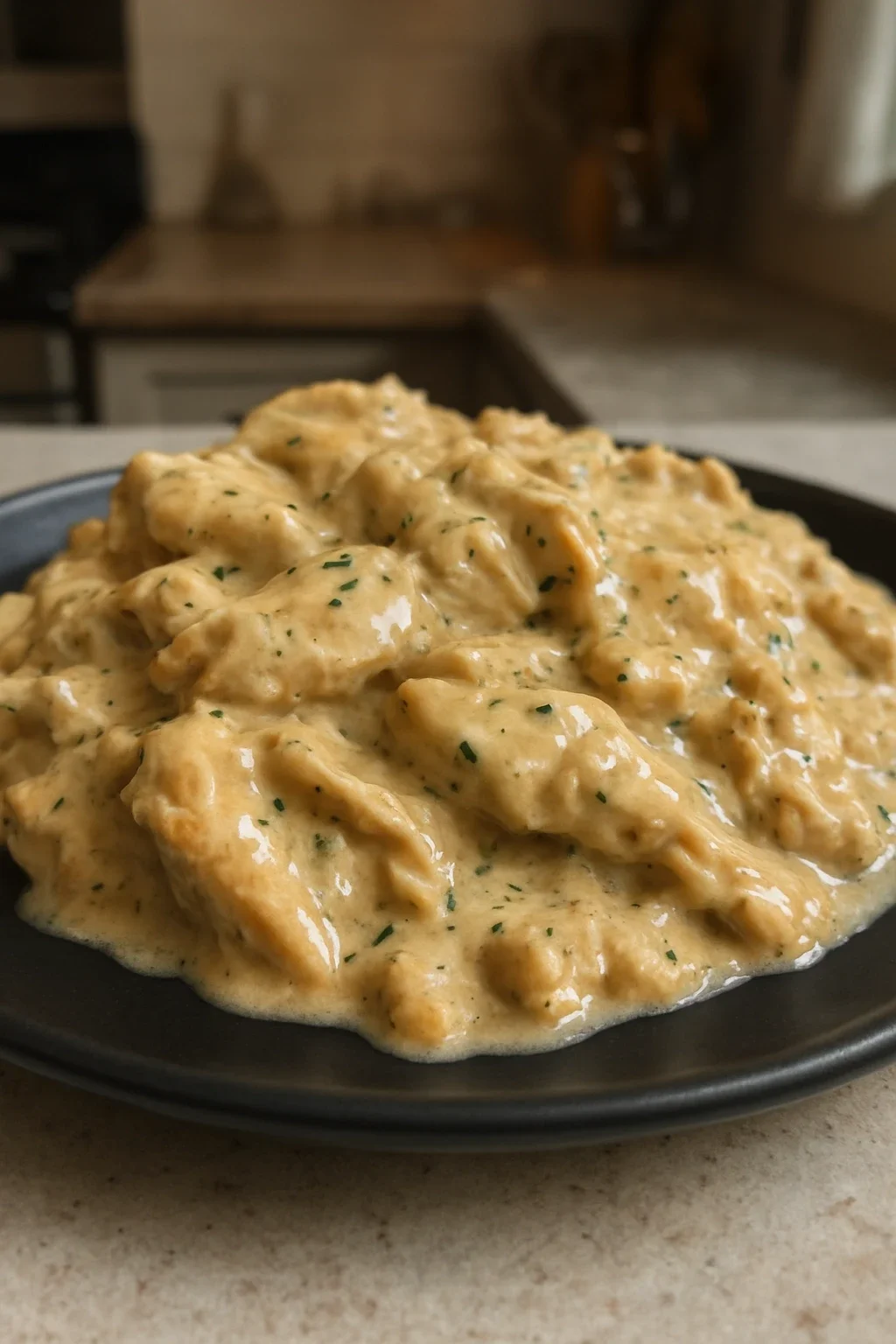
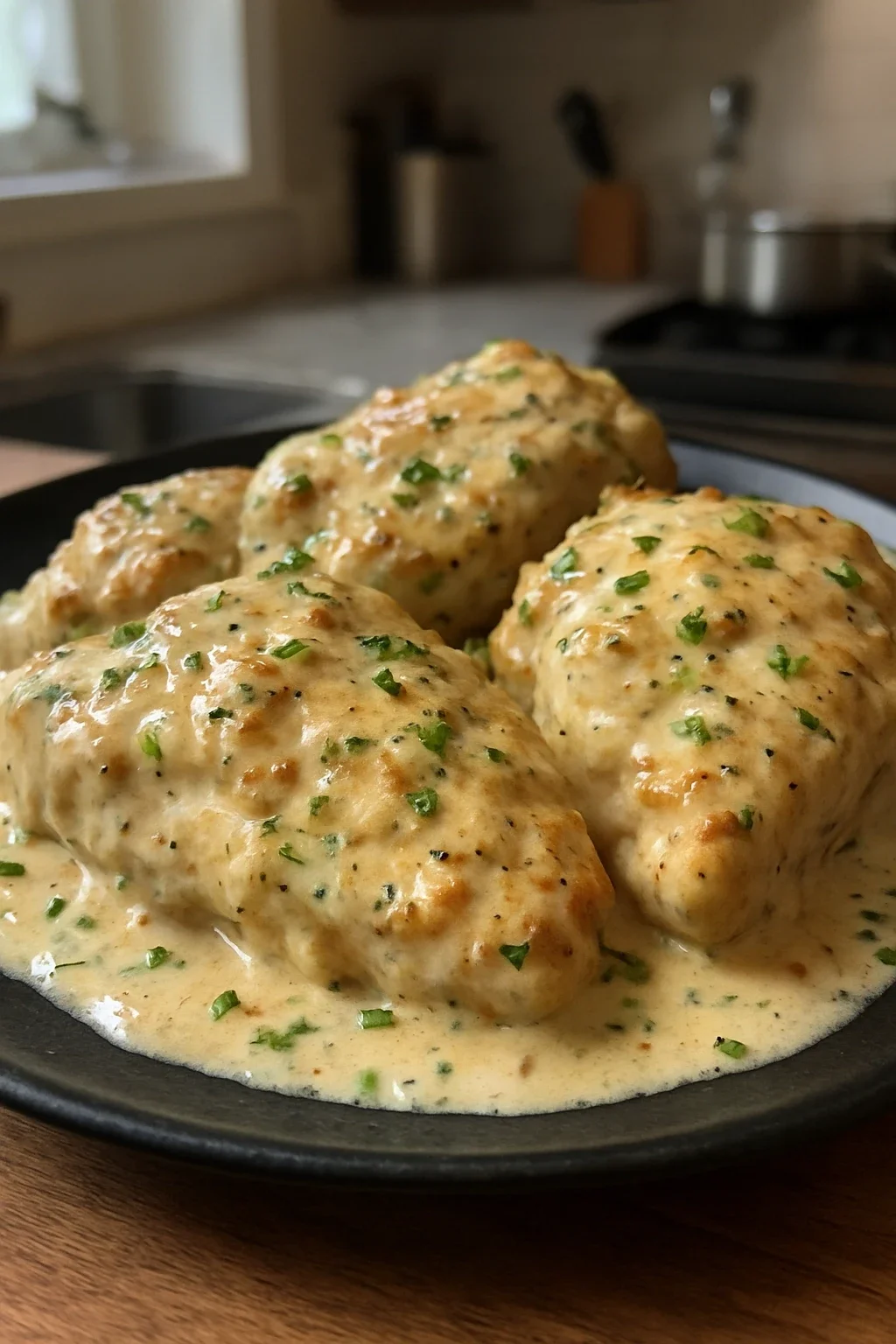
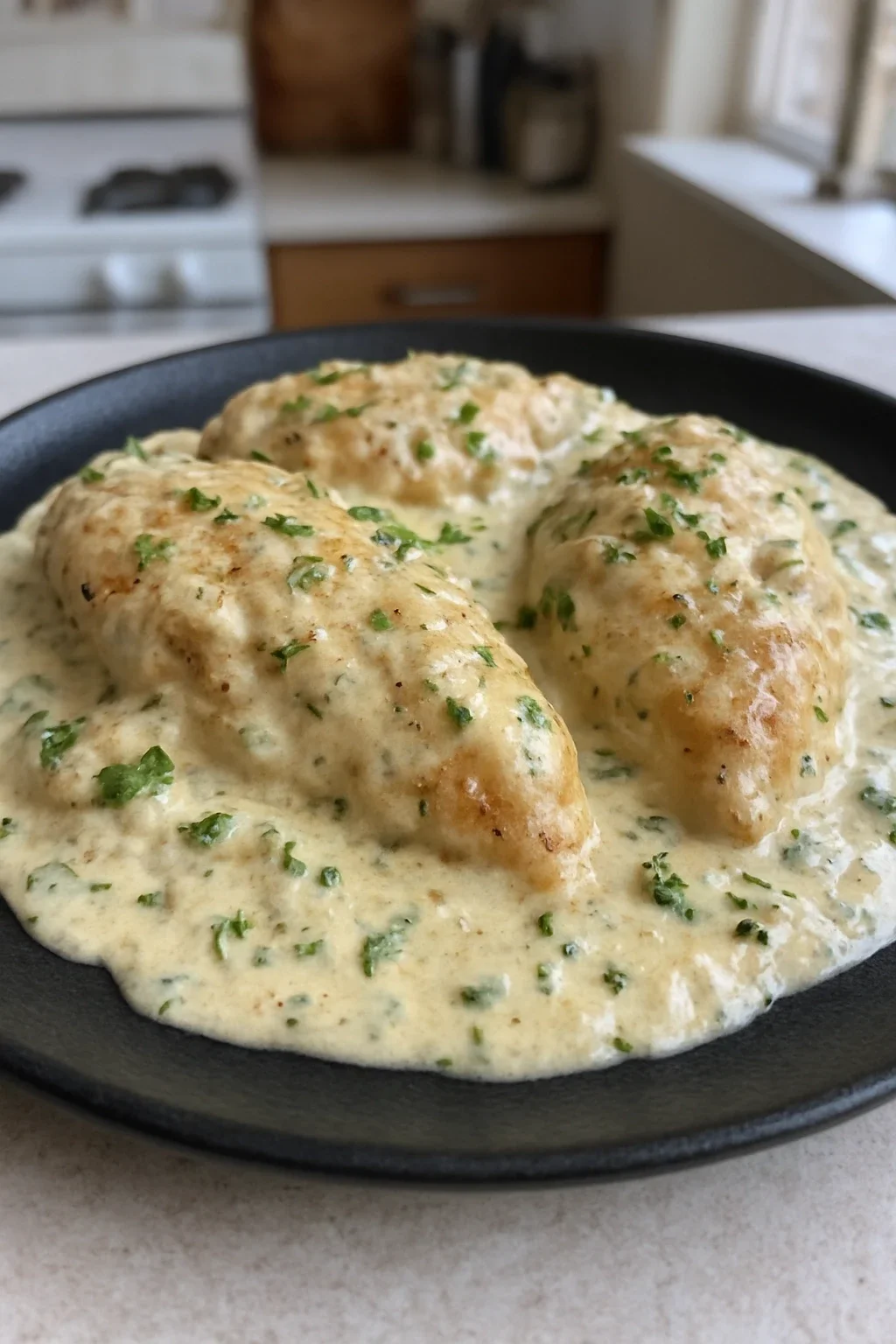
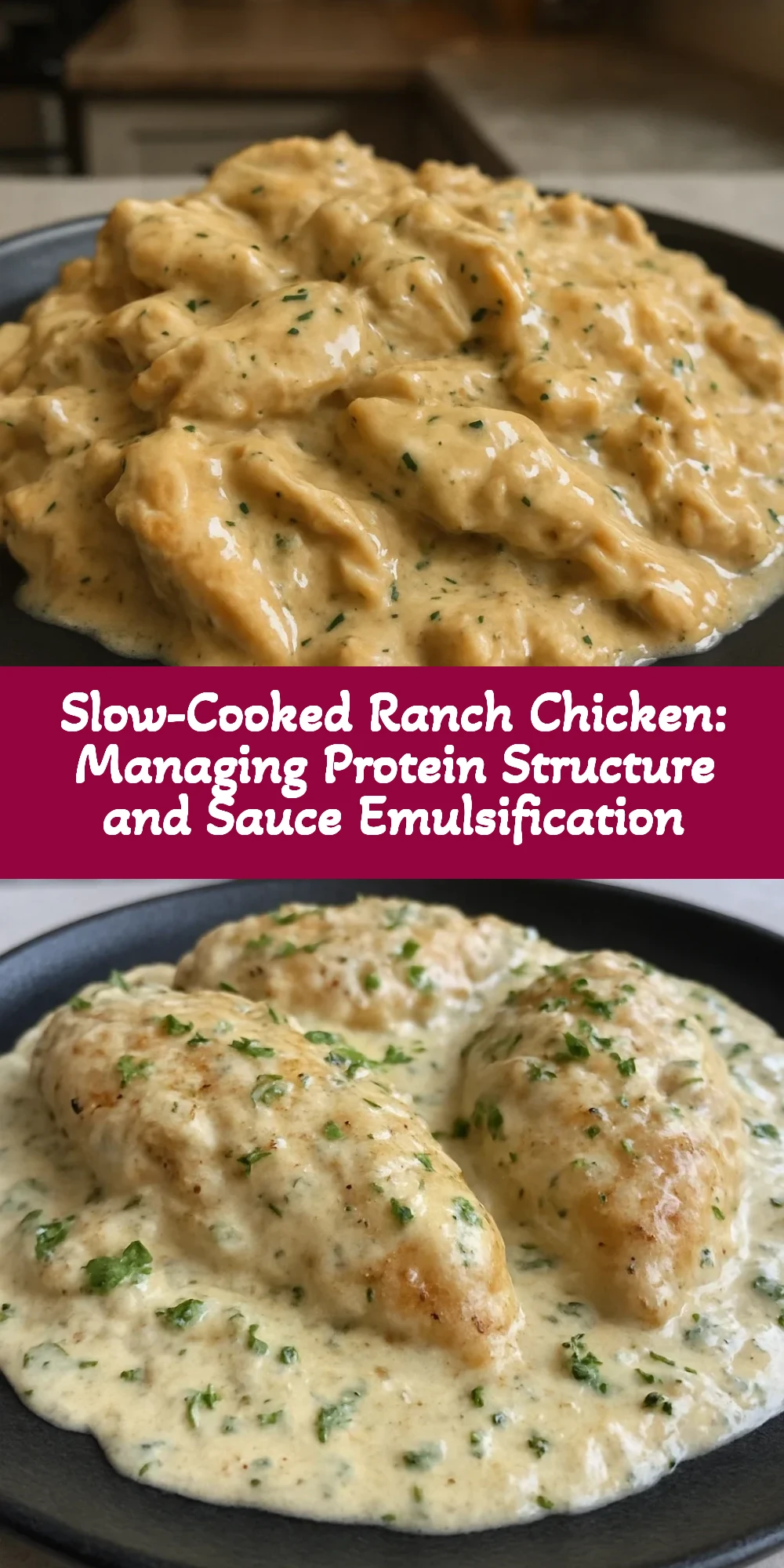
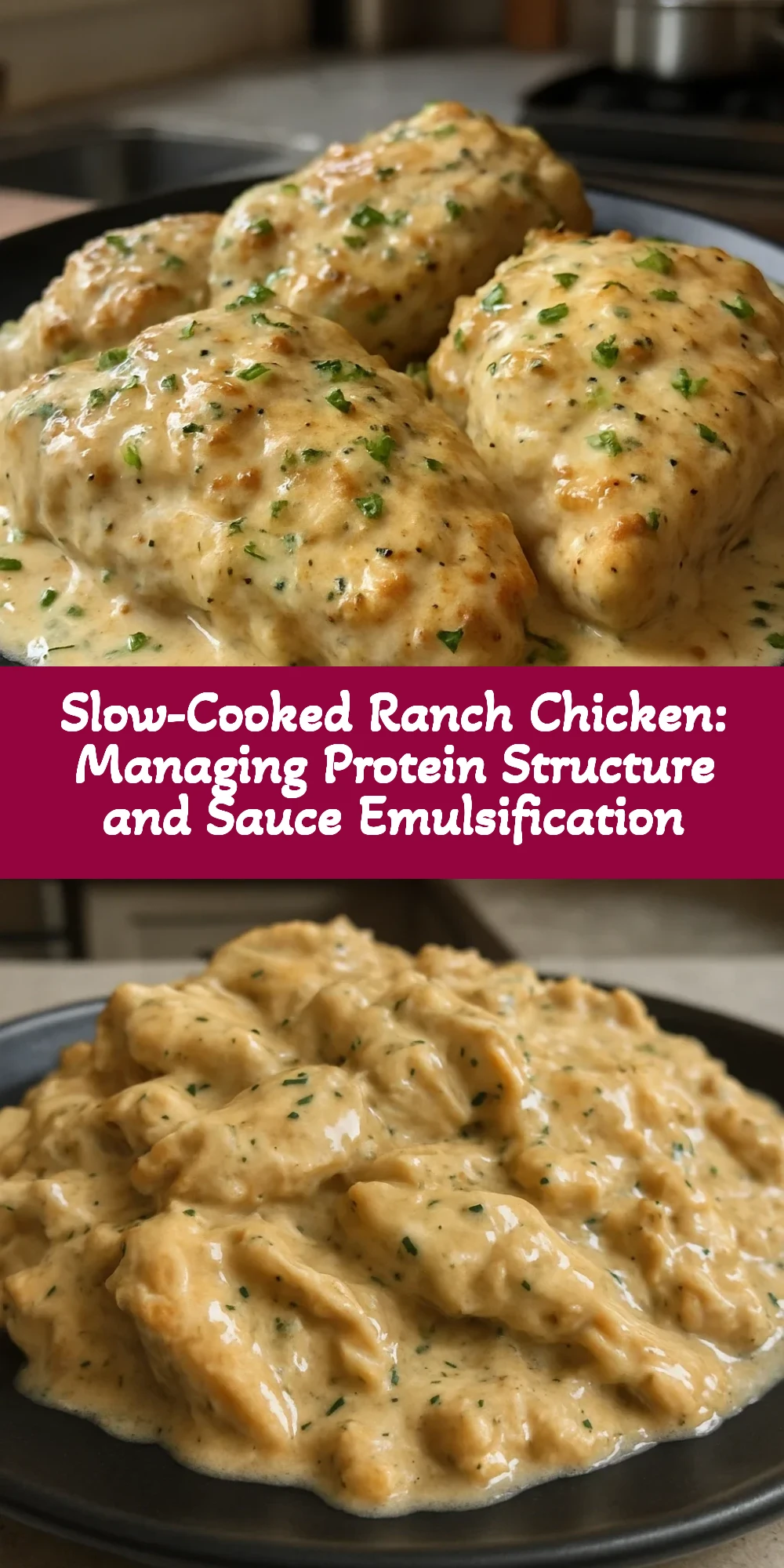
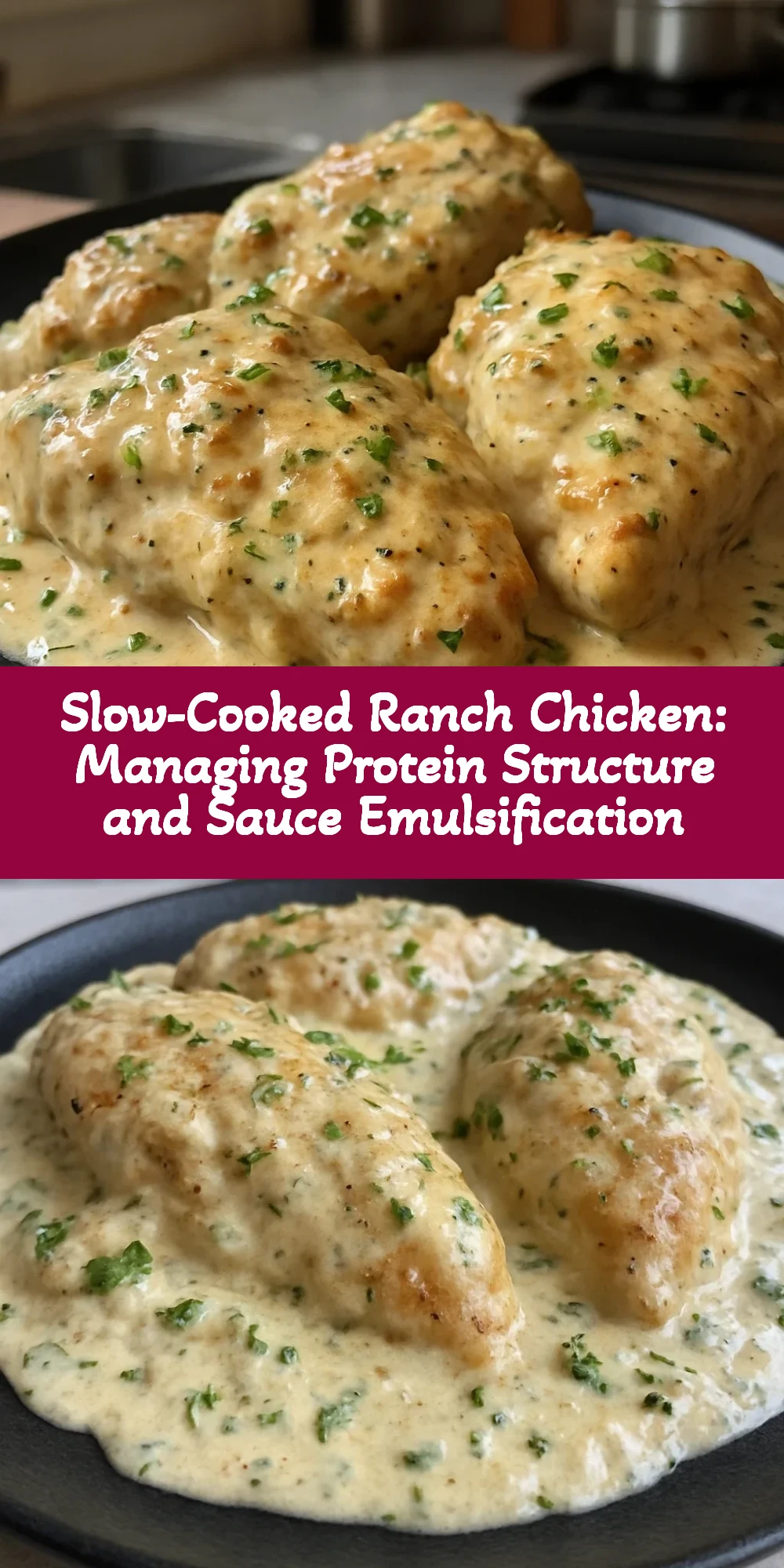
Learn how to make slow-cooked ranch chicken that remains moist rather than dry, with a stable creamy sauce that doesn't separate. Understand protein structure changes during low-temperature braising and proper emulsification timing.
Introduction
<p>I've made this slow-cooked ranch chicken regularly for approximately eight years. Early iterations were frequently dry—I'd use high heat, overcook the chicken, and end up with a disappointing result. Over time, I learned that temperature control and timing are everything with this dish. The chicken should emerge from the crockpot moist and tender enough to shred with a wooden spoon, not dry and fibrous.</p><p>The critical lesson came from a failed batch where I added the cream and cheese during cooking (thinking it would be more convenient). The sauce broke into a greasy, separated mess. Once I shifted to adding dairy components at the end, the results improved dramatically. The sauce now stays stable through reheating and freezing.</p><p>This version relies on technique rather than excessive cream or spices. The ranched-braised chicken tastes savory and developed, not one-dimensional or heavily spiced. It works well for busy weekdays because preparation is minimal, but the final result tastes intentional and properly cooked, not like a shortcut meal.</p>
What You'll Need
Approximately 5-6 cups of finished dish, 4 servings
- 2 pounds (900g) boneless, skinless chicken breasts (approximately 2 large breasts)
- 2 tbsp (30ml) olive oil or neutral oil
- 1 medium yellow onion (250g), roughly chopped
- 3 cloves (15g) garlic, sliced
- 3 tbsp (21g) dried ranch seasoning blend (or 1 packet, typically 1 oz / 28g)
- 1.5 cups (360ml) low-sodium chicken broth (unsalted preferred)
- 3/4 cup (180ml) heavy cream (full-fat preferred)
- 1/2 cup (120ml) whole milk (optional, for lighter version)
- 4 oz (115g) cream cheese, cut into cubes
- 1/2 cup (60g) sharp cheddar cheese, shredded
- 1 cup (120g) carrots, peeled and cut into 1-inch (2.5cm) pieces
- 1 cup (120g) celery, cut into 1-inch (2.5cm) pieces
- 1 tsp (5g) fine sea salt, divided
- 1/4 tsp (0.5g) black pepper
- 1/2 tsp (1g) paprika (optional, for color)
- Pinch (0.5g) cayenne pepper (optional, for subtle heat)
- 1 tbsp (15ml) fresh lemon juice, for balancing saltiness
How To Do It
Step 1
Pat the chicken breasts completely dry using paper towels. Moisture on the surface prevents browning. If the chicken will be served shredded (recommended), scoring the surface slightly with a knife helps the heat penetrate more evenly. Place the dried chicken on a plate and set aside. While the chicken is coming to room temperature, prepare your crockpot by spraying the interior with cooking spray to prevent sticking (optional but helpful for cleanup).
⏱ Time: 5-10 minutes
✓ Doneness: Chicken surface is completely dry with no visible moisture, chicken feels cool to the touch but not cold
Step 2
Heat 2 tablespoons (30ml) of oil in a large skillet over medium-high heat. Once the oil is hot (approximately 350-375°F / 175-190°C), place the chicken breasts in the pan. Do not move them for 3-4 minutes—you want them to develop a golden-brown surface. This browning, while not essential for slow cooking, develops savory compounds through the Maillard reaction that enhance the final flavor. After 3-4 minutes, flip the breasts and brown the other side for another 2-3 minutes. The chicken should have light golden coloring on both sides. Remove from heat and set aside. Note: This browning step can be skipped if you're pressed for time, but flavor development will be reduced.
⏱ Time: 6-8 minutes
✓ Doneness: Both sides of chicken show light golden-brown coloring, surface is no longer moist, chicken is still raw inside (this is normal)
Step 3
In the same skillet (without cleaning, the browned bits add flavor), add the roughly chopped onion and sliced garlic. Sauté over medium heat for 2-3 minutes, stirring occasionally, until the onion becomes translucent and the garlic releases its aroma. You want the garlic to become fragrant without browning—browned garlic tastes bitter. After the aromatics are soft, set them aside with the chicken.
⏱ Time: 3-4 minutes
✓ Doneness: Onion is translucent and softened, garlic smells intensely fragrant, no browning on garlic
Step 4
Add the ranch seasoning blend to the skillet and stir constantly for approximately 1 minute. This step, called 'blooming' spices, allows the dried herbs and aromatics to rehydrate slightly and release their flavor compounds into the fat. You'll notice the mixture becomes fragrant and slightly darkens in color. This step prevents the ranch flavor from tasting dusty or raw in the final dish. If using a pre-made packet, you may need to break up any clumps.
⏱ Time: 1-2 minutes
✓ Doneness: Spice mixture is fragrant and noticeably darker, aromatic oils are released
Step 5
Pour the chicken broth into the skillet and scrape the bottom with a wooden spoon to release any browned bits (this is called deglazing). These browned bits contain concentrated flavor and should be fully dissolved into the broth. Pour the broth mixture (now containing the bloomed seasonings and dissolved browned bits) into the crockpot. The broth should have a rich, savory aroma at this point.
⏱ Time: 2-3 minutes
✓ Doneness: Browned bits are completely scraped from the pan and dissolved into the broth, liquid is rich and aromatic
Step 6
Place the browned chicken breasts and sautéed onion and garlic into the crockpot. Add the cut carrots and celery. The liquid should come approximately three-quarters of the way up the chicken—the chicken shouldn't be fully submerged. Season with approximately 1/2 teaspoon (2.5g) salt and the black pepper. Stir gently to distribute the vegetables evenly. Cover the crockpot with the lid.
⏱ Time: 3-4 minutes
✓ Doneness: All ingredients are in the crockpot, vegetables are distributed evenly, liquid comes approximately 3/4 of the way up the chicken
Step 7
Set the crockpot to low heat. Do not use the high setting—high heat (approximately 280-300°F / 138-149°C) cooks the chicken too quickly and results in dry, tough meat. On low (approximately 180-190°F / 82-88°C), the chicken will cook gently over 6 hours. The exact time depends on the crockpot's temperature and the size of the chicken breasts. After 5 hours, begin checking the chicken's internal temperature by inserting an instant-read thermometer into the thickest part of a breast. The chicken is safely cooked at 165°F (74°C), but if you're leaving it for a full 6 hours, it will reach approximately 170-175°F (77-79°C). This higher temperature is acceptable for slow cooking because the extended time at lower temperature doesn't produce the same drying effect as rapid high-heat cooking.
⏱ Time: 5-6 hours
✓ Doneness: After 5 hours, chicken registers 165°F (74°C) internally; after 6 hours, it registers 170-175°F (77-79°C); chicken shreds easily when tested with a fork
Step 8
After 6 hours, the chicken should be very tender and easily shred with a wooden spoon or fork. If the chicken still feels firm to gentle pressure, continue cooking for another 30 minutes and check again. Once the chicken is properly cooked, remove it from the broth to a cutting board. Using two forks or a hand mixer, shred the chicken into bite-sized pieces (approximately 1-2 inches / 2.5-5cm). Discard any remaining bones or cartilage (though boneless breasts shouldn't have any). Set the shredded chicken aside on a plate.
⏱ Time: 5-10 minutes
✓ Doneness: Chicken shreds easily and completely into bite-sized pieces with minimal resistance
Step 9
Leave the vegetables and broth in the crockpot. Turn off the heat if you haven't already. Add the cream cheese (cut into small cubes to help it melt quickly) to the hot broth and stir constantly for approximately 1-2 minutes until completely melted and smooth. The residual heat (approximately 160-180°F / 71-82°C) is sufficient to melt the cheese without causing the sauce to break or separate. Once the cream cheese is fully incorporated, pour in the heavy cream and milk (if using), stirring constantly. The sauce should become noticeably richer and more luxurious in color. Finally, stir in the shredded cheddar cheese until completely melted and distributed. The sauce should look smooth and creamy, with no visible cheese curds or graininess.
⏱ Time: 3-4 minutes
✓ Doneness: Cream cheese is completely melted and smooth, heavy cream is fully incorporated, cheddar cheese is melted and distributed evenly, sauce is smooth and pourable
Step 10
Return the shredded chicken to the crockpot and stir gently to distribute it evenly throughout the sauce. Add the lemon juice (approximately 1 tablespoon / 15ml), which cuts through the saltiness of the ranch seasoning and cream, making other flavors more prominent. Add paprika and cayenne if desired—these don't change the taste significantly but add color and subtle warmth. Taste the dish and adjust salt as needed. Remember that the ranch seasoning, broth, and cheddar cheese all contain salt, so additional salt is rarely needed. If the sauce seems too thick, thin with additional broth or milk approximately 1/4 cup at a time.
⏱ Time: 2-3 minutes
✓ Doneness: Chicken is evenly distributed throughout the sauce, seasonings are balanced (not overly salty), sauce consistency is creamy and pourable
Step 11
The dish is now ready to serve. You can serve immediately directly from the crockpot, or transfer to a serving dish. Keep the crockpot on the warm setting if serving over extended time (more than 30 minutes), which maintains temperature around 140-160°F (60-71°C) without continued cooking. Serve over rice, egg noodles, mashed potatoes, or with crusty bread for soaking up the sauce.
⏱ Time: 5-10 minutes (serving time)
✓ Doneness: Dish is hot and ready to serve, sauce is pourable and creamy, chicken is evenly distributed
Pro Tips
Brown the chicken before slow cooking. This develops savory Maillard reaction compounds that aren't created during low-temperature braising. The browning step takes 10 minutes but noticeably improves final flavor.
Low-temperature braising alone doesn't produce browning or Maillard reaction compounds because the temperature never exceeds approximately 190°F (88°C). Browning in a hot skillet develops these compounds, which add depth. The chicken is added raw to the crockpot afterward, which is fine—it finishes cooking during the braise.
Use unsalted broth and taste before adding more salt. Ranch seasoning, broth, and cheddar cheese all contribute significant sodium. Many people over-salt this dish unintentionally.
Store-bought broths vary in sodium content (sometimes 800-900mg per cup), and ranch seasoning is typically quite salty. Combined with cheddar cheese (also salty), the dish can become over-salted quickly. Unsalted broth gives you complete control and prevents this problem.
Add cream and cheese at the end, after cooking is complete. Do not add them during the braise.
If cream is added to hot liquid at the start and maintained at 180-190°F (82-88°C) for 6 hours, the milk solids gradually separate from the fat, resulting in a grainy or broken sauce. Adding at the end prevents this. The residual heat is sufficient to melt and incorporate the cheese and cream without separation.
Check the internal temperature after 5 hours rather than waiting a full 6 hours. Crockpots vary significantly in actual temperature, and chicken can be done earlier or may need slightly longer.
Some crockpots on low run at 180°F (82°C) and take a full 6 hours; others run at 200°F (93°C) and finish in 4.5 hours. Checking internal temperature (165°F / 74°C as minimum safe temperature) prevents over or undercooking. For moist results, aim for 170-175°F (77-79°C) after 6 hours, not higher.
Use cream cheese in addition to cheddar cheese. Cream cheese contains emulsifiers (sodium citrate and phosphates) that help stabilize the sauce and prevent separation during reheating or freezing.
Cheddar alone can become grainy or separated when reheated. Cream cheese's emulsifiers keep the sauce smooth through multiple heating cycles. The combination of both cheeses creates a stable, creamy sauce that maintains texture even after freezing and reheating.
Add vegetables in stages if you prefer them with more texture. Add carrots and celery in the final 2 hours of cooking rather than at the beginning for firmer vegetables.
During 6 hours of slow cooking, vegetables break down significantly and partially dissolve into the braising liquid. If you prefer vegetables that maintain some structure and don't want to add body to the sauce through vegetable breakdown, add them late in cooking.
Common Mistakes to Avoid
Using the high heat setting instead of low, resulting in dry, tough chicken
Why it happens High heat seems like it would be faster (cooking in 3-4 hours instead of 6). However, high heat on a crockpot (approximately 280-300°F / 138-149°C) rapidly denatures chicken proteins and causes excessive moisture loss.
Fix Always use low heat for chicken in a crockpot. Low (180-190°F / 82-88°C) for 6 hours produces moist, tender chicken. High (280-300°F / 138-149°C) for 3-4 hours produces dry, stringy chicken. The additional cooking time on low is worth the difference in texture.
Adding cream and cheese during cooking rather than at the end, resulting in a separated or broken sauce
Why it happens Adding cream at the start seems more convenient and efficient. However, 6 hours at low temperature gradually causes the milk solids and fat to separate, resulting in a grainy sauce.
Fix Add cream cheese and heavy cream only at the end, after cooking is complete. The residual heat (160-180°F / 71-82°C) is sufficient to melt and incorporate them without separation. If the sauce has already separated, briefly blend with an immersion blender to re-emulsify, but prevent this by waiting until the end.
Overcooking past 6 hours, resulting in stringy, over-shredded chicken and a sauce that tastes one-dimensional
Why it happens People think 'longer = more tender' and leave the chicken cooking for 8-10 hours. Beyond 6-7 hours at low temperature, continued collagen breakdown makes the muscle fibers lose all structure and become mushy.
Fix Cook for exactly 6 hours. Check the internal temperature after 5 hours. If the chicken reaches 165-175°F (74-79°C), turn off the heat. Longer cooking produces worse texture, not better.
Using salted broth and adding additional salt without tasting first, resulting in over-salty dish
Why it happens Ranch seasoning is quite salty, store-bought broth is quite salty, and cheddar cheese is quite salty. Combined, they create a very high-sodium base. People instinctively add more salt without recognizing the base is already heavily salted.
Fix Use unsalted broth. Taste the finished dish before adding any additional salt. You'll likely find it's already adequately salted from the ranch, broth, and cheese. If additional salt is needed, add it gradually in small pinches.
Not blooming the ranch seasoning, resulting in a dusty or raw-tasting dish
Why it happens Adding dried herbs directly to cold liquid doesn't release their aromatic oils. They taste dusty and muted. Blooming (stirring them in hot fat for 1-2 minutes) releases the oils and distributes them.
Fix Sauté the ranch seasoning blend in the skillet for 1-2 minutes after browning the chicken. This small step significantly improves the flavor profile.
Not shredding the chicken thoroughly, resulting in large chunks that don't integrate well with the sauce
Why it happens People try to preserve large pieces of chicken for a 'premium' appearance, not realizing that slow-cooked chicken benefits from shredding.
Fix Shred the chicken completely using two forks or a hand mixer. Small, bite-sized pieces (approximately 1-2 inches / 2.5-5cm) distribute throughout the sauce and allow each bite to have chicken, sauce, and vegetable. Whole or halved chicken breasts in sauce looks institutional rather than home-cooked.
Variations
Buffalo Ranch Chicken
After adding the cream and cheese in step 9, stir in 1/2 cup (120ml) of buffalo sauce (Frank's RedHot is traditional) before returning the shredded chicken. The buffalo sauce adds heat, tang, and spice that balances the creamy ranch base. Use only 1/4 cup (60ml) cheddar cheese instead of 1/2 cup if you prefer less dairy richness. Serve over rice or with celery sticks on the side.
Note: Buffalo sauce is primarily vinegar and hot peppers, so it adds acidity that cuts through the richness. The spice level can be adjusted by using less sauce (1/4 cup / 60ml) for milder heat or more sauce (3/4 cup / 180ml) for spicier results. The vinegar also prevents the sauce from tasting overly creamy.
Garlic Herb Ranch Chicken with Fresh Parsley
Add 2 additional cloves of minced garlic to the sauté step, and 2 teaspoons (4g) of fresh thyme leaves (or 1 teaspoon of dried thyme) along with the ranch seasoning when blooming. After the sauce is finished, stir in 1/4 cup (15g) of fresh chopped parsley and 1 tablespoon (5g) of fresh dill just before serving. The fresh herbs add brightness and complexity that balances the dried ranch seasonings.
Note: Fresh herbs should be added at the very end, after all cooking is complete, to preserve their flavor and aroma. Adding them during cooking would cause them to lose their volatile aromatic oils and taste muddy.
Creamy Garlic Parmesan Ranch Chicken
Replace the cheddar cheese with 1/2 cup (50g) of grated Parmesan cheese. Add 4-5 cloves of minced garlic (instead of 3) when sautéing the onion. The Parmesan adds a sharper, more umami-forward flavor; the additional garlic creates a more robust savory profile. This variation is less 'ranch dip-like' and more 'Italian-inspired.'
Note: Parmesan has a sharper, more intense flavor than cheddar and is saltier. Reduce added salt to approximately 1/4 teaspoon total. The additional garlic adds depth and aroma. This variation pairs well with egg noodles or pasta rather than rice.
Lighter Version with Greek Yogurt
Use only 1/2 cup (120ml) of heavy cream, and add 1 cup (250ml) of plain full-fat Greek yogurt instead of additional milk. Reduce the cream cheese to 2 oz (60g). The Greek yogurt adds protein, tanginess, and creaminess while keeping the saturated fat content lower than the traditional version. The final dish is still rich and creamy but noticeably lighter.
Note: Greek yogurt can separate if heated too aggressively, so add it after the heavy cream has been incorporated and the mixture is no longer extremely hot (ideally cooled to approximately 140-160°F / 60-71°C). Stir constantly while incorporating to prevent curdling. The yogurt adds a pleasant tangy note that complements the ranch flavor.
Ranch Chicken with Bacon and Jalapeños
Add 6 slices (approximately 100g) of bacon, cooked and crumbled, and 1-2 fresh jalapeños, seeded and thinly sliced, during step 6 (when adding vegetables to the crockpot). The bacon adds smokiness and fat-soluble flavor; the jalapeños add heat and fresh pepper notes. If you prefer less heat, remove the jalapeño seeds entirely, which contain most of the capsaicin.
Note: Bacon should be cooked ahead of time to render the fat and make it crumbly. The bacon fat contributes to the sauce's richness. Jalapeños continue cooking during the 6-hour braise and become softer and less aggressively spicy. If you prefer fresher, crisper jalapeño flavor, add them in the final 30 minutes of cooking rather than at the beginning.
Nutrition
Per Serving:
approximately 520
Calories
These values are estimates based on medium-sized chicken breasts (2 lbs total), full-fat dairy products, and unsalted broth with additional salt added during cooking. Values will vary based on actual broth sodium content, amount of added salt, and cheese quantities. The dish is relatively high in sodium due to ranch seasoning, broth, and cheese—consider using lower-sodium broth and tasting before adding additional salt if reducing sodium intake.
Storage & Tips
Refrigerator
Cool the dish completely before transferring to airtight containers. Store for up to 4 days in the refrigerator. The sauce will thicken slightly as it cools due to the fat solidifying. This is normal and not a sign of separation. If the sauce has separated (grainy appearance), blend briefly with an immersion blender to re-emulsify before serving.
Freezer
Freeze for up to 3 months in freezer-safe containers or heavy-duty freezer bags, leaving approximately 1 inch (2.5cm) of headspace for expansion. The cream cheese's emulsifiers help the sauce remain stable during freezing. Upon thawing, some slight separation may occur, but a few minutes of gentle heating and stirring will re-incorporate the sauce.
Reheating
Reheat on the stovetop over low to medium heat in a pot, stirring frequently. Alternatively, reheat in the crockpot on the warm setting (140-160°F / 60-71°C) for 30-45 minutes. Avoid boiling, which can cause the sauce to separate or become grainy. If the sauce has thickened too much during storage, thin with additional broth (approximately 1/4 cup at a time) or whole milk. The reheated dish should taste as good as the original; if separation has occurred, briefly blend with an immersion blender.
Make Ahead
The dish can be made completely up to 2 days ahead. Cool completely, refrigerate in airtight containers, and reheat gently on serving day. This approach is useful for meal prep or making ahead for busy weeknights. The sauce often tastes better after a day of resting, as flavors meld.
FAQ
My chicken turned out dry and stringy instead of moist and tender. What went wrong?
You likely used the high heat setting instead of low, or cooked for longer than 6 hours. High heat (280-300°F / 138-149°C) rapidly denatures chicken proteins and causes excessive moisture loss. If you cooked for 6 hours on low and still got dry chicken, your crockpot's low setting may run hotter than 190°F (88°C). For future batches, check internal temperature after 5 hours—if it reaches 165-170°F (74-77°C), turn off heat immediately.
My sauce separated and looks grainy or greasy. How can I fix it?
This indicates you likely added cream during cooking rather than at the end. To fix the current batch, use an immersion blender to re-emulsify the sauce—blend for 30-60 seconds until the separation is no longer visible and the sauce looks creamy again. For future batches, add cream cheese and heavy cream only after the chicken is done cooking, using the residual heat to melt and incorporate them.
The dish tastes too salty. How can I fix it?
Ranch seasoning is quite salty, and broth and cheddar cheese add additional sodium. If over-salted, the issue cannot be completely reversed, but you can dilute the salt content by stirring in additional unsalted broth (approximately 1/2 cup at a time) until the salt level is acceptable. For future batches, use unsalted broth and taste before adding any additional salt. You'll likely find it's already adequately or heavily seasoned.
Can I use chicken thighs instead of breasts?
Yes, and they're actually preferable for slow cooking. Chicken thighs are higher in fat and collagen, so they remain moist even with extended cooking. Use the same cooking time and temperature (6 hours on low). Thighs will shred even more easily than breasts because of the higher collagen content. The final dish will taste slightly richer and more flavorful.
My crockpot seems to cook faster than 6 hours. Is that normal?
Yes, crockpots vary significantly in actual temperature despite all being labeled 'low.' Some run at 180°F (82°C) and take 6+ hours; others run at 200°F (93°C) and finish in 4-5 hours. Check internal temperature after 4.5 hours using an instant-read thermometer. Once it reaches 165°F (74°C), the chicken is safely cooked. For moist results, aim for 170-175°F (77-79°C). If your crockpot finishes early consistently, you'll need to adjust future cooking times.
Can I use ranch dip instead of ranch seasoning mix?
No, ranch dip contains dairy and oil already and will change the recipe's structure. Use only dry ranch seasoning blend (approximately 1 oz / 28g packet). If ranch dip is all you have available, you'd need to significantly adjust other ingredients and the recipe would no longer be reliable.
Final Thoughts
Slow-cooked ranch chicken demonstrates that low-temperature braising is fundamentally different from high-heat cooking, and understanding these differences is crucial for success. The moist, tender chicken results from gentle protein denaturation at low temperature over extended time, not from prolonged cooking at high heat. Once you understand why temperature control matters, why adding dairy at the end prevents separation, and how gentle heating preserves texture, you can apply these principles to other slow-cooked dishes with confidence. The specific ingredients change, but the technique remains constant. Mastering slow-cooked chicken means mastering low-temperature braising.