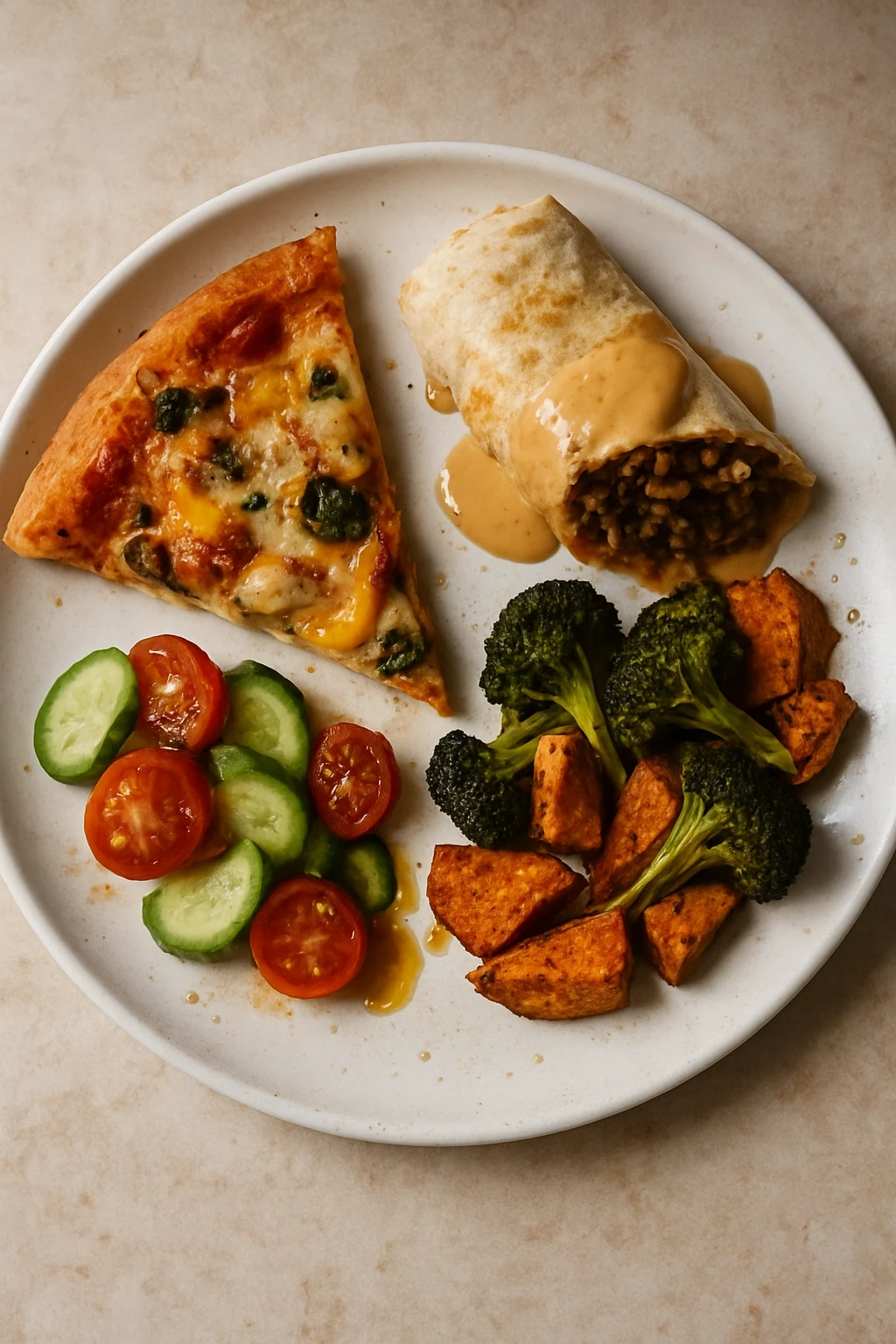
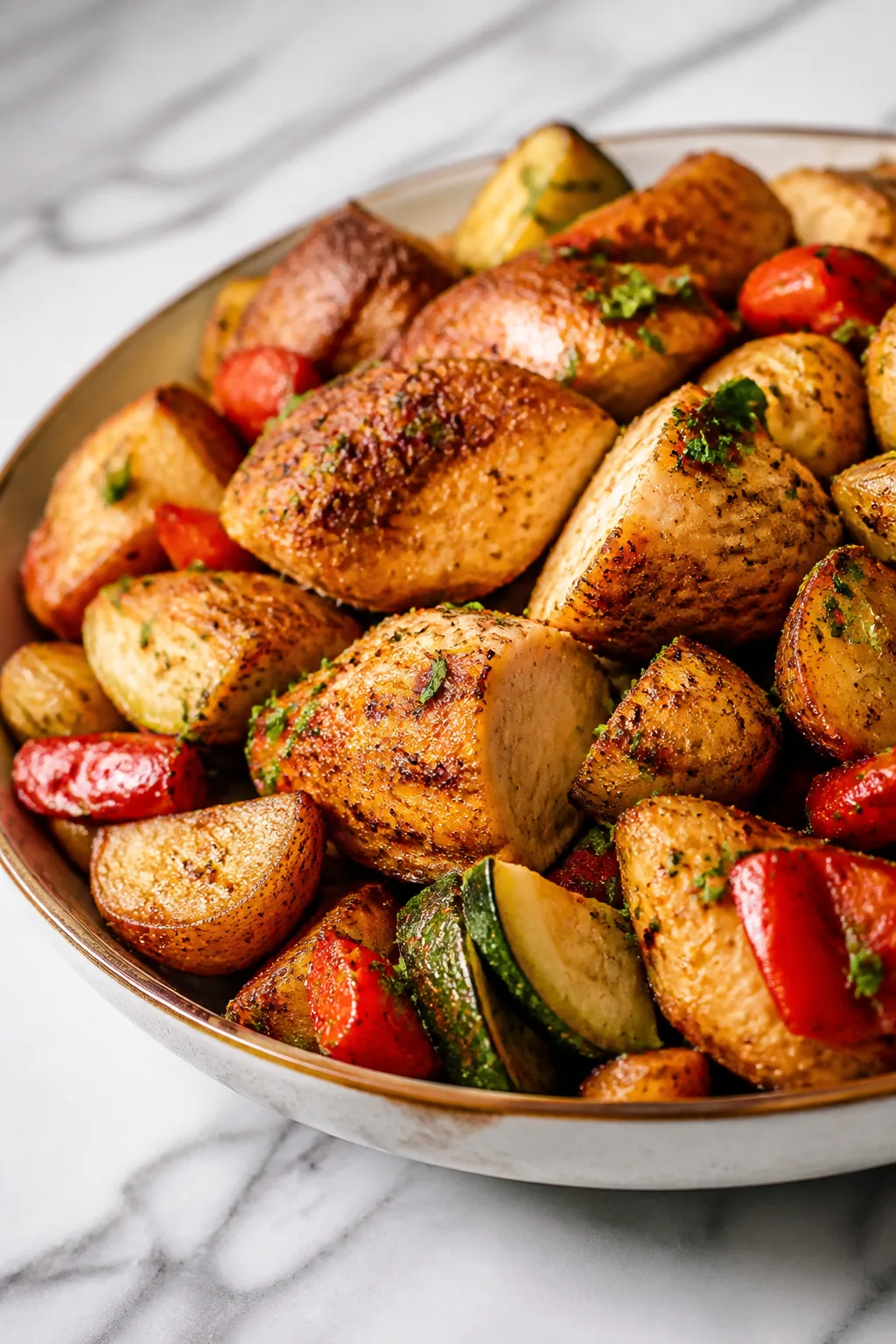
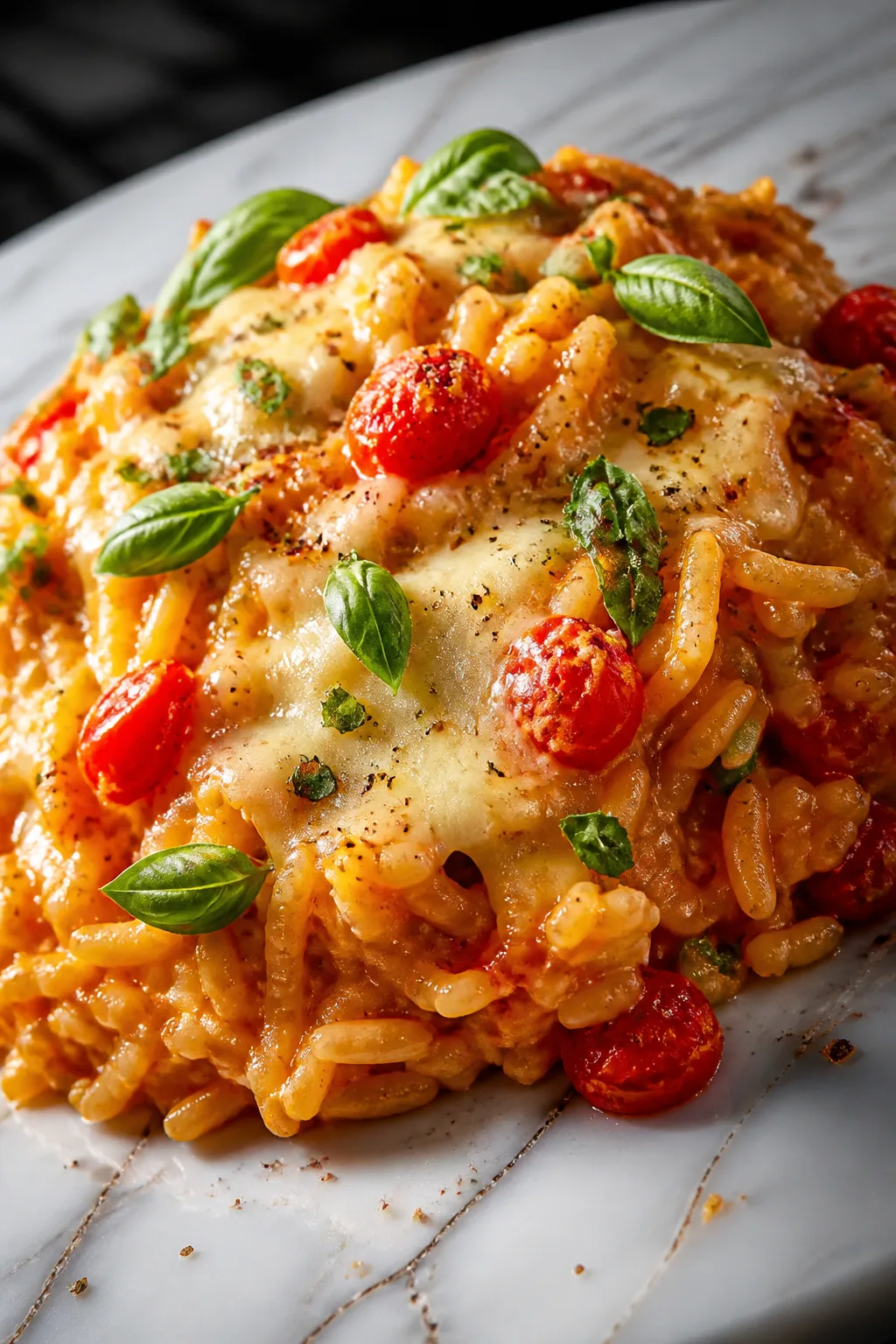
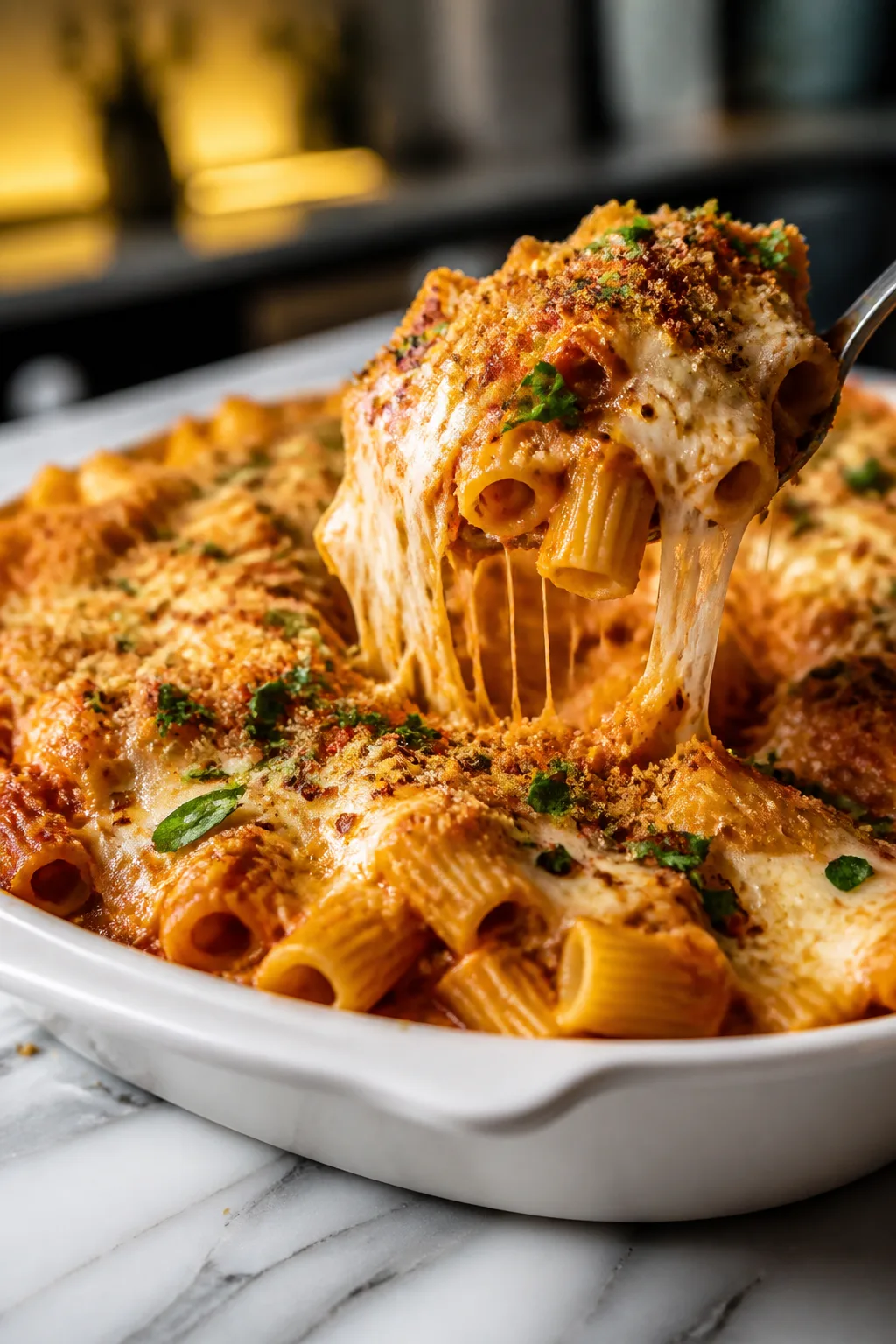
Tired of boring leftover lunches? These ideas turn yesterday's meals into fresh, exciting dishes with simple twists. Using a mix of textures and flavors, they're perfect for quick midday meals that don’t feel like reheats.
Introduction
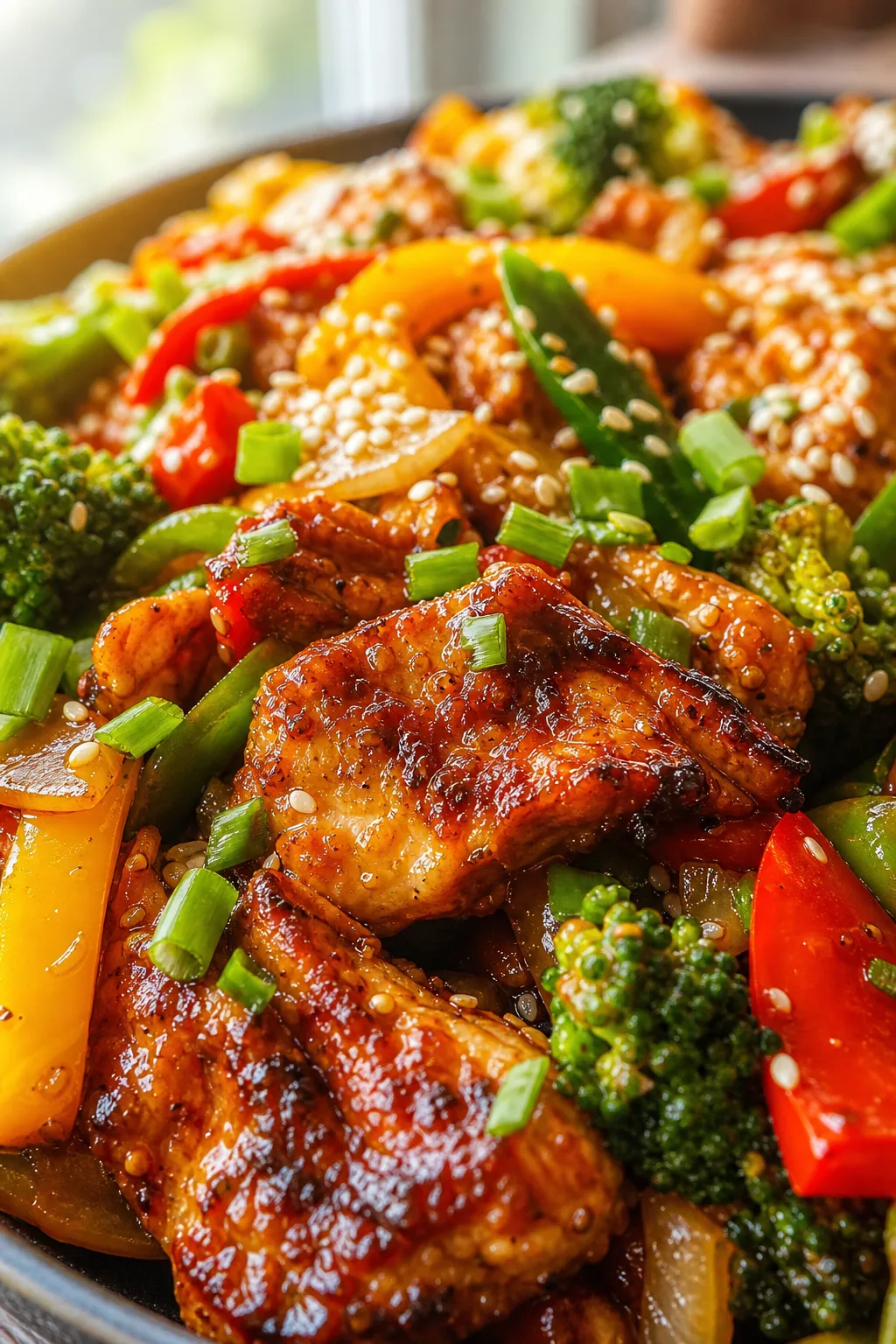
I’ve always struggled with what to do with leftovers that don’t feel exciting anymore. One day, I decided to shake things up by turning last night’s dinner into a totally fresh lunch bowl. The trick I learned is to add a punch of fresh aromatics and a quick stir-fry to revive flavors and textures. This simple approach not only saves time but makes eating leftovers something I actually look forward to. Plus, it’s a great way to sneak in extra veggies and protein without feeling like you’re just reheating food. What I love most is how you can customize it based on what’s in your fridge. The finished dish is warm, flavorful, and has just the right balance of savory and fresh notes. It’s become my go-to for busy days when I want something quick but satisfying.
How To Do It
Step 1
Heat a large non-stick skillet over medium heat and add the sesame oil. The oil’s nuttiness adds depth, so don’t skip it. Once hot, add the minced garlic and grated ginger. Stir constantly for about 30 seconds until fragrant but not browned—burnt garlic can make the dish bitter. This step infuses the oil with flavor, creating a base that will lift the leftover ingredients.
⏱ Time: 2 minutes
✓ Doneness: Aromatic smell of ginger and garlic without any browning
Step 2
Add the shredded chicken and mixed vegetables to the skillet. Toss gently to coat everything in the flavored oil. Cooking these briefly warms them through and helps blend flavors. Avoid overcooking to keep the chicken tender and veggies crisp. If you rush this, the veggies can become mushy and the chicken dry.
⏱ Time: 3 minutes
✓ Doneness: Chicken warmed through, vegetables bright and slightly tender
Step 3
Add the chilled rice to the skillet. Break up any clumps with your spatula and stir continuously to combine with the chicken and veggies. The rice should heat evenly without sticking. Using cold rice helps prevent mushiness and keeps grains separate, giving a better texture. Stir-frying also helps revive the rice’s flavor.
⏱ Time: 5 minutes
✓ Doneness: Rice is hot throughout and slightly toasted in spots
Step 4
Drizzle the soy sauce evenly over the mixture. This adds savory umami and saltiness. Stir well to distribute the sauce without drowning the dish. Too much soy sauce can overpower, so start with less and adjust to taste. The soy also helps give a nice glaze to the rice and chicken.
⏱ Time: 1 minute
✓ Doneness: Even coating of soy sauce with a glossy finish on ingredients
Step 5
Season with salt and pepper sparingly since soy sauce adds salt. Taste and adjust seasoning carefully. Adding too much salt at the end can’t be undone. Freshly ground pepper adds a subtle kick that complements the ginger and garlic nicely.
⏱ Time: 1 minute
✓ Doneness: Balanced savory flavor without saltiness overpowering
Step 6
Turn off the heat and fold in the sliced green onions. The residual heat softens them just slightly while keeping their fresh bite and color. This final touch adds brightness and a mild sharpness that wakes up the whole dish.
⏱ Time: 1 minute
✓ Doneness: Green onions look vibrant and slightly wilted
Step 7
Serve immediately while warm. If desired, garnish with a sprinkle of toasted sesame seeds or a squeeze of lime for extra flavor. These add texture and a fresh zing that complements the savory base.
⏱ Time: 1 minute
✓ Doneness: Dish served hot with appealing garnish
Step 8
If you want to make this vegetarian, swap chicken for firm tofu or chickpeas. Press and cube tofu, then pan-fry separately until golden before adding. This keeps the tofu firm and adds a crispy texture that contrasts nicely with the rice and veggies.
⏱ Time: 5 minutes prep plus cooking
✓ Doneness: Golden crispy tofu cubes ready to mix in
Step 9
For a spicy kick, add a teaspoon of chili garlic sauce or a pinch of red pepper flakes with the soy sauce. This adds heat and complexity without overpowering the other flavors. Adjust amount to your heat preference.
⏱ Time: 1 minute
✓ Doneness: Evenly distributed mild heat in the dish
Pro Tips
Use day-old rice for best texture.
Day-old rice has had time to dry out slightly, which prevents clumping and mushiness during stir-frying. Fresh rice is too moist and sticky, resulting in a gummy texture that ruins the dish.
Don’t overcook the garlic and ginger.
Garlic and ginger release their flavors best when gently cooked until fragrant but not browned. Overcooking can cause bitterness and overpower the dish with burnt notes.
Add soy sauce gradually and taste as you go.
Soy sauce is salty and umami-rich, but too much can dominate the dish. Adding it in small amounts lets you balance seasoning perfectly and avoid an overly salty final product.
Use a hot pan for stir-frying.
A hot pan sears ingredients quickly, locking in moisture and creating a slight crispness on the rice and chicken. A cool pan causes steaming and sogginess.
Fold in green onions off the heat.
Adding green onions at the end preserves their fresh crunch and sharp flavor, which brightens the dish and contrasts with the cooked ingredients.
Customize with spices or sauces.
Adding chili flakes, sriracha, or a squeeze of lime can add complexity and personalize the dish to your taste, making leftovers feel new and exciting.
Use a non-stick skillet for easy stirring.
Non-stick pans reduce sticking and burning risk, allowing you to stir-fry evenly without worrying about ingredients clinging or burning.
Common Mistakes to Avoid
Using freshly cooked rice instead of day-old rice.
Why it happens Many assume freshly made rice is best, but it’s actually too moist and sticky for stir-fry, leading to clumps.
Fix Cook rice a day ahead or spread fresh rice on a baking sheet to cool and dry for 20-30 minutes before using. This helps grains separate during cooking.
Overcooking garlic and ginger until brown.
Why it happens Rushing the aromatics can cause them to burn quickly, especially on high heat.
Fix Cook garlic and ginger on medium heat just until fragrant, about 30 seconds to 1 minute, stirring constantly to prevent burning.
Adding too much soy sauce at once.
Why it happens It’s tempting to add a lot for flavor, but soy sauce is salty and can overpower the dish.
Fix Add soy sauce gradually, stir, and taste before adding more to maintain balance.
Skipping the fresh green onions at the end.
Why it happens Sometimes people mix everything together at once, missing the fresh contrast green onions provide.
Fix Add green onions off the heat at the end to keep their color and crunch.
Using watery vegetables that make the dish soggy.
Why it happens Some vegetables release water when reheated, diluting flavors and ruining texture.
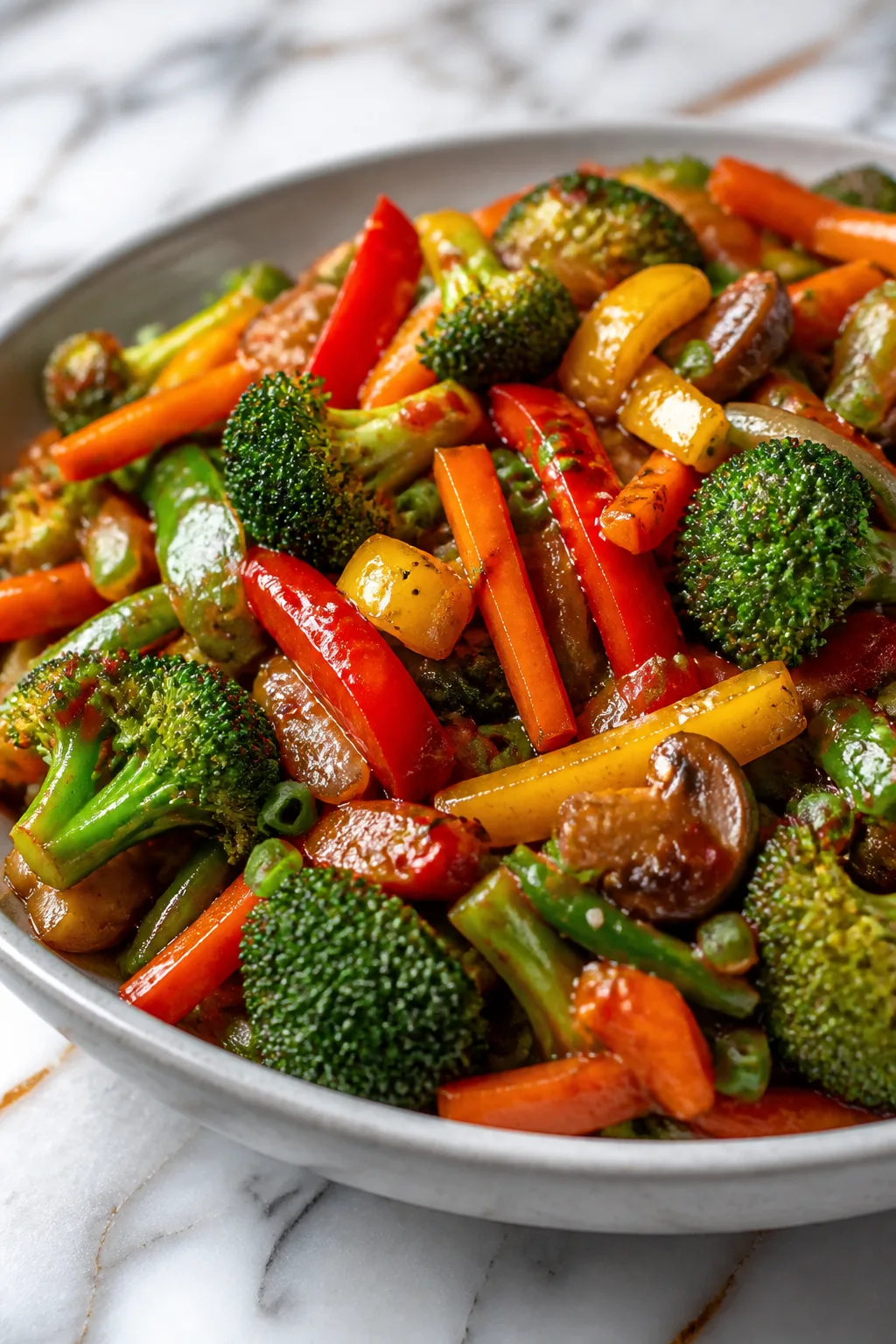
Fix Choose firm veggies like carrots, peas, or broccoli. Steam or roast them before adding to minimize excess moisture.
Variations
Vegetarian Tofu Stir-Fry
Swap the chicken for firm tofu pressed and pan-fried until golden. This adds protein and a crispy texture. Use vegetable broth instead of chicken broth if adding moisture. Expect a lighter, plant-based meal with a satisfying bite.
Note: Press tofu well to remove excess water, then pan-fry on medium-high heat until golden and crisp before adding to the stir-fry.
Spicy Sriracha Kick
Add a tablespoon of sriracha or chili garlic sauce with the soy sauce for a spicy twist. This variation adds heat and complexity, perfect for those who like a little fire in their lunch.
Note: Adjust spice level by starting with less sauce and tasting as you go to avoid overwhelming the dish.
Mediterranean Leftover Bowl
Replace soy sauce with a drizzle of olive oil and lemon juice. Add chopped olives, feta cheese, and fresh herbs like parsley. This changes the flavor profile to bright and tangy with creamy accents.
Note: Add delicate ingredients like feta and herbs at the end off the heat to preserve texture and freshness.
Egg Fried Rice Style
Beat two eggs and scramble them in the pan before adding the rice and other ingredients. This adds richness and protein, creating a classic egg fried rice experience from leftovers.
Note: Cook eggs quickly on medium-high heat, breaking them up as they set, then add rice immediately to combine flavors.
Asian Noodle Swap
Use cooked noodles instead of rice for a different texture. Toss noodles in the garlic-ginger oil, then add chicken and veggies. This gives a lighter, slurpy feel and is great for noodle lovers.
Note: Use firm noodles like udon or soba and toss gently to avoid breaking them during cooking.
Nutrition
Per Serving:
Nutritional values are estimates and may vary based on specific ingredients used.
Storage & Tips
Room Temperature
Leftover stir-fry should not be left out at room temperature for more than 2 hours to avoid bacterial growth. Cover with a clean lid or foil if serving shortly.
Refrigerator
Store leftovers in an airtight container for up to 3 days. The flavors meld nicely but rice can dry out slightly. Reheat gently to avoid drying out the chicken and veggies.
Freezer
Freeze leftovers in a freezer-safe container for up to 2 months. Wrap tightly to prevent freezer burn. Thaw overnight in the fridge before reheating.
Reheating
Reheat in a skillet over medium heat with a splash of water or broth to restore moisture. Stir frequently to heat evenly. Avoid microwaving uncovered as it can dry out the dish.
Make Ahead
You can prep and cook the rice and chicken a day ahead. Store separately and combine with fresh aromatics and veggies just before reheating for best freshness.
FAQ
Can I use fresh rice instead of leftover rice?
Fresh rice tends to be too moist and sticky for stir-frying, which can result in a mushy texture. If you only have fresh rice, spread it out on a baking sheet to cool and dry for 20-30 minutes before using. This helps the grains separate and mimics the texture of day-old rice.
What if I don’t have sesame oil?
You can substitute with a neutral oil like canola or vegetable oil, but you’ll miss out on the nutty aroma sesame oil provides. If you have toasted sesame seeds, you can sprinkle those on at the end to add some of that flavor.
How can I make this dish vegan?
Replace chicken with firm tofu, tempeh, or chickpeas for protein. Use vegetable broth if adding moisture. Make sure your soy sauce is vegan (some brands add fish sauce). This keeps the dish plant-based while still tasty and filling.
Can I add other vegetables?
Absolutely! Just choose vegetables that hold up well to quick cooking like bell peppers, snap peas, or broccoli. Avoid watery veggies like cucumbers or lettuce that will wilt and water down the dish.
How spicy can I make this?
You can add chili flakes, sriracha, or fresh chilies to taste. Start with a small amount and increase gradually. Keep in mind that soy sauce can mellow out some heat, so adjust seasoning accordingly.
Can I make this ahead and reheat later?
Yes, this dish reheats well. Store in the fridge in an airtight container for up to 3 days. Reheat gently in a skillet with a splash of water or broth to keep it moist and avoid drying out.
What’s the best pan to use?
A non-stick or well-seasoned cast iron skillet works best for even heat and easy stirring. Avoid pans that cause sticking or uneven cooking, which can burn the ingredients.
Can I add eggs to this dish?
Yes! Scramble eggs separately or in the pan before adding the rice and other ingredients. This adds richness and protein, giving you a classic egg fried rice vibe.
Final Thoughts
Give these leftover lunch ideas a try—you might just find yourself looking forward to leftovers! Don’t forget to share your twists and favorites with me.