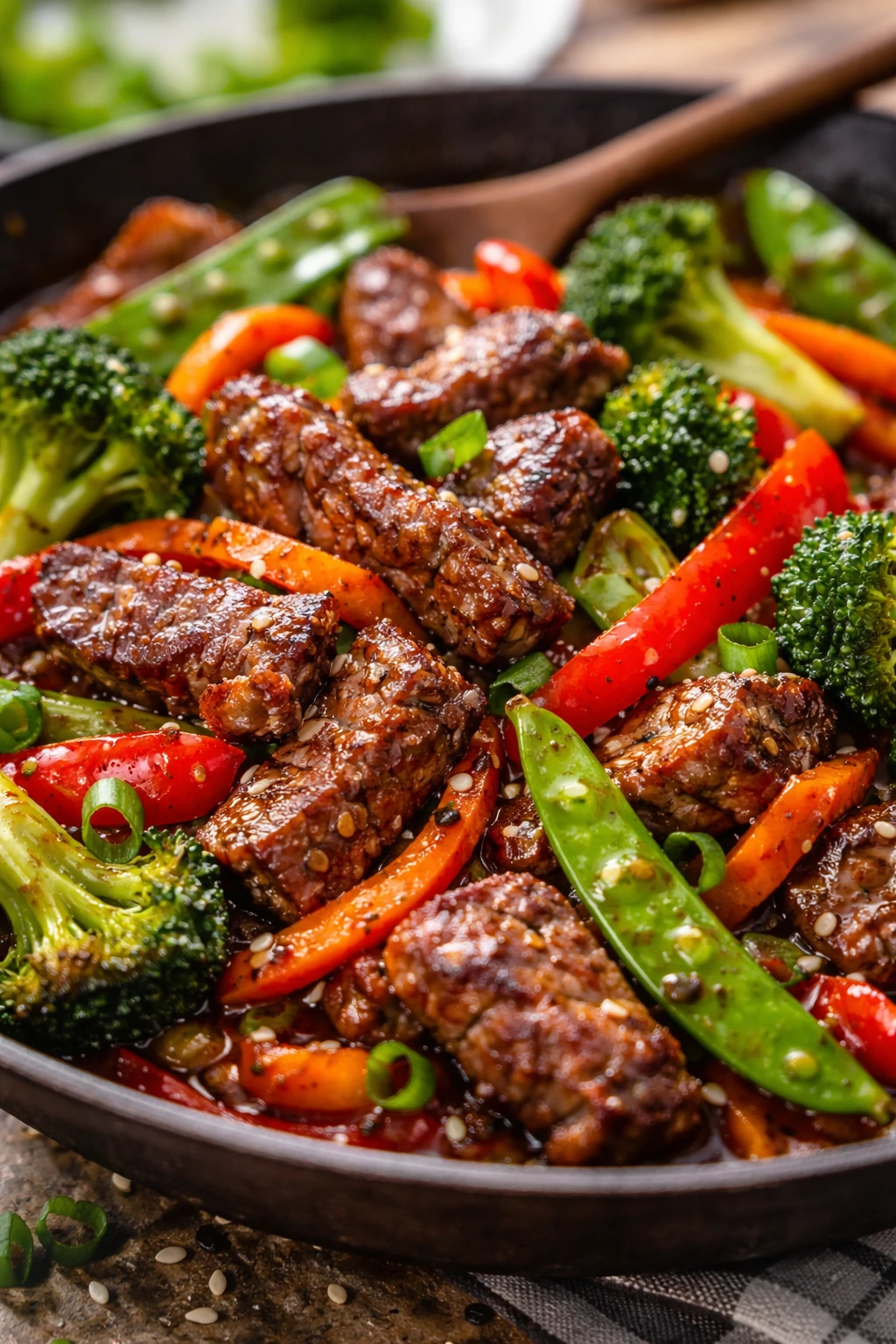
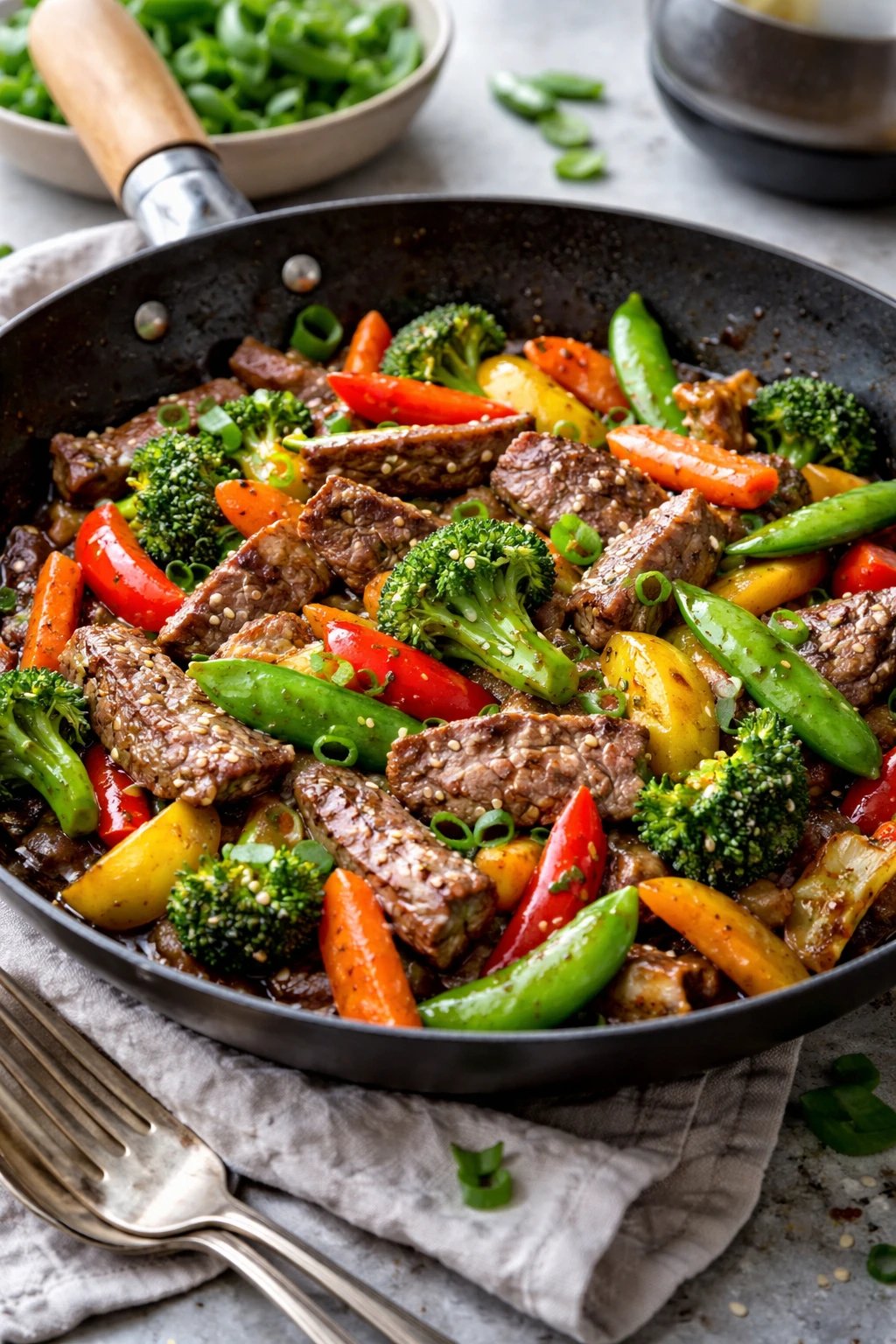
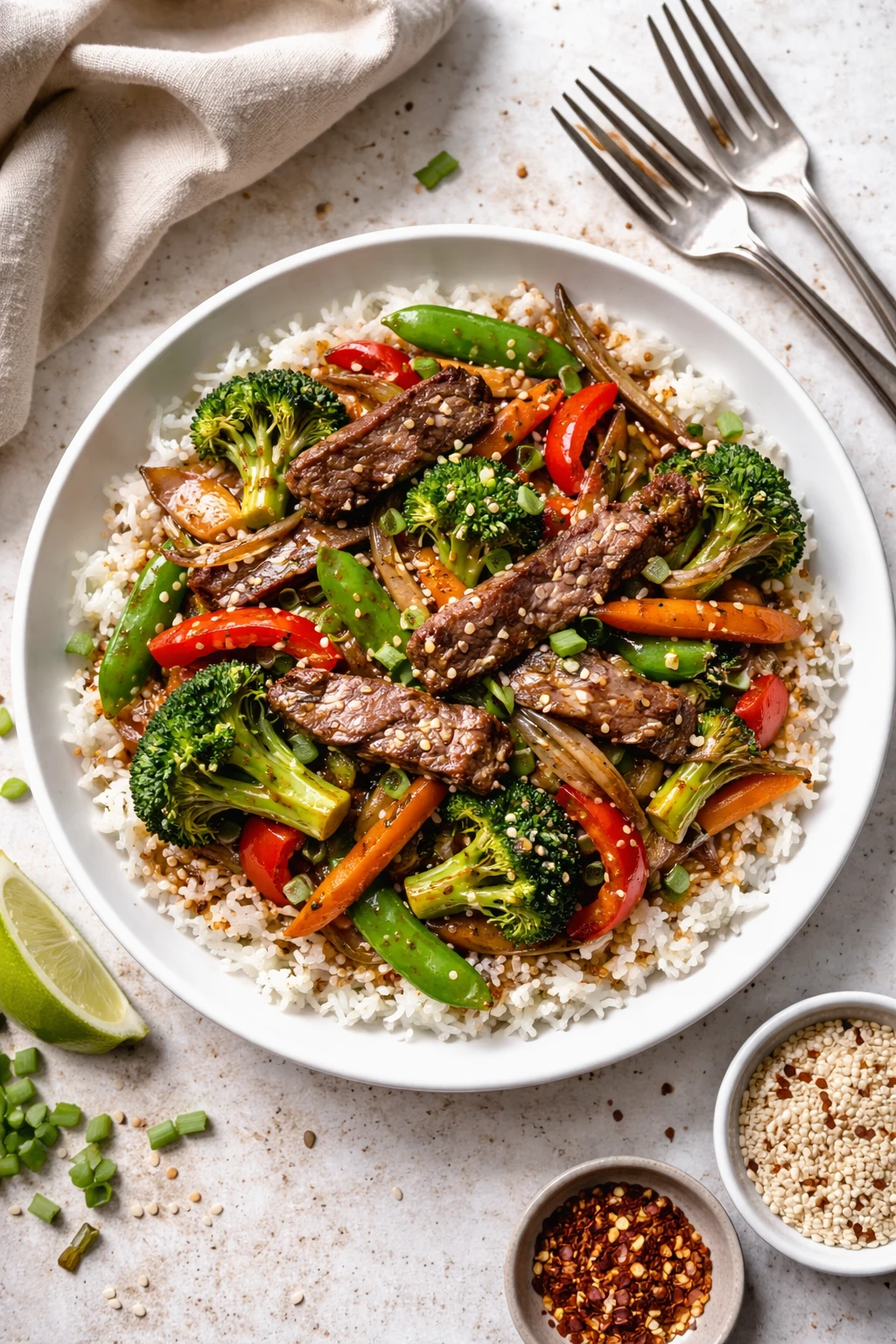
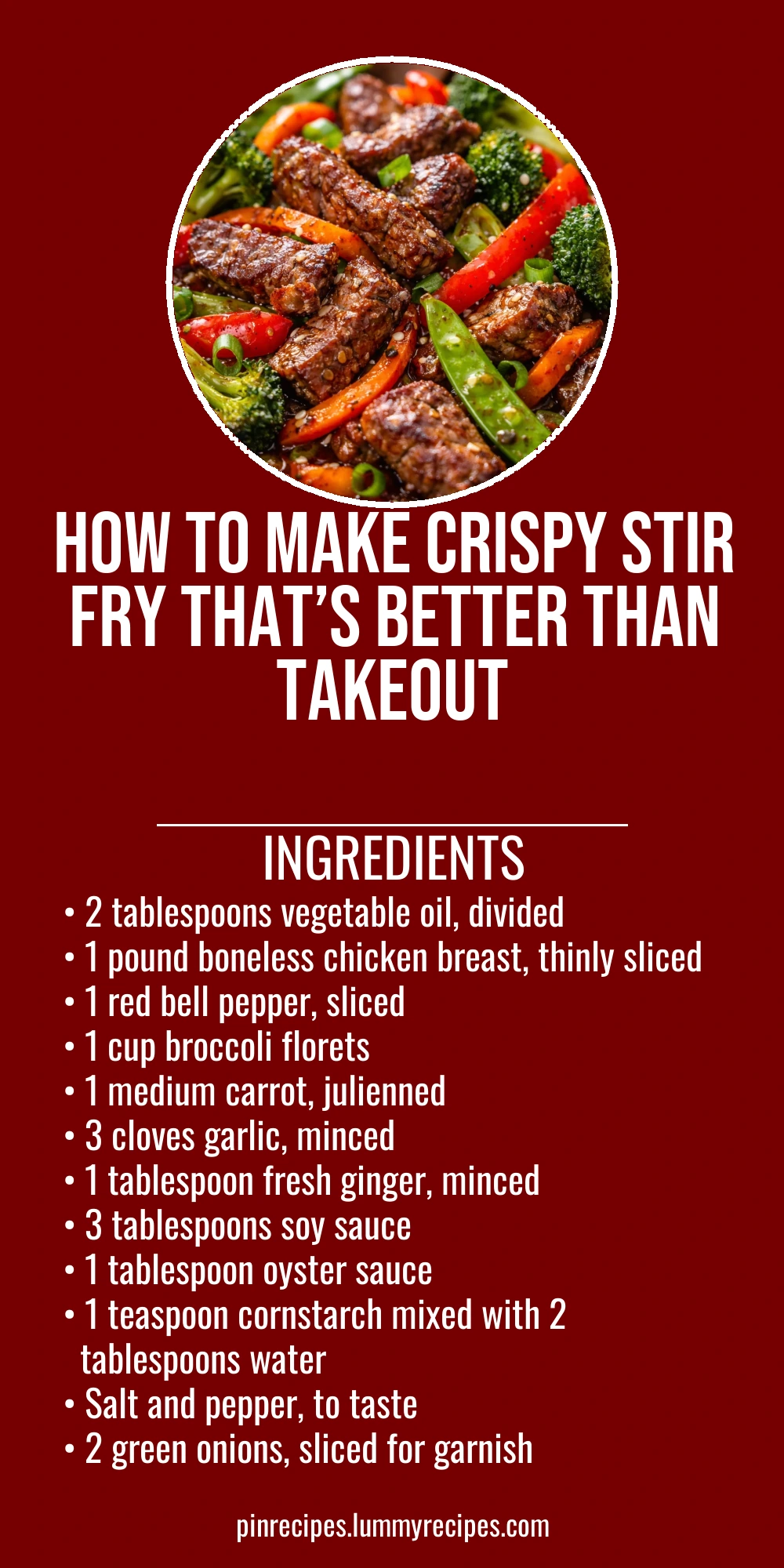
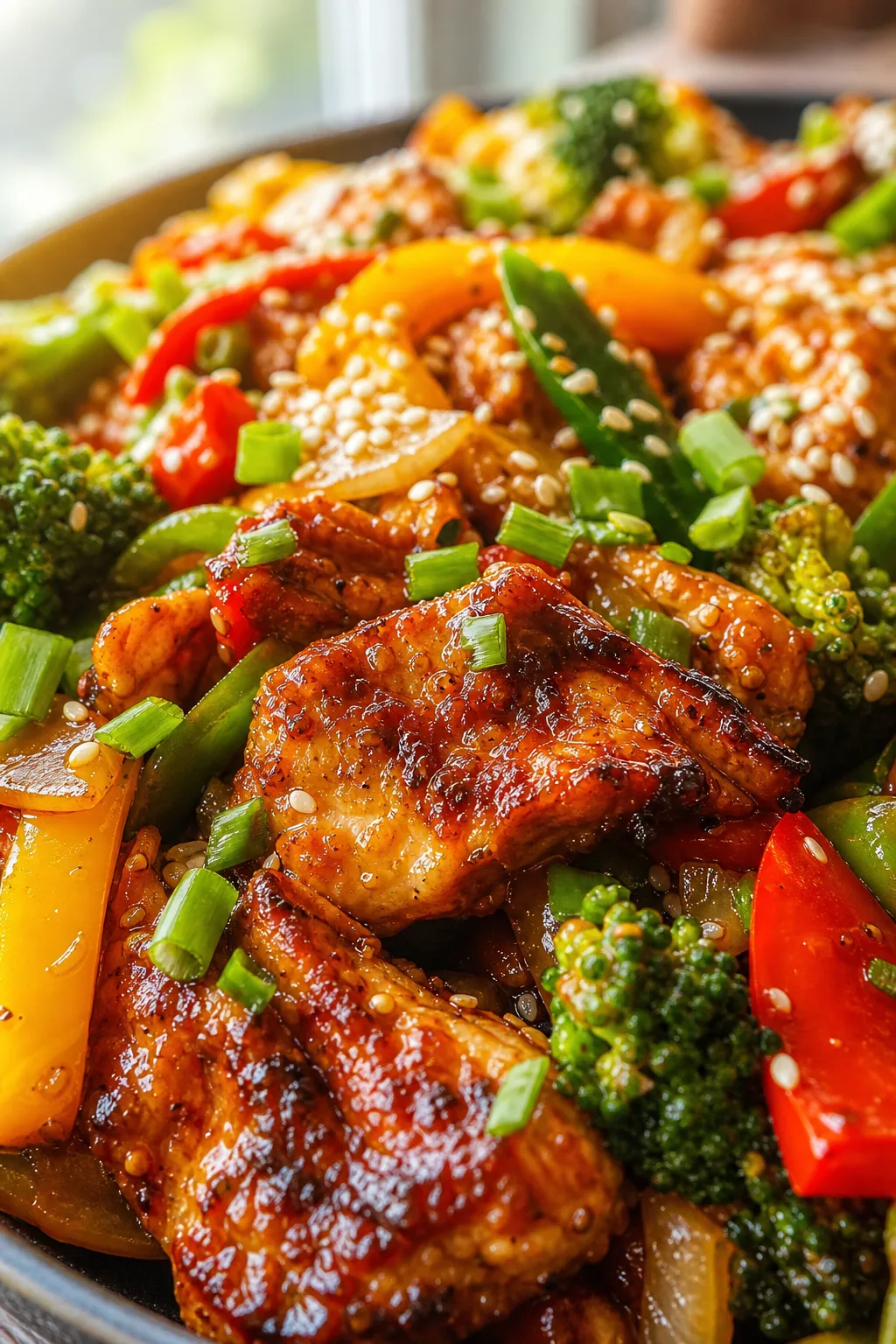
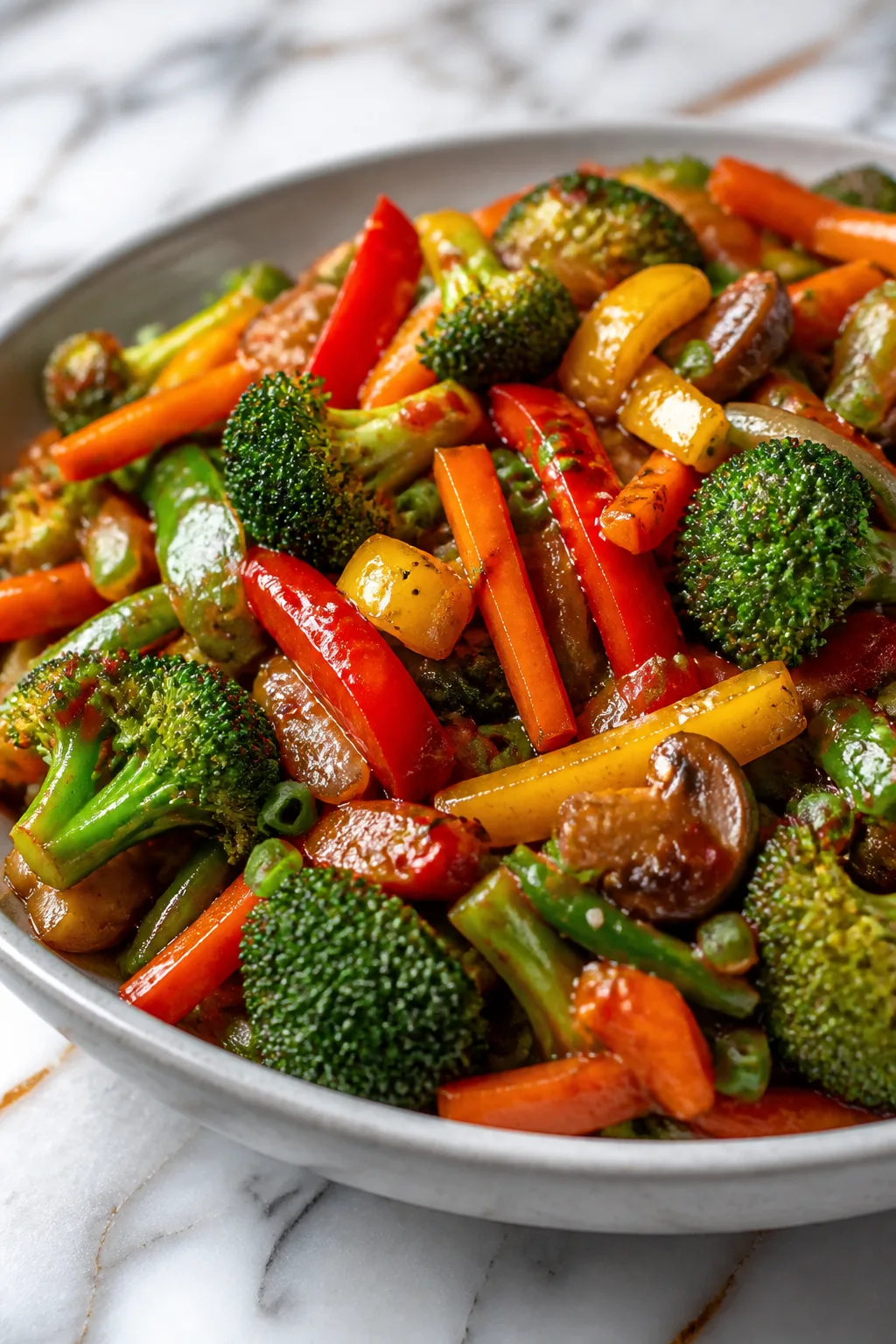
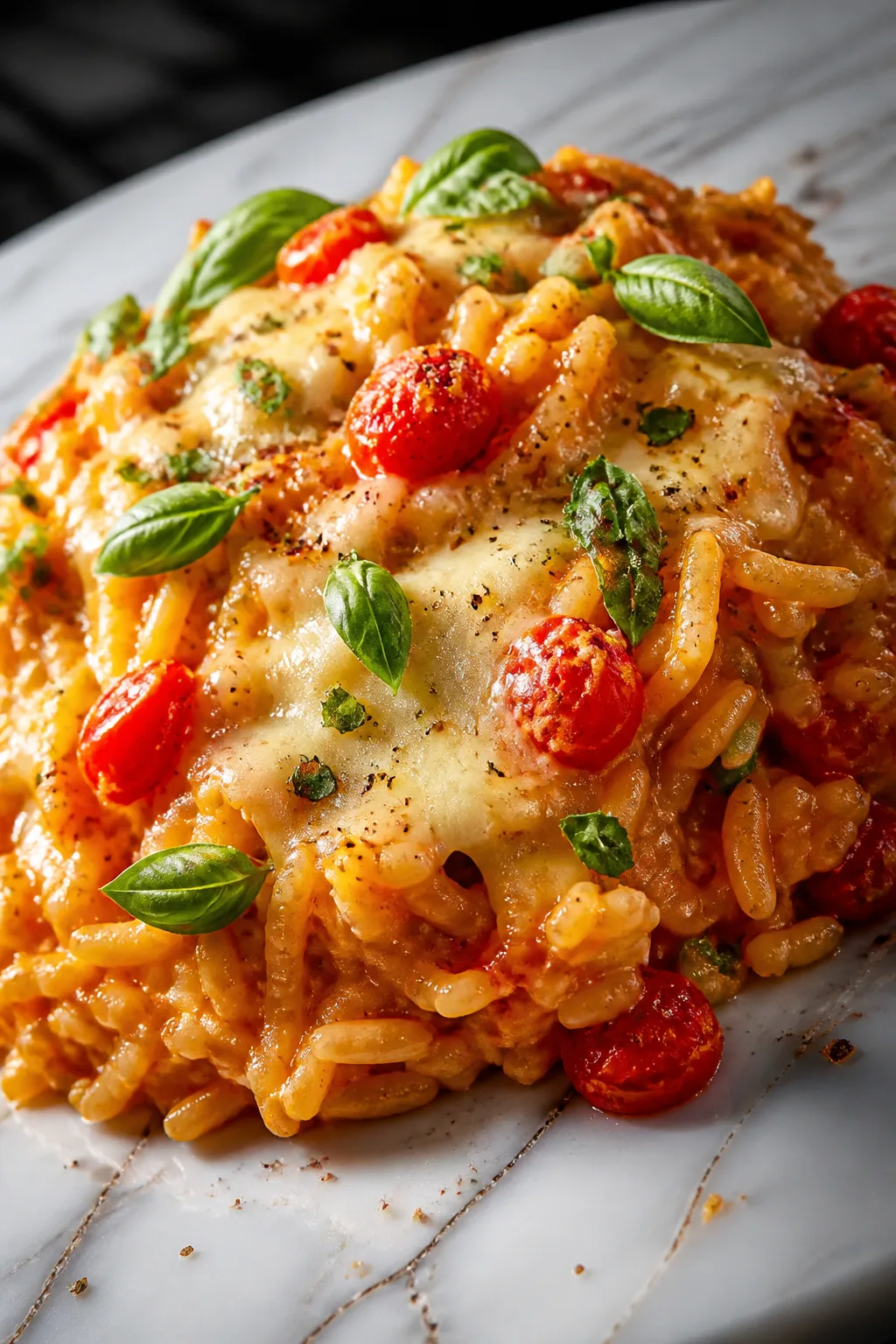
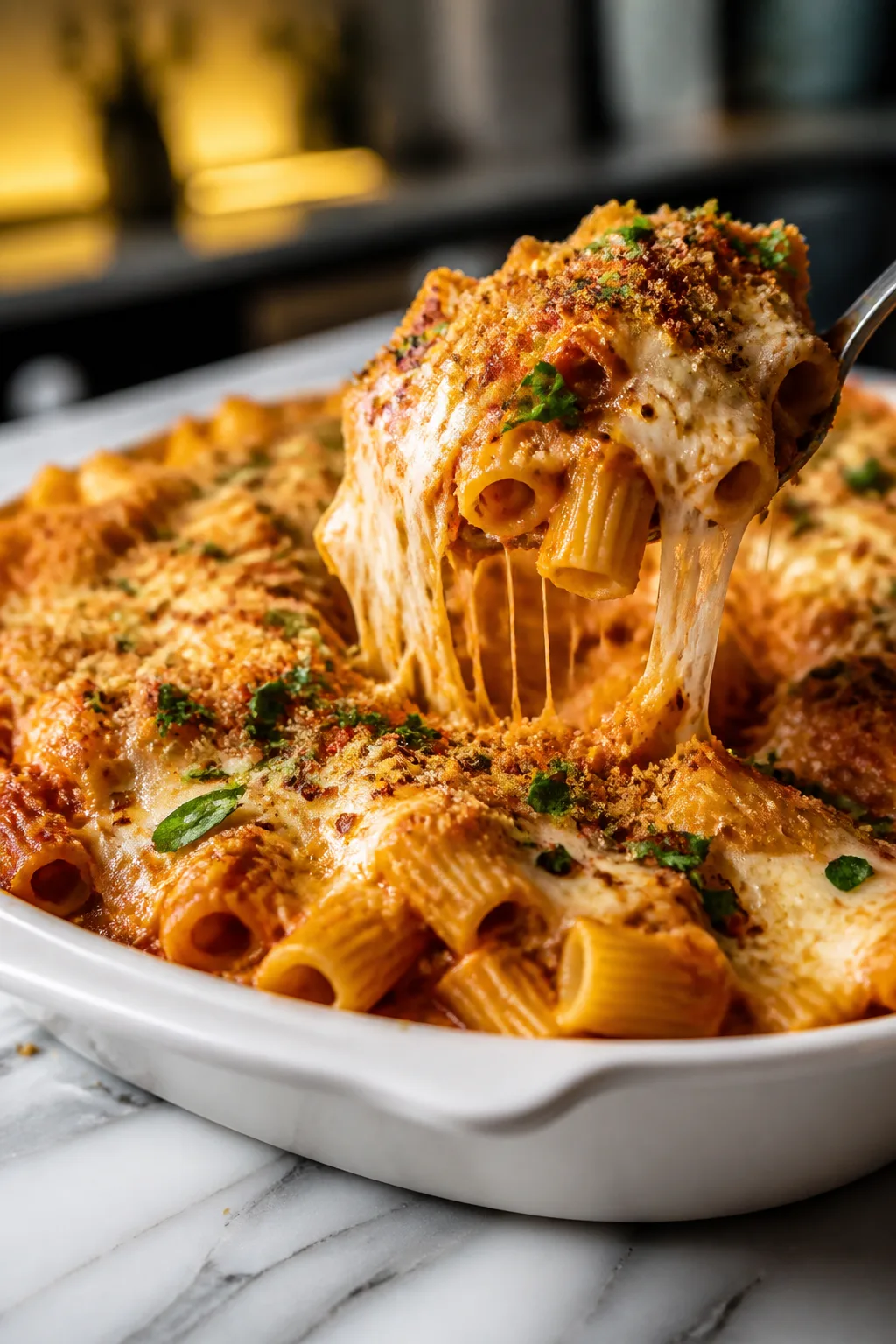
This crispy stir fry is a quick, satisfying dinner with veggies that keep their crunch and meat seared just right. The secret? High heat and minimal stirring. Great for busy weeknights when you want something fresh and flavorful.
Introduction
I first stumbled upon this crispy stir fry recipe when I was craving something quick but satisfying after a long day. Most stir fries I tried ended up soggy or overcooked, so I experimented until I found the perfect balance of high heat and minimal stirring. What makes this version stand out is the quick sear on the chicken and the way the veggies stay crisp without getting mushy. I learned that cooking in batches and using a really hot pan are game changers. The garlic and ginger add a fresh zing, while the cornstarch slurry thickens the sauce just right. When it’s done, you get tender chicken with a nice crust and bright, crunchy vegetables that make each bite exciting. It’s become a staple in my weeknight dinner rotation because it’s fast, flavorful, and feels like a little treat. Plus, it’s super flexible—you can swap in your favorite veggies or protein. I hope you love it as much as my family does!
How To Do It
Step 1
Heat 1 tablespoon of vegetable oil in a large wok or skillet over high heat until shimmering. Add the sliced chicken in a single layer without crowding the pan. Let it sear undisturbed for about 2 minutes to develop a golden crust before stirring. This step is crucial because it locks in juices and creates that desirable crispy texture. Avoid stirring too soon or the chicken will steam instead of sear.
⏱ Time: 3 minutes
✓ Doneness: Chicken pieces turn golden brown on the edges and release easily from the pan.
Step 2
Remove the chicken and set aside. Add the remaining tablespoon of oil to the same pan, then toss in the garlic and ginger. Stir-fry for about 30 seconds until fragrant but not burnt. Immediately add the broccoli, carrot, and bell pepper. Keep the heat high and stir frequently to cook the veggies quickly while preserving their crunch. Rushing or overcrowding the pan can cause steaming, leading to soggy vegetables.
⏱ Time: 5 minutes
✓ Doneness: Veggies are bright in color and slightly tender but still crisp when pierced with a fork.
Step 3
Return the chicken to the pan and pour in the soy sauce and oyster sauce. Stir everything together to coat evenly. Then, add the cornstarch slurry and stir constantly as the sauce thickens and clings to the ingredients. This step gives the stir fry a glossy finish and helps all the flavors meld beautifully. Don’t skip the slurry or the sauce will be thin and watery.
⏱ Time: 2 minutes
✓ Doneness: Sauce is thickened, shiny, and evenly coats the chicken and vegetables.
Step 4
Taste and adjust seasoning with salt and pepper if needed. Remove from heat and garnish with sliced green onions and sesame seeds if using. Serve immediately over steamed rice or noodles for a complete meal. Waiting too long to serve can cause the veggies to lose their crispness.
⏱ Time: 1 minute
✓ Doneness: Dish is hot, flavorful, and garnished attractively.
Step 5
For best results, prep all ingredients before heating the pan. Stir frying is a fast process, so having everything ready ensures nothing overcooks or burns. Use a sharp knife for even slicing, which helps ingredients cook uniformly. Also, avoid overcrowding the pan by cooking in batches if necessary to maintain high heat and crisp textures.
⏱ Time: Preparation advice
✓ Doneness: Efficient workflow and even cooking.
Step 6
If you want to add a bit of heat, toss in some sliced chili peppers or a dash of chili flakes when cooking the garlic and ginger. This adds a subtle kick without overpowering the other flavors. Adjust spice levels to your preference and be cautious not to burn the chilies as it can make the dish bitter.
⏱ Time: Optional step
✓ Doneness: Balanced spicy aroma without bitterness.
Step 7
To keep the veggies vibrant and crisp, avoid overcooking. Stir fry on high heat just until they are tender-crisp. This technique preserves nutrients and gives you that satisfying crunch. If you prefer softer veggies, cook a minute or two longer but watch closely to avoid mushiness.
⏱ Time: Cooking technique tip
✓ Doneness: Colorful, firm vegetables with slight bite.
Step 8
For a vegetarian version, swap the chicken for firm tofu. Press the tofu to remove excess moisture, then cut into cubes and pan-fry until golden before adding the veggies. This step helps tofu develop a crispy exterior that holds up well in the stir fry.
⏱ Time: Adaptation advice
✓ Doneness: Tofu cubes are golden and firm.
Step 9
Serve your stir fry piping hot right after cooking to enjoy the best texture and flavor. Pair it with steamed jasmine rice or noodles. Leftovers can be reheated gently but expect the veggies to soften over time.
⏱ Time: Serving advice
✓ Doneness: Freshly cooked aroma and crisp textures.
Pro Tips
Always preheat your pan until very hot before adding oil or ingredients.
A properly preheated pan ensures immediate searing, which locks in moisture and creates a crispy texture. Adding ingredients too early when the pan is not hot enough causes sticking and steaming instead of frying.
Cook in batches if your pan is small to avoid overcrowding.
Overcrowding lowers the pan temperature and causes ingredients to steam rather than fry, resulting in soggy textures. Cooking in smaller batches keeps the pan hot and ingredients crisp.
Use a sharp knife to slice ingredients uniformly.
Even slicing ensures that all pieces cook at the same rate, preventing some from being overdone while others are undercooked. It also improves presentation and texture consistency.
Add the cornstarch slurry at the end of cooking while stirring constantly.
Adding it too early can cause the starch to break down and the sauce to become thin again. Stirring helps distribute the slurry evenly, thickening the sauce to a glossy, clingy consistency.
Use fresh garlic and ginger for the best flavor punch.
Fresh aromatics release essential oils and flavors that dried powders can’t match. They brighten the dish and balance the savory sauces, elevating the overall taste.
Serve the stir fry immediately after cooking.
Stir fry textures are best when fresh; letting it sit causes veggies to soften and lose their crunch. Immediate serving preserves the vibrant colors and crisp textures.
Garnish with green onions and sesame seeds for texture and visual appeal.
These garnishes add a fresh bite and subtle nutty flavor, enhancing both the taste and look of the dish, making it more inviting and restaurant-quality.
Common Mistakes to Avoid
Overcrowding the pan
Why it happens It’s tempting to throw everything in at once to save time, but this causes the pan temperature to drop.
Fix Cook ingredients in batches to keep the heat high. This prevents steaming and helps maintain crisp textures.
Adding sauce too early
Why it happens Some cooks add sauce at the start to save steps, but this can make the dish watery.
Fix Add sauces near the end with the cornstarch slurry to thicken and coat ingredients properly.
Not prepping ingredients beforehand
Why it happens Stir frying is fast, so if ingredients aren’t ready, you risk overcooking or burning.
Fix Chop and measure everything before heating the pan to ensure smooth cooking.
Using low heat
Why it happens Low heat can be easier to manage but results in soggy, steamed food.
Fix Use high heat and a suitable oil to get that perfect sear and crispness.
Skipping the resting time for chicken
Why it happens Some skip resting the seared chicken before adding back to the pan, leading to uneven cooking.
Fix Remove chicken after searing and add back only when veggies are nearly done to prevent overcooking.
Variations
Vegetarian Crispy Stir Fry
Swap the chicken for firm tofu or tempeh. Press tofu to remove excess moisture and pan-fry until golden before adding veggies. This keeps the protein crispy and flavorful without meat.
Note: Pressing tofu is key to prevent sogginess; cook on medium-high heat for a golden crust.
Spicy Crispy Stir Fry
Add fresh sliced chilies or a teaspoon of chili garlic sauce when cooking the aromatics. This adds a nice heat that complements the savory sauce. Adjust spice level to taste.
Note: Be careful not to burn chilies; add them early with garlic and ginger for balanced flavor.
Shrimp and Veggie Stir Fry
Replace chicken with peeled shrimp for a seafood twist. Shrimp cooks quickly, so add it last and cook just until pink to avoid rubberiness.
Note: Shrimp should be cooked on high heat for 2-3 minutes to maintain tenderness.
Gluten-Free Stir Fry
Use tamari or coconut aminos instead of soy sauce and ensure oyster sauce is gluten-free. This keeps the dish safe for gluten-sensitive diets without sacrificing flavor.
Note: Check labels carefully; gluten-free alternatives may have different salt levels.
Nutty Sesame Stir Fry
Add a tablespoon of toasted sesame oil at the end of cooking and sprinkle with chopped toasted peanuts or cashews for extra crunch and flavor.
Note: Sesame oil should be added off heat to preserve its aroma.
Nutrition
Per Serving:
Nutritional values are estimates and may vary based on specific ingredients used.
Storage & Tips
Room Temperature
Keep the stir fry covered at room temperature for up to 2 hours. Beyond that, bacteria growth increases, so it’s best to refrigerate promptly.
Refrigerator
Store leftovers in an airtight container for up to 3 days. The veggies may soften, so reheat gently in a skillet or microwave with a splash of water to refresh the texture.
Freezer
Freeze in a sealed container for up to 1 month. To prevent freezer burn, wrap the container in foil or use a vacuum seal. Thaw overnight in the fridge before reheating.
Reheating
Reheat on medium heat in a skillet with a splash of water or broth to loosen the sauce. Avoid overheating to prevent drying out the chicken and overcooking the veggies.
Make Ahead
Chop all veggies and slice chicken up to 2 days ahead and store separately. Mix sauces in advance. Assemble and cook fresh for best texture and flavor.
FAQ
Can I use frozen vegetables in this stir fry?
Yes, but frozen veggies tend to release more water, which can make the stir fry less crispy. To minimize this, thaw and drain them well before cooking, and cook over higher heat to evaporate excess moisture quickly.
What’s the best way to keep the chicken tender and juicy?
Sear the chicken quickly over high heat without overcrowding, then remove it from the pan while you cook the veggies. Adding it back at the end prevents overcooking and keeps it juicy with a nice crispy edge.
Can I make this stir fry vegan?
Absolutely! Replace chicken with firm tofu or tempeh, and swap oyster sauce for a vegan alternative like mushroom sauce or extra soy sauce. Press tofu well to get a crispy texture.
How do I prevent the veggies from getting soggy?
Cook veggies quickly over high heat and avoid overcrowding the pan. Stir frequently but not constantly, and remove them as soon as they’re tender-crisp to maintain their crunch.
Is it okay to use olive oil instead of vegetable oil?
Olive oil has a lower smoke point and stronger flavor, which can burn at high stir fry temperatures. It’s better to use neutral oils with high smoke points to get that crisp sear without off-flavors.
Can I prepare the sauce ahead of time?
Yes, mixing soy sauce, oyster sauce, and cornstarch slurry ahead saves time. Just keep the slurry separate until cooking to prevent it from thickening prematurely.
What’s a good side dish to serve with this stir fry?
Steamed jasmine rice or noodles work perfectly to soak up the flavorful sauce. You can also serve with a simple cucumber salad for a refreshing contrast.
How do I reheat leftovers without losing texture?
Reheat gently in a skillet over medium heat with a splash of water or broth. Avoid microwaving too long as it can make veggies mushy and chicken dry.
Final Thoughts
I hope you give this crispy stir fry a try soon—it’s a quick, tasty way to enjoy a homemade meal any night. Don’t forget to share how it turns out!