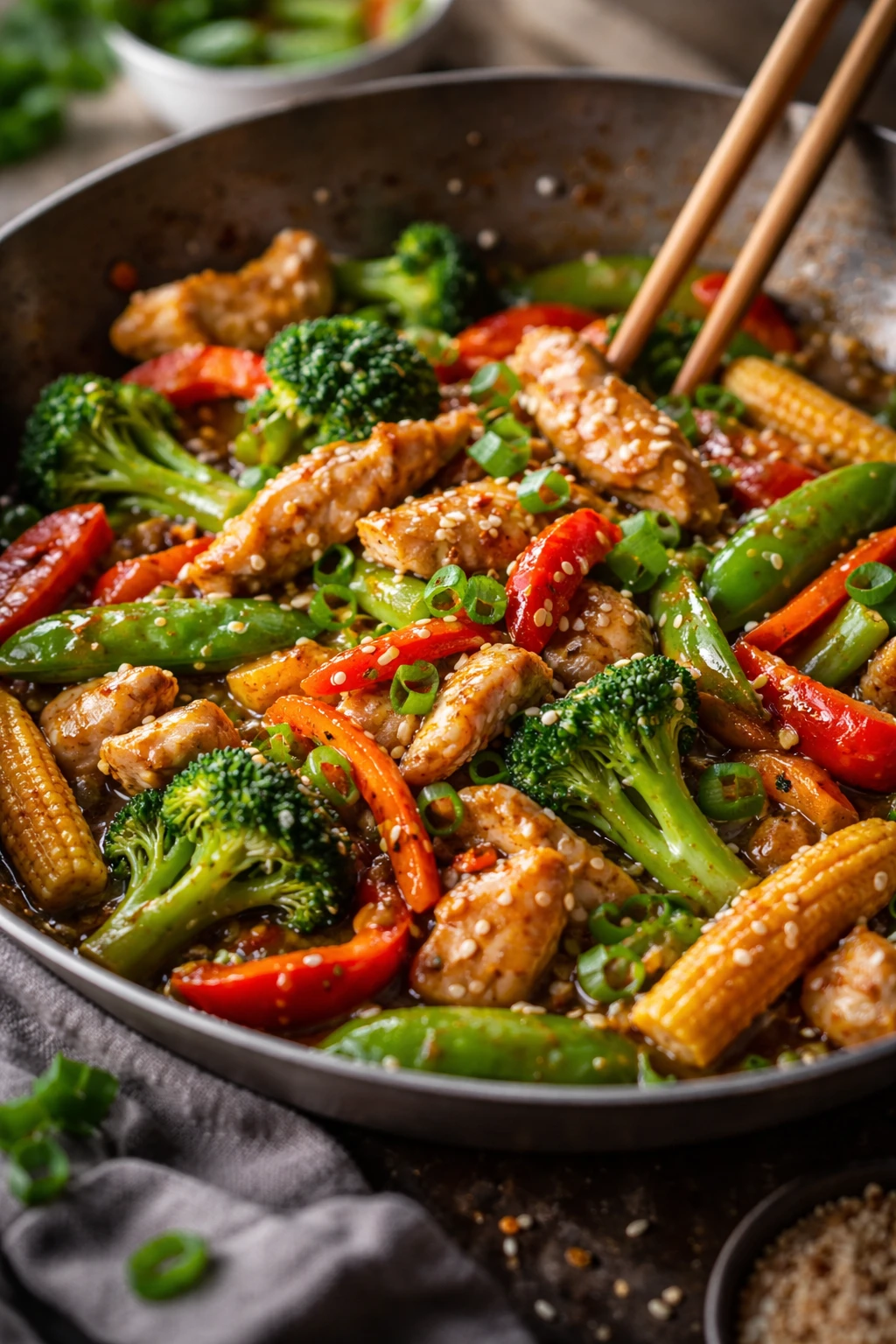
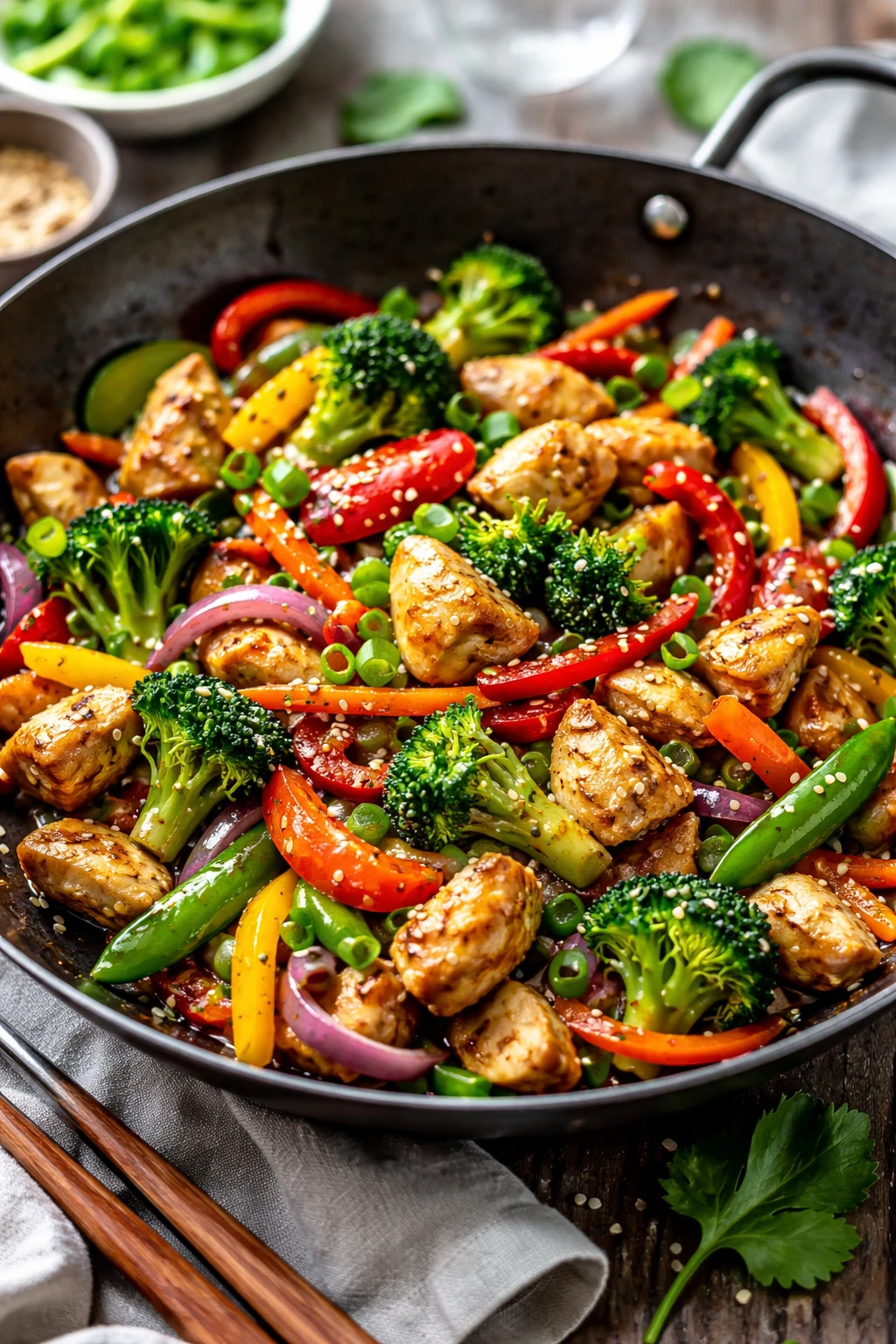
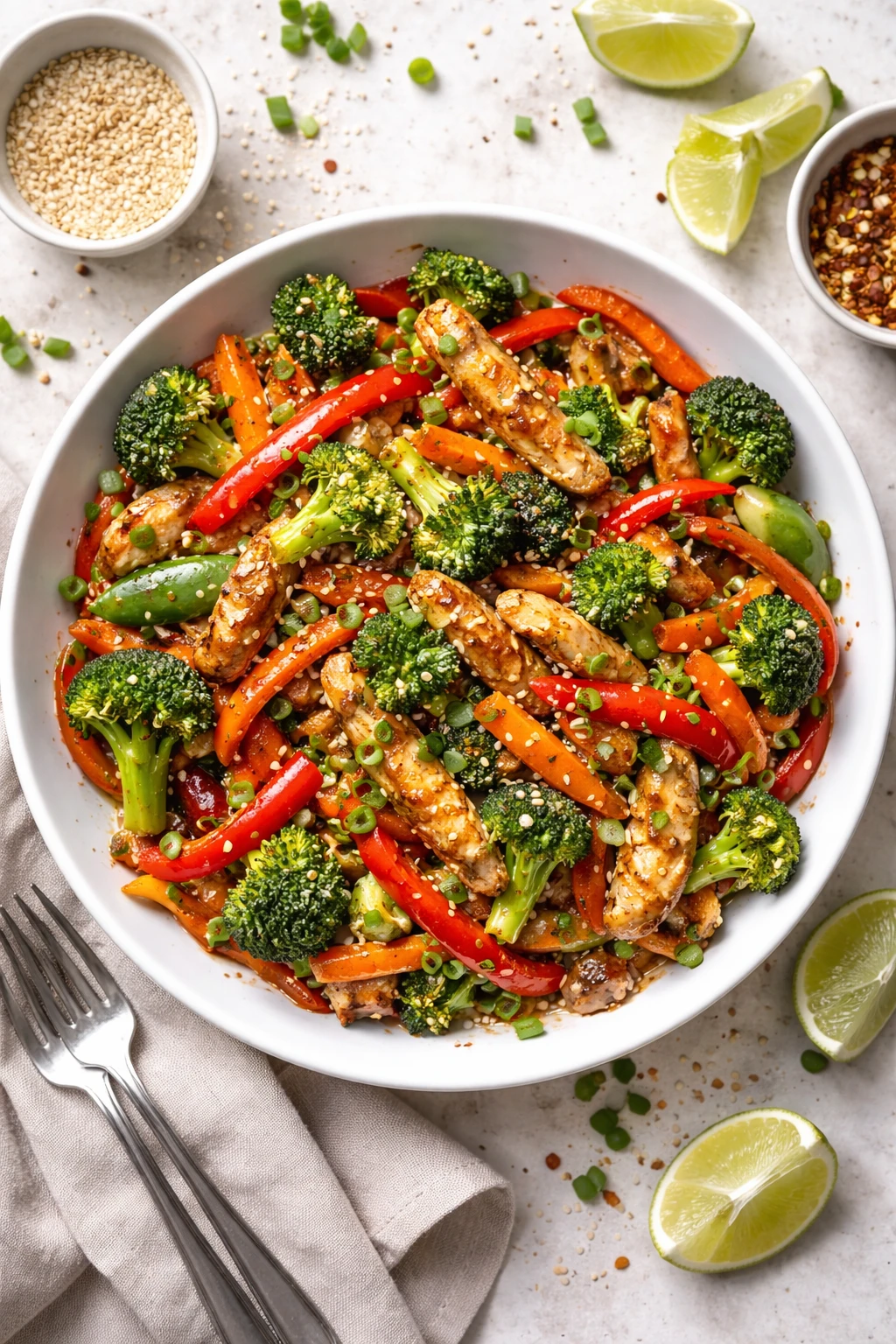
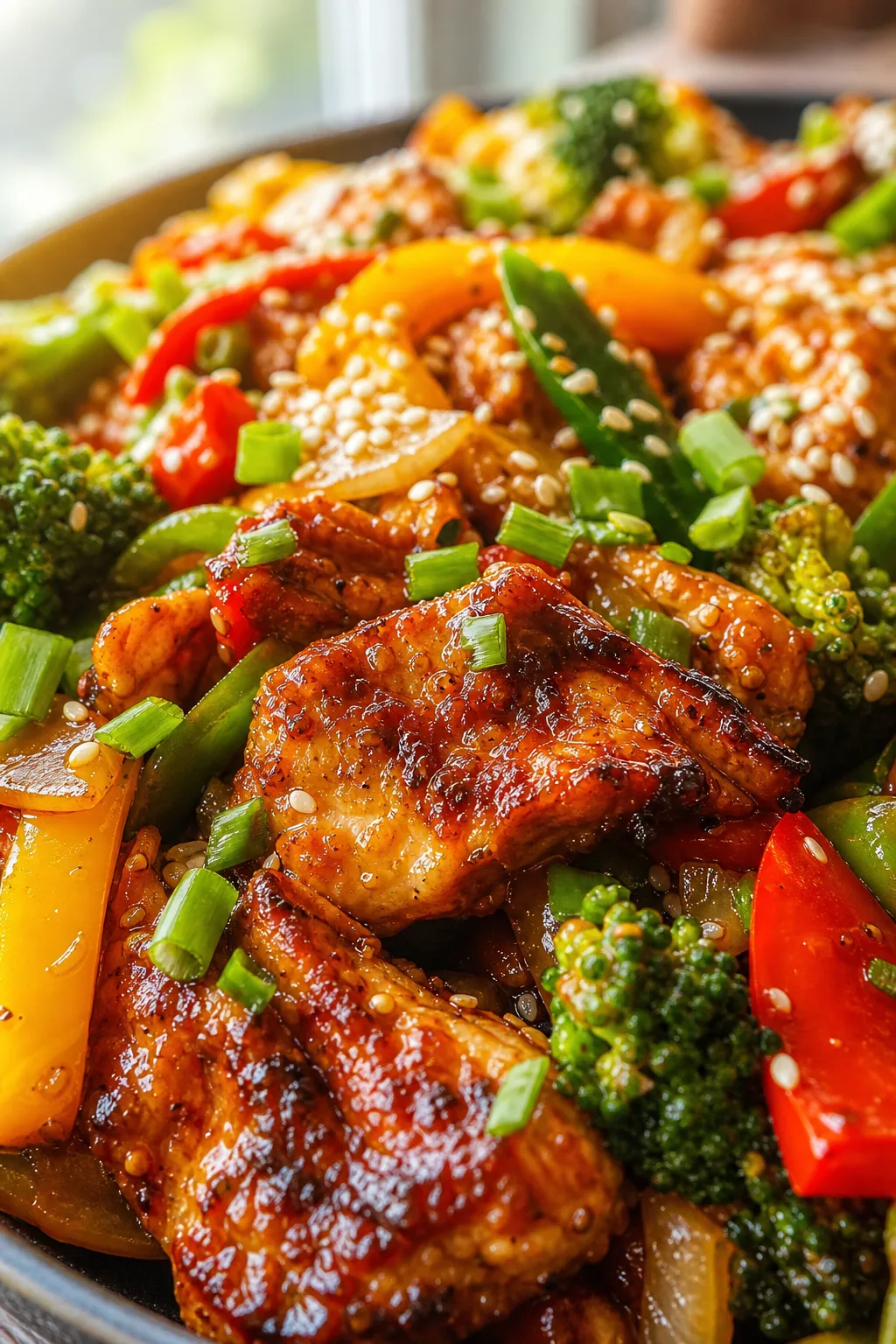
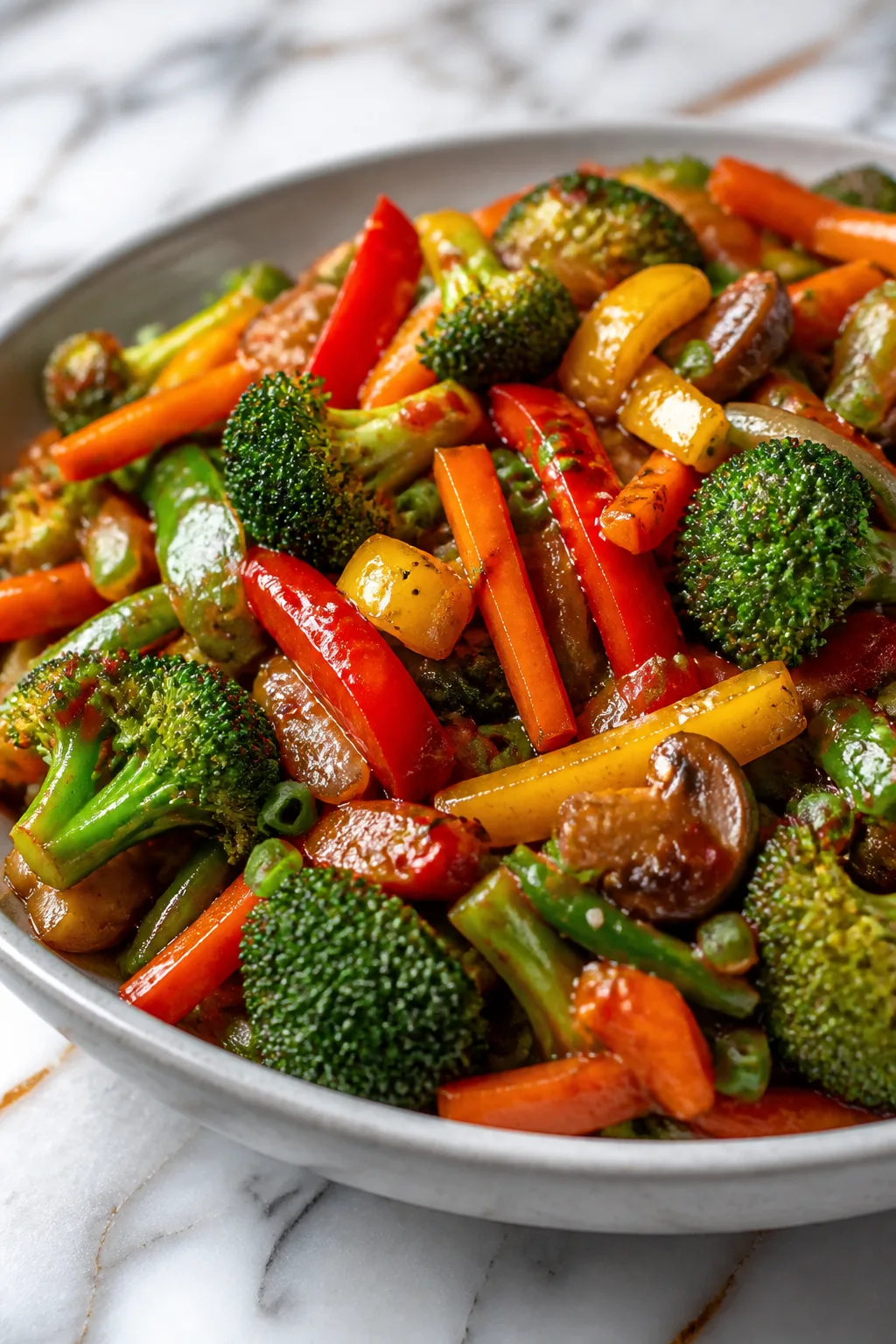
This crunchy stir fry is a colorful mix of fresh veggies and tender protein, tossed in a savory sauce that’s just right. The secret? A quick, high-heat sear that keeps everything crisp and vibrant. Great for a fast weeknight dinner!
Introduction
I first stumbled upon this crunchy stir fry recipe during a hectic week when I needed something quick but still satisfying. What makes this version stand out is the way I handle the veggies and protein separately, cooking each over high heat to lock in that fresh crunch and juicy tenderness. I’ve tried tossing everything together at once before, but that usually left the veggies soggy and the chicken overcooked. The trick I learned? Stir fry in batches and add the sauce at the very end to coat everything lightly without steaming it. The final dish is vibrant with color and texture—bright, crisp veggies paired with tender chicken and a flavorful, glossy sauce. It’s perfect for busy weeknights when you want a wholesome meal on the table fast. Plus, it’s flexible—swap out the chicken for tofu or shrimp, and you’ve got a whole new meal. I love how this recipe feels fresh and homey, not like something from a takeout box, and it’s always a hit with my family. Give it a try, and I bet you’ll keep coming back to this one too!
How To Do It
Step 1
Heat 1 tablespoon of vegetable oil in a large wok or skillet over high heat until shimmering but not smoking. Add the sliced chicken breast in a single layer, letting it sear undisturbed for about 2 minutes to develop a golden crust. Then stir-fry for another 2-3 minutes until cooked through but still juicy. Avoid overcrowding the pan to ensure the chicken browns instead of steams, which is key to keeping it tender with a nice texture.
⏱ Time: 5 minutes
✓ Doneness: Chicken pieces are golden on the outside and no longer pink inside
Step 2
Remove the chicken from the pan and set aside. Add the remaining 1 tablespoon of oil to the hot pan. Toss in the minced garlic and ginger, stirring quickly for 20-30 seconds until fragrant but not burnt. Then add the broccoli florets, carrot, snap peas, and red bell pepper. Stir-fry over high heat for 3-4 minutes, stirring constantly to keep the veggies crisp-tender. Cooking the veggies separately ensures they maintain their bright color and crunch, which is what makes this stir fry so satisfying.
⏱ Time: 5 minutes
✓ Doneness: Veggies are bright, slightly tender but still crisp when bitten
Step 3
Return the cooked chicken to the pan with the veggies. Pour in the soy sauce and oyster sauce, stirring quickly to coat everything evenly. Then add the cornstarch slurry and stir continuously to thicken the sauce slightly, about 1-2 minutes. This step creates a glossy coating that clings to the ingredients without making the dish soggy. Be careful not to add too much slurry or cook too long, or the sauce will become gluey.
⏱ Time: 3 minutes
✓ Doneness: Sauce is shiny and slightly thickened, coating all ingredients
Step 4
Drizzle the toasted sesame oil over the stir fry and give it one last quick toss to infuse a subtle nutty aroma. Taste and adjust seasoning with salt and pepper if needed. Remove from heat immediately to preserve the texture and freshness of the dish. The sesame oil adds a finishing layer of flavor that really elevates the whole meal.
⏱ Time: 1 minute
✓ Doneness: Aromatic sesame scent and balanced flavor
Step 5
Transfer the stir fry to a serving platter or individual plates. Sprinkle with chopped green onions and toasted sesame seeds for a fresh crunch and visual appeal. These final garnishes add brightness and a little texture contrast that makes every bite exciting.
⏱ Time: 1 minute
✓ Doneness: Bright green onions and sesame seeds scattered on top
Step 6
Serve immediately with steamed jasmine rice or your favorite noodles. The hot rice soaks up the flavorful sauce perfectly, balancing the crisp veggies and tender meat. Eating it fresh ensures the best texture and taste experience.
⏱ Time: Serve immediately
✓ Doneness: Dish is hot and vibrant on the plate
Step 7
If you want to add a spicy kick, toss in some sliced fresh chili or a dash of chili flakes during step 2 when cooking the veggies. This adds a lively heat that pairs well with the savory sauce. Adjust the amount to your preference.
⏱ Time: Optional
✓ Doneness: Spicy aroma blends with garlic and ginger
Step 8
For a vegetarian version, swap chicken for firm tofu, pressing it well to remove excess moisture before slicing. Cook the tofu in step 1 until golden and crispy on all sides to add texture. The rest of the steps remain the same.
⏱ Time: Optional
✓ Doneness: Tofu is golden and crisp outside, soft inside
Step 9
To keep the stir fry crunchy when reheating leftovers, warm it gently in a skillet over medium heat with a splash of water or broth. Avoid microwaving as it can make the veggies soggy. Stir frequently to heat evenly without overcooking.
⏱ Time: 3-4 minutes
✓ Doneness: Steamed but still crisp veggies and hot chicken
Pro Tips
Make sure your pan is very hot before adding ingredients.
High heat is essential for stir-frying to quickly sear ingredients, locking in moisture and creating a pleasing texture. If the pan isn’t hot enough, food will steam instead of fry, resulting in soggy veggies and rubbery meat.
Don’t overcrowd the pan when cooking chicken or veggies.
Overcrowding traps steam and lowers the pan temperature, preventing proper browning. Cook in batches if necessary to maintain high heat and get that perfect sear and crispness.
Prep all ingredients before you start cooking.
Stir-frying is a fast process, so having everything chopped and ready means you can move quickly without overcooking. This keeps veggies crunchy and chicken tender.
Add sauce last and stir constantly.
Adding sauce at the end prevents veggies from becoming soggy. Stirring constantly while thickening with cornstarch slurry ensures an even, glossy coating without clumps.
Use fresh ginger and garlic for the best flavor.
Fresh aromatics provide a bright, punchy flavor that dried powders can’t match. They also release essential oils quickly at high heat, infusing the dish with depth.
Finish with toasted sesame oil off the heat.
Adding sesame oil at the end preserves its delicate aroma and nutty flavor, which gets lost if cooked too long. It’s a small step that makes a big difference.
Serve immediately for best texture.
Stir fry is best eaten fresh since the veggies lose their crunch as they cool. If reheating, do so gently to preserve texture.
Common Mistakes to Avoid
Overcooking the vegetables
Why it happens Many cooks leave veggies in the pan too long or cook at too low heat, causing them to become mushy and lose their vibrant color.
Fix Cook veggies quickly over high heat, stirring constantly, and remove them from the pan as soon as they turn bright and slightly tender but still crisp.
Crowding the pan
Why it happens Trying to cook all ingredients at once lowers the pan temperature, leading to steaming instead of searing.
Fix Cook chicken and veggies in batches if needed, giving each piece room to brown properly.
Adding sauce too early
Why it happens Sauce added too soon causes veggies to steam and get soggy.
Fix Add sauce only after protein and vegetables are cooked and combine everything quickly, thickening the sauce at the end.
Not prepping ingredients ahead
Why it happens Stir fry cooks fast, so chopping while cooking leads to uneven cooking and overcooked food.
Fix Have all ingredients chopped and ready before turning on the heat.
Using low heat oil
Why it happens Oils with low smoke points burn quickly and ruin flavor.
Fix Use high smoke point oils like vegetable or canola for stir-frying.
Variations
Tofu and Vegetable Crunchy Stir Fry
Replace chicken with firm tofu pressed to remove moisture, cut into cubes, and pan-fried until golden. Keep the veggies the same for a vegetarian-friendly meal with a similar texture and flavor profile.
Note: Press tofu well and cook over medium-high heat until crispy to mimic the texture of chicken.
Shrimp and Snap Pea Stir Fry
Swap chicken for peeled shrimp for a seafood twist. Shrimp cooks faster, so add it last, cooking just until pink and firm. This version is light and perfect for summer nights.
Note: Add shrimp in the final minutes and avoid overcooking to keep it tender.
Spicy Szechuan Style Stir Fry
Add chili paste and Szechuan peppercorns to the sauce for a bold, spicy kick. This variation delivers a numbing heat and complex flavor that’s addictive for spice lovers.
Note: Toast peppercorns lightly before grinding to release aroma.
Gluten-Free Crunchy Stir Fry
Use tamari or coconut aminos instead of soy sauce and check oyster sauce labels for gluten-free options. This keeps the dish safe for gluten-sensitive eaters without sacrificing flavor.
Note: Ensure all sauces and ingredients are certified gluten-free.
Sweet and Sour Crunchy Stir Fry
Add pineapple chunks and a splash of rice vinegar with a touch of honey to the sauce for a sweet and tangy twist. This variation is bright and kid-friendly.
Note: Balance acidity and sweetness carefully to avoid overpowering the dish.
Nutrition
Per Serving:
Nutritional values are estimates and may vary based on specific ingredients used.
Storage & Tips
Room Temperature
Keep stir fry covered and at room temperature for no more than 2 hours to avoid bacterial growth. Best eaten fresh but can be left briefly if serving immediately.
Refrigerator
Store leftovers in an airtight container for up to 3 days. The veggies may soften when cold but can be reheated gently to restore some crunch.
Freezer
Freeze stir fry in a freezer-safe container for up to 2 months. Thaw overnight in the fridge before reheating to maintain texture and flavor.
Reheating
Reheat gently in a skillet over medium heat with a splash of water or broth to prevent drying out. Avoid microwaving to keep veggies from becoming mushy.
Make Ahead
Chop all veggies and slice chicken 1 day ahead, storing separately in airtight containers. Prepare sauce in advance. Cook everything fresh on the day for best texture.
FAQ
Can I use frozen vegetables for this stir fry?
Frozen veggies can be used but tend to release more water, which can make the stir fry soggy. If using frozen, thaw and drain well, then cook quickly over high heat to minimize moisture.
What’s the best way to keep veggies crunchy?
Cook veggies over high heat for a short time, stirring constantly. Avoid covering the pan, which traps steam and softens them. Adding sauce at the end also helps maintain crunch.
Can I make this stir fry vegan?
Yes! Substitute chicken with firm tofu or tempeh and use vegetarian oyster sauce or mushroom sauce. The cooking method stays the same for great texture and flavor.
How do I prevent the sauce from getting too thick?
Add cornstarch slurry gradually and stir constantly while cooking. Remove from heat once the sauce coats the ingredients lightly. Overcooking thickens it too much and can make it gluey.
What rice pairs best with this stir fry?
Steamed jasmine or basmati rice are great choices as they’re fluffy and fragrant, soaking up the sauce nicely without overpowering the dish.
Can I prep this recipe ahead of time?
You can chop veggies and slice chicken a day ahead, but cook everything fresh for best texture. Sauces can be made in advance and stored separately.
What oil is best for stir-frying?
Use oils with high smoke points like vegetable, canola, or peanut oil. They withstand high heat without burning, which is essential for proper stir-frying.
How do I add more flavor without adding salt?
Use fresh aromatics like garlic and ginger, a splash of rice vinegar, or a bit of chili for heat. Toasted sesame oil at the end also boosts flavor without extra salt.
Final Thoughts
I hope you enjoy making this crunchy stir fry as much as I do! It’s a reliable, tasty meal that’s quick to whip up and always satisfying. Don’t forget to share how it turns out!