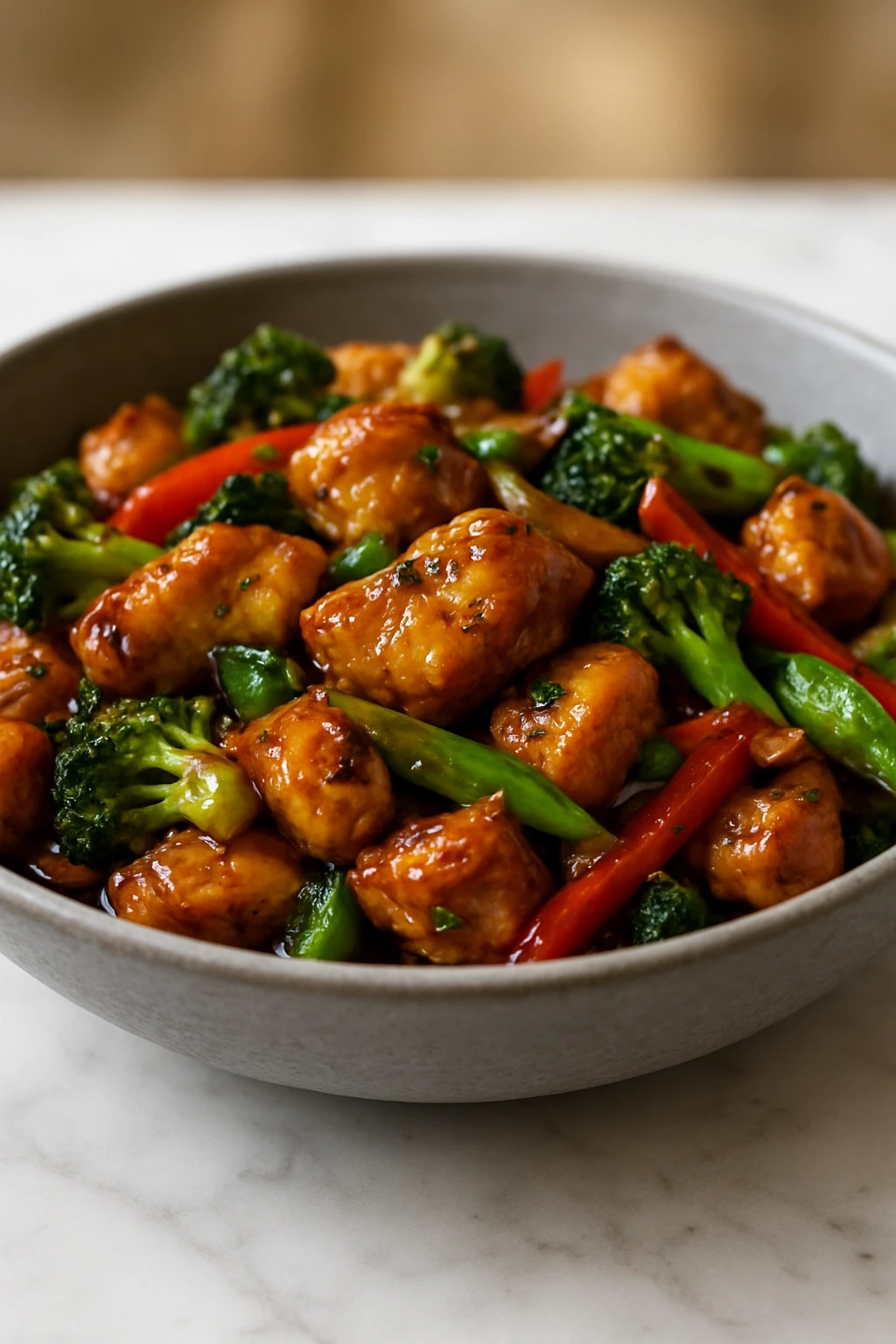
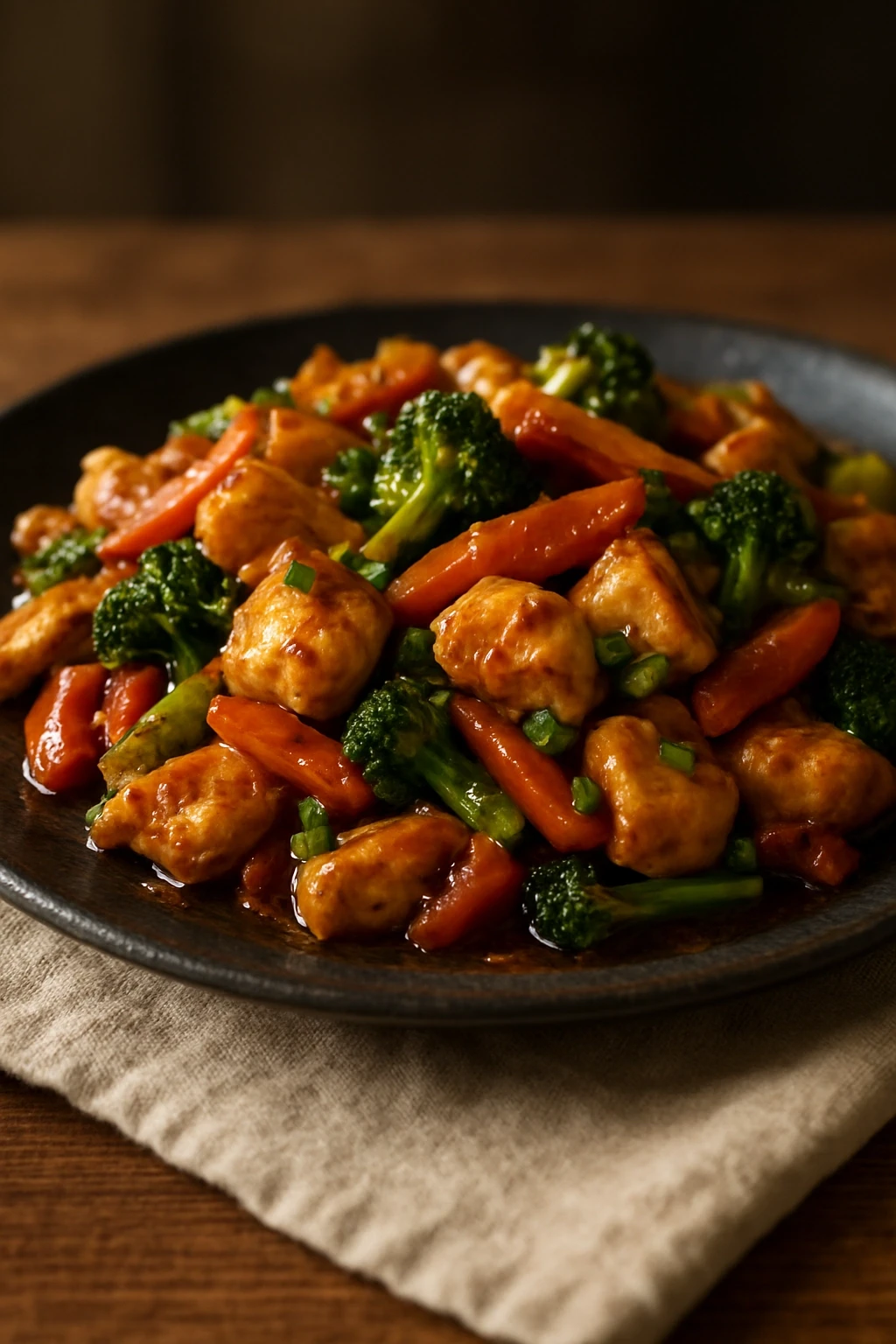
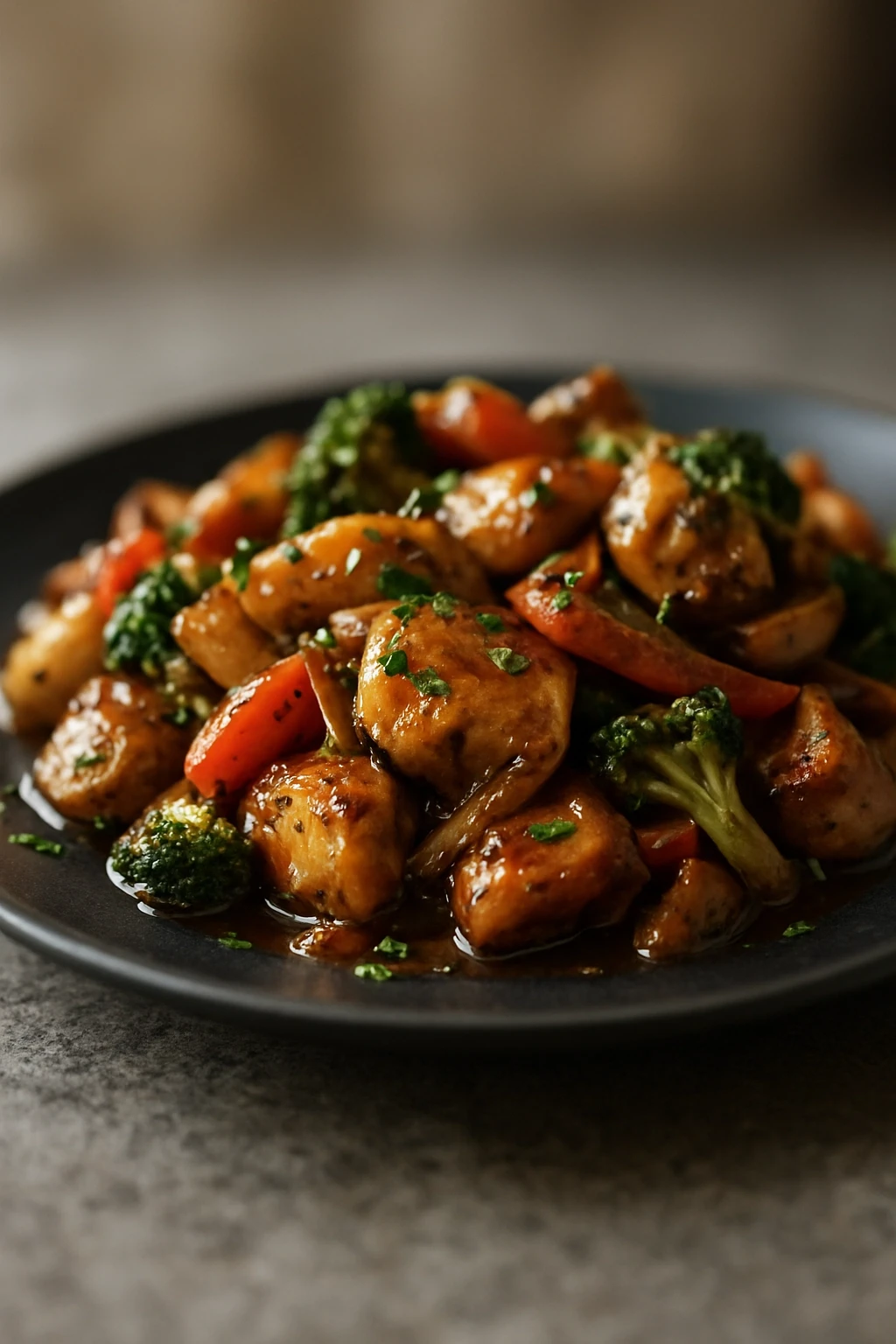
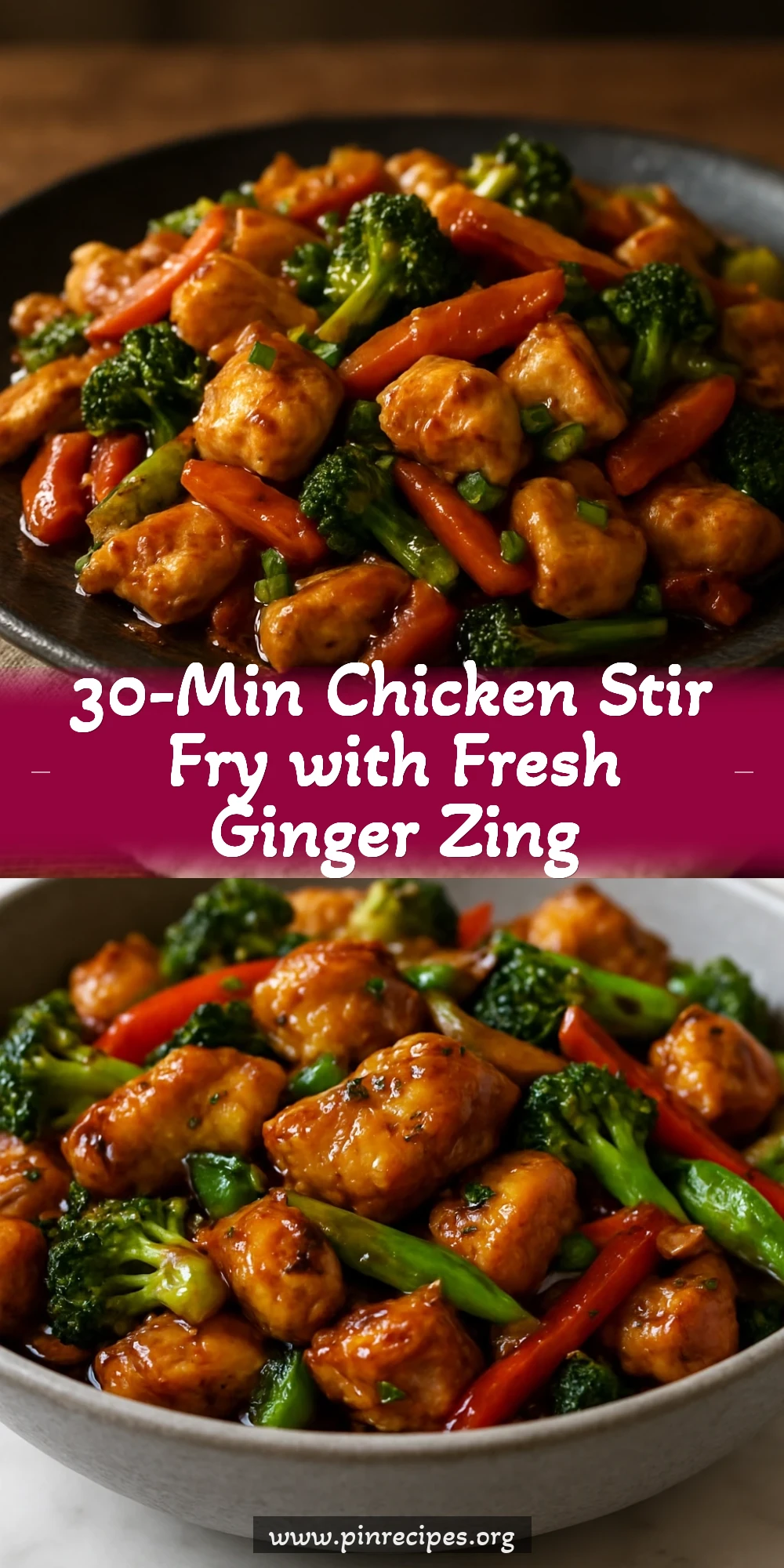
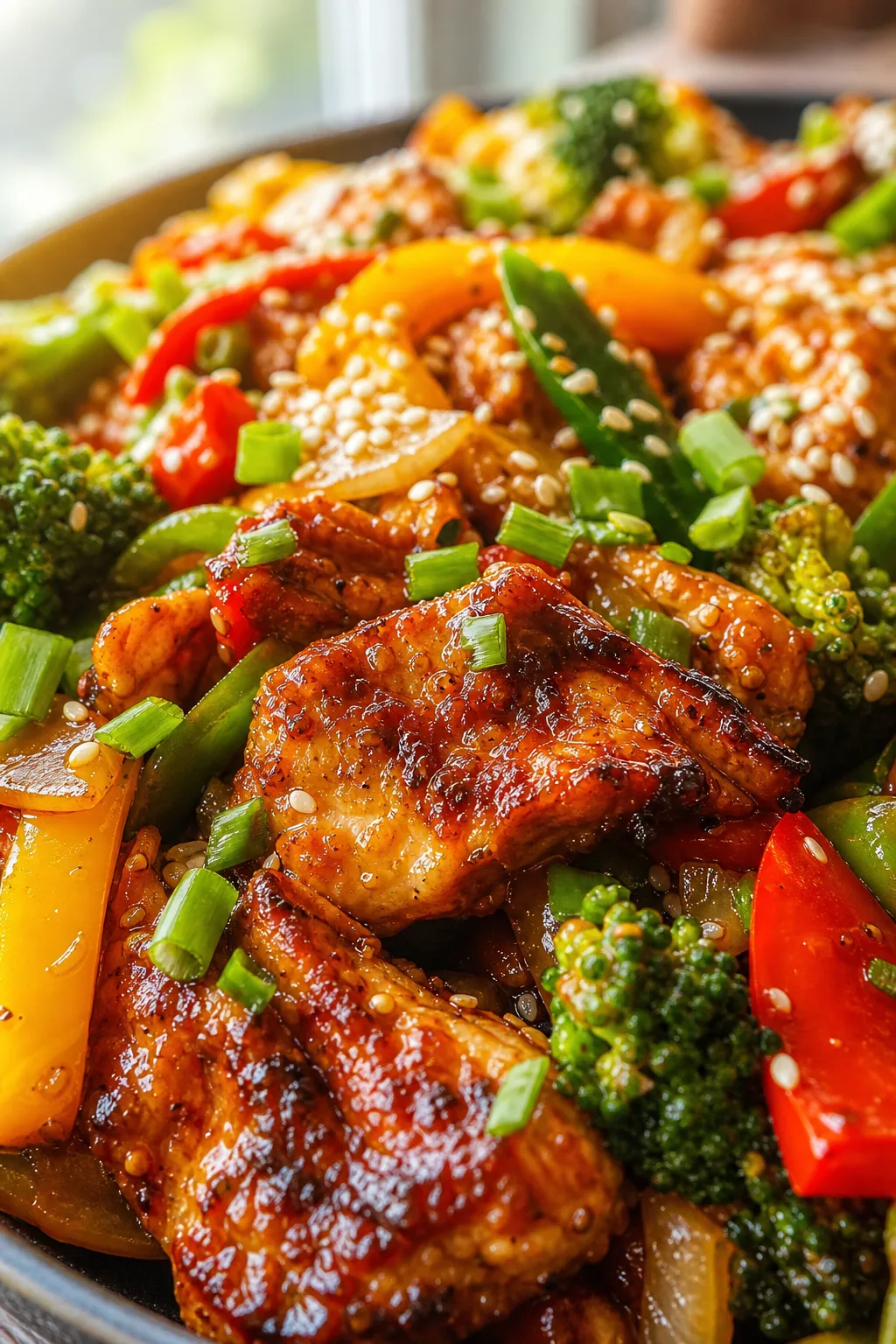
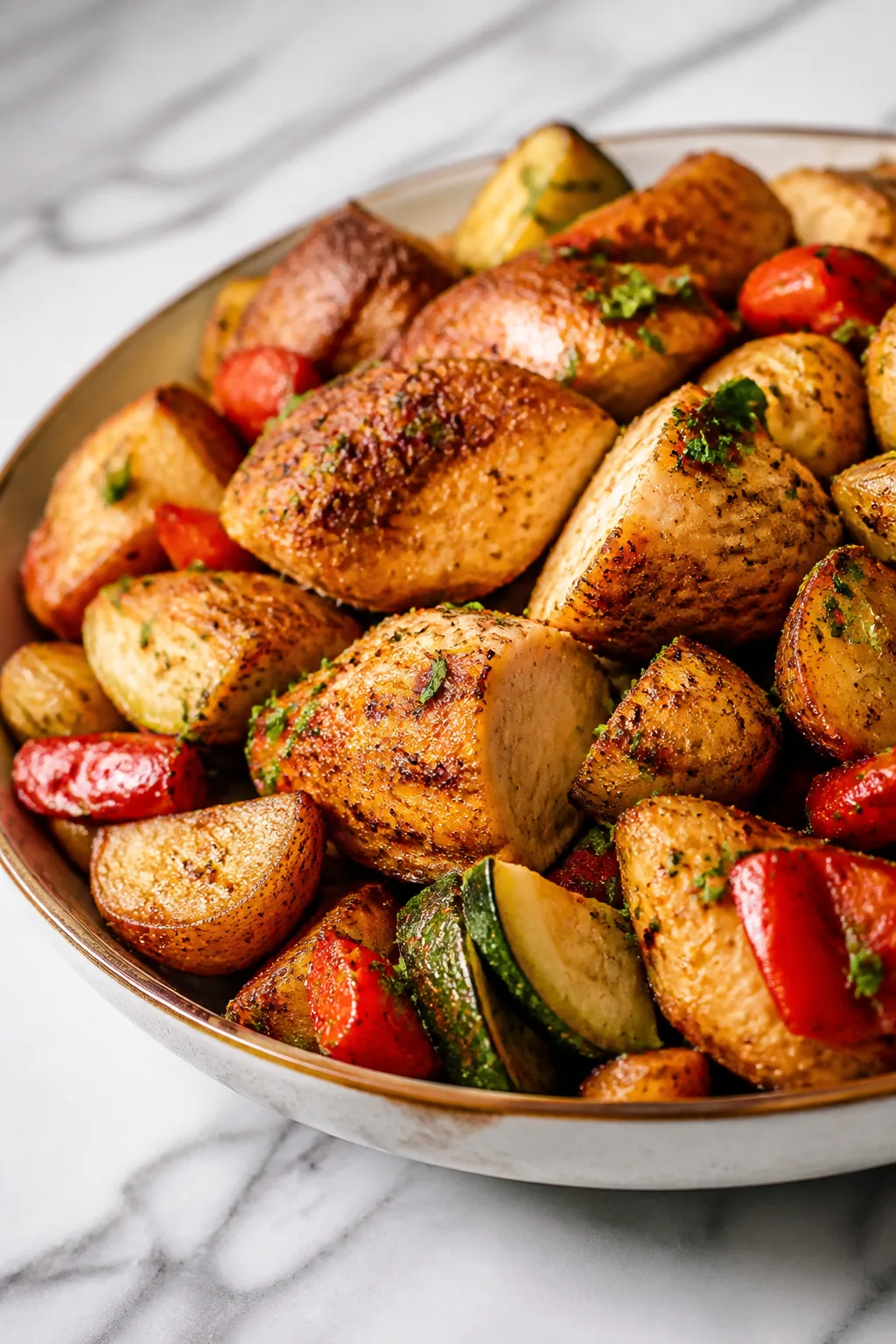
This chicken stir fry is a lifesaver on busy nights — quick, flavorful, and packed with crisp veggies. I love tossing in fresh ginger for a zing. Perfect for a cozy weekday dinner!
Introduction
I first stumbled upon this chicken stir fry recipe when I was scrambling for a quick dinner after a long day. It’s one of those meals that feels homemade but comes together so fast it almost seems like cheating. What makes this version stand out is the fresh ginger and the balance of sweet and tangy sauce — it’s not too salty or heavy, just right. I’ve tried stir fries before that ended up soggy or bland, but here I focus on keeping the veggies crisp and the chicken tender. The trick I learned is to slice the chicken thinly and cook it over high heat quickly so it stays juicy. Plus, adding the cornstarch slurry helps the sauce cling to every bite without being gloopy. When it’s done, you get this vibrant, colorful plate that’s both comforting and fresh. It’s perfect for those weeknights when you want something healthy but don’t have a ton of time. I usually serve it over jasmine rice to soak up all that lovely sauce. Honestly, it’s become a family favorite and I bet you’ll love it too!
How To Do It
Step 1
Start by prepping all your ingredients: thinly slice the chicken breasts, julienne the carrot, slice the bell pepper, and cut the broccoli into bite-sized florets. Having everything ready before you heat the pan is crucial because stir-frying happens fast and you don’t want to overcook anything. Also, mince the garlic and grate the ginger so they’re ready to go. This prep ensures even cooking and keeps the veggies crisp and vibrant.
⏱ Time: 15 minutes
✓ Doneness: All ingredients are prepped and ready to toss in the pan quickly
Step 2
Heat 1 tablespoon of vegetable oil in a large skillet or wok over medium-high heat until shimmering. Add the sliced chicken in a single layer and season lightly with salt and pepper. Cook without moving for about 2 minutes until the bottom side is golden, then stir-fry for another 2-3 minutes until the chicken is cooked through but still juicy. Avoid overcrowding the pan to get a nice sear instead of steaming the meat.
⏱ Time: 5 minutes
✓ Doneness: Chicken is opaque, golden on edges, and no longer pink inside
Step 3
Remove the chicken from the pan and set aside. Add the remaining tablespoon of oil to the pan. Toss in the garlic and grated ginger and stir quickly for about 30 seconds until fragrant but not burnt. This step releases the essential oils and flavors that form the sauce’s base.
⏱ Time: 1 minute
✓ Doneness: Aromatic smell fills the kitchen without garlic turning brown
Step 4
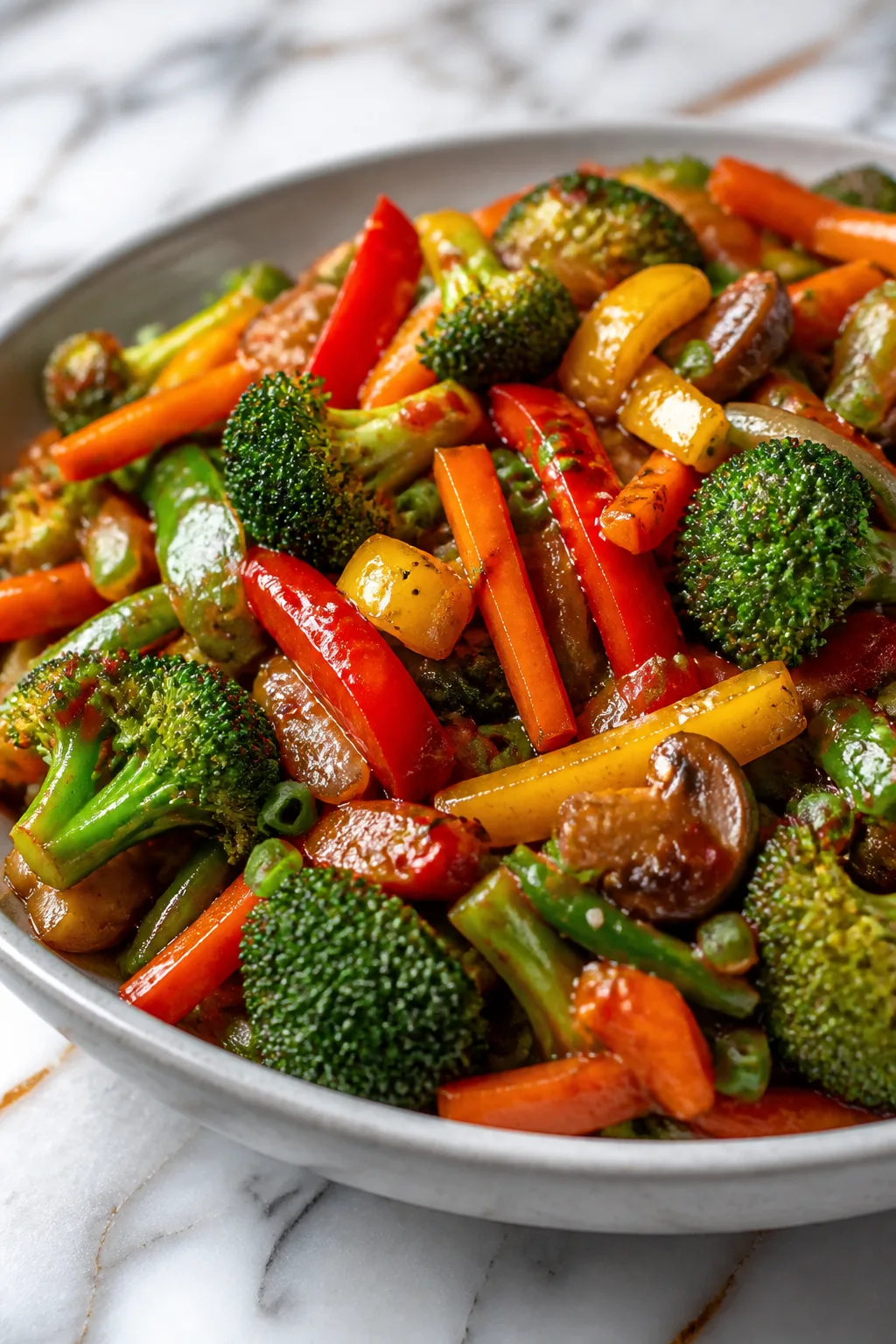
Add the broccoli, carrot, and bell pepper to the pan. Stir-fry over high heat for 3-4 minutes, stirring frequently, until the veggies are bright and just tender but still crisp. Cooking quickly at high heat keeps their texture lively and prevents mushiness.
⏱ Time: 4 minutes
✓ Doneness: Veggies are vibrant in color and slightly softened but crunchy
Step 5
Return the chicken to the pan with the vegetables. Pour in the soy sauce, honey, and rice vinegar, stirring to combine everything evenly. This mixture balances salty, sweet, and tangy flavors that coat the stir fry beautifully.
⏱ Time: 2 minutes
✓ Doneness: Sauce bubbles gently and evenly coats chicken and veggies
Step 6
Give the cornstarch slurry a quick stir, then pour it into the pan while stirring constantly. This thickens the sauce so it clings to every piece, giving the dish a glossy finish. Cook for another minute until the sauce thickens and becomes shiny.
⏱ Time: 1 minute
✓ Doneness: Sauce is thickened and glossy, coating the stir fry evenly
Step 7
Taste and adjust seasoning if needed — add a pinch of salt or extra honey if you want it sweeter. Remove from heat and let it sit for a minute; this resting helps flavors meld together.
⏱ Time: 1 minute
✓ Doneness: Balanced flavor with no overpowering saltiness or sweetness
Step 8
Serve the stir fry hot over freshly cooked jasmine rice. The fragrant rice soaks up the sauce perfectly, making each bite satisfying and comforting. Garnish with chopped green onions or sesame seeds if you like for extra texture and color.
⏱ Time: 2 minutes
✓ Doneness: Dish is plated attractively with vibrant colors and steaming rice
Step 9
Enjoy immediately for the best texture and flavor. Leftovers can be stored but the veggies will soften over time, so it’s really best fresh. If you do store it, reheat gently to avoid drying out the chicken.
⏱ Time: N/A
✓ Doneness: Freshly cooked stir fry has crisp veggies and tender chicken
Pro Tips
Slice chicken thinly against the grain for tenderness.
Cutting against the grain shortens muscle fibers, making the chicken more tender and easier to chew. Thin slices cook faster and absorb sauce better, which is crucial for quick stir fries.
Don’t overcrowd the pan when cooking chicken.
Overcrowding traps steam and prevents proper browning. Browning (Maillard reaction) adds flavor and texture. Cooking in batches ensures each piece gets a nice sear instead of steaming.
Prep all ingredients before heating the pan.
Stir frying happens quickly, so having everything ready prevents overcooking or burning. It also keeps cooking smooth and efficient, preserving texture and flavor.
Use high heat to keep veggies crisp.
High heat cooks veggies fast and seals in their color and crunch. Lower heat can make them soggy and dull in flavor.
Add cornstarch slurry at the end to thicken sauce.
This step creates a silky sauce that clings to ingredients. Adding it too early can break down starch or make sauce too thick.
Use fresh ginger and garlic for vibrant flavor.
Fresh aromatics release essential oils that dried versions can’t match. They brighten the dish and add complexity.
Serve immediately over hot rice.
The sauce soaks into the rice, making every bite flavorful. Waiting too long can soften veggies and lose crispness.
Common Mistakes to Avoid
Cooking chicken in a crowded pan
Why it happens It’s tempting to throw everything in at once to save time, but this traps moisture and prevents browning.
Fix Cook chicken in batches if necessary to get a proper sear. This enhances flavor and texture dramatically.
Skipping prep before cooking
Why it happens Sometimes you start cooking before chopping, leading to rushed steps and uneven cooking.
Fix Always prep all ingredients first. This keeps cooking smooth and prevents overcooked or burnt food.
Overcooking vegetables
Why it happens Low heat or long cooking times make veggies soggy and dull.
Fix Use high heat and quick stir-fry technique to keep them crisp and vibrant.
Adding cornstarch slurry too early
Why it happens Adding starch before sauce is ready can cause clumps or overly thick sauce.
Fix Add slurry at the end while stirring to thicken sauce evenly.
Using dried ginger instead of fresh
Why it happens Dried ginger lacks the bright, pungent oils of fresh and can taste flat.
Fix Use fresh ginger root grated finely for best flavor.
Variations
Spicy Szechuan Chicken Stir Fry
Add 1 teaspoon chili flakes and 1 tablespoon Szechuan peppercorn oil to the sauce for a spicy kick. Toss in sliced green onions and roasted peanuts for texture. This variation has a bold, numbing heat that livens up the dish.
Note: Adjust cooking time slightly if adding nuts at the end to keep them crunchy.
Vegetarian Tofu Stir Fry
Swap chicken for firm tofu pressed and cubed. Marinate tofu briefly in soy sauce before cooking. Use the same sauce and veggies for a plant-based, protein-rich meal with a similar flavor profile.
Note: Cook tofu on medium-high heat to get a crispy exterior without breaking it apart.
Honey Lime Chicken Stir Fry
Replace rice vinegar with fresh lime juice and add extra honey for a bright, citrusy twist. Garnish with chopped cilantro for freshness. This gives the dish a sweet-tart balance perfect for summer nights.
Note: Add lime juice after cooking to preserve its fresh flavor.
Peanut Sauce Chicken Stir Fry
Mix 2 tablespoons peanut butter into the sauce along with soy and honey for a creamy, nutty flavor. Top with crushed peanuts and fresh basil for a Thai-inspired version.
Note: Warm peanut butter gently with sauce ingredients to ensure smooth consistency.
Garlic Sesame Chicken Stir Fry
Double the garlic and add 1 tablespoon toasted sesame oil at the end. Sprinkle with sesame seeds and sliced scallions. This variation is rich and aromatic with a nutty finish.
Note: Add sesame oil off heat to preserve its delicate aroma.
Nutrition
Per Serving:
Nutritional values are estimates and may vary based on specific ingredients used.
Storage & Tips
Room Temperature
This stir fry is best eaten fresh but can safely sit at room temperature for up to 2 hours if covered. Beyond that, bacteria growth may increase, so refrigerate promptly.
Refrigerator
Store leftovers in an airtight container for up to 3 days. The vegetables will soften and the sauce may thicken. Reheat gently in a skillet or microwave with a splash of water to loosen the sauce.
Freezer
Freeze in airtight containers for up to 2 months. Wrap tightly to prevent freezer burn. Thaw overnight in the fridge before reheating. Texture of veggies may soften after freezing.
Reheating
Reheat on medium heat in a skillet with a splash of water or broth to prevent drying out. Microwave works too but stir halfway through. Avoid overheating to keep chicken tender and veggies from becoming mushy.
Make Ahead
You can slice chicken and chop veggies 1-2 days ahead and store separately in the fridge. Mix the sauce ingredients in advance. On the day, stir fry everything fresh for best texture.
FAQ
Can I use chicken thighs instead of breasts?
Absolutely! Chicken thighs are juicier and more forgiving if slightly overcooked. Just slice them thinly like breasts and cook until no longer pink. The flavor will be richer, but the cooking method stays the same.
What can I substitute for soy sauce if I'm gluten-free?
Tamari is a great gluten-free alternative that tastes similar to soy sauce. Coconut aminos also work but are sweeter and less salty, so adjust honey accordingly to balance flavors.
How do I keep the vegetables from getting soggy?
Cook veggies quickly over high heat and avoid overcrowding the pan. This sears them rather than steaming, preserving their crunch and color.
Can I make this stir fry ahead of time?
You can prep all ingredients in advance but cook just before serving for best texture. Leftover cooked stir fry tends to soften and lose crispness.
What if I don’t have fresh ginger?
Fresh ginger is best, but you can use 1/4 teaspoon ground ginger in a pinch. The flavor will be less vibrant, so consider adding a splash of lime juice to brighten the dish.
How do I thicken the sauce if it’s too thin?
Make sure to add the cornstarch slurry at the end and cook for at least a minute to activate thickening. If needed, add a little more slurry gradually until desired consistency is reached.
Can I add other vegetables?
Definitely! Snap peas, mushrooms, or baby corn work well. Just adjust cooking times slightly based on the vegetable’s density to keep everything crisp.
Is it okay to use olive oil for stir frying?
Olive oil has a lower smoke point and stronger flavor that can burn at high heat. It’s better to use neutral oils like vegetable or canola to get a clean, high-heat sear.
Final Thoughts
Give this quick chicken stir fry a try next time you’re short on time but want something tasty and wholesome. I’d love to hear how it turns out for you!