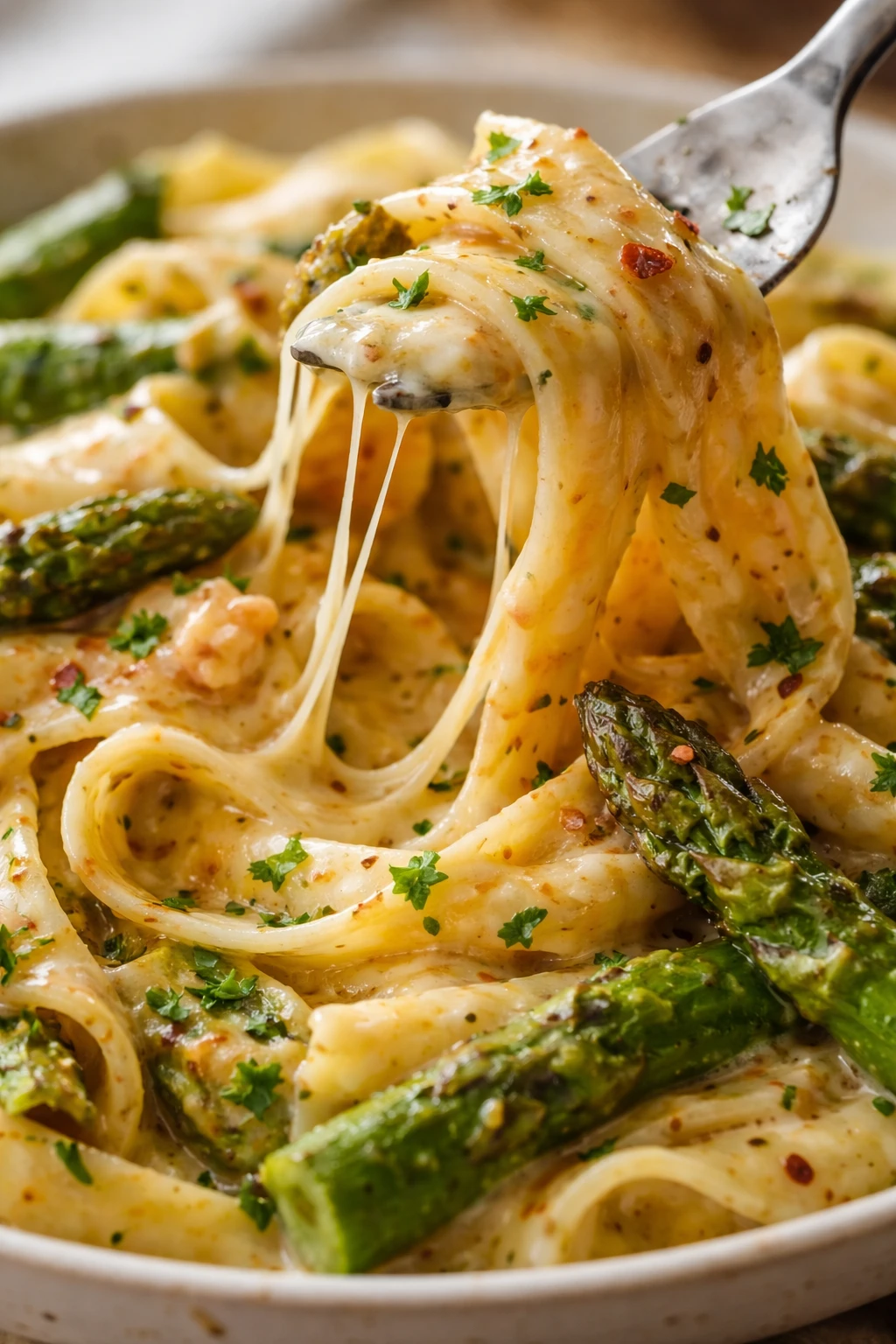
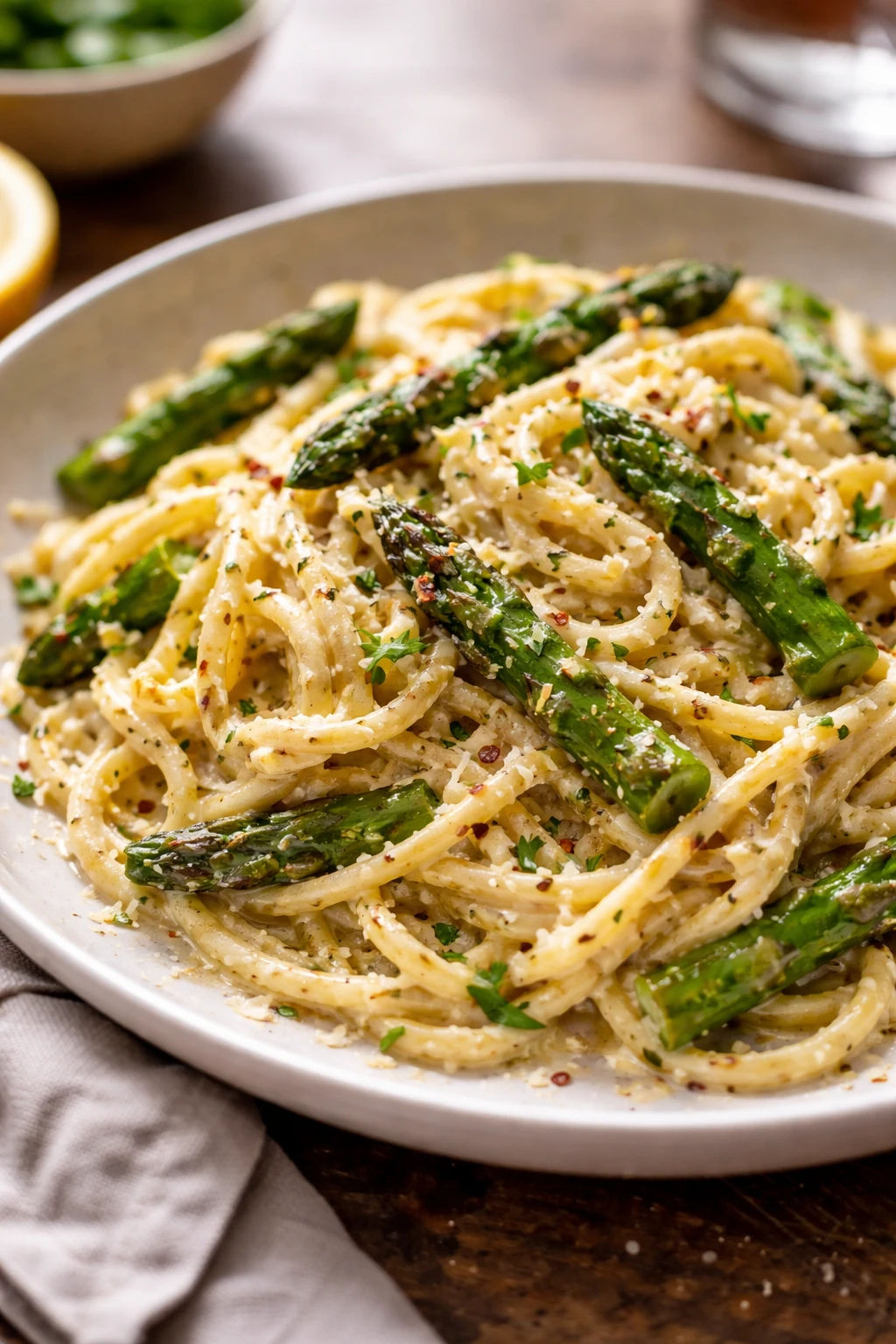
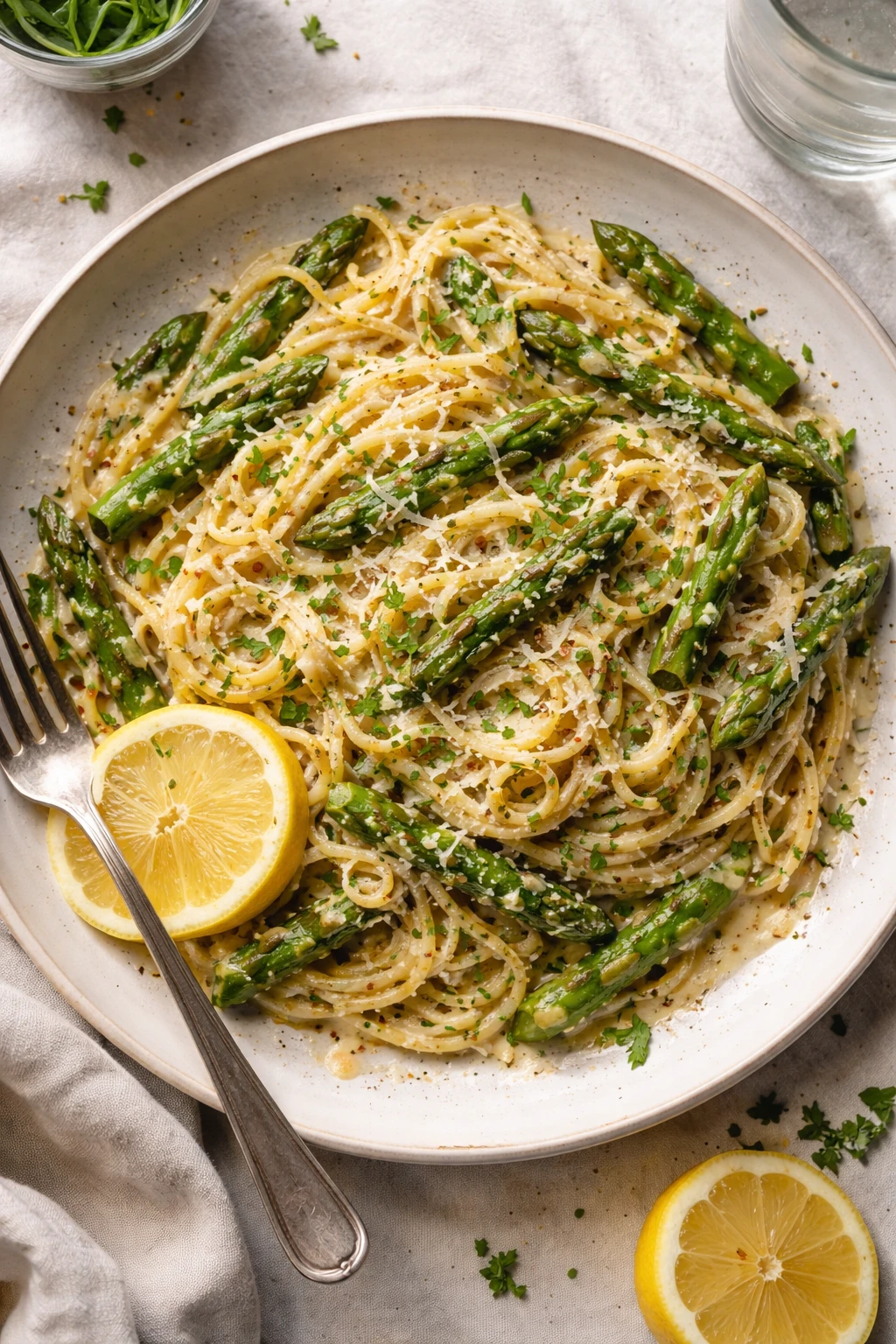
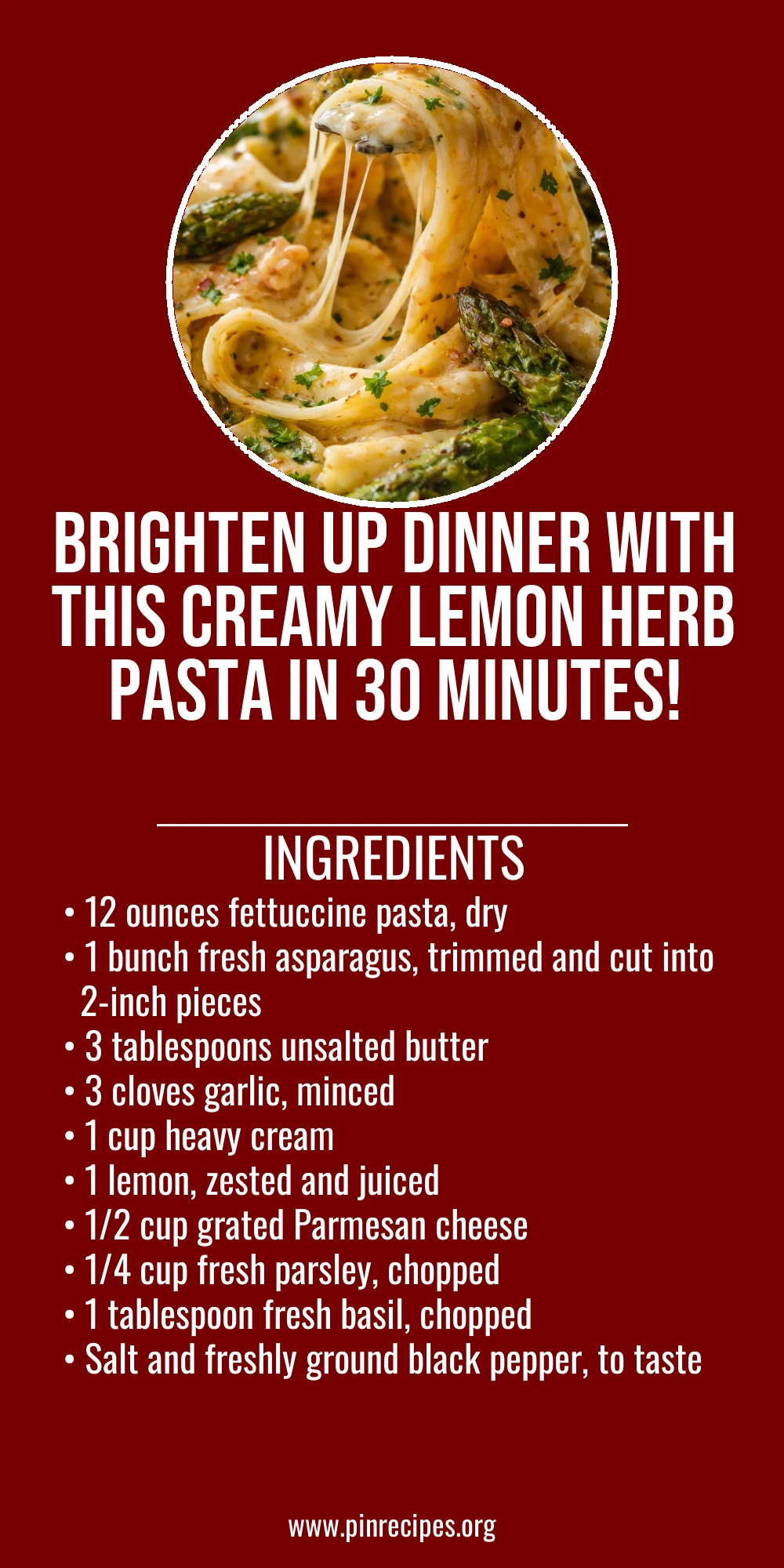
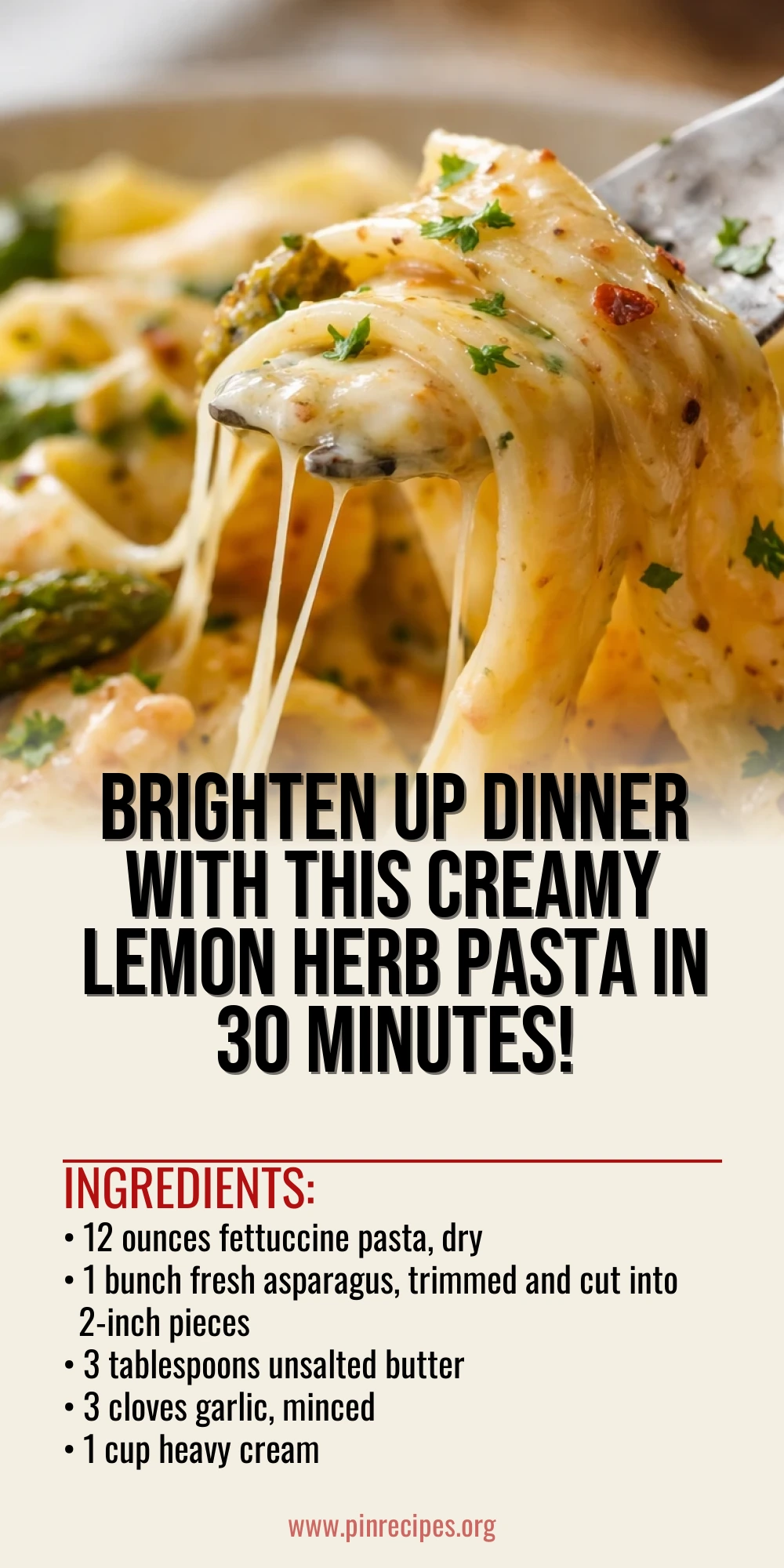
This creamy lemon herb pasta is a perfect quick dinner with a bright twist from fresh asparagus and zesty lemon. The secret? Adding fresh herbs right at the end for a burst of flavor. Great for weeknights when you want something light but satisfying.
Introduction
I first stumbled upon this creamy lemon herb pasta when I was scrambling for a quick dinner that felt a little special. I wanted something bright and fresh, but also comforting. Most creamy pasta recipes are heavy and rich, but adding lemon and fresh herbs really lightens it up. Plus, asparagus adds a nice crunch and seasonal freshness that makes it feel like spring on a plate. What makes my version stand out is the timing: I add the herbs and lemon zest at the very end, so the flavors stay vibrant instead of cooking away. Also, I use a good amount of butter and Parmesan to get that silky sauce without it being overpowering. The finished dish is creamy but bright, with a fresh herby aroma and just enough tang from the lemon to keep it lively. It’s perfect for busy weeknights or when you want a quick meal that feels like you put in way more effort than you actually did. I’ve made this a dozen times now, and it never fails to impress my family and friends. Plus, it’s easy to tweak—add chicken or shrimp if you want more protein, or swap out the asparagus for another veggie you love. Either way, it’s a winner every time!
How To Do It
Step 1
Bring a large pot of salted water to a boil. Add the fettuccine and cook according to package instructions until al dente, usually about 10-12 minutes. Don’t overcook the pasta; al dente means it should be tender but still have a slight bite. This is important because the pasta will continue to cook a bit when you toss it with the sauce later. Drain the pasta, reserving about a cup of the pasta water to adjust the sauce consistency if needed.
⏱ Time: 12 minutes
✓ Doneness: Pasta should be tender but firm to the bite without any mushiness.
Step 2
While the pasta cooks, heat a large skillet over medium heat and melt the butter. Add the minced garlic and sauté for about 1-2 minutes until fragrant but not browned. Browning garlic can make it bitter, so keep a close eye and stir frequently. This step infuses the butter with garlic flavor, forming the base of your sauce.
⏱ Time: 2 minutes
✓ Doneness: Garlic should be soft and aromatic, turning slightly golden but not dark brown.
Step 3
Add the asparagus pieces to the skillet with the garlic butter. Sauté for about 4-5 minutes until the asparagus is tender yet still crisp. Cooking asparagus too long will make it mushy and dull its bright green color. You want it to have a little snap to contrast with the creamy sauce.
⏱ Time: 5 minutes
✓ Doneness: Asparagus should be bright green and tender-crisp when pierced with a fork.
Step 4
Pour in the heavy cream and stir to combine with the garlic butter and asparagus. Bring the mixture to a gentle simmer over medium-low heat. Simmering allows the cream to thicken slightly, creating a luscious sauce. Avoid boiling vigorously, which can cause the cream to separate or scorch.
⏱ Time: 3 minutes
✓ Doneness: Sauce should thicken slightly and coat the back of a spoon.
Step 5
Add the lemon zest and lemon juice to the sauce, stirring well to incorporate. The lemon brightens and balances the richness of the cream, adding a fresh tang that lifts the whole dish. Taste and season with salt and freshly ground black pepper. Adjust the acidity or seasoning to your preference.
⏱ Time: 2 minutes
✓ Doneness: Sauce should have a fresh citrus aroma and balanced flavor.
Step 6
Add the cooked pasta to the skillet with the sauce and toss gently to coat. If the sauce feels too thick, add reserved pasta water a little at a time until you reach a silky, smooth consistency that clings to the noodles. The pasta water’s starch helps emulsify and bind the sauce to the pasta.
⏱ Time: 3 minutes
✓ Doneness: Pasta should be evenly coated with creamy sauce without pooling liquid.
Step 7
Remove the skillet from heat and stir in the grated Parmesan cheese. The cheese melts into the sauce, adding depth and a nutty flavor. Stir quickly to avoid clumping. Parmesan also helps thicken the sauce further, making it irresistibly creamy.
⏱ Time: 2 minutes
✓ Doneness: Sauce should be smooth and cheesy with no lumps.
Step 8
Finally, fold in the chopped fresh parsley and basil. Adding herbs last keeps their flavor bright and fresh, giving the dish an herbal lift that complements the lemon and cream perfectly. Give everything one last gentle toss to combine.
⏱ Time: 1 minute
✓ Doneness: Herbs should look vibrant and fresh, not wilted.
Step 9
Serve immediately, garnished with extra Parmesan and a lemon wedge if desired. The pasta is best enjoyed hot to savor the creamy texture and fresh flavors. Leftovers can be reheated gently but may thicken, so stir in a splash of cream or water when warming.
⏱ Time: Serve now
✓ Doneness: Dish should be creamy, vibrant, and aromatic.
Pro Tips
Reserve pasta water before draining.
The starchy water helps emulsify the sauce, making it cling to the pasta and ensuring a smooth, silky texture. Without it, the sauce can become too thick or separate.
Add herbs at the very end of cooking.
Fresh herbs lose their bright flavor and color if cooked too long. Adding them last preserves their aromatic qualities and keeps the dish tasting fresh.
Don’t overcook the asparagus.
Overcooked asparagus becomes mushy and dulls the dish’s texture and color. Cooking it to tender-crisp keeps a nice bite and vibrant green color.
Use freshly grated Parmesan.
Freshly grated cheese melts better and adds richer flavor. Pre-grated cheese often contains additives that can affect sauce texture.
Simmer the cream gently.
Boiling cream too hard can cause it to separate or scorch. A gentle simmer thickens the sauce without breaking it.
Zest and juice the lemon separately.
Zesting before juicing ensures you get all the flavorful oils without bitterness from the pith. Lemon juice adds acidity while zest adds aromatic brightness.
Use unsalted butter to control seasoning.
Using unsalted butter lets you adjust salt precisely, preventing an overly salty dish.
Common Mistakes to Avoid
Overcooking the pasta
Why it happens Many people assume pasta should be very soft, but overcooking makes it mushy and less enjoyable.
Fix Cook pasta just until al dente, meaning it still has a slight bite. Test a strand a minute before the package time to avoid overcooking.
Burning the garlic
Why it happens Garlic cooks quickly and can burn if left unattended or cooked at too high heat.
Fix Sauté garlic over medium heat, stirring constantly and watching closely. Remove from heat if it starts to brown too fast.
Skipping the pasta water
Why it happens Forgetting to save pasta water is common, but it’s crucial for sauce texture.
Fix Always scoop out a cup of pasta water before draining. Add it gradually to loosen sauce as needed.
Adding herbs too early
Why it happens Some cooks add herbs during cooking, which dulls their flavor.
Fix Add fresh herbs right at the end off heat to preserve their brightness.
Using low-fat cream or milk
Why it happens Trying to lighten the dish by using lower-fat dairy can cause sauce to separate.
Fix Stick with heavy cream for a stable, creamy sauce. If needed, use half-and-half but expect thinner sauce.
Variations
Add Grilled Chicken for Protein Boost
Toss in sliced grilled chicken breast for a heartier meal. The smoky, savory chicken pairs beautifully with the lemon herb sauce and asparagus, making it a balanced dinner for meat lovers.
Note: Grill chicken separately and add just before serving to keep flavors distinct and textures perfect.
Swap Asparagus for Broccoli or Zucchini
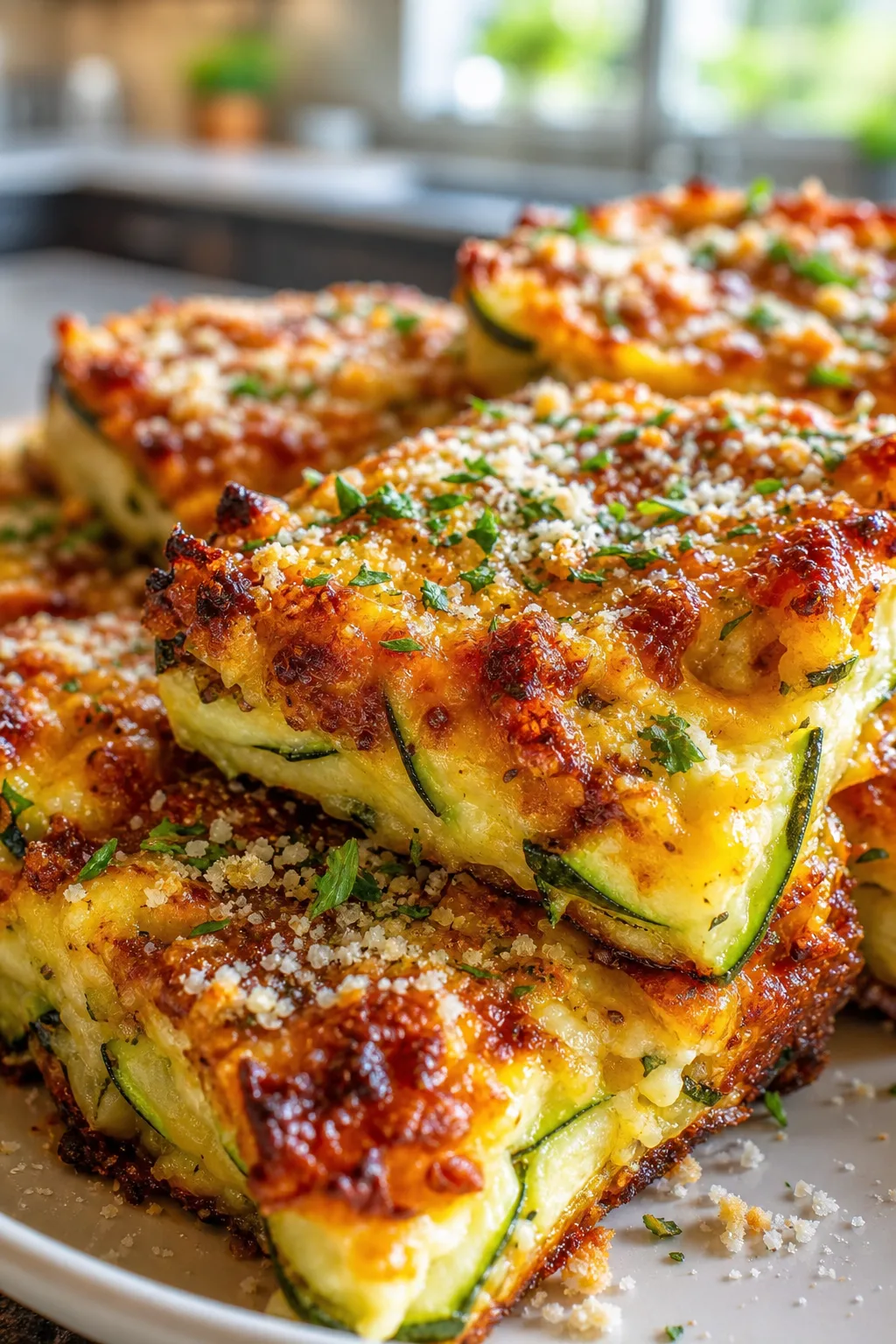
If asparagus isn’t in season, use tender broccoli florets or thinly sliced zucchini. Both add a fresh crunch and absorb the creamy sauce well, offering a slightly different but equally delicious twist.
Note: Adjust cooking time slightly; broccoli may take a bit longer to become tender-crisp.
Make It Vegan with Coconut Cream and Nutritional Yeast
Replace heavy cream with full-fat coconut milk and Parmesan with nutritional yeast for a vegan-friendly version. The sauce stays creamy with a subtle coconut flavor, and the yeast adds cheesy notes.
Note: Simmer coconut milk gently and add nutritional yeast off heat to preserve flavor.
Spicy Kick with Red Pepper Flakes
Add a pinch of red pepper flakes when sautéing garlic for a subtle heat that complements the lemon’s brightness. Perfect if you like your pasta with a little extra kick.
Note: Adjust the amount of flakes to taste; start small to avoid overpowering the dish.
Use Fresh Pasta for a Tender Texture
Swap dry fettuccine for fresh pasta to get an even silkier texture and quicker cooking time. Fresh pasta absorbs sauces beautifully but cooks faster, so watch carefully.
Note: Reduce cooking time by half and add fresh pasta directly to sauce to finish cooking gently.
Nutrition
Per Serving:
Nutritional values are estimates and may vary based on specific ingredients used.
Storage & Tips
Room Temperature
This pasta should not be left out at room temperature for more than 2 hours. Cover it loosely with foil or a clean towel if serving buffet style to keep it protected.
Refrigerator
Store leftovers in an airtight container in the fridge for up to 3 days. The sauce may thicken and the asparagus soften when cold; reheat gently with a splash of cream or water to restore creaminess.
Freezer
Freezing is not recommended as cream sauces can separate and change texture. However, if necessary, freeze in airtight containers for up to 1 month. Thaw overnight in the fridge and reheat gently.
Reheating
Reheat on the stovetop over low heat, stirring frequently and adding a splash of cream or pasta water to loosen the sauce. Avoid microwaving at high power as it can cause separation.
Make Ahead
You can prep the sauce and cook the asparagus a day ahead, then refrigerate separately. Cook the pasta fresh before serving and toss everything together with fresh herbs and lemon zest at the last minute.
FAQ
Can I use a different type of pasta?
Absolutely! While fettuccine is great for holding creamy sauce, penne, linguine, or even spaghetti work well too. Just adjust cooking times accordingly and make sure the pasta shape can hold the sauce for the best experience.
What if I don’t have heavy cream?
You can substitute with half-and-half or a mix of milk and butter, but the sauce won’t be as thick or rich. To prevent separation, add the dairy slowly and avoid boiling the sauce vigorously.
How do I keep the asparagus from getting mushy?
Cook asparagus until just tender-crisp by sautéing for 4-5 minutes. Overcooking causes it to lose color and texture. You can also blanch asparagus briefly before sautéing to preserve texture.
Can I make this pasta ahead of time?
You can prepare the sauce and asparagus a day ahead and refrigerate separately. Cook the pasta fresh to avoid it getting mushy, then combine everything just before serving for best texture and flavor.
What’s the best way to reheat leftovers?
Reheat gently on the stovetop over low heat, stirring in a splash of cream or pasta water to loosen the sauce. Avoid high heat or microwaving at full power to prevent sauce separation.
Can I add protein like chicken or shrimp?
Definitely! Grilled or sautéed chicken and shrimp pair wonderfully with this pasta. Cook them separately and add at the end to keep textures perfect and flavors distinct.
Why do I need to reserve pasta water?
Pasta water contains starch that helps bind and thicken the sauce, giving it a silky, cohesive texture. Without it, the sauce can be too thick or separate.
Can I use dried herbs instead of fresh?
Fresh herbs provide the best flavor and aroma, especially when added at the end. Dried herbs can be used but add them earlier in cooking to allow flavors to develop, and use less quantity.
Final Thoughts
I hope you give this creamy lemon herb pasta a try soon—it’s one of those dishes that feels fancy but is so easy to make. Let me know how it turns out!