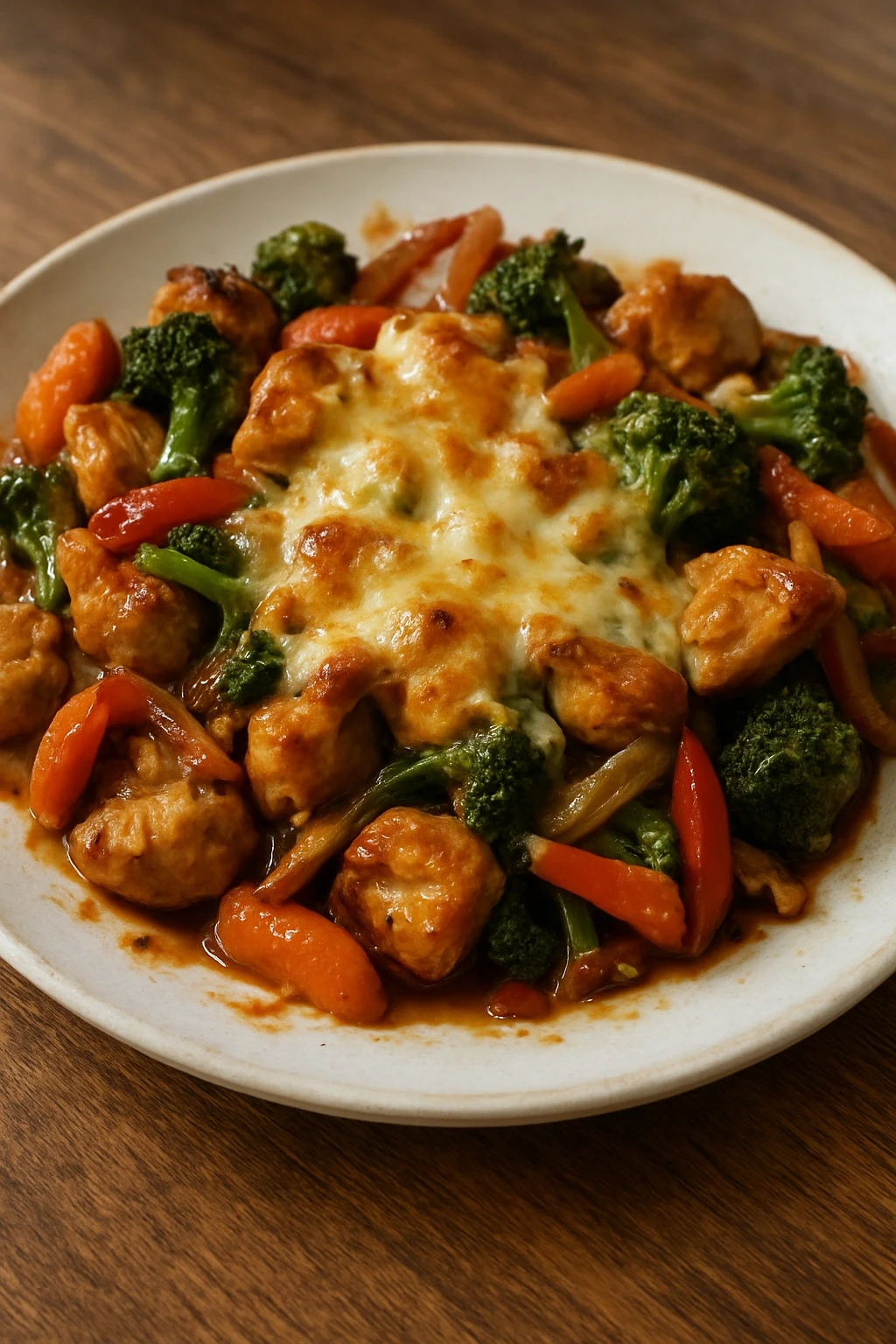
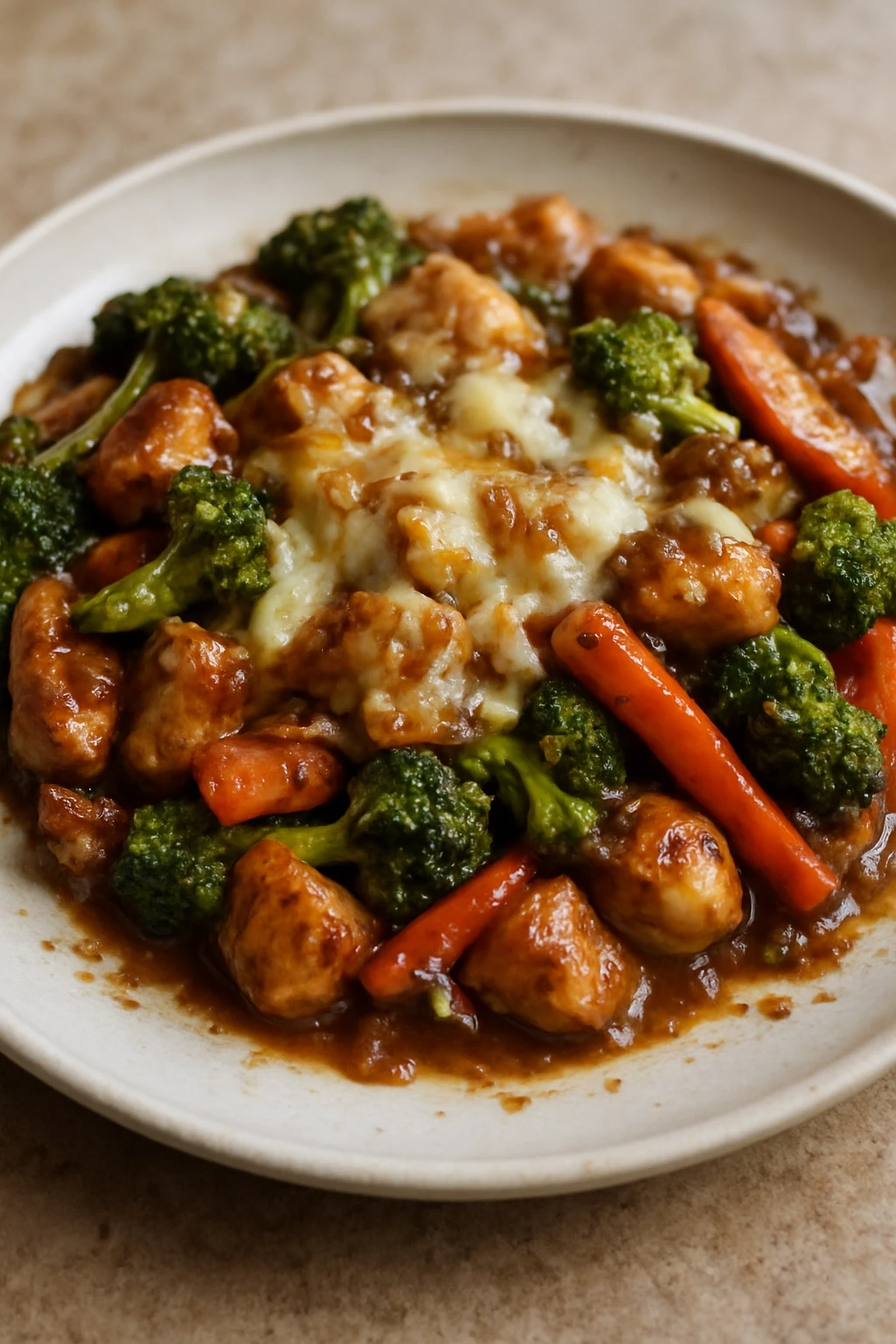
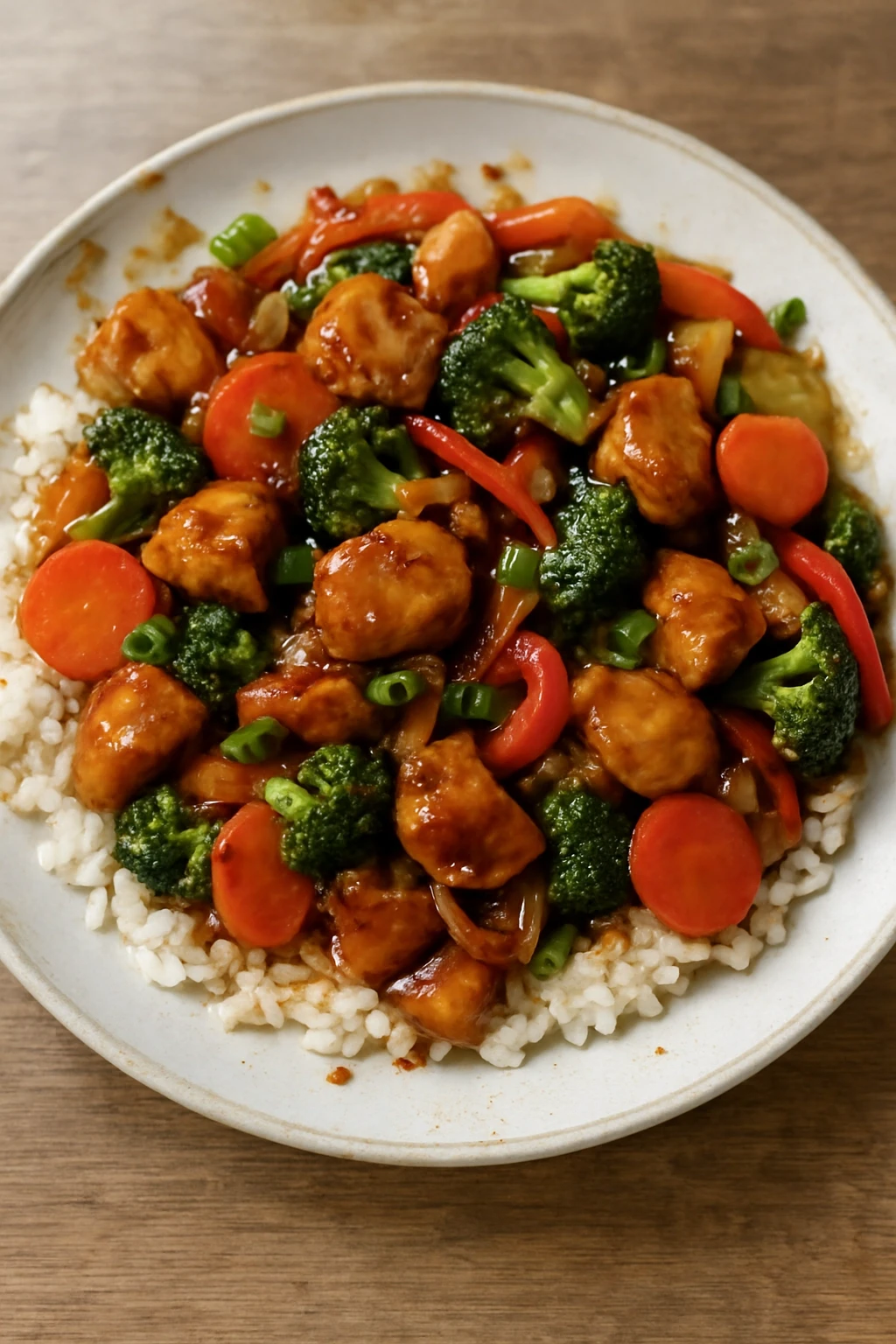
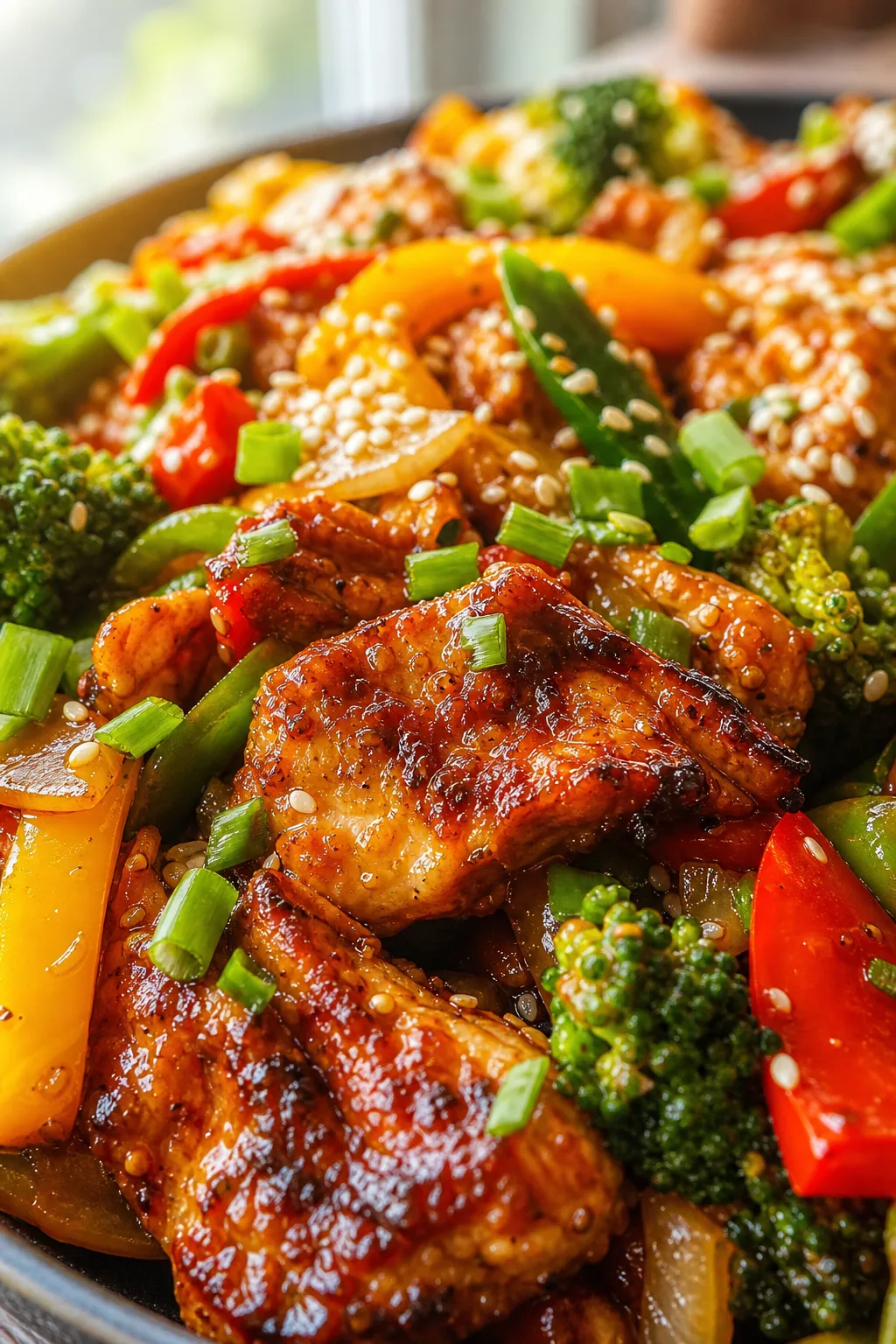
This chicken stir fry is my go-to when time’s tight but I still want something flavorful and fresh. The secret? A quick marinade and crisp veggies tossed in a simple soy-ginger sauce. Perfect for busy weeknights!
Introduction
I’ve been making this chicken stir fry for years—especially on those nights when I’m juggling work and family and barely have time to think about dinner. The first time I tried it, I was honestly surprised how something so quick could taste so fresh and satisfying. What sets my version apart is a simple marinade that tenderizes the chicken and a sauce that’s balanced with just the right amount of sweet and tangy. I also like to keep the veggies crisp by cooking them separately and adding them at the end, so everything stays vibrant and colorful. The finished dish has juicy chicken, crunchy veggies, and a glossy sauce that clings to every bite. It’s exactly the kind of meal you want on a hectic weeknight—fast, tasty, and healthy. Plus, it’s easy to customize with whatever veggies you have on hand. I hope you love it as much as my family does!
How To Do It
Step 1
Start by slicing the chicken thinly against the grain. This helps the meat stay tender and cook quickly. Toss the chicken with 1 tablespoon soy sauce and cornstarch in a bowl until evenly coated. The cornstarch creates a light coating that locks in moisture and gives the chicken a nice velvety texture when cooked. Let it sit for 10 minutes while you prep the veggies. Avoid skipping this step because it really makes a difference in texture.
⏱ Time: 10 minutes
✓ Doneness: Chicken pieces look evenly coated and slightly sticky from the cornstarch.
Step 2
Heat 1 tablespoon vegetable oil in a large skillet or wok over medium-high heat. Add the chicken in a single layer and cook without moving for 2 minutes to get a good sear. Then stir-fry for another 2-3 minutes until the chicken is cooked through and just starting to brown. Cooking over high heat quickly locks in juices and creates those flavorful browned bits. Avoid overcrowding the pan or stirring too often, or the chicken will steam instead of sear.
⏱ Time: 5 minutes
✓ Doneness: Chicken is opaque, slightly browned, and firm but juicy.
Step 3
Remove the chicken and set aside. Add the remaining 1 tablespoon vegetable oil to the pan and toss in the garlic and ginger. Stir constantly for about 30 seconds until fragrant but not burnt. This step flavors the oil and infuses the whole dish with a warm aromatic base. Watch carefully because garlic burns quickly and turns bitter.
⏱ Time: 1 minute
✓ Doneness: Aromatic smell fills the kitchen, garlic is golden but not brown.
Step 4
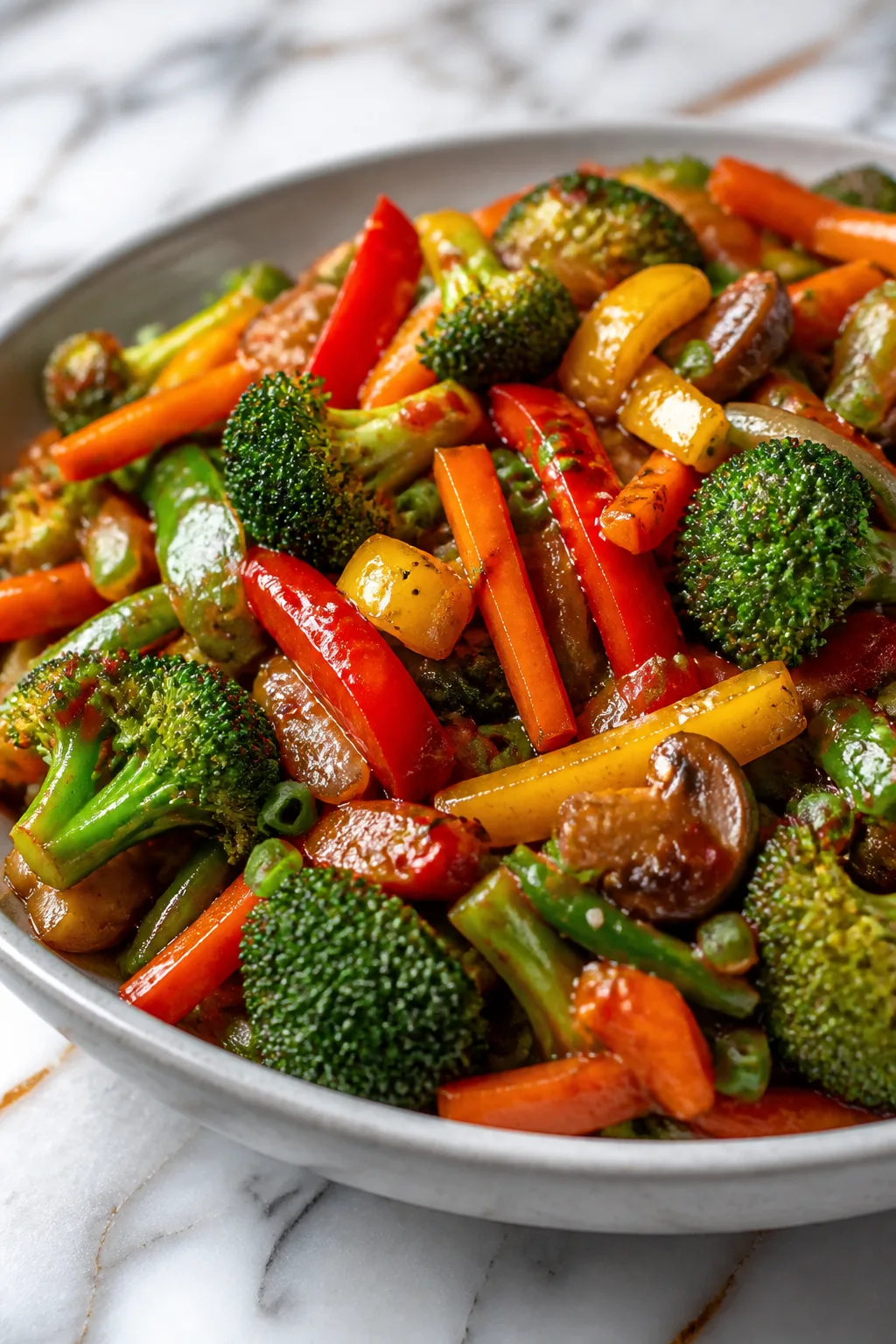
Add the sliced bell pepper, broccoli florets, and julienned carrot to the pan. Stir-fry over high heat for 3-4 minutes until the veggies are bright and just tender but still crisp. High heat and quick cooking retain the vibrant colors and fresh crunch. Don’t overcook or the veggies will turn mushy and dull.
⏱ Time: 4 minutes
✓ Doneness: Veggies are tender-crisp with bright colors and slight browning on edges.
Step 5
Return the chicken to the pan with the veggies. Stir together the remaining 1 tablespoon soy sauce, honey, rice vinegar, and sesame oil in a small bowl. Pour this sauce over the chicken and veggies and toss to coat evenly. The sauce should lightly glaze everything, adding a perfect balance of sweet, salty, and tangy flavors. Cook for another 1-2 minutes to let the sauce thicken slightly and cling to the ingredients.
⏱ Time: 2 minutes
✓ Doneness: Sauce is glossy and slightly thickened, coating all the pieces.
Step 6
Turn off the heat and sprinkle sliced green onions and sesame seeds over the stir fry. These add fresh brightness and a little crunch that elevates the dish. Give everything one last gentle toss to combine. Serve immediately over steamed rice or noodles for a complete meal. The contrast of textures and flavors is best enjoyed fresh.
⏱ Time: 1 minute
✓ Doneness: Bright green onions and sesame seeds evenly distributed on top.
Step 7
If you want to prep ahead, slice the chicken and marinate it as directed, then store covered in the fridge. Chop the veggies separately and keep them in airtight containers. When ready to cook, follow the steps quickly for the best texture and flavor. This method saves time without sacrificing freshness.
⏱ Time: Varies
✓ Doneness: Ingredients prepped and stored separately, ready for quick cooking.
Step 8
For an extra kick, add a pinch of red pepper flakes or a drizzle of chili garlic sauce when you add the sauce. It adds just the right amount of heat without overpowering the dish. Adjust to your spice tolerance and taste as you go.
⏱ Time: Optional
✓ Doneness: Spicy aroma mingles with the soy-ginger sauce.
Step 9
Garnish with fresh cilantro or chopped peanuts for a different flavor profile and texture. These toppings add freshness and crunch, making the stir fry feel more special and restaurant-quality. It’s a simple way to dress it up for guests or a weeknight treat.
⏱ Time: Optional
✓ Doneness: Fresh herbs or nuts sprinkled evenly on top.
Pro Tips
Always slice chicken thinly and against the grain.
Slicing thinly ensures the chicken cooks quickly and evenly, preventing dryness. Cutting against the grain shortens muscle fibers, making the meat more tender and easier to chew. Ignoring this can result in tough, chewy chicken that detracts from the dish.
Don’t overcrowd the pan when cooking chicken.
Crowding lowers the pan’s temperature, causing the chicken to steam instead of sear. This prevents browning and flavor development through the Maillard reaction. Cooking in batches if needed ensures a golden, flavorful crust and juicy interior.
Cook veggies separately from chicken.
Vegetables release water and cook faster than meat. Stir-frying them separately preserves their bright colors and crisp texture. Combining too early can lead to soggy veggies and uneven cooking, dulling both taste and appearance.
Use fresh garlic and ginger, and add them early in the veggie stir-fry.
Fresh aromatics infuse the oil with flavor that permeates the whole dish. Adding garlic and ginger early allows their pungency to mellow and sweeten, creating a balanced base. Burnt garlic tastes bitter and ruins the dish, so watch the heat carefully.
Add sauce at the very end and toss quickly.
Adding sauce last prevents veggies from becoming soggy and keeps the dish glossy and vibrant. Tossing quickly ensures even coating without overcooking. Overheating the sauce can cause it to become too thick or separate.
Use a wok or large skillet for even heat distribution.
A wok’s curved shape concentrates heat at the bottom and allows tossing ingredients easily. This promotes fast cooking and even caramelization. Using a small pan can crowd ingredients and reduce heat, compromising texture and flavor.
Finish with a drizzle of toasted sesame oil and fresh green onions.
Sesame oil adds a nutty aroma that elevates the dish’s flavor complexity. Fresh green onions provide a crisp, fresh contrast. These finishing touches make the stir fry feel more polished and restaurant-quality.
Common Mistakes to Avoid
Cooking chicken and veggies together from the start.
Why it happens Many assume it’s faster or easier to cook everything at once, not realizing the different cooking times and moisture content.
Fix Cook chicken first to develop a sear, then remove it before stir-frying vegetables separately. This preserves texture and prevents sogginess.
Skipping the cornstarch coating on chicken.
Why it happens Some think it’s an unnecessary step or don’t understand its role in texture.
Fix Coat chicken evenly with cornstarch before cooking to lock in moisture and create a silky surface that holds sauce well.
Using too low heat during stir-fry.
Why it happens Beginners may fear burning food or not have a high-heat pan.
Fix Use medium-high to high heat to quickly sear and cook ingredients. Preheat your pan well and work in batches if needed.
Burning garlic and ginger.
Why it happens Adding aromatics to a pan that’s too hot or cooking too long causes bitterness.
Fix Add garlic and ginger after chicken is removed, stirring constantly for 30 seconds to 1 minute to avoid burning.
Overcooking vegetables.
Why it happens Leaving veggies in the pan too long or cooking on low heat leads to limp, dull veggies.
Fix Stir-fry veggies quickly on high heat until just tender-crisp to maintain color, texture, and nutrients.
Variations
Spicy Szechuan Chicken Stir Fry
Add 1 teaspoon of Szechuan peppercorns and 2 teaspoons chili paste to the sauce for a numbing, spicy kick. Include snap peas and baby corn for extra crunch. Expect a bolder, heat-forward flavor with a slight tingling sensation on the tongue.
Note: Adjust the chili paste amount to control heat; cook aromatics carefully to avoid burning spicy ingredients.
Honey Garlic Chicken Stir Fry
Boost the honey to 2 tablespoons and add an extra clove of garlic for a sweeter, more garlicky sauce. Use green beans and mushrooms as your veggies. This version is richer and sweeter, great for those who like a comforting flavor.
Note: Watch sugar content in the sauce to avoid burning; cook sauce briefly at the end to thicken without caramelizing.
Vegetarian Tofu Stir Fry
Swap chicken for firm tofu pressed and cubed. Marinate with soy sauce and cornstarch similarly. Use a mix of bell peppers, zucchini, and bok choy. The texture will be softer but still satisfying, with a hearty plant-based protein.
Note: Pan-fry tofu until golden on all sides before adding veggies to ensure crispness and prevent crumbling.
Cashew Chicken Stir Fry
Add ½ cup roasted cashews at the end for crunch and nutty flavor. Include snap peas and water chestnuts for extra texture. This variation adds richness and a delightful contrast between tender chicken and crunchy nuts.
Note: Toast cashews lightly in a dry pan before adding to enhance flavor; add just before serving to keep crunch.
Thai Basil Chicken Stir Fry
Include fresh Thai basil leaves and a splash of fish sauce in the sauce. Use green beans and red chili slices for a fragrant, herbaceous twist. The dish becomes more aromatic and slightly spicy with a complex Southeast Asian flavor profile.
Note: Add basil leaves right at the end to preserve their bright flavor and prevent wilting.
Nutrition
Per Serving:
Nutritional values are estimates and may vary based on specific ingredients used.
Storage & Tips
Room Temperature
This stir fry can safely sit at room temperature for up to 2 hours if covered loosely. Beyond that, bacteria growth increases, so refrigerate promptly to keep it safe.
Refrigerator
Store leftovers in an airtight container for up to 3 days. The veggies may soften slightly, so reheating gently over medium heat helps restore some texture. It can also be enjoyed cold in a pinch but loses some vibrancy.
Freezer
Freeze in a sealed container or heavy-duty freezer bag for up to 2 months. To prevent freezer burn, remove as much air as possible. Thaw overnight in the fridge before reheating. Texture may be softer after freezing.
Reheating
Reheat gently in a skillet over medium heat with a splash of water or broth to loosen the sauce. Avoid microwaving for long periods as it can dry out the chicken and make veggies mushy.
Make Ahead
You can slice and marinate the chicken up to 24 hours in advance and chop veggies the day before. Store separately in airtight containers. Cook everything fresh when ready to serve for the best texture and flavor.
FAQ
Can I use chicken thighs instead of breasts?
Absolutely! Chicken thighs have more fat and stay juicy even if slightly overcooked. Just slice them thinly and adjust cooking time slightly longer, about 5-6 minutes, to ensure they’re cooked through.
What can I substitute for soy sauce if I’m gluten-free?
Tamari is a great gluten-free alternative that tastes very similar to soy sauce. Make sure to use a naturally brewed tamari for the best flavor. Coconut aminos is another option but it’s sweeter and less salty, so adjust seasoning accordingly.
How do I keep the vegetables crisp?
Cook veggies quickly over high heat and avoid overcrowding the pan. Stir-fry them separately from the chicken to prevent steaming. Also, don’t overcook; they should be tender-crisp with bright colors.
Can I make this stir fry vegan?
Yes! Swap chicken for firm tofu or tempeh. Press tofu well to remove excess water, then marinate and cook similarly. Use vegetable-based sauces and skip any fish sauce or animal products.
How do I prevent the garlic from burning?
Add garlic after the chicken is cooked and the pan is hot but not smoking. Stir constantly and cook for no more than 30-60 seconds until fragrant and golden. Burnt garlic tastes bitter and ruins the dish.
What’s the best rice to serve with this stir fry?
Jasmine or basmati rice works beautifully with stir fry due to their fragrant aroma and fluffy texture. You can also serve it over steamed noodles or cauliflower rice for a lower-carb option.
Can I double the recipe for meal prep?
Yes, but cook the chicken and veggies in batches to avoid overcrowding. Store portions in airtight containers and reheat gently to maintain texture. The sauce may thicken in the fridge; add a splash of water when reheating.
Is it okay to use frozen vegetables?
Frozen veggies can work in a pinch but may release more water and become softer. Thaw and drain them well before stir-frying. Fresh vegetables deliver better texture and flavor.
Final Thoughts
Give this quick chicken stir fry a try next time you’re short on time but want something delicious. I’d love to hear how it turns out for you!