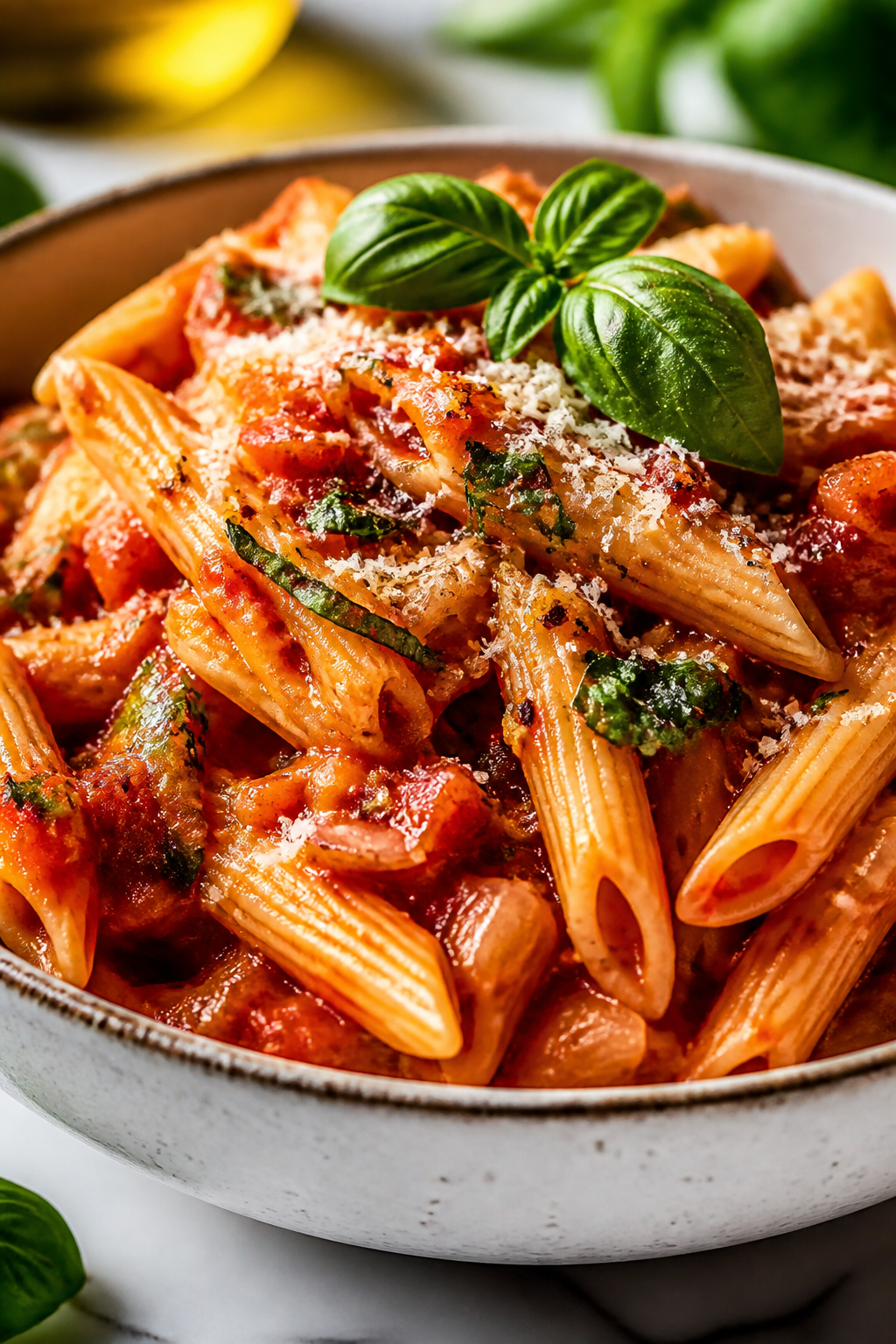
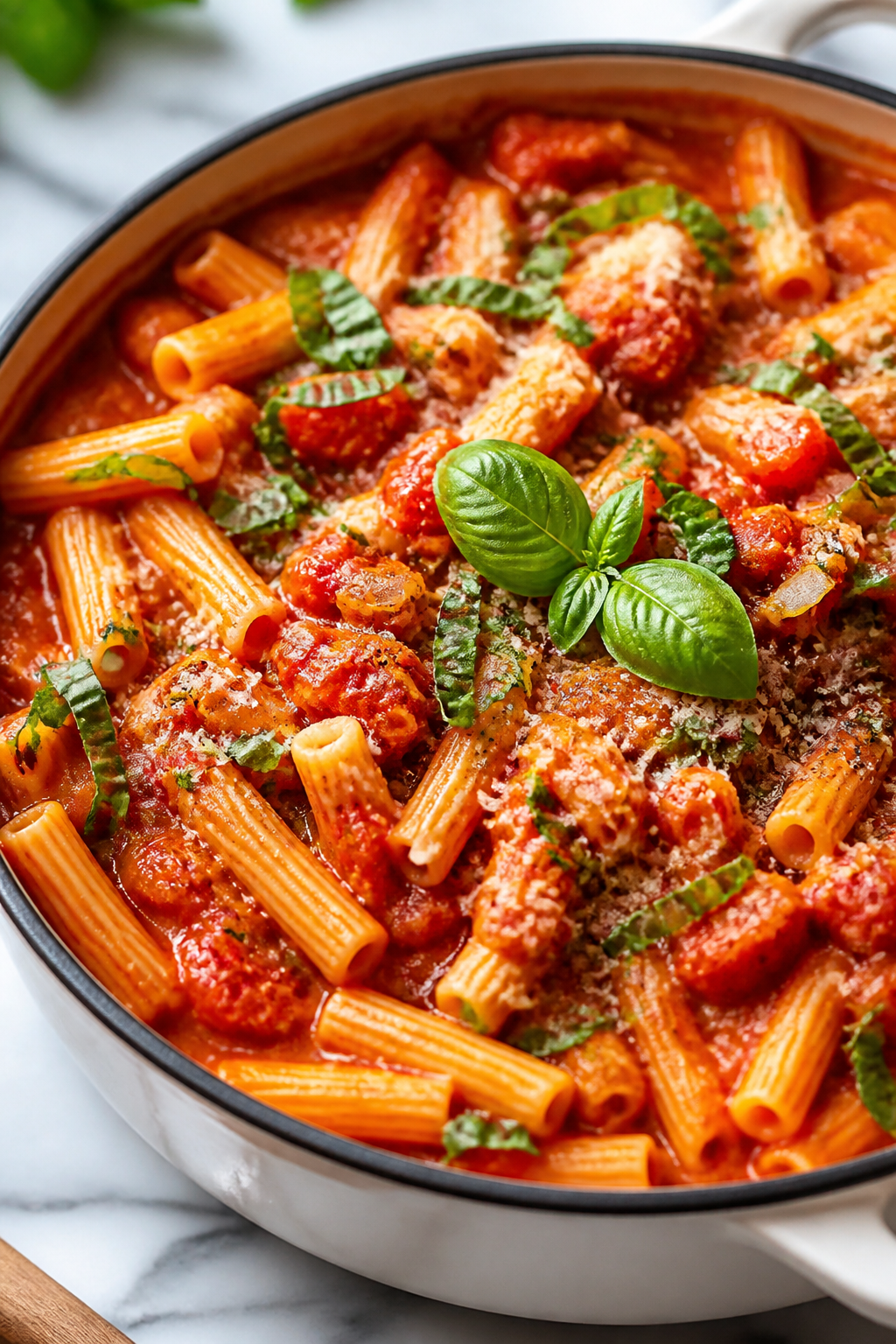
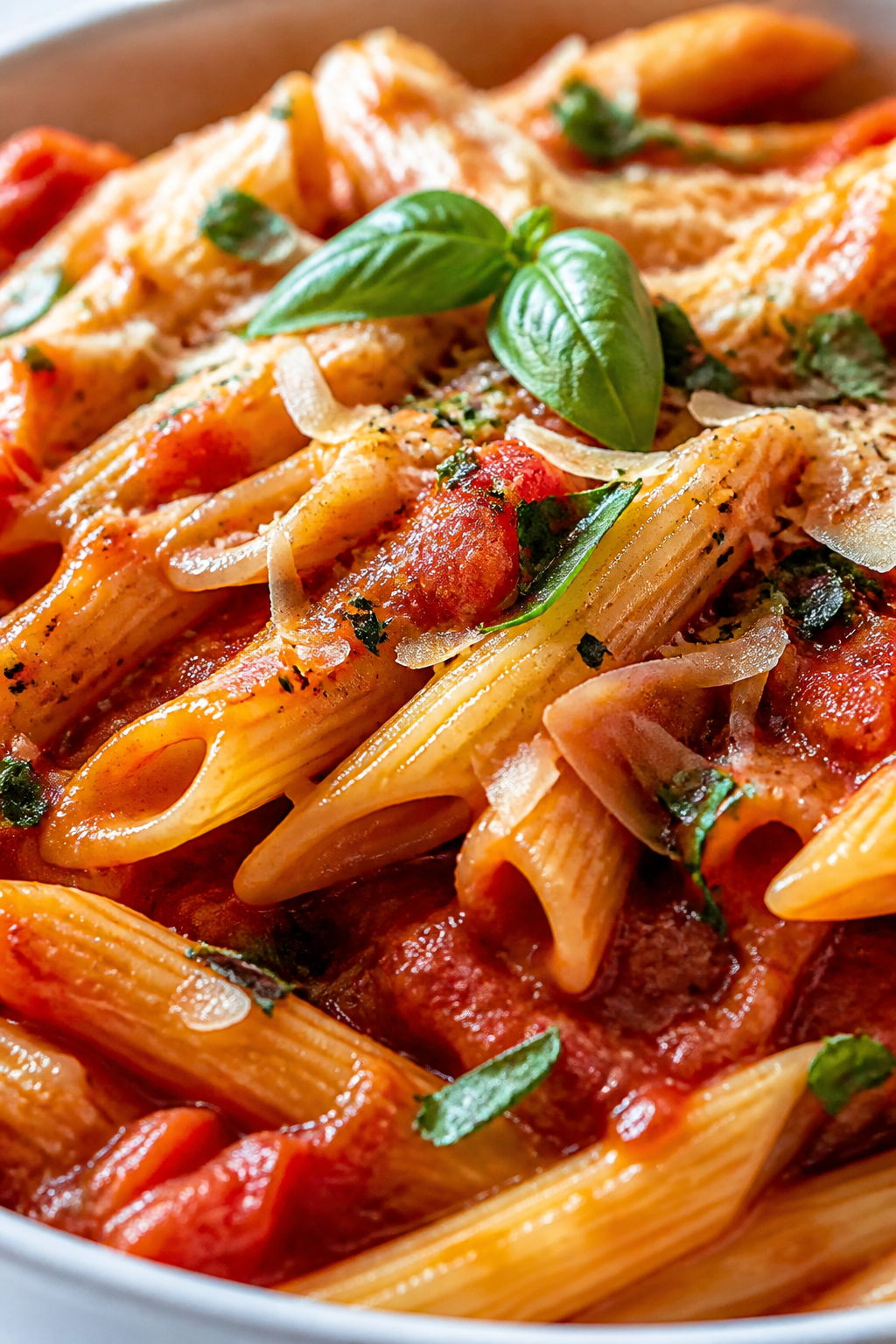
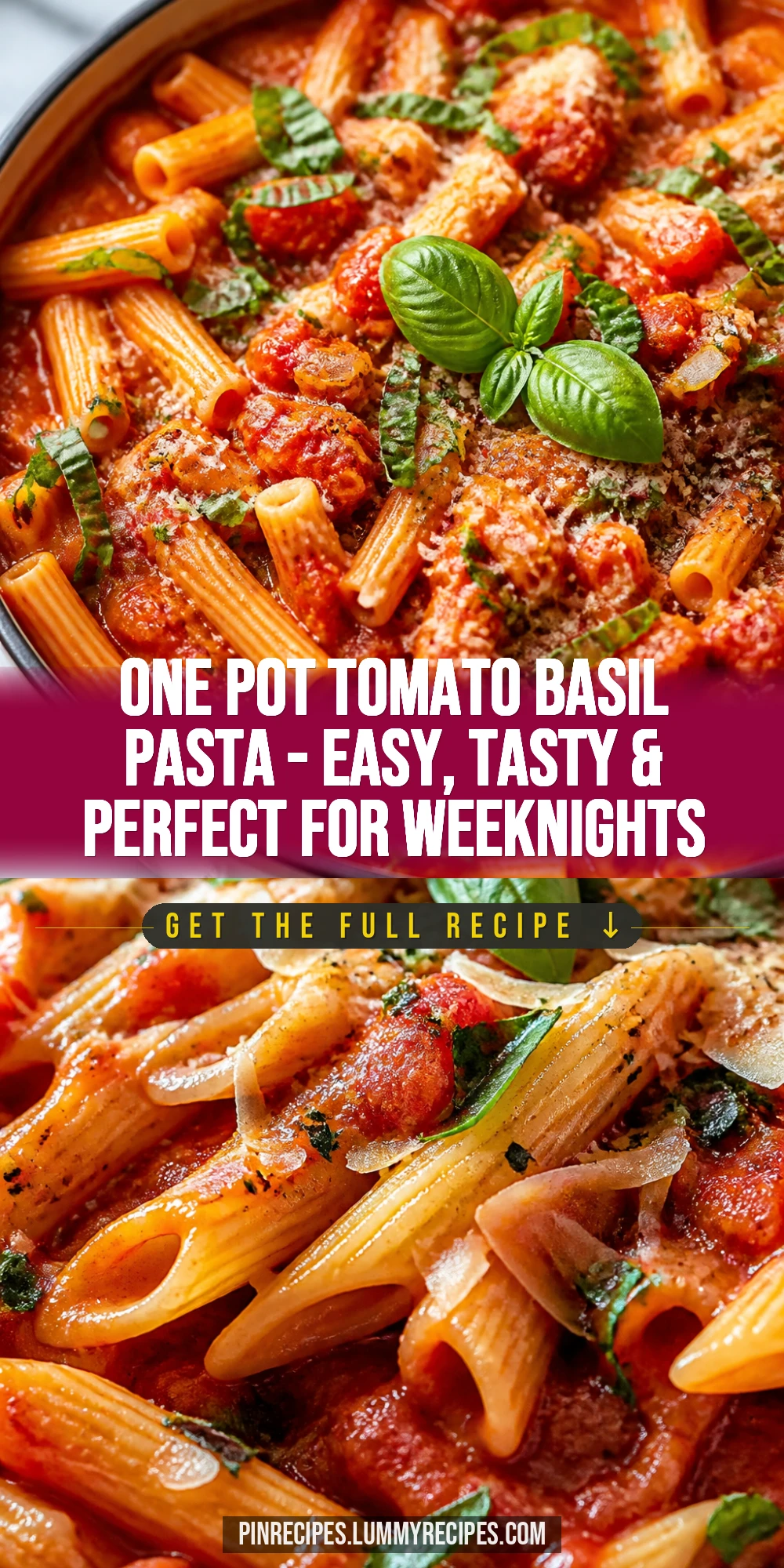
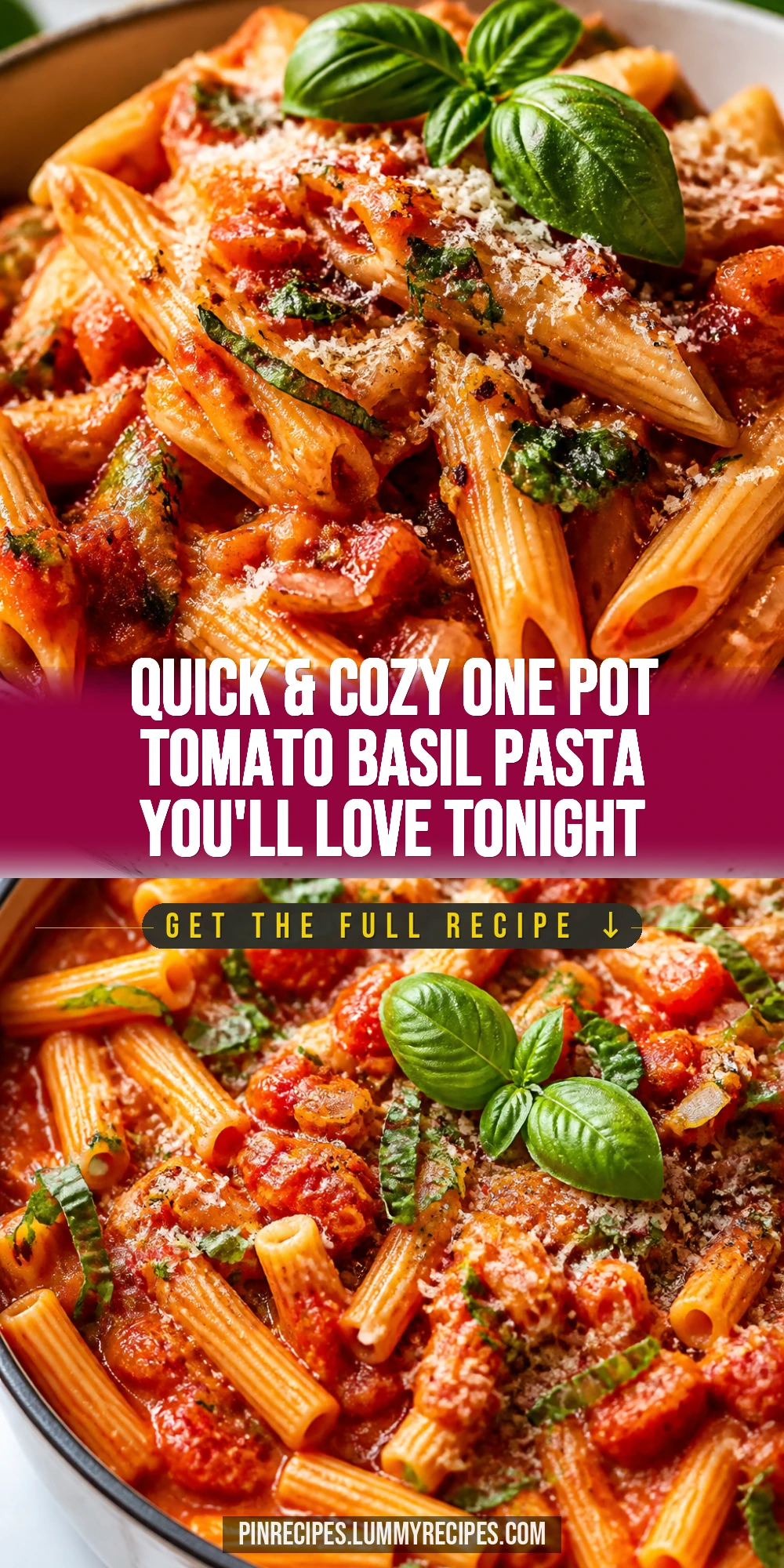
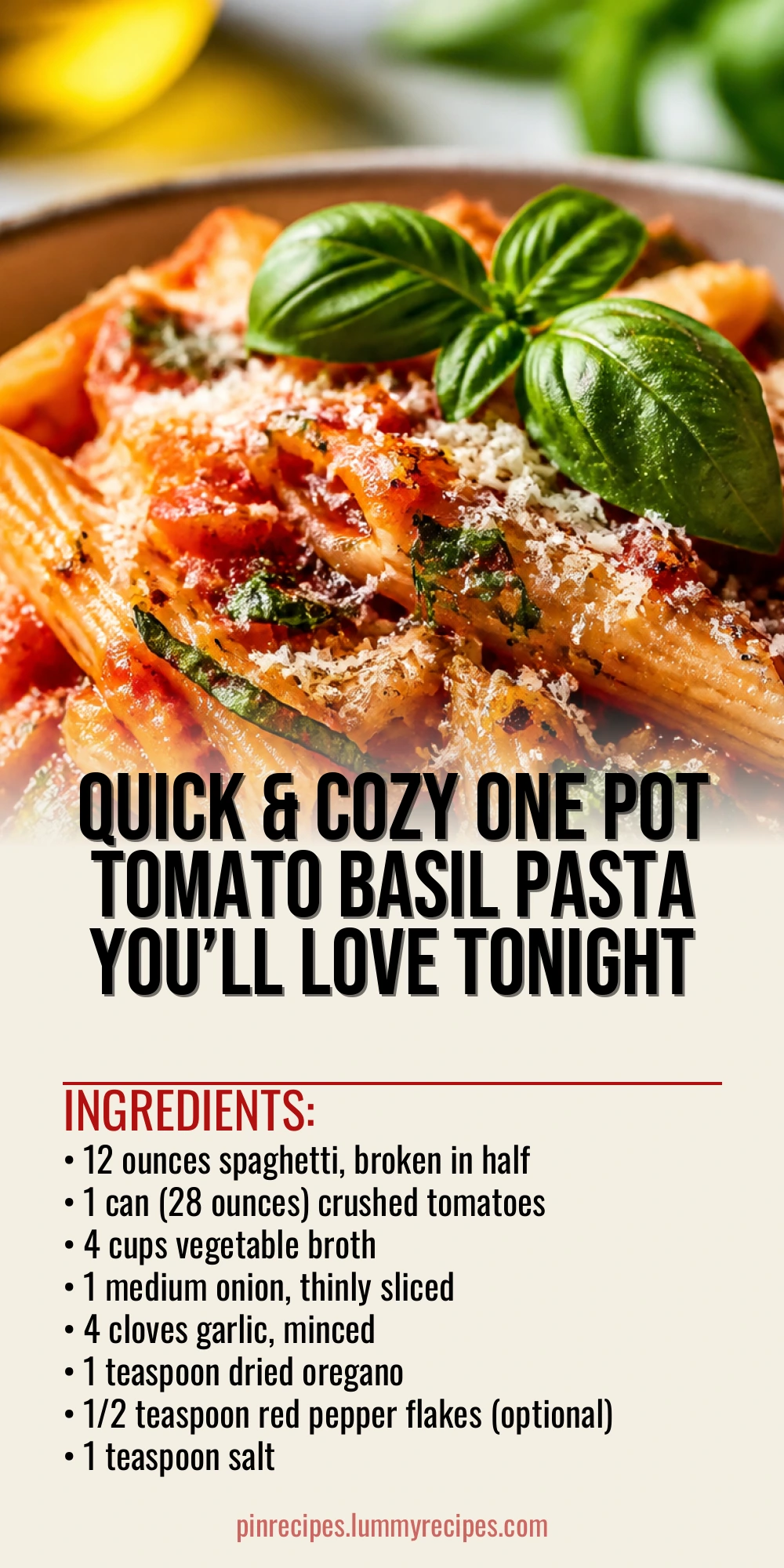
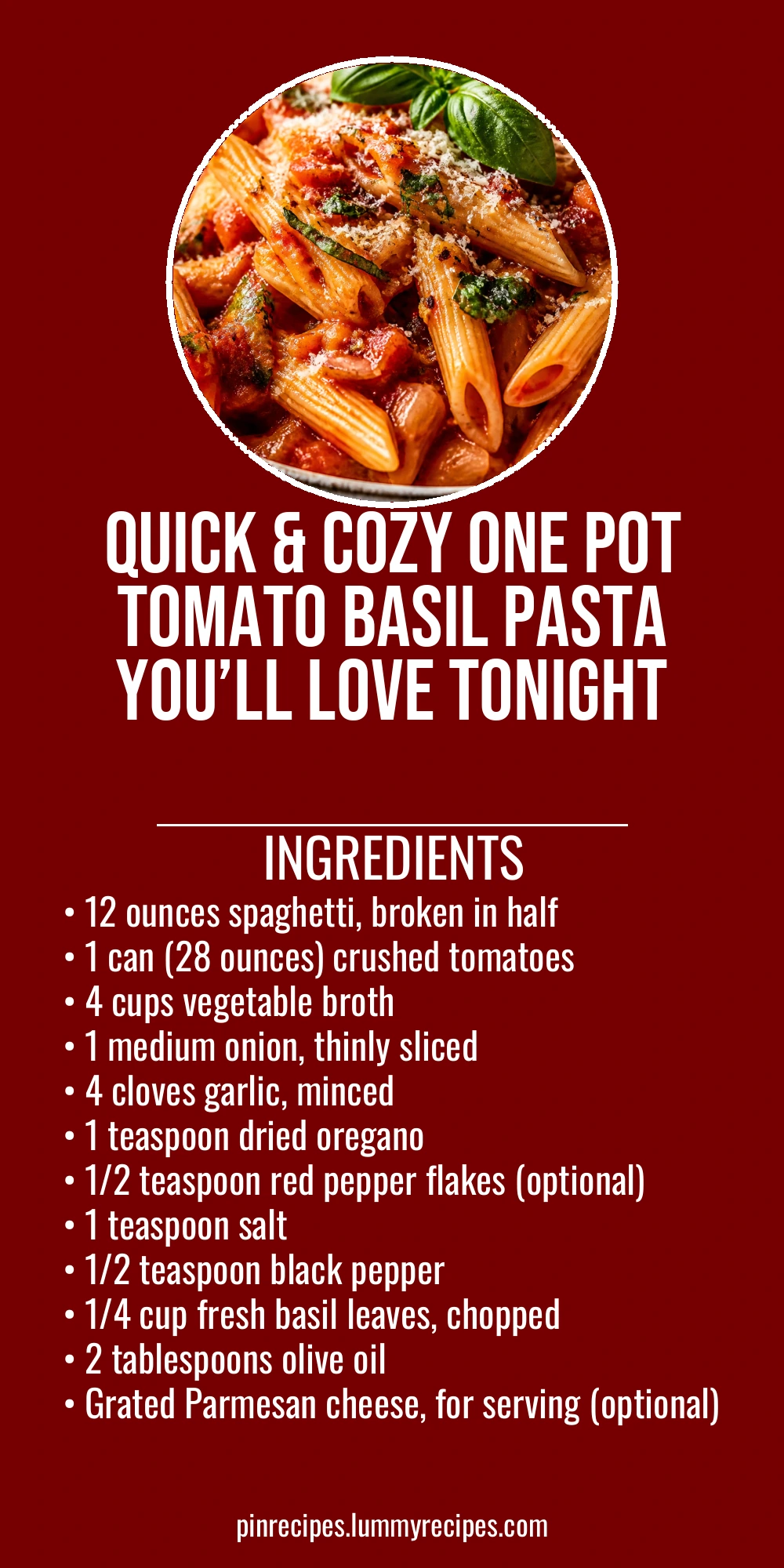
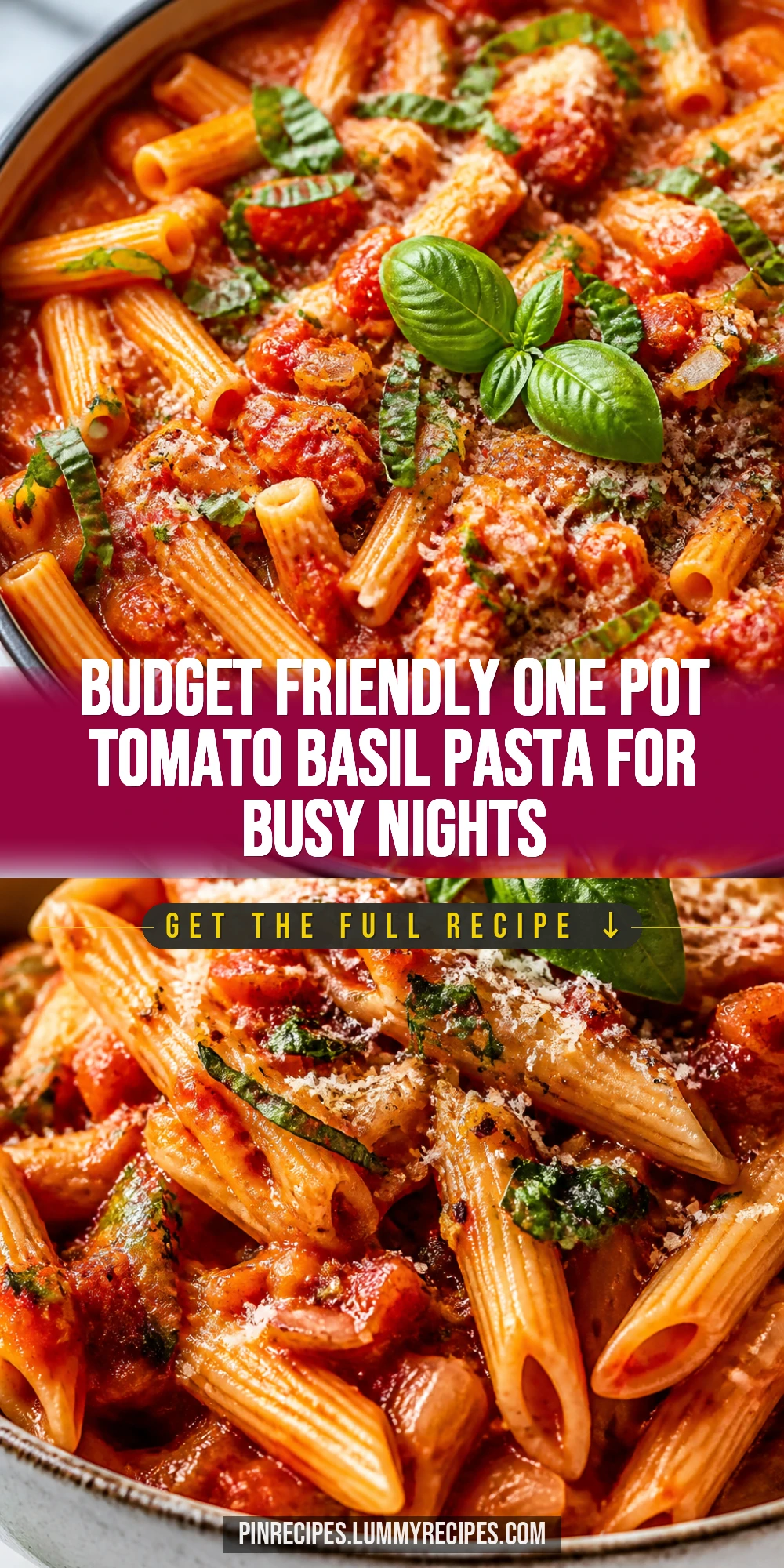
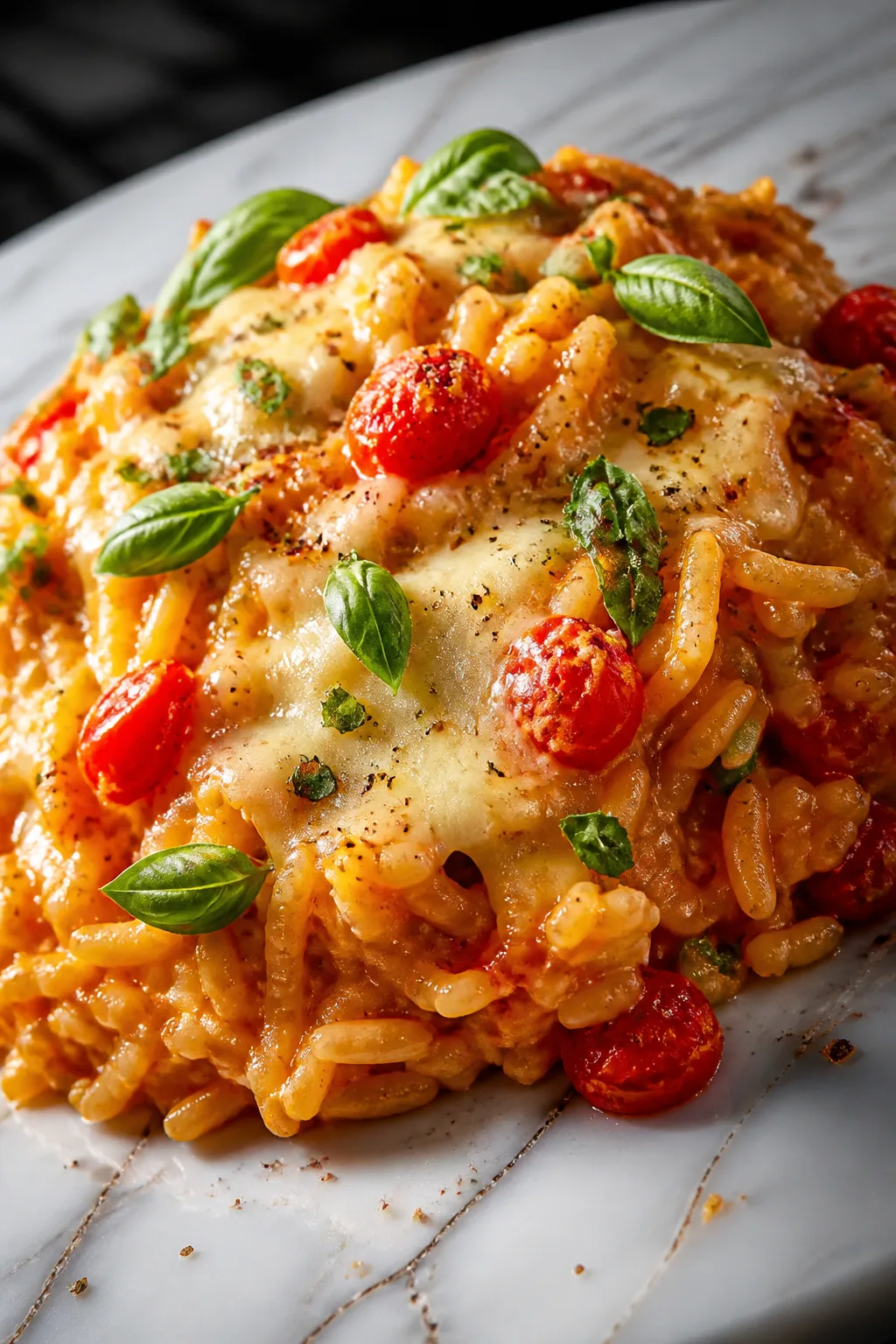
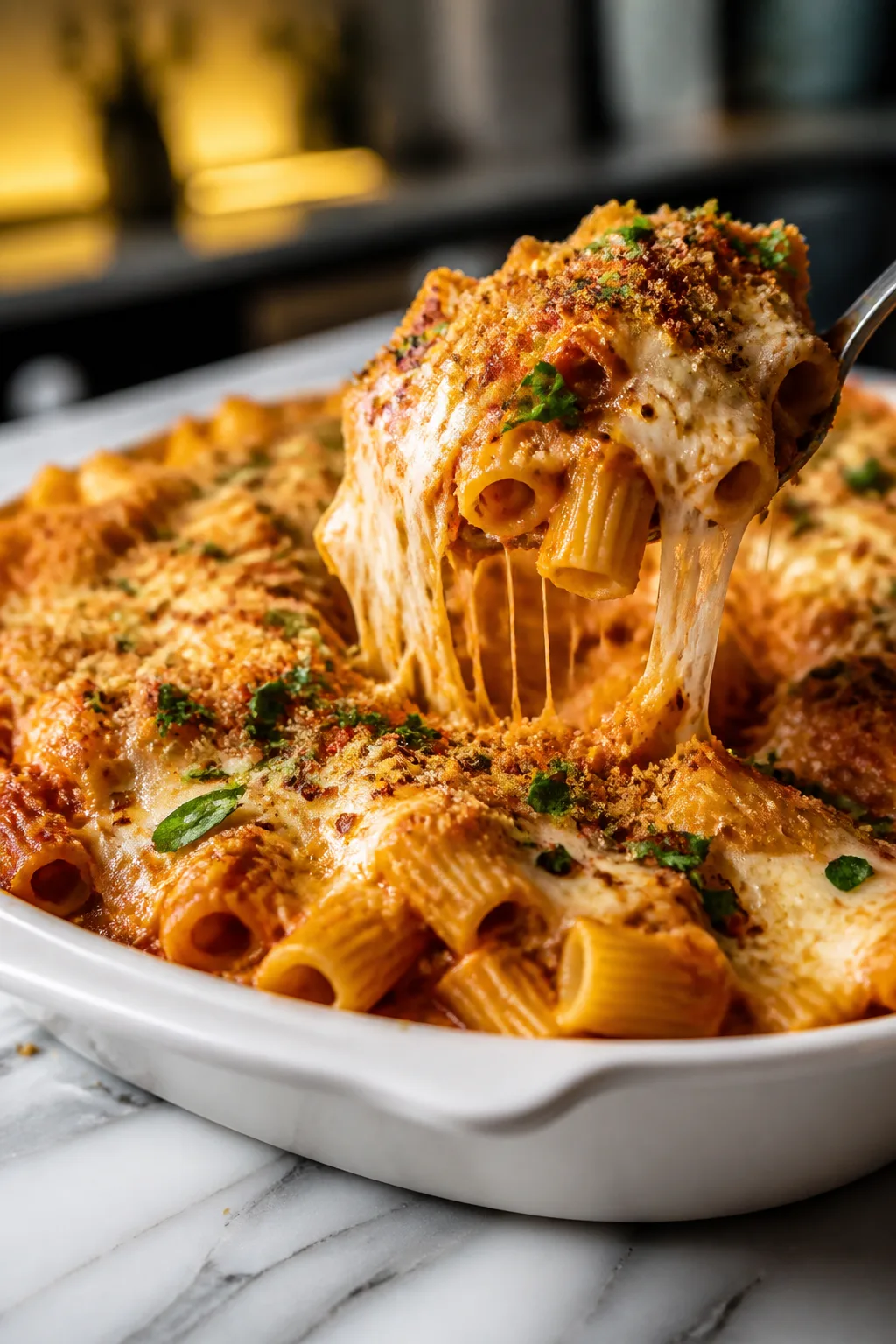
This one pot tomato basil pasta is a lifesaver on busy weeknights. It’s simple, affordable, and packed with fresh basil flavor. Toss everything in one pot, and dinner’s done in under 30 minutes!
Introduction
I stumbled upon this one pot tomato basil pasta during a particularly hectic week when I didn’t want to spend ages in the kitchen but still craved something homemade and comforting. It’s become my go-to dinner when time and budget are tight. What makes this version stand out is how everything cooks together in one pot — no draining pasta or extra dishes to wash. The trick I learned is to add the pasta broken in half, so it fits nicely and cooks evenly in the sauce. Also, using crushed tomatoes instead of fresh keeps it budget-friendly but still flavorful. When it’s done, you get tender pasta soaked in a fragrant tomato basil sauce that’s just the right balance of tangy and fresh. It’s simple, satisfying, and perfect for those weeknights when you want a home-cooked meal without the fuss. Plus, my family loves it topped with a little grated Parmesan, but it’s just as good without. I think you’ll find it’s a recipe you’ll turn to again and again.
How To Do It
Step 1
Heat the olive oil in a large deep skillet or pot over medium heat. Add the sliced onion and cook, stirring occasionally, until soft and translucent, about 5-7 minutes. This step is important because it builds the flavor base for the sauce by gently sweetening the onions without browning them, which could add bitterness. Avoid rushing this step by turning the heat too high, as that can burn the onions and ruin the sauce's delicate taste.
⏱ Time: 7 minutes
✓ Doneness: Onions should be soft, translucent, and slightly sweet-smelling
Step 2
Add the minced garlic, dried oregano, and red pepper flakes (if using) to the pot. Stir and cook for about 1 minute until fragrant. Garlic cooks quickly and can burn easily, so keep an eye on it and stir constantly. This step releases the aromatic oils that infuse the sauce with depth and warmth.
⏱ Time: 1 minute
✓ Doneness: Garlic should smell fragrant but not browned or bitter
Step 3
Pour in the crushed tomatoes and vegetable broth, stirring to combine. Season with salt and black pepper. Bringing the mixture to a simmer before adding pasta helps the flavors meld and ensures the pasta will cook evenly in the liquid. Don’t skip seasoning here; it’s key to a balanced sauce.
⏱ Time: 5 minutes
✓ Doneness: Sauce should be simmering gently with small bubbles
Step 4
Add the broken spaghetti pieces to the pot, making sure they are submerged in the liquid. Stir gently to prevent sticking. Cover the pot and let the pasta cook, stirring every few minutes to keep it from clumping. Cooking pasta directly in the sauce absorbs flavor and saves time on draining. Be patient and don’t rush by lifting the lid too often, or it will extend cooking time.
⏱ Time: 12-15 minutes
✓ Doneness: Pasta should be tender but still slightly firm to the bite (al dente)
Step 5
Once pasta is cooked, remove the pot from heat and stir in the fresh chopped basil. The residual heat will gently wilt the basil, releasing its fragrant oils without cooking it too much and losing brightness. Fresh basil adds a lovely herbal note that lifts the entire dish.
⏱ Time: 2 minutes
✓ Doneness: Basil leaves should be wilted but still vibrant green
Step 6
Taste and adjust seasoning with more salt or pepper if needed. This final step ensures the flavors are balanced and the dish is perfectly seasoned to your liking. Sometimes the tomatoes or broth vary in saltiness, so tasting is crucial.
⏱ Time: 1 minute
✓ Doneness: Balanced, flavorful sauce without any overpowering saltiness or blandness
Step 7
Serve the pasta hot, topped with grated Parmesan cheese if you like. The cheese adds a salty, creamy finish that complements the tomato and basil beautifully. If you’re dairy-free, it’s still delicious on its own or with a sprinkle of nutritional yeast.
⏱ Time: Immediate
✓ Doneness: Cheese melted slightly and pasta steaming hot
Step 8
If you want to add a bit of extra texture, sprinkle some toasted pine nuts or chopped walnuts on top. This adds a pleasant crunch and a nutty flavor that pairs well with the basil and tomato. It’s an optional step but one I love for a little twist.
⏱ Time: Optional, 2 minutes
✓ Doneness: Nuts lightly toasted and aromatic
Step 9
Leftovers can be stored in an airtight container in the fridge and reheated gently with a splash of water or broth to loosen the sauce. Reheating slowly helps keep the pasta from drying out or sticking together. Avoid overheating to preserve the fresh basil flavor.
⏱ Time: Storage step
✓ Doneness: Pasta reheated evenly and sauce smooth
Pro Tips
Break the pasta in half before adding it to the pot.
Breaking the spaghetti ensures it fits comfortably in the pot and cooks evenly submerged in the sauce. Whole strands can stick out and cook unevenly, leading to some parts mushy and others underdone.
Stir the pasta frequently while cooking.
Pasta cooked directly in sauce tends to stick together or to the pot. Stirring every few minutes prevents clumping and ensures even cooking, helping the starches release gradually to thicken the sauce.
Add fresh basil at the very end.
Fresh basil loses its bright flavor and vibrant color if cooked too long. Adding it off the heat preserves its aroma and freshness, giving the dish a lovely herbal lift.
Use low-sodium broth to control saltiness.
Broth varies in salt content, so starting with low-sodium lets you season the dish carefully at the end. Too salty broth can overpower the delicate tomato and basil flavors.
Cook onions slowly over medium heat.
Slow cooking onions brings out their natural sweetness without browning or bitterness, creating a flavorful base that balances the acidity of the tomatoes.
Don’t rush the pasta cooking time.
Pasta needs time to absorb flavors and cook through properly. Lifting the lid too often or increasing heat can cause uneven cooking or drying out.
Add a splash of water or broth when reheating leftovers.
Pasta tends to absorb sauce overnight and can dry out. Adding liquid during reheating loosens the sauce and restores the creamy texture.
Common Mistakes to Avoid
Adding pasta before the sauce simmers
Why it happens Many cooks try to save time by adding pasta immediately, but the sauce isn’t hot enough to start cooking the pasta evenly.
Fix Always bring the tomato and broth mixture to a simmer before adding pasta. This ensures the pasta starts cooking immediately and absorbs flavor properly.
Not stirring pasta enough during cooking
Why it happens People often forget to stir because they think it will slow cooking or cause mess.
Fix Stir every few minutes to prevent pasta from sticking together or to the pot. This keeps the texture even and the sauce creamy.
Using dried basil instead of fresh at the end
Why it happens Some substitute fresh herbs with dried without adjusting timing.
Fix Use fresh basil added off heat for best flavor. If using dried, add earlier in cooking but expect less brightness.
Overcooking the onions at high heat
Why it happens Rushing this step can burn onions, causing bitterness.
Fix Cook onions slowly over medium heat until translucent and soft to develop sweetness without burning.
Skipping seasoning adjustments at the end
Why it happens Assuming canned tomatoes and broth are perfectly salted.
Fix Always taste and adjust salt and pepper after pasta cooks to balance flavors.
Variations
Add Italian Sausage for Extra Protein
Brown sliced Italian sausage in the pot before cooking onions for a meaty twist. The sausage fat adds richness to the sauce, making it heartier and perfect for family dinners.
Note: Cook sausage fully before adding onions and liquids; this adds flavor but may require slight adjustment in salt.
Make it Vegan by Skipping Cheese
Simply omit the Parmesan cheese or swap with a vegan alternative. The tomato and basil sauce stands strong on its own, and you can add nutritional yeast for a cheesy flavor.
Note: No changes to cooking steps needed; just skip the cheese topping.
Add Fresh Spinach for Extra Greens
Stir in a couple of handfuls of fresh spinach right after the pasta is cooked. It wilts quickly and adds a nutritious boost without overpowering the tomato basil flavor.
Note: Add spinach off heat to preserve color and nutrients.
Use Penne or Rigatoni Instead of Spaghetti
Swap spaghetti for short pasta shapes like penne or rigatoni. They hold sauce well and make the dish easier to eat for kids or picky eaters.
Note: Cooking time may vary slightly; check pasta package for guidance.
Spicy Kick with Extra Red Pepper Flakes
If you love heat, increase the red pepper flakes or add a dash of hot sauce. This adds a warming spice that complements the sweet tomatoes and fresh basil.
Note: Add spice early with garlic to infuse the oil or sprinkle on top before serving.
Nutrition
Per Serving:
Nutritional values are estimates and may vary based on specific ingredients used.
Storage & Tips
Room Temperature
This pasta can safely sit out for up to 2 hours covered. Beyond that, bacteria growth increases so it’s best to refrigerate promptly to keep it safe.
Refrigerator
Store leftovers in an airtight container for up to 3 days. The flavors meld nicely overnight but the pasta may absorb sauce and firm up. Reheat gently with a splash of water or broth for best texture.
Freezer
Freeze in a sealed container for up to 2 months. To prevent freezer burn, press plastic wrap directly on the surface before sealing. Thaw overnight in the fridge and reheat slowly to avoid mushiness.
Reheating
Reheat on the stovetop over low heat with a splash of broth or water, stirring gently until warmed through. Avoid microwave reheating without adding liquid, as it can dry out the pasta.
Make Ahead
You can prepare the sauce base a day ahead and refrigerate. Next day, bring to simmer, add pasta, and cook as directed. This shortens active cooking time and deepens flavors.
FAQ
Can I use fresh tomatoes instead of canned crushed tomatoes?
Yes, but fresh tomatoes require more prep and cooking time to break down into a sauce. Use about 4 cups of diced fresh tomatoes and simmer longer until thickened. Canned crushed tomatoes save time and provide consistent flavor.
What if I don’t have vegetable broth?
You can substitute water, but the sauce will be less flavorful. Adding a teaspoon of bouillon or extra seasoning can help boost the taste if you only have water.
How do I prevent pasta from sticking while cooking in the sauce?
Stir the pasta frequently during cooking and make sure it’s fully submerged in liquid. Using enough broth and stirring prevents clumping and sticking to the pot.
Can I make this gluten-free?
Absolutely! Use gluten-free pasta and check your broth and canned tomatoes to ensure they’re gluten-free. Cooking times may vary slightly depending on pasta type.
Why add basil at the end instead of cooking it with the sauce?
Fresh basil loses its bright flavor and vibrant color if cooked too long. Adding it off heat preserves its aroma and freshness, which really lifts the dish.
Is it okay to double this recipe?
Yes, but use a larger pot to ensure pasta cooks evenly and is submerged in liquid. You might need to increase cooking time slightly and stir more often.
Can I add protein like chicken or sausage?
Yes, brown sausage or cooked chicken pieces in the pot before starting the sauce. This adds richness and makes the dish heartier without changing the pasta cooking method.
How do I store leftovers to keep pasta from drying out?
Store in an airtight container and add a little olive oil or broth before refrigerating. Reheat gently with a splash of liquid to restore creaminess.
Final Thoughts
Give this easy one pot tomato basil pasta a try—you’ll love how simple and comforting it is. Don’t forget to share your results, I’d love to hear how it turns out!