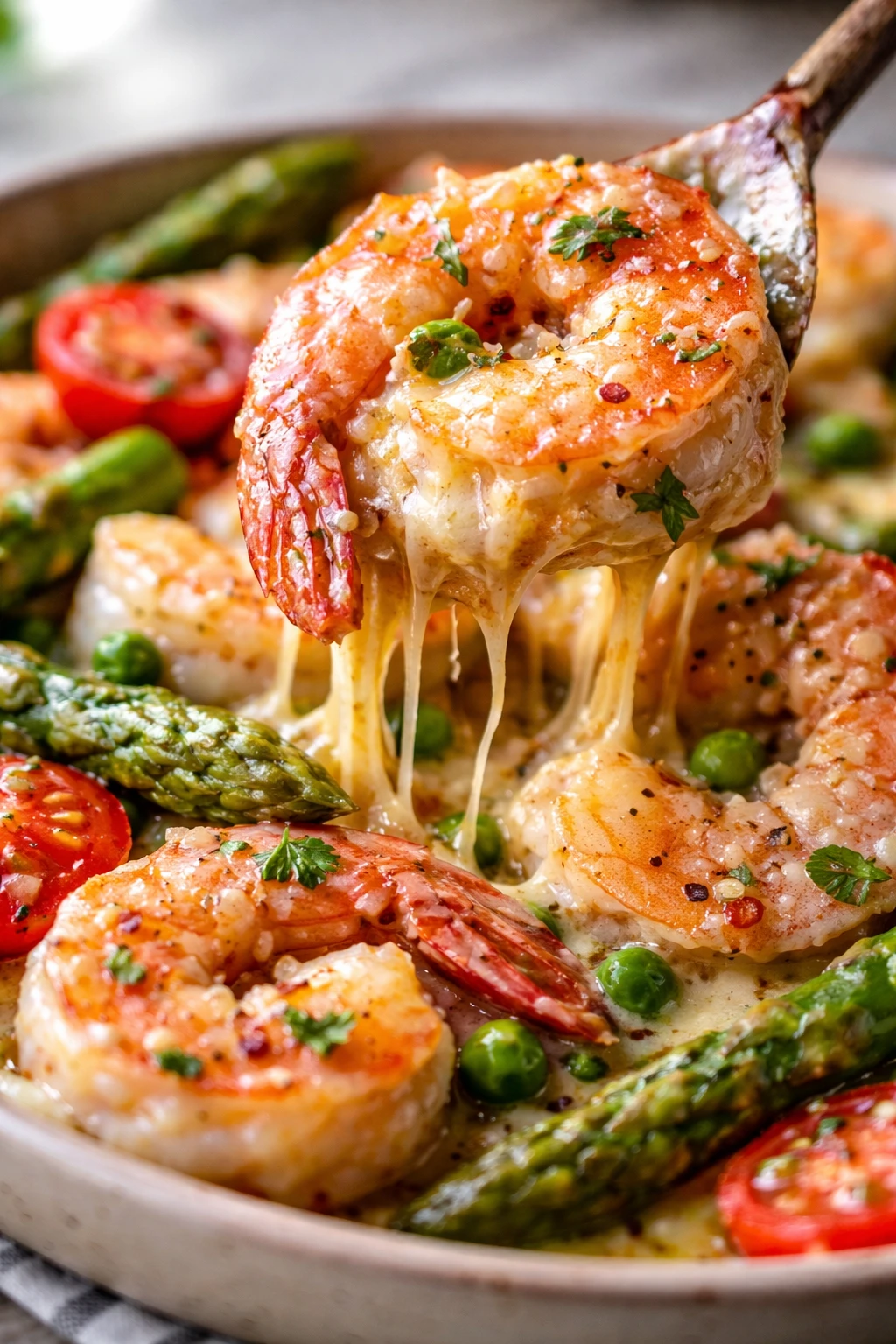
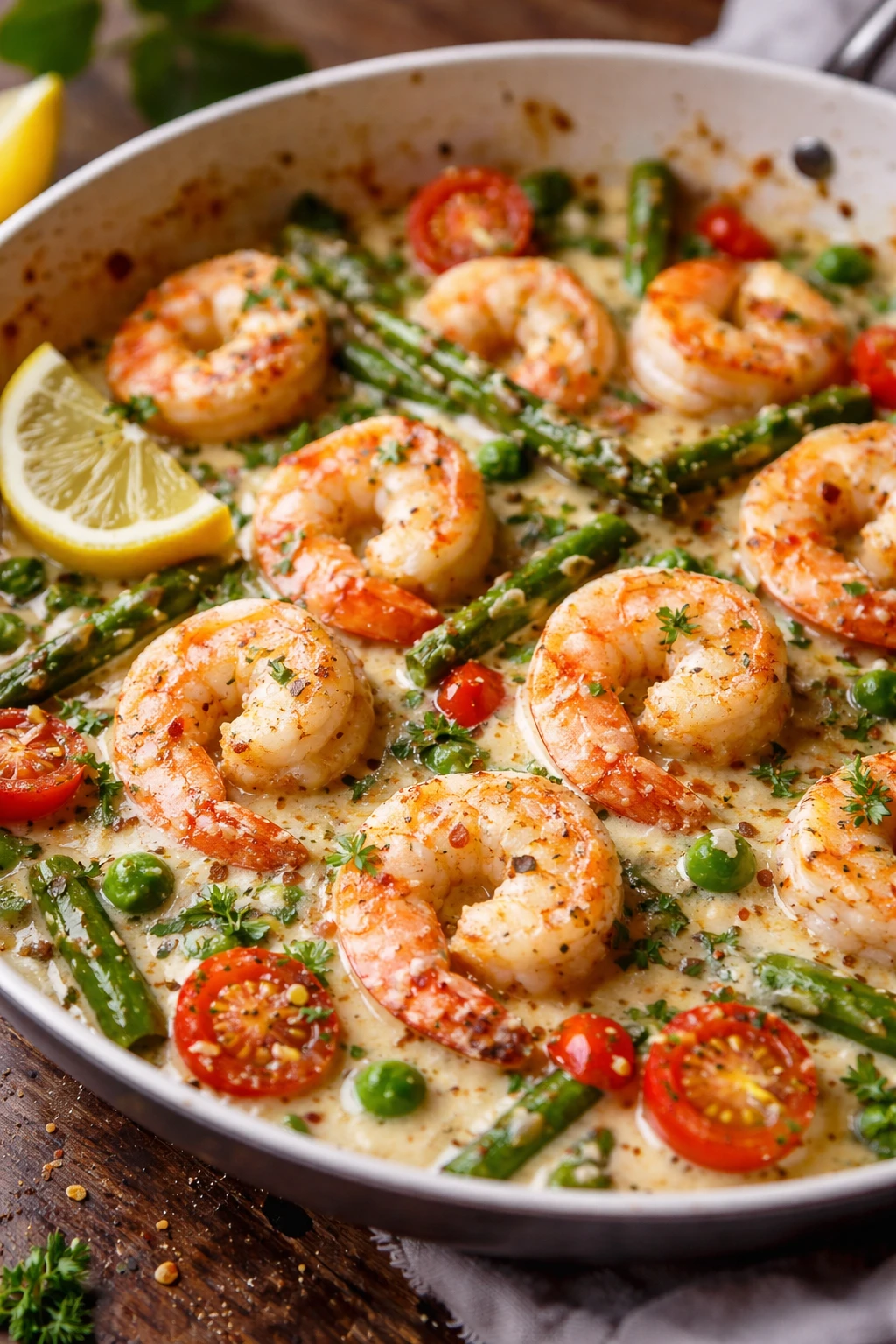
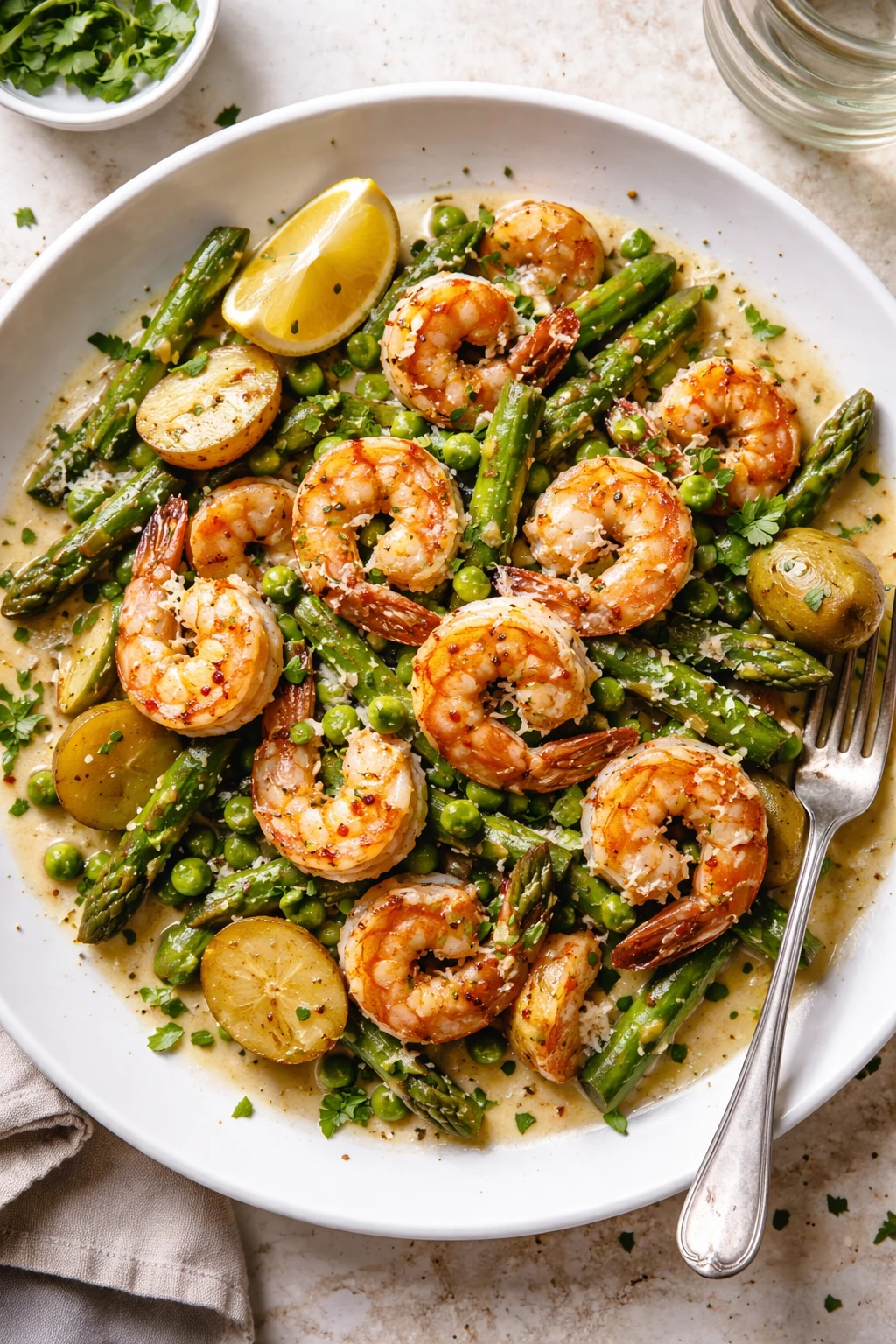
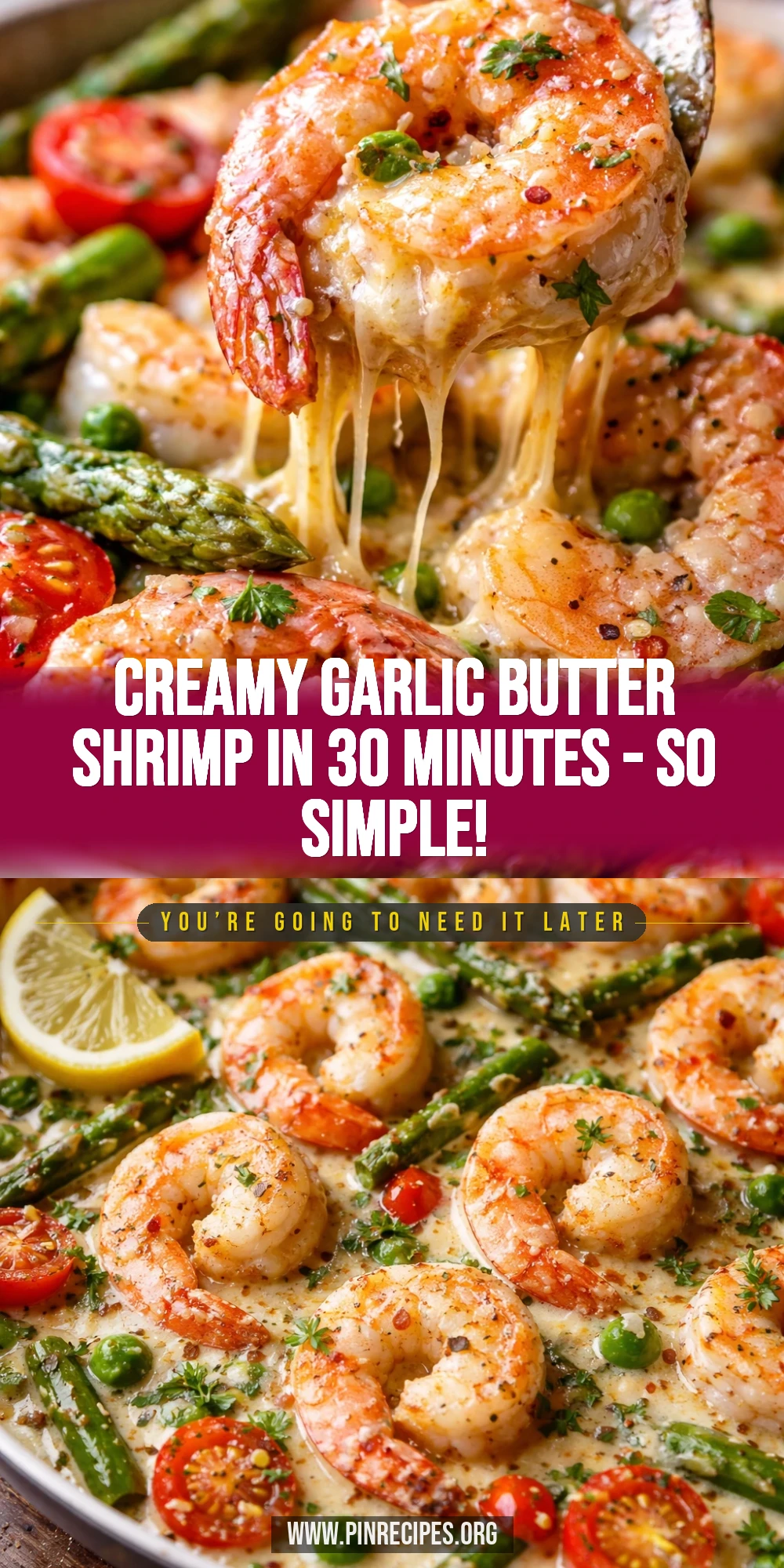
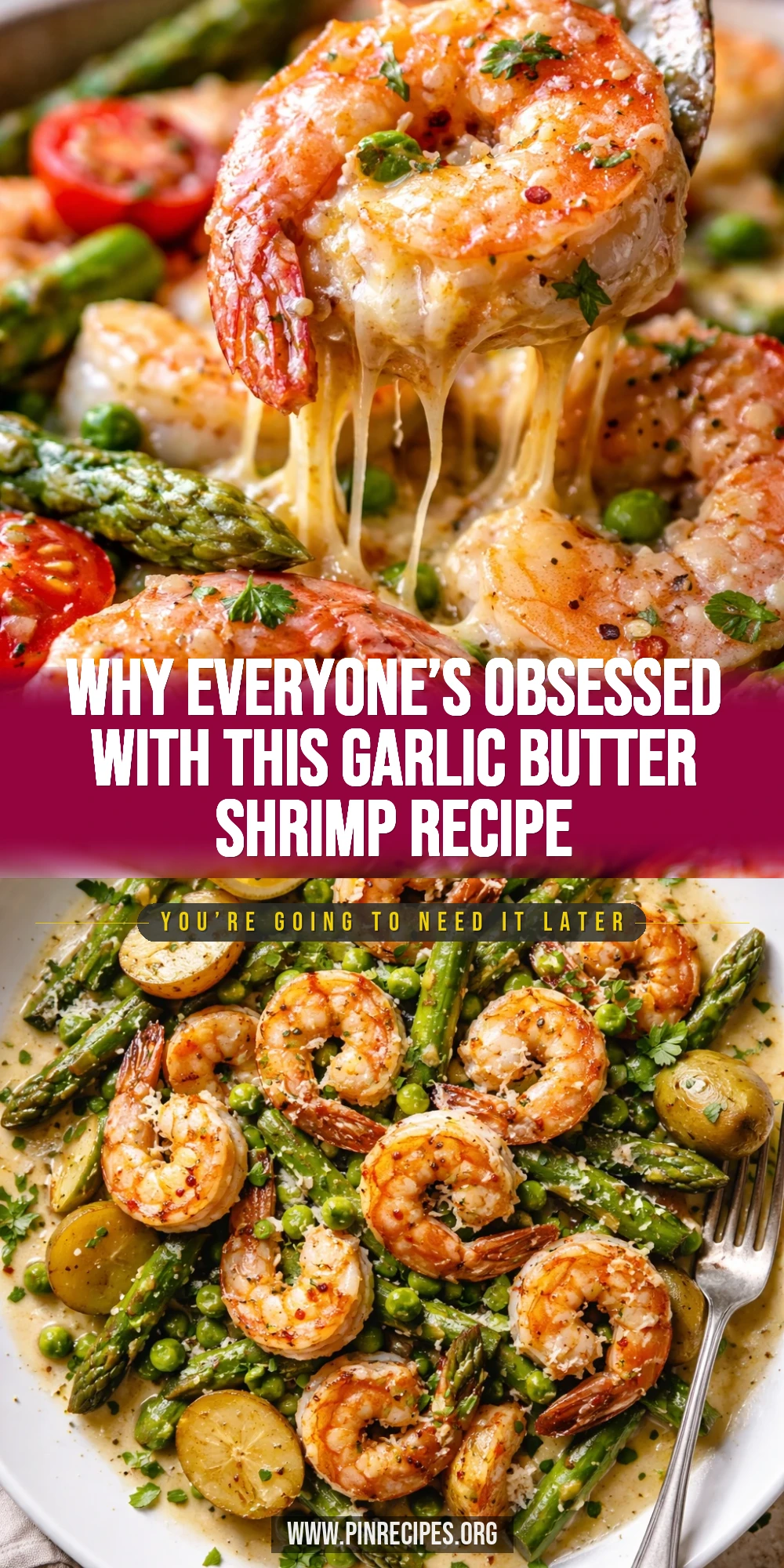
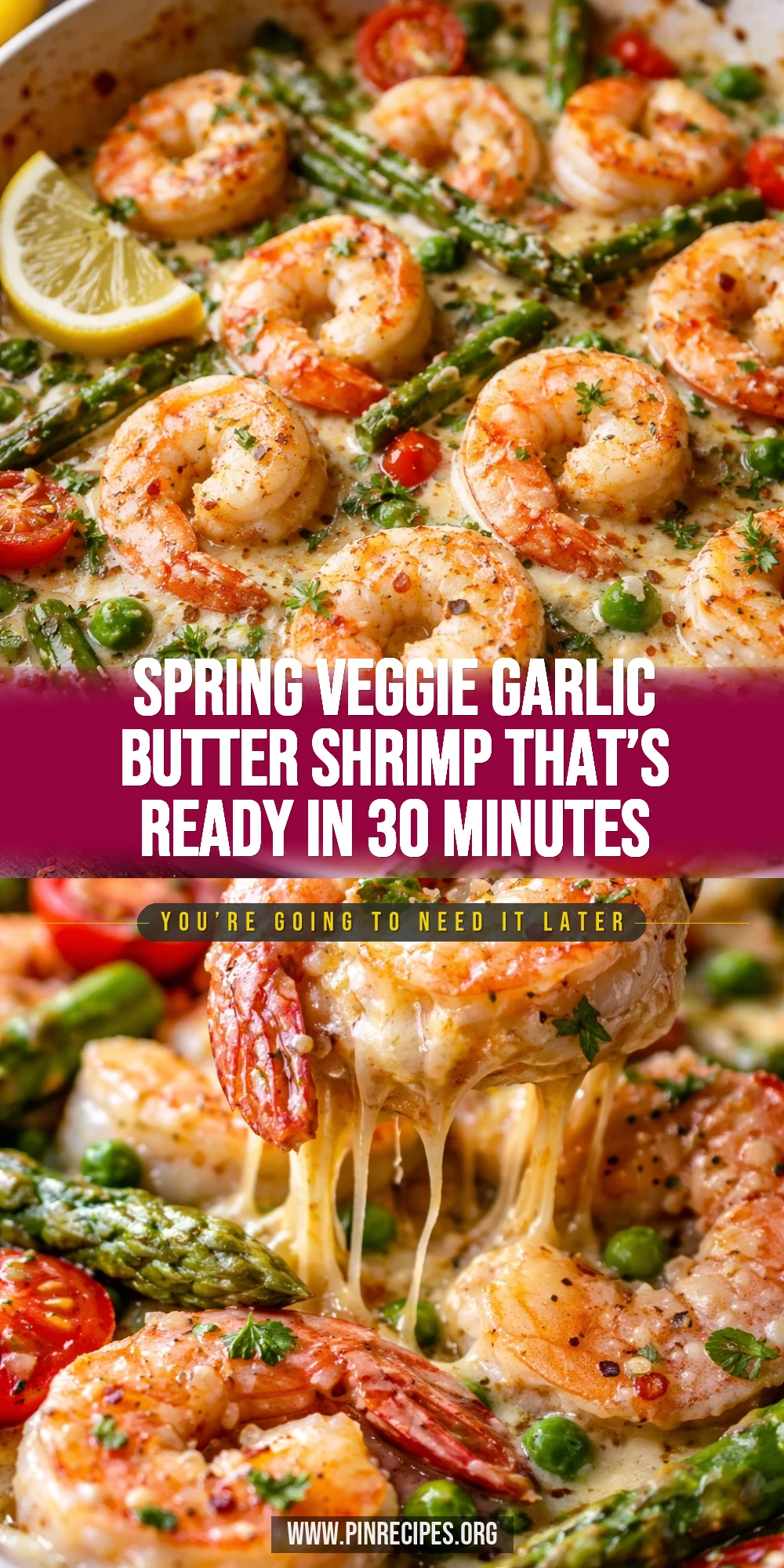
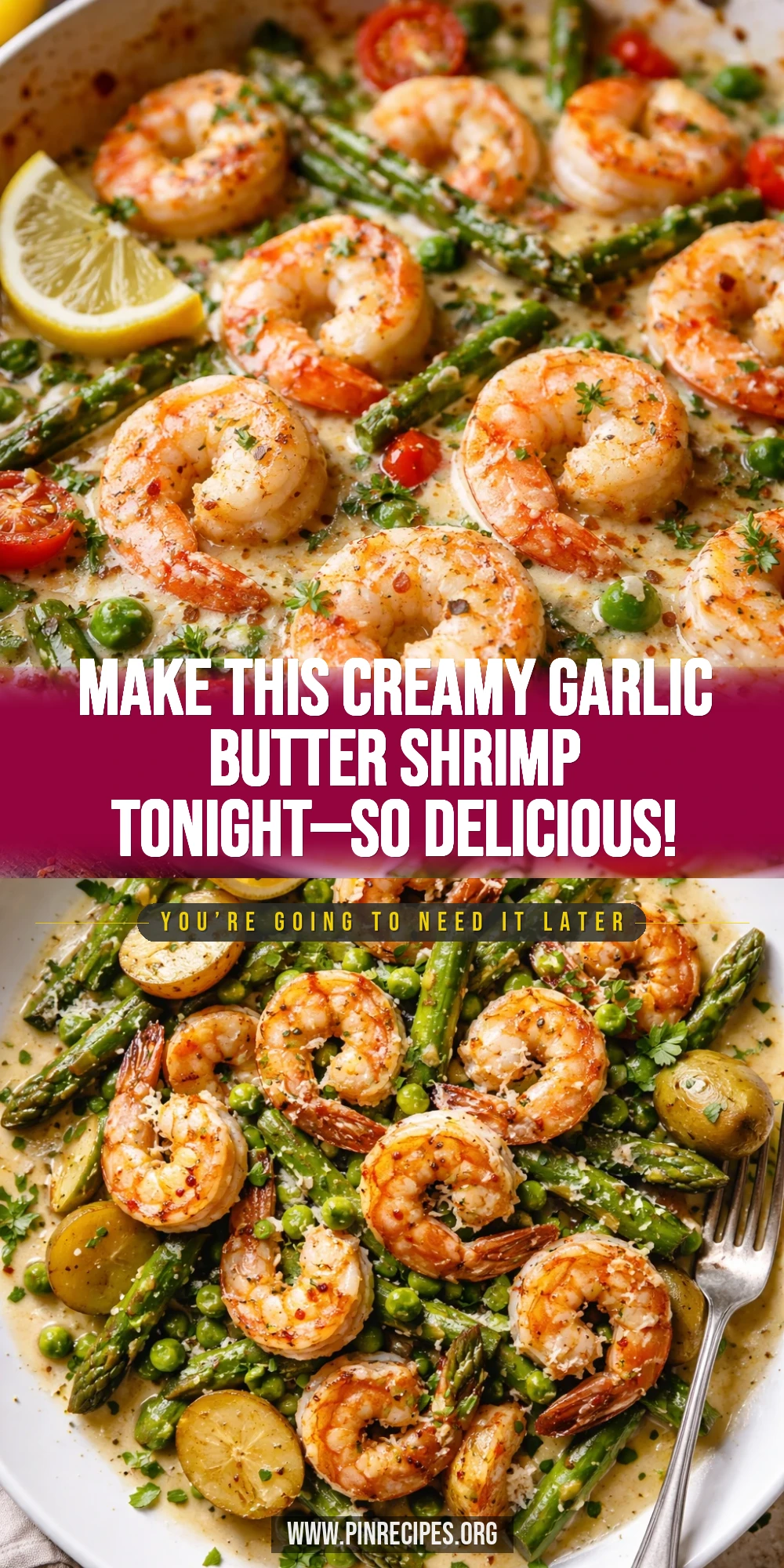
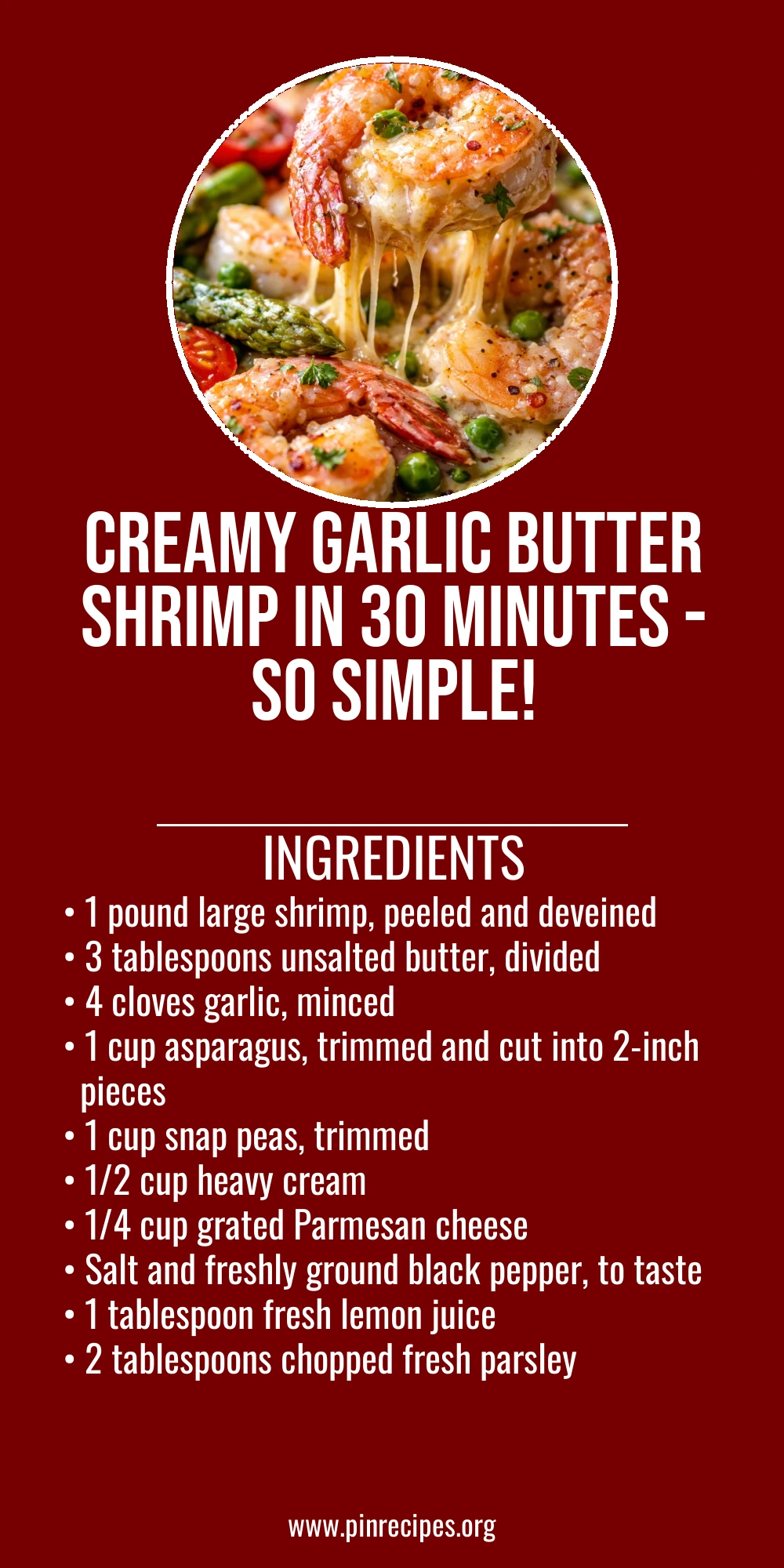
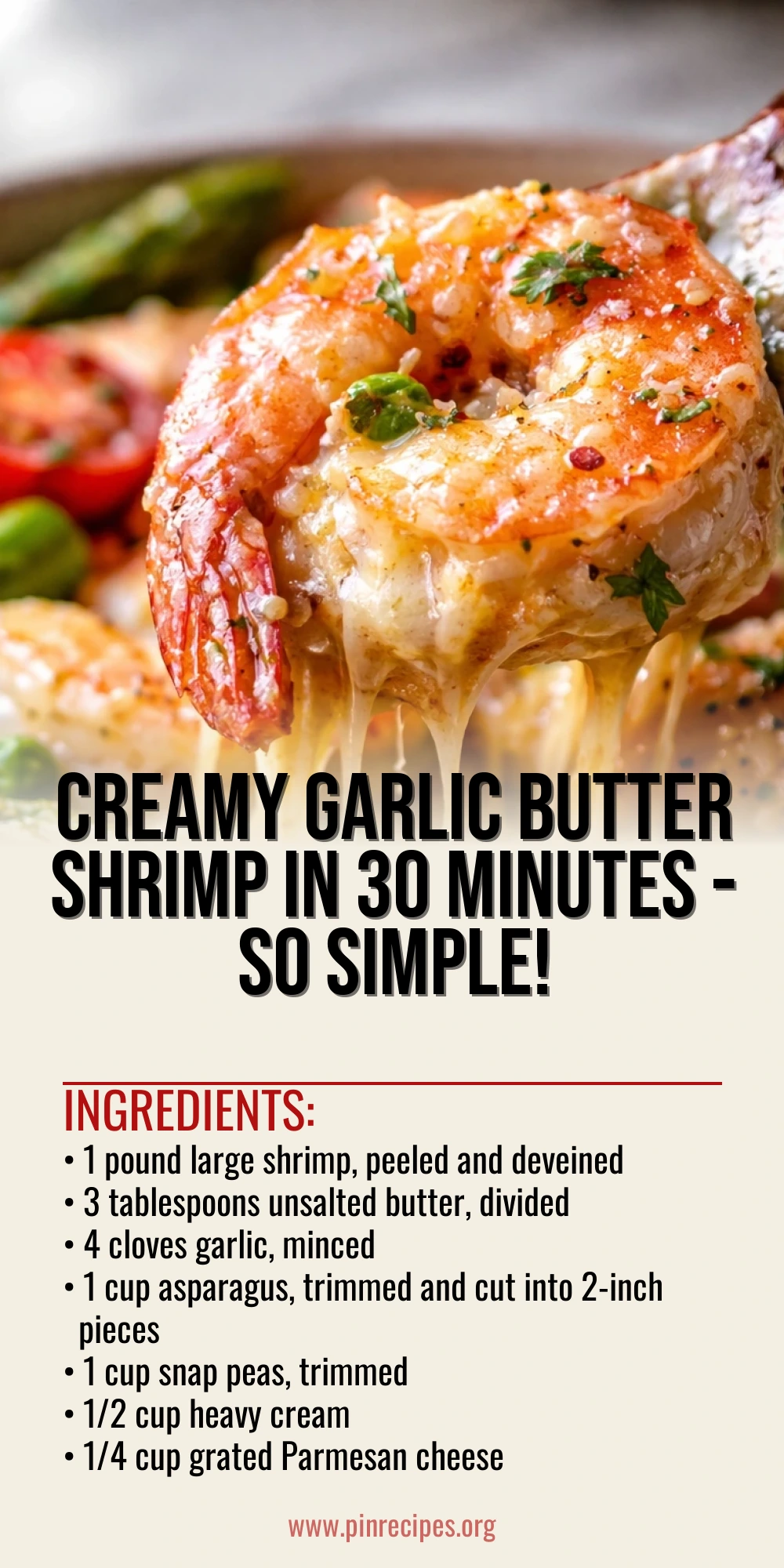
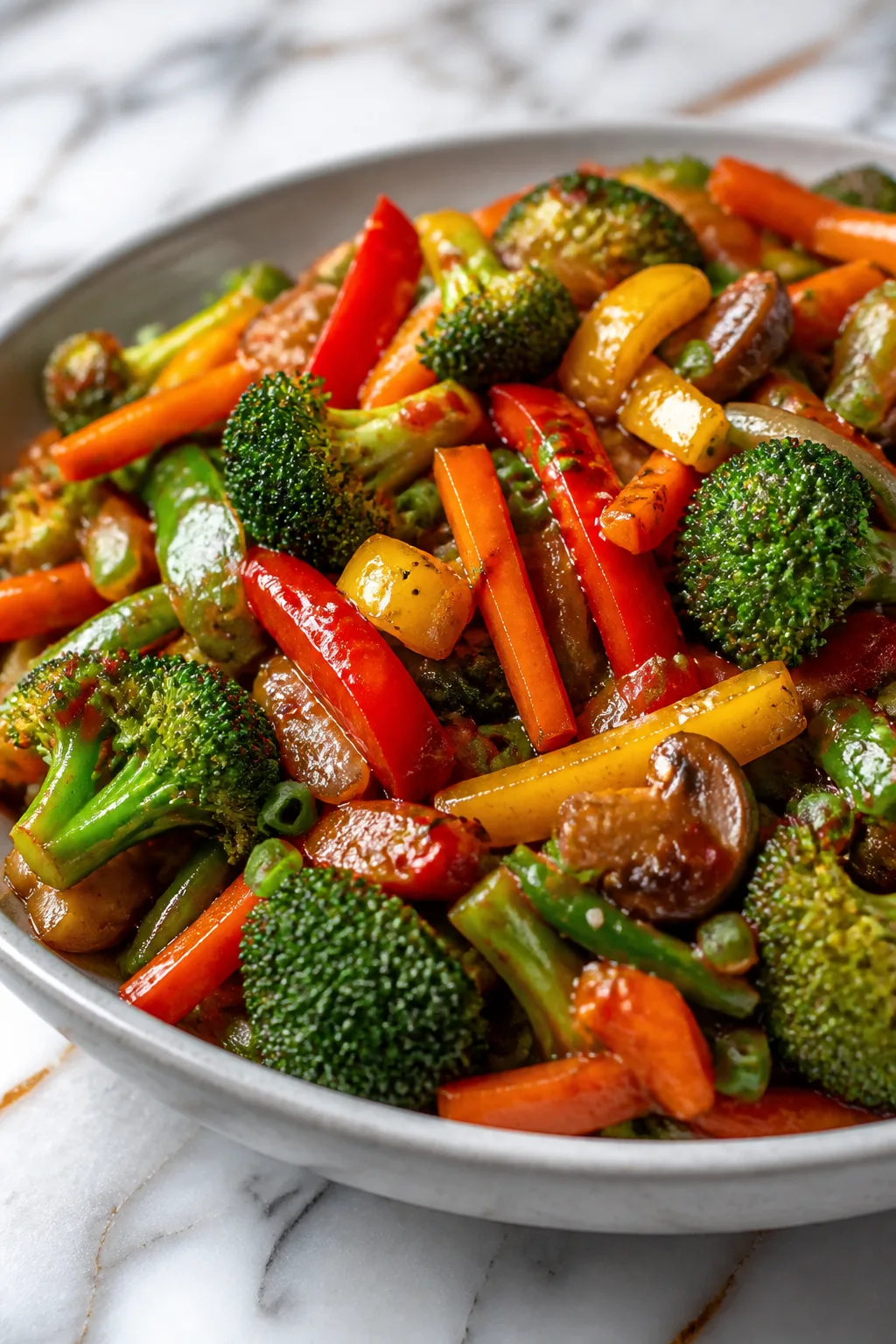
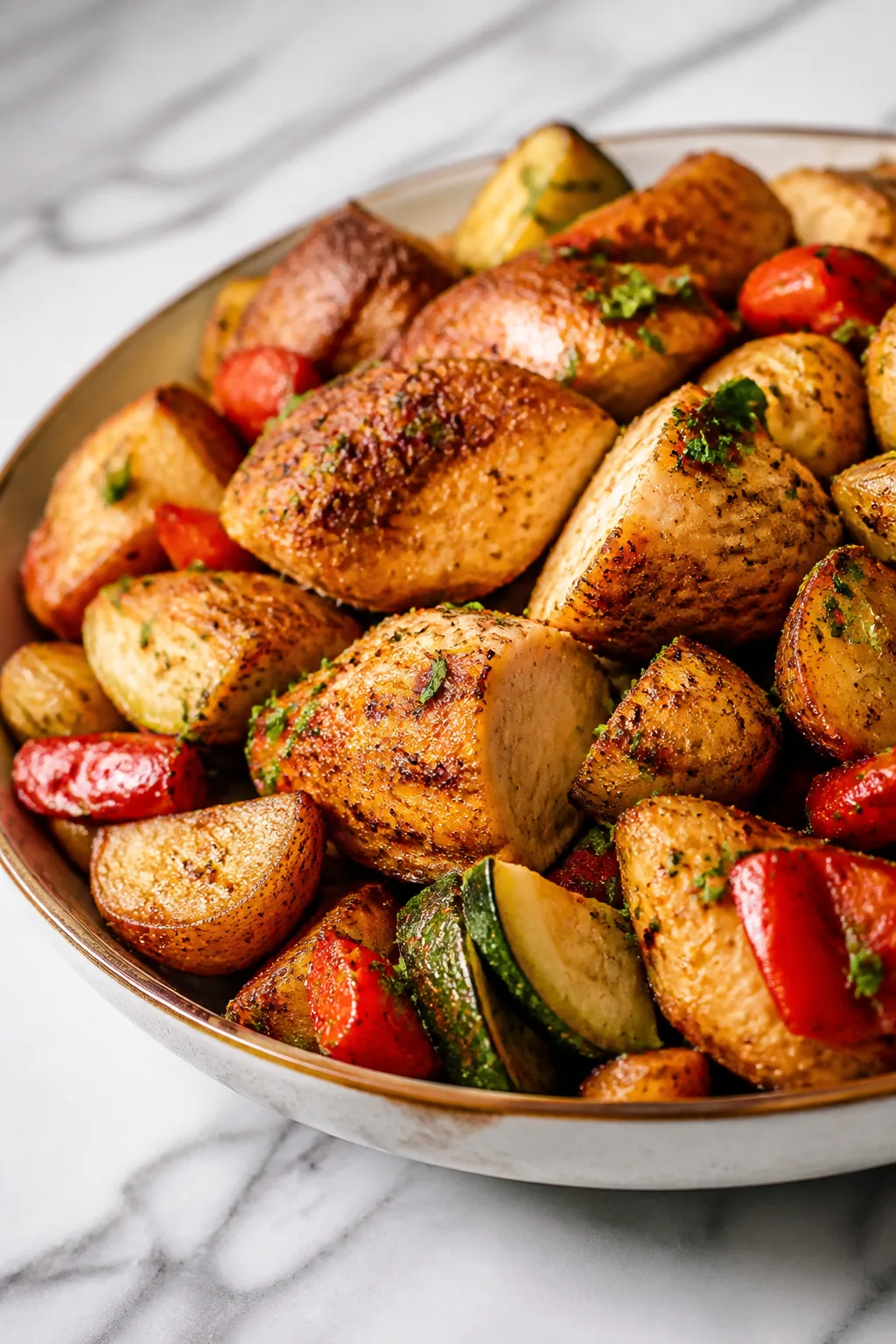
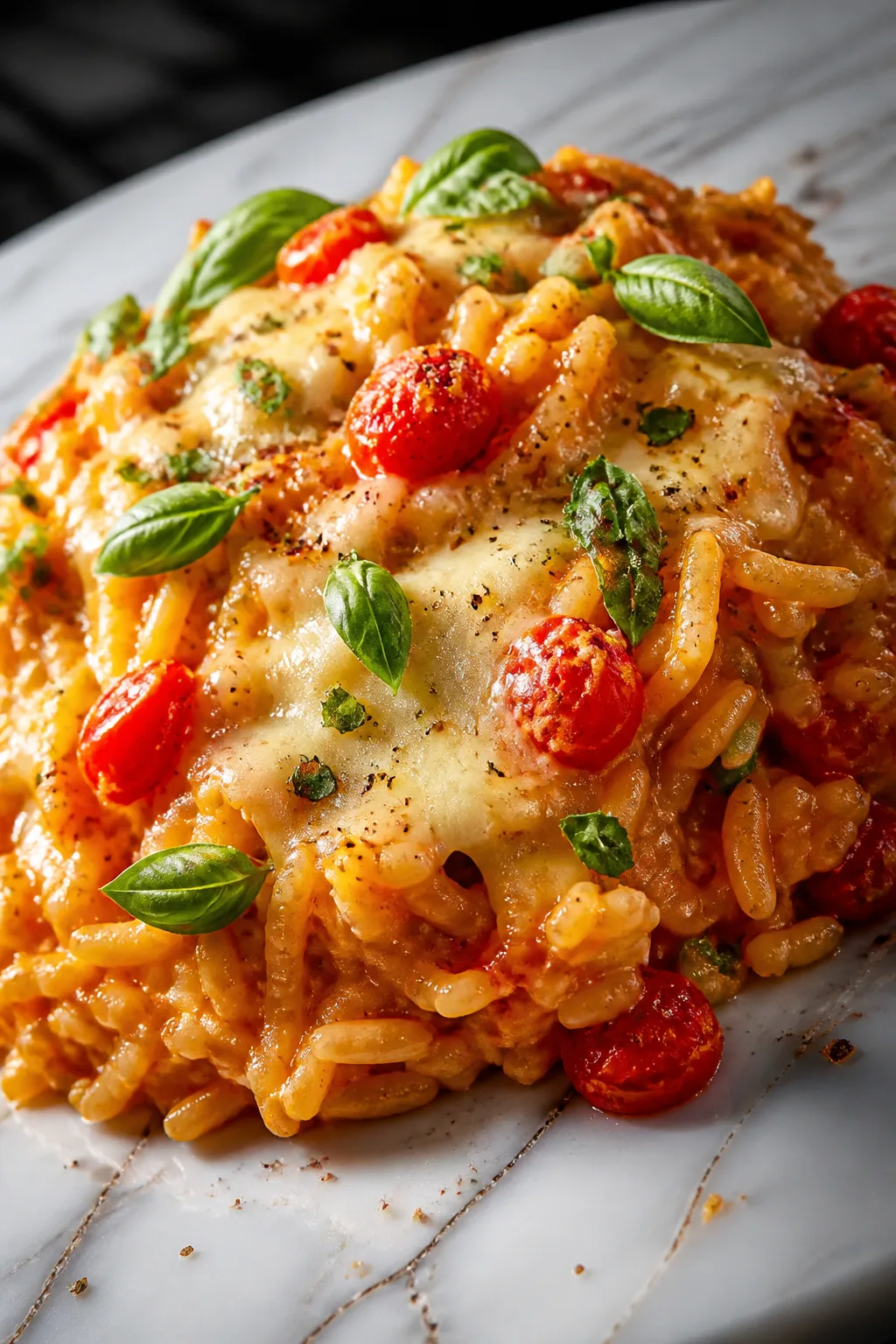
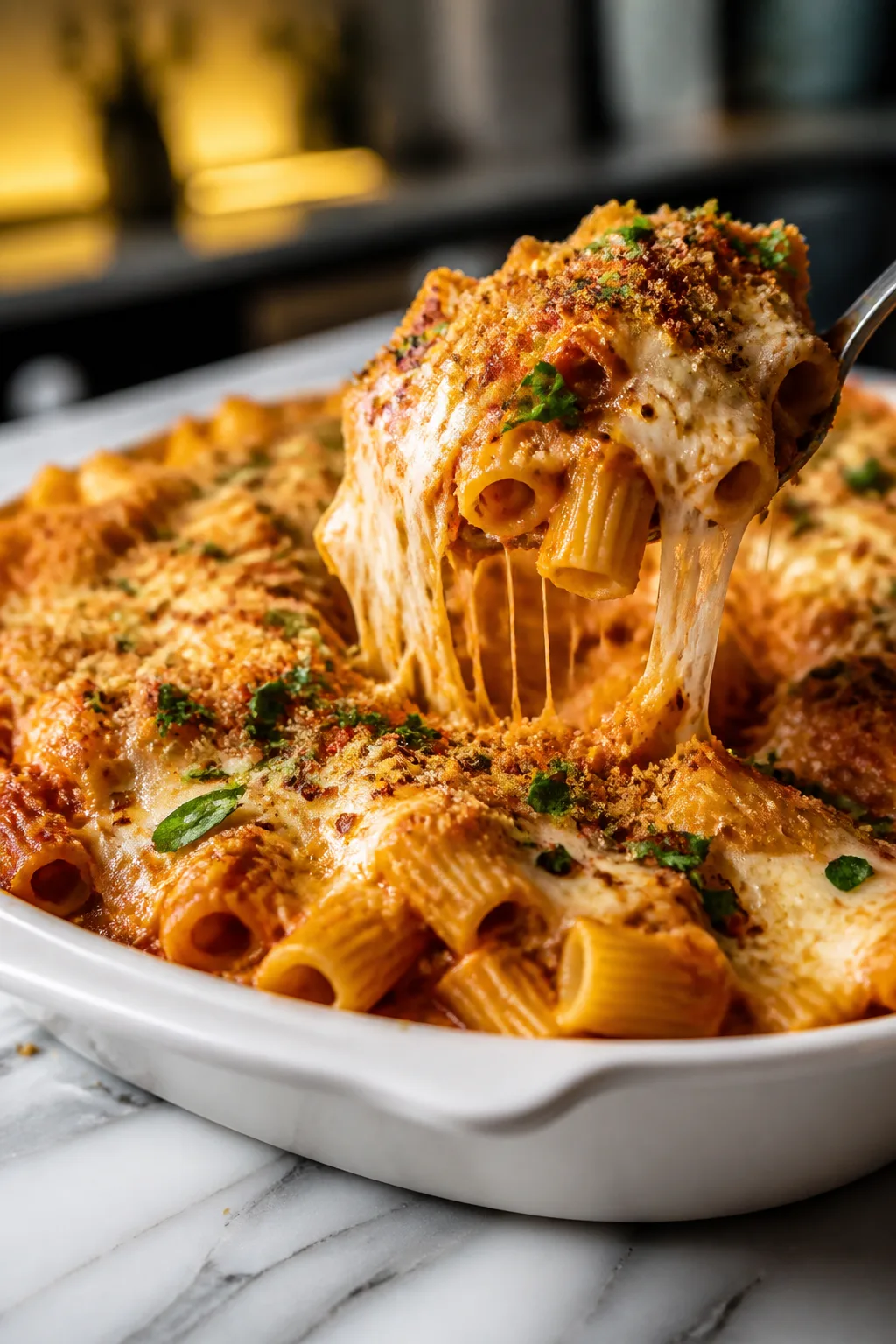
This creamy garlic butter shrimp is a total weeknight winner—quick, flavorful, and packed with fresh spring veggies. The secret? A silky garlic butter sauce that’s ready in under 30 minutes. Perfect for a cozy dinner any night!
Introduction
I first made this creamy garlic butter shrimp recipe on a busy weeknight when I needed something quick, comforting, and a little fancy. I’d tried a few shrimp dishes before, but they often came out dry or lacking flavor. What makes this version stand out is the rich garlic butter sauce that clings to the shrimp and veggies, making every bite luscious without being heavy. I also love adding fresh spring veggies like asparagus and snap peas because they add a nice crunch and a pop of color that brightens the plate. The trick I learned was to cook the shrimp just until they turn pink and curl slightly—overcooking makes them rubbery, and that’s a total bummer. When you get it right, the shrimp are tender and juicy, coated in a silky sauce that’s just begging to be mopped up with bread or served over rice. It’s a simple recipe but feels special enough for guests or a cozy date night at home. Plus, it’s ready in about 30 minutes, which is a lifesaver when you don’t want to spend hours in the kitchen.
How To Do It
Step 1
Start by prepping your shrimp: peel and devein them if needed, then pat them dry with paper towels. Dry shrimp will sear better and develop a nice color when cooked. Season lightly with salt and pepper. This step is crucial because moisture on the shrimp can cause them to steam instead of sear, leading to a rubbery texture. Make sure your pan is hot before adding the shrimp to get a quick, flavorful sear.
⏱ Time: 5 minutes
✓ Doneness: Shrimp turn pink and curl into a loose C shape, with slight golden spots on the surface.
Step 2
In a large skillet, melt 2 tablespoons of butter over medium heat. Add the minced garlic and sauté for about 1 minute until fragrant but not browned, as burnt garlic tastes bitter. Then, add the asparagus and snap peas. Cook, stirring occasionally, until the veggies are crisp-tender—about 3-4 minutes. This quick cooking preserves their bright color and fresh crunch, which contrasts nicely with the creamy sauce later.
⏱ Time: 6 minutes
✓ Doneness: Veggies are bright green, tender yet still crisp, and garlic is aromatic without any browning.
Step 3
Push the veggies to the side of the pan and add the remaining tablespoon of butter. Once melted, add the seasoned shrimp in a single layer. Cook without moving them for about 2 minutes to get a good sear, then flip and cook another 1-2 minutes until just cooked through. Shrimp cook very quickly, so watch closely to avoid overcooking which makes them tough.
⏱ Time: 4 minutes
✓ Doneness: Shrimp are opaque pink and firm but still tender.
Step 4
Reduce heat to low and pour in the heavy cream along with the Parmesan cheese. Stir gently to combine everything, letting the sauce thicken slightly over 2-3 minutes. The cheese melts into the cream creating a velvety sauce that clings to the shrimp and veggies. If you add the cream on too high heat, it might separate, so keep it gentle.
⏱ Time: 3 minutes
✓ Doneness: Sauce is smooth, creamy, and slightly thickened.
Step 5
Finish by stirring in fresh lemon juice and chopped parsley. The lemon brightens the richness of the sauce and parsley adds a fresh herbal note. Taste and adjust seasoning with salt and pepper as needed. This final step balances the flavors and makes the dish feel fresh and vibrant.
⏱ Time: 1 minute
✓ Doneness: Sauce has a bright, balanced flavor with fresh herb aroma.
Step 6
Serve immediately over cooked rice, pasta, or with crusty bread to soak up the sauce. This dish is best enjoyed fresh while the shrimp are tender and the sauce is warm and creamy. Waiting too long can cause the sauce to thicken and the shrimp to toughen.
⏱ Time: Serve right away
✓ Doneness: Dish is warm, creamy, and shrimp remain tender.
Step 7
Optional: For an extra touch, sprinkle a little red pepper flakes or smoked paprika over the dish before serving for a subtle kick. This adds depth without overpowering the garlic butter flavor.
⏱ Time: Optional garnish
✓ Doneness: Subtle spice aroma and a hint of color on top.
Step 8
If you want to prep ahead, you can chop the veggies and peel the shrimp in advance. Store separately in airtight containers in the fridge and assemble just before cooking. This saves time and keeps ingredients fresh.
⏱ Time: Prep ahead
✓ Doneness: Fresh, crisp veggies and shrimp ready for cooking.
Step 9
For cleanup, soak the skillet immediately after cooking to loosen any stuck bits from the garlic butter sauce. This prevents residue buildup and keeps your pan in good shape.
⏱ Time: After cooking
✓ Doneness: Pan cleans easily with minimal scrubbing.
Pro Tips
Always pat shrimp dry before cooking.
Removing excess moisture ensures the shrimp sear properly instead of steaming. This gives a better texture and flavor, as browning creates complex Maillard reaction flavors that enhance the dish.
Don’t overcook the shrimp—cook until just opaque.
Shrimp cook very fast and continue cooking slightly after removal from heat. Overcooking tightens proteins, making them rubbery and dry. Watching for the pink color and curling helps you catch the perfect doneness.
Cook garlic gently over medium-low heat.
Garlic burns quickly and turns bitter, which ruins the sauce’s flavor. Cooking it slowly releases sweet, aromatic oils that infuse the butter without overpowering bitterness.
Add lemon juice at the end of cooking.
Acid brightens the rich butter and cream sauce without curdling it. Adding lemon too early can cause the cream to separate, so it’s best to stir it in just before serving.
Use fresh Parmesan cheese, not pre-grated.
Freshly grated cheese melts smoothly and helps thicken the sauce. Pre-grated cheeses often contain additives that prevent proper melting and can affect texture.
Cook veggies until crisp-tender.
Overcooked vegetables lose their color and texture, making the dish dull. Crisp-tender veggies add freshness and contrast to the creamy shrimp.
Serve immediately for best texture.
Shrimp and sauce taste best hot and fresh. Waiting causes shrimp to toughen and sauce to thicken too much, losing that silky mouthfeel.
Common Mistakes to Avoid
Overcooking the shrimp
Why it happens Shrimp cook quickly and it’s easy to leave them on heat too long, especially if multitasking.
Fix Cook shrimp just until they turn pink and curl into a loose C shape, then remove immediately. Use a timer or watch closely to avoid toughness.
Burning the garlic
Why it happens Garlic cooks fast and can go from fragrant to bitter if cooked on too high heat or too long.
Fix Sauté garlic over medium-low heat and watch carefully. Remove from heat or add other ingredients as soon as it’s fragrant but before it browns.
Sauce separating
Why it happens Adding cream to very high heat or acidic ingredients too early can cause the sauce to break.
Fix Add cream on low heat and stir gently. Add lemon juice after the sauce has thickened and off direct heat if possible.
Not drying shrimp before cooking
Why it happens Shrimp often come wet from thawing or peeling, causing steaming instead of searing.
Fix Pat shrimp dry thoroughly with paper towels before seasoning and cooking for a better sear and flavor.
Overcooking vegetables
Why it happens Rushing or leaving veggies too long in the pan causes them to become mushy and dull.
Fix Cook veggies just until bright and crisp-tender, usually 3-4 minutes, stirring occasionally.
Variations
Spicy Garlic Butter Shrimp
Add a pinch of red pepper flakes or a dash of cayenne pepper while cooking the garlic for a subtle heat that complements the butter and garlic flavors. This variation adds warmth without overpowering the dish.
Note: Adjust spice level to taste. Adding chili early allows flavors to infuse the butter but watch to avoid burning the spices.
Lemon Herb Garlic Butter Shrimp
Increase the lemon juice and add fresh herbs like thyme or basil along with parsley for a bright, herbaceous twist. This makes the dish feel lighter and more fragrant.
Note: Add herbs at the end of cooking to preserve their fresh flavor and aroma.
Creamy Garlic Butter Shrimp with Mushrooms
Include sliced cremini or button mushrooms sautéed with the garlic for an earthier, umami-rich flavor. Mushrooms add a meaty texture that pairs well with the shrimp and sauce.
Note: Cook mushrooms first until browned before adding garlic to develop deep flavor.
Garlic Butter Shrimp with Zucchini Noodles
Serve the shrimp and sauce over spiralized zucchini noodles for a low-carb, veggie-packed meal. The zucchini soaks up the sauce nicely and keeps the meal light.
Note: Add zucchini noodles last and cook briefly to avoid sogginess.
Garlic Butter Shrimp with White Wine Sauce
Deglaze the pan with a splash of dry white wine after cooking the garlic and before adding cream. This adds acidity and complexity to the sauce, enhancing the overall flavor.
Note: Allow wine to reduce by half before adding cream to concentrate flavor and avoid excess liquid.
Nutrition
Per Serving:
Nutritional values are estimates and may vary based on specific ingredients used.
Storage & Tips
Room Temperature
Keep the shrimp dish covered at room temperature for no more than 2 hours to avoid bacterial growth. It’s best served fresh, so avoid leaving it out too long.
Refrigerator
Store leftovers in an airtight container in the fridge for up to 2 days. The sauce may thicken and shrimp can firm up when cold. Reheat gently to restore creaminess and tenderness.
Freezer
Freezing is not recommended as shrimp texture degrades and sauce may separate. If necessary, freeze in airtight containers for up to 1 month and thaw overnight in the fridge.
Reheating
Reheat gently on the stovetop over low heat, adding a splash of cream or water to loosen the sauce. Avoid high heat or microwave reheating which can toughen shrimp and cause sauce to separate.
Make Ahead
You can prep shrimp and veggies a day ahead, storing them separately in the fridge. Assemble and cook the sauce just before serving to keep flavors fresh and textures optimal.
FAQ
Can I use frozen shrimp for this recipe?
Yes, frozen shrimp work well as long as you thaw them completely and pat them dry before cooking. Excess moisture can cause steaming instead of searing, so drying is key for good texture and flavor.
What can I serve with creamy garlic butter shrimp?
This dish pairs beautifully with rice, pasta, or crusty bread to soak up the sauce. For a low-carb option, try zucchini noodles or cauliflower rice for a lighter meal.
How do I prevent the cream sauce from curdling?
Cook the sauce gently over low heat and add acidic ingredients like lemon juice at the end, off direct heat if possible. High heat or adding acid too early can cause the cream to separate.
Can I make this recipe dairy-free?
You can substitute butter with olive oil and use coconut cream or a dairy-free cream alternative. The flavor and texture will be different but still delicious. Use nutritional yeast instead of Parmesan for a cheesy note.
How do I know when shrimp are perfectly cooked?
Shrimp turn opaque pink and curl into a loose C shape when done. They should feel firm but still tender. Overcooked shrimp curl tightly into an O shape and become tough.
Can I add other vegetables?
Absolutely! Mushrooms, bell peppers, or cherry tomatoes work well. Add them according to their cooking times to keep veggies crisp and vibrant.
Is it okay to use pre-minced garlic?
Fresh garlic is best for flavor and aroma, but pre-minced can be used in a pinch. Just use less since it’s more concentrated and be careful not to burn it.
Can I double this recipe for a larger group?
Yes, just use a larger pan or cook in batches to avoid overcrowding. Overcrowding lowers pan temperature and causes steaming instead of searing.
Final Thoughts
I hope you give this creamy garlic butter shrimp a try soon—it’s one of those easy recipes that feels special every time. Let me know how it turns out and what variations you loved!