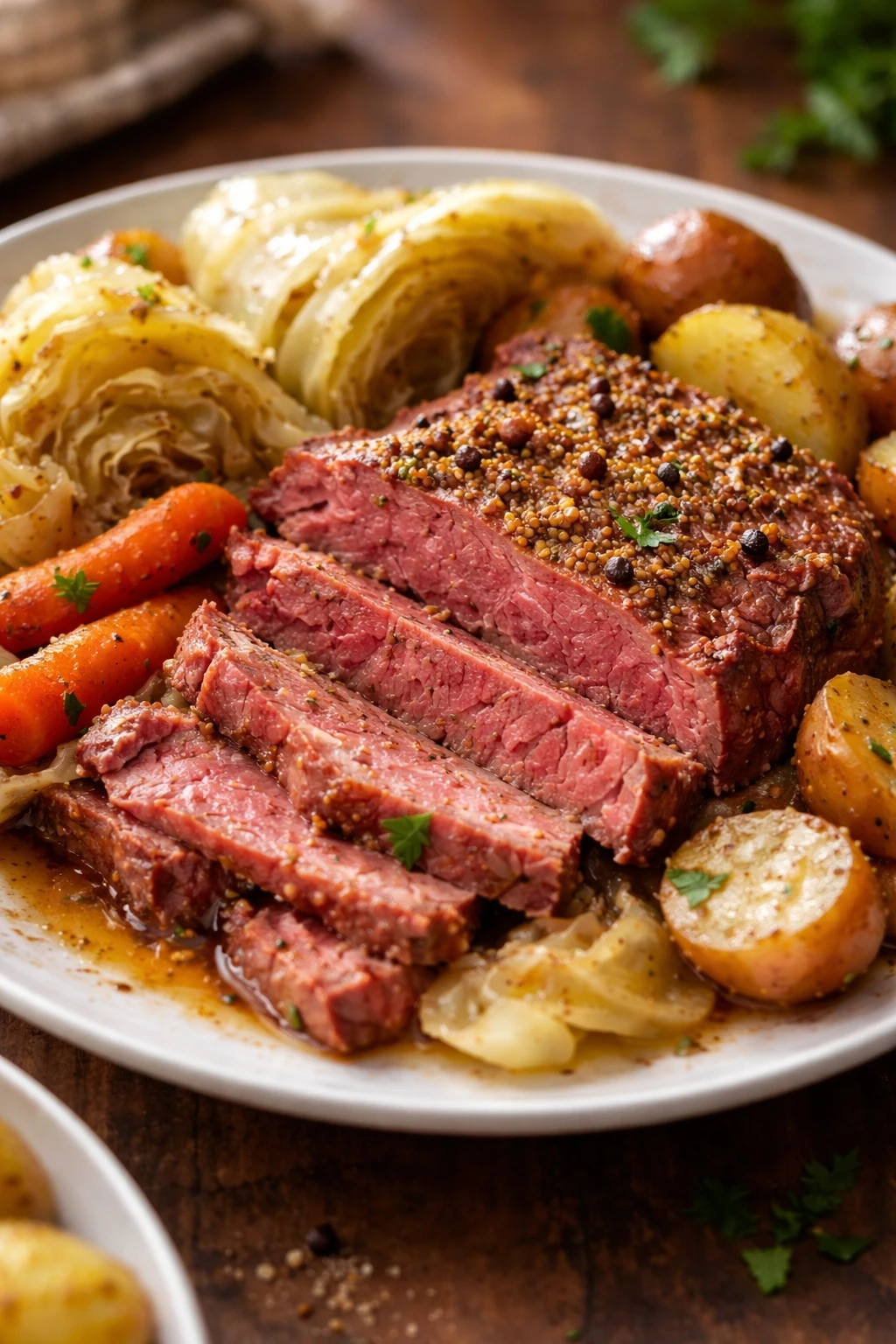
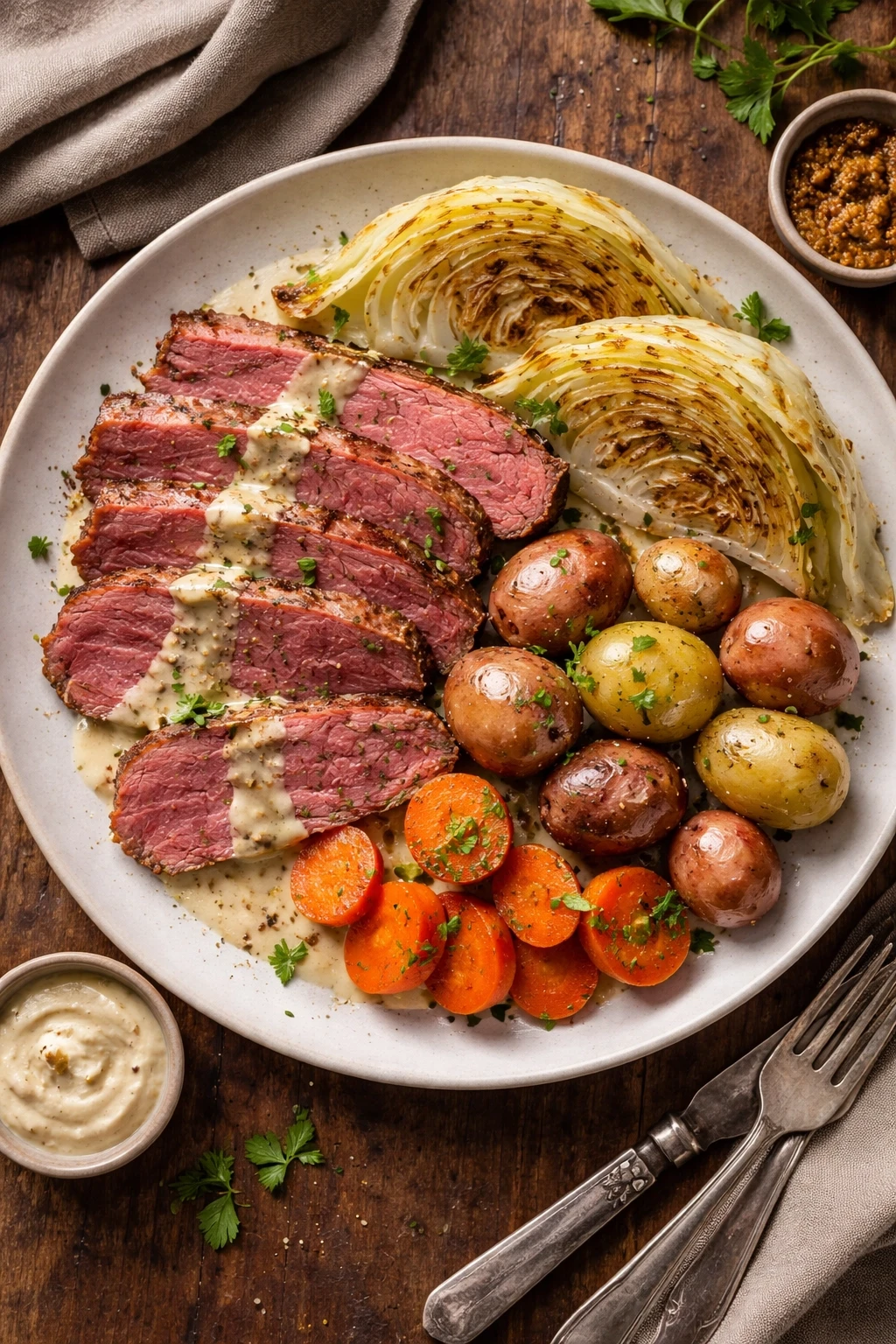
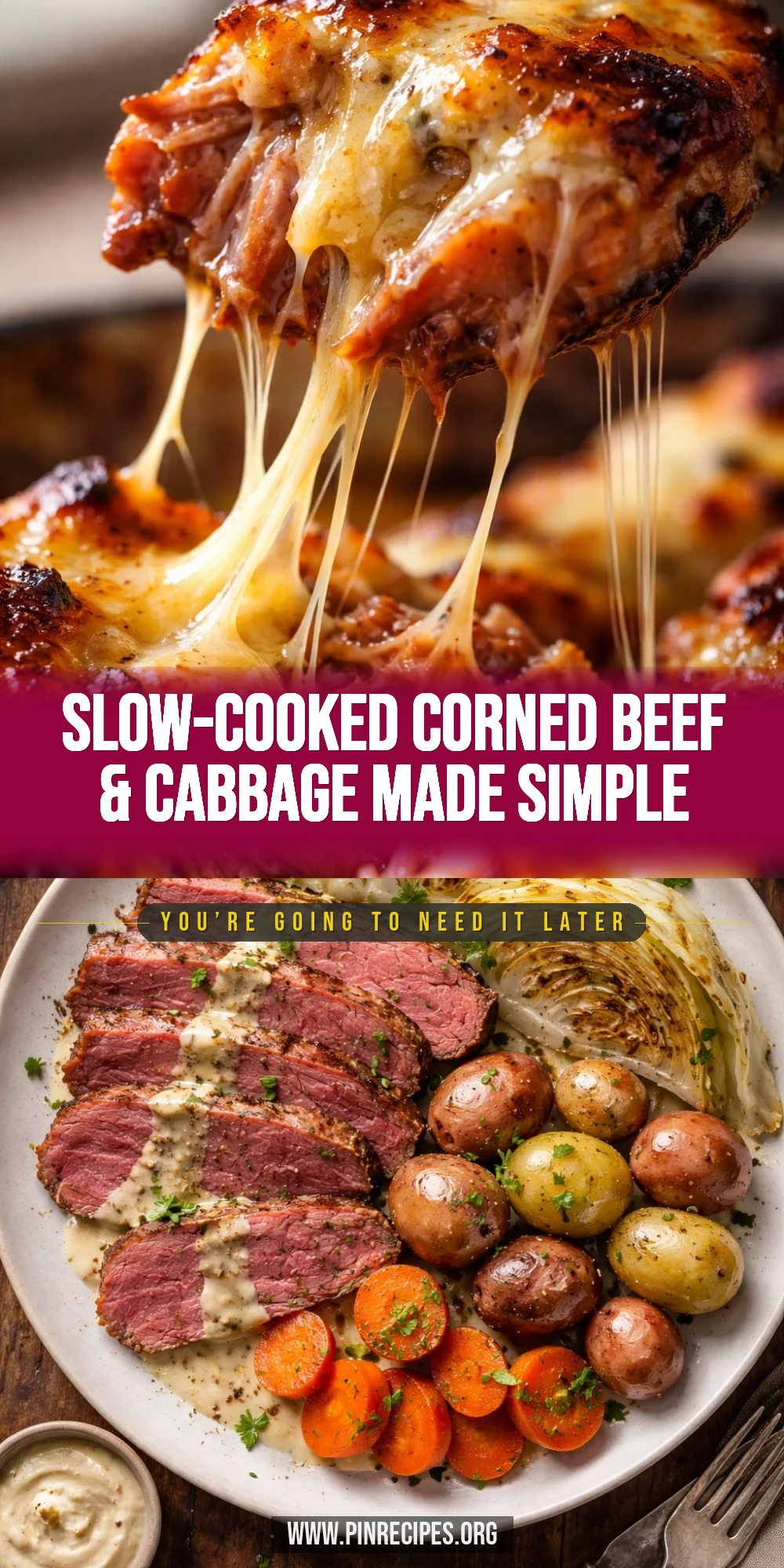
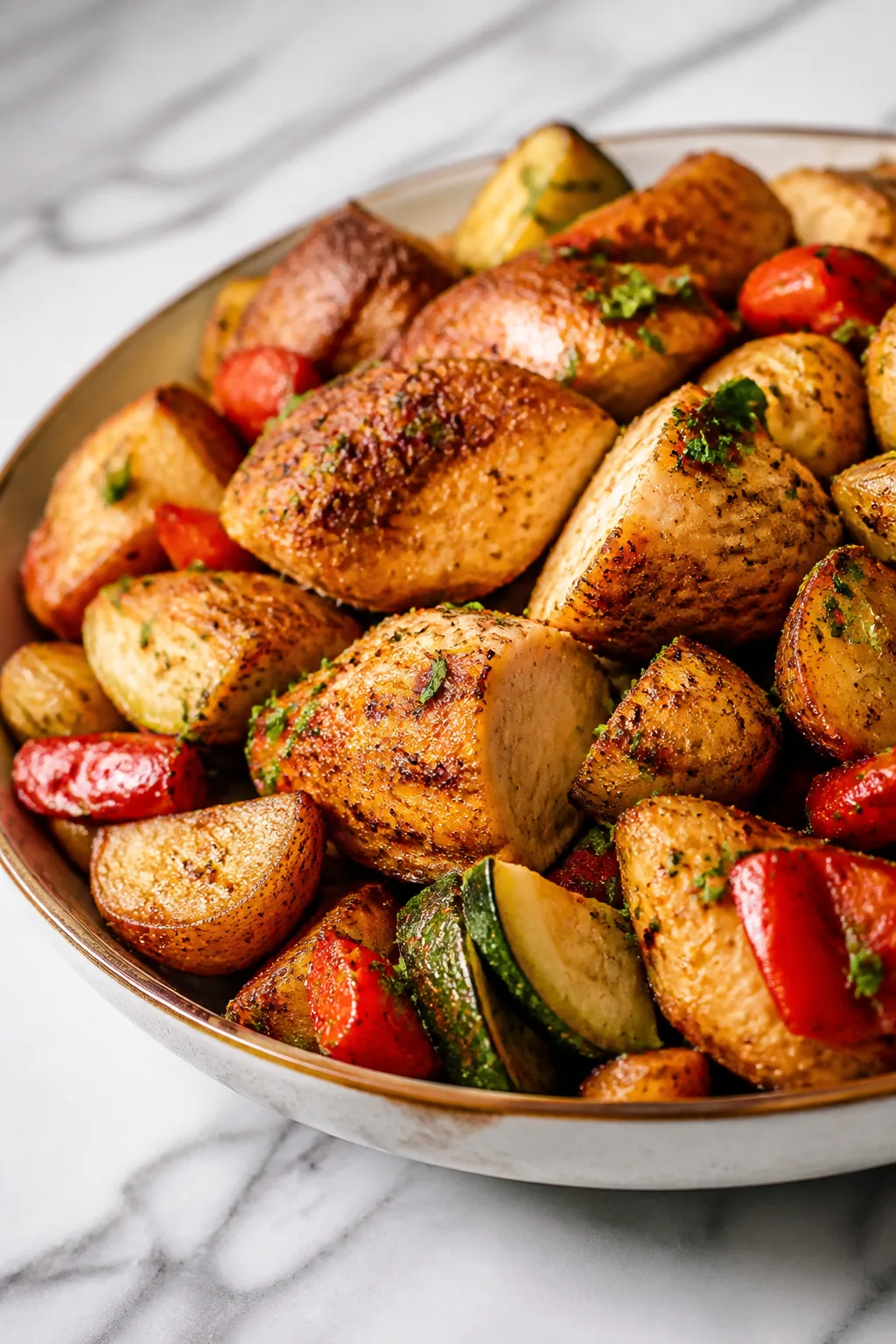
This slow-cooked corned beef with cabbage is a comforting classic that's foolproof in the crockpot. The secret? Low and slow cooking that melts the meat tender and infuses flavor. Perfect for a relaxed weekend dinner.
Introduction
I first tried making corned beef and cabbage in my crockpot years ago when I wanted a no-fuss St. Patrick’s Day dinner. Honestly, I was skeptical about slow-cooking the brisket, but it turned out incredibly tender and flavorful. What sets my version apart is using beef broth instead of water to add richness, plus layering veggies at the right time so nothing gets mushy. The trick I learned is to add the cabbage and potatoes later in the cooking process so they stay firm but still soak up those savory juices. The finished dish is a perfect balance of melt-in-your-mouth meat with just-tender veggies, and it fills the house with that cozy, hearty aroma you want on a chilly evening. It’s become a family favorite, especially when served with a dollop of mustard or crusty bread to soak up the broth. If you’ve ever been intimidated by corned beef, this crockpot method is a total game changer—set it and forget it, then enjoy a meal that tastes like you spent hours in the kitchen.
How To Do It
Step 1
Start by rinsing the corned beef brisket under cold water to remove excess salt and any gelatinous coating. This step is crucial because it prevents the final dish from being overly salty and ensures a cleaner flavor. Pat the brisket dry with paper towels to help it brown better if you choose to sear it later. Rinsing also helps the seasoning packet work more effectively during cooking. Avoid skipping this step, or your corned beef might taste too salty and overwhelming.
⏱ Time: 5 minutes
✓ Doneness: Brisket feels firm but not slimy, surface is clean and dry
Step 2
Place the rinsed brisket into the crockpot fat side up, then add the quartered onion, smashed garlic cloves, bay leaf, peppercorns, and the seasoning packet that came with the meat. Pour in 4 cups of beef broth, which adds depth and richness compared to plain water. The liquid should cover most of the brisket but not drown it entirely. This setup allows the meat to slowly braise in flavorful steam, breaking down tough fibers over time for tender results.
⏱ Time: 5 minutes
✓ Doneness: Broth covers brisket halfway, aromatics are evenly distributed
Step 3
Set your crockpot to low and cook the brisket for about 6 hours. Slow cooking at low temperature is key to breaking down the connective tissue in the brisket, making it tender without drying it out. Resist the urge to lift the lid often, as this lets heat escape and extends cooking time. You want gentle bubbling and a fragrant aroma filling your kitchen as the meat slowly cooks.
⏱ Time: 6 hours
✓ Doneness: Broth simmers gently, meat edges begin pulling away from the fat cap
Step 4
About 90 minutes before the end, add the carrots and potatoes around the brisket. These root vegetables need enough time to cook through but shouldn’t become mushy. Placing them now ensures they soak up the broth’s flavor without overcooking. Stir gently to submerge them slightly in the liquid, but don’t cover the brisket completely, so it continues to braise evenly.
⏱ Time: 1.5 hours
✓ Doneness: Carrots and potatoes are tender when pierced with a fork
Step 5
With 30 minutes left, nestle the cabbage wedges on top of the brisket and vegetables. Cabbage cooks quickly and can turn mushy if added too early, so timing is everything here. The steam and broth will soften the cabbage just enough to be tender but still hold its shape and texture. Cover and continue cooking until the cabbage looks vibrant and slightly translucent.
⏱ Time: 30 minutes
✓ Doneness: Cabbage edges soften, color brightens but leaves remain intact
Step 6
Once cooking is complete, carefully remove the brisket and let it rest on a cutting board for 10-15 minutes. Resting allows the juices to redistribute throughout the meat, making each slice juicy and tender. Skipping this step can cause the meat to lose moisture and become dry when sliced. Keep the crockpot on warm to keep the vegetables hot while you rest the meat.
⏱ Time: 10-15 minutes
✓ Doneness: Brisket feels firm but yields slightly to gentle pressure
Step 7
Slice the brisket against the grain into 1/4-inch thick slices. Cutting against the grain shortens the muscle fibers, resulting in more tender bites. Slicing with the grain will make the meat chewier and tougher. Arrange the slices on a platter surrounded by the cooked vegetables for a beautiful presentation.
⏱ Time: 5 minutes
✓ Doneness: Slices hold together without shredding, look moist and tender
Step 8
Spoon some of the flavorful broth and cooked aromatics over the meat and vegetables before serving. This adds moisture and extra taste to the dish, keeping everything luscious. You can also serve with a side of mustard or horseradish sauce to cut through the richness if you like. The broth is packed with savory goodness and shouldn’t be wasted.
⏱ Time: 2 minutes
✓ Doneness: Broth glistens on meat and veggies, aroma is rich and inviting
Step 9
Store any leftovers in an airtight container with some broth to keep the meat moist. Reheat gently in the microwave or on the stovetop with a splash of broth to restore tenderness. Leftover corned beef and cabbage often tastes even better the next day as flavors meld. Enjoy it as a hearty lunch or dinner, or even in sandwiches!
⏱ Time: varies
✓ Doneness: Reheated meat is warm throughout, vegetables remain tender
Pro Tips
Rinse the brisket thoroughly to reduce excess saltiness.
Corned beef is usually cured in a salty brine, so rinsing removes surface salt and prevents the final dish from being overwhelmingly salty. This step balances the flavor and allows the seasoning packet to shine without overpowering the meat.
Add vegetables at different times based on their cooking needs.
Root vegetables like carrots and potatoes need longer to become tender, while cabbage cooks quickly. Staggering their addition keeps textures distinct and prevents mushy vegetables, improving the overall eating experience.
Cook the brisket fat side up in the crockpot.
As the fat renders during slow cooking, it bastes the meat, keeping it moist and flavorful. Placing it fat side down would cause the fat to pool away from the meat, missing this self-basting effect.
Let the brisket rest before slicing.
Resting allows juices to redistribute evenly throughout the meat. Cutting immediately causes the juices to run out, resulting in dry slices. Resting ensures tender, juicy portions every time.
Use beef broth instead of water for richer flavor.
Broth adds depth and umami, making the cooking liquid a flavorful sauce rather than just a bland poaching liquid. This enhances both the meat and vegetables significantly.
Avoid lifting the crockpot lid frequently during cooking.
Every time you lift the lid, heat escapes and extends cooking time. Maintaining a steady temperature ensures even cooking and tender results.
Slice the brisket against the grain.
Cutting against the muscle fibers shortens them, making the meat easier to chew and more tender. Slicing with the grain results in tougher, stringier bites.
Common Mistakes to Avoid
Not rinsing the corned beef before cooking.
Why it happens Many cooks assume the seasoning packet is enough and skip rinsing, unaware that the brining liquid leaves a salty coating.
Fix Always rinse the brisket under cold water and pat dry to remove excess salt. This balances the seasoning and prevents an overly salty final dish.
Adding all vegetables at the start.
Why it happens It's easy to toss everything in at once for convenience, but different veggies have different cooking times.
Fix Add root vegetables like carrots and potatoes about 90 minutes before the end, and cabbage only 30 minutes before to keep textures perfect.
Cooking on high heat to speed up the process.
Why it happens Impatience or lack of time leads cooks to crank the heat, thinking it will save time.
Fix Use the low setting for 6 hours. Slow, gentle cooking breaks down tough fibers without drying the meat, resulting in tender corned beef.
Skipping the resting period before slicing.
Why it happens Eager to eat, cooks slice immediately after cooking, not realizing the importance of resting.
Fix Let the meat rest 10-15 minutes to let juices redistribute. This keeps slices moist and tender.
Slicing with the grain.
Why it happens Not knowing the direction of the muscle fibers leads to slicing the wrong way.
Fix Always identify the grain and slice perpendicular to it for tender bites.
Variations
Spicy Mustard Glaze Corned Beef
After slow cooking, brush the brisket with a mixture of Dijon mustard, brown sugar, and a pinch of cayenne. Broil for 5 minutes to caramelize the glaze, adding a sweet-spicy crust that contrasts beautifully with the tender meat.
Note: Broil on high for just a few minutes to avoid drying out the meat; watch closely for caramelization without burning.
Irish Stout Braised Corned Beef
Replace half the beef broth with a dark Irish stout beer for a richer, maltier flavor. The beer adds complexity and deepens the savory notes, perfect for St. Patrick’s Day celebrations or anytime you want a twist.
Note: Use a good-quality stout and reduce added salt since beer contributes bitterness and depth.
Slow Cooker Corned Beef Hash
Dice leftover corned beef and mix with cooked potatoes, onions, and bell peppers. Pan-fry until crispy for a delicious breakfast hash that makes great use of leftovers with a crispy texture contrast.
Note: Use cold leftover meat and vegetables to get a good sear and avoid sogginess.
Vegetarian Cabbage and Potato Stew
Skip the meat and use vegetable broth with extra spices like smoked paprika and caraway seeds. Add extra cabbage, potatoes, and carrots for a comforting, hearty stew that captures the spirit of the dish without the beef.
Note: Simmer vegetables longer to develop flavor since no meat broth is present.
Honey Garlic Corned Beef
Add a honey garlic sauce in the last hour of cooking by mixing honey, minced garlic, and soy sauce. This adds a sweet-savory glaze that caramelizes slightly and complements the salty beef nicely.
Note: Add sauce near the end to prevent burning sugars during the long cook.
Nutrition
Per Serving:
Nutritional values are estimates and may vary based on specific ingredients used.
Storage & Tips
Room Temperature
Corned beef and vegetables should not be left at room temperature for more than 2 hours to avoid bacterial growth. Cover loosely if serving buffet-style and discard leftovers after this time.
Refrigerator
Store leftovers in an airtight container with some cooking liquid to keep moist for up to 4 days. The flavors deepen in the fridge, but vegetables may soften further. Reheat gently before serving.
Freezer
Freeze cooked corned beef and vegetables in a sealed container or heavy-duty freezer bag for up to 3 months. Wrap tightly to prevent freezer burn. Thaw overnight in the fridge before reheating.
Reheating
Reheat gently on the stovetop with a splash of broth or in the microwave at medium power to avoid drying out. Avoid overheating which toughens the meat and mushes the vegetables.
Make Ahead
You can prepare the corned beef and broth base a day ahead and refrigerate. Add vegetables and finish cooking the next day for fresher texture. This breaks up the work and intensifies flavors.
FAQ
Can I cook corned beef and cabbage together from the start?
It's best not to add cabbage at the beginning because it cooks faster and can turn mushy. Add cabbage during the last 30 minutes of cooking to keep it tender yet firm.
What if I don’t have a crockpot? Can I make this on the stove?
Absolutely! Simmer the brisket in a covered pot with broth and spices over low heat for about 3-4 hours, adding vegetables at the appropriate times. The slow cooker just makes it hands-off.
Can I skip the seasoning packet?
You can, but the packet contains essential pickling spices that give corned beef its signature flavor. Substitute with a mix of mustard seeds, coriander, bay leaves, and peppercorns if needed.
How do I know when the corned beef is done?
The meat should be fork-tender and slice easily without shredding. After 6 hours on low, test by inserting a fork; it should slide in with little resistance.
Is it okay to sear the brisket before slow cooking?
Yes! Searing adds a nice crust and deepens flavor through Maillard reactions. Just brown it in a hot pan for a few minutes per side before placing it in the crockpot.
Can I use other types of cabbage?
Green cabbage works best for texture and flavor, but savoy or napa cabbage can be used. Just adjust cooking time as napa cooks faster and is more delicate.
How salty will this dish be?
Corned beef is naturally salty, so rinsing the brisket and using low-sodium broth helps control salt levels. Taste the broth before seasoning further.
Can I double this recipe for a larger crowd?
Yes, but make sure your crockpot is large enough to hold the extra meat and vegetables without overcrowding, which can affect cooking times and evenness.
Final Thoughts
Give this crockpot corned beef and cabbage a try—it’s simple, satisfying, and perfect for cozy dinners. Let me know how it turns out for you!