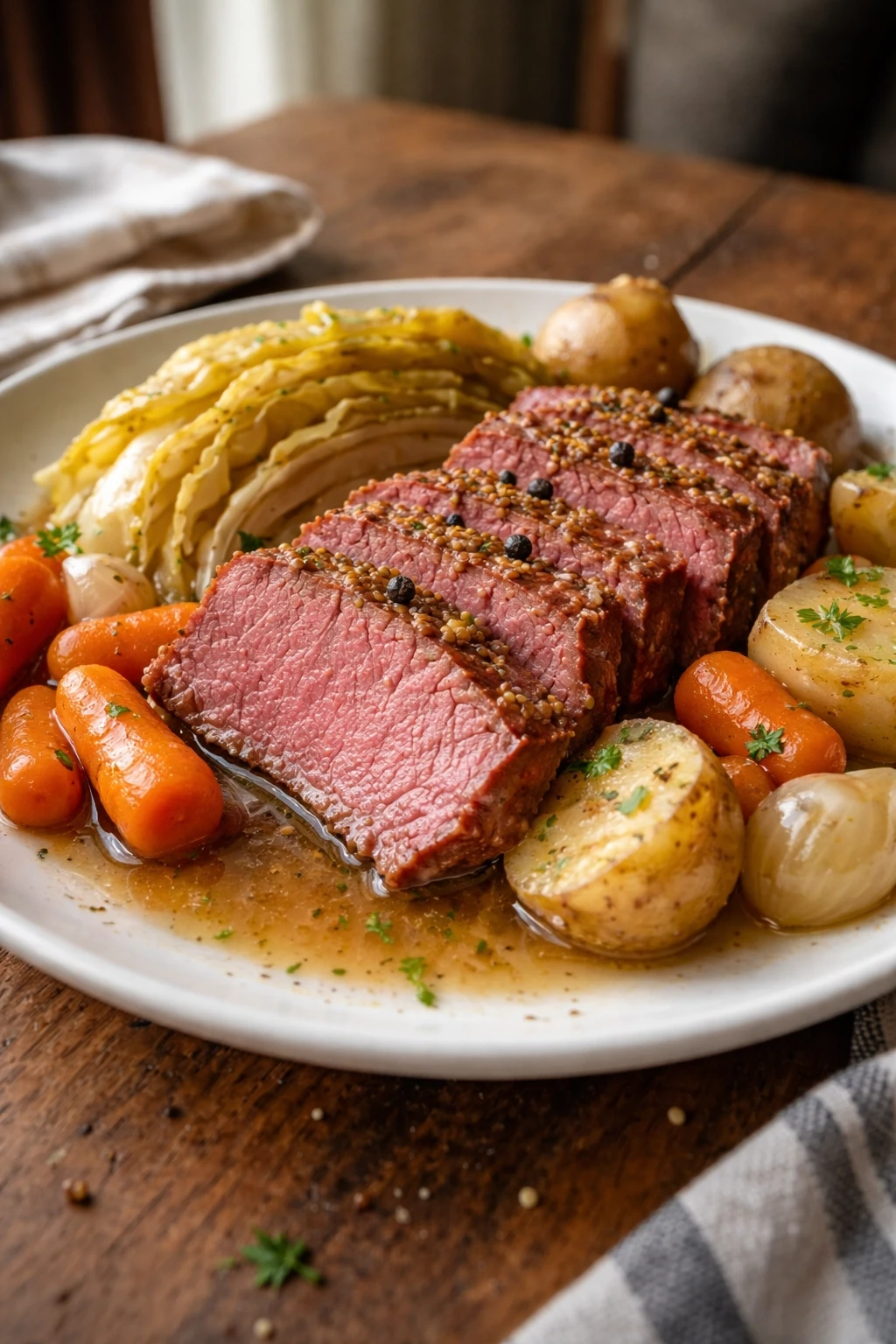
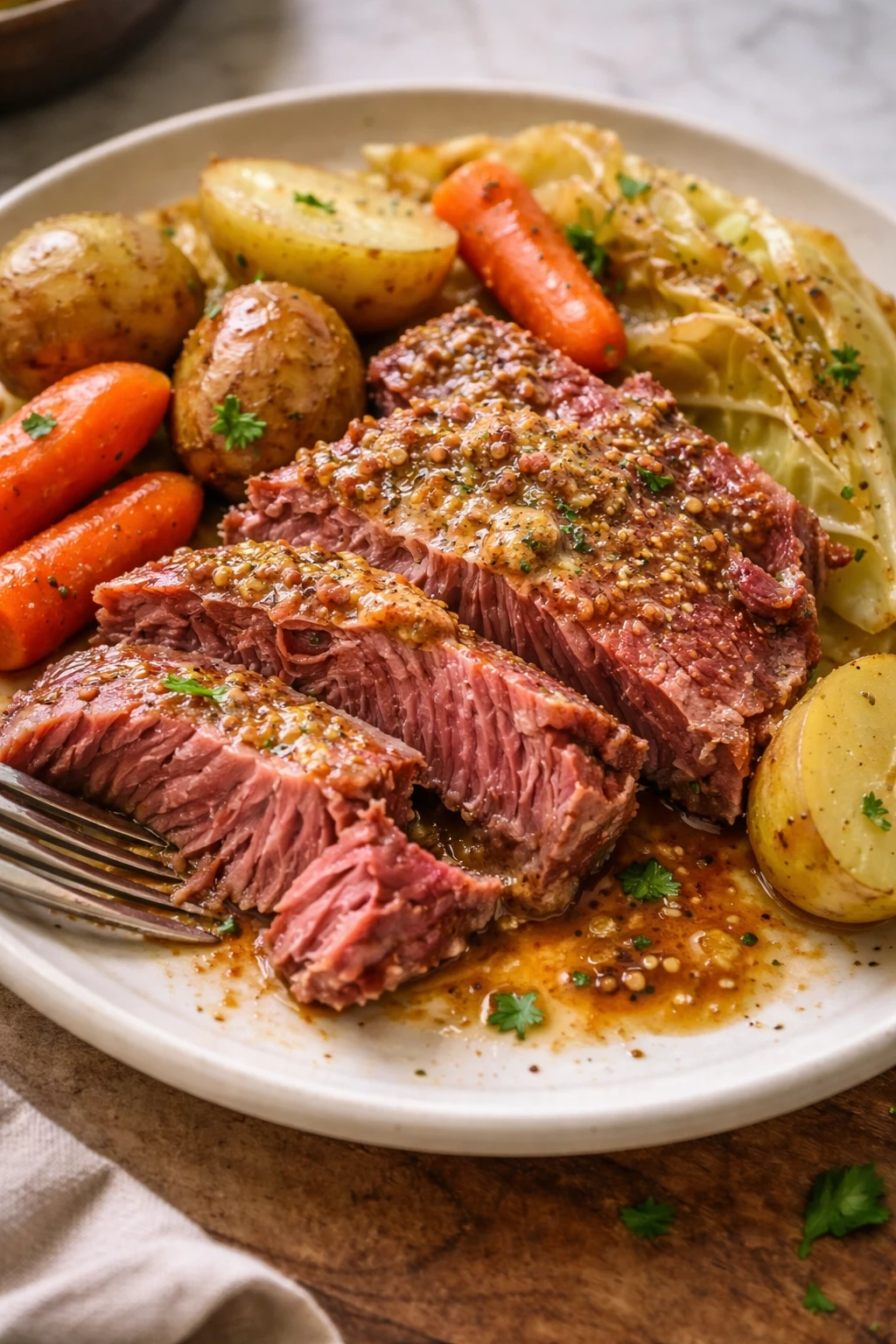
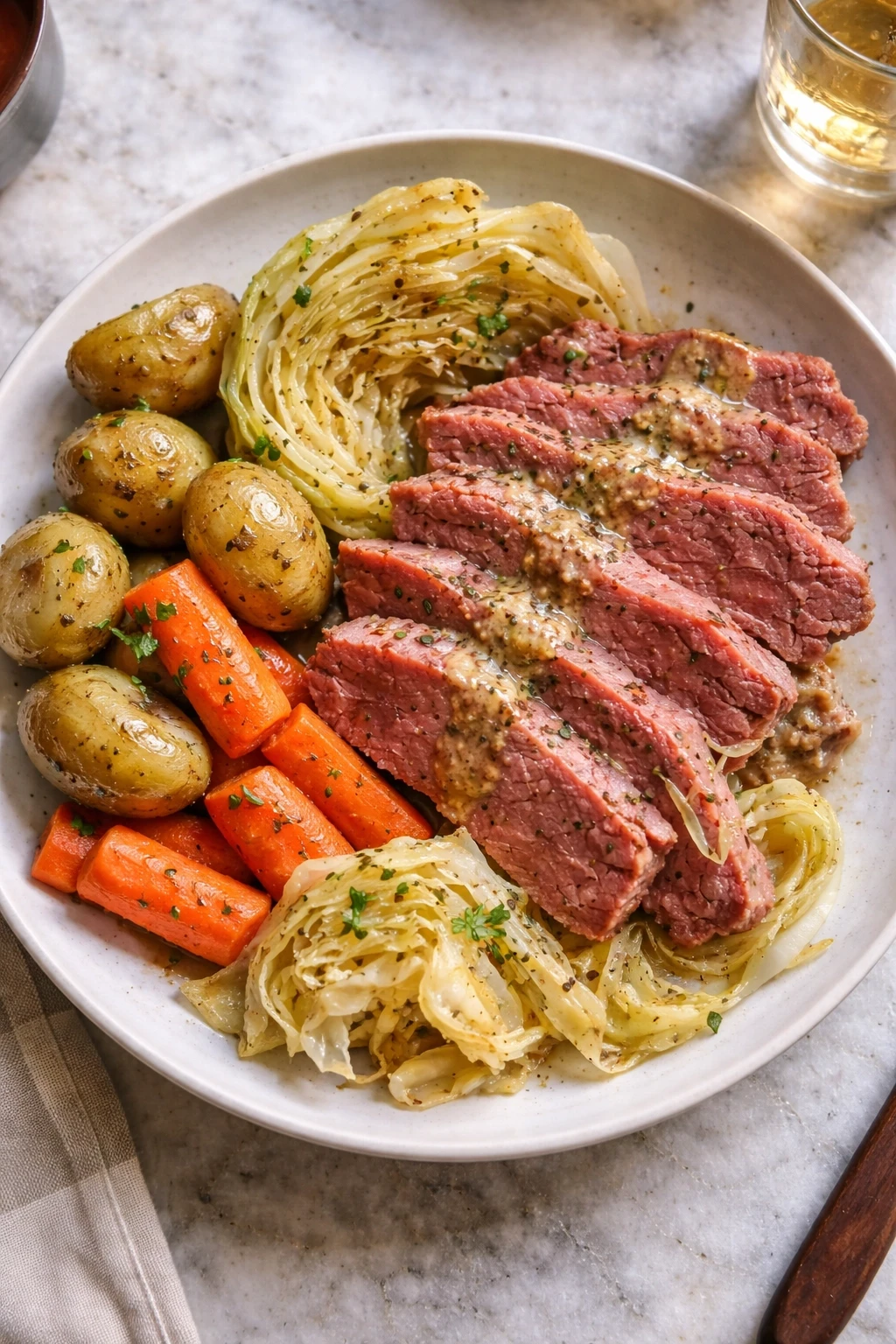
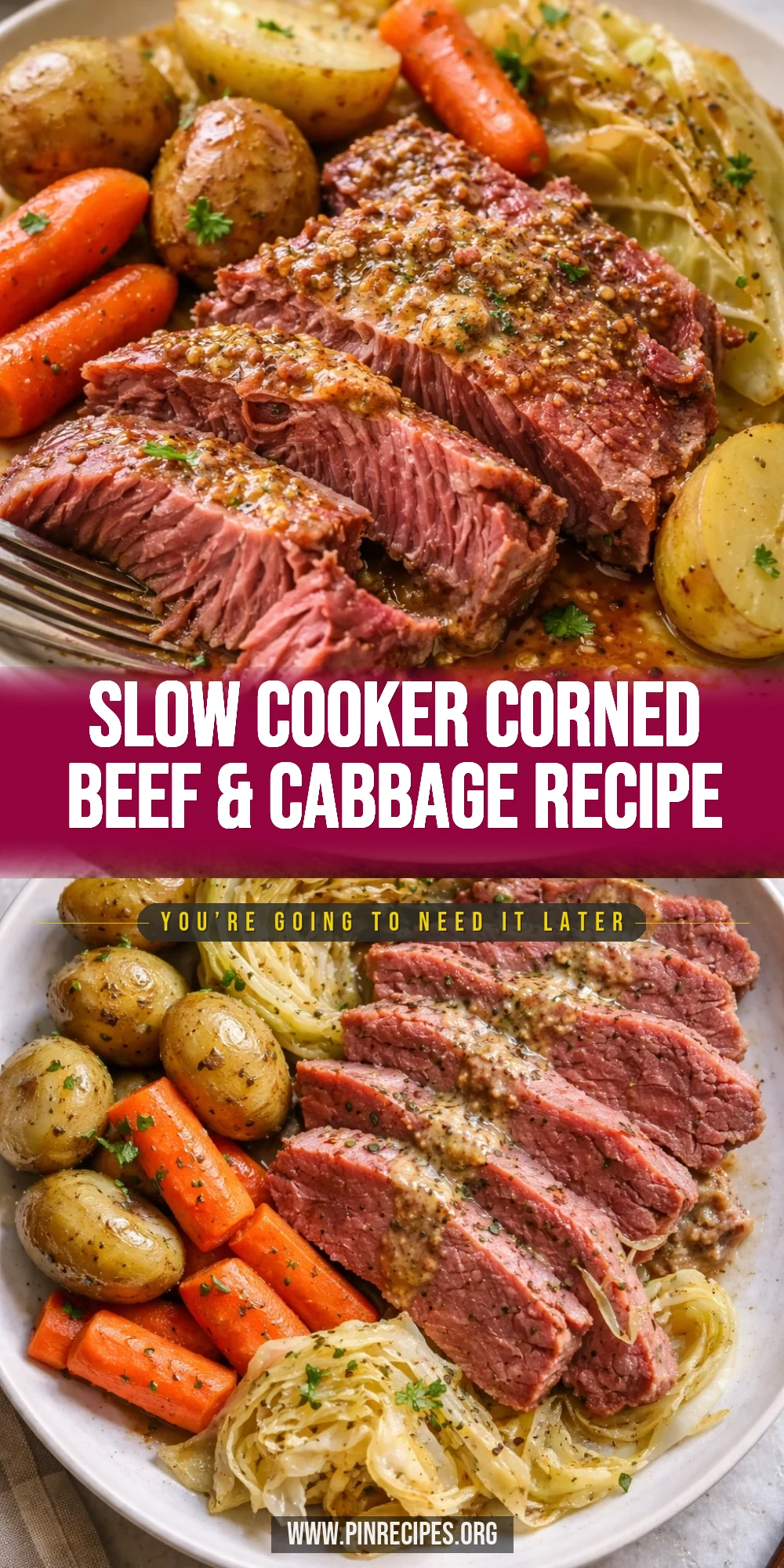
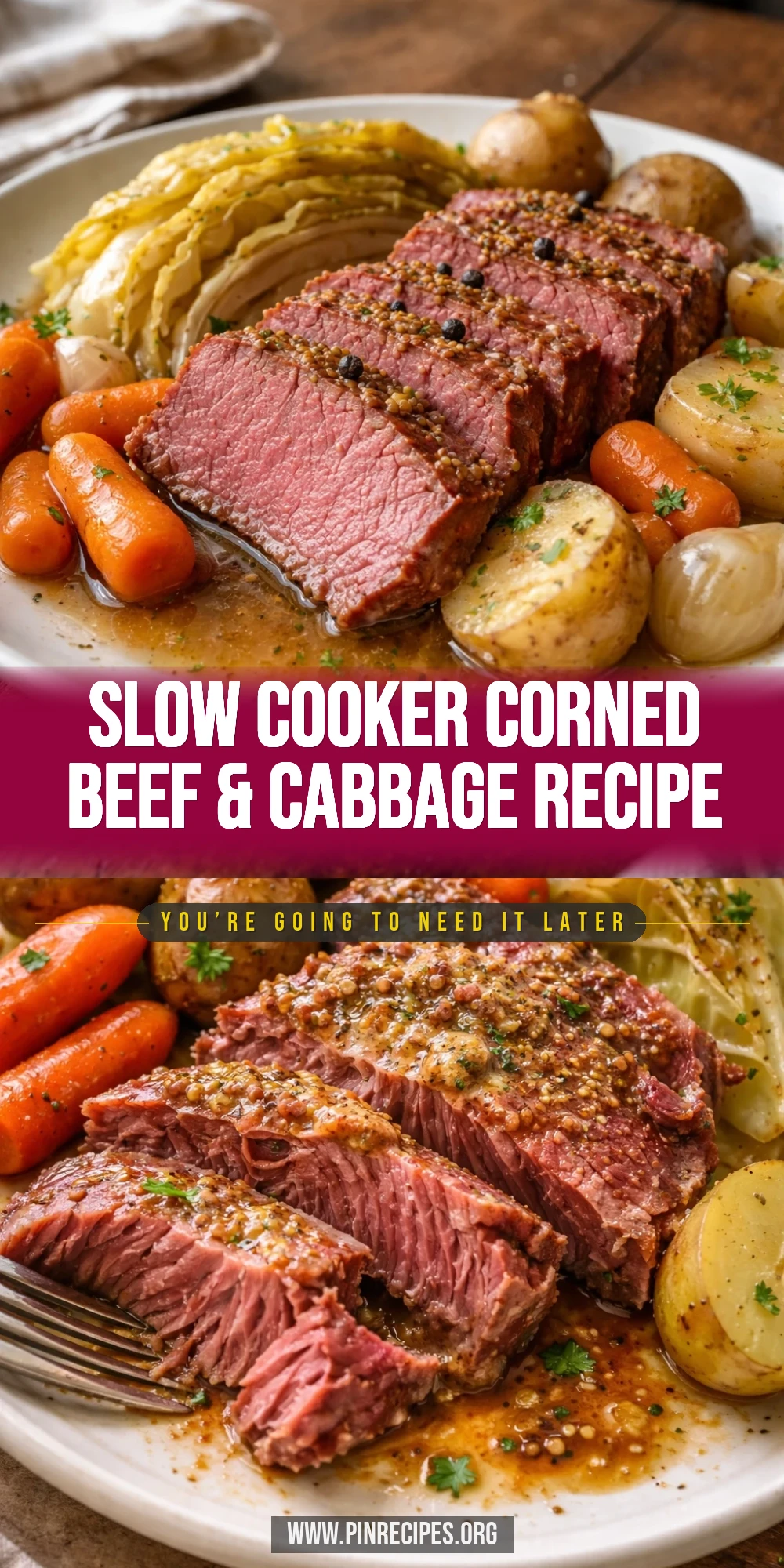
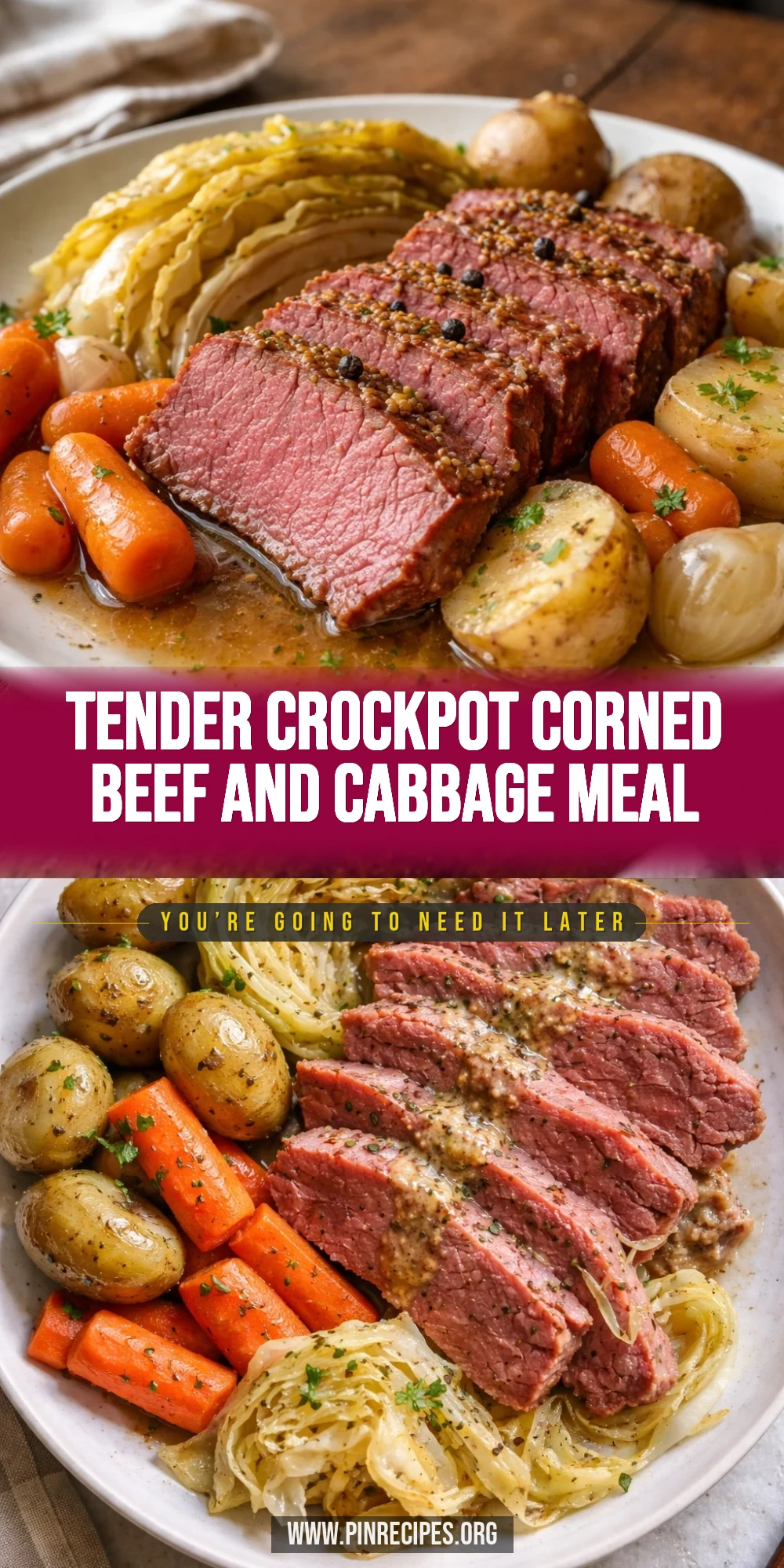
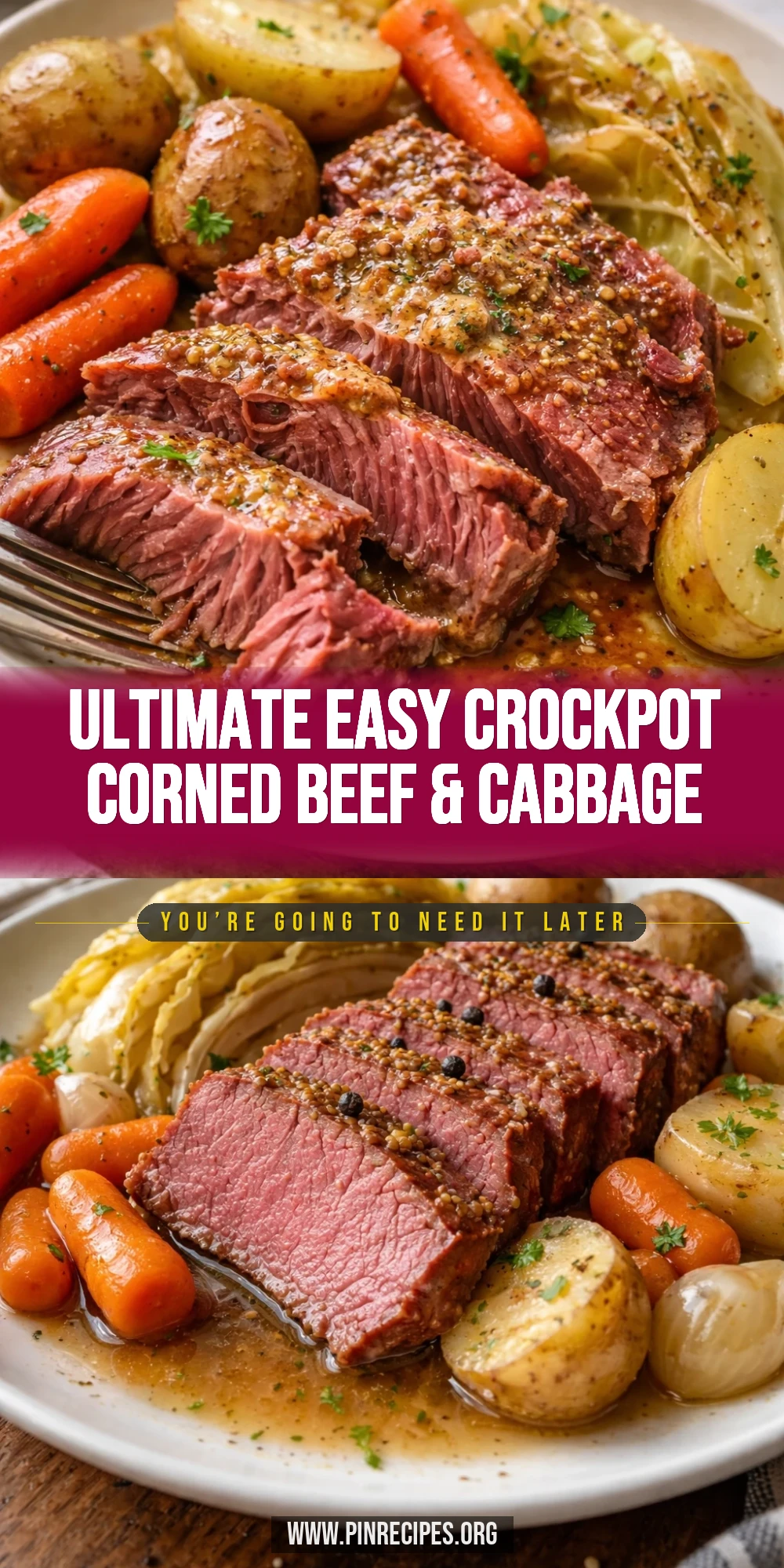
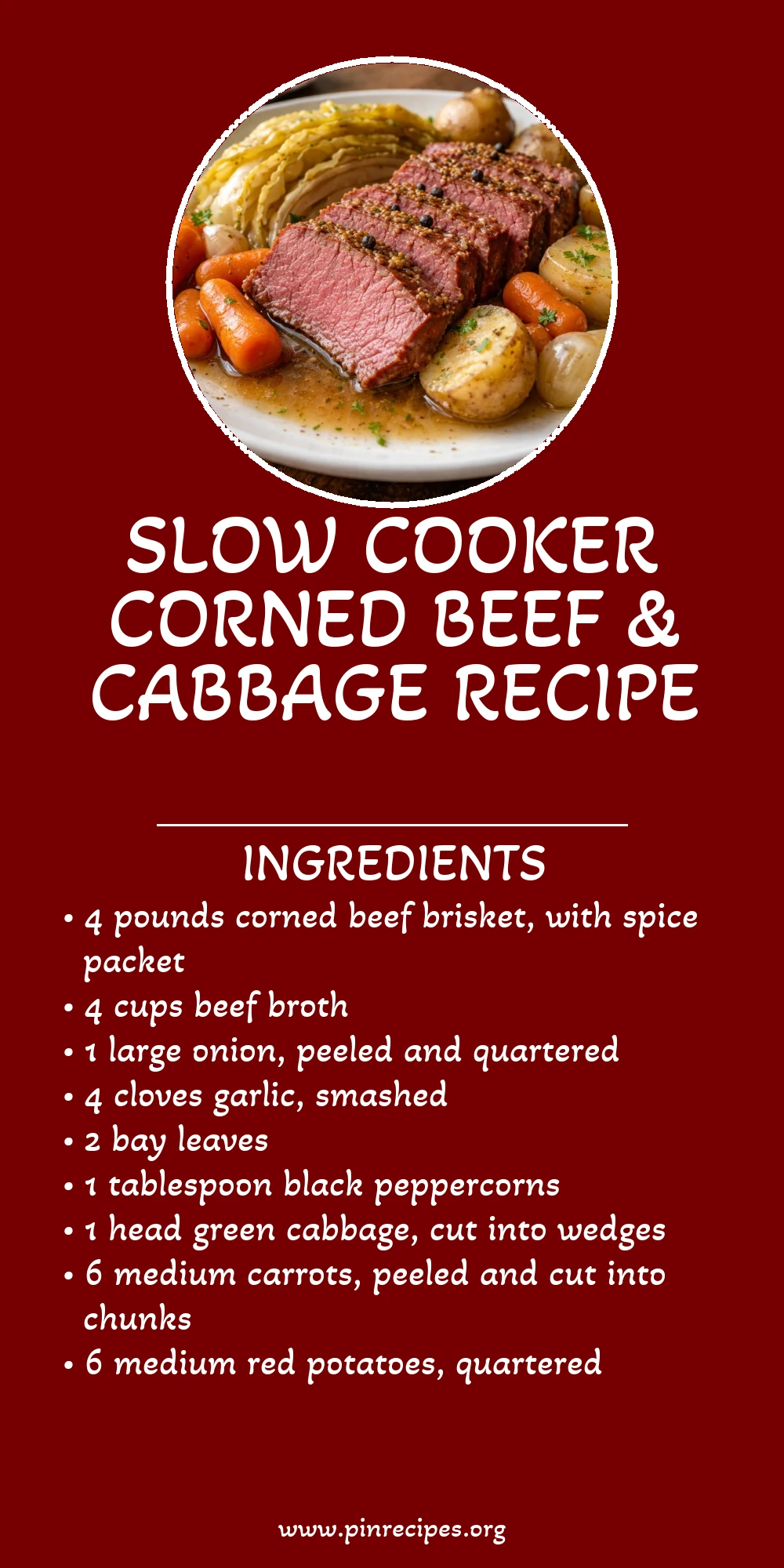
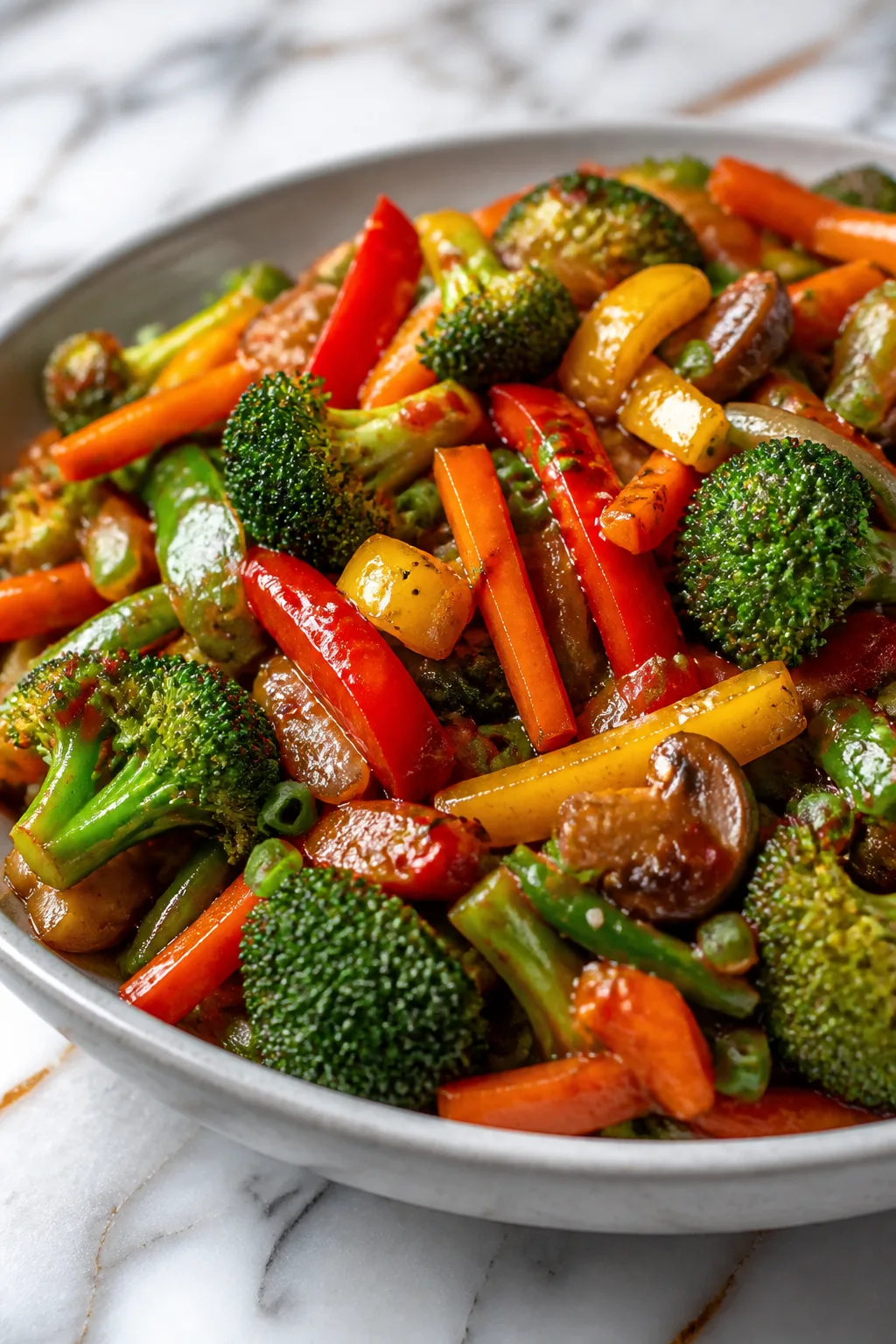
This crockpot corned beef and cabbage is the ultimate comfort meal—slow-cooked to tender perfection with simple spices. The magic is in the low-and-slow cooking that makes the beef so juicy. Great for a cozy weekend dinner!
Introduction
I first tried making corned beef and cabbage in the crockpot a few years ago, and it quickly became a favorite in my house. The beauty of this recipe is how hands-off it is—just toss everything in and let it slow cook all day. I remember the first time I tried boiling corned beef on the stove, and it ended up tough and dry. Using the crockpot changed everything. The low heat over many hours breaks down the meat fibers so it’s incredibly tender and juicy, while the veggies soak up all those rich flavors. One trick I learned is to add the cabbage and potatoes later in the cooking process so they don’t turn to mush. The finished dish is hearty, comforting, and perfect for a relaxed weekend meal when you want something filling but not fussy. Plus, the leftovers taste even better the next day!
How To Do It
Step 1
Start by rinsing the corned beef brisket under cold water to remove excess brine, which can make the dish overly salty. Pat it dry with paper towels. This step is important because it balances the seasoning and prevents the final dish from being too salty. Place the brisket fat side up in the crockpot to help baste the meat as it cooks, keeping it moist and tender.
⏱ Time: 10 minutes
✓ Doneness: Brisket is dry to the touch but not soaking wet, and placed fat side up in the crockpot
Step 2
Pour 4 cups of beef broth into the crockpot to cover the brisket halfway. Add the quartered onion, smashed garlic cloves, bay leaves, peppercorns, and the spice packet that came with the brisket. These aromatics infuse the meat with deep flavor during the long cooking process. Avoid adding salt now since the brisket and broth already contain salt.
⏱ Time: 5 minutes
✓ Doneness: Broth covers half the brisket, and aromatics are evenly distributed around the meat
Step 3
Cover the crockpot and cook on low for about 7 to 8 hours. Slow cooking at low temperature allows collagen in the brisket to break down into gelatin, resulting in tender, juicy meat. Resist the temptation to open the lid frequently, as this releases heat and extends cooking time.
⏱ Time: 7-8 hours
✓ Doneness: Meat is fork-tender and easily pierced with a fork
Step 4
About an hour before the end of cooking, add the carrots and potatoes around the brisket. These root vegetables need enough time to become tender but not mushy, so timing is key here. Stir them gently to coat with broth and spices.
⏱ Time: 1 hour
✓ Doneness: Vegetables are tender when pierced with a fork but still hold their shape
Step 5
Add the cabbage wedges on top of the meat and vegetables during the last 30 minutes of cooking. Cabbage cooks quickly and becomes bitter if overcooked, so adding it late keeps it vibrant and tender-crisp.
⏱ Time: 30 minutes
✓ Doneness: Cabbage is bright green and tender but not falling apart
Step 6
Once everything is cooked, carefully remove the corned beef and let it rest for 10 minutes before slicing. Resting allows juices to redistribute, making the meat juicier. Slice against the grain in thin slices for the best texture.
⏱ Time: 10 minutes
✓ Doneness: Meat slices cleanly with visible grain and is juicy
Step 7
Serve the sliced corned beef with the cooked cabbage, carrots, and potatoes. Spoon some of the cooking liquid over the top for extra flavor and moisture. This step ensures every bite is flavorful and comforting.
⏱ Time: 5 minutes
✓ Doneness: Dish looks colorful and inviting with moist meat and vegetables
Step 8
Optional: If you want a thicker gravy, remove about a cup of the cooking liquid and simmer it on the stovetop with a slurry of cornstarch and water until it thickens. Pour this over the meat and vegetables for a richer sauce.
⏱ Time: 10 minutes
✓ Doneness: Sauce thickens to coat the back of a spoon
Step 9
Garnish with fresh chopped parsley or a sprinkle of mustard seeds for a pop of color and a little zing. This final touch brightens the dish and adds a fresh note that balances the richness.
⏱ Time: 2 minutes
✓ Doneness: Garnish evenly scattered and visually appealing
Pro Tips
Always rinse the corned beef before cooking to remove excess salt.
Rinsing removes surface brine that can make the dish too salty. This simple step balances the flavor and prevents the broth from becoming overly salty, which can overpower the other ingredients.
Add cabbage during the last 30 minutes of cooking.
Cabbage cooks quickly and can turn mushy or bitter if overcooked. Adding it late keeps it tender-crisp and vibrant green, adding fresh texture and color to the dish.
Cook the brisket fat side up in the crockpot.
The fat melts over the meat as it cooks, basting it naturally and keeping it moist. This prevents drying and adds richness to the final dish.
Let the meat rest before slicing.
Resting allows juices to redistribute inside the meat, making it juicier and easier to slice. Cutting immediately after cooking causes juices to spill out, resulting in drier slices.
Slice the meat against the grain.
Cutting against the muscle fibers shortens them, making the meat more tender and easier to chew. Slicing with the grain results in tougher bites.
Use low sodium beef broth to control salt levels.
Corned beef is already salty, so using low-sodium broth helps prevent the dish from becoming too salty. It also allows you to adjust seasoning to taste later.
Avoid opening the crockpot lid frequently during cooking.
Each time you open the lid, heat escapes and extends cooking time. Slow and steady heat is key for tender meat and perfectly cooked vegetables.
Common Mistakes to Avoid
Not rinsing the corned beef before cooking
Why it happens Many cooks assume the brine is necessary for flavor and skip rinsing, which leads to an overly salty dish.
Fix Always rinse the brisket under cold water for a minute or two to remove excess salt. This balances the seasoning and prevents the broth and meat from tasting too salty.
Adding all vegetables at the beginning
Why it happens It’s tempting to toss everything in at once for convenience, but this causes some veggies to overcook and become mushy.
Fix Add root vegetables like carrots and potatoes about an hour before the end, and add cabbage only in the last 30 minutes to maintain texture and flavor.
Cooking on high heat for a shorter time
Why it happens Some believe high heat speeds up cooking without sacrificing quality, but it often dries out the meat.
Fix Cook on low heat for 7-8 hours to break down collagen slowly, resulting in tender, juicy meat.
Slicing the meat immediately after cooking
Why it happens Impatience leads to slicing hot meat right away, causing juices to run out and dry slices.
Fix Let the meat rest for at least 10 minutes before slicing to retain moisture and improve texture.
Slicing with the grain
Why it happens Not knowing how to identify the grain can lead to tougher bites.
Fix Look carefully at the direction of muscle fibers and slice perpendicular to them for tender slices.
Variations
Add Mustard and Horseradish Sauce
Serve the corned beef with a tangy mustard or horseradish sauce on the side for extra zing. This adds a spicy, creamy element that cuts through the richness of the meat and complements the savory flavors.
Note: No changes to cooking time; just prepare sauces separately and serve chilled or room temperature.
Substitute Sweet Potatoes for Red Potatoes
Swap out red potatoes for sweet potatoes for a sweeter, softer texture. Sweet potatoes add a lovely contrast to the salty meat and bring additional nutrients and color to the dish.
Note: Add sweet potatoes about 45 minutes before the end of cooking to prevent them from becoming mushy.
Add Beer to the Cooking Liquid
Replace half the beef broth with a bottle of stout or lager beer for a deeper, richer flavor. The beer adds complexity and a slight bitterness that balances the saltiness.
Note: Use a mild-flavored beer to avoid overpowering the dish; no change in cooking time.
Make It Spicier with Crushed Red Pepper
Sprinkle crushed red pepper flakes into the broth or on the finished dish for a subtle heat kick. This variation livens up the classic flavors and adds warmth.
Note: Add red pepper flakes sparingly at the start to infuse flavor without overwhelming; adjust to taste.
Use a Pressure Cooker for Faster Cooking
If you're short on time, cook the corned beef in a pressure cooker for about 90 minutes. This method drastically cuts down cooking time while still tenderizing the meat.
Note: Add vegetables after pressure cooking and simmer until tender, about 10-15 minutes.
Nutrition
Per Serving:
Nutritional values are estimates and may vary based on specific ingredients used.
Storage & Tips
Room Temperature
The cooked corned beef and vegetables can safely sit covered at room temperature for up to 2 hours. Beyond that, bacteria growth increases, so refrigerate promptly to ensure safety.
Refrigerator
Store leftovers in an airtight container for up to 4 days. The flavors deepen overnight, but vegetables may soften. Reheat gently to avoid drying out the meat.
Freezer
Freeze portions in airtight containers or heavy-duty freezer bags for up to 3 months. Wrap tightly to prevent freezer burn. Thaw overnight in the fridge before reheating.
Reheating
Reheat gently on the stovetop over low heat with a splash of broth or water to keep meat moist. Microwave on medium power in short intervals to avoid drying. Avoid high heat which toughens meat.
Make Ahead
You can cook the brisket and broth base a day ahead, then add fresh vegetables and reheat the next day. This keeps the veggies from overcooking and maintains texture.
FAQ
Can I use a different cut of beef instead of brisket?
Brisket is ideal because of its fat content and connective tissue that breaks down slowly. Using leaner cuts like round steak may result in drier, tougher meat. If you try other cuts, cook low and slow and consider adding extra fat or broth.
What if I don’t have a crockpot? Can I make this on the stove?
Yes! You can simmer the corned beef in a large pot on low heat for 3-4 hours, covered, until tender. Add vegetables in the last hour. The crockpot is just more hands-off and consistent with temperature.
How do I know when the corned beef is done?
The brisket is done when it’s fork-tender and easily pierced. It should feel soft when you press it and slice easily against the grain without resistance.
Is it necessary to rinse the spice packet that comes with the brisket?
Rinsing the brisket itself is important, but the spice packet is designed to flavor the cooking liquid. Add it as instructed for best flavor balance.
Can I add other vegetables like parsnips or turnips?
Absolutely! Root vegetables like parsnips and turnips work well and can be added with the carrots and potatoes. Adjust cooking time slightly if pieces are larger or smaller.
What’s the best way to slice the cooked corned beef?
Let the meat rest, then slice thinly against the grain. This shortens the muscle fibers and makes the meat tender and easy to chew.
Can I make this recipe gluten-free?
Yes, just ensure your beef broth and any added sauces are gluten-free. Corned beef and vegetables themselves are naturally gluten-free.
How can I keep the meat from drying out when reheating?
Reheat gently with a splash of broth or water to create steam and keep the meat moist. Avoid high heat and prolonged reheating times.
Final Thoughts
Give this easy crockpot corned beef and cabbage a try—it’s a comforting, no-fuss meal that feels like a warm hug. I’d love to hear how yours turns out!