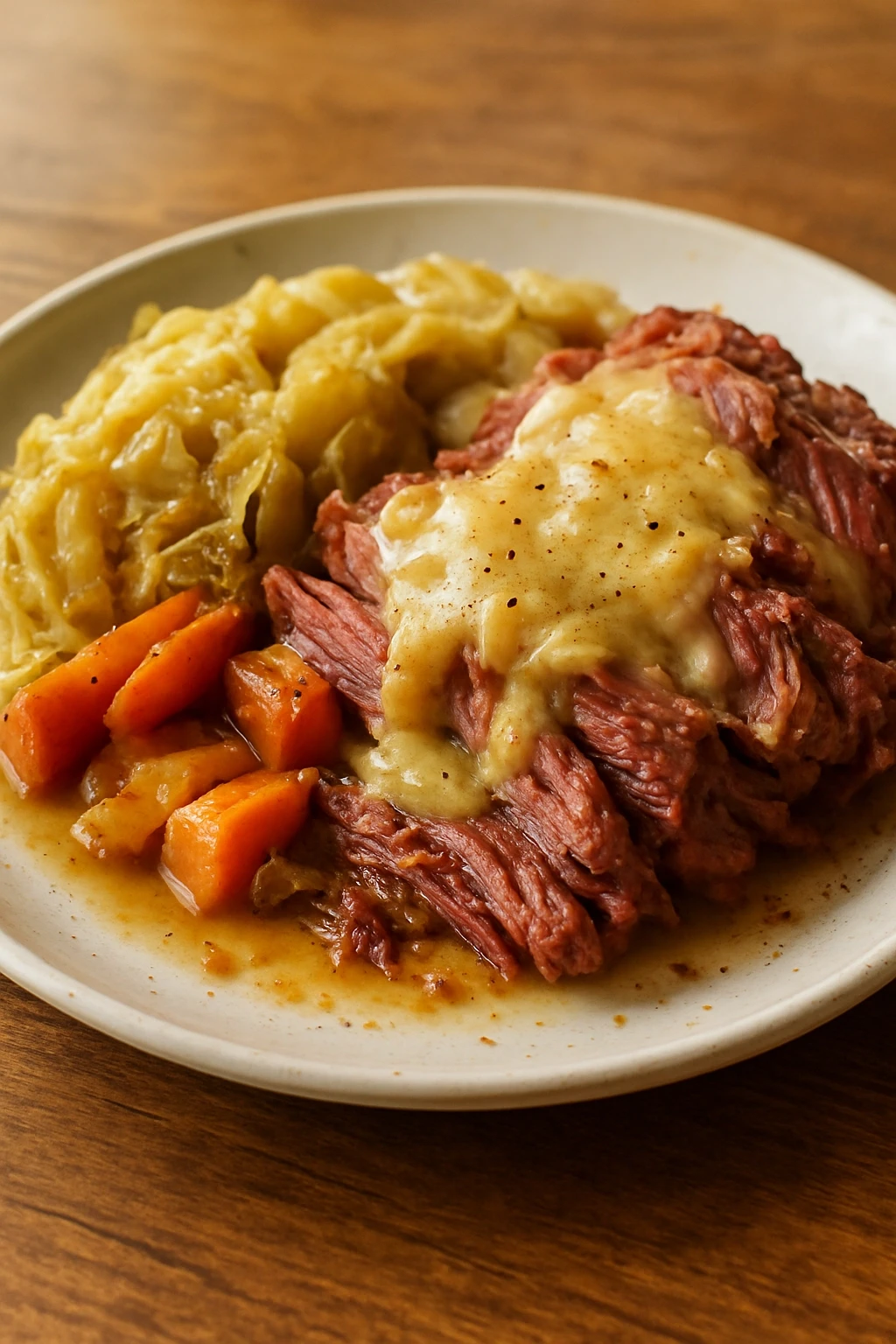
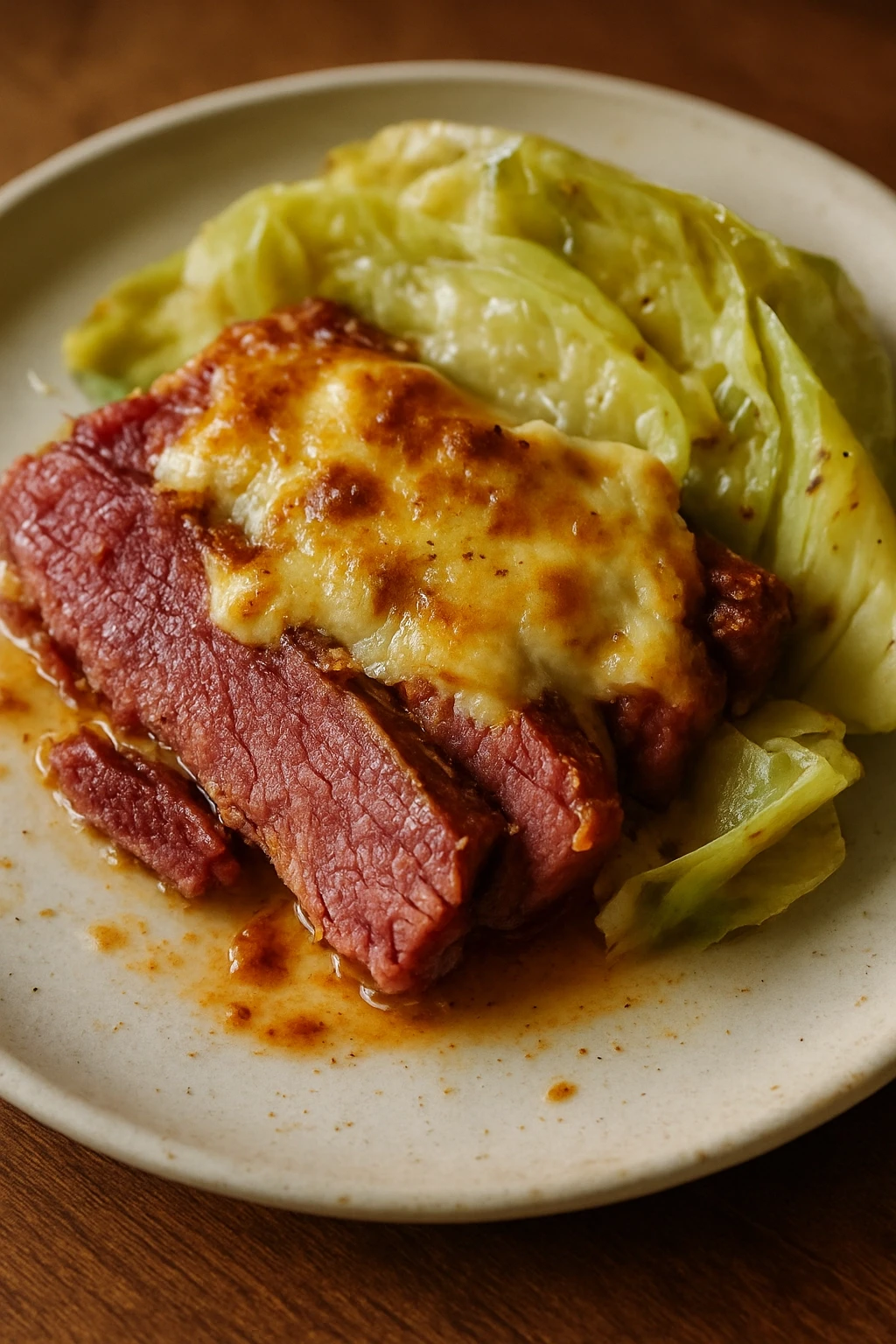
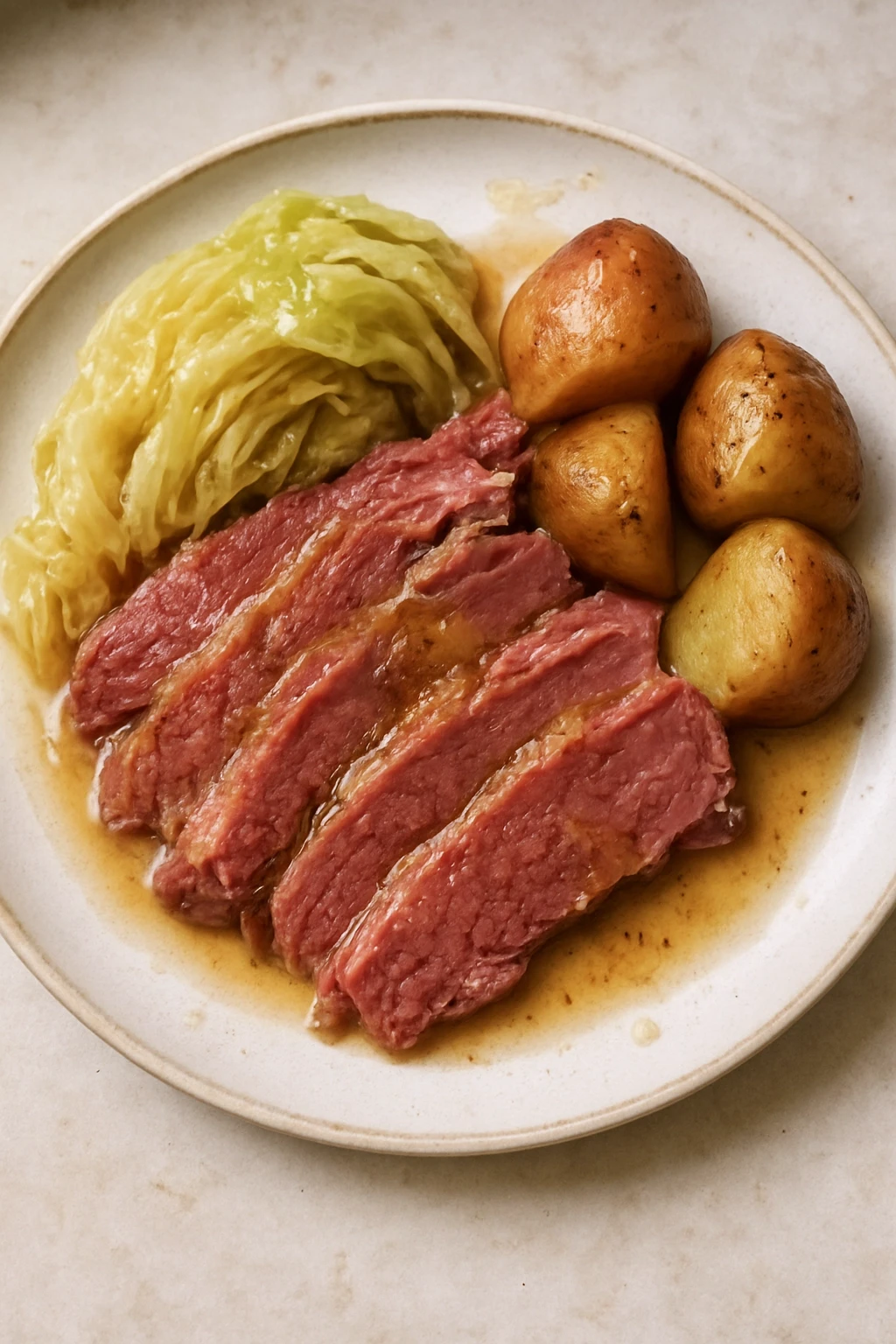
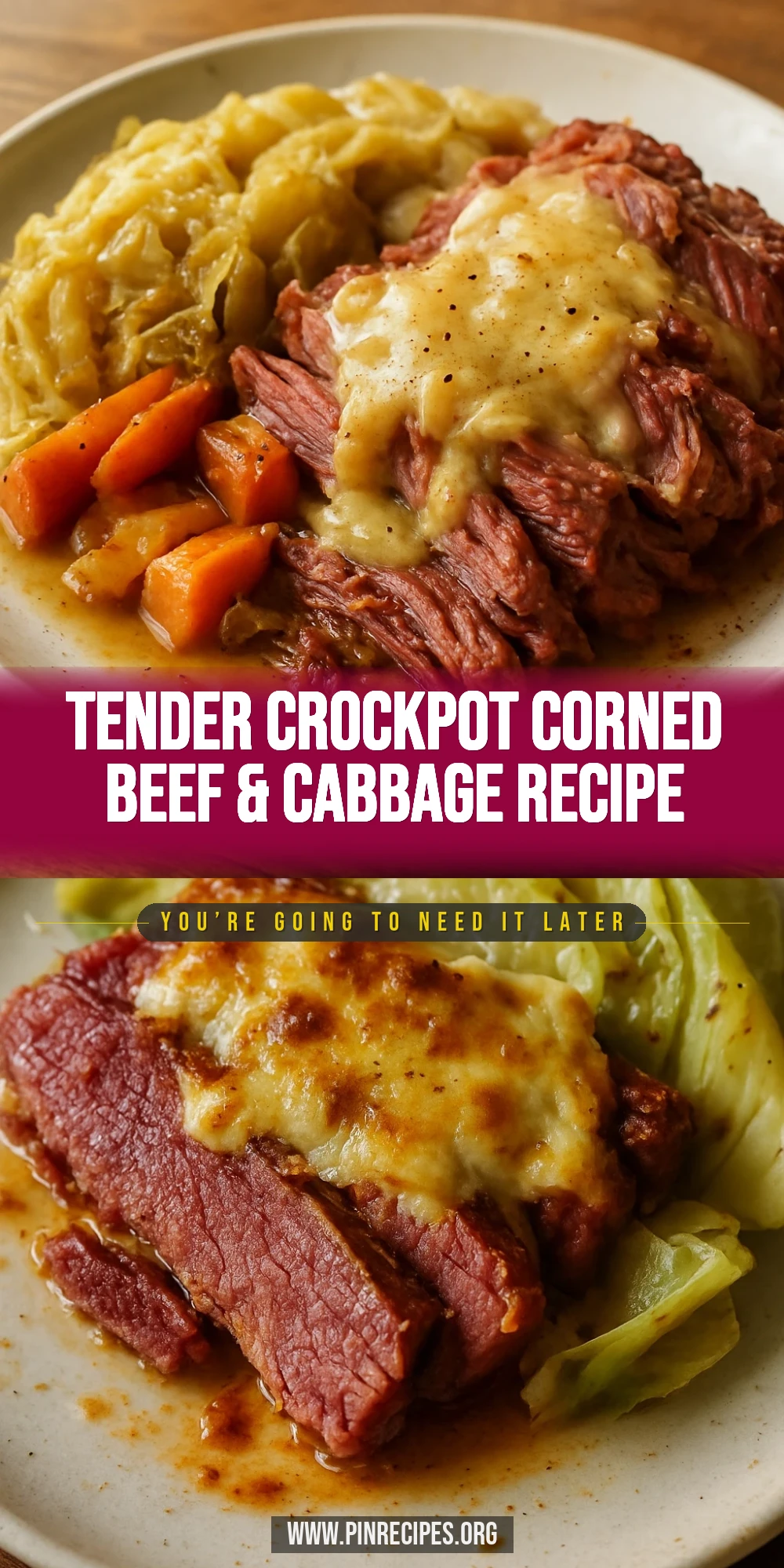
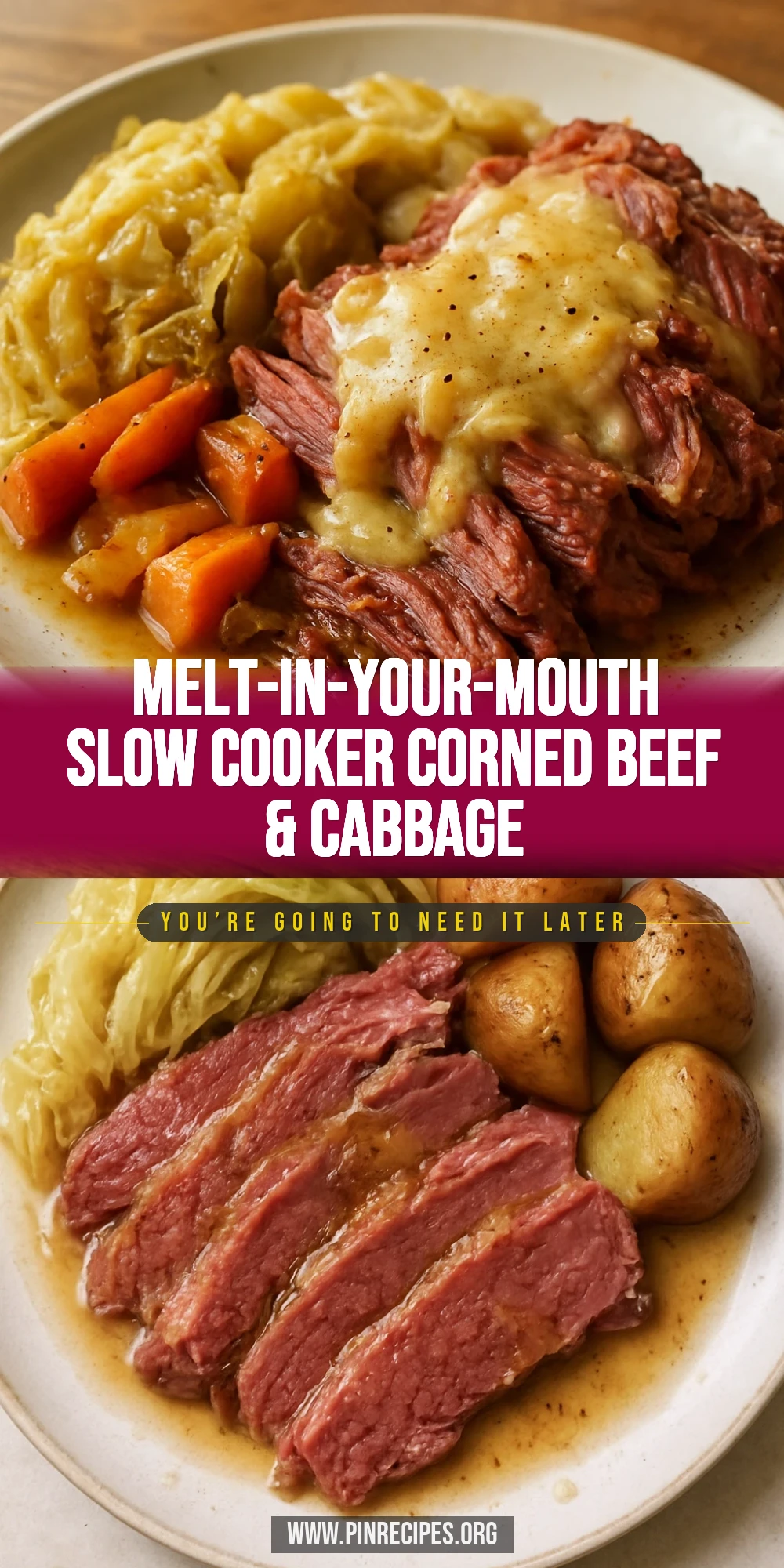
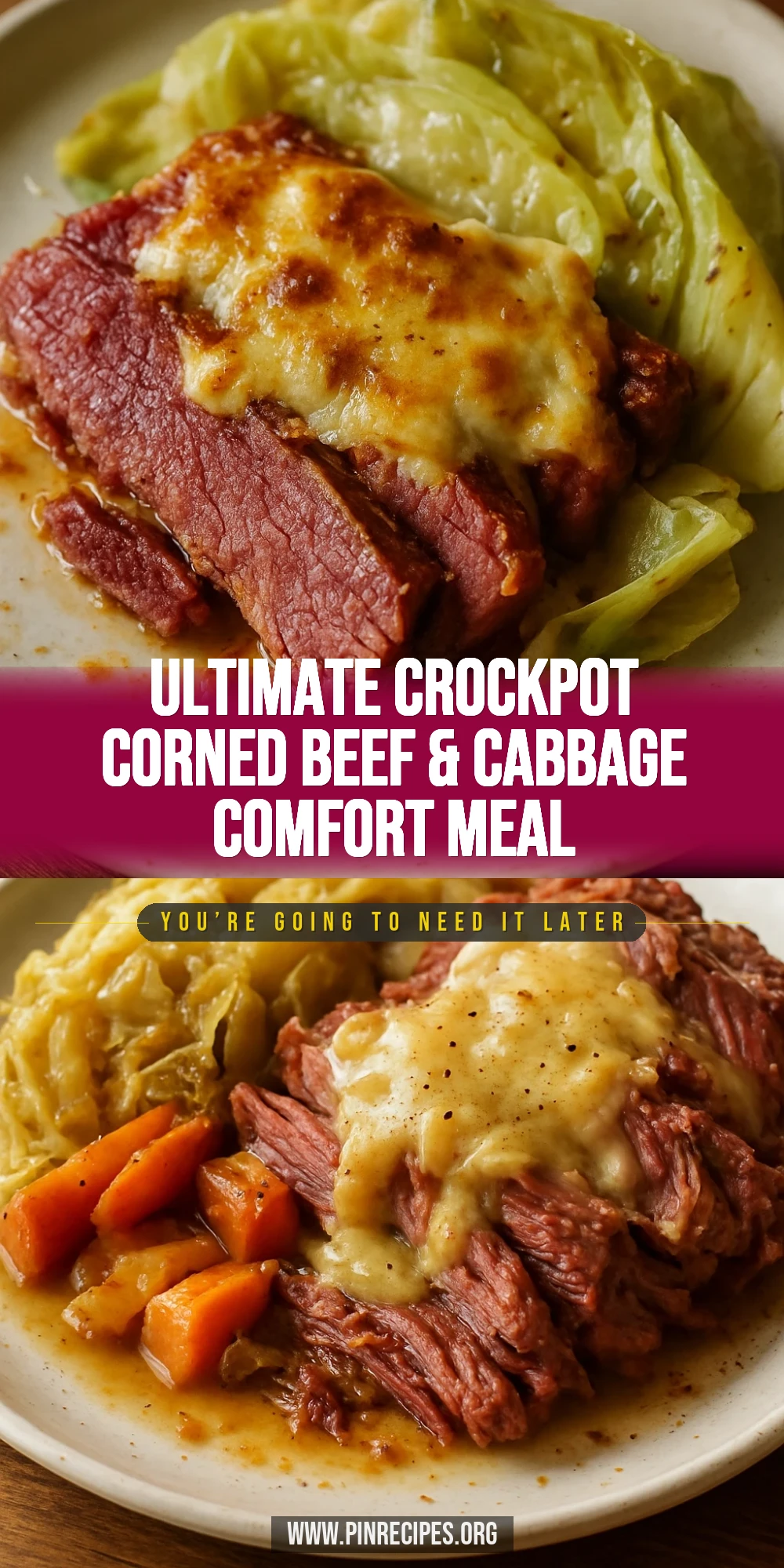
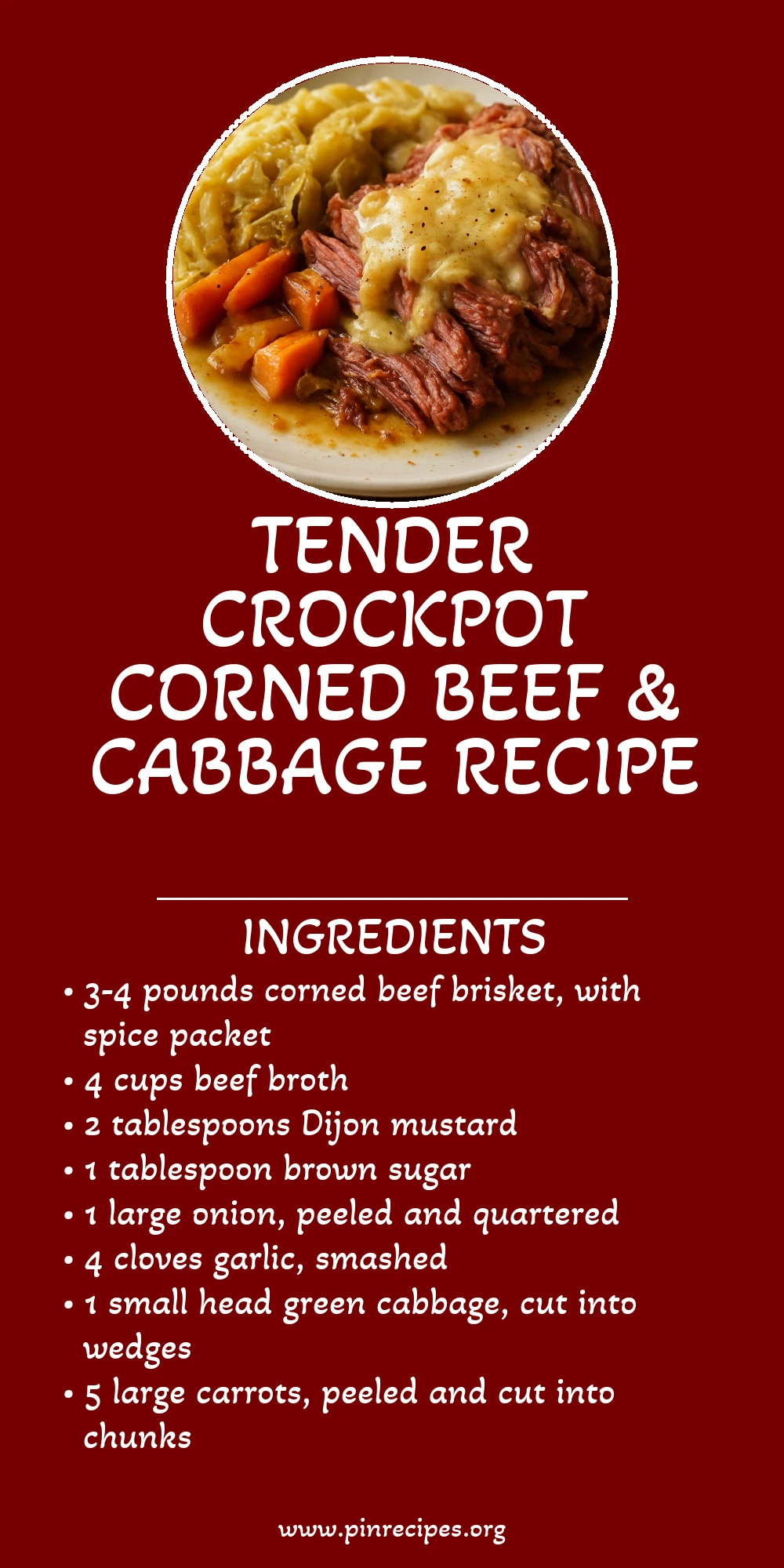
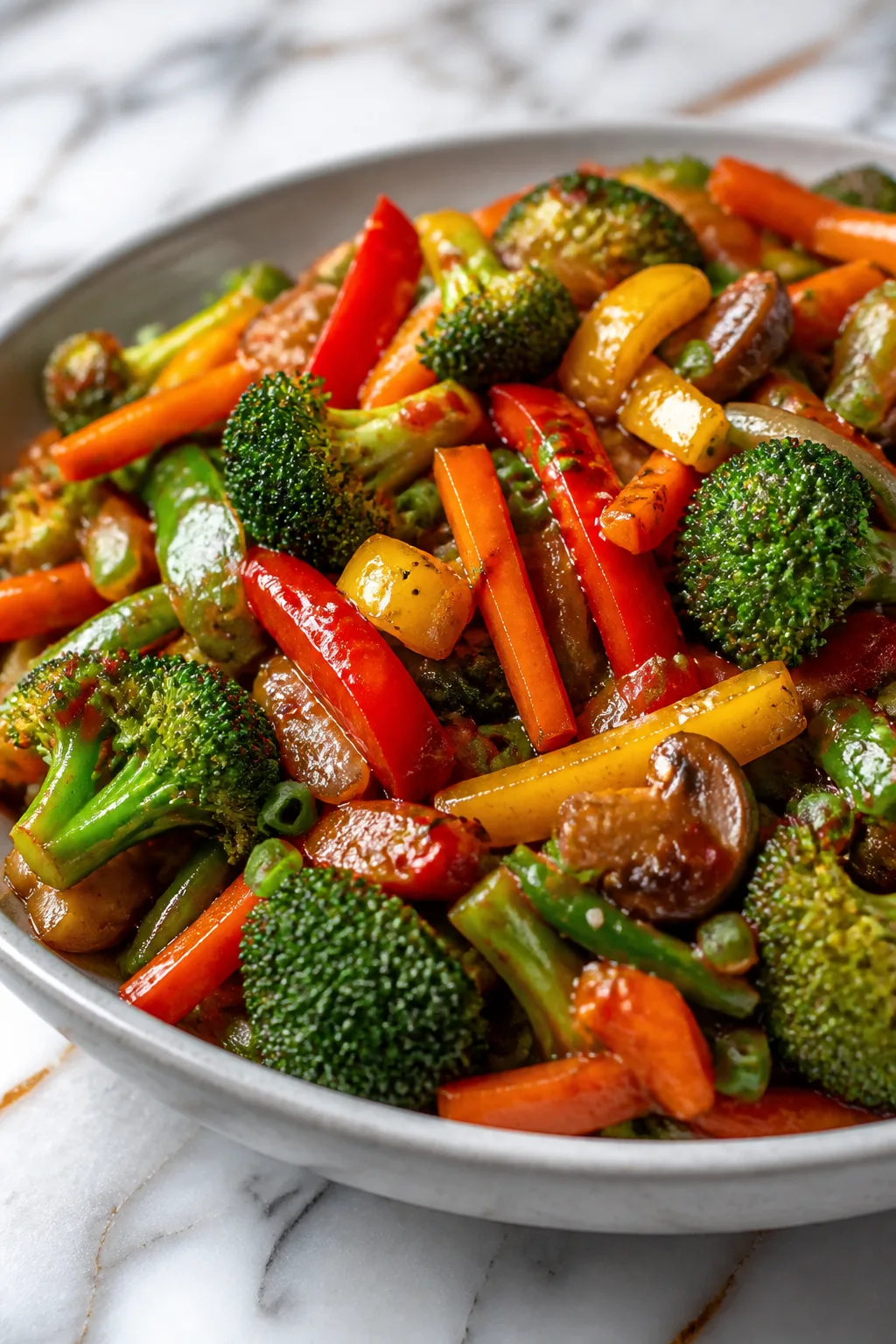
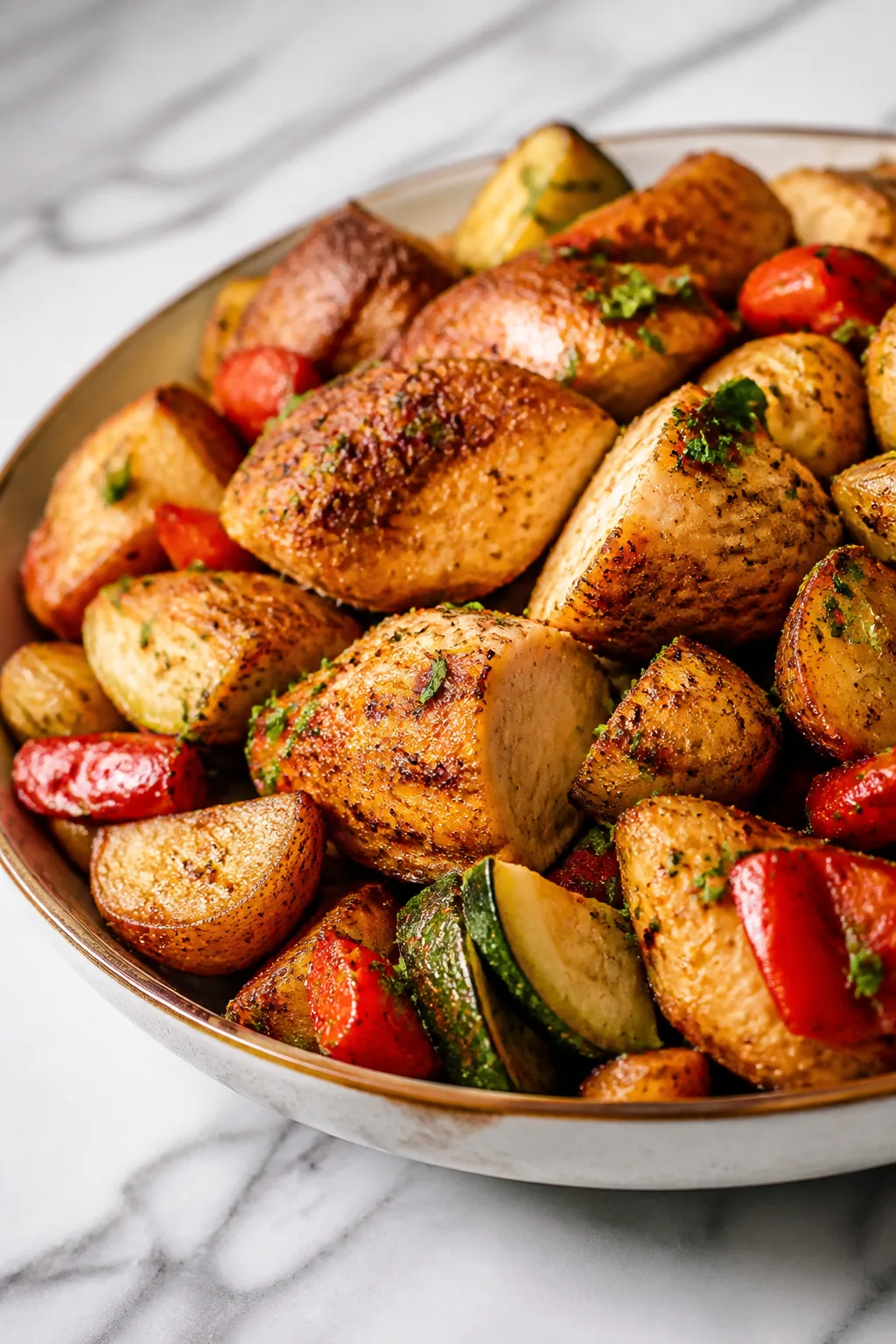
This crockpot corned beef and cabbage is the ultimate comfort food—slow-cooked until tender with just the right seasoning. The secret is the low and slow method that makes the beef super juicy. Perfect for a cozy weekend dinner!
Introduction
I first tried making corned beef and cabbage in the crockpot a few years ago after a St. Patrick's Day disaster where my oven-roasted brisket turned out dry and tough. I was desperate for a fail-safe method and stumbled upon the slow cooker trick. What I love about this version is how the beef becomes incredibly tender and juicy without any fuss. The slow, gentle heat breaks down the connective tissue, so every bite melts in your mouth. I also add a touch of brown sugar and Dijon mustard to the broth to give it a subtle tang and sweetness, which balances the savory meat perfectly. The veggies cook right alongside the beef, soaking up all those flavors, making it a one-pot meal that's cozy and satisfying. This recipe is my go-to when I want something hearty but hands-off, especially on chilly weekends when you want dinner ready without hovering over the stove. Just prep, set, and forget until it’s time to eat!
How To Do It
Step 1
Start by rinsing the corned beef brisket under cold water to remove excess brine and saltiness. This step is crucial because it prevents the dish from becoming too salty, which can overpower the natural beef flavor. Pat the brisket dry with paper towels to help the seasoning stick better. Place the brisket into the crockpot fat side up—this allows the fat to baste the meat as it cooks, keeping it moist and flavorful throughout the long cooking process.
⏱ Time: 10 minutes
✓ Doneness: Brisket is well-rinsed and patted dry, ready for seasoning
Step 2
Pour beef broth into the crockpot, then add the spice packet that came with the corned beef (usually a mix of peppercorns, mustard seeds, and bay leaves). Add the quartered onion and smashed garlic cloves for extra aroma and depth. Stir in the Dijon mustard and brown sugar to infuse a subtle tangy-sweet note. These ingredients create a flavorful cooking liquid that will permeate the meat and vegetables during the slow cook. Avoid skipping the mustard and sugar as they balance the saltiness and enrich the broth.
⏱ Time: 5 minutes
✓ Doneness: Broth is well mixed with spices and aromatics, ready for slow cooking
Step 3
Place the brisket into the broth fat side up, making sure it’s mostly submerged but not drowning. Cover the crockpot and set it to low heat for 8 to 10 hours. The low and slow cooking breaks down tough fibers in the brisket, turning it tender without drying it out. Resist the urge to lift the lid during cooking, as this releases heat and extends the cooking time. You’ll know it’s done when the meat is fork-tender and easily pulls apart.
⏱ Time: 8-10 hours
✓ Doneness: Beef is tender and pulls apart easily with a fork
Step 4
About 2 hours before serving, add the carrots and potatoes around the brisket in the crockpot. These root vegetables take a bit longer to cook and will absorb the flavorful broth. Make sure they’re evenly spaced and partially submerged in the liquid for even cooking. Adding them too early can cause them to become mushy, so timing is key to get the perfect texture.
⏱ Time: 2 hours
✓ Doneness: Carrots and potatoes are tender but still hold their shape
Step 5
Add the cabbage wedges on top of the meat and vegetables during the last 30 to 45 minutes of cooking. Cabbage cooks quickly and you want it tender but not falling apart. Cover and let it steam in the crockpot’s residual heat. This layering method ensures the cabbage retains some texture and doesn’t overcook.
⏱ Time: 30-45 minutes
✓ Doneness: Cabbage is tender with a slight bite, not mushy
Step 6
When everything is cooked, carefully remove the brisket and let it rest on a cutting board for 10 minutes before slicing. Resting allows juices to redistribute, preventing the meat from drying out when cut. Slice the brisket against the grain for maximum tenderness. Arrange the vegetables on a serving platter around the meat for a classic presentation.
⏱ Time: 10 minutes
✓ Doneness: Meat juices settle and slices are tender and juicy
Step 7
Spoon some of the cooking liquid over the sliced meat and vegetables to keep everything moist and flavorful. This broth is packed with all the spices and richness from the slow cooking. If you want, you can strain the liquid and reduce it on the stovetop to make a concentrated sauce or gravy.
⏱ Time: 5 minutes
✓ Doneness: Dish is moist and glossy with broth, ready to serve
Step 8
Serve the corned beef and cabbage with mustard or horseradish on the side for a little extra zing. I like to pair it with a crusty bread to soak up the juices. This meal is perfect for a relaxed family dinner or a festive occasion like St. Patrick’s Day. Leftovers are just as delicious!
⏱ Time: 0 minutes
✓ Doneness: Dish plated with condiments, inviting and ready to eat
Step 9
Clean your crockpot promptly after use to avoid any lingering odors or stains from the beef and spices. A quick soak with warm soapy water usually does the trick. Proper cleaning keeps your slow cooker in great shape for the next meal.
⏱ Time: 10 minutes
✓ Doneness: Crockpot is clean and odor-free
Pro Tips
Rinse the corned beef well before cooking to reduce excess saltiness.
The brining process leaves corned beef quite salty, and rinsing removes surface salt, preventing the dish from becoming overpoweringly salty. If you skip this, the broth and vegetables can absorb too much salt, ruining the balance.
Cook the brisket fat side up in the crockpot.
Fat renders slowly during cooking, basting the meat and keeping it juicy and tender. Placing it fat side down would cause the fat to drain away, drying out the brisket.
Add cabbage only in the last 30-45 minutes of cooking.
Cabbage cooks quickly and can become mushy or bitter if overcooked. Adding it late ensures it’s tender but still holds its shape and sweetness.
Let the cooked brisket rest before slicing.
Resting allows juices to redistribute evenly throughout the meat. Cutting too soon causes the juices to run out, leaving the meat dry.
Use low heat and avoid lifting the crockpot lid during cooking.
Slow and steady heat breaks down tough fibers gently. Opening the lid releases heat and lengthens cooking time, which can make timing unpredictable.
Add root vegetables like carrots and potatoes halfway through cooking.
They need enough time to become tender but adding them too early results in mushy vegetables. Timing them right keeps their texture intact.
Use the cooking liquid as a sauce or gravy base.
The broth is packed with flavor from the meat and spices. Reducing it intensifies the taste and creates a delicious sauce to serve with the brisket.
Common Mistakes to Avoid
Not rinsing the corned beef before cooking.
Why it happens Many assume the spice packet is enough to balance flavor and skip rinsing, leading to an overly salty dish.
Fix Always rinse the brisket under cold water to wash away excess brine, then pat dry. This simple step balances saltiness and improves the final flavor.
Adding cabbage too early in the cooking process.
Why it happens People often add all vegetables at once for convenience, unaware cabbage cooks faster than root veggies.
Fix Add cabbage during the last 30-45 minutes only to keep it tender but not mushy or bitter.
Cutting the brisket immediately after cooking.
Why it happens Impatience or lack of knowledge about resting meat leads to slicing too soon, causing dry meat.
Fix Let the brisket rest for 10 minutes before slicing against the grain to retain juices and tenderness.
Cooking on high heat in the crockpot.
Why it happens Trying to speed up cooking time can cause the meat to toughen instead of tenderize.
Fix Use low heat and plan for 8-10 hours to allow collagen to break down properly.
Not using enough liquid in the crockpot.
Why it happens Some believe the meat releases enough moisture, but insufficient broth can cause uneven cooking and dryness.
Fix Add enough beef broth to mostly submerge the brisket, ensuring even cooking and flavor infusion.
Variations
Spicy Corned Beef and Cabbage
Add a diced jalapeño or a pinch of red pepper flakes to the broth for a subtle heat that complements the savory beef. This variation adds a nice kick without overpowering the traditional flavors.
Note: Adjust cooking time slightly if adding fresh peppers to avoid over-softening; add peppers with the broth at the start.
Beer-Braised Corned Beef
Replace half of the beef broth with a pale ale or lager to add a malty, slightly sweet depth to the cooking liquid. The beer enhances the meat’s flavor and creates a richer broth for the vegetables.
Note: Use a mild beer to avoid bitterness; the alcohol cooks off during the slow cooking.
Vegetarian Cabbage and Root Vegetable Stew
Skip the beef and use vegetable broth with added smoked paprika and liquid smoke for a smoky flavor. Add extra potatoes, carrots, and cabbage for a hearty vegetarian meal.
Note: Cook on low for 6-8 hours; vegetables will soften but keep texture with proper timing.
Instant Pot Corned Beef and Cabbage
Use an Instant Pot to cut cooking time drastically. Pressure cook the brisket for about 90 minutes, then add vegetables and cook for an additional 5-10 minutes under pressure.
Note: Release pressure naturally for best tenderness; watch timing closely to avoid overcooked veggies.
Slow Cooker Corned Beef with Mustard Glaze
Brush the cooked brisket with a mixture of Dijon mustard and honey, then broil for 5 minutes to create a sweet and tangy crust. This adds a lovely texture contrast and flavor boost.
Note: Broil only at the end; watch carefully to prevent burning.
Nutrition
Per Serving:
Nutritional values are estimates and may vary based on specific ingredients used.
Storage & Tips
Room Temperature
Leftovers can safely sit covered at room temperature for up to 2 hours. Beyond that, bacteria growth increases, so refrigerate promptly to maintain freshness and safety.
Refrigerator
Store leftover corned beef and vegetables in an airtight container for up to 4 days. The flavors deepen overnight, but the cabbage may soften further. Reheat gently to prevent drying out.
Freezer
Freeze leftovers in airtight containers or heavy-duty freezer bags for up to 3 months. To prevent freezer burn, remove as much air as possible. Thaw overnight in the fridge before reheating.
Reheating
Reheat on the stovetop over low heat with a splash of broth or water to keep the meat moist. Alternatively, microwave in short bursts, stirring occasionally. Avoid overheating which can dry the meat.
Make Ahead
You can prepare the brisket and broth a day ahead, refrigerate, then add fresh vegetables and finish cooking the next day. This saves time and keeps the vegetables fresh and perfectly cooked.
FAQ
Can I use frozen corned beef for this recipe?
It's best to thaw frozen corned beef completely before slow cooking. Cooking frozen meat in the crockpot can lead to uneven cooking and food safety risks because the temperature rises too slowly. Thaw overnight in the fridge for best results.
How salty will the dish be if I don’t rinse the brisket?
Not rinsing the brisket can make the dish very salty since corned beef is cured in a salty brine. Rinsing washes away excess surface salt, balancing the flavor. If you skip rinsing, reduce added salt and use low-sodium broth.
Can I cook this recipe on high in the crockpot?
You can, but it’s not recommended. High heat cooks faster but risks toughening the meat. Low and slow cooking breaks down collagen gently, resulting in tender, juicy brisket. If pressed for time, use an Instant Pot instead.
What’s the best way to slice corned beef?
Slice against the grain in thin slices to maximize tenderness. Cutting with the grain results in stringy, chewy pieces. Resting the meat before slicing also helps retain juices.
Can I add other vegetables like parsnips or turnips?
Absolutely! Parsnips and turnips add nice sweetness and texture. Add them with the carrots and potatoes to ensure even cooking. Adjust timing if pieces are smaller or larger.
How do I store leftovers to keep cabbage from getting soggy?
Store cabbage separately if possible or add it fresh when reheating leftovers. Cabbage tends to get mushy if stored too long with the meat and broth.
Can I make this recipe gluten-free?
Yes, just make sure your beef broth and any added seasonings are gluten-free. Most corned beef and vegetables are naturally gluten-free.
Is it okay to skip the brown sugar?
You can omit it, but the sugar helps balance saltiness and adds a subtle caramel note. Without it, the dish might taste sharper or saltier.
How do I know when the brisket is done?
The brisket is done when it’s fork-tender and easily pulls apart. It should feel soft and juicy, not tough or rubbery. Cooking times can vary, so test with a fork near the end.
Can I double this recipe for a larger group?
Yes, but make sure your crockpot is large enough to hold all ingredients without overcrowding. Cooking time may increase slightly if the pot is very full.
Final Thoughts
Give this crockpot corned beef and cabbage a try—it’s such a comforting, hands-off meal that’ll make your kitchen smell amazing. I’d love to hear how it turns out for you!