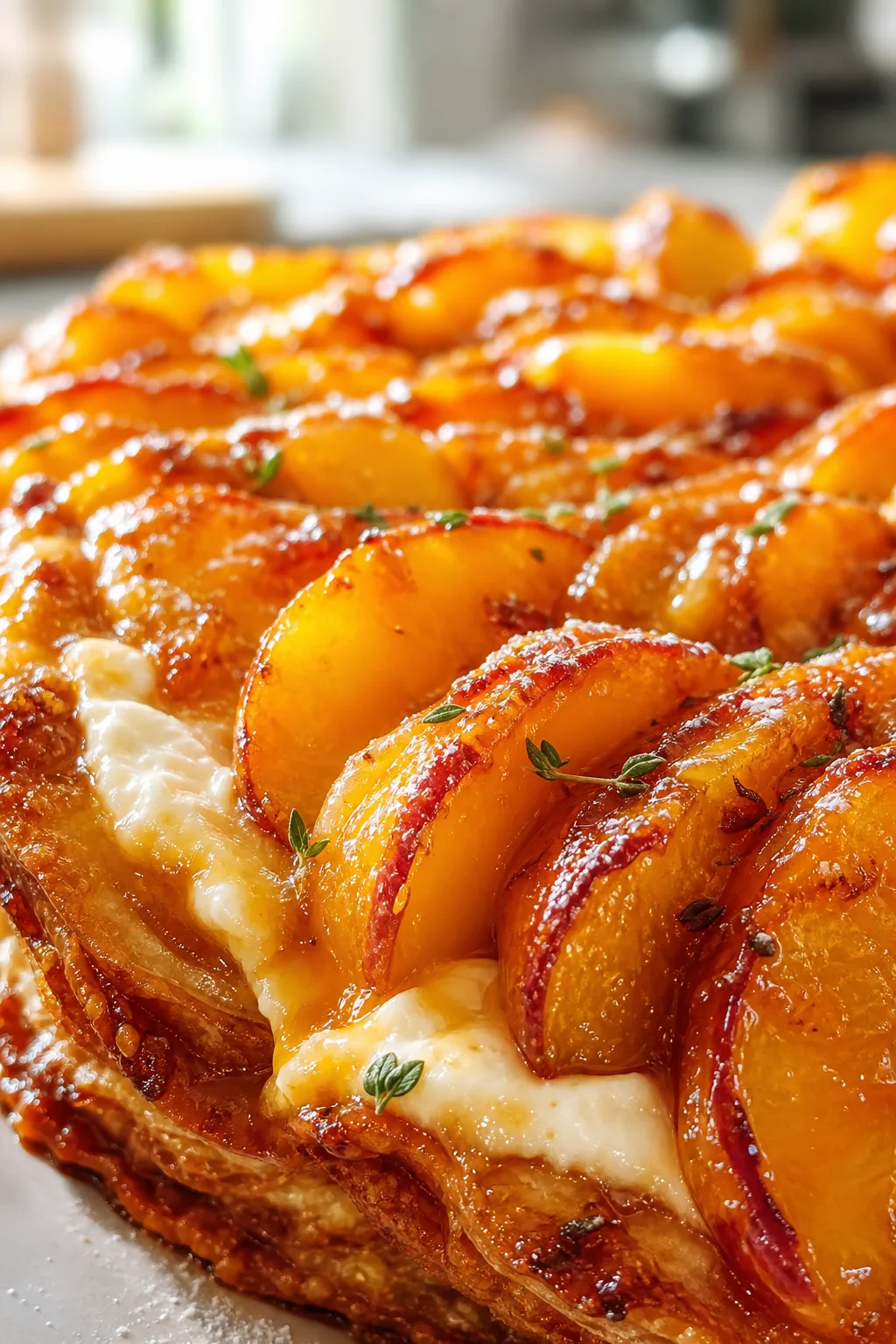
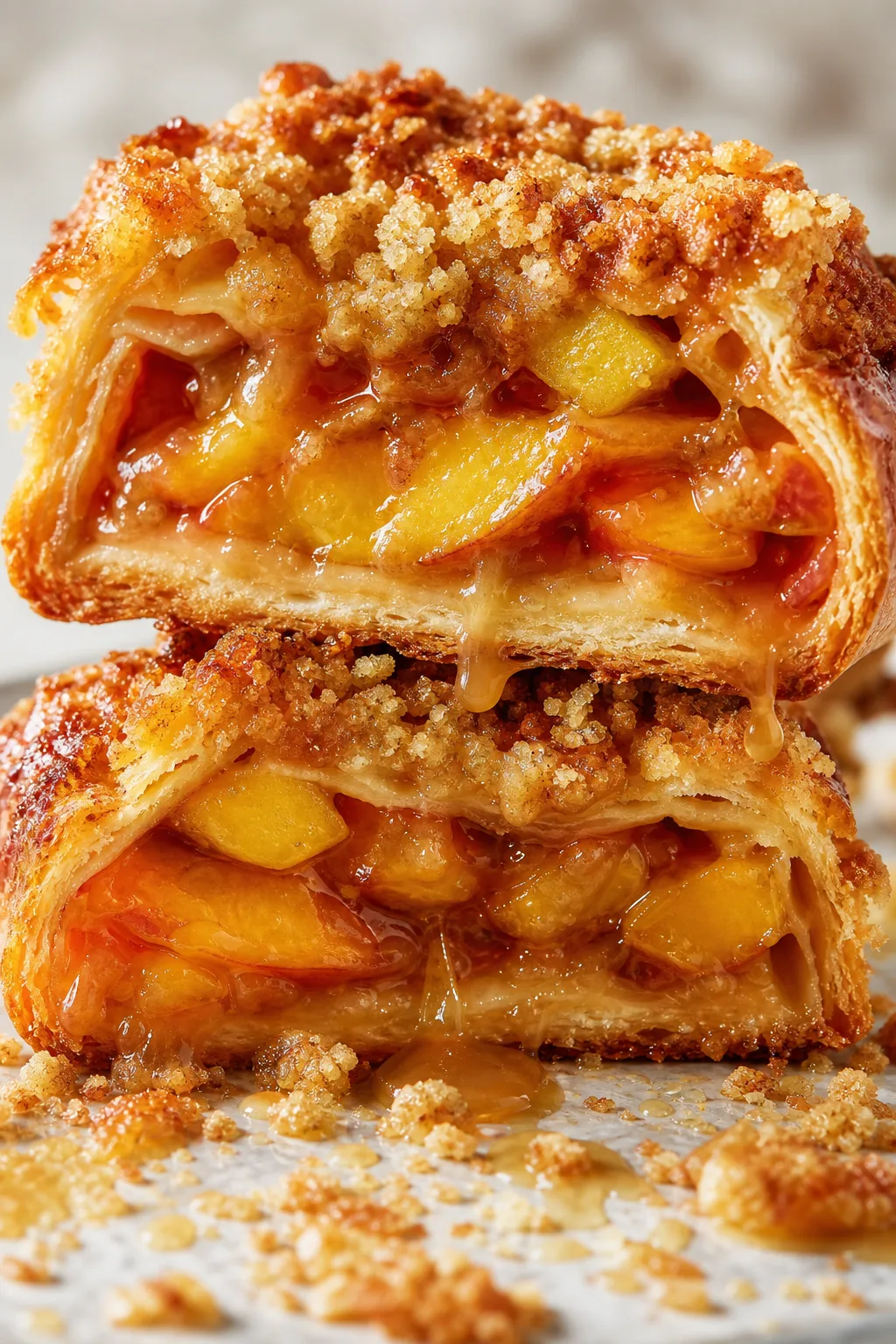
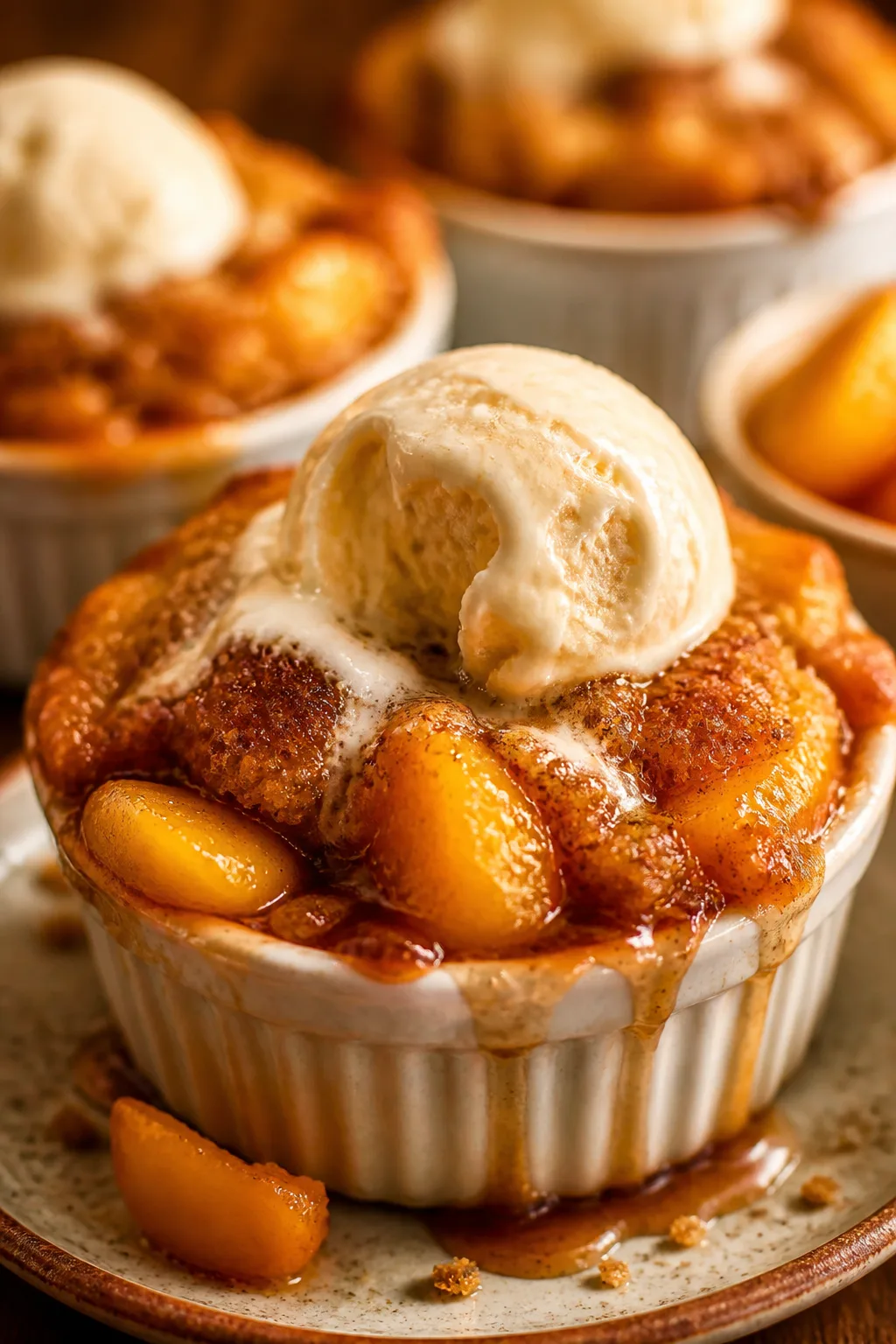
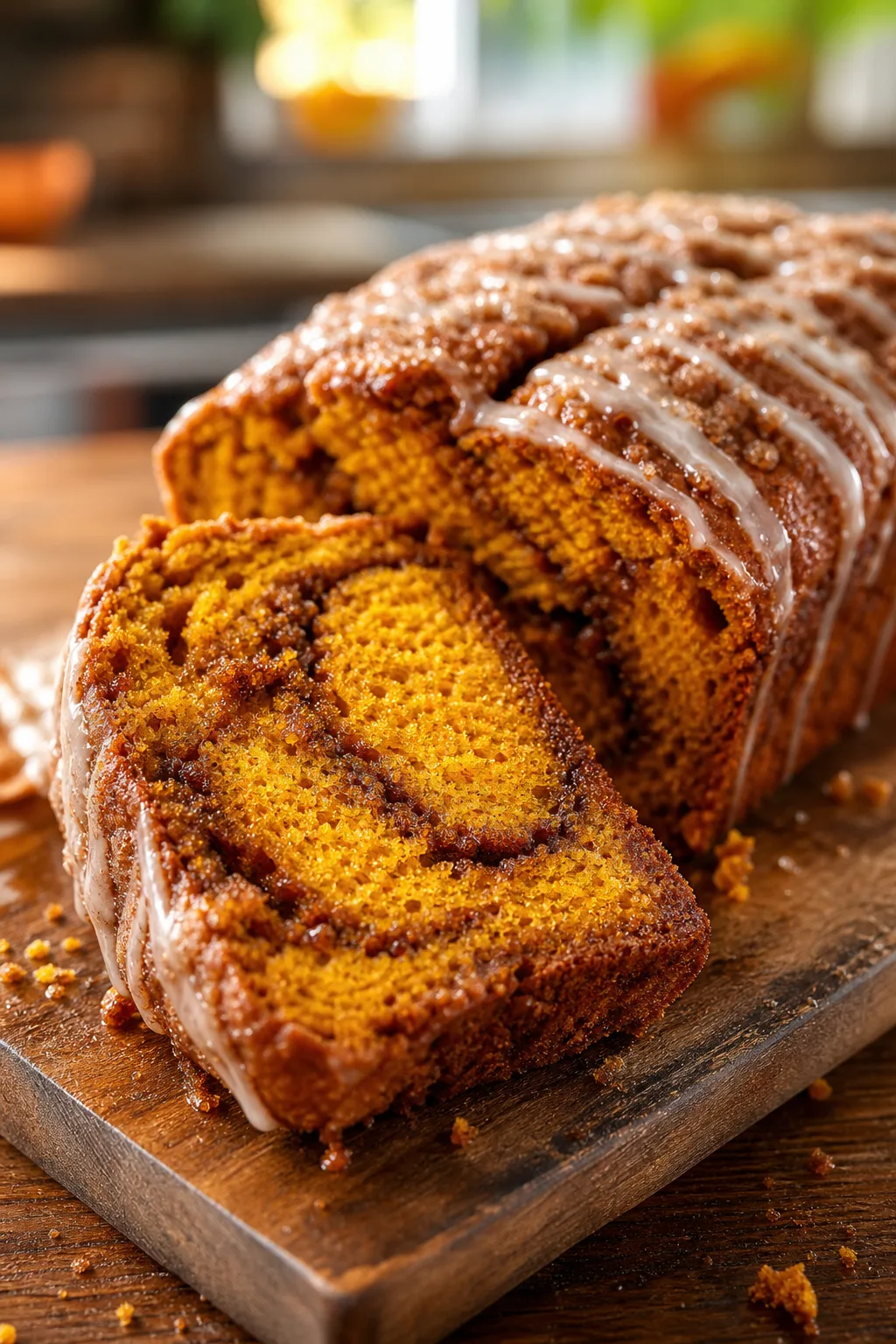
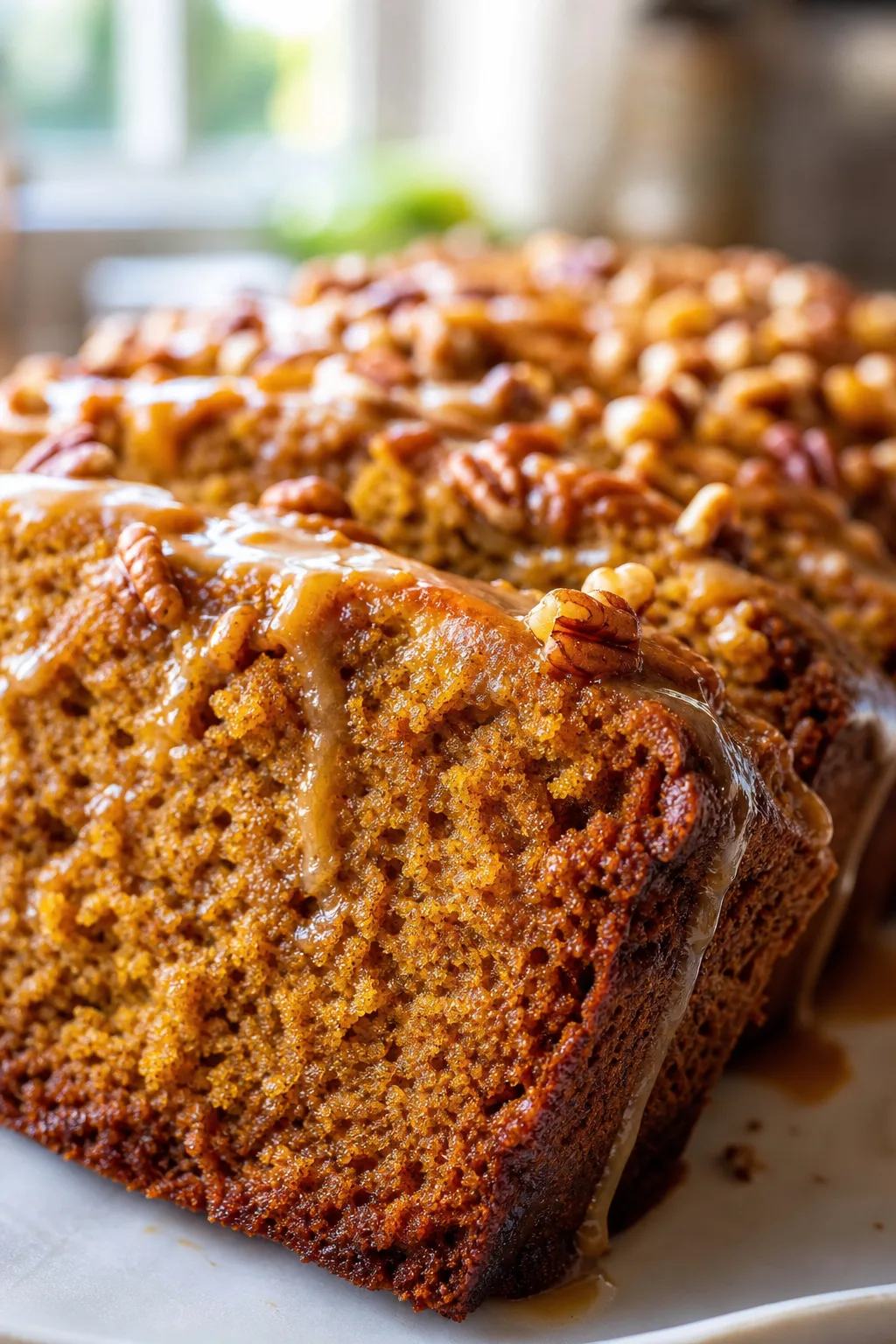
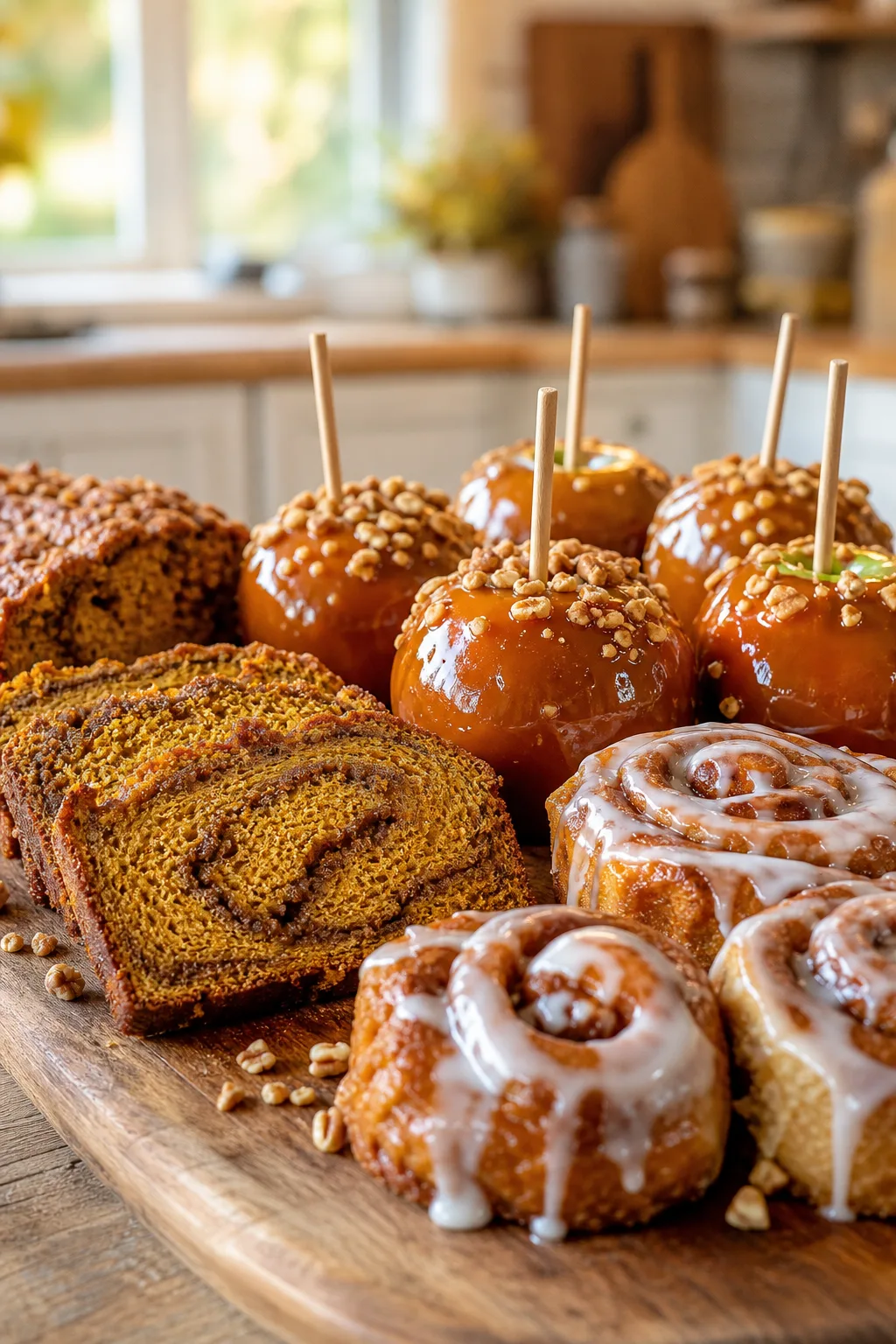
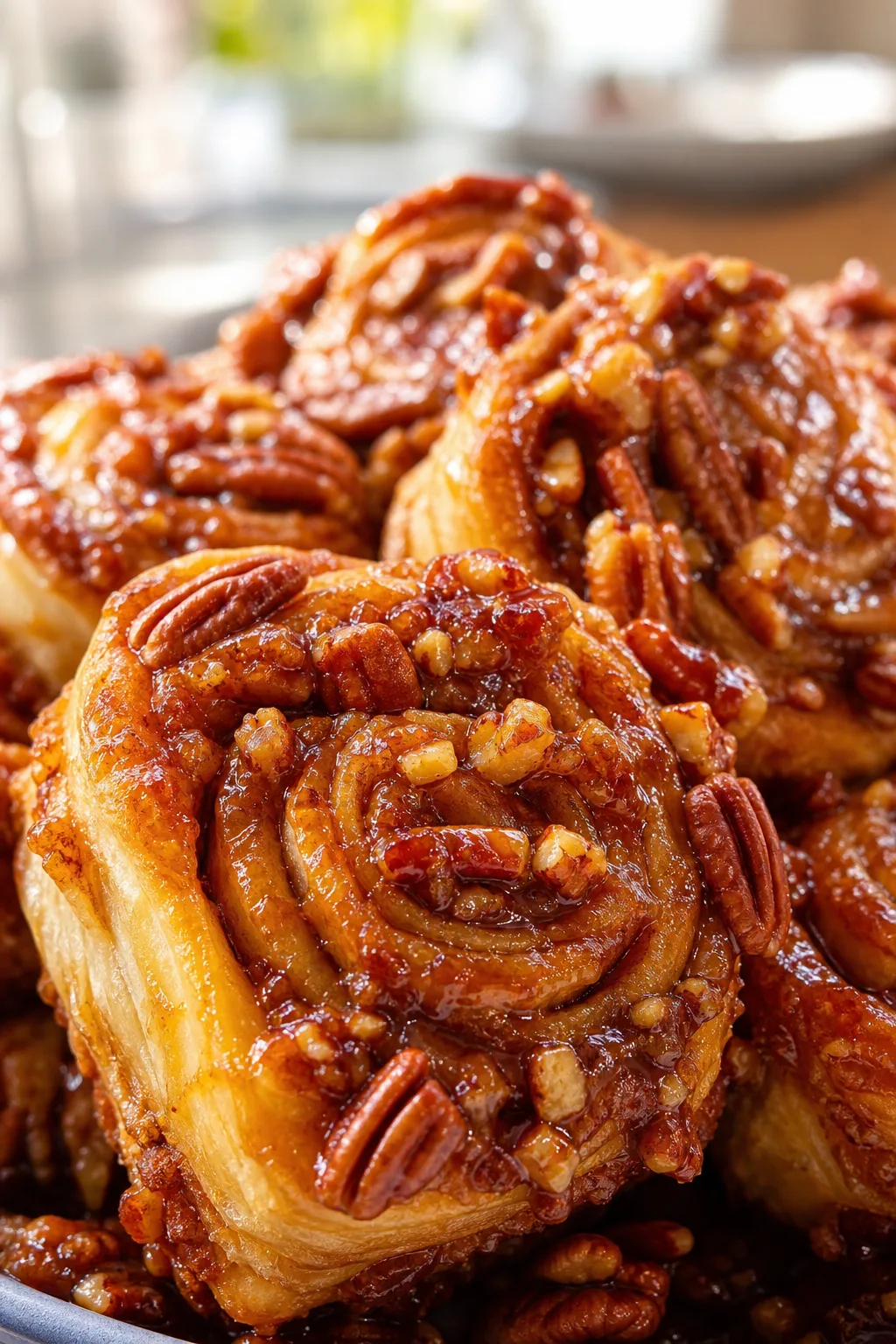
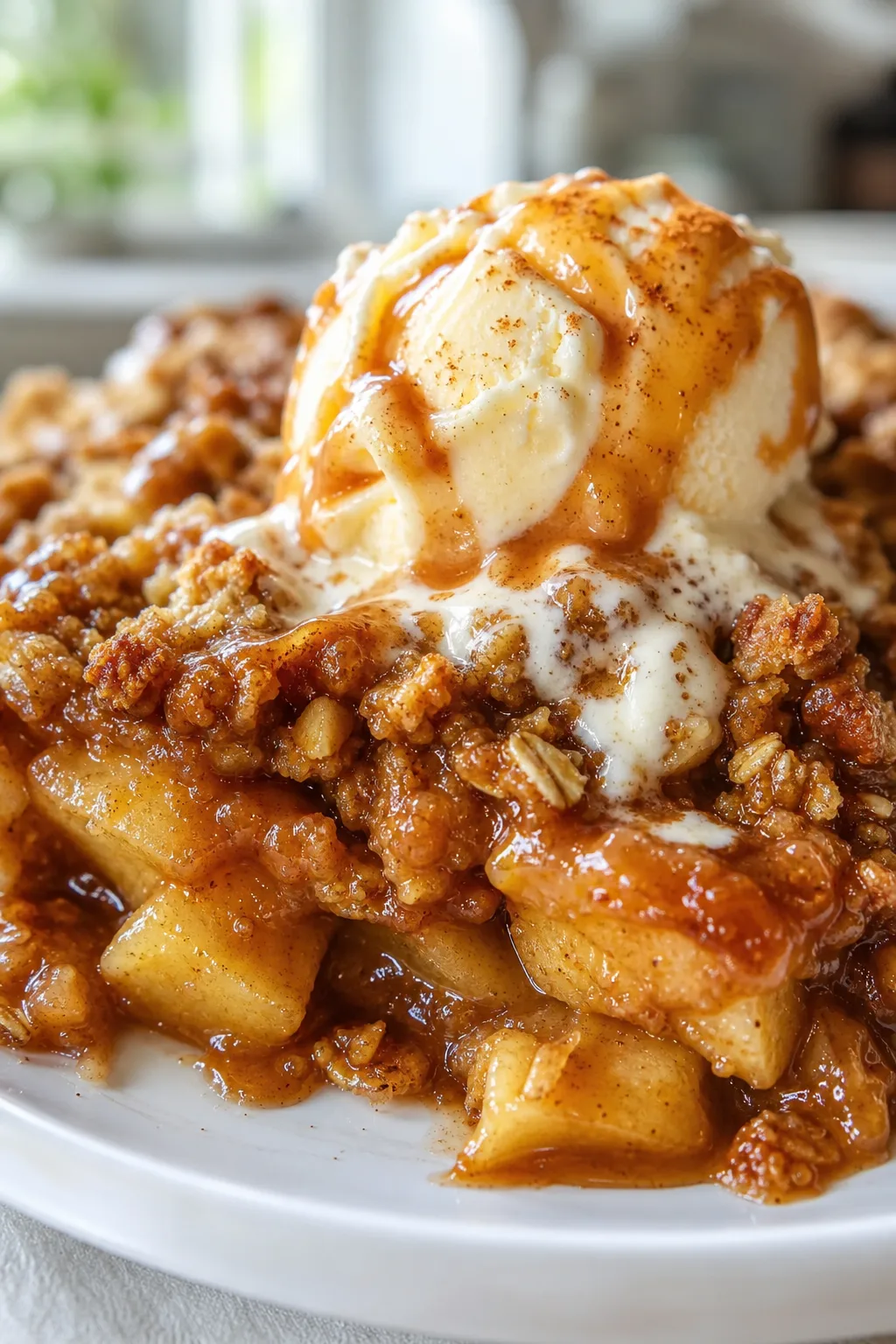
This easy homemade peach dessert is a summer classic that bursts with juicy, sweet peaches and a buttery, crispy topping. I love how the cinnamon adds warmth without overpowering the fresh fruit. Perfect for sharing on warm evenings or special family gatherings.
Introduction
I first made this peach dessert on a warm summer afternoon when I had an abundance of fresh peaches from the farmer’s market. I was looking for a simple recipe that didn’t require fancy ingredients but still delivered that cozy, nostalgic flavor I love. What makes this version special is the balance between juicy peaches and a buttery, crisp topping that isn’t too sweet. I’ve found that adding lemon juice brightens the peaches, while a touch of cinnamon adds warmth without overpowering the fruit’s natural sweetness. The trick I learned early on is to toss the peaches with cornstarch and sugars before baking — it helps the filling thicken perfectly and keeps the peaches tender but not mushy. When it comes out of the oven, the cobbler has a golden crust with bubbling peach syrup underneath, making it irresistible. This is the kind of dessert that brings everyone to the table, perfect for summer evenings or casual family get-togethers. I hope you enjoy making it as much as I do!
How To Do It
Step 1
Preheat your oven to 375°F (190°C). In a large bowl, combine the sliced peaches, granulated sugar, brown sugar, lemon juice, ground cinnamon, and cornstarch. Toss gently to coat all the peaches evenly. This step is crucial because the cornstarch will thicken the juices released during baking, preventing the filling from becoming too runny. Make sure to mix thoroughly but gently to avoid bruising the fruit. Set this mixture aside while you prepare the topping.
⏱ Time: 10
✓ Doneness: The peaches should be evenly coated and slightly glossy with no dry spots.
Step 2
In a separate bowl, whisk together the flour, granulated sugar, baking powder, and salt. Stir in the melted butter, milk, and vanilla extract until just combined. The batter will be thick but pourable. Avoid overmixing to keep the topping tender and flaky. Pour this batter evenly over the peach mixture in your baking dish. This batter creates a crisp, buttery crust that contrasts beautifully with the soft fruit underneath.
⏱ Time: 10
✓ Doneness: The batter should cover the peaches evenly with a smooth surface and no dry flour patches.
Step 3
Place the baking dish on the middle rack of your preheated oven. Bake for 40 to 45 minutes, or until the topping is golden brown and the peach filling is bubbling around the edges. The bubbling is a sign that the juices have thickened and the peaches are perfectly cooked. Avoid opening the oven door frequently as this can cause the cobbler to deflate or bake unevenly.
⏱ Time: 45
✓ Doneness: Look for a golden crust with bubbling peach syrup visible around the edges.
Step 4
Remove the cobbler from the oven and let it cool for at least 15 minutes before serving. This resting time allows the filling to set slightly so it won’t run when sliced. The aroma of warm peaches and cinnamon will fill your kitchen, making it hard to wait but worth it. Serve warm with a scoop of vanilla ice cream or a dollop of whipped cream for an extra indulgent touch.
⏱ Time: 15
✓ Doneness: The filling should be thickened and the crust set but still soft enough to cut easily.
Step 5
If you want to add a little extra texture, sprinkle a tablespoon of brown sugar mixed with a pinch of cinnamon over the batter before baking. This will caramelize and create a slightly crunchy topping that pairs wonderfully with the soft peaches.
⏱ Time: 2
✓ Doneness: Sugar topping should melt and become golden during baking.
Step 6
For best results, use ripe but firm peaches. Overripe peaches can become mushy and release too much juice, making the cobbler soggy. If fresh peaches aren’t available, thawed frozen peaches work well but drain excess liquid to avoid a watery filling.
⏱ Time: 5
✓ Doneness: Peaches should hold shape but be tender after baking.
Step 7
Avoid overmixing the batter — mix just until ingredients are combined. Overmixing can develop gluten in the flour, resulting in a tougher topping rather than a tender, flaky crust.
⏱ Time: 1
✓ Doneness: Batter should be smooth but slightly lumpy, not glossy or elastic.
Step 8
If you prefer a softer topping, pour the batter over the peaches and gently spread with a spatula without pressing down. For a crisper crust, spread the batter more evenly and bake uncovered to encourage browning.
⏱ Time: 1
✓ Doneness: The topping texture varies based on spreading technique.
Step 9
Let leftovers cool completely before storing. This helps the filling set and prevents condensation inside the storage container. Reheat gently before serving to revive the warm, gooey texture.
⏱ Time: 5
✓ Doneness: Cobbler should be cool to the touch before refrigeration.
Pro Tips
Use ripe but firm peaches for the best texture.
Ripe peaches provide sweetness and juiciness, but if they’re too soft or overripe, they can break down during baking and create a watery filling. Firm peaches hold their shape better, giving a pleasant bite and preventing sogginess.
Toss peaches with cornstarch and sugar before baking.
Cornstarch thickens the juices as they release during baking, preventing a runny filling. The sugar helps macerate the fruit, drawing out natural sweetness and enhancing caramelization.
Don’t overmix the topping batter.
Overmixing develops gluten in the flour, which can make the topping tough instead of tender and flaky. Mix just until combined for a light texture.
Let the cobbler rest before serving.
Resting allows the filling to thicken and set, making it easier to slice and preventing the juices from running. This step also lets the flavors meld together.
Add a cinnamon-sugar sprinkle on top before baking.
This creates a sweet, crunchy caramelized crust that adds texture contrast to the soft peaches and tender topping.
Use unsalted butter to control salt levels precisely.
Salted butter varies in salt content, which can affect the flavor balance. Unsalted butter lets you season intentionally and avoid over-salting.
Bake in the center of the oven for even heat.
Placing the cobbler in the middle rack ensures even browning and thorough cooking without burning the crust or undercooking the filling.
Common Mistakes to Avoid
Using overripe peaches leading to soggy filling.
Why it happens Many cooks assume riper peaches are always better, but overly soft fruit breaks down too much during baking, releasing excess liquid.
Fix Choose firm peaches and toss them with cornstarch and sugar to control moisture. If using frozen peaches, thaw and drain well before using.
Overmixing the batter causing a tough crust.
Why it happens It’s easy to want to mix batter thoroughly, but this activates gluten in the flour, leading to a chewy texture.
Fix Mix ingredients just until combined, stopping when no dry flour remains for a tender, flaky topping.
Skipping the resting time after baking.
Why it happens Impatience leads to slicing hot cobbler, which causes the filling to run and the dessert to lose shape.
Fix Allow the cobbler to cool for at least 15 minutes so the filling thickens and sets.
Baking at too high a temperature causing burnt crust.
Why it happens High heat can brown the topping before the filling cooks through.
Fix Bake at 375°F and place the dish in the center rack for even cooking.
Not coating the peaches evenly with sugar and cornstarch.
Why it happens Uneven coating leaves some peaches dry and others soggy.
Fix Toss the fruit gently but thoroughly to ensure all slices are coated.
Variations
Peach Blueberry Cobbler
Add 1 cup fresh or frozen blueberries to the peach mixture for a burst of tartness and color. The blueberries complement the sweetness of the peaches and add a lovely contrast in texture.
Note: If using frozen blueberries, thaw and drain excess liquid to prevent sogginess.
Gluten-Free Peach Cobbler
Substitute the all-purpose flour with a gluten-free baking blend. This adaptation keeps the topping tender and delicious for those with gluten sensitivities.
Note: Ensure your baking blend contains xanthan gum or add 1/4 teaspoon for best texture.
Vegan Peach Cobbler
Replace butter with coconut oil and use a plant-based milk like almond or oat milk. This version is dairy-free but still rich and flavorful.
Note: Coconut oil solidifies at room temperature, so melt before mixing with dry ingredients.
Spiced Peach Cobbler
Add 1/2 teaspoon ground nutmeg and a pinch of ground cloves to the peach filling for a warm, spiced flavor perfect for cooler months.
Note: Adjust spices to taste; too much can overpower the peaches.
Peach Cobbler with Oat Topping
Replace half the flour in the topping with rolled oats for a heartier texture and nutty flavor. This adds a pleasant chewiness to the crisp crust.
Note: Use quick oats for a finer texture or old-fashioned oats for more chew.
Nutrition
Per Serving:
Nutritional values are estimates and may vary based on specific ingredients used.
Storage & Tips
Room Temperature
Peach cobbler can safely sit at room temperature, covered loosely, for up to 2 hours. Beyond that, refrigeration is recommended to prevent spoilage.
Refrigerator
Store leftovers in an airtight container in the refrigerator for up to 4 days. The cobbler may firm up and lose some crispness; reheat gently in the oven to restore texture.
Freezer
Freeze peach cobbler in a sealed container for up to 2 months. Wrap tightly with plastic wrap and foil to prevent freezer burn. Thaw overnight in the refrigerator before reheating.
Reheating
Reheat cobbler in a 350°F oven for 15-20 minutes until warmed through. Avoid microwaving as it can make the crust soggy. Add a splash of milk or cream if the filling seems dry.
Make Ahead
Prepare the peach filling and topping separately up to 1 day ahead. Store filling in the fridge and topping batter covered. Assemble and bake just before serving for best freshness.
FAQ
Can I use canned peaches instead of fresh?
Yes, you can use canned peaches, but drain them well to avoid excess liquid that could make the filling watery. Since canned peaches are softer, the texture will be less firm but still delicious.
How do I prevent the topping from being soggy?
Ensure you toss the peaches with cornstarch and sugar to thicken the filling. Also, avoid overmixing the batter and bake at the correct temperature to achieve a crisp crust.
Can I make this peach cobbler gluten-free?
Absolutely! Substitute the all-purpose flour with a gluten-free baking blend that includes xanthan gum for structure. This keeps the topping tender and delicious.
Is there a vegan version of this recipe?
Yes, replace butter with coconut oil and use plant-based milk like almond or oat milk. The texture and flavor remain rich and satisfying.
How do I store leftover peach cobbler?
Store leftovers in an airtight container in the refrigerator for up to 4 days. Reheat in the oven to restore the topping’s crispness.
Can I prepare the cobbler ahead of time?
You can prepare the filling and topping separately up to a day ahead. Store them covered in the fridge and assemble just before baking.
What if my peaches aren’t very sweet?
Add a little extra sugar to the filling to compensate. You can also add a splash of vanilla extract to enhance sweetness.
Why is my cobbler filling too runny?
This often happens if you skip or underuse the cornstarch or use overripe peaches. Make sure to coat peaches evenly with cornstarch and sugar before baking.
Final Thoughts
I hope you enjoy this easy peach dessert as much as my family does. It’s a simple way to celebrate summer’s best flavors, and I’d love to hear how yours turns out!