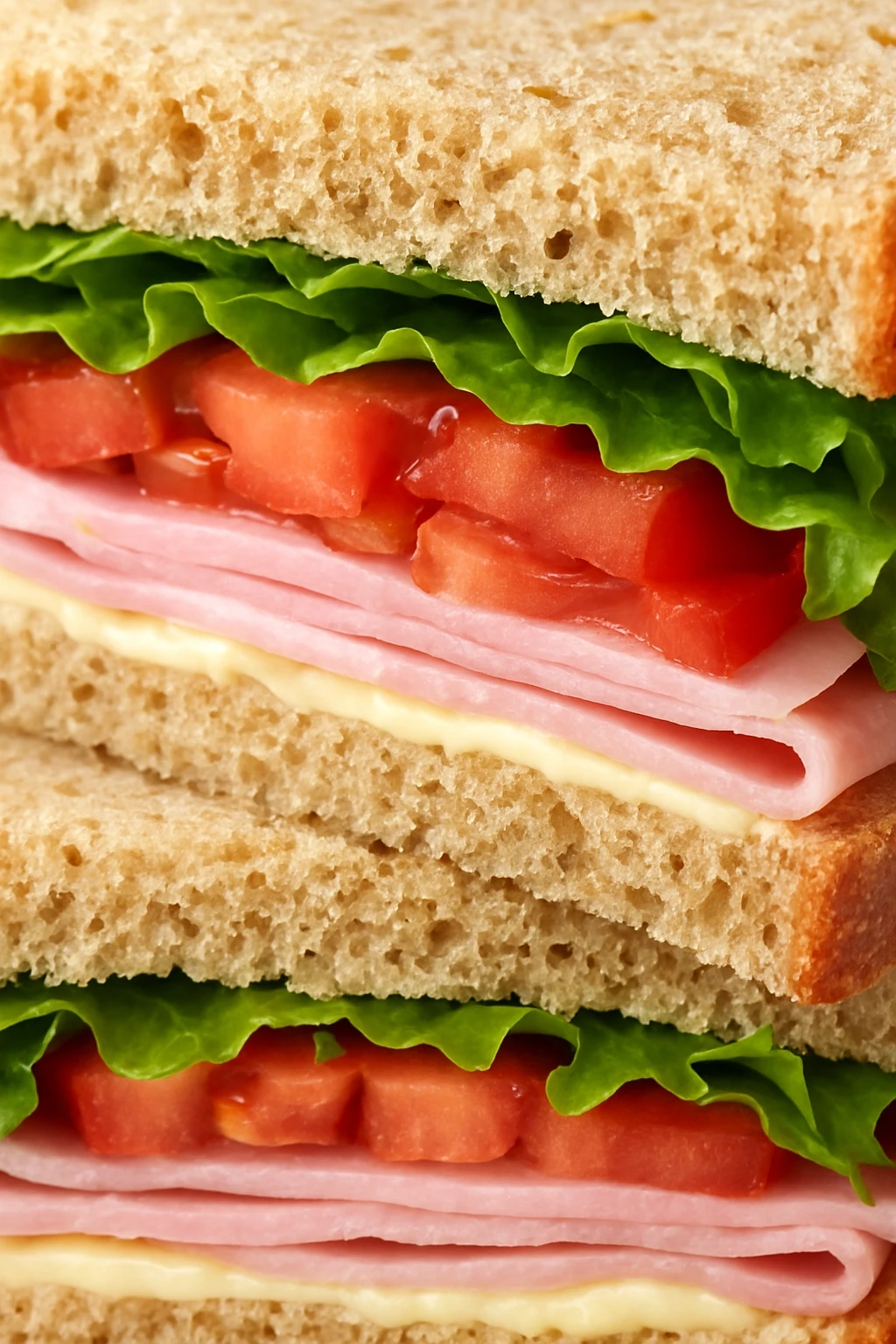
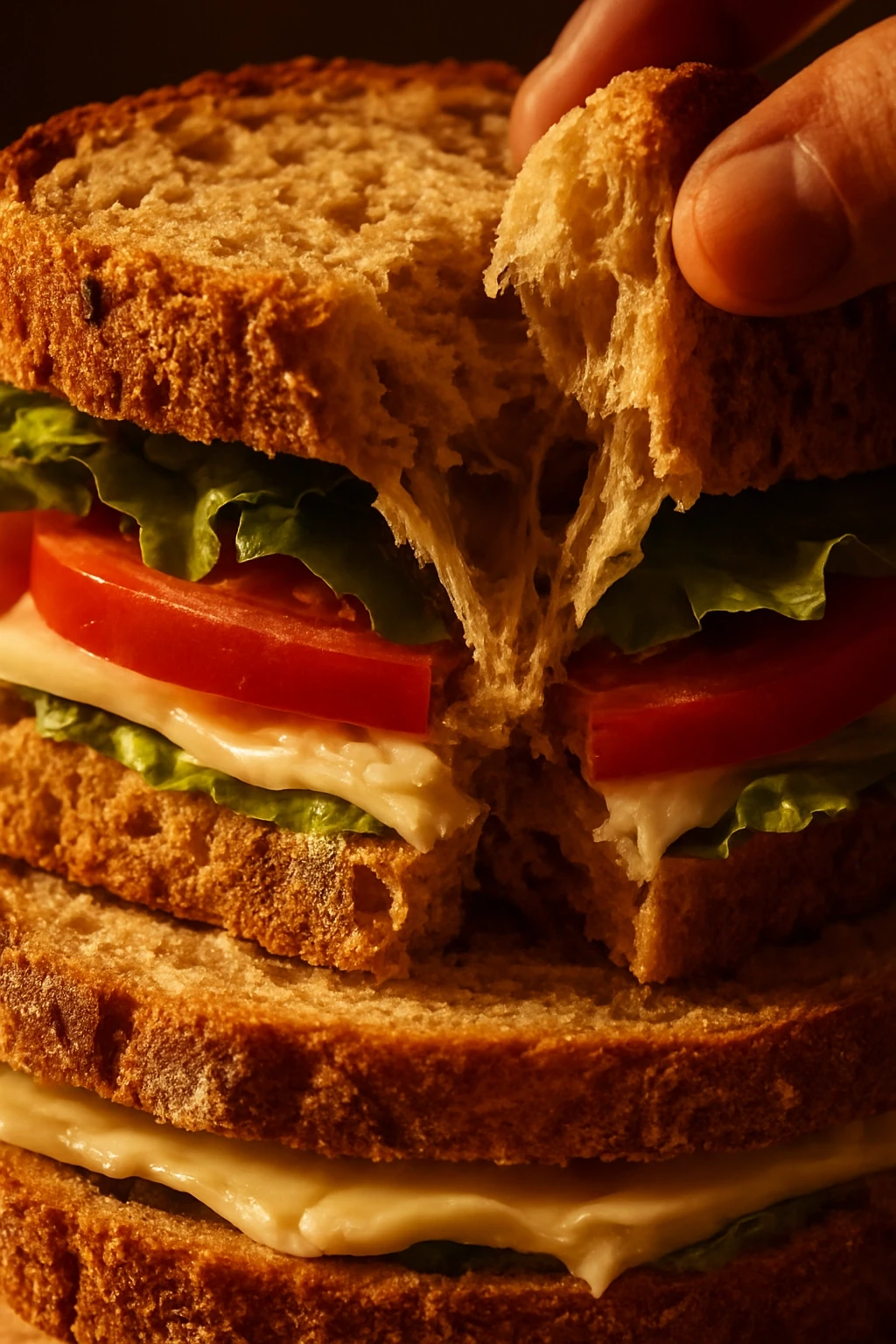
These no-cook sandwiches are perfect for beach days when you want something fresh and fuss-free. Using crisp veggies and creamy spreads means they stay tasty without refrigeration. Great for a sunny picnic!
Introduction
I’ve always loved beach days, but packing food that stays fresh without a cooler can be tricky. That’s why I came up with these no-cook sandwiches — simple, fresh, and no worries about spoilage. The trick is using sturdy bread and creamy spreads like cream cheese to keep everything moist without sogginess. I like to add lemon juice to the avocado so it doesn’t brown, which keeps the sandwich looking as good as it tastes. Plus, the crisp cucumber and alfalfa sprouts add a refreshing crunch that feels perfect for a sunny day by the water. These sandwiches are quick to throw together and super satisfying, even without any cooking. They’re great for a light lunch or snack, and I often make them when I’m in a hurry but still want something wholesome. Honestly, the first time I tried these, I was worried the bread might get soggy, but it held up beautifully all afternoon. If you’re looking for a fuss-free, no-cook meal that’s fresh and tasty, give these a go — I think you’ll love how easy and delicious they are!
How To Do It
Step 1
Start by preparing the avocado to prevent browning. Slice the avocado in half, remove the pit, then carefully scoop out the flesh and slice it thinly. Toss the slices gently with the lemon juice to keep them bright green and fresh. This step is important because avocado oxidizes quickly and turns brown, which can make your sandwich look unappetizing. The lemon juice adds a slight tang that balances the creamy avocado flavor perfectly.
⏱ Time: 5 minutes
✓ Doneness: Avocado slices are evenly coated with lemon juice and still vibrant green
Step 2
Lay out the bread slices on a clean surface and spread about a tablespoon of softened cream cheese evenly on each slice. The cream cheese acts as a moisture barrier, preventing the bread from getting soggy from the fresh veggies. Make sure to cover the entire slice, especially the edges, for best results. If you skip this, your sandwich might become soggy quickly, especially if you’re packing it ahead.
⏱ Time: 3 minutes
✓ Doneness: Bread slices have a smooth, even layer of cream cheese, no bare spots
Step 3
Next, layer the cucumber slices evenly over half of the bread slices. Use thin slices so they layer nicely without making the sandwich too bulky. The cucumber adds refreshing crunch and moisture but won’t cause sogginess thanks to the cream cheese barrier. Avoid overlapping too much to keep the sandwich balanced and easy to bite into.
⏱ Time: 3 minutes
✓ Doneness: Cucumber slices cover the bread evenly with slight overlap, no gaps
Step 4
Add the lemon-coated avocado slices on top of the cucumber layer. Spread them out gently to cover the bread but avoid mashing. The creamy texture of avocado contrasts beautifully with the crisp cucumber, giving the sandwich a rich mouthfeel. Handle the avocado carefully to keep slices intact for a pretty presentation.
⏱ Time: 2 minutes
✓ Doneness: Avocado slices evenly distributed, intact, and bright green
Step 5
Place tomato slices over the avocado. Use ripe but firm tomatoes to prevent excess moisture. If the tomatoes are very juicy, you can pat them dry with a paper towel to avoid soggy bread. Season lightly with salt and pepper to enhance their natural sweetness. This seasoning step is key to bringing out the best flavors in the sandwich.
⏱ Time: 3 minutes
✓ Doneness: Tomato slices look fresh, lightly seasoned, and not overly wet
Step 6
Add a generous handful of alfalfa sprouts on top of the tomatoes. These add a delicate crunch and a fresh, slightly nutty flavor. Sprouts also elevate the sandwich visually with their feathery texture. If you don’t have alfalfa sprouts, you can substitute with baby spinach or thinly sliced lettuce.
⏱ Time: 2 minutes
✓ Doneness: Sprouts look fresh, fluffy, and evenly layered
Step 7
Carefully place the remaining bread slices, cream cheese side down, over the layered veggies to form sandwiches. Press gently but firmly to help everything stick together without squashing the ingredients. This gentle pressing helps the sandwich hold its shape and makes it easier to eat without falling apart.
⏱ Time: 1 minute
✓ Doneness: Sandwiches hold together firmly but aren’t squished flat
Step 8
Cut each sandwich diagonally with a sharp knife for a classic look and easier handling. Use a clean, smooth slicing motion to avoid tearing the bread. Diagonal cuts also make the sandwiches look more inviting and easier to share.
⏱ Time: 2 minutes
✓ Doneness: Sandwich halves have clean edges and neat layers visible
Step 9
Wrap each sandwich tightly in parchment paper or beeswax wrap if you’re packing them for later. This keeps them fresh without making the bread soggy. Avoid plastic wrap, which can trap moisture and make the bread chewy. Store in a cooler bag if possible, but these sandwiches hold up well for a few hours at room temp.
⏱ Time: 2 minutes
✓ Doneness: Sandwiches are snugly wrapped and ready to transport
Pro Tips
Use a serrated knife to cut the sandwich cleanly without squashing it.
Serrated knives grip the bread’s crust and slice through layers gently, preserving the sandwich’s shape and preventing the ingredients from being pushed out or crushed. Using a dull or straight-edged knife often squashes the bread and makes the sandwich messy.
Toast the bread lightly if you want extra sturdiness without cooking the filling.
Light toasting adds a bit of crunch and firmness, helping the bread resist moisture longer. It also adds flavor. Be careful not to over-toast, as it can become too hard and detract from the soft fillings’ texture.
Wrap sandwiches in parchment paper instead of plastic for better texture retention.
Parchment paper allows some airflow, preventing condensation buildup that makes bread soggy. Plastic traps moisture, which can make the bread chewy or wet. This simple swap keeps your sandwich fresher longer, especially when packed for outdoor eating.
Add lemon juice to avocado slices immediately after cutting.
Avocado browns quickly when exposed to air due to oxidation. Lemon juice’s acidity slows this process, maintaining the bright green color and fresh taste. Skipping this step leads to unattractive brown avocado and off-flavors.
Pat tomato slices dry if very juicy before adding to sandwich.
Excess tomato juice can quickly soak into the bread, making it soggy. Gently patting slices with a paper towel reduces moisture and keeps the sandwich’s texture intact without sacrificing tomato flavor.
Use firm, fresh bread that’s a day or two old rather than brand new.
Slightly older bread is less likely to compress or become mushy immediately. Freshly baked bread can be too soft and delicate, causing the sandwich to fall apart. This tip helps maintain structure, especially for sandwiches eaten hours later.
Assemble sandwiches just before eating or pack tightly to minimize air exposure.
Freshness depends on minimizing air contact that causes drying or wilting. Packing sandwiches tightly in wraps or containers preserves moisture balance and texture, making your no-cook sandwiches taste freshly made even hours later.
Common Mistakes to Avoid
Skipping the cream cheese layer
Why it happens Many assume spreads aren’t necessary or want to reduce calories, but they don’t realize cream cheese acts as a moisture barrier.
Fix Always spread a thin, even layer of cream cheese on the bread before adding veggies. This prevents sogginess by blocking moisture from wet ingredients from soaking into the bread.
Using overripe, mushy avocado
Why it happens It’s tempting to use very ripe avocado for creaminess, but it can become too soft and watery.
Fix Select firm but ripe avocados that slice cleanly. Toss slices with lemon juice immediately to keep them fresh and prevent browning.
Not drying juicy tomatoes
Why it happens People often add tomato slices straight from washing without removing excess juice.
Fix Pat tomato slices dry with paper towels before layering to avoid soggy bread and preserve sandwich texture.
Wrapping sandwiches in plastic wrap
Why it happens Plastic wrap is common for packing food but traps moisture.
Fix Use parchment paper or beeswax wraps that allow some airflow to keep bread texture fresh and prevent sogginess.
Cutting sandwiches with dull knives
Why it happens A dull knife crushes the bread and fillings instead of slicing cleanly.
Fix Use a sharp serrated knife and a gentle sawing motion to cut sandwiches neatly without squashing them.
Variations
Mediterranean Veggie Sandwich
Swap cream cheese for hummus and add sliced roasted red peppers, olives, and fresh basil leaves for a Mediterranean twist. The hummus adds a creamy texture with a different flavor profile, and the herbs brighten the sandwich.
Note: Hummus is thicker than cream cheese, so spread evenly to avoid tearing bread. Use firm veggies to prevent sogginess.
Spicy Avocado and Chickpea
Mash chickpeas with a bit of hot sauce and lemon juice, then spread on bread instead of cream cheese. Layer with avocado, cucumber, and sprouts for a spicy, protein-packed sandwich.
Note: Mash chickpeas to a chunky consistency to keep texture. Avoid overloading to maintain sandwich structure.
Caprese Style
Use fresh mozzarella slices instead of cream cheese, layer with tomato, basil leaves, and a drizzle of balsamic glaze. It’s a fresh, no-cook take on a classic Italian salad in sandwich form.
Note: Mozzarella has more moisture, so use thicker bread and pat tomatoes dry to prevent sogginess.
Vegan Delight
Replace cream cheese with vegan spread or mashed avocado, add cucumber, tomato, sprouts, and thinly sliced bell peppers. This keeps the sandwich plant-based and vibrant.
Note: Choose a vegan spread that’s thick enough to act as a moisture barrier or double the avocado layer.
Protein Boost
Add slices of cooked chicken breast or turkey deli meat for extra protein. Keep the rest of the veggies and cream cheese the same for a balanced, no-cook meal.
Note: Use thinly sliced meat to avoid overstuffing and maintain sandwich integrity.
Nutrition
Per Serving:
Nutritional values are estimates and may vary based on specific ingredients used.
Storage & Tips
Room Temperature
These sandwiches can safely stay at room temperature for up to 3-4 hours if wrapped well. Keep them in a shaded, cool spot and avoid direct sun exposure to maintain freshness.
Refrigerator
Store sandwiches in an airtight container or wrapped tightly in parchment paper in the fridge for up to 24 hours. The bread may become a bit denser when cold, so bringing them to room temperature before eating helps restore texture.
Freezer
Freezing is not recommended for these sandwiches as fresh veggies and bread texture degrade significantly. If needed, freeze components separately (like bread and avocado mash) and assemble fresh later.
Reheating
No reheating needed since these are no-cook sandwiches. If desired, let refrigerated sandwiches sit at room temperature for 15 minutes before eating for better flavor and texture.
Make Ahead
Prepare all veggies and spreads a day ahead and store separately. Assemble sandwiches just before heading out or serving to keep bread from becoming soggy and veggies fresh.
FAQ
Can I use other types of bread for these sandwiches?
Absolutely! Just choose breads that are sturdy enough to hold moist ingredients without falling apart. Whole grain, sourdough, or ciabatta work well. Avoid very soft or pre-sliced sandwich bread that’s too delicate.
How long can I keep these sandwiches before they get soggy?
With the cream cheese barrier and fresh veggies, they stay good for about 3-4 hours at room temperature. Refrigerated, they keep up to 24 hours but bread texture changes slightly. Assemble close to serving time for best results.
Can I swap cream cheese for mayonnaise or other spreads?
Mayonnaise can work but is thinner and less effective as a moisture barrier, so sandwiches might get soggy faster. Cream cheese’s thickness helps protect the bread better and adds richness.
What if I don’t have alfalfa sprouts?
You can substitute with baby spinach, arugula, or thinly sliced lettuce. The texture will be less delicate but still fresh and crunchy.
How do I keep avocado from browning if I make sandwiches ahead?
Toss avocado slices with lemon juice immediately after slicing. Wrapping sandwiches tightly and minimizing air exposure also slows browning.
Can I add protein like meat or cheese to these sandwiches?
Yes! Thinly sliced cooked chicken, turkey, or cheese like mozzarella can be added for more protein. Just balance layers to avoid sogginess and maintain sandwich structure.
Is it okay to toast the bread for these sandwiches?
Light toasting helps bread hold up better but avoid over-toasting as it can become too hard and detract from the fresh filling’s texture.
How do I prevent the sandwich from falling apart while eating?
Press sandwiches gently when assembling to help ingredients stick together, and use a serrated knife to cut cleanly. Wrapping tightly also helps keep everything in place.
Final Thoughts
Give these no-cook beach sandwiches a try next time you want a fresh, fuss-free meal. I’d love to hear how they turn out for you!