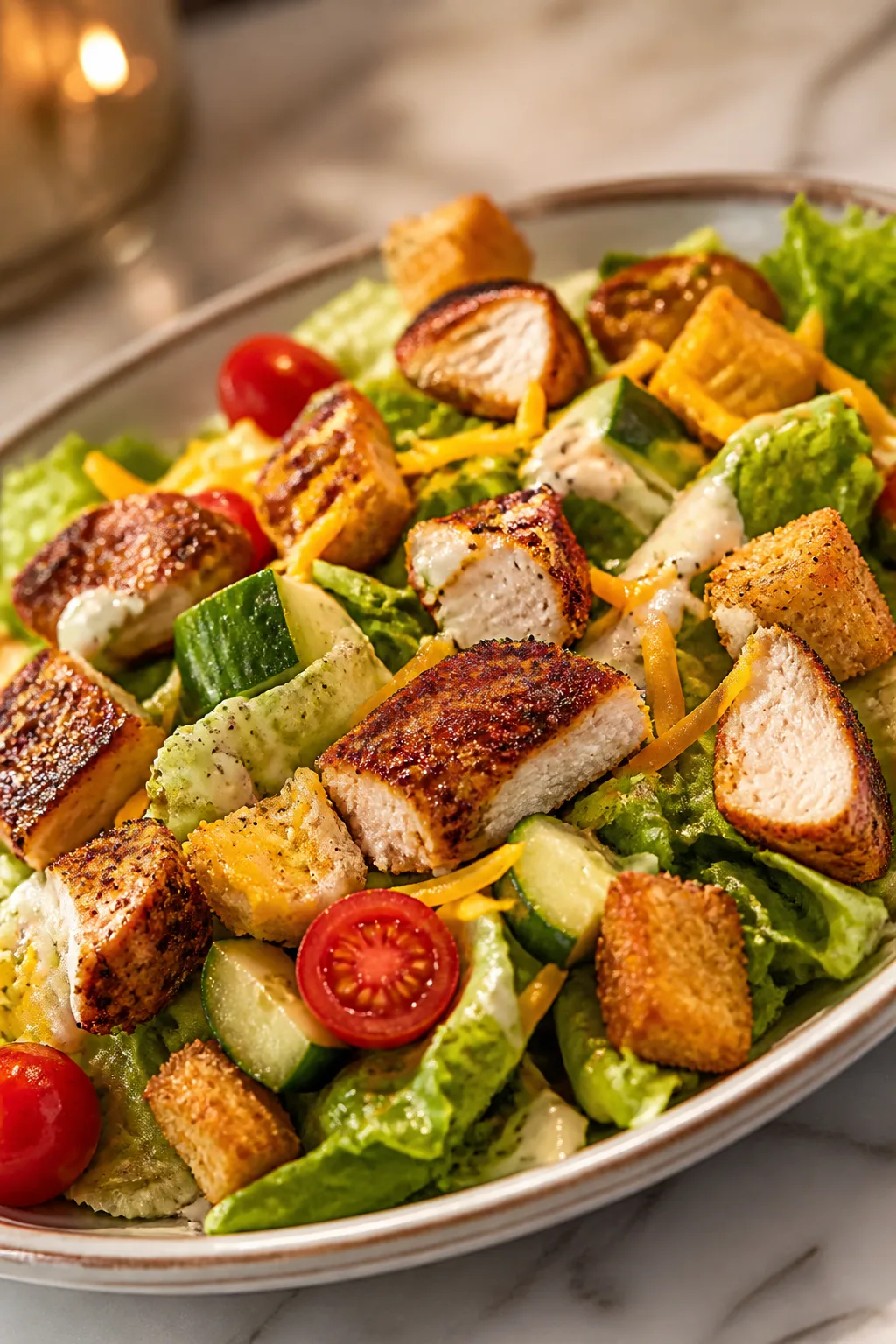
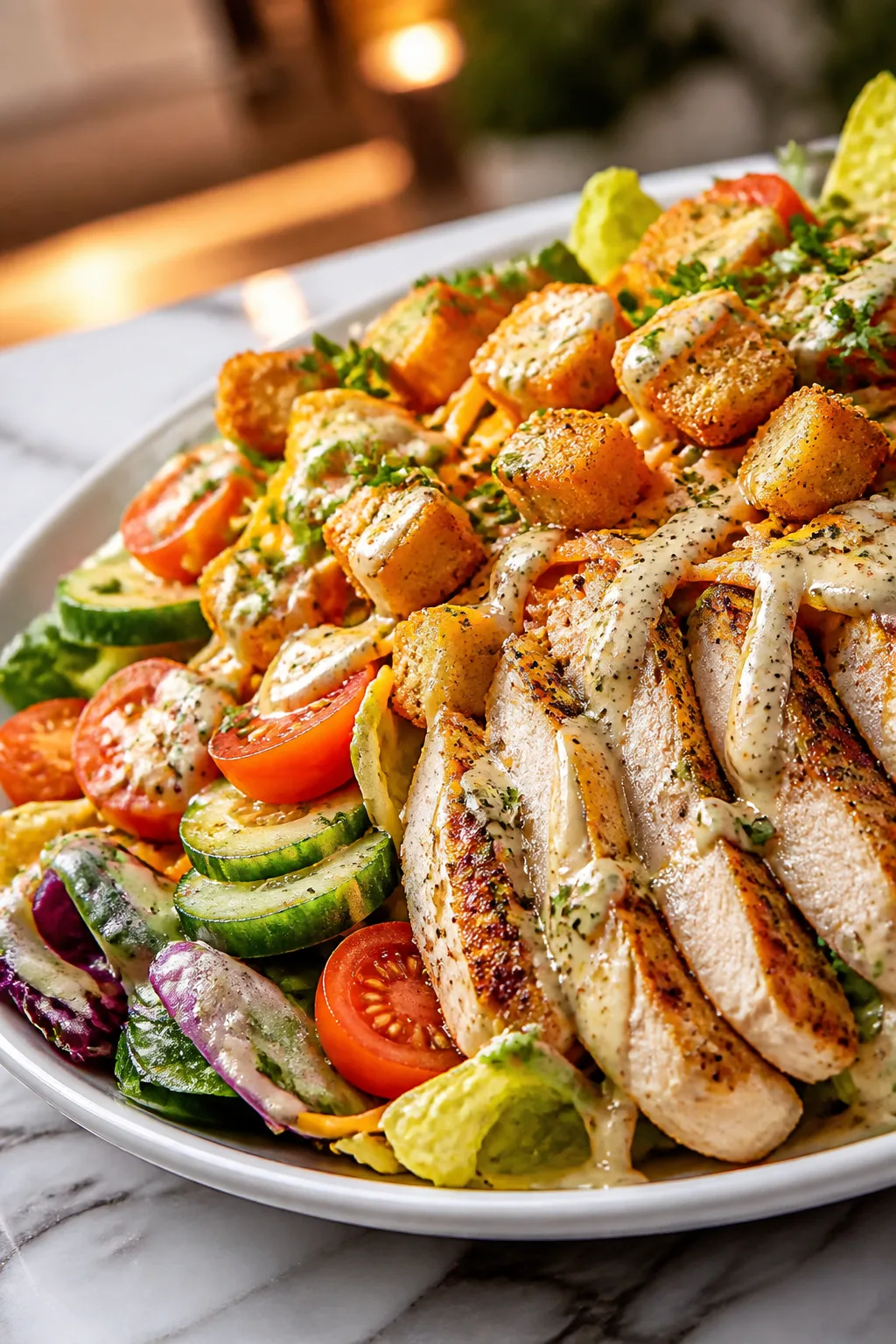
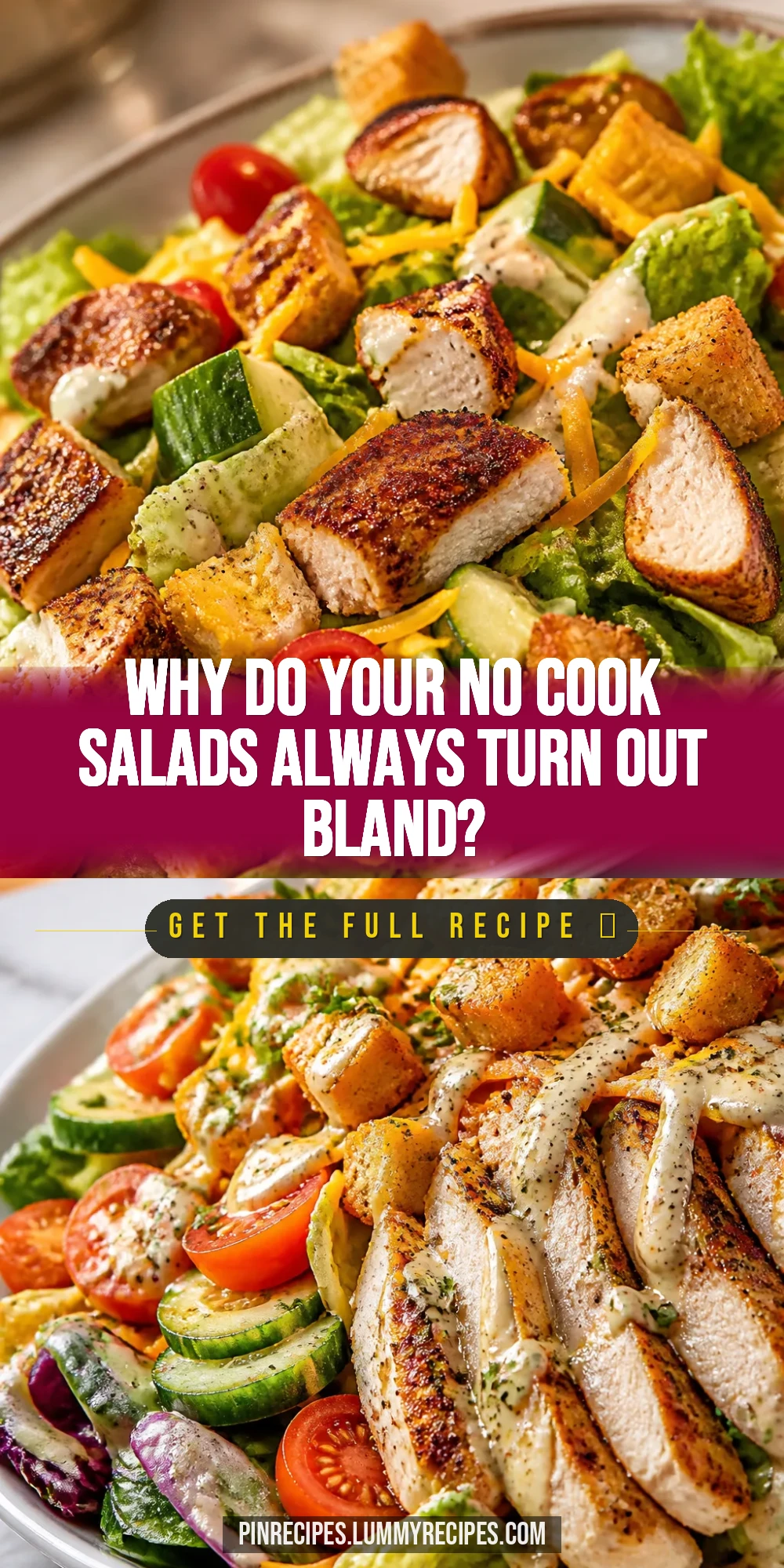
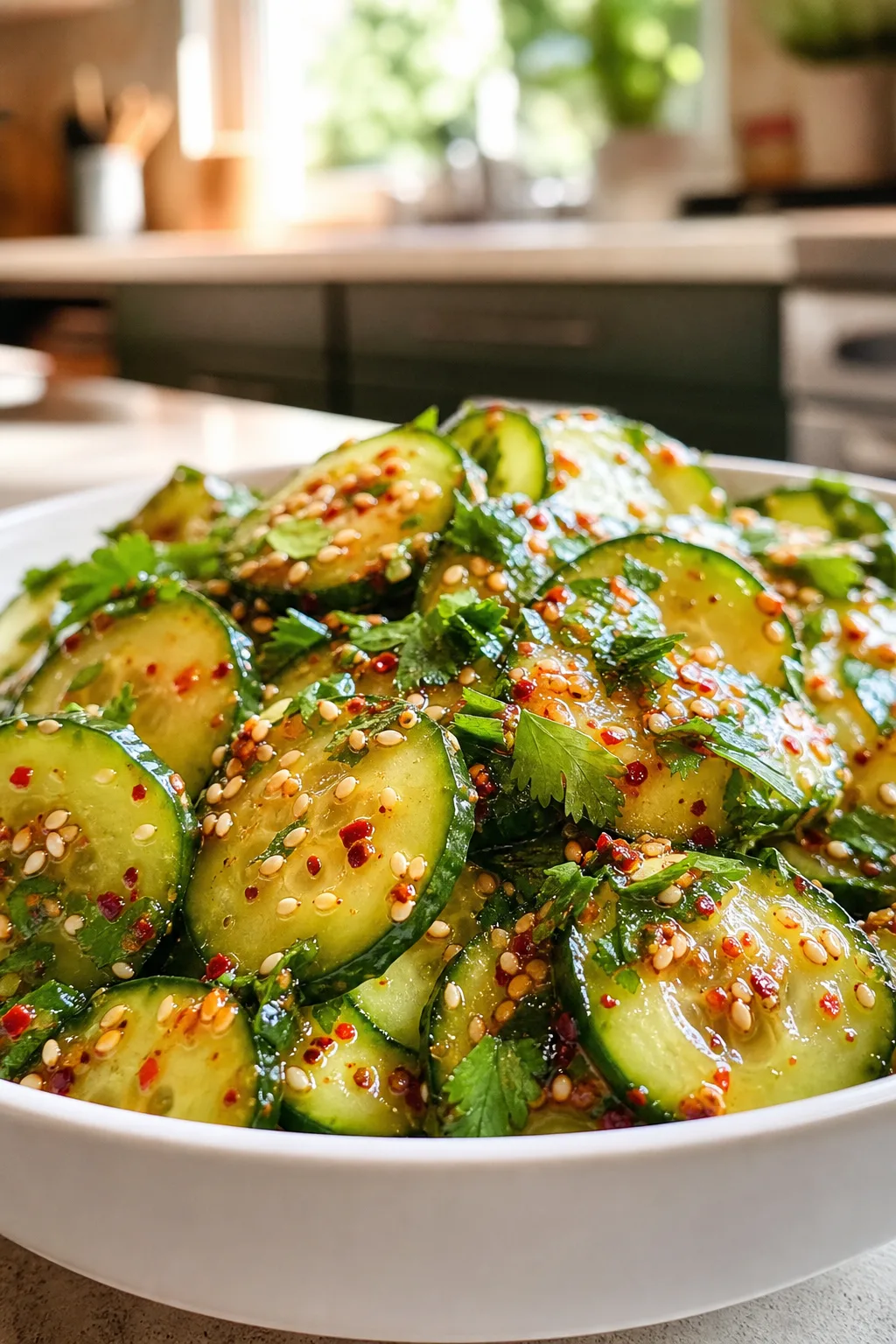
I love these no cook salad dinners because they’re fresh, fast, and perfect when you want something light but satisfying. A touch of lemon juice brightens everything up. Great for busy weeknights or warm evenings!
Introduction
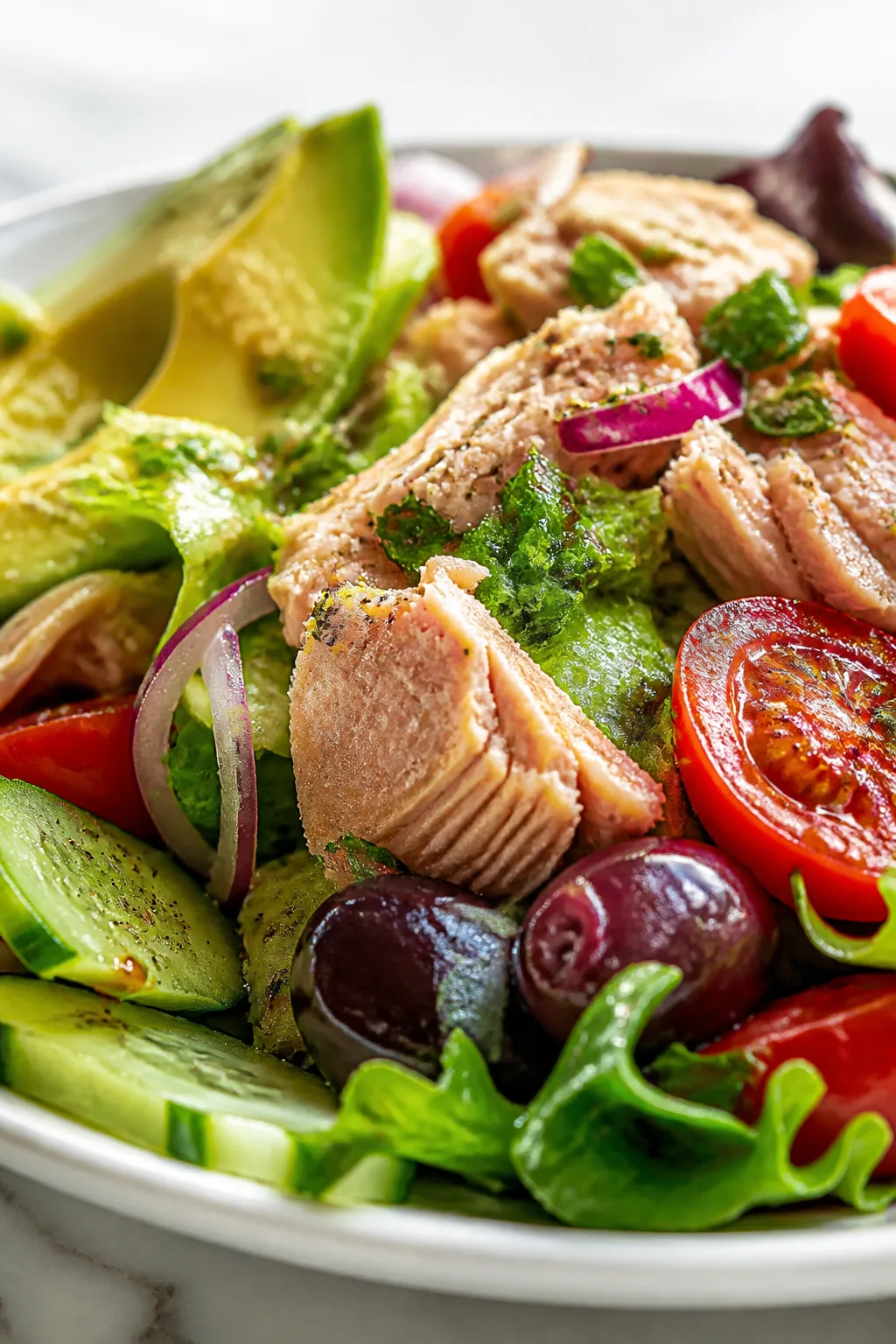
I’ve always loved salads, but sometimes I just don’t want to turn on the stove, especially on warm evenings or after a long day. That’s when these no cook salad dinners come to the rescue. I first started making them when my schedule got hectic, and honestly, they’ve become a family favorite because they’re so fresh and satisfying without any fuss. What I like about this version is the balance of crunchy veggies, salty olives, and creamy feta all tossed in a simple lemon-olive oil dressing. The secret I learned is to use fresh herbs and a good quality olive oil — it makes all the difference. Plus, you can customize it easily with whatever veggies you have on hand. The finished salad looks colorful and inviting, with a light tang and a perfect mix of textures. It’s the kind of meal that feels light but leaves you feeling full and happy. I usually serve it with some crusty bread or grilled chicken on the side for a complete dinner. Trust me, once you try this, you’ll want to keep it in your weeknight rotation.
How To Do It
Step 1
Start by preparing all your vegetables. Wash and dry the salad greens thoroughly to avoid sogginess. Halve the cherry tomatoes and thinly slice the cucumber and red onion. This step is crucial because fresh, crisp veggies are the foundation of a great no cook salad. Using a sharp knife helps keep the slices clean and the textures intact, which makes the salad more enjoyable to eat.
⏱ Time: 10
✓ Doneness: Vegetables should look fresh, vibrant, and evenly cut.
Step 2
In a large bowl, combine the salad greens, cherry tomatoes, cucumber, red onion, olives, and crumbled feta cheese. Toss gently to mix the ingredients without bruising the greens. This careful mixing helps distribute flavors evenly and keeps the salad looking appealing. Avoid over-tossing to maintain the texture contrast between the crisp veggies and creamy cheese.
⏱ Time: 5
✓ Doneness: Ingredients should be evenly distributed with no clumps.
Step 3
In a small bowl, whisk together the extra virgin olive oil, fresh lemon juice, salt, and freshly ground black pepper. The acidity from the lemon juice brightens the salad, while the olive oil adds richness. Seasoning at this stage is key to balance the flavors. Taste and adjust seasoning as needed before adding it to the salad.
⏱ Time: 3
✓ Doneness: Dressing should be smooth and well emulsified.
Step 4
Pour the dressing over the salad and toss gently to coat all the ingredients evenly. Tossing right before serving prevents the greens from wilting. Be gentle to keep the salad fresh and crisp. This step ensures every bite is flavorful and balanced.
⏱ Time: 2
✓ Doneness: Salad should look glossy and lightly coated with dressing.
Step 5
Finely chop fresh basil or parsley and sprinkle over the salad as a finishing touch. Fresh herbs add an aromatic lift and a burst of color that makes the dish feel special. If you don’t have fresh herbs, a pinch of dried herbs can work, but fresh is definitely best here.
⏱ Time: 2
✓ Doneness: Herbs should look fresh and vibrant on top.
Step 6
Give the salad one last gentle toss to incorporate the herbs. This final mix ensures the fresh flavors meld together beautifully. Avoid overmixing to keep the textures intact.
⏱ Time: 1
✓ Doneness: Herbs should be evenly distributed without bruising.
Step 7
Serve the salad immediately for the best texture and flavor. If you need to prepare it ahead, keep the dressing separate and toss just before serving to prevent sogginess.
⏱ Time: 0
✓ Doneness: Salad should be crisp and fresh when served.
Step 8
Optional: Pair with crusty bread or your favorite protein like grilled chicken or fish to make it a complete meal. This adds a satisfying element to the light salad and rounds out the dinner nicely.
⏱ Time: 0
✓ Doneness: Meal feels balanced and filling.
Step 9
Clean up any leftover ingredients promptly and store any unused salad components separately in airtight containers to maintain freshness for next time.
⏱ Time: 5
✓ Doneness: Kitchen is tidy and ingredients are stored properly.
Pro Tips
Always dry your salad greens thoroughly after washing.
Water on leaves dilutes the dressing and causes the salad to become soggy quickly. Using a salad spinner or patting dry with towels ensures crispness and better dressing adherence.
Use freshly squeezed lemon juice instead of bottled.
Fresh lemon juice has brighter, more vibrant acidity and natural oils that enhance flavor. Bottled juice can taste flat or overly tart, which affects the salad's balance.
Toss the salad gently but thoroughly.
Gentle tossing distributes dressing and ingredients evenly without bruising delicate greens. Overmixing can cause leaves to tear and wilt, ruining texture.
Add herbs last and toss lightly.
Fresh herbs are delicate and bruising them releases bitterness. Adding them at the end preserves their bright flavor and appearance.
Keep dressing separate if preparing ahead.
Dressing causes greens to wilt and become soggy quickly. Storing it separately and dressing just before serving keeps the salad fresh and crisp.
Use a sharp knife for slicing veggies.
A sharp knife cuts cleanly without crushing cells, preserving texture and preventing premature softening or browning.
Customize with your favorite add-ins like nuts or seeds.
Adding crunch or extra flavor layers keeps the salad interesting and can boost nutrition, making it more satisfying as a dinner.
Common Mistakes to Avoid
Using wilted or soggy greens
Why it happens Sometimes people skip drying greens thoroughly or use old lettuce, leading to limp texture and watered-down dressing.
Fix Always wash and dry greens completely before assembling. Use fresh greens and store them properly to maintain crispness.
Overdressing the salad
Why it happens Pouring too much dressing can overpower flavors and make the salad soggy.
Fix Start with a small amount of dressing and toss gently. Add more if needed, but avoid saturating the leaves.
Cutting ingredients unevenly
Why it happens Rushed prep or dull knives cause uneven sizes, affecting texture and presentation.
Fix Use a sharp knife and aim for uniform slices or pieces so the salad looks and feels balanced.
Skipping fresh herbs
Why it happens Some cooks overlook herbs or don’t have them on hand, missing out on flavor boosts.
Fix Keep fresh herbs like basil or parsley stocked. They add brightness that elevates the whole dish.
Preparing salad too far ahead
Why it happens Salads dressed too early wilt and lose appeal.
Fix Assemble ingredients in advance but add dressing just before serving to keep crispness.
Variations
Mediterranean Style
Add chopped artichoke hearts, sun-dried tomatoes, and a sprinkle of oregano. Swap feta for goat cheese if you prefer a creamier texture. This variation brings classic Mediterranean flavors to your no cook salad dinner.
Note: Use oil-packed sun-dried tomatoes drained well to avoid excess moisture, which can make the salad soggy.
Protein Boost
Toss in canned chickpeas or cooked rotisserie chicken for a heartier meal. This turns the salad into a more filling dinner without losing its fresh appeal.
Note: Rinse chickpeas well to remove canning liquid and reduce saltiness before adding.
Crunchy Nutty Salad
Add toasted walnuts or almonds and a handful of seeds like pumpkin or sunflower. The crunch adds texture contrast and nutty flavor that pairs well with the creamy feta.
Note: Toast nuts lightly in a dry pan until fragrant to enhance flavor without burning.
Vegan Version
Replace feta with sliced avocado or marinated tofu cubes. Use nutritional yeast in the dressing for a cheesy flavor without dairy, making it suitable for vegan diets.
Note: Add avocado just before serving to prevent browning and maintain freshness.
Southwest Twist
Include black beans, corn, diced red peppers, and a sprinkle of cumin in the dressing. Top with chopped cilantro and a squeeze of lime for a zesty twist on the basic salad.
Note: Drain and rinse canned beans and corn to reduce excess moisture and salt.
Nutrition
Per Serving:
Nutritional values are estimates and may vary based on specific ingredients used.
Storage & Tips
Room Temperature
Salad should not be kept at room temperature for more than 2 hours. Cover with plastic wrap or store in an airtight container to prevent drying out.
Refrigerator
Store salad components separately in airtight containers for up to 2 days. Once dressed, consume immediately or within a few hours to avoid sogginess and loss of crispness.
Freezer
Freezing is not recommended for fresh salad ingredients as texture and flavor degrade significantly upon thawing.
Reheating
No reheating needed. Serve chilled or at room temperature for best flavor and texture.
Make Ahead
Prepare and wash all vegetables up to 1 day ahead and store separately. Mix dressing and keep refrigerated. Toss salad just before serving to maintain freshness.
FAQ
Can I make this salad ahead of time?
Yes, you can prepare the vegetables and dressing ahead, but it’s best to keep them separate. Toss the salad with dressing just before serving to avoid soggy greens and maintain crispness.
What can I substitute for feta cheese?
If you don’t have feta or prefer a dairy-free option, try crumbled goat cheese, diced avocado, or marinated tofu cubes. Each adds creaminess and flavor but changes the texture slightly.
How do I keep the salad from getting soggy?
Dry your greens thoroughly and add dressing only when ready to eat. Also, avoid watery vegetables or drain them well. This keeps the salad crisp and fresh longer.
Can I add protein to make this a full meal?
Absolutely! Adding cooked chicken, canned chickpeas, or beans boosts protein and makes the salad more filling without losing its fresh appeal.
What’s the best way to store leftover salad?
Store undressed salad components separately in airtight containers in the fridge for up to 2 days. Once dressed, leftovers don’t keep well and are best eaten immediately.
Can I use bottled lemon juice instead of fresh?
Fresh lemon juice provides brighter flavor and better acidity. Bottled juice can work in a pinch but might taste flat or overly sour, affecting the salad’s balance.
What kind of olives should I use?
Kalamata olives are ideal for their rich, briny flavor. You can substitute with black or green olives, but avoid varieties with strong artificial flavors or excessive salt.
Is this salad suitable for meal prep?
Yes, if you store components separately and keep dressing on the side, this salad works well for meal prep and can be assembled quickly when ready to eat.
Can I add nuts or seeds?
Definitely! Toasted nuts or seeds add crunch and nutrition. Just add them right before serving to keep them crisp.
How can I make this salad spicier?
Try adding a pinch of crushed red pepper flakes to the dressing or topping with sliced jalapeños for a subtle kick without overpowering the fresh flavors.
Final Thoughts
Give this no cook salad dinner a try for a fresh, easy meal that feels light yet satisfying. I’d love to hear how you customize it for your family!