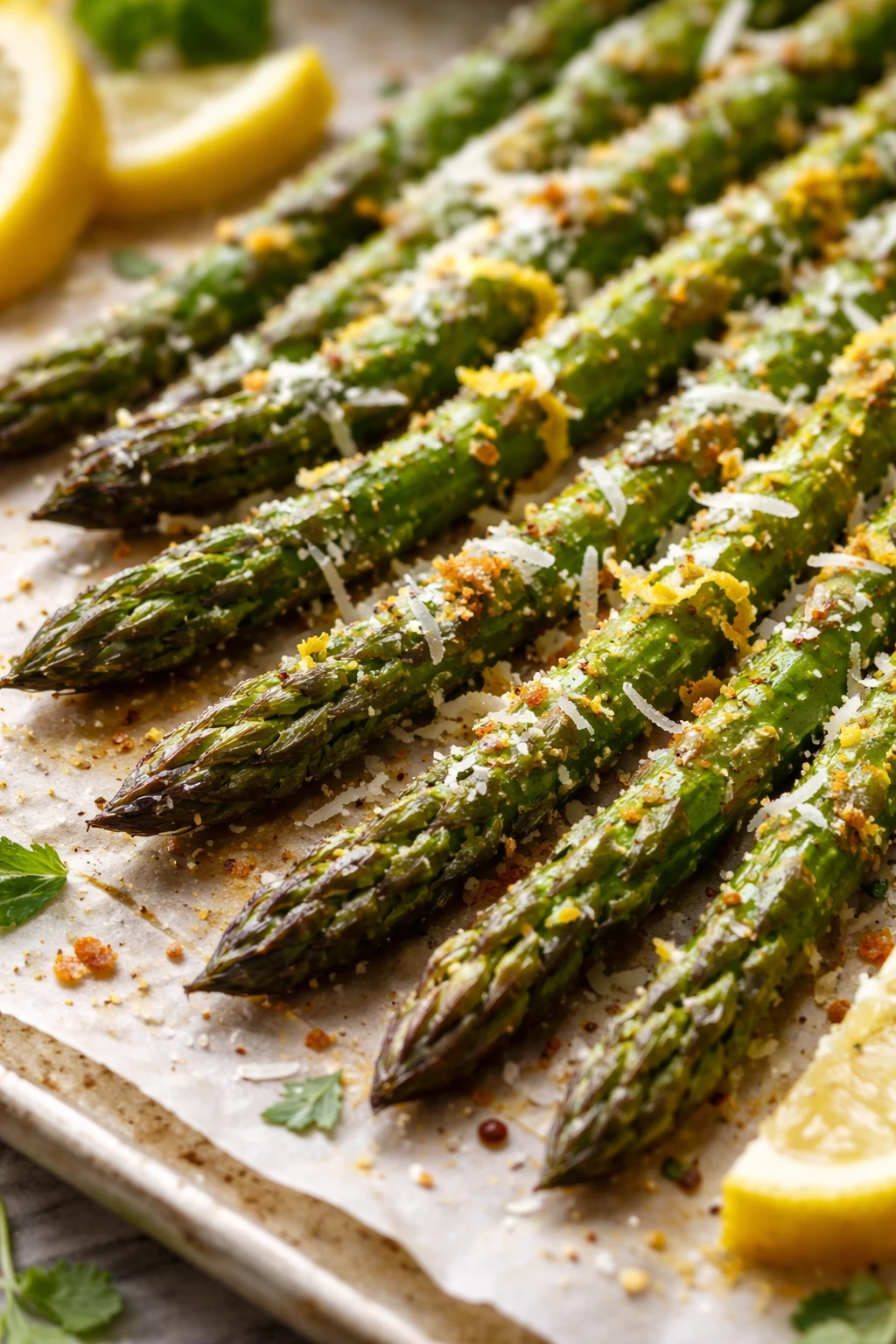
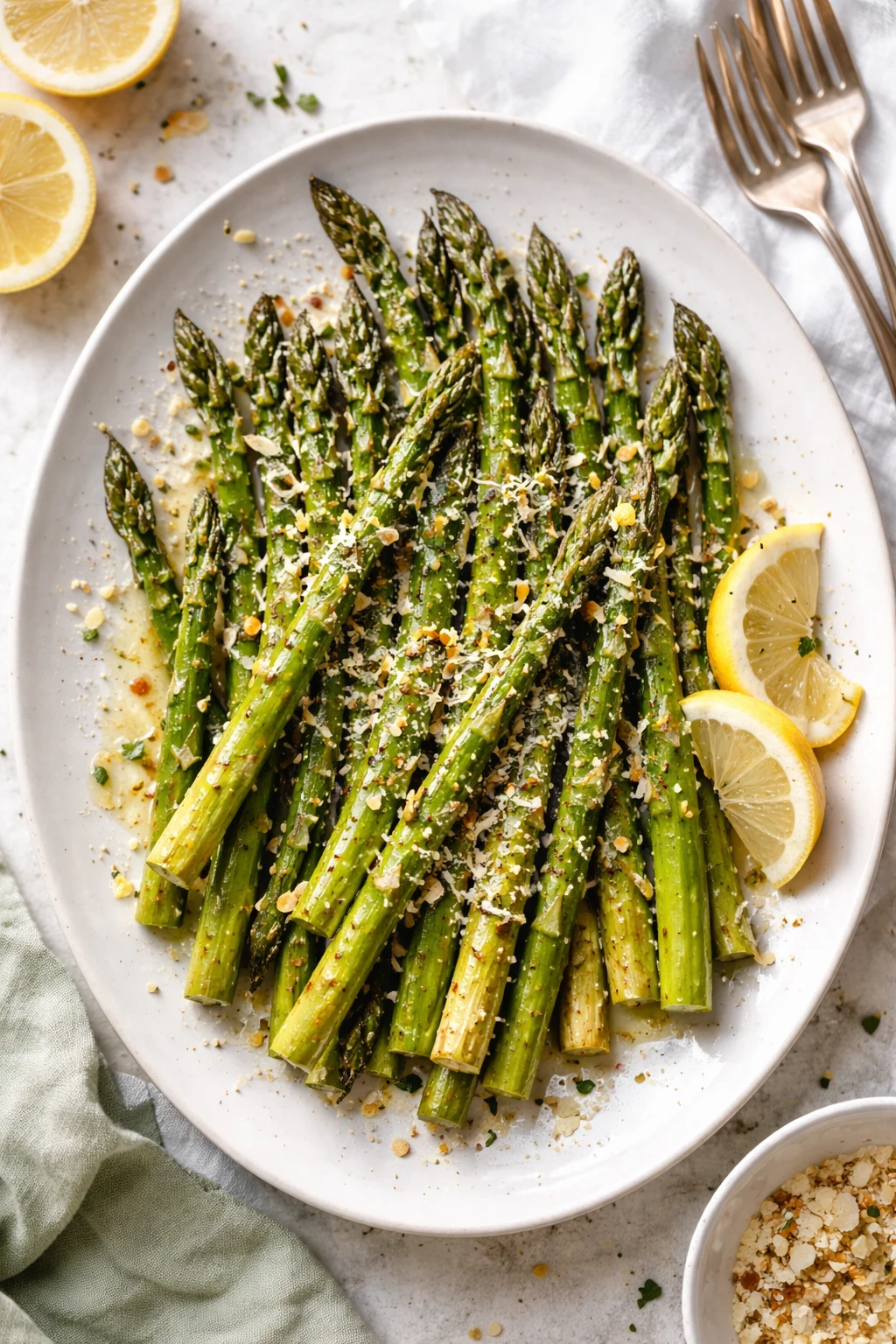
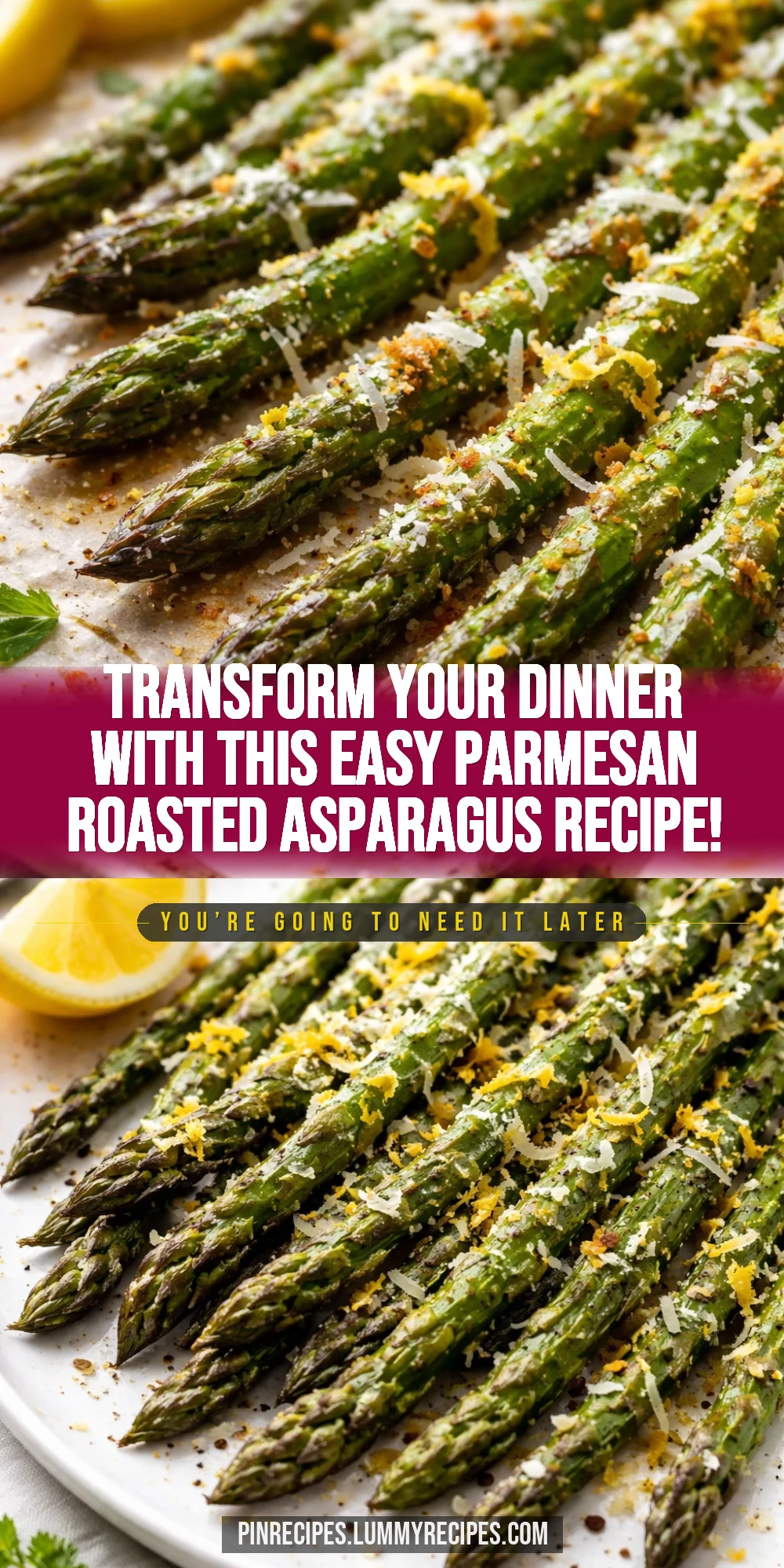
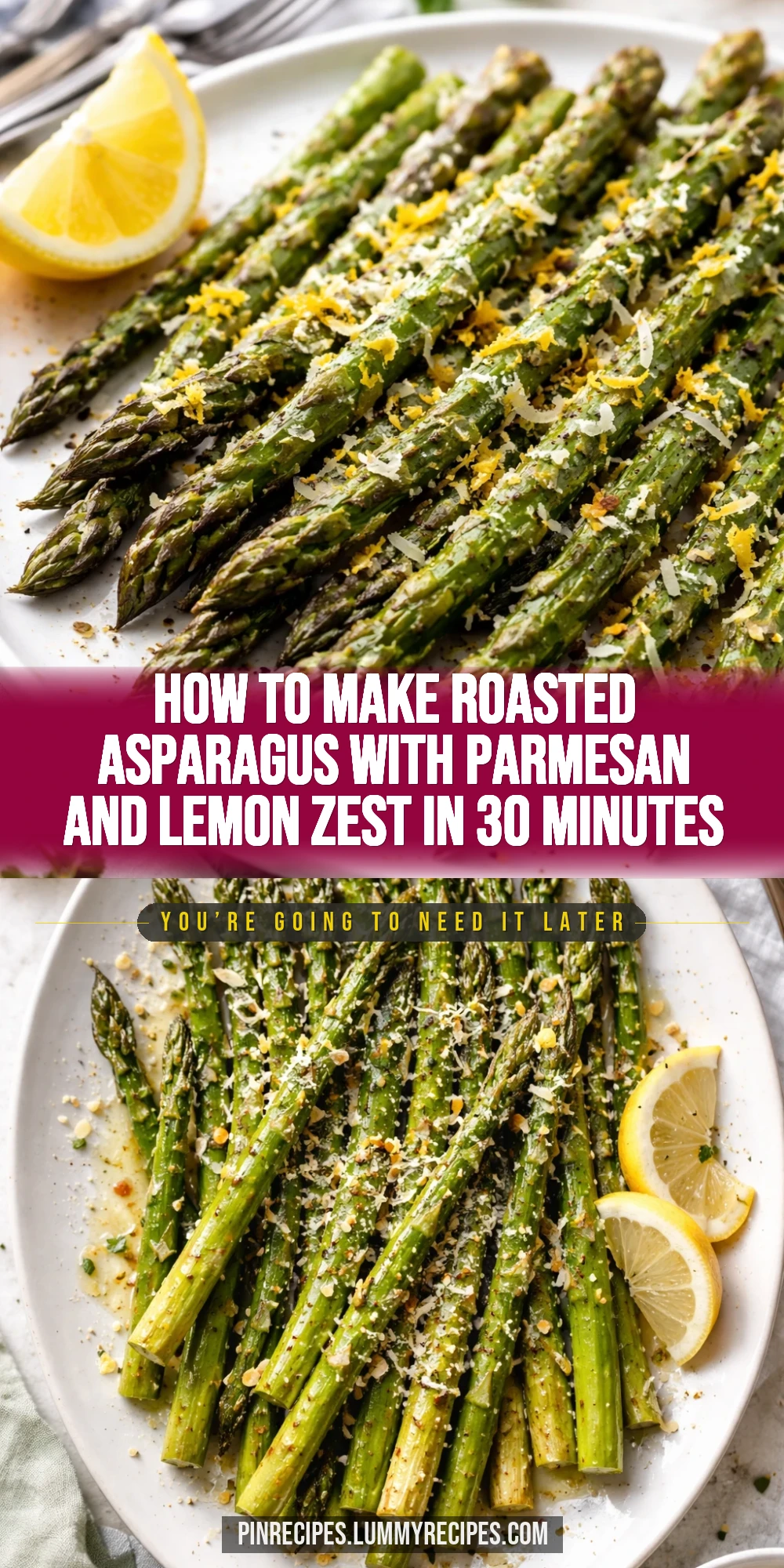
This roasted asparagus is a simple side that shines with nutty Parmesan and fresh lemon zest. Roasting brings out its natural sweetness while keeping a tender-crisp bite. Great for weeknight dinners or holiday spreads!
Introduction
I've been making roasted asparagus for years, but this version with Parmesan and lemon zest quickly became a favorite in my house. I first discovered it when I wanted something simple yet flavorful to serve alongside a casual dinner. What makes this recipe stand out is the combination of the nutty Parmesan melting over the hot asparagus and the bright pop of fresh lemon zest that wakes up the whole dish. I used to overcook asparagus and end up with limp, flavorless stalks, but roasting at a high temperature for just the right amount of time gives it that perfect tender-crisp texture. Plus, sprinkling the cheese and lemon zest right after roasting lets the flavors meld without losing their brightness. The result is a side dish that feels both elegant and easy — it’s great for weeknights or when guests drop by unexpectedly. The aroma alone will have you reaching for seconds!
How To Do It
Step 1
Preheat your oven to 425°F (220°C). This high heat is crucial because it helps the asparagus roast quickly, developing a nice caramelized exterior while keeping the inside tender. Line a baking sheet with parchment paper or foil for easy cleanup. Spread the trimmed asparagus in a single layer to ensure even roasting; overcrowding will cause steaming instead of roasting, resulting in soggy stalks. Keep the stalks roughly the same size to promote uniform cooking. This step sets the foundation for perfectly roasted asparagus.
⏱ Time: 10 minutes
✓ Doneness: Asparagus should look vibrant green with slightly browned tips and a slight bend without breaking.
Step 2
Drizzle the asparagus with olive oil, then sprinkle with salt and freshly ground black pepper. Toss gently with your hands or tongs to coat every stalk evenly. The olive oil not only prevents sticking but also helps the asparagus crisp up and carry the flavors of the seasoning. Be generous but don’t drench them; too much oil can make the asparagus greasy. Seasoning before roasting ensures the flavors penetrate the stalks during cooking.
⏱ Time: 5 minutes
✓ Doneness: Asparagus is evenly coated with a light sheen of oil and visible seasoning.
Step 3
Arrange the asparagus back on the baking sheet in a single layer, making sure they aren’t touching too much. This spacing is key to getting that perfect roast. Place the sheet in the preheated oven and roast for about 12-15 minutes, depending on the thickness of your stalks. Thinner stalks will cook faster, so keep an eye on them starting at 10 minutes. The asparagus should be tender enough to pierce with a fork but still have a slight snap. Avoid overcooking to keep the vibrant color and fresh flavor intact.
⏱ Time: 12-15 minutes
✓ Doneness: Tips are browned and slightly crispy, stalks are bright green and tender-crisp.
Step 4
Remove the asparagus from the oven and immediately sprinkle the freshly grated Parmesan cheese over the hot stalks. The residual heat will gently melt the cheese, creating a delicious, savory coating. Don’t wait too long to add the cheese or it won’t melt properly. This step adds a rich, nutty flavor that complements the natural sweetness of the roasted asparagus beautifully.
⏱ Time: 2 minutes
✓ Doneness: Cheese is slightly melted and clings to the asparagus.
Step 5
Next, sprinkle the lemon zest evenly over the asparagus. The zest adds a bright, citrusy aroma and flavor that balances the richness of the Parmesan. Use a microplane or fine grater to get just the colorful outer skin without the bitter white pith underneath. Adding the zest last preserves its fresh, zesty punch. This final touch lifts the dish and makes it feel fresh and vibrant.
⏱ Time: 1 minute
✓ Doneness: Zest is evenly distributed and fragrant.
Step 6
Give the asparagus one gentle toss to combine the cheese and lemon zest with the stalks. Be careful not to break the tender asparagus. Serving immediately keeps the cheese melty and the asparagus warm, which is when it tastes best. If you wait too long, the cheese can harden and the asparagus will lose some of its crispness.
⏱ Time: 1 minute
✓ Doneness: Asparagus looks glossy and well-coated with cheese and zest.
Step 7
Taste a piece and adjust seasoning if needed. Sometimes a little extra salt or a crack of black pepper can brighten the flavors further. If you want a little more tang, a quick squeeze of fresh lemon juice right before serving works wonders. This final seasoning tweak lets you customize the dish to your liking.
⏱ Time: 1 minute
✓ Doneness: Balanced flavor with a hint of saltiness and brightness.
Step 8
Transfer the asparagus to a serving platter and garnish with a few extra shavings of Parmesan or a sprinkle of chopped fresh herbs like parsley or chives if you like. This adds a pop of color and fresh herbaceous notes that complement the roasted flavors. Presentation can make a simple dish feel special.
⏱ Time: 2 minutes
✓ Doneness: Dish looks colorful and inviting.
Step 9
Serve the roasted asparagus warm as a side to grilled meats, roasted chicken, or pasta dishes. It also pairs wonderfully with a light white wine. Leftovers can be gently reheated but are best enjoyed fresh for the ideal texture and flavor. This versatile side is sure to become a staple in your meal rotation.
⏱ Time: Immediate serving
✓ Doneness: Asparagus remains tender and flavorful when served.
Pro Tips
Trim the asparagus ends by bending each stalk until it snaps naturally.
The bottom part of asparagus stalks is tough and woody. Snapping them at their natural breaking point ensures you remove the fibrous part without wasting edible stalk. This technique guarantees tender, evenly cooked asparagus without chewy ends.
Use a microplane to zest the lemon finely just before serving.
Fine zest releases more essential oils and distributes flavor evenly. Adding zest last preserves its bright aroma and prevents the bitterness that comes from the white pith or cooking the zest too long.
Roast asparagus in a single layer without overcrowding.
Overcrowding traps steam and prevents browning. Spreading the stalks out allows hot air to circulate, producing caramelized tips and a crisp texture instead of soggy, steamed asparagus.
Add Parmesan cheese immediately after removing asparagus from the oven.
The residual heat melts the cheese just enough to cling to the stalks without becoming greasy or clumpy. This creates a creamy texture and rich flavor that complements the roasted vegetable perfectly.
Use freshly grated Parmesan instead of pre-grated cheese.
Pre-grated cheese often contains anti-caking agents that prevent melting and can alter texture. Freshly grated cheese melts better and tastes fresher, enhancing the dish’s overall quality.
Serve roasted asparagus immediately for best texture and flavor.
Asparagus loses its crispness as it cools and the cheese hardens. Serving it hot ensures the best contrast of tender stalks with melted cheese and bright lemon zest.
Adjust roasting time based on stalk thickness.
Thin asparagus cooks faster and can become mushy if overdone. Thick stalks need longer roasting to become tender. Monitoring doneness prevents overcooking and preserves the ideal texture.
Common Mistakes to Avoid
Overcrowding the baking sheet
Why it happens People often try to roast too much asparagus at once to save time or dishes, but this causes steaming instead of roasting.
Fix Use two baking sheets if necessary to spread asparagus in a single layer. This ensures proper caramelization and crisp texture.
Skipping trimming the woody ends
Why it happens It’s easy to overlook trimming or just eyeball it, leaving tough parts on the stalks.
Fix Bend each stalk until it snaps naturally to remove the fibrous bottom. This guarantees tenderness.
Adding lemon zest before roasting
Why it happens Some think adding zest early will infuse more flavor, but heat causes bitterness.
Fix Always add lemon zest after roasting to preserve its fresh aroma and bright taste.
Using pre-grated Parmesan
Why it happens Pre-grated cheese is convenient but doesn’t melt well and can change texture.
Fix Grate Parmesan fresh for better melting and flavor.
Overcooking asparagus
Why it happens Without careful timing, asparagus can become mushy and lose vibrant color.
Fix Roast at high heat for 12-15 minutes, checking early for thin stalks, and remove as soon as tender-crisp.
Variations
Garlic Parmesan Roasted Asparagus
Add 2 minced garlic cloves tossed with the asparagus before roasting. This infuses a savory punch that pairs beautifully with Parmesan and lemon zest, making the dish more aromatic and flavorful.
Note: Roast garlic with asparagus to soften and mellow its sharpness; avoid burning by spreading evenly.
Spicy Roasted Asparagus with Chili Flakes
Sprinkle red chili flakes over the asparagus before roasting for a subtle heat that contrasts nicely with the nutty Parmesan and bright lemon. Great for those who like a little kick!
Note: Adjust chili flakes amount to control spice level; roasting temp mellows the heat slightly.
Asparagus with Toasted Almonds and Parmesan
After roasting, toss asparagus with toasted slivered almonds for a crunchy texture contrast. The nuts add richness and a lovely nutty flavor that complements the cheese and lemon zest.
Note: Toast almonds separately to control browning and prevent burning.
Vegan Roasted Asparagus with Nutritional Yeast
Replace Parmesan with nutritional yeast for a vegan-friendly version that still delivers cheesy, umami flavor. The lemon zest keeps the dish fresh and bright without dairy.
Note: Sprinkle nutritional yeast after roasting to preserve its flavor.
Balsamic Glazed Roasted Asparagus
Drizzle a tablespoon of balsamic vinegar over the asparagus before roasting for a tangy sweetness that balances the savory Parmesan and citrus zest. Adds complexity and depth.
Note: Use a small amount to avoid sogginess; roast immediately after adding vinegar.
Nutrition
Per Serving:
Nutritional values are estimates and may vary based on specific ingredients used.
Storage & Tips
Room Temperature
Roasted asparagus can safely sit out at room temperature for up to 2 hours if covered loosely with foil or a clean kitchen towel. Beyond that, bacteria growth increases and quality degrades.
Refrigerator
Store leftovers in an airtight container in the fridge for up to 3 days. The asparagus may lose some crispness and the cheese can harden. Reheat gently to restore warmth without drying out.
Freezer
Freezing is not recommended as asparagus texture changes and Parmesan can become grainy. If freezing, wrap tightly in plastic wrap and foil, and use within 1 month. Thaw in the fridge overnight and reheat gently.
Reheating
Reheat in a 350°F oven for 5-7 minutes or in a microwave on medium power for 30-45 seconds. Add a splash of olive oil or water if asparagus seems dry. Avoid overheating to prevent sogginess.
Make Ahead
You can trim and toss asparagus with olive oil, salt, and pepper 1 day ahead and store covered in the fridge. Add Parmesan and lemon zest immediately after roasting on the day of serving for best freshness.
FAQ
Can I use frozen asparagus for this recipe?
Frozen asparagus tends to be softer and releases more water when cooked, which can make roasting less effective. If using frozen, thaw and pat dry thoroughly to avoid steaming. The texture won’t be as crisp, but it can still work in a pinch.
What’s the best way to trim asparagus quickly?
Bending each stalk gently until it snaps naturally removes the tough woody end. This method is quick and ensures you only keep the tender parts. Alternatively, line up the stalks and cut the ends with a knife about 1-2 inches from the bottom.
Can I prepare this dish ahead of time?
You can trim and season the asparagus a day ahead and keep it refrigerated. Roast and add Parmesan and lemon zest just before serving to keep flavors fresh and textures ideal.
Is it necessary to use fresh Parmesan cheese?
Freshly grated Parmesan melts better and has a more vibrant flavor than pre-grated varieties, which often contain anti-caking agents. For the best texture and taste, freshly grate your cheese.
How do I know when the asparagus is done roasting?
The asparagus should be bright green with slightly browned, crispy tips. It should be tender enough to pierce with a fork but still have a slight snap when bitten. Overcooked asparagus turns limp and dull in color.
Can I add other seasonings to this recipe?
Absolutely! Garlic, chili flakes, or fresh herbs like thyme or parsley can enhance the flavor. Just add garlic before roasting and sprinkle herbs after for the best results.
What if I don’t have a microplane for zesting?
You can use a fine grater or carefully peel thin strips of lemon peel with a vegetable peeler, then finely chop. Avoid the white pith as it’s bitter.
How do I reheat leftovers without making them soggy?
Reheat in a moderate oven (350°F) for a few minutes to warm through and restore crispness. Avoid microwaving too long as it can make asparagus mushy.
Final Thoughts
Give this easy roasted asparagus with Parmesan and lemon zest a try — it’s a simple way to brighten your meals. I’d love to hear how it turns out for you!