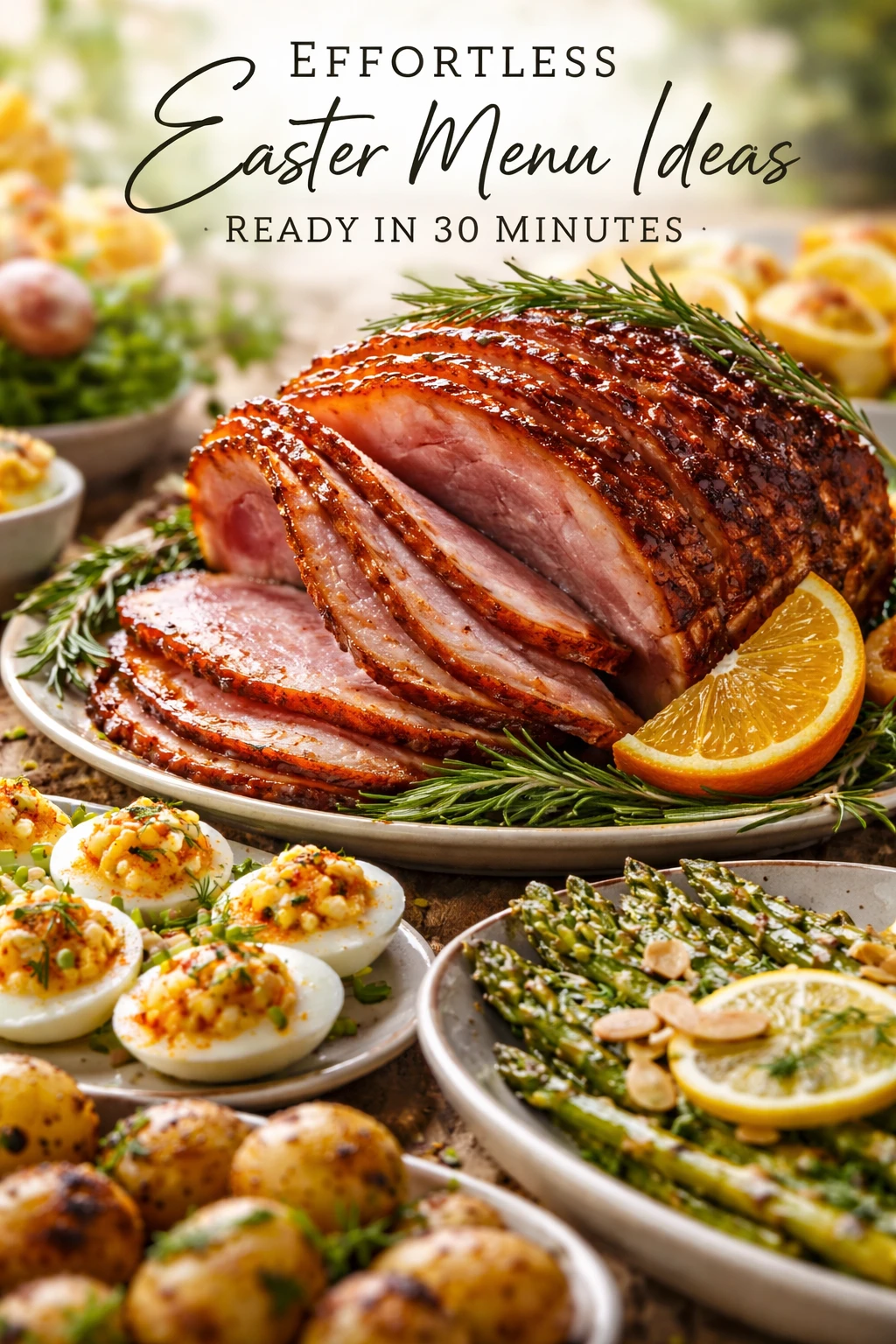
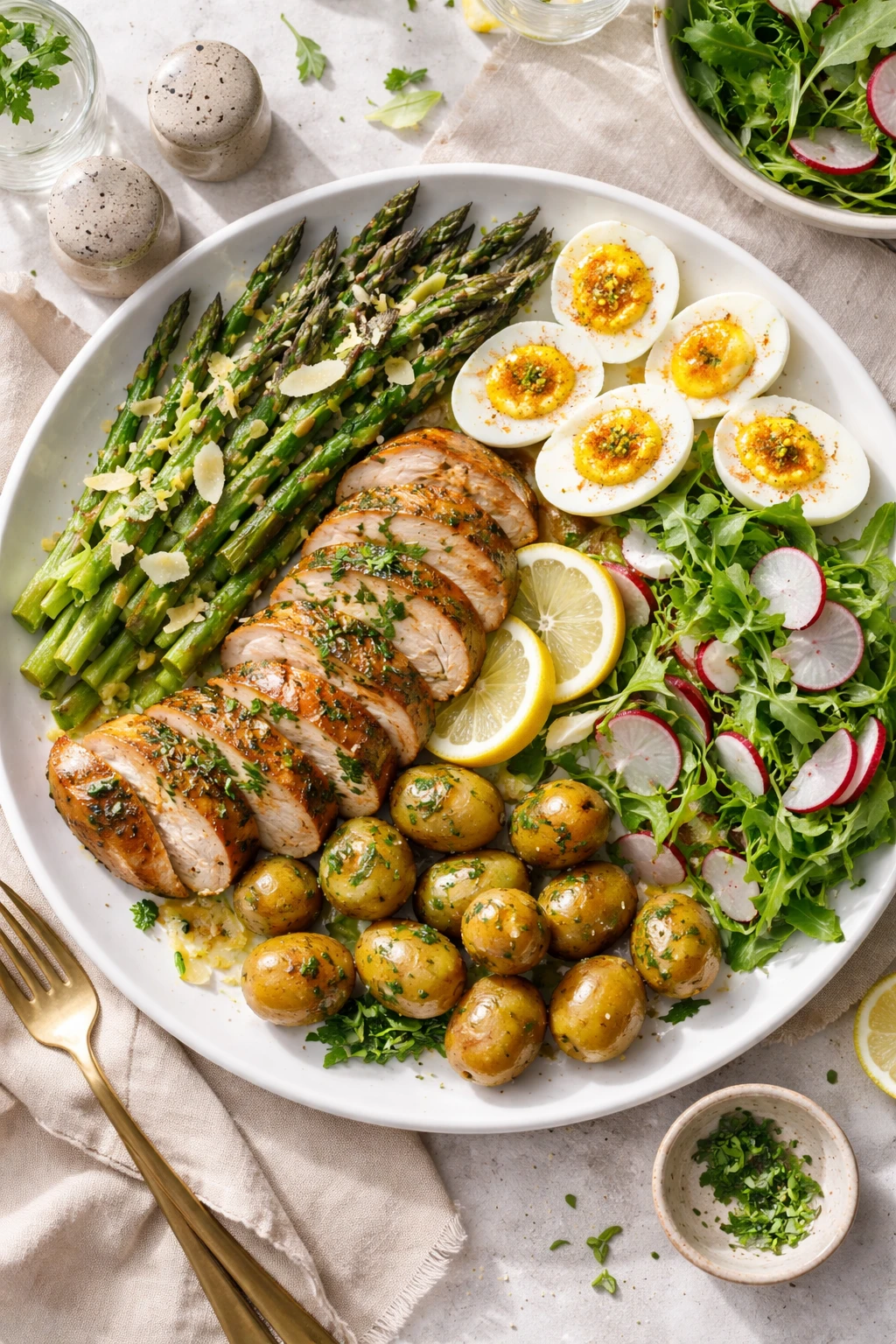
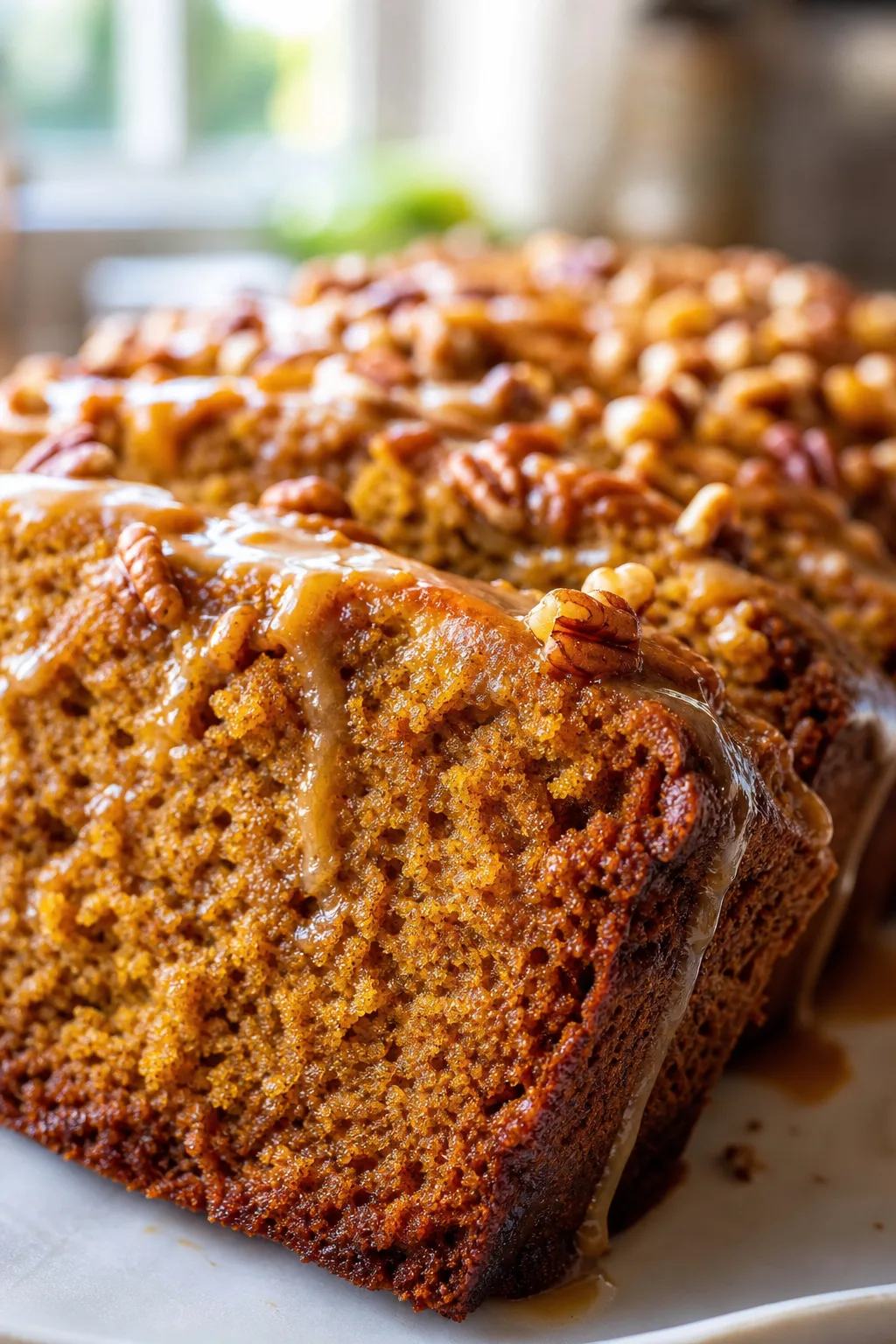
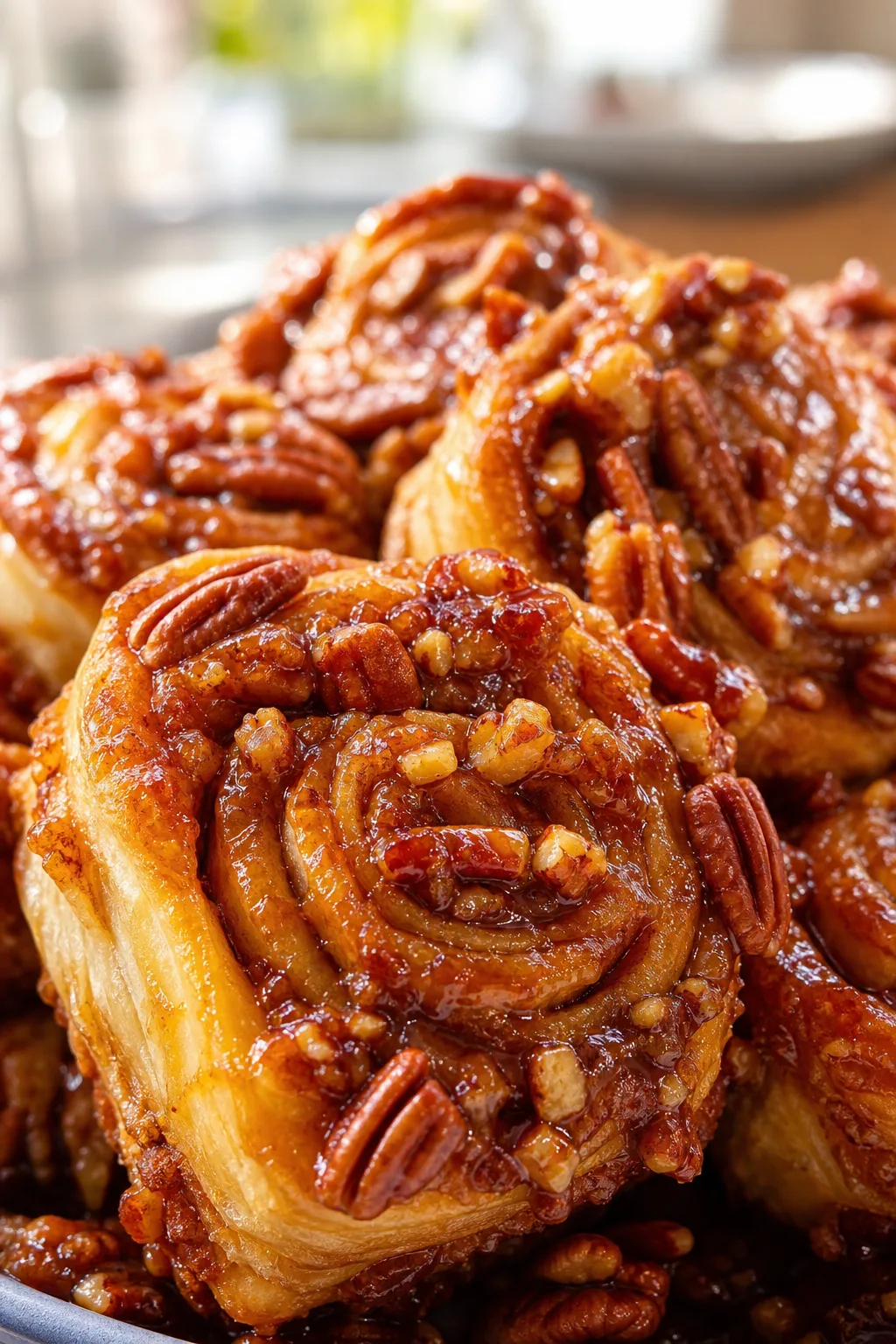
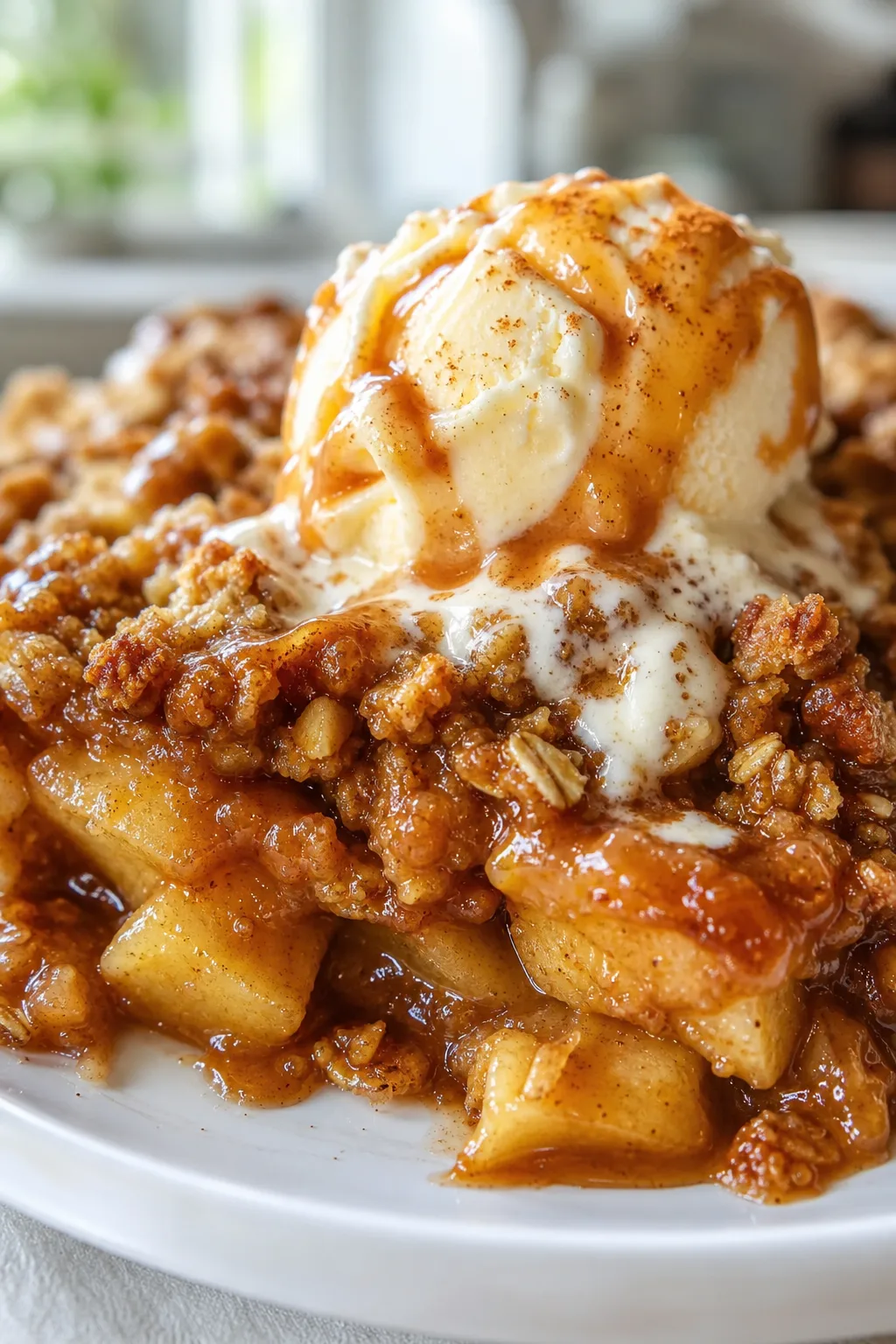
Quick and delicious Easter menu ideas that come together in just half an hour. Featuring fresh, vibrant ingredients and simple techniques, these dishes are perfect for last-minute holiday hosting or casual family meals.
Introduction
Easter has always been a special time in my family, filled with laughter, colorful eggs, and a big meal. But honestly, the thought of spending hours in the kitchen was never my favorite part. That’s why I started experimenting with quick and easy dishes that still feel festive and satisfying. This menu is my go-to when I want something fresh, flavorful, and ready in a flash. What makes it stand out is the balance of vibrant veggies, bright lemony flavors, and the creamy touch of feta — all coming together with a simple pan-cooked chicken. One trick I learned is to slice the chicken thinly so it cooks evenly and quickly, keeping it juicy without drying out. The end result? A colorful, wholesome plate that tastes like you spent way more time on it than you actually did. It’s perfect for Easter brunch or a light dinner, and it always gets compliments. Plus, the prep is straightforward enough that you can enjoy the day instead of stressing over the stove. I hope you love making this as much as I do!
How To Do It
Step 1
Start by heating the olive oil in a large skillet over medium-high heat. While the pan warms, season the thinly sliced chicken breasts with salt, pepper, and half the minced garlic. Cooking the chicken in a single layer ensures even browning and helps lock in moisture. Avoid overcrowding the pan, or the chicken will steam instead of sear. Cook for about 3-4 minutes on each side until golden brown and cooked through. You'll know it's done when the juices run clear and the meat feels firm but still tender.
⏱ Time: 8 minutes
✓ Doneness: Golden brown color with no pink inside, clear juices when pierced
Step 2
Remove the chicken from the skillet and set aside. In the same pan, add the remaining garlic and sauté for about 30 seconds until fragrant — this quick step releases the garlic’s aroma without burning it. Then toss in the cherry tomatoes and cook for 2-3 minutes until they soften and start to release their juices. Add the baby spinach and stir until just wilted, about 1 minute. This layering of flavors in the same pan builds a simple but delicious base for the dish, capturing all the tasty browned bits left from the chicken.
⏱ Time: 6 minutes
✓ Doneness: Tomatoes softened and spinach wilted but still bright green
Step 3
Return the chicken to the pan, nestling it among the veggies. Sprinkle the lemon zest and squeeze the lemon juice over everything to add brightness and a fresh zing. Let it cook together for another 2 minutes to marry the flavors. The acidity of the lemon cuts through the richness of the chicken and feta, balancing the dish beautifully.
⏱ Time: 2 minutes
✓ Doneness: A light sizzle with fragrant lemon aroma
Step 4
Turn off the heat and sprinkle the crumbled feta cheese over the top. The residual warmth will soften the cheese slightly without melting it completely, giving a creamy, tangy contrast to the warm ingredients. Finish with a sprinkle of fresh parsley for a burst of color and herbaceous freshness. Serve immediately for the best texture and flavor.
⏱ Time: 2 minutes
✓ Doneness: Feta slightly softened, parsley bright and fresh
Step 5
For a side, I like to quickly toast some crusty bread or prepare a simple quinoa salad dressed with olive oil and lemon. These sides complement the main dish perfectly and keep the meal light and balanced. If you’re short on time, even a handful of toasted nuts or a green salad will do the trick.
⏱ Time: 5 minutes
✓ Doneness: Bread toasted golden or quinoa fluffy and well-coated
Step 6
If you want to add a bit of extra flavor, try stirring in a teaspoon of Dijon mustard or a pinch of chili flakes when you add the lemon juice. It adds a nice depth and a little kick without overpowering the fresh flavors. Just be sure to taste as you go to keep the balance right.
⏱ Time: 1 minute
✓ Doneness: Flavor well integrated, slight tang or heat
Step 7
Make sure to use fresh lemon zest rather than dried for the best brightness. Zest the lemon before juicing to make the process easier and avoid bitterness. The zest adds essential oils that elevate the dish’s aroma and flavor profile significantly.
⏱ Time: 1 minute
✓ Doneness: Aromatic citrus scent
Step 8
Avoid overcooking the spinach — it should just wilt and remain vibrant green. Overcooked spinach becomes mushy and dulls the dish’s appearance and texture. Stir it in last and remove the pan from heat promptly.
⏱ Time: 30 seconds
✓ Doneness: Bright green, tender but not soggy
Step 9
Serve your Easter menu dishes immediately while everything is warm and fresh. If you need to hold the food, cover loosely with foil to retain heat without steaming the ingredients. This helps keep the textures and flavors at their best.
⏱ Time: 2 minutes
✓ Doneness: Warm temperature, vibrant colors intact
Pro Tips
Slice chicken breasts thinly and evenly for quick, juicy cooking.
Thin slices cook rapidly and evenly, preventing the outside from drying while the inside finishes cooking. Uneven pieces can lead to overcooked edges or undercooked centers, affecting texture and safety.
Use the same pan for vegetables after cooking chicken to build flavor.
The browned bits left in the pan (fond) contain concentrated flavor. Deglazing and cooking veggies in the same pan incorporates those flavors, adding depth without extra ingredients.
Add spinach last and cook briefly to keep it bright and tender.
Spinach wilts very quickly; overcooking makes it mushy and dull. Adding it last and removing from heat promptly preserves color, texture, and nutrients.
Zest the lemon before juicing to avoid bitterness and ease prep.
Zesting first prevents the zesting tool from slipping on a juiced, wet lemon and helps capture the aromatic oils before the fruit is broken down.
Don’t overcrowd the pan when cooking chicken to ensure proper searing.
Crowding traps steam, preventing browning. Proper searing creates flavor through Maillard reaction and seals juices inside the meat.
Use fresh garlic and add it just before veggies to avoid burning.
Garlic burns quickly and turns bitter. Adding it right before vegetables ensures it softens and flavors the dish without burning.
Finish with fresh parsley for color and fresh herb flavor.
Fresh herbs added at the end brighten the dish visually and add a final layer of fresh flavor that cooked herbs can’t provide.
Common Mistakes to Avoid
Overcooking the chicken causing dryness
Why it happens Many assume cooking longer ensures safety, but overcooking dries out chicken, making it tough and less enjoyable.
Fix Slice chicken thinly for quick cooking and use a meat thermometer to check for 165°F internal temperature. Remove from heat promptly once cooked.
Burning garlic during sauté
Why it happens Garlic cooks very fast and can burn if added too early or cooked on too high heat.
Fix Add garlic after the chicken is cooked and lower the heat slightly. Stir constantly and remove from heat as soon as it becomes fragrant.
Wilted, dull spinach from overcooking
Why it happens Spinach cooks in seconds, but many leave it on heat too long, resulting in mushy texture and loss of color.
Fix Add spinach last and stir just until it wilts, then remove from heat immediately.
Using bottled lemon juice instead of fresh
Why it happens Bottled juice lacks fresh flavor and brightness, often tasting flat or artificial.
Fix Always use fresh lemons for zest and juice to maximize flavor and aroma.
Overcrowding the pan when searing chicken
Why it happens Too many pieces in the pan cause steaming instead of searing, leading to pale, soggy chicken.
Fix Cook chicken in batches if needed, leaving space between pieces for proper browning.
Variations
Herb-Roasted Vegetable Side
Swap the sautéed spinach and tomatoes for a quick herb-roasted medley of asparagus, carrots, and baby potatoes. Toss veggies with olive oil, garlic, and rosemary, then roast at 425°F for 20 minutes. This adds a rustic, hearty touch to your Easter menu.
Note: Roasting requires a longer cook time and higher heat; adjust chicken cooking accordingly or cook separately.
Lemon Garlic Shrimp Instead of Chicken
For a lighter, seafood twist, replace chicken with peeled shrimp. Sauté shrimp with garlic and lemon zest for 3-4 minutes until pink and opaque. This variation cooks even faster and brings a fresh coastal vibe to your Easter feast.
Note: Shrimp cooks very quickly; watch carefully to avoid rubbery texture.
Creamy Lemon Pasta Side
Add a simple creamy lemon pasta as a side by tossing cooked pasta with lemon juice, zest, olive oil, parmesan, and fresh herbs. This pairs wonderfully with the chicken and veggies for a more filling meal.
Note: Make pasta while cooking chicken to save time; avoid overcooking pasta for best texture.
Vegan Chickpea and Spinach Sauté
Make the dish vegan by replacing chicken with chickpeas. Sauté chickpeas with garlic, spinach, and cherry tomatoes, then finish with lemon and fresh herbs. It’s hearty, protein-packed, and perfect for plant-based eaters.
Note: Chickpeas need less cooking time than chicken; warm through gently to avoid mushiness.
Add a Spicy Kick with Chili Flakes
If you like heat, sprinkle red chili flakes when cooking the garlic and veggies. This adds a subtle spicy warmth that livens up the fresh flavors without overpowering the dish.
Note: Adjust quantity to taste; add early enough to infuse oil but avoid burning the flakes.
Nutrition
Per Serving:
Nutritional values are estimates and may vary based on specific ingredients used.
Storage & Tips
Room Temperature
This dish is best eaten fresh but can be safely left at room temperature for up to 2 hours if covered loosely. Avoid leaving it out longer to prevent bacterial growth.
Refrigerator
Store leftovers in an airtight container for up to 3 days. Flavors meld nicely overnight, but spinach may wilt further and chicken can dry slightly. Reheat gently to avoid toughness.
Freezer
Freeze cooked chicken and veggies separately in airtight containers for up to 2 months. Wrap tightly to prevent freezer burn. Thaw overnight in the refrigerator before reheating.
Reheating
Reheat gently on the stovetop over low heat with a splash of water or broth to keep chicken moist. Microwave on medium power in short bursts, stirring occasionally. Avoid overheating which causes dryness.
Make Ahead
You can prep and slice the chicken and chop veggies 1-2 days ahead, storing them refrigerated. Cook the chicken and veggies on the day of serving for best texture and freshness.
FAQ
Can I use frozen chicken for this recipe?
You can, but it’s best to fully thaw the chicken first. Frozen chicken often releases extra moisture which can affect browning and cooking time. Thaw overnight in the refrigerator and pat dry before slicing and cooking.
What can I substitute for feta cheese?
Goat cheese or ricotta salata are good alternatives that offer a similar creamy, tangy flavor. If dairy-free, try a sprinkle of toasted nuts or nutritional yeast for a different but tasty finish.
How do I keep the chicken juicy?
Slicing chicken thinly ensures quick cooking, preventing dryness. Also, avoid overcooking by checking for an internal temperature of 165°F and resting the meat briefly before serving.
Can I make this recipe gluten-free?
Absolutely! The recipe as is contains no gluten. Just be sure any sides you serve, like bread or pasta, are gluten-free if needed.
What if I don’t have fresh lemon?
Fresh lemon is best for flavor and aroma, but in a pinch, bottled lemon juice can be used. Use slightly less and add a pinch of lemon zest powder if available to boost flavor.
How can I make this dish spicier?
Add red chili flakes or a dash of cayenne pepper when sautéing garlic to infuse a gentle heat. Start with a small amount and adjust to your taste to avoid overpowering the fresh flavors.
Is this recipe suitable for meal prep?
Yes, you can prep ingredients ahead and cook fresh on the day of eating. The cooked dish keeps well refrigerated for up to 3 days but is best enjoyed fresh for optimal texture.
Can I use other greens besides spinach?
You can substitute baby kale or Swiss chard, but they require slightly longer cooking to become tender. Adjust cooking time accordingly to avoid toughness.
Final Thoughts
I hope this quick Easter menu inspires you to enjoy a delicious holiday without the stress. Give it a try and let me know how it turns out!