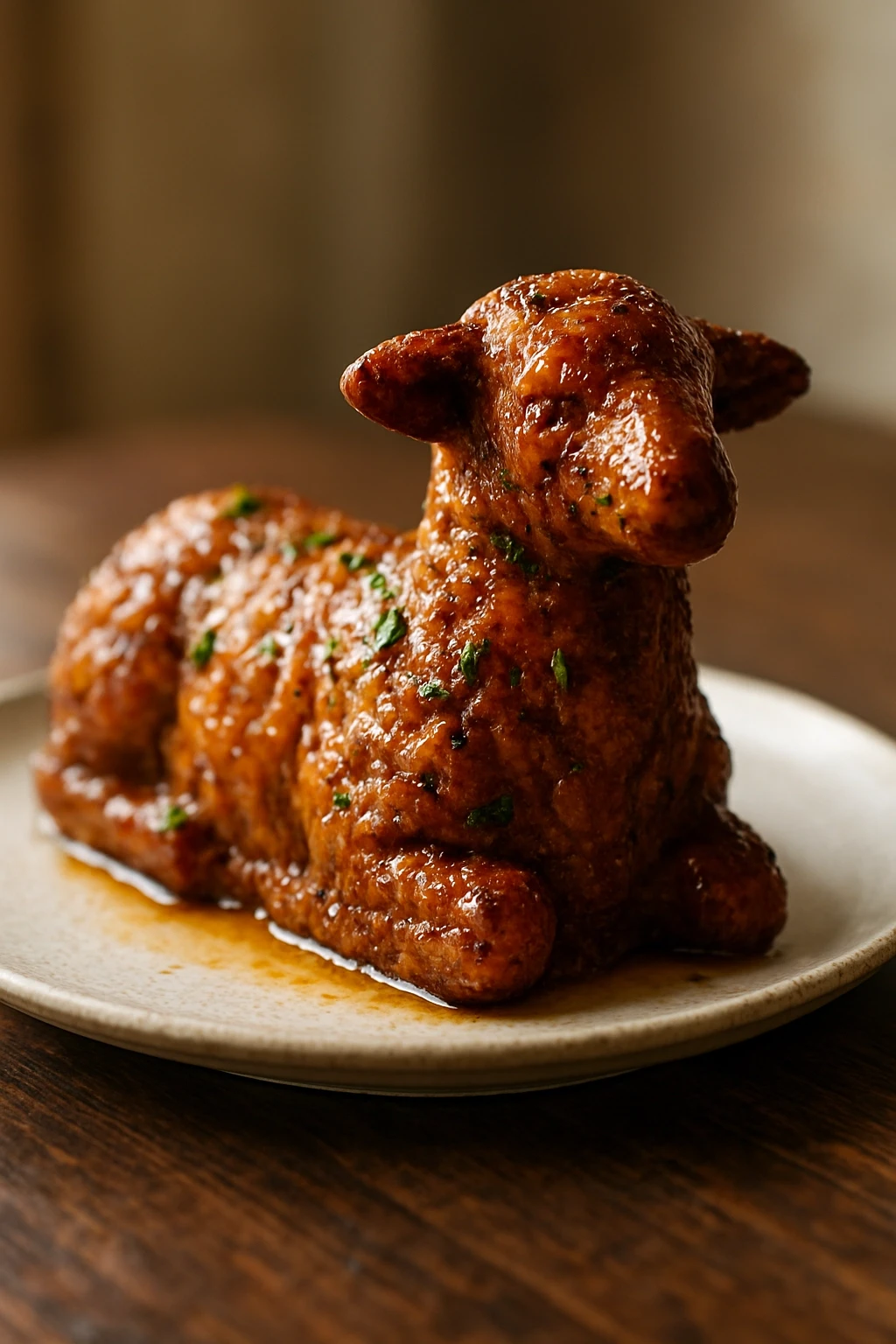
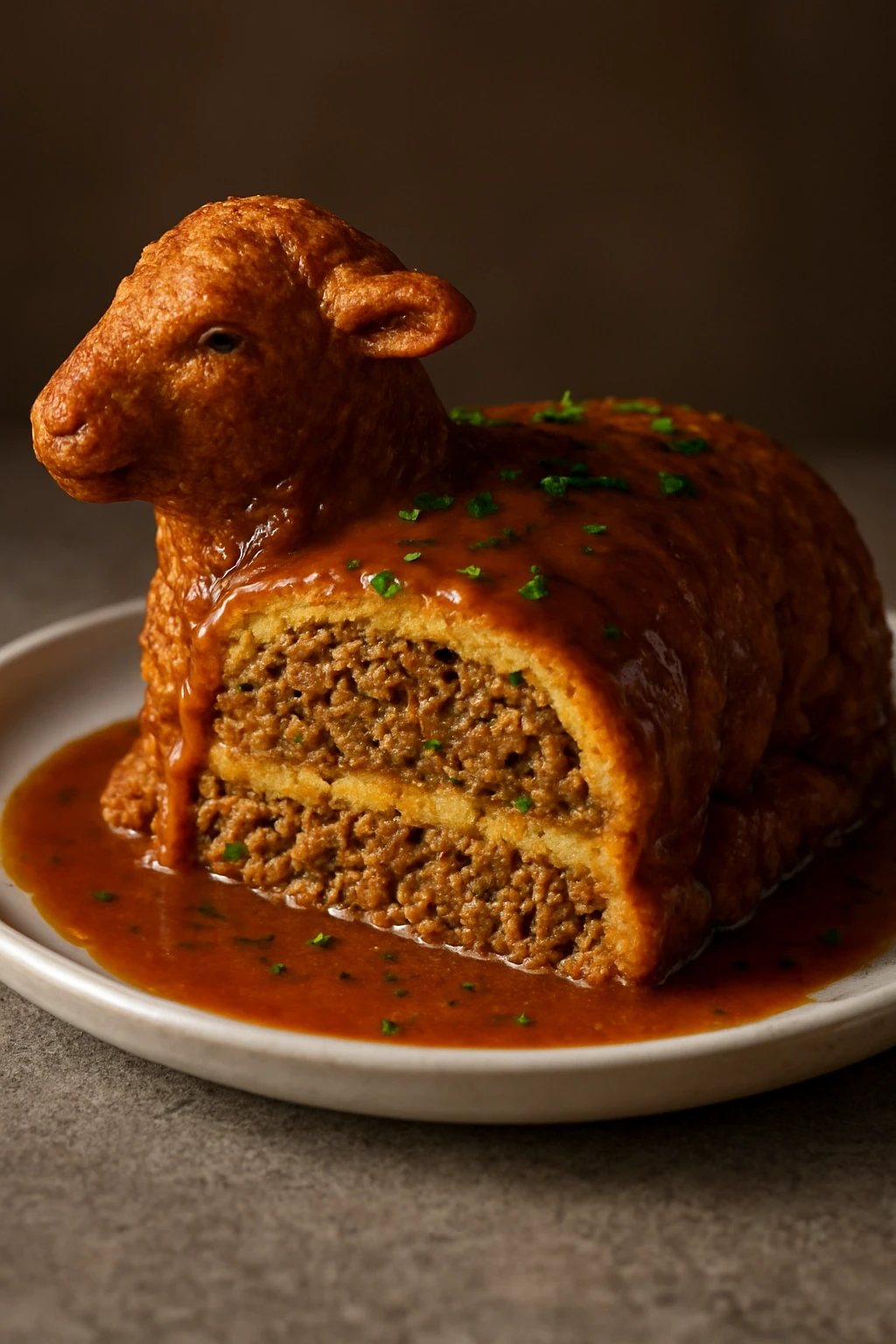
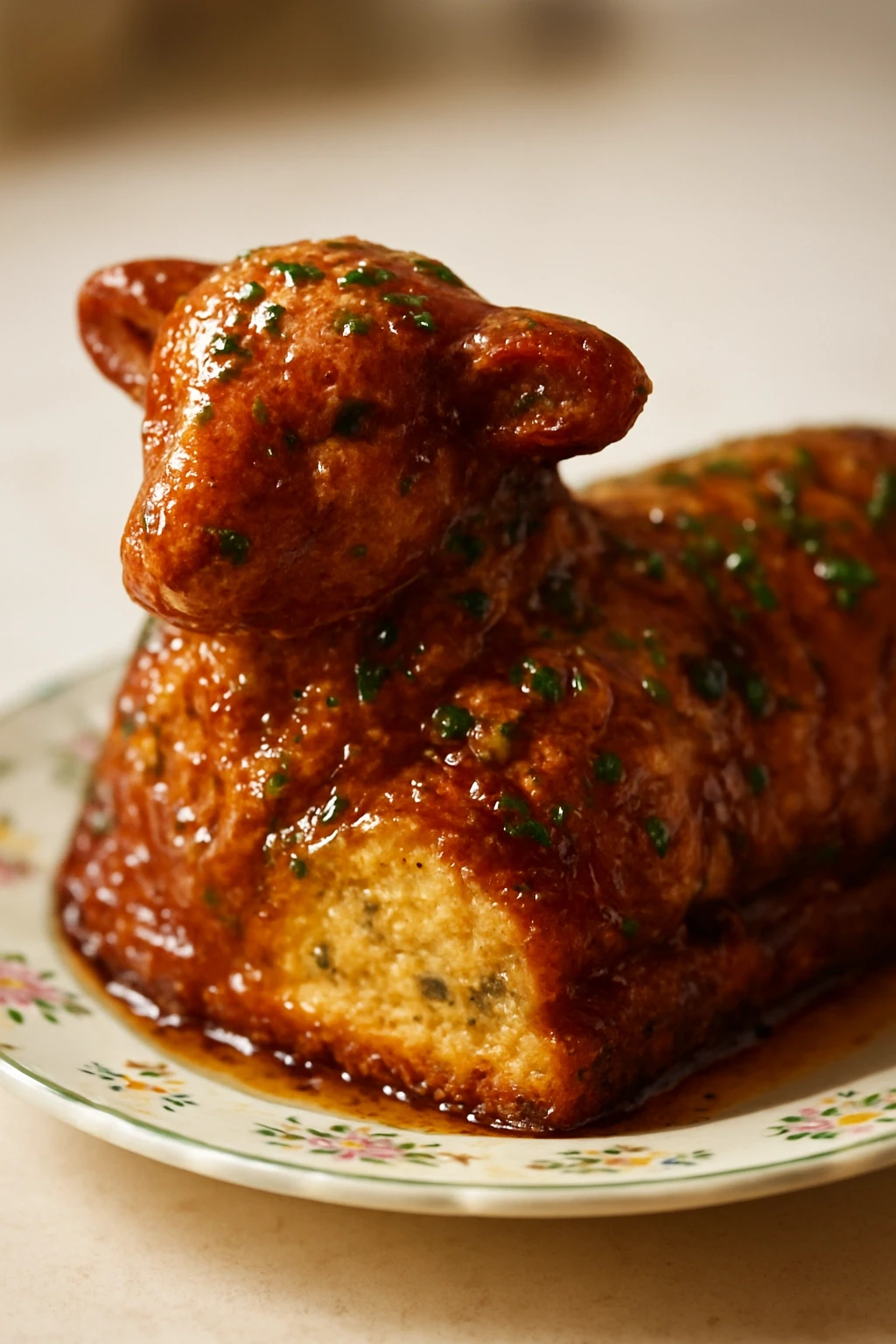
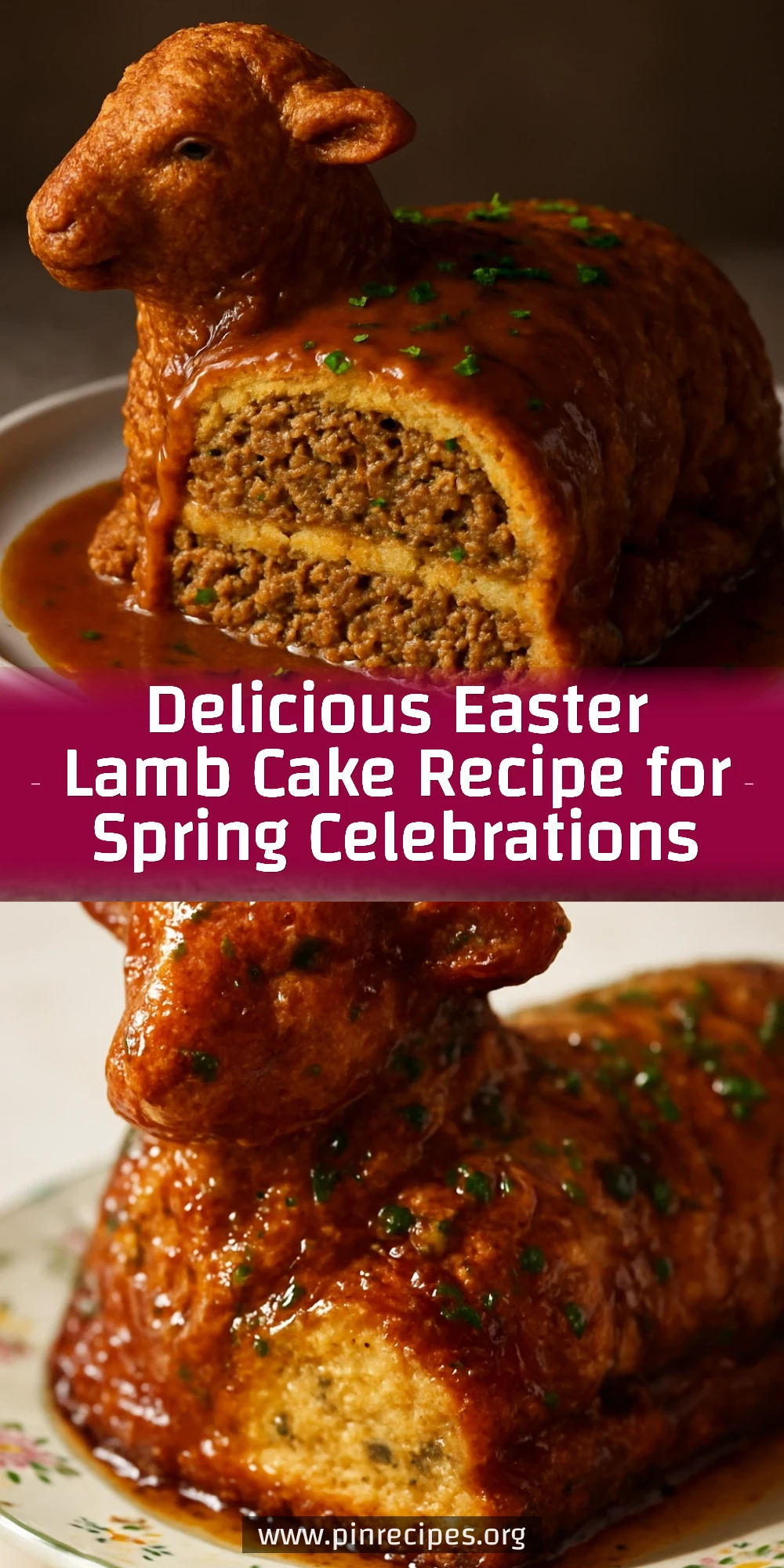
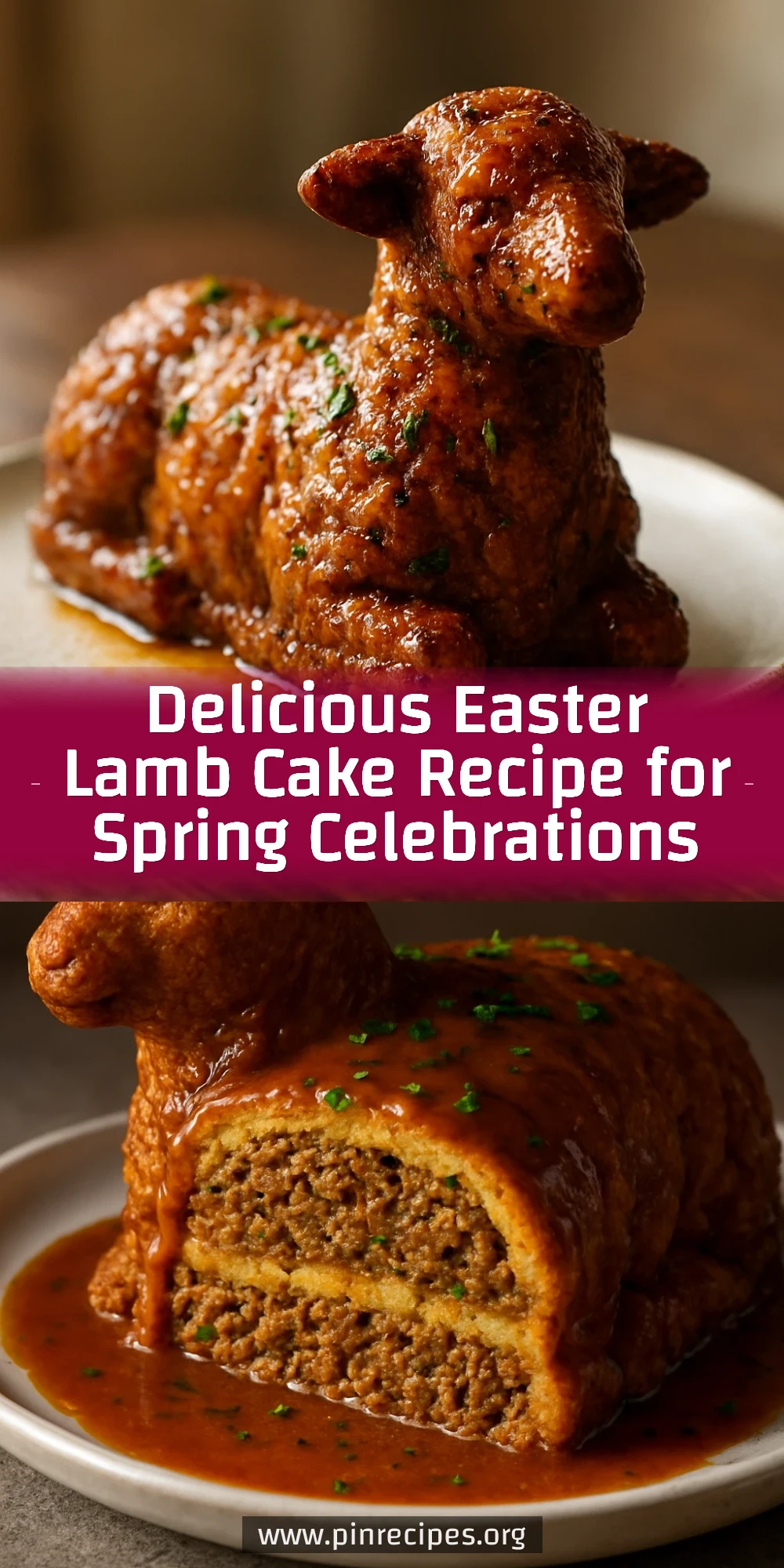
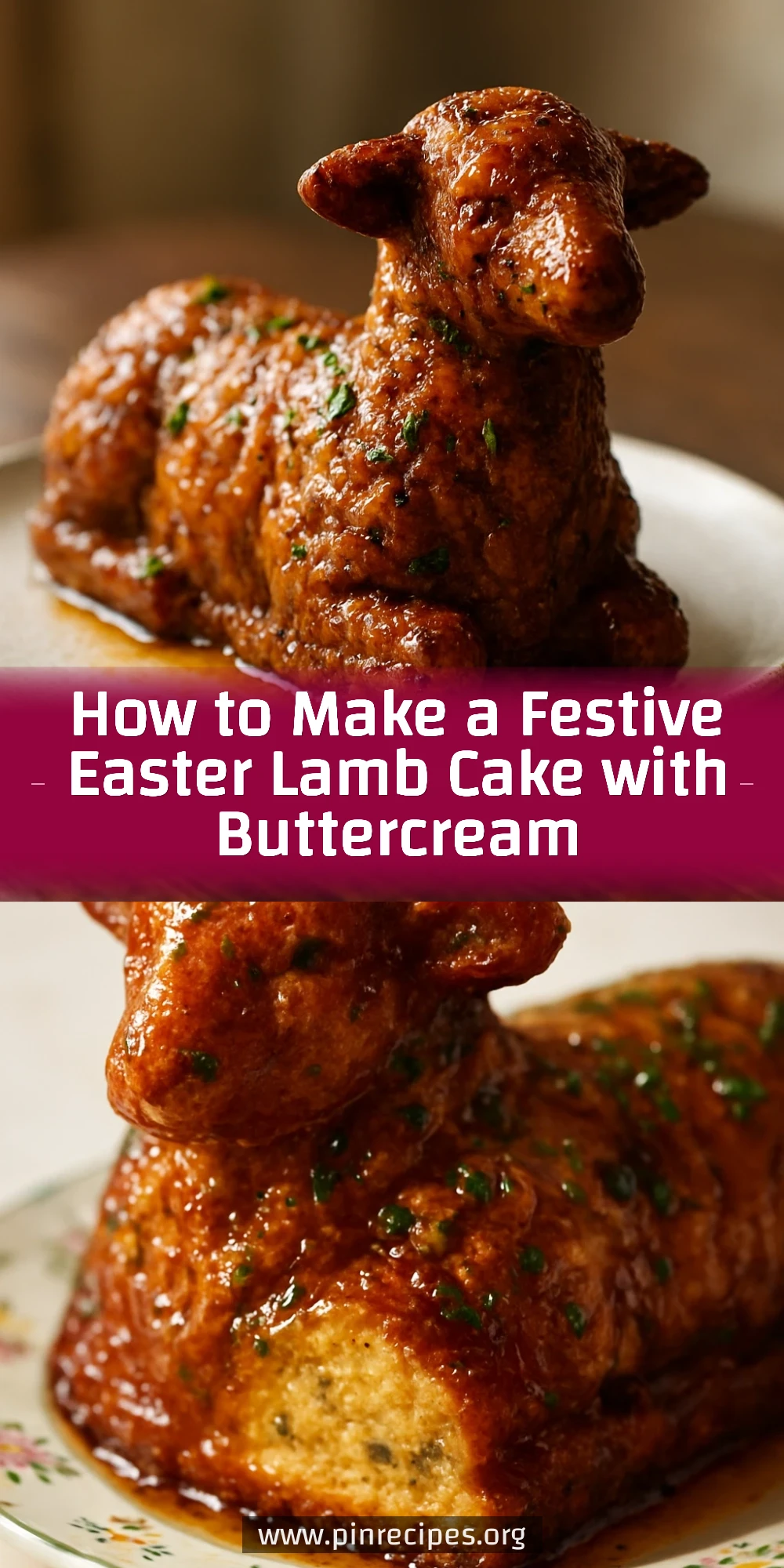
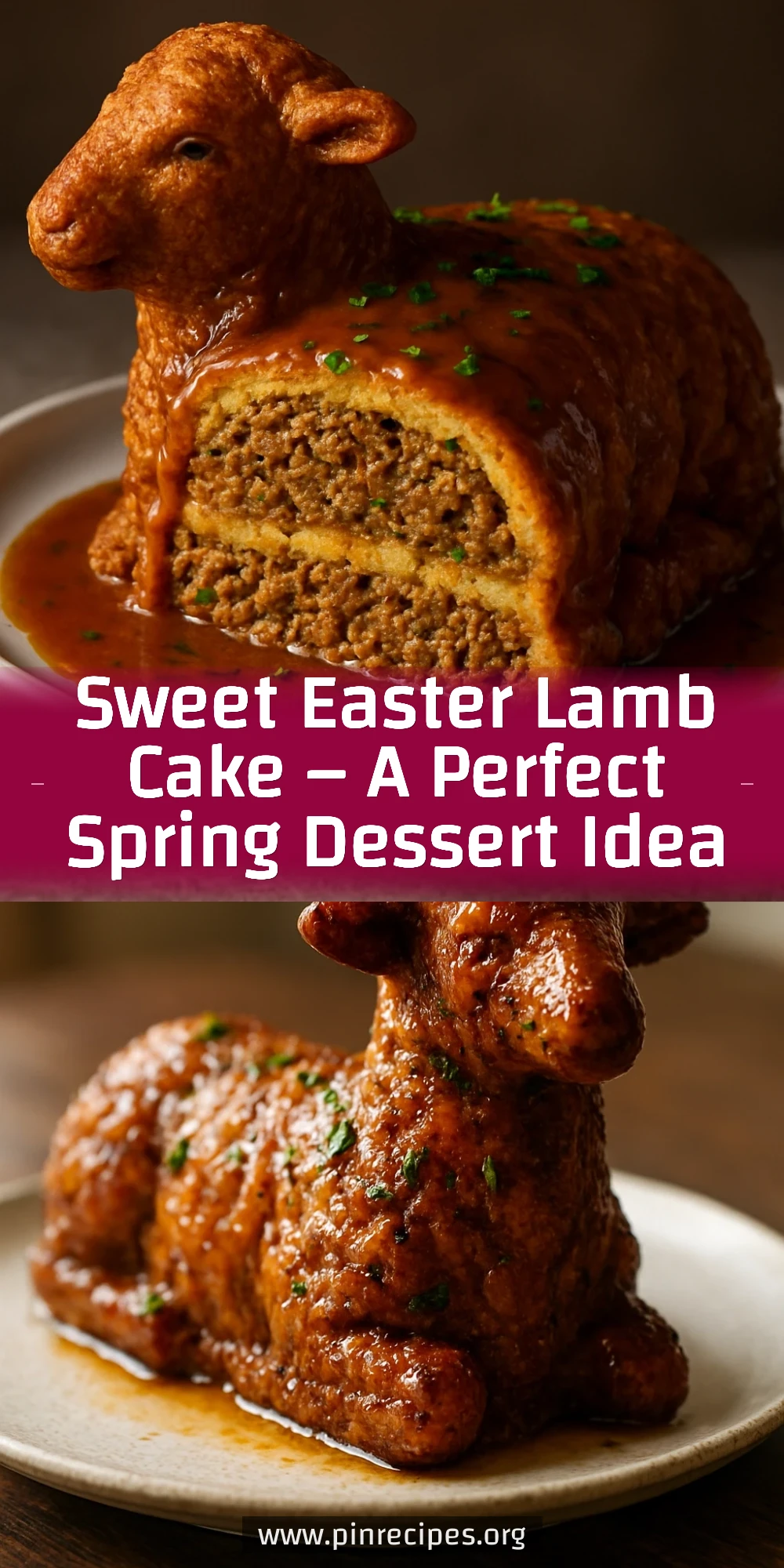
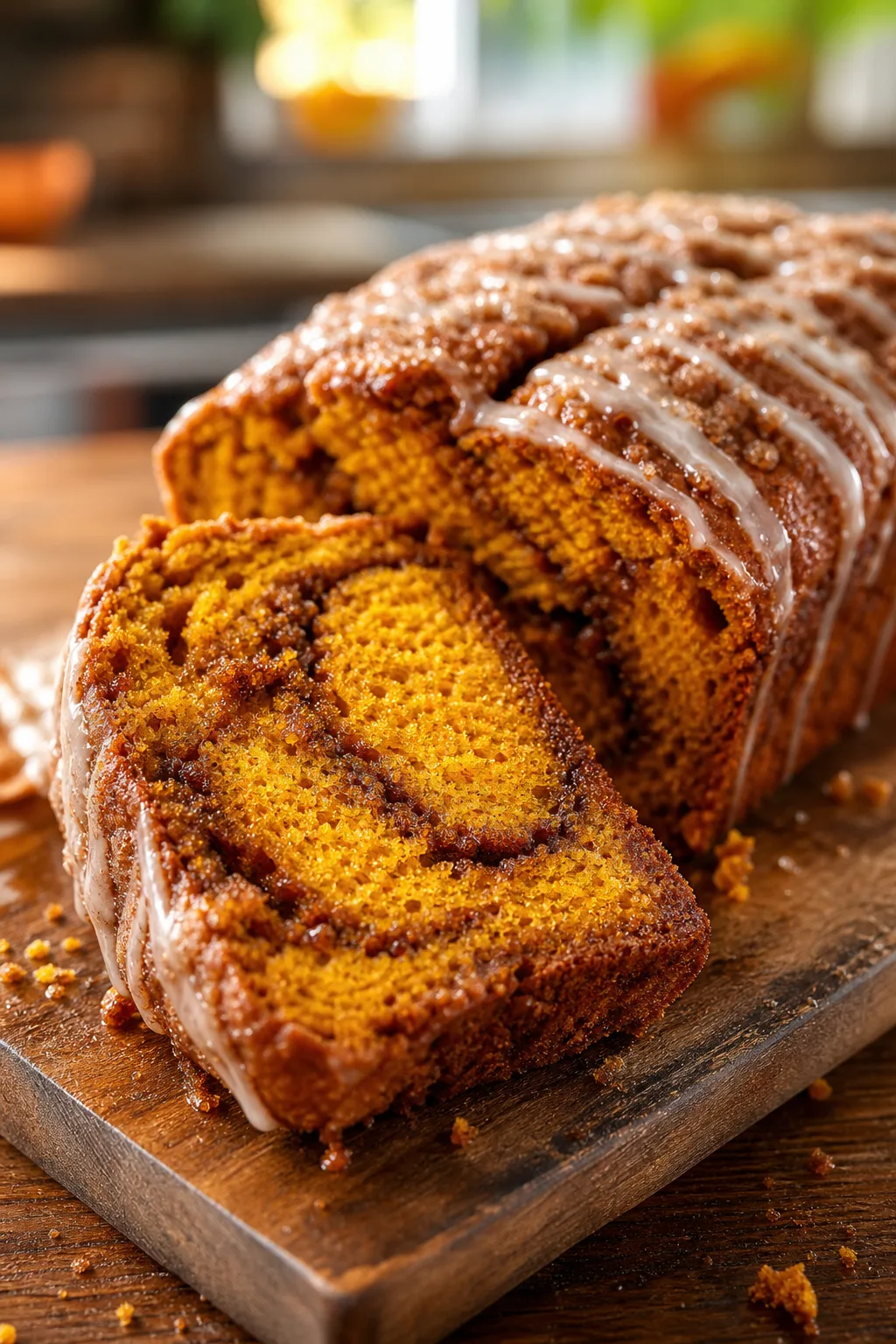
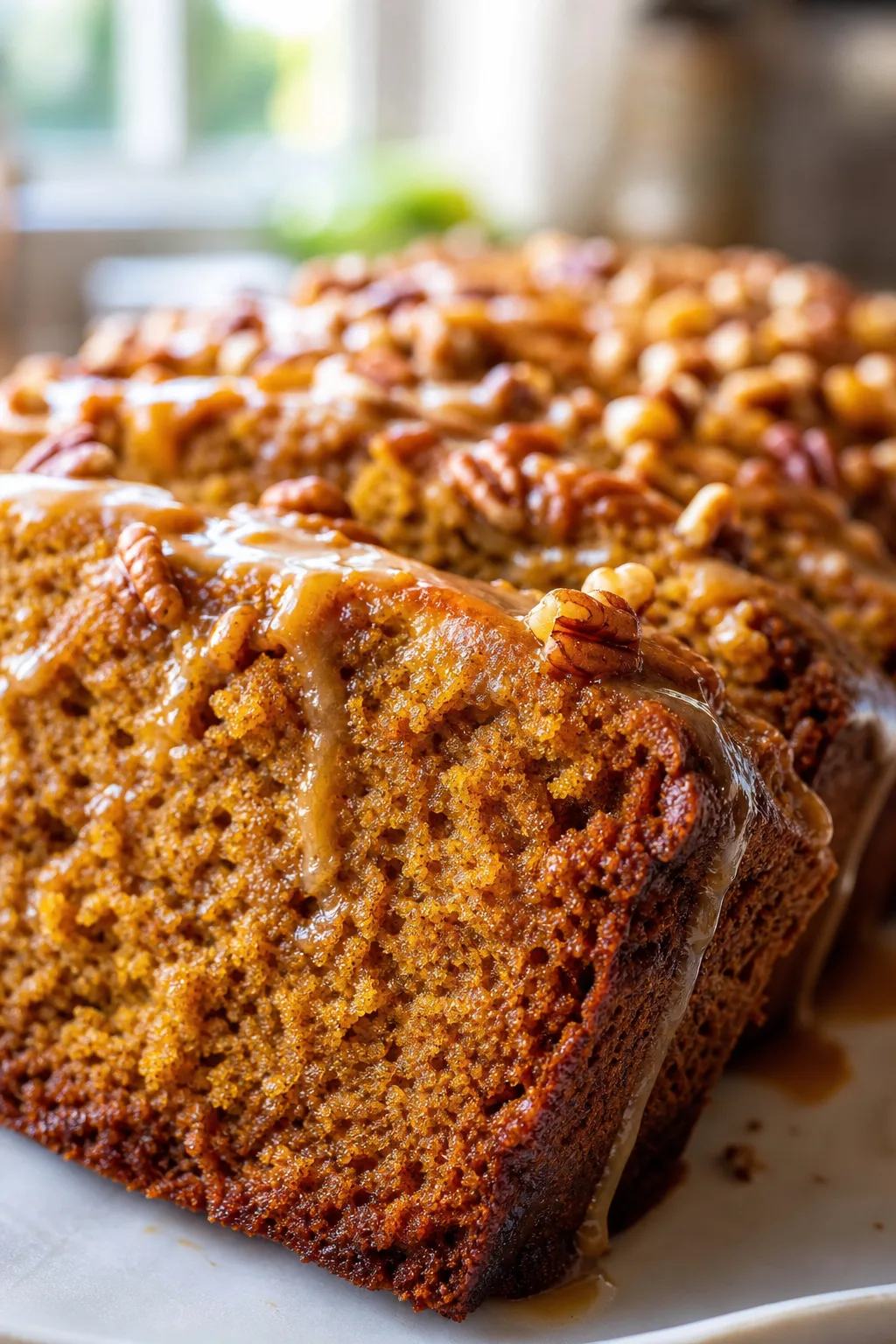
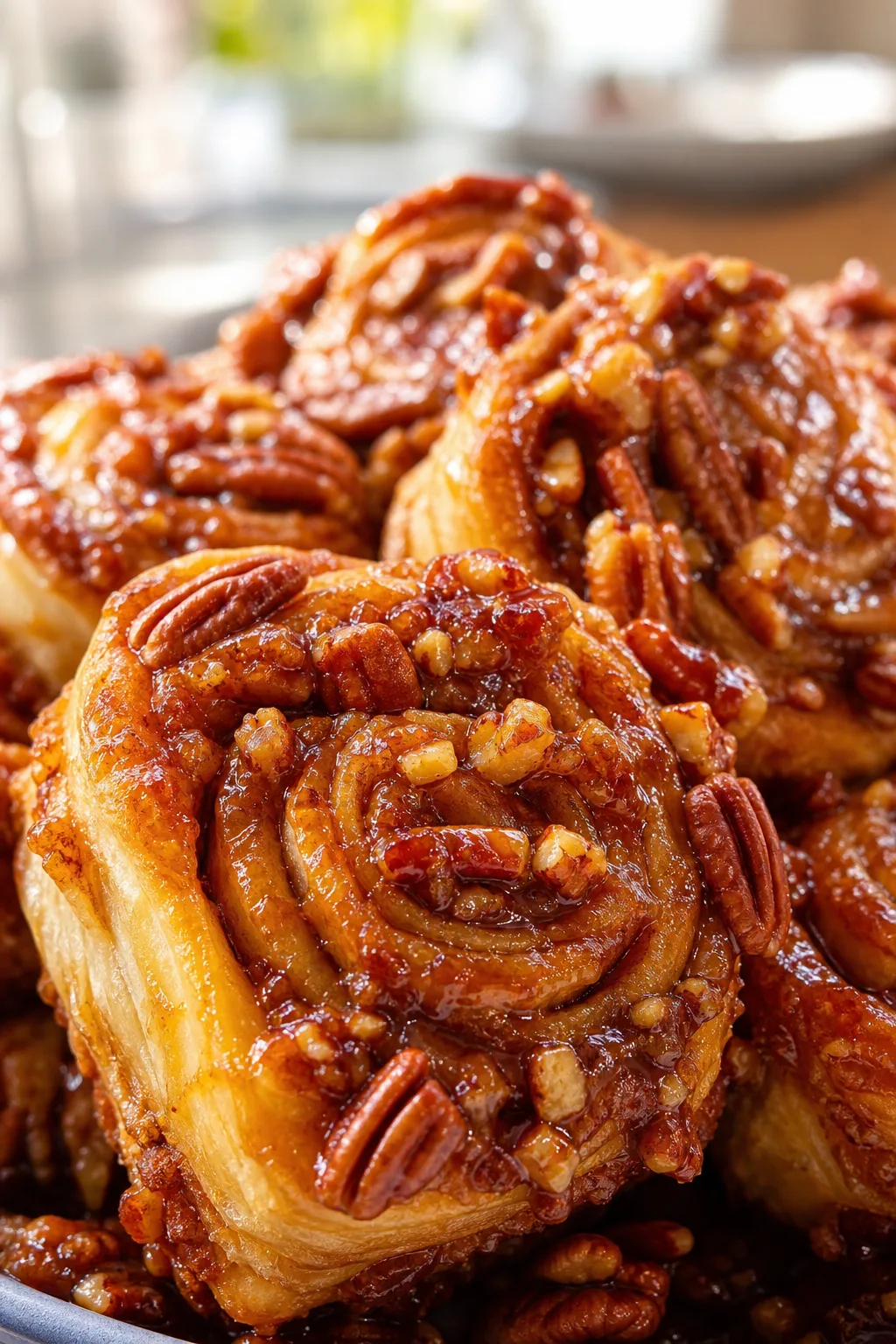
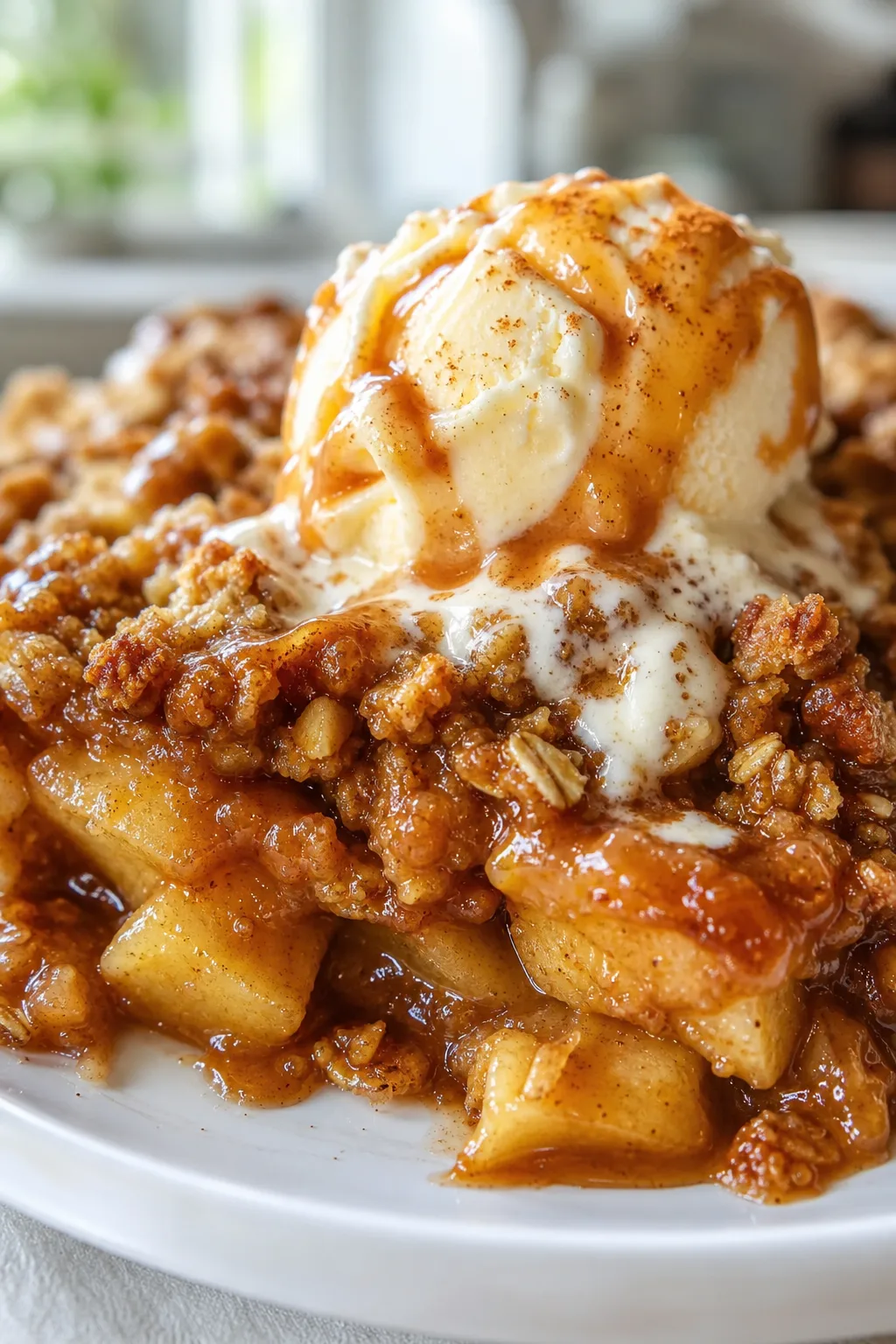
This charming Easter lamb cake is a nostalgic treat that’s both fun to make and delightful to serve. The secret? A tender sponge cake shaped perfectly and frosted with fluffy buttercream. Ideal for spring celebrations or family gatherings!
Introduction
I first baked this Easter lamb cake years ago when I wanted to bring a whimsical centerpiece to our family’s spring celebration. The charm of a cake shaped like a little lamb is unbeatable, especially when it’s homemade with love. What makes this version special is the tender, buttery sponge that stays moist and soft, paired with a rich, silky buttercream that’s just sweet enough without overpowering the cake. I’ve tried other recipes that ended up dry or crumbly, but the trick I learned was to carefully balance the wet and dry ingredients and not overmix the batter. The frosting is whipped to perfection, light and fluffy, which makes decorating the lamb’s fluffy coat so satisfying. Plus, the little candy eyes and nose add a playful touch that always gets smiles. When it’s all assembled, the cake looks like a sweet lamb ready to hop onto your Easter table. It’s perfect for family gatherings or any springtime party where you want to impress with a homemade, festive dessert. The process takes some patience, but the result is so worth it—soft cake, creamy frosting, and a cute presentation that’s as fun to make as it is to eat.
What You'll Need
One 3D lamb-shaped cake, serving approximately 8
- 2 cups all-purpose flour, sifted
- 1 1/2 cups granulated sugar
- 4 large eggs, room temperature
- 1 cup unsalted butter, softened
- 1 cup whole milk, room temperature
- 2 1/2 teaspoons baking powder
- 1/2 teaspoon salt
- 1 tablespoon vanilla extract
- Buttercream frosting: 1 cup unsalted butter, softened
- 4 cups powdered sugar, sifted
- 2 teaspoons vanilla extract
- 2-4 tablespoons milk or cream
- Food coloring (optional, for decoration)
- Decorative eyes and nose candies
How To Do It
Step 1
Preheat your oven to 350°F (175°C) and grease your lamb-shaped cake mold thoroughly with butter, then lightly dust with flour. This step ensures the cake releases easily without sticking or breaking apart. Proper greasing is crucial because the intricate shape of the mold can trap batter in corners, so take your time to cover every nook. Avoid using too much flour, as it can create a dry crust on the cake’s surface. If you don’t have a lamb mold, a bundt pan or loaf pan can be used, but the charming shape will be lost.
⏱ Time: 10 minutes
✓ Doneness: The mold feels evenly greased with no dry spots; a light dusting of flour clings uniformly.
Step 2
In a large bowl, cream the softened butter and granulated sugar together using an electric mixer on medium speed until the mixture is pale and fluffy—about 5 minutes. This aeration step is key to a light cake texture because it traps tiny air bubbles that expand during baking. If you rush this or skip it, the cake will be dense and heavy. Scrape down the sides of the bowl occasionally to ensure even mixing.
⏱ Time: 5 minutes
✓ Doneness: Butter and sugar mixture looks lighter in color and has a fluffy, airy texture.
Step 3
Add the eggs one at a time, beating well after each addition to fully incorporate them. Adding eggs slowly helps maintain the batter’s emulsion and prevents it from curdling, which can cause a grainy texture. If your eggs are cold, they can cause the butter to seize, so make sure they’re at room temperature. If the batter looks curdled, don’t worry—it usually smooths out once the dry ingredients are added.
⏱ Time: 3 minutes
✓ Doneness: Batter looks smooth and glossy after all eggs are incorporated.
Step 4
In a separate bowl, whisk together the sifted flour, baking powder, and salt. Sifting aerates the flour and removes lumps, ensuring an even rise and tender crumb. Baking powder is your leavening agent here, so make sure it’s fresh for the best lift. Salt balances the sweetness and enhances flavor.
⏱ Time: 2 minutes
✓ Doneness: Dry ingredients are evenly combined with no visible clumps.
Step 5
Add the dry ingredients to the butter mixture alternately with the milk, beginning and ending with the dry ingredients. Mix gently on low speed just until combined after each addition to avoid overworking the batter, which can develop gluten and make the cake tough. The batter should be smooth but slightly thick. Stir in the vanilla extract last for a fragrant finish.
⏱ Time: 5 minutes
✓ Doneness: Batter is smooth, thick but pourable, with no streaks of flour.
Step 6
Pour the batter into the prepared lamb mold, smoothing the top with a spatula. Tap the mold gently on the counter to release any large air bubbles that might cause holes or tunnels in the cake. This step is important to ensure an even crumb and a smooth surface for frosting. Avoid overfilling the mold to prevent batter spilling over during baking.
⏱ Time: 5 minutes
✓ Doneness: Batter evenly fills the mold with a smooth surface and no large bubbles.
Step 7
Bake the cake for 45-50 minutes or until a toothpick inserted into the thickest part comes out clean. Ovens vary, so start checking at 40 minutes. Avoid opening the oven door too early, as temperature fluctuations can cause the cake to sink. Once done, let the cake cool in the mold for 15 minutes before gently turning it out onto a wire rack to cool completely. This resting prevents cracking and sticking.
⏱ Time: 50 minutes
✓ Doneness: Toothpick inserted in center comes out clean; cake springs back when lightly pressed.
Step 8
While the cake cools, prepare the buttercream frosting. Beat the softened butter on medium speed until creamy, then gradually add sifted powdered sugar, beating well after each addition. Add vanilla extract and milk or cream a tablespoon at a time until you reach a light, spreadable consistency. Whip on high speed for a few minutes to get a fluffy texture perfect for piping the lamb’s woolly coat.
⏱ Time: 15 minutes
✓ Doneness: Frosting is smooth, light, and holds soft peaks.
Step 9
Once the cake is completely cool, frost it with the buttercream using a spatula or piping bag fitted with a star tip to create the lamb’s fluffy texture. Take your time to cover all surfaces evenly. Add candy eyes and a small candy nose to bring the lamb to life. Chill the decorated cake for at least 30 minutes to set the frosting before serving. This helps the frosting firm up and makes slicing easier.
⏱ Time: 20 minutes
✓ Doneness: Frosting is evenly piped with textured swirls; decorations are securely in place.
Pro Tips
Always use room temperature ingredients for the batter.
Room temperature butter, eggs, and milk combine more easily, creating a smooth, stable batter. Cold ingredients can cause curdling or uneven mixing, which leads to a dense or uneven crumb texture in the finished cake.
Don’t overmix the batter once the flour is added.
Overmixing develops gluten, making the cake tough instead of tender. Mixing just until combined ensures a delicate crumb and prevents the cake from becoming chewy or dense.
Tap the filled cake mold gently before baking.
This releases trapped air bubbles that can cause holes or tunnels in the cake. A smooth batter surface also helps the cake rise evenly and look better when unmolded.
Let the cake cool completely before frosting.
Applying frosting to a warm cake melts the buttercream and causes it to slide off or become greasy. A cooled cake holds the frosting better and allows for neater decoration.
Use a piping bag with a star tip for the lamb’s woolly coat.
This technique creates texture that mimics fluffy lamb’s wool. It’s easier to pipe consistent rosettes or swirls, giving the cake a professional and charming look.
Chill the decorated cake before slicing.
Chilling firms up the buttercream, making slices cleaner and preventing smudging. It also helps the cake hold its shape during serving.
Check your baking powder’s freshness before starting.
Expired baking powder won’t produce enough rise, resulting in a dense cake. To test, mix a small amount with hot water; it should fizz vigorously if fresh.
Common Mistakes to Avoid
Using cold eggs straight from the fridge
Why it happens Many home cooks forget to plan ahead and add eggs directly from the fridge, assuming it won’t affect the batter.
Fix Allow eggs to come to room temperature before using them. If pressed for time, place eggs in a bowl of warm water for 10-15 minutes. This prevents curdling and helps create a smooth, emulsified batter.
Overmixing after adding flour
Why it happens It’s tempting to mix thoroughly to avoid lumps, but overmixing develops gluten.
Fix Mix just until the flour is incorporated. Stop as soon as you see no dry streaks. Use a spatula to gently fold if needed instead of a mixer.
Not greasing the mold properly
Why it happens Rushing this step or using too little butter leads to sticking.
Fix Use softened butter and a pastry brush to coat every crevice of the mold, then dust with flour. This ensures the cake releases cleanly and keeps its shape intact.
Frosting a warm cake
Why it happens Impatience often leads to frosting before the cake cools.
Fix Wait until the cake is completely cool to the touch. This prevents the buttercream from melting and sliding off, giving you smooth, neat decoration.
Skipping the tap to release air bubbles
Why it happens It’s easy to pour batter and put it straight in the oven without tapping.
Fix Gently tap the filled mold on the counter a few times to release trapped air bubbles. This prevents large holes and helps the cake rise evenly.
Variations
Chocolate Easter Lamb Cake
Swap half the flour for cocoa powder and add 1/2 cup of melted dark chocolate to the batter for a rich twist. The chocolate flavor pairs beautifully with vanilla buttercream or a cream cheese frosting. Expect a denser texture but still moist and tender.
Note: Reduce baking powder slightly to prevent over-rising, and check doneness earlier as chocolate cakes can bake faster.
Lemon Zest and Poppy Seed Lamb Cake
Add 2 tablespoons of poppy seeds and the zest of one lemon to the batter for a fresh, spring-inspired flavor. Use lemon juice in the frosting instead of vanilla for a tangy finish. This version is lighter and more aromatic.
Note: Poppy seeds add texture, so fold them in gently at the end to avoid crushing them.
Gluten-Free Easter Lamb Cake
Use a gluten-free flour blend designed for baking in place of all-purpose flour. Add 1 teaspoon xanthan gum if not included in the blend to help with structure. The cake will be slightly more crumbly but still delicious and festive.
Note: Gluten-free batters often require gentle mixing and careful monitoring of baking time to avoid dryness.
Vegan Easter Lamb Cake
Replace eggs with flax eggs (1 tablespoon flaxseed meal + 3 tablespoons water per egg) and use plant-based butter and milk alternatives. The texture will be a bit denser and less airy but still moist and flavorful with vanilla notes.
Note: Whip the vegan butter well to incorporate air and compensate for the lack of eggs’ emulsifying power.
Almond and Honey Easter Lamb Cake
Add 1/2 cup finely ground almonds and replace half the sugar with honey for a nutty, naturally sweet flavor. Pair with a honey buttercream frosting for a harmonious taste. The cake will be moist with a slightly chewy crumb.
Note: Honey adds moisture and sweetness, so reduce other liquids slightly to maintain batter consistency.
Nutrition
Per Serving:
Nutritional values are estimates and may vary based on specific ingredients used.
Storage & Tips
Room Temperature
The decorated lamb cake can safely sit at room temperature for up to 6 hours if covered loosely with a cake dome or large bowl to prevent drying out. Avoid direct sunlight or warm spots that can soften the buttercream too much.
Refrigerator
Store the cake in an airtight container or cover it tightly with plastic wrap in the refrigerator for up to 4 days. The buttercream will firm up and the cake will stay moist. Bring to room temperature before serving for the best flavor and texture.
Freezer
Wrap the cooled, unfrosted cake tightly in plastic wrap and then foil to freeze for up to 2 months. Thaw overnight in the fridge before frosting and decorating. Freezing after frosting is not recommended as buttercream texture can degrade.
Reheating
This cake is best served at room temperature. If you prefer it warm, gently warm individual slices in the microwave for 10-15 seconds but avoid heating the whole cake to preserve the frosting and shape.
Make Ahead
Bake the cake 1-2 days ahead and store wrapped at room temperature or refrigerated. Prepare the buttercream frosting the day before and keep chilled. Assemble and decorate the day of serving for the freshest appearance and taste.
FAQ
Can I use a different shaped mold if I don’t have a lamb mold?
Absolutely! You can use a bundt pan, loaf pan, or even round cake pans. The lamb shape is charming but not essential. Just keep in mind that the baking time may vary with different molds, so check doneness earlier or later as needed.
What if my cake sticks to the mold when I try to remove it?
This usually happens if the mold wasn’t greased well or the cake wasn’t cooled enough. To fix, run a thin knife gently around the edges before flipping. Next time, make sure to butter every crevice and dust lightly with flour. Let the cake cool 10-15 minutes before unmolding.
How do I fix a curdled batter?
If your batter looks curdled after adding eggs, don’t panic. Sometimes it happens if ingredients are too cold or added too quickly. Continue mixing gently and add a tablespoon of flour to help bring it back together. Usually, it smooths out once the dry ingredients are fully incorporated.
Can I make the buttercream frosting ahead of time?
Yes! Buttercream can be made 1-2 days ahead and stored in an airtight container in the fridge. Before using, let it come to room temperature and whip it again to restore fluffiness. This makes decorating easier on the day of serving.
What’s the best way to color the frosting?
Use gel or paste food coloring for vibrant colors without thinning the frosting. Add a little at a time and mix thoroughly to avoid streaks. Liquid food coloring can make the frosting too soft, so it’s best avoided.
How do I keep the frosting from melting in warm weather?
Keep the cake refrigerated until shortly before serving. Use a buttercream recipe with a higher powdered sugar ratio for more stability. Avoid placing the cake in direct sunlight or hot rooms, as buttercream melts easily.
Can I substitute the buttercream with cream cheese frosting?
You can, but cream cheese frosting is softer and less stable, especially in warm conditions. It also has a tangier flavor that changes the cake’s profile. If you choose cream cheese, refrigerate the cake and serve it cold.
How do I avoid large air pockets inside the cake?
Tapping the mold gently on the counter before baking helps release trapped air bubbles. Also, mix the batter just until combined to avoid incorporating excess air that can create big holes.
Final Thoughts
I hope you give this festive Easter lamb cake a try—it’s such a joyful centerpiece and a delicious treat. Don’t forget to share your creations; I’d love to see how your lamb turns out!