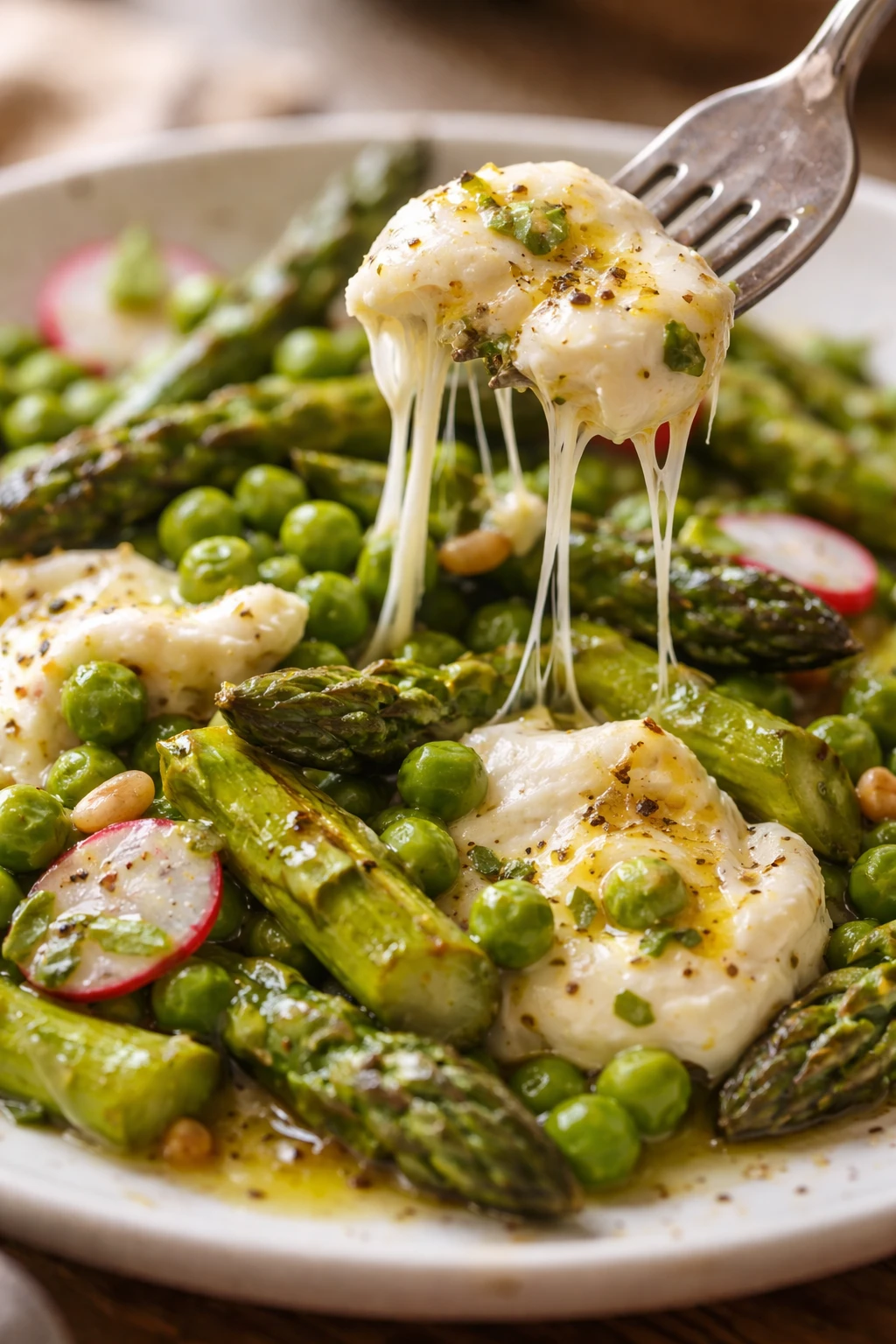
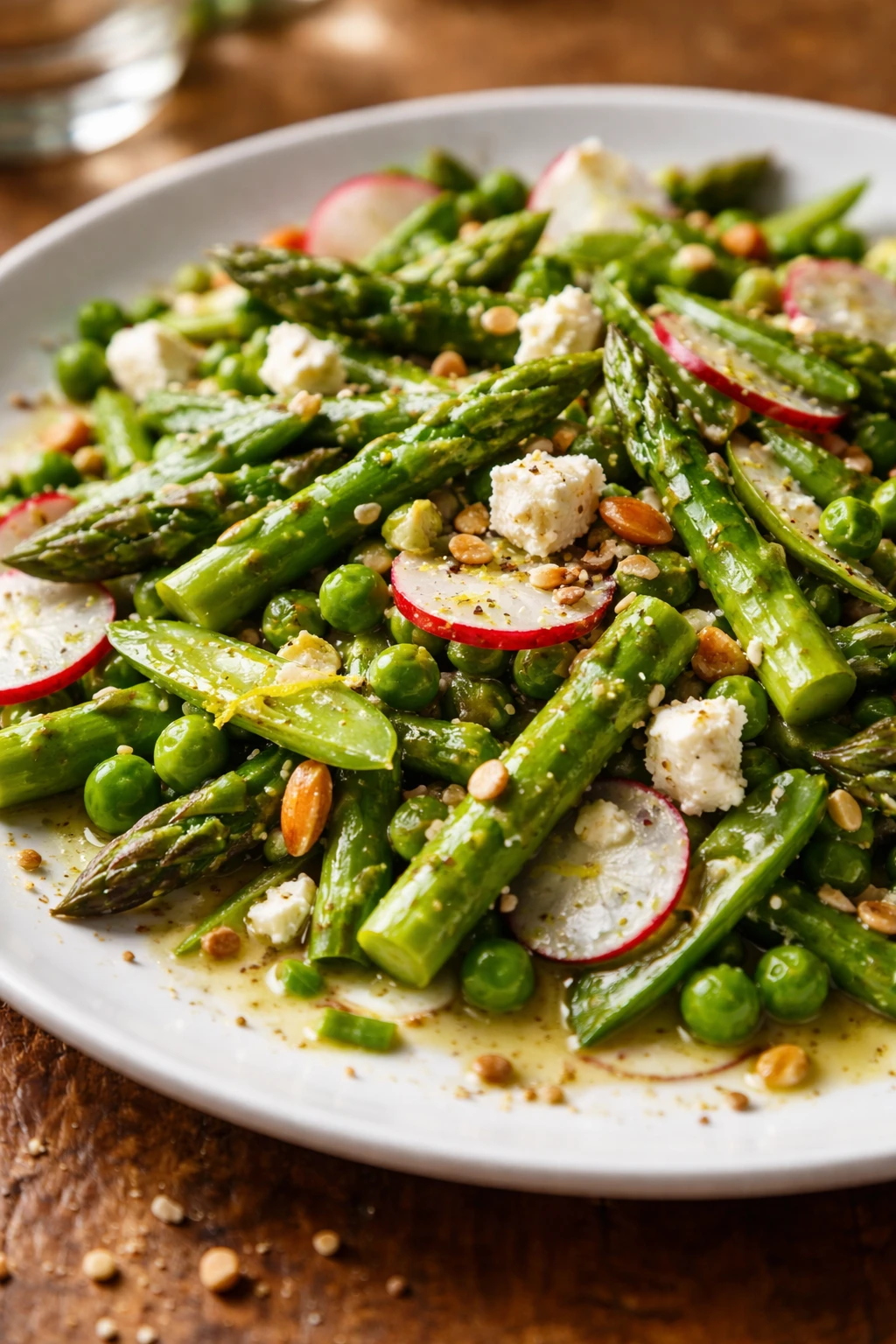
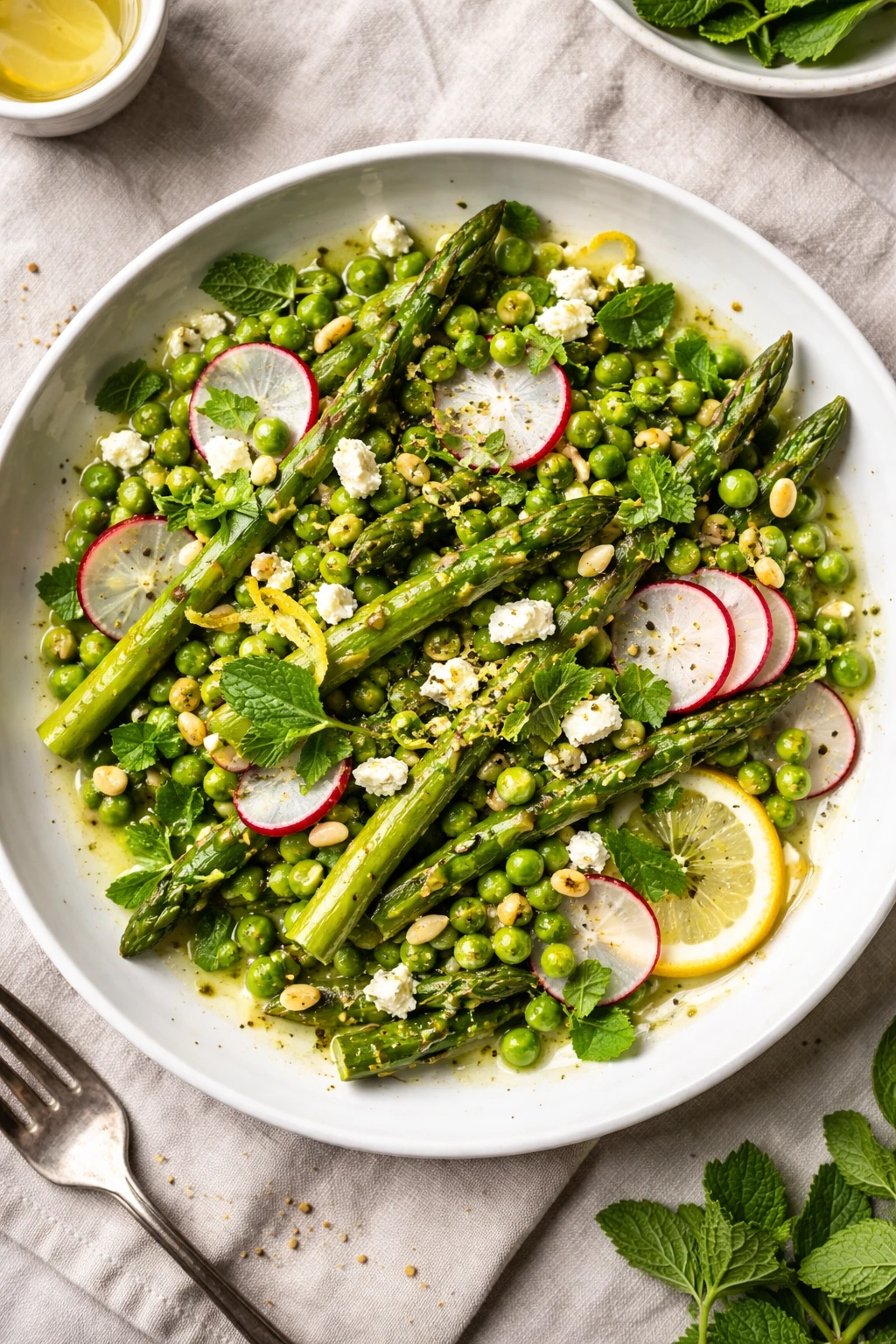
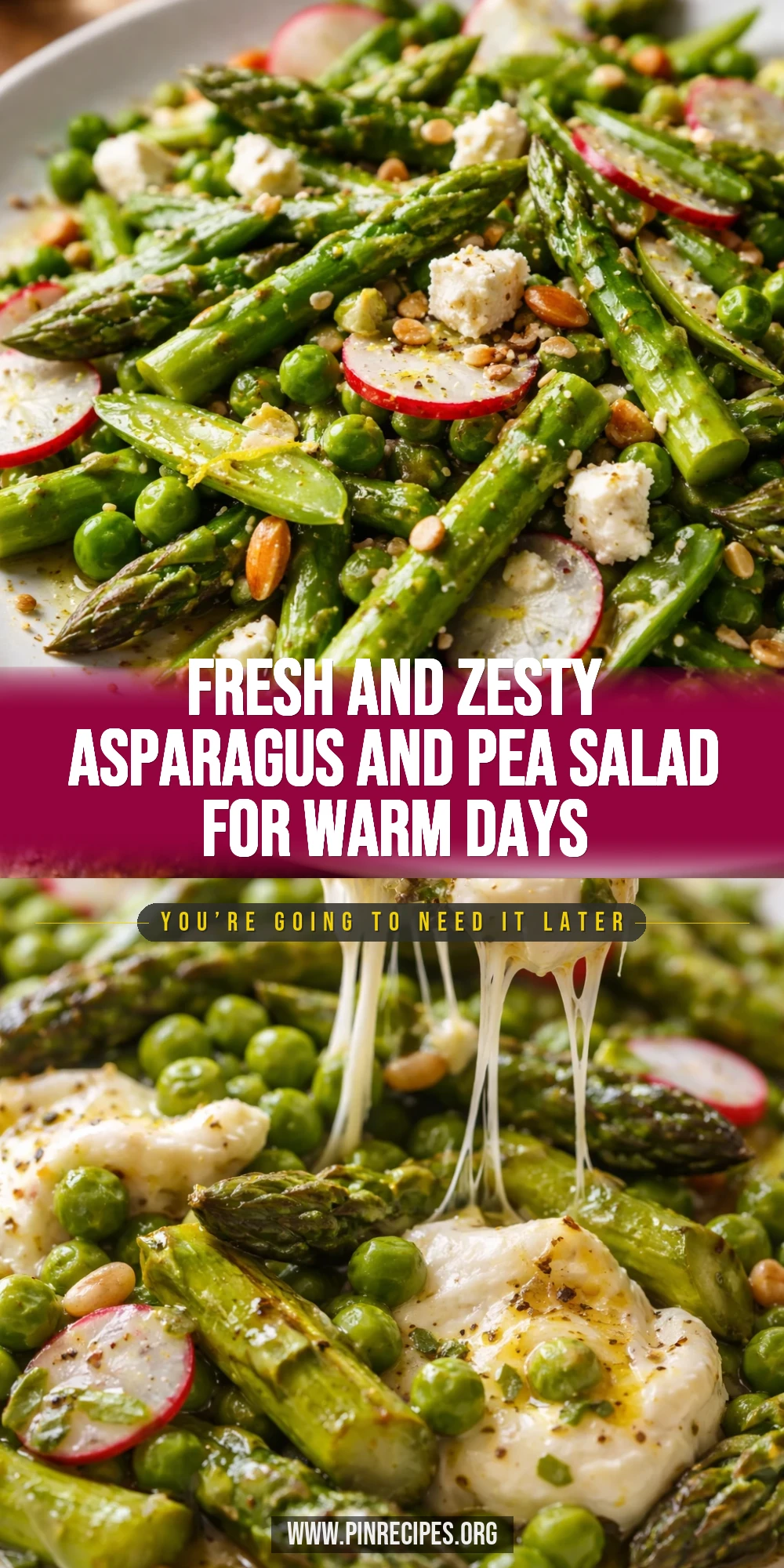
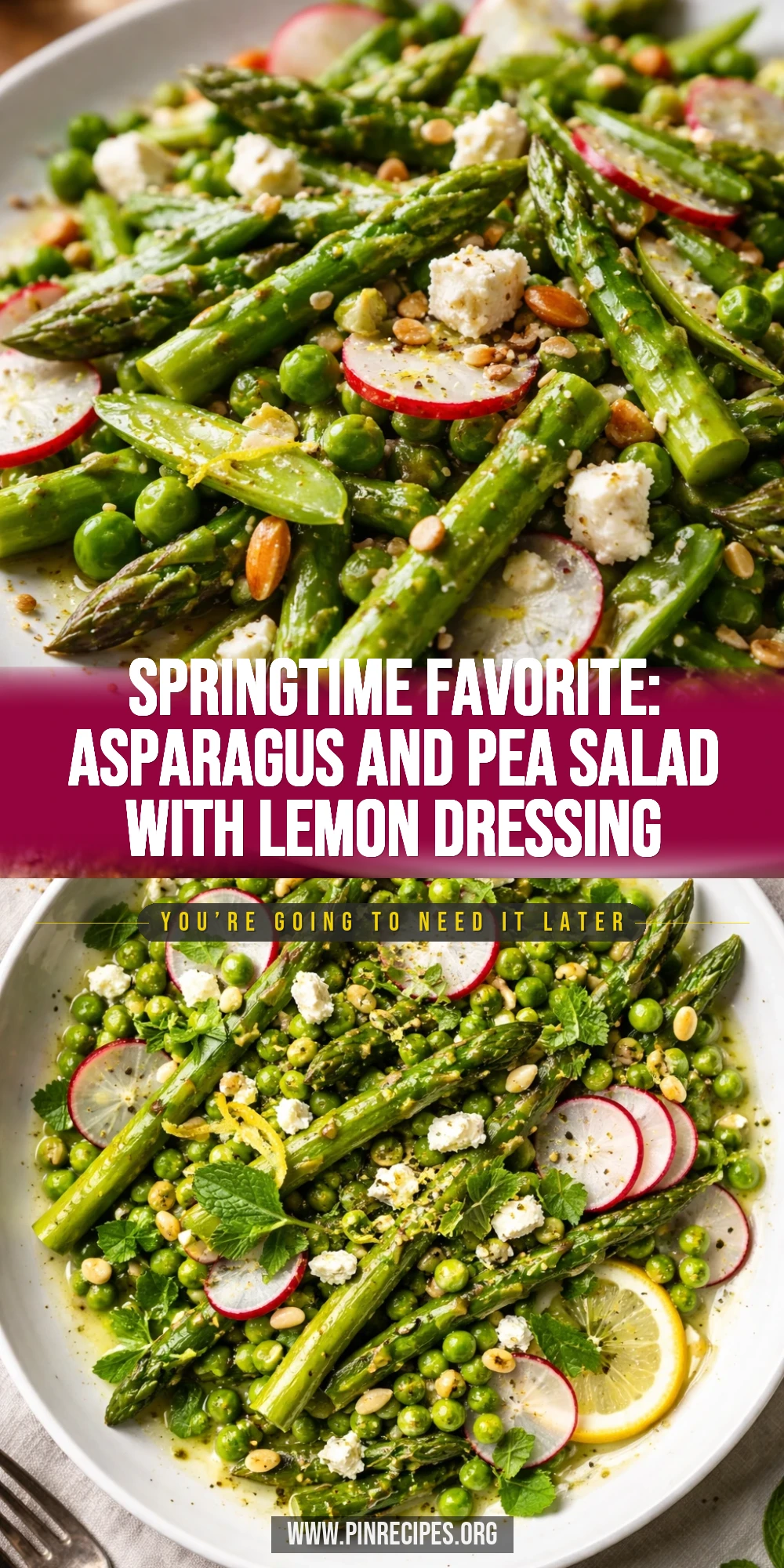
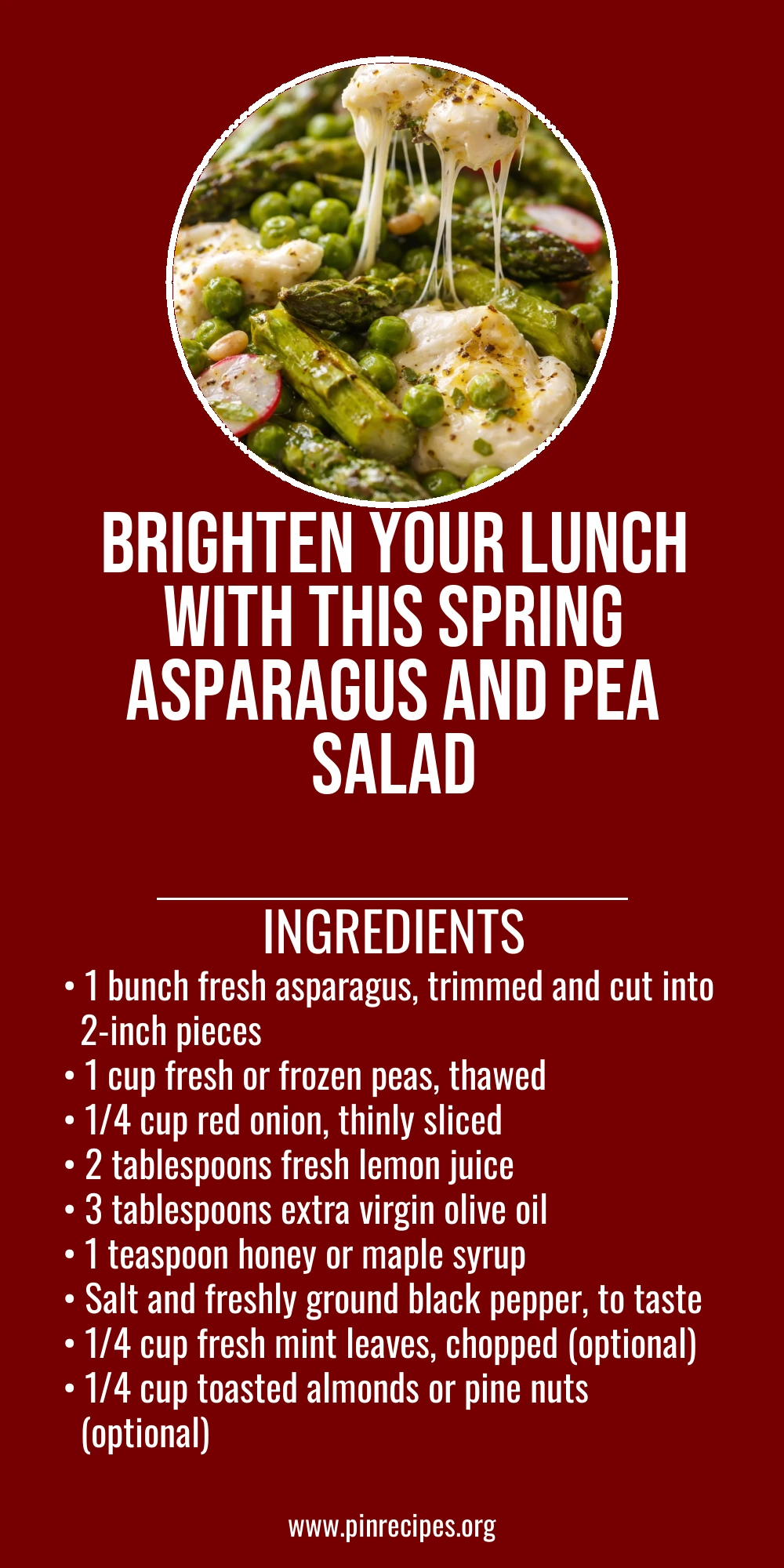
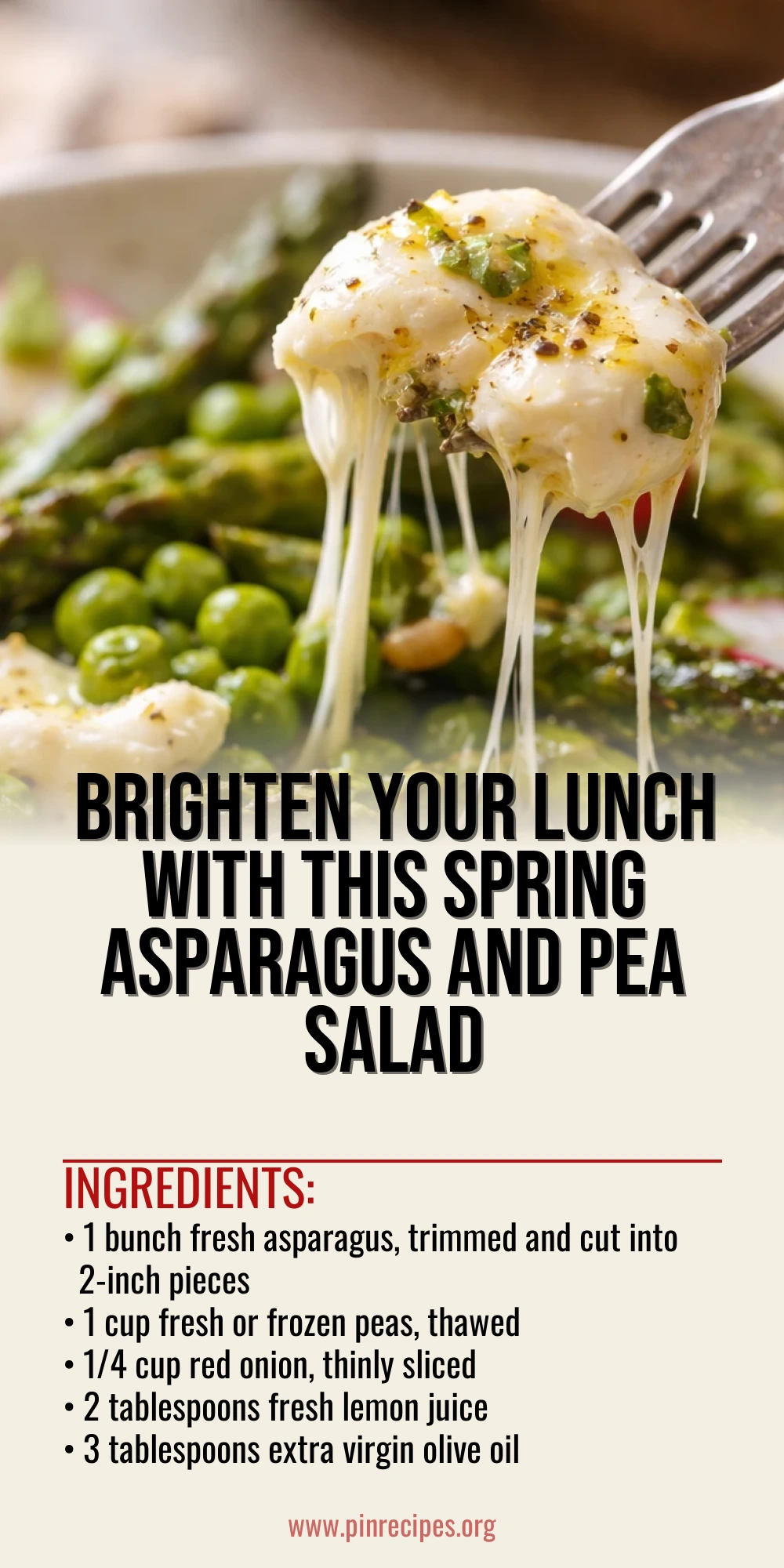
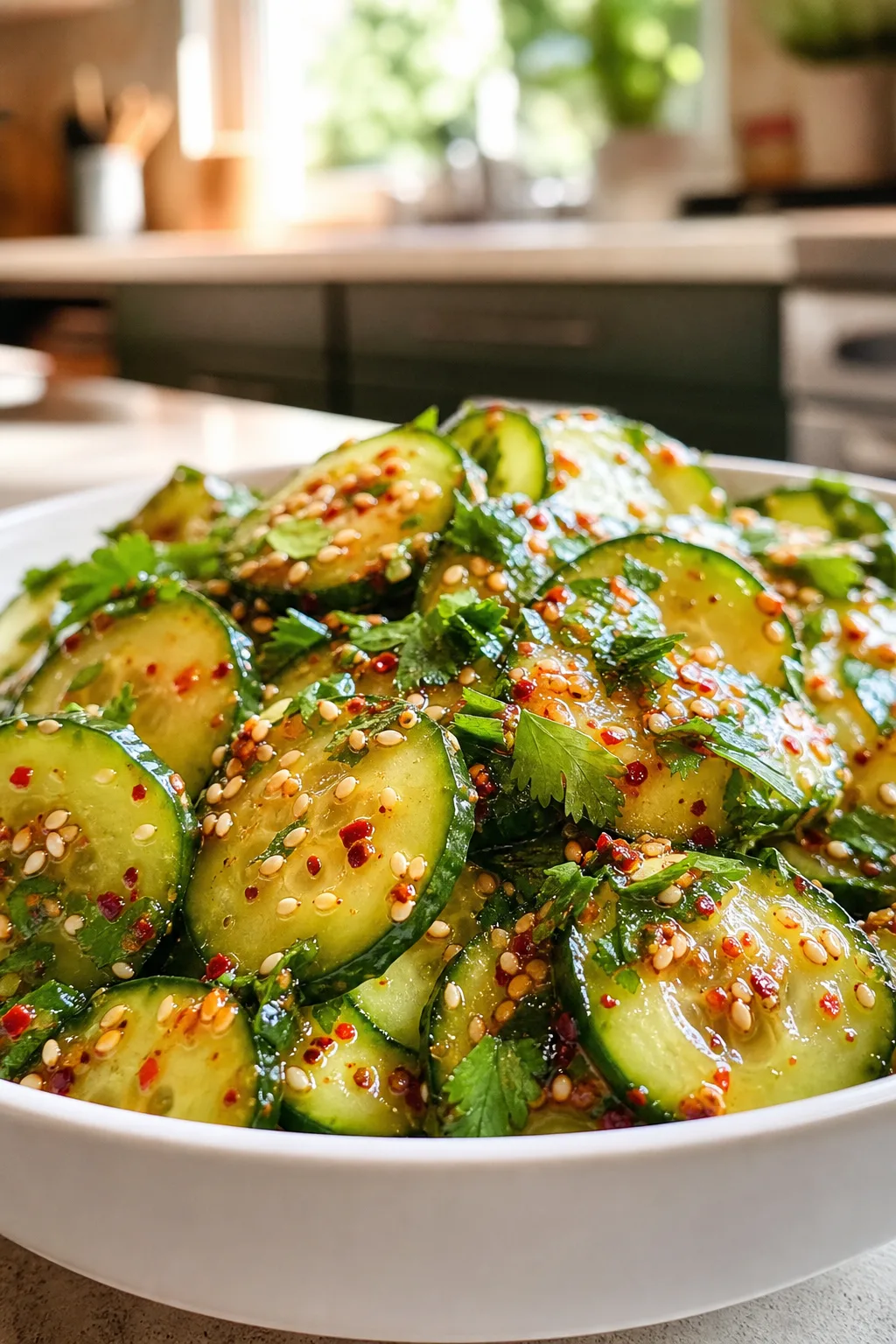
Bright and crisp, this asparagus and pea salad is a springtime delight. The lemon vinaigrette adds a fresh zing, making it perfect for light lunches or as a side on warm days.
Introduction
I first stumbled upon this asparagus and pea salad during an early spring farmers market visit when the veggies were just starting to pop up. I wanted something light but satisfying that really showcased those fresh, green flavors. This version is my go-to because it’s quick, vibrant, and uses a simple lemon vinaigrette that really brightens everything up. What sets this salad apart is the way I lightly blanch the asparagus — just enough to keep a little crunch but soften the edges, which makes the texture perfect. Plus, the peas add a sweet pop that balances the tangy dressing. I love serving this as a fresh side for weekend lunches or even as a light dinner on warmer days. It’s one of those recipes that feels fancy but is so easy to pull together, and my family always asks for seconds. If you’re looking for a spring salad that’s fresh, healthy, and full of bright flavors, this one’s definitely worth trying.
How To Do It
Step 1
Bring a large pot of salted water to a boil. Add the asparagus pieces and blanch them for about 2-3 minutes until they turn bright green but still have a slight crunch. Blanching softens the asparagus just enough to be tender but keeps its vibrant color and texture. Be careful not to overcook, or they’ll become mushy and lose that fresh snap. Once blanched, immediately transfer the asparagus to an ice water bath to stop the cooking process and keep that crispness intact.
⏱ Time: 10
✓ Doneness: Asparagus is bright green and tender-crisp, not limp or dull in color.
Step 2
While the asparagus cools, prepare the lemon vinaigrette. In a small bowl, whisk together the fresh lemon juice, olive oil, honey (or maple syrup), and a pinch of salt and pepper. The honey balances the acidity of the lemon, creating a smooth, tangy dressing that ties the salad together. Whisking thoroughly emulsifies the dressing, ensuring it coats the veggies evenly. If you skip the honey, the dressing might be too sharp, so it’s a nice touch to round out the flavors.
⏱ Time: 5
✓ Doneness: Dressing is smooth, slightly thickened, and well combined with no separation.
Step 3
Drain the peas if using frozen and rinse under cold water to thaw quickly. This helps keep them bright and fresh without cooking them further. Using fresh peas is great too, just shell them beforehand. The peas add natural sweetness and a pop of color that complements the asparagus perfectly.
⏱ Time: 5
✓ Doneness: Peas are bright green and tender but not mushy.
Step 4
In a large mixing bowl, combine the blanched asparagus, peas, and thinly sliced red onion. Toss gently to mix the ingredients without bruising the delicate veggies. The onion adds a mild sharpness and crunch that balances the salad’s sweetness and acidity.
⏱ Time: 3
✓ Doneness: Ingredients are evenly mixed and vibrant in color.
Step 5
Pour the lemon vinaigrette over the salad and toss everything together until the veggies are evenly coated. The dressing should lightly cling to each piece, enhancing the natural flavors without overwhelming them. Tossing gently ensures the salad stays fresh and crisp.
⏱ Time: 2
✓ Doneness: Salad glistens with dressing but isn’t soggy or wet.
Step 6
Chop the fresh mint leaves and sprinkle them over the salad if using. Mint adds a refreshing herbal note that brightens the dish further. If you don’t have mint, fresh basil or parsley could work as a substitute, but mint is my favorite for this salad.
⏱ Time: 2
✓ Doneness: Herbs look fresh and add a pop of green without wilting.
Step 7
Toast the almonds or pine nuts in a dry skillet over medium heat until golden and fragrant, about 3-5 minutes. Stir frequently to prevent burning. Nuts add a lovely crunch and nutty flavor that contrasts with the tender veggies. Let them cool before sprinkling on the salad.
⏱ Time: 7
✓ Doneness: Nuts are golden brown with a fragrant aroma.
Step 8
Sprinkle the toasted nuts over the salad just before serving. This final touch adds texture and a subtle richness that elevates the salad from simple to special. Serve immediately for the best crunch and freshness.
⏱ Time: 1
✓ Doneness: Nuts are evenly distributed and salad looks vibrant.
Step 9
Taste the salad and adjust seasoning if needed with extra salt, pepper, or lemon juice. This final tweak ensures every bite is perfectly balanced. Remember, fresh salads can always benefit from a little extra acidity or seasoning right before serving.
⏱ Time: 2
✓ Doneness: Salad tastes bright, balanced, and flavorful.
Pro Tips
Don’t skip the ice bath after blanching asparagus.
The ice bath immediately stops the cooking process, preserving the bright green color and crisp texture. Without it, asparagus continues cooking in residual heat and becomes mushy and dull, which diminishes the fresh appeal of the salad.
Whisk the vinaigrette vigorously to emulsify.
Proper emulsification blends the lemon juice and olive oil into a smooth, cohesive dressing that clings to the vegetables evenly. If you don’t whisk enough, the dressing separates and won’t coat the salad properly, leading to uneven flavor.
Use fresh lemon juice, not bottled.
Fresh lemon juice has a bright, vibrant acidity that bottled juice often lacks due to preservatives and processing. This freshness is key to balancing the flavors and keeping the salad tasting lively and natural.
Toast nuts right before serving.
Toasting nuts releases their natural oils and enhances flavor and crunch. Doing it right before serving ensures they stay crisp and aromatic. Pre-toasted nuts can lose their crunch and become stale, which affects texture.
Slice the onion very thinly.
Thin slices of onion provide a mild crunch and just a hint of sharpness without overpowering the salad. Thick slices can be too pungent and tough, throwing off the balance of flavors and textures.
Add herbs like mint for freshness.
Fresh herbs add an aromatic layer that brightens the salad and complements the lemon vinaigrette. Mint is especially refreshing in spring salads, but basil or parsley can work too, adding complexity without heaviness.
Taste and adjust seasoning last.
Salads often need a final seasoning tweak after dressing. The acid and oil can mellow flavors, so a little extra salt, pepper, or lemon juice at the end ensures the salad is perfectly balanced and flavorful.
Common Mistakes to Avoid
Overcooking the asparagus during blanching
Why it happens Many cooks leave asparagus in boiling water too long, thinking it needs to be very soft. This results in mushy, dull-colored asparagus that ruins the salad’s texture.
Fix Blanch asparagus for just 2-3 minutes until bright green and tender-crisp, then immediately transfer to an ice bath. This stops cooking and preserves texture and color.
Using bottled lemon juice instead of fresh
Why it happens Bottled lemon juice is convenient and often used by default, but it lacks fresh acidity and brightness.
Fix Always use freshly squeezed lemon juice for the vinaigrette to get the bright, natural flavor that balances the salad perfectly.
Skipping the ice bath after blanching
Why it happens Some skip the ice bath to save time, not realizing the asparagus keeps cooking in hot water, leading to sogginess.
Fix Prepare an ice bath ahead and plunge asparagus in right after blanching to halt cooking immediately.
Not toasting nuts or using stale nuts
Why it happens People sometimes add raw nuts or use nuts stored too long, missing out on flavor and crunch.
Fix Toast nuts in a dry skillet until golden just before serving to maximize aroma and texture.
Overdressing the salad
Why it happens Pouring too much vinaigrette can make the salad soggy and overpower the fresh flavors.
Fix Add dressing gradually, tossing gently, until veggies are lightly coated but not drenched.
Variations
Add Feta Cheese for Creaminess
Crumbled feta adds a salty, creamy contrast to the crisp veggies and bright lemon dressing. It turns the salad into a more filling side or light meal with a Mediterranean twist.
Note: Add feta right before serving to avoid sogginess and gently fold it in to keep texture intact.
Swap Peas for Edamame
Using shelled edamame instead of peas gives a nuttier flavor and extra protein, making the salad heartier while keeping it fresh and green.
Note: Boil or steam edamame until tender, then cool before adding to salad to maintain texture.
Include Roasted Cherry Tomatoes
Roasting cherry tomatoes brings out sweetness and adds a juicy burst that contrasts nicely with the crunchy asparagus and peas.
Note: Roast tomatoes at 400°F for 15 minutes until slightly caramelized, then cool before mixing.
Make it Vegan with Maple Syrup
Replace honey with maple syrup in the dressing for a vegan-friendly version that still has a touch of sweetness balancing the lemon juice.
Note: Maple syrup works similarly to honey in emulsification and flavor balance.
Add Quinoa for a Protein Boost
Mix in cooked quinoa to turn this salad into a complete meal with added texture and protein. It’s great for meal prep or a filling lunch.
Note: Cool quinoa completely before mixing to keep salad fresh and avoid clumping.
Nutrition
Per Serving:
Nutritional values are estimates and may vary based on specific ingredients used.
Storage & Tips
Room Temperature
This salad can be kept at room temperature for up to 2 hours if covered well. Beyond that, freshness and safety decline, especially with the fresh herbs and dressing.
Refrigerator
Store in an airtight container for up to 2 days. The salad may lose some crispness when chilled but can be refreshed by letting it sit at room temperature for 15 minutes before serving.
Freezer
Not recommended to freeze this salad as the vegetables and dressing will lose texture and freshness upon thawing.
Reheating
This salad is best served cold or at room temperature. Reheating is not advised as it will wilt the vegetables and alter the fresh flavors.
Make Ahead
You can prep the asparagus and peas a day ahead and store them separately. Make the dressing fresh and toss everything together just before serving to maintain the best texture and flavor.
FAQ
Can I use frozen asparagus instead of fresh?
Frozen asparagus is usually softer and can be mushy after cooking, which changes the salad’s texture. If you use frozen, thaw it gently and pat dry, then add without blanching to avoid overcooking. Fresh asparagus is recommended for the best crispness.
How long can I store this salad in the fridge?
Stored in an airtight container, this salad keeps well for up to 2 days. After that, the vegetables may become limp and the dressing can separate. For best texture, toss the salad fresh before serving if possible.
Can I make the dressing ahead of time?
Yes, you can prepare the lemon vinaigrette up to 3 days in advance and store it in the fridge. Whisk it again before using as it may separate. Freshly made dressing tastes best, but advance prep saves time.
What can I substitute for mint if I don’t have any?
Fresh basil or parsley are good substitutes that add a fresh herbal note. They won’t have the same cooling effect as mint but will still brighten the salad nicely.
Is this salad suitable for meal prep?
Yes, if you keep the dressing separate and add it just before serving, the vegetables will stay fresher longer. Prepare the asparagus and peas in advance and store them in airtight containers.
Can I add protein to make this a full meal?
Absolutely! Adding cooked quinoa, grilled chicken, or chickpeas turns this salad into a satisfying main dish. Just toss with the dressing and enjoy.
Why does the salad sometimes taste bitter?
Overcooked asparagus or too much lemon juice can cause bitterness. Blanch asparagus briefly and balance lemon juice with a bit of honey or maple syrup to avoid sharpness.
Can I use other nuts besides almonds or pine nuts?
Yes, walnuts or pecans work well toasted and add a different flavor and crunch. Just toast them lightly to bring out their oils and avoid bitterness.
Final Thoughts
I hope you give this fresh asparagus and pea salad a try soon—it’s such a bright, easy way to celebrate spring veggies. Let me know how it turns out!