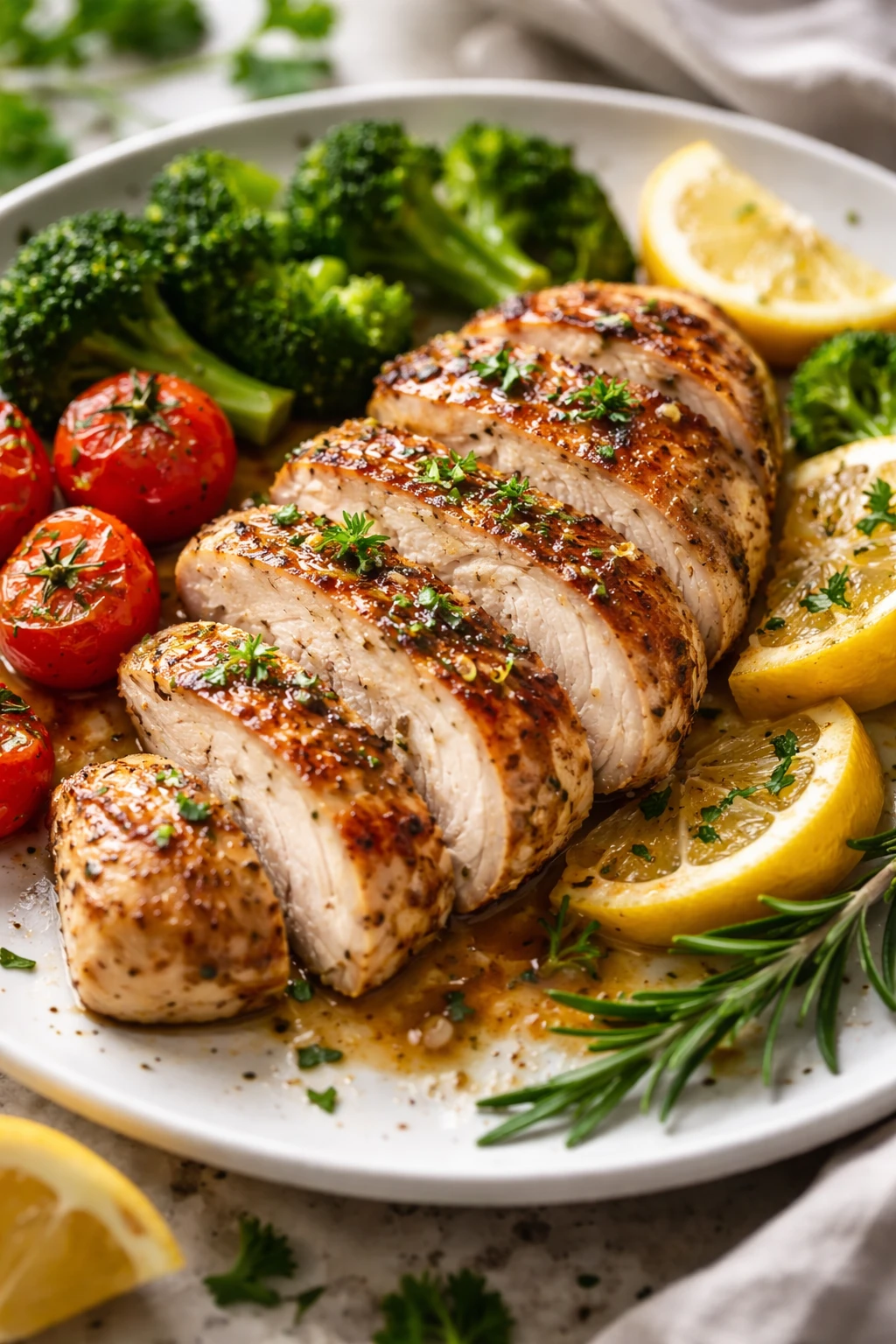
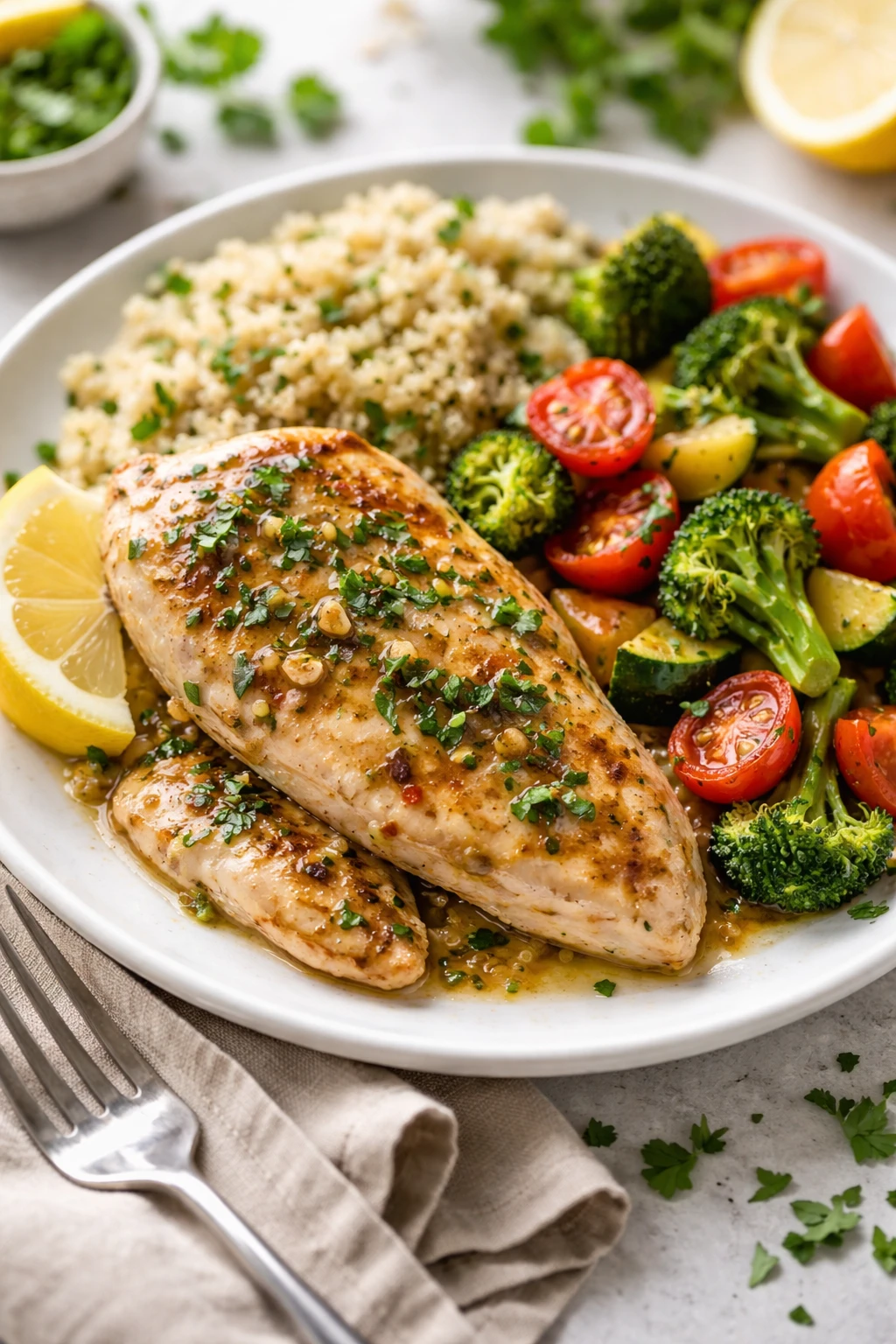
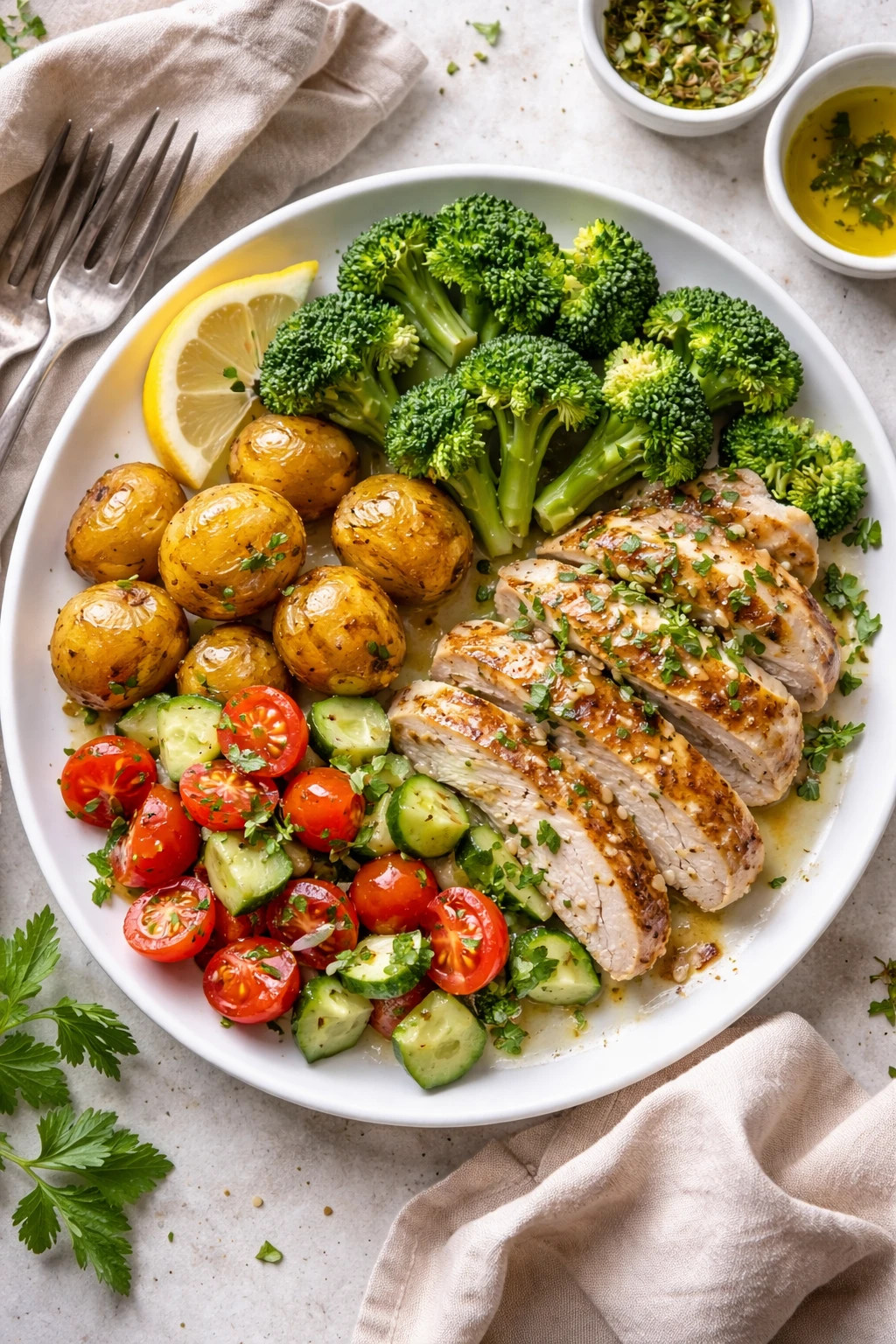
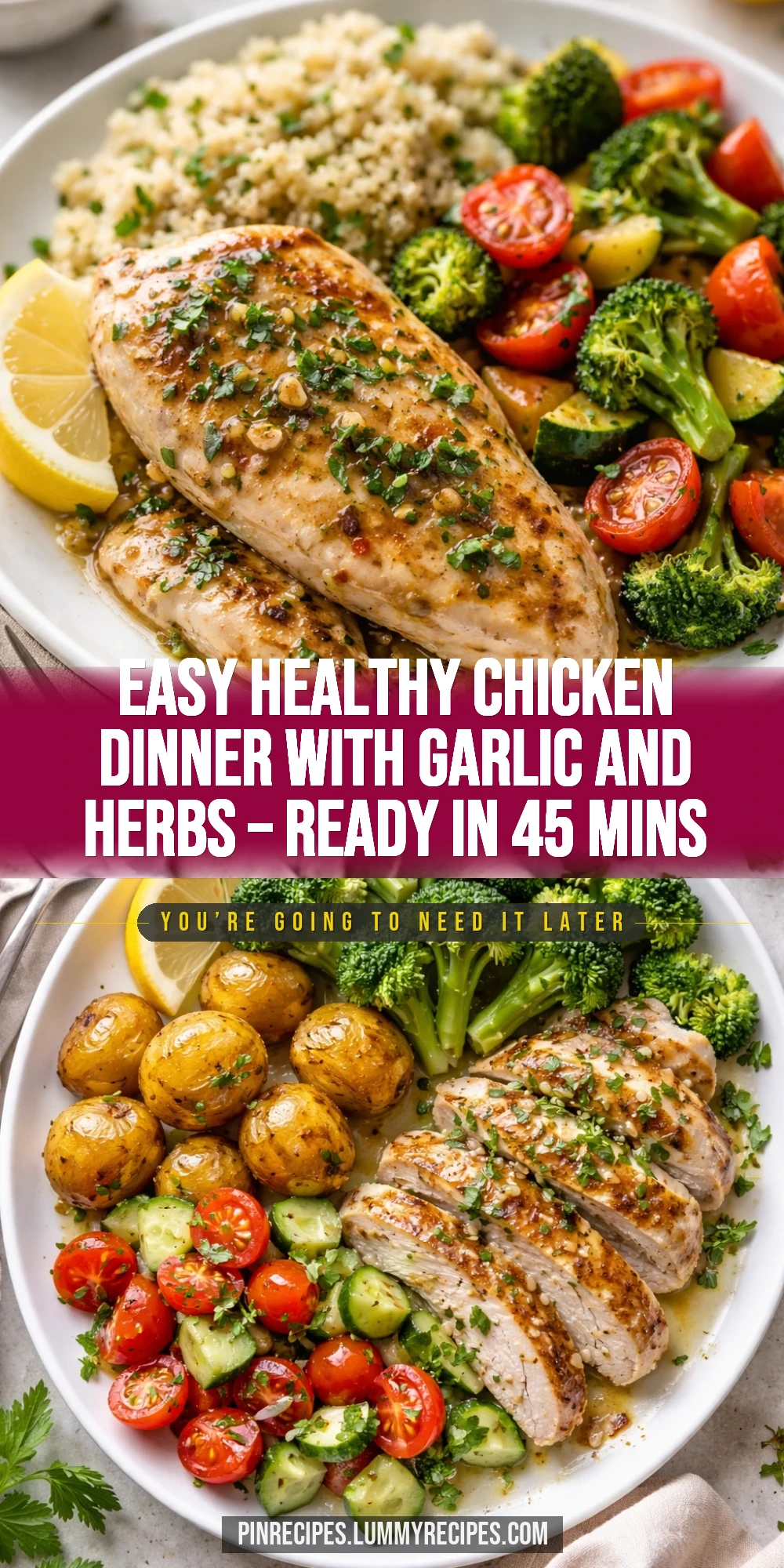
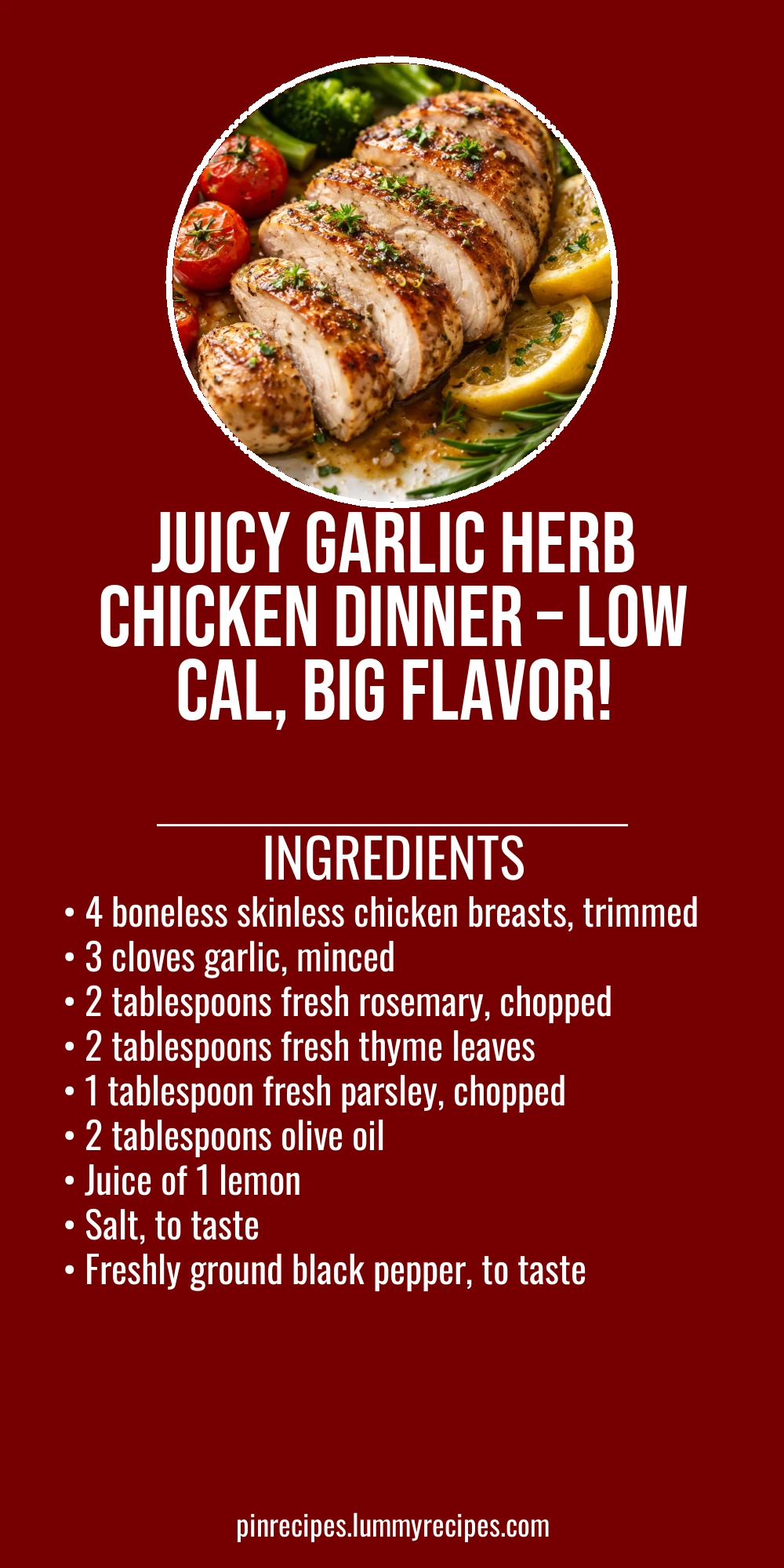
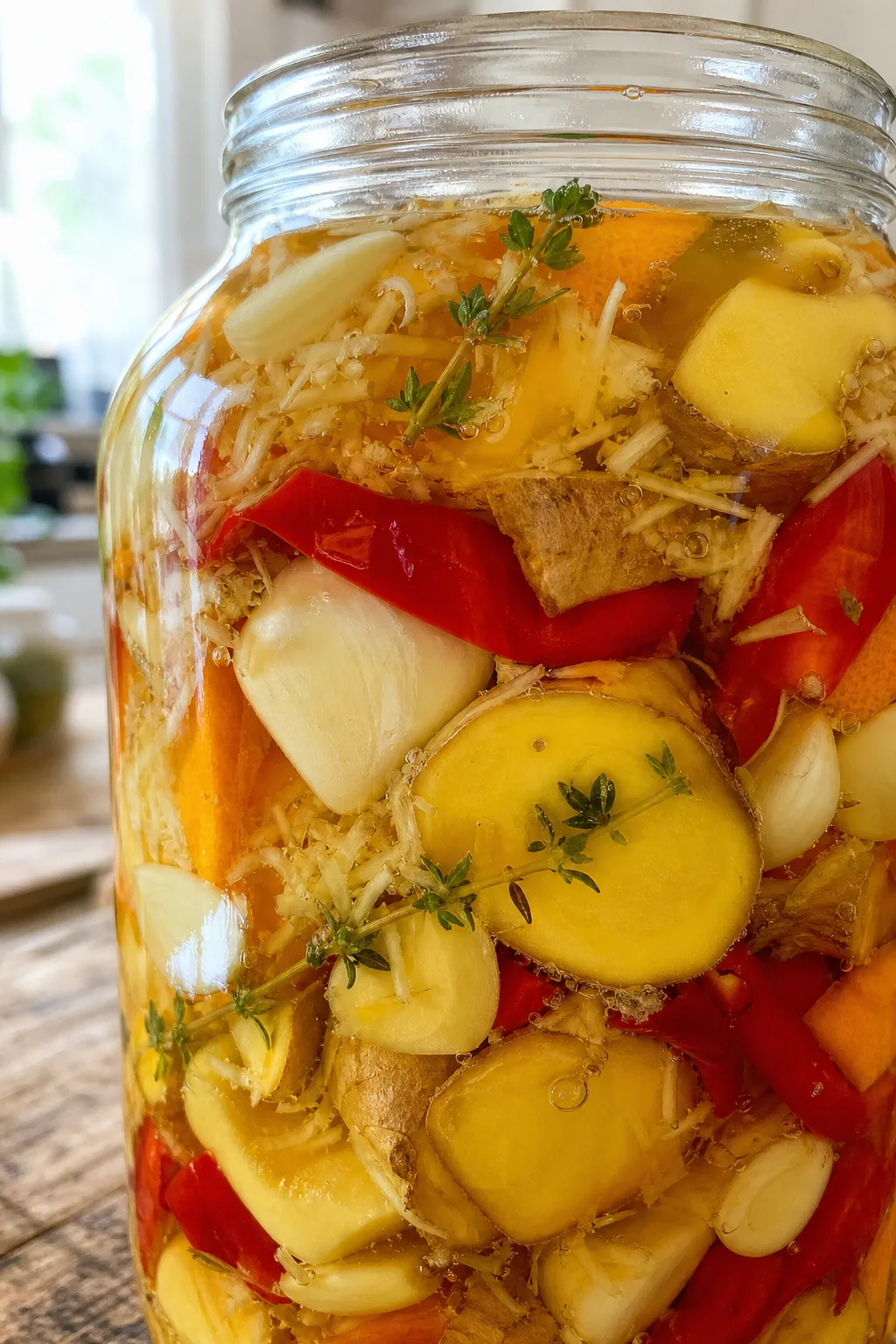
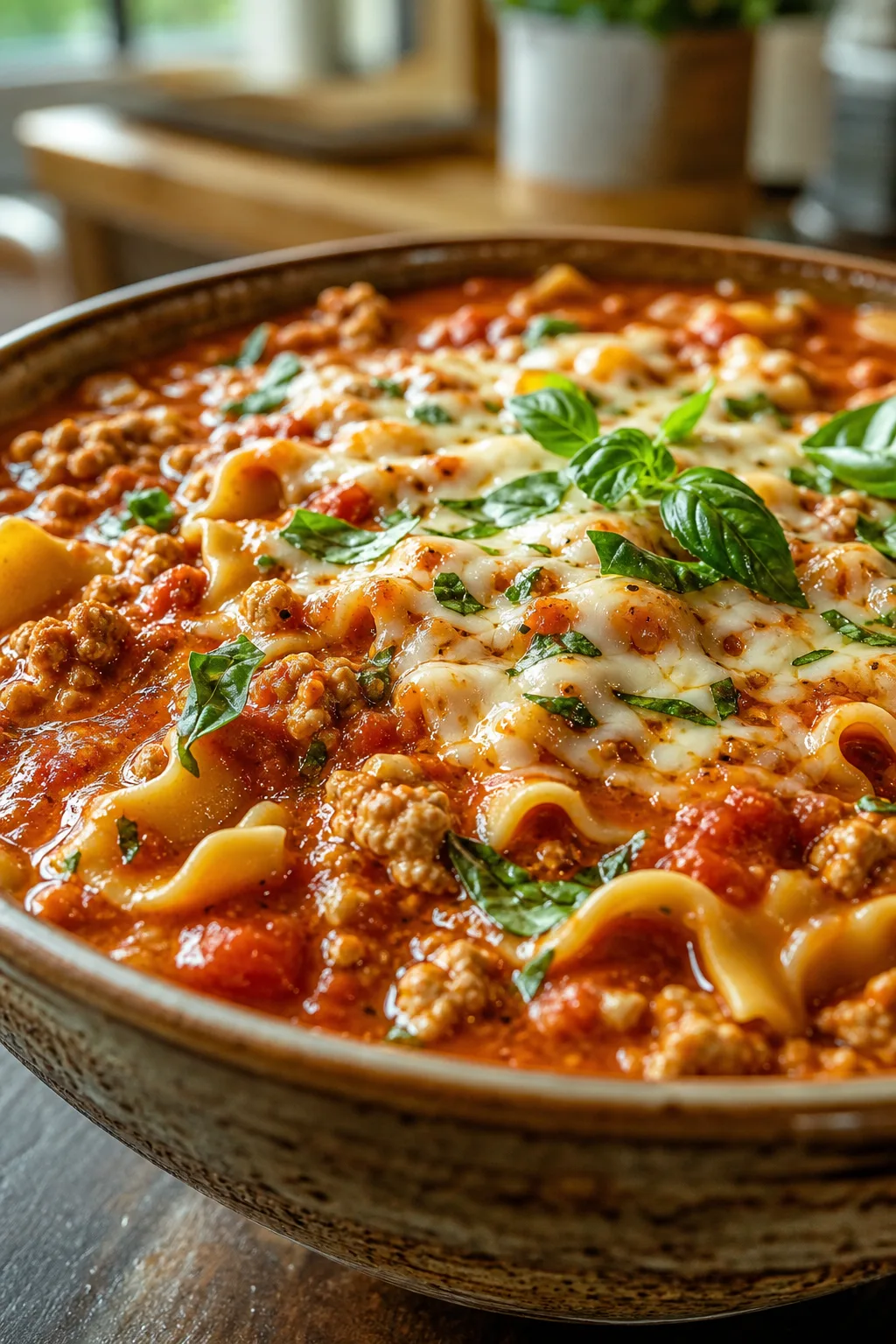
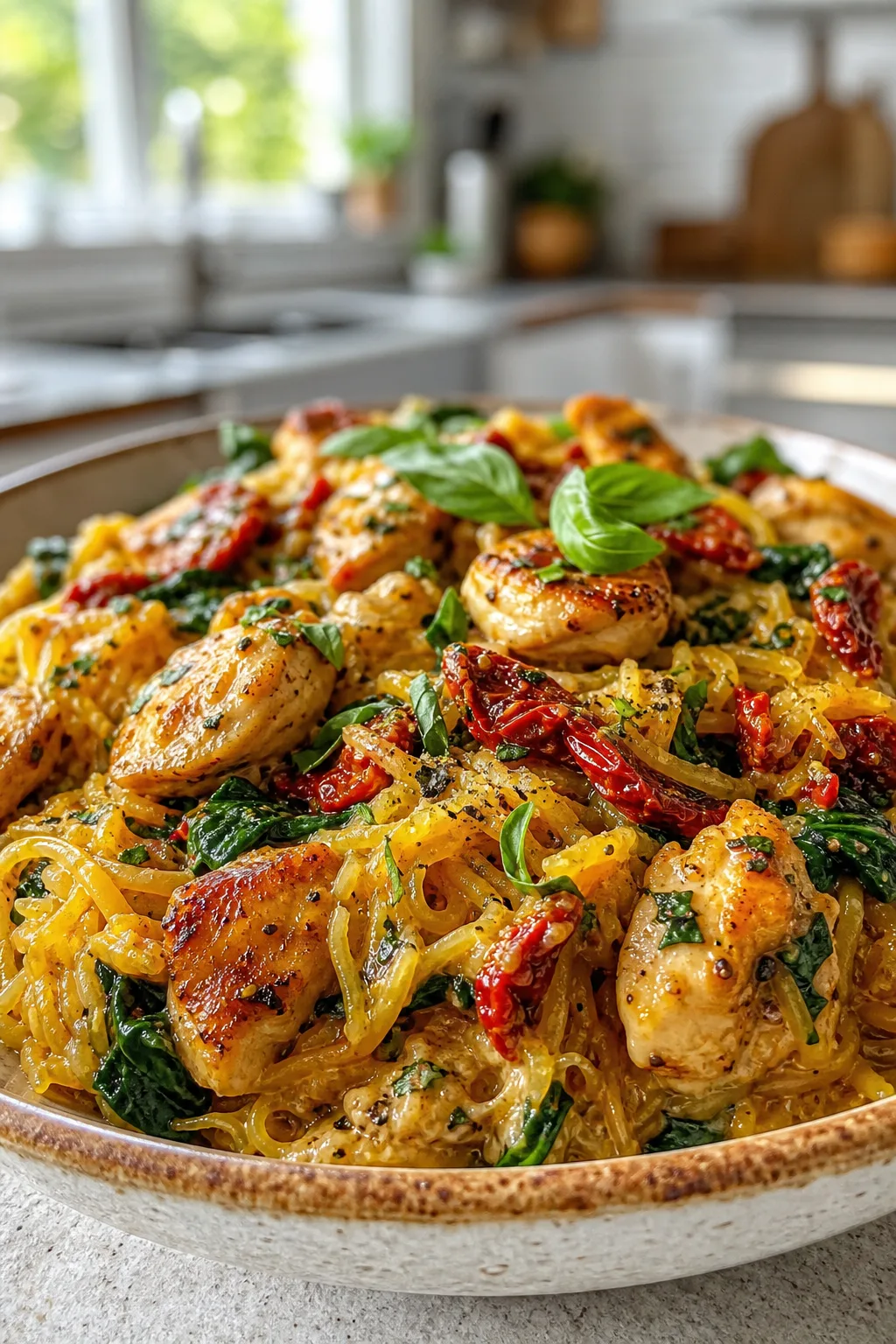
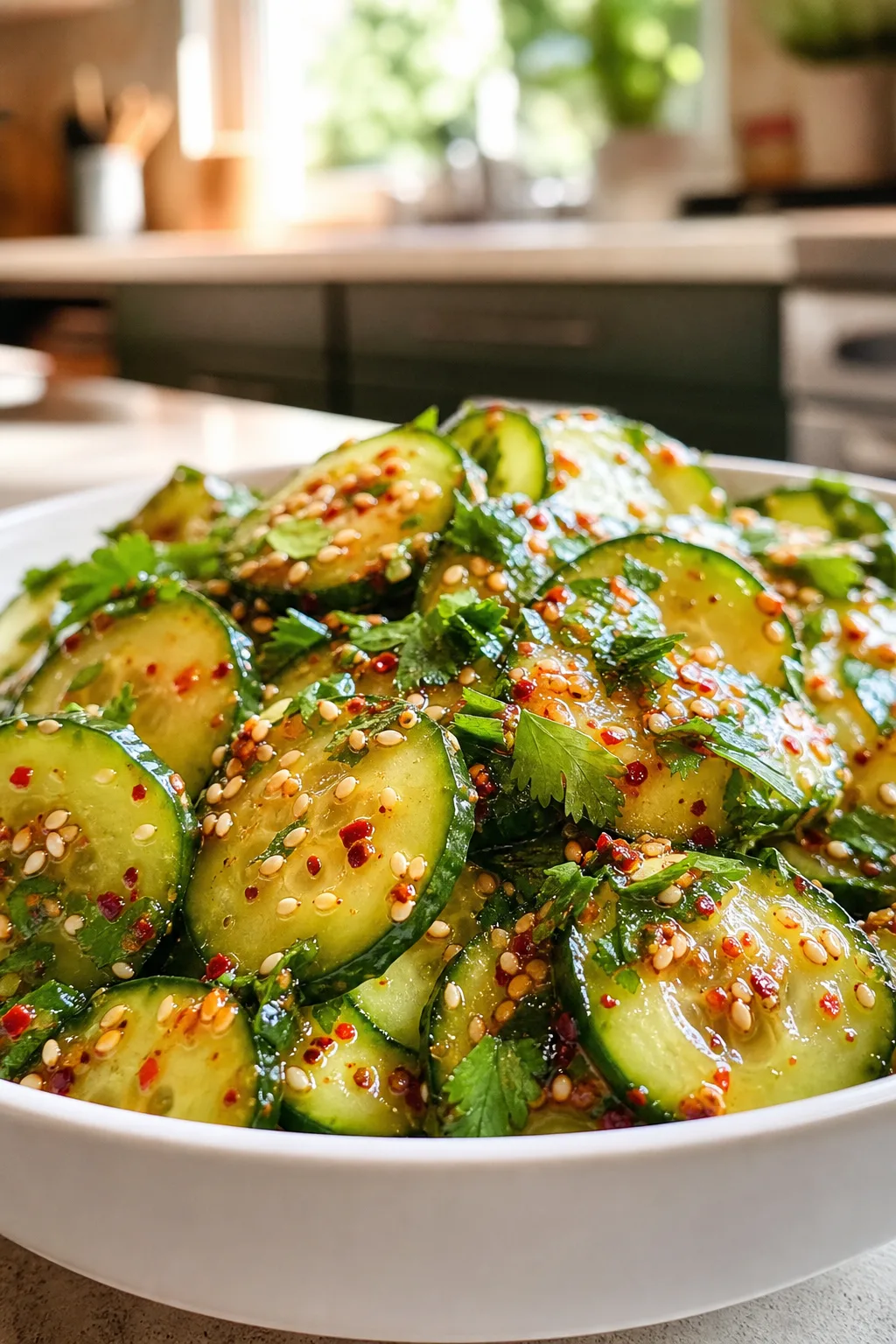
This light chicken dinner is bursting with fresh herbs and garlic, making it flavorful without the extra calories. The secret’s in marinating the chicken for juicy tenderness. Great for a guilt-free weeknight meal!
Introduction
I first whipped up this healthy low-calorie chicken dinner a few years ago when I wanted something light but still satisfying after a long day. What sets this recipe apart is the fresh garlic and a mix of fragrant herbs that really bring the chicken to life without adding extra fat or calories. I’ve tried countless chicken recipes, but this one nails juicy tenderness every time thanks to a simple marinade and careful cooking. The trick I learned was to let the chicken rest after cooking so all those herb and garlic flavors soak in deeply. When it’s done, the chicken is tender, flavorful, and so much better than plain grilled chicken. It’s perfect for anyone trying to eat clean but still enjoy a meal that feels special. Plus, it’s super easy to make on a weeknight or batch prep for leftovers. I love pairing it with a fresh salad or steamed veggies for a complete, guilt-free dinner that my whole family actually asks for again.
How To Do It
Step 1
Start by mixing the olive oil, minced garlic, lemon juice, rosemary, thyme, parsley, salt, and pepper in a bowl. This marinade is key because the acid from the lemon juice tenderizes the chicken while the herbs infuse it with flavor. Make sure the garlic is finely minced so it blends well and doesn’t overpower. Avoid using pre-minced garlic as it can be bitter. Whisk everything together until well combined for a vibrant marinade.
⏱ Time: 10 minutes
✓ Doneness: A smooth, well-blended marinade with no clumps of herbs or garlic
Step 2
Place the chicken breasts in a shallow dish or zip-top bag and pour the marinade over them. Massage the marinade into the chicken to coat evenly. Let it marinate in the fridge for at least 30 minutes, but ideally 2 hours. This step is crucial because it allows the chicken to absorb the flavors and become juicy. Rushing this will result in less flavorful meat. If you’re short on time, even 15 minutes helps.
⏱ Time: 30 minutes to 2 hours
✓ Doneness: Chicken breasts fully coated and slightly glossy from the marinade
Step 3
Preheat your oven to 400°F (200°C). Heat an oven-safe skillet over medium-high heat. When hot, add a teaspoon of olive oil and sear the chicken breasts for about 2-3 minutes per side. This searing locks in juices and creates a subtle crust that enhances flavor. Don’t overcrowd the pan or move the chicken too soon, or you won’t get a good sear.
⏱ Time: 6 minutes
✓ Doneness: Golden brown crust on both sides of the chicken breasts
Step 4
Once seared, transfer the skillet to the preheated oven. Roast the chicken for 15-20 minutes until the internal temperature reaches 165°F (74°C). Use a meat thermometer to avoid drying out the chicken. The oven finish cooks the chicken evenly and keeps it moist. If you don’t have an oven-safe skillet, transfer chicken to a baking dish.
⏱ Time: 15-20 minutes
✓ Doneness: Juices run clear and thermometer reads 165°F in thickest part
Step 5
Remove the chicken from the oven and let it rest for 5-10 minutes before slicing. Resting is often skipped but super important; it lets the juices redistribute, keeping the chicken tender and juicy rather than dry. Cover loosely with foil while resting to keep warm.
⏱ Time: 5-10 minutes
✓ Doneness: Chicken feels firm but not hard, and juices are settled inside
Step 6
While the chicken rests, use the same skillet to make a quick pan sauce if desired. Add a splash of chicken broth or water and scrape up any browned bits for extra flavor. Let it simmer and reduce slightly, then drizzle over the sliced chicken. This adds moisture and a lovely herbaceous finish.
⏱ Time: 5 minutes
✓ Doneness: Sauce has thickened slightly and coats the back of a spoon
Step 7
Slice the chicken against the grain to maximize tenderness. Arrange on plates and spoon the pan sauce over the top. Garnish with extra fresh herbs if you like. Serving it sliced also helps with portion control and makes it easier to eat.
⏱ Time: 3 minutes
✓ Doneness: Clean, even slices showing juicy interior
Step 8
Pair the chicken with steamed vegetables, quinoa, or a crisp salad for a balanced meal. The fresh herbs and garlic make it versatile enough to match many sides. Avoid heavy sauces or breading to keep it low-calorie and healthy.
⏱ Time: 5 minutes
✓ Doneness: Meal looks colorful and balanced on the plate
Step 9
Enjoy immediately for best flavor and texture. If you have leftovers, store them properly to maintain juiciness. Reheating gently with a splash of broth helps keep the chicken moist. This recipe is great for meal prep and tastes just as good the next day.
⏱ Time: N/A
✓ Doneness: Chicken retains moisture and flavor after reheating
Pro Tips
Marinate the chicken for at least 30 minutes, preferably longer.
Marinating allows the acid and herbs to penetrate the meat, tenderizing it and infusing flavor deeply. Skipping or shortening this step results in a blander, tougher chicken that lacks juiciness.
Use a meat thermometer to check doneness.
Chicken is perfectly cooked at 165°F internally. Overcooking dries it out, while undercooking is unsafe. A thermometer ensures juicy, safe chicken every time without guesswork.
Sear chicken before roasting to develop flavor.
Searing triggers the Maillard reaction, creating a tasty crust and locking in juices. Without searing, the chicken can be pale and less flavorful.
Let the chicken rest after cooking.
Resting lets juices redistribute inside the meat. Cutting immediately causes juices to spill out, drying the chicken. Resting keeps it tender and moist.
Use fresh herbs instead of dried.
Fresh herbs provide vibrant aroma and flavor that dried versions can’t match. They also add a fresh green color that makes the dish more appealing.
Slice chicken against the grain.
Slicing against the grain shortens muscle fibers, making the chicken easier to chew and more tender in texture.
Make a quick pan sauce with the skillet drippings.
The browned bits left from searing are flavor gold. Deglazing the pan with broth or water and reducing it creates a delicious sauce that adds moisture and depth.
Common Mistakes to Avoid
Skipping the marinade or marinating too briefly
Why it happens People often underestimate how much flavor and tenderness come from marinating, or they rush the process due to time constraints.
Fix Plan ahead to marinate for at least 30 minutes. Even a quick 15-minute soak helps. This step ensures the chicken absorbs the garlic, herbs, and lemon, making it juicy and flavorful rather than bland.
Overcooking the chicken
Why it happens Without a thermometer, it’s easy to cook chicken too long ‘just to be safe,’ which dries it out.
Fix Use an instant-read thermometer to check for 165°F internal temperature. Remove from heat as soon as it reaches this to keep the meat tender.
Not searing the chicken before roasting
Why it happens Skipping searing saves time but sacrifices flavor and texture.
Fix Take the extra few minutes to sear chicken in a hot pan. This creates a flavorful crust and locks in juices for a better final dish.
Cutting chicken immediately after cooking
Why it happens Impatience or eagerness to eat often leads to slicing right away, causing juices to run out.
Fix Let the chicken rest covered loosely with foil for 5-10 minutes to keep it moist and tender.
Using dried herbs in place of fresh
Why it happens Fresh herbs can be more expensive or less available, so some use dried as a shortcut.
Fix Whenever possible, use fresh herbs for the best flavor and aroma. If using dried, reduce quantity by half and add earlier in the marinade to allow rehydration.
Variations
Spicy Garlic Herb Chicken
Add 1 teaspoon of red pepper flakes or a dash of cayenne to the marinade for a spicy kick. This variation adds warmth and complexity, perfect if you like a little heat. The spicy notes balance beautifully with garlic and herbs.
Note: Spices can intensify during marination, so adjust heat level to taste. Marinate the same way but monitor spice tolerance.
Lemon Basil Garlic Chicken
Swap out rosemary and thyme for fresh basil and increase lemon juice for a brighter, slightly sweeter herb flavor. Basil pairs wonderfully with garlic and lemon, giving the chicken a fresh summer vibe.
Note: Basil is more delicate; add it fresh just before cooking or as a garnish to preserve its flavor.
Honey Garlic Herb Chicken
Add 1 tablespoon of honey to the marinade for a subtle sweetness that caramelizes during searing. This creates a nice balance with the lemon’s acidity and herbs, making the chicken taste slightly glazed.
Note: Honey can burn if seared too long; keep searing times short and monitor closely.
Grilled Garlic Herb Chicken
Instead of oven roasting, grill the marinated chicken on medium heat. This adds a smoky char flavor and is perfect for summer cookouts. Watch carefully to avoid flare-ups from the oil.
Note: Grilling cooks faster; watch for grill marks and internal temperature to avoid drying out.
Garlic Herb Chicken with Yogurt Marinade
Add 1/4 cup plain Greek yogurt to the marinade for extra tenderness and a creamy tang. Yogurt’s enzymes break down proteins gently, making the chicken incredibly soft and flavorful.
Note: Yogurt marinades require shorter times (about 1 hour) to avoid mushy texture.
Nutrition
Per Serving:
Nutritional values are estimates and may vary based on specific ingredients used.
Storage & Tips
Room Temperature
This chicken can safely sit at room temperature for up to 2 hours if covered loosely to avoid drying. Beyond that, bacteria growth increases and it’s best refrigerated promptly.
Refrigerator
Store leftovers in an airtight container for up to 3 days. The chicken may firm up slightly when cold; reheat gently to restore tenderness. It’s also tasty cold in salads.
Freezer
Freeze cooked chicken in a sealed container or heavy-duty freezer bag for up to 3 months. Wrap tightly to prevent freezer burn. Thaw overnight in the fridge before reheating.
Reheating
Reheat gently on the stovetop over low heat with a splash of broth or water to keep moist, or microwave covered in short bursts. Avoid high heat which can dry out the chicken.
Make Ahead
Marinate the chicken up to 24 hours ahead and keep refrigerated. You can also cook the chicken fully and store it; just reheat before serving. This makes weeknight dinners quick and easy.
FAQ
Can I use chicken thighs instead of breasts?
Yes! Chicken thighs are juicier and more forgiving if slightly overcooked. They have more fat, so the calorie count will be higher. Adjust cooking time as thighs take a bit longer to cook through.
What if I don’t have fresh herbs?
You can substitute dried herbs but use about half the amount since dried herbs are more concentrated. Add them earlier in the marinade so they have time to rehydrate and release flavor.
Can I make this recipe gluten-free?
Absolutely! This recipe is naturally gluten-free as it uses only fresh ingredients and olive oil. Just ensure any broth or additional sauces you add are gluten-free certified.
How do I prevent chicken from drying out?
Use a meat thermometer to avoid overcooking and always let the chicken rest after cooking. Marinating also helps keep moisture locked in. Avoid cooking at too high a temperature for too long.
Can I prepare this recipe without an oven?
Yes, you can finish cooking the chicken on the stovetop after searing by covering the pan and cooking on low heat until done. Just watch carefully to avoid burning or uneven cooking.
Is it okay to skip the pan sauce?
Definitely. The pan sauce adds extra flavor and moisture but the chicken is tasty on its own. If skipping, consider adding a squeeze of fresh lemon before serving for brightness.
How long can I marinate the chicken?
Marinating for 30 minutes to 2 hours is ideal. You can marinate up to 24 hours but the lemon juice may start to break down the chicken too much, affecting texture.
What sides pair best with this chicken?
Steamed veggies, quinoa, brown rice, or a crisp salad complement this chicken well. Avoid heavy or creamy sides to keep the meal light and healthy.
Final Thoughts
I hope you enjoy making and eating this healthy low calorie chicken dinner as much as I do! Don’t forget to share your results and favorite tweaks.