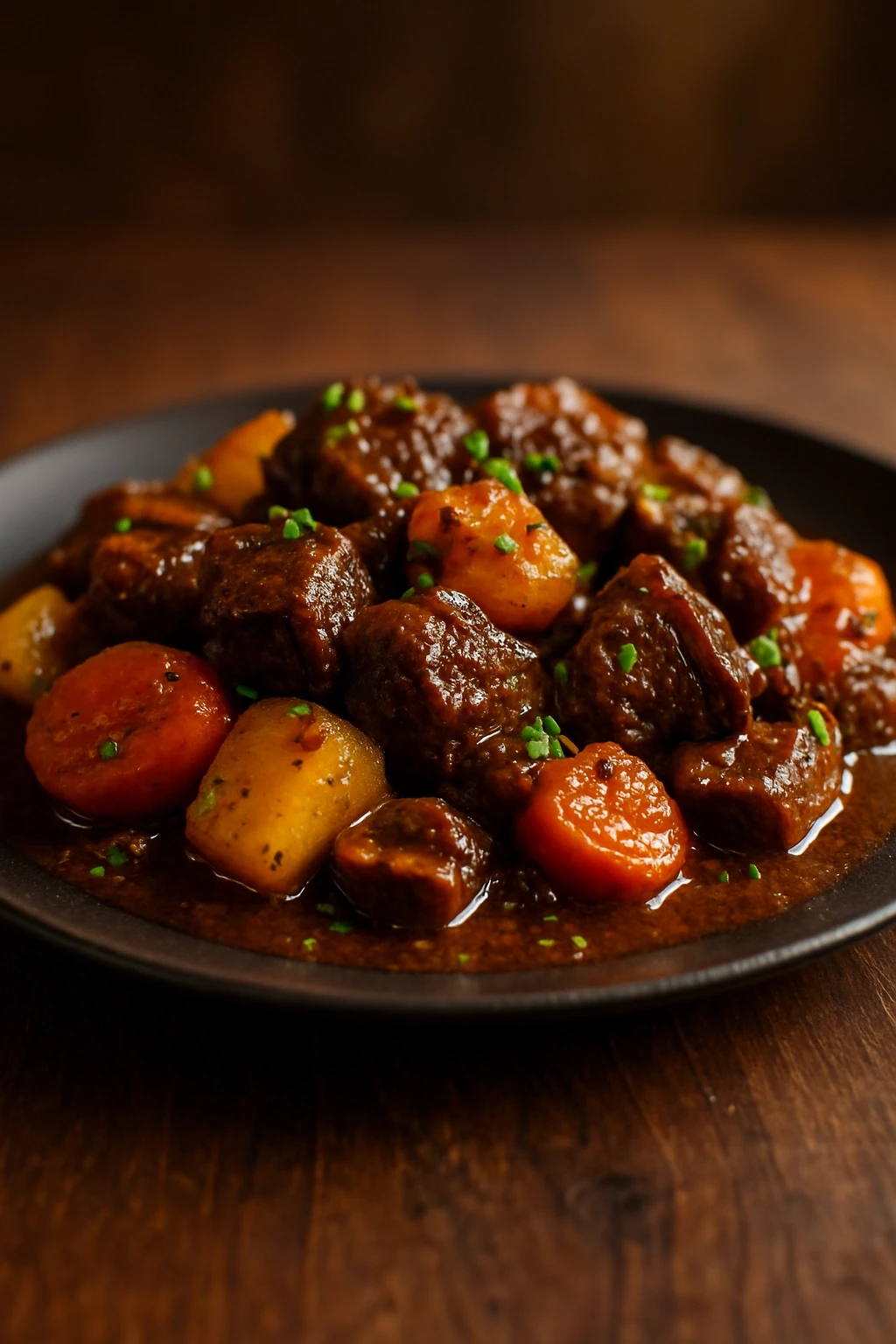
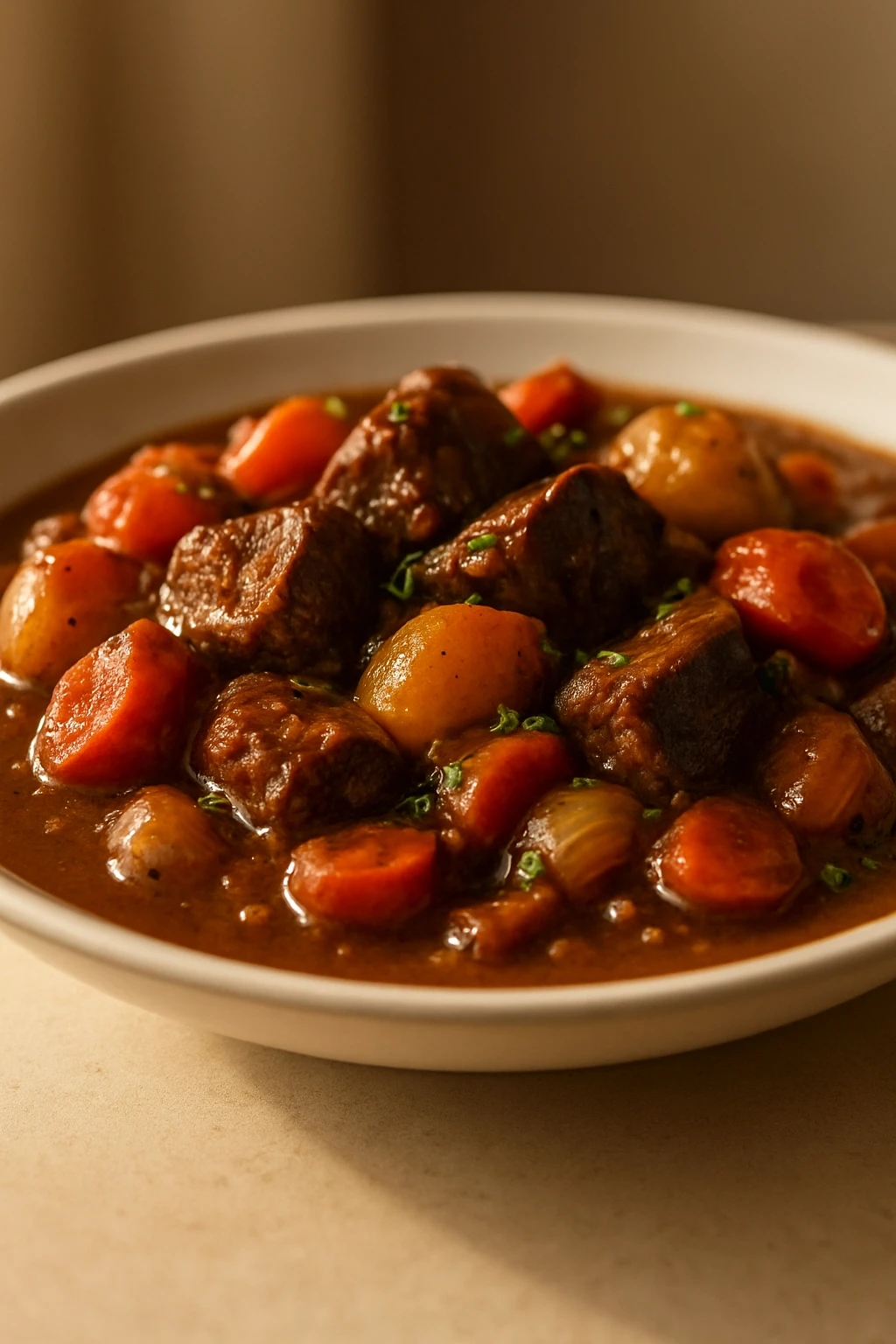
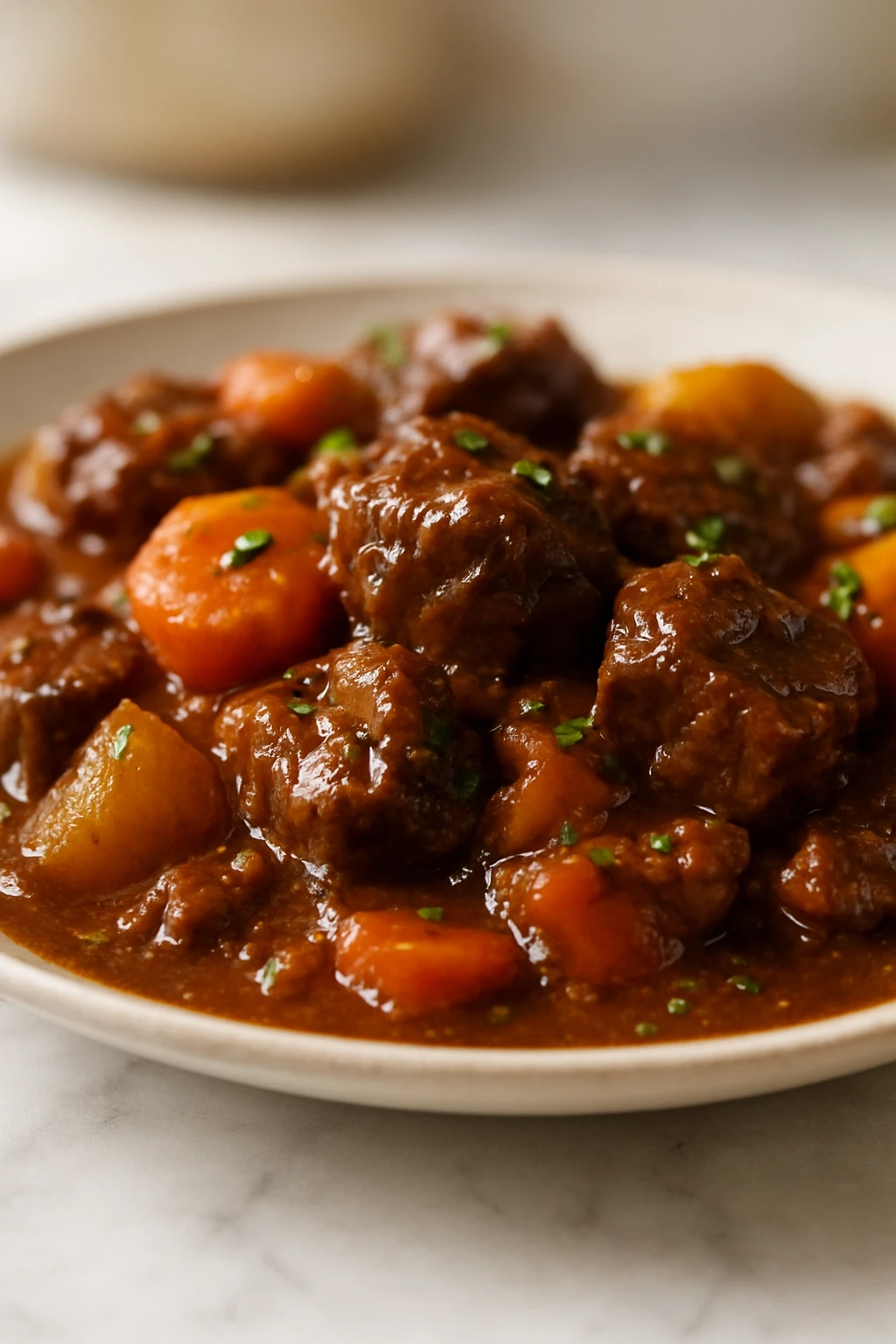
This classic Irish stew is rich and comforting, simmered slowly with Guinness for depth. The tender beef and root veggies soak up all the flavors—perfect for a cozy St. Paddy’s Day dinner with friends or family.
Introduction
I first made this Irish beef and Guinness stew years ago while celebrating St. Patrick’s Day with friends, and it quickly became our go-to comfort meal. What I love about this recipe is how the Guinness adds a subtle bitterness and richness that you just don’t get with regular beef stew. It’s not just about throwing everything in a pot; the secret is in the slow simmer and layering the flavors carefully. I’ve tried stews before that ended up watery or bland, but the combination of tomato paste and stout here creates a deep, velvety sauce that clings to every bite. Plus, the tender chunks of beef and the mix of root vegetables make it feel like a true Irish feast. When it’s done, the stew is thick enough to spoon over some crusty bread, and it’s perfect for chilly evenings when you want something warm and satisfying. I usually start it in the morning so it has plenty of time to develop those rich flavors. It’s a bit of patience but totally worth it. If you’re looking for a hearty, authentic Irish dish that’s both rustic and special enough for a celebration, this is it.
What You'll Need
Approximately 6 hearty servings
- 2 lbs beef chuck, cut into 1.5-inch cubes, trimmed
- Salt and freshly ground black pepper, to taste
- 3 tbsp vegetable oil
- 1 large onion, chopped
- 3 cloves garlic, minced
- 4 cups beef broth
- 1 bottle (11.2 oz) Guinness stout
- 3 large carrots, peeled and cut into chunks
- 2 parsnips, peeled and cut into chunks
- 3 medium potatoes, peeled and diced
- 2 tbsp tomato paste
- 2 tsp fresh thyme leaves
- 2 bay leaves
- Fresh parsley, chopped (for garnish)
How To Do It
Step 1
Start by patting the beef cubes dry with paper towels and seasoning them generously with salt and pepper. This step is crucial because dry meat browns better, which means more flavor from the Maillard reaction. Heat the vegetable oil in a heavy-bottomed pot over medium-high heat. Brown the beef in batches, making sure not to overcrowd the pan, which would steam the meat instead of searing it. Each batch should develop a deep brown crust, about 4-5 minutes per batch. This browning builds the stew’s rich flavor base, so don’t rush it or skip this step.
⏱ Time: 15 minutes
✓ Doneness: Beef cubes are deeply browned on all sides with no pink spots
Step 2
Remove the browned beef and set aside. In the same pot, add the chopped onion and cook over medium heat until softened and translucent, about 5-7 minutes. Stir in the minced garlic and cook for another minute until fragrant. This step releases the sweetness from the onions and mellows the garlic, creating a flavorful foundation. Avoid browning the onions too much, as burnt bits can add bitterness.
⏱ Time: 8 minutes
✓ Doneness: Onions are soft, translucent, and slightly golden at edges
Step 3
Stir in the tomato paste and cook for 2 minutes, allowing it to caramelize slightly. This intensifies its flavor and adds a subtle sweetness that balances the bitterness of the Guinness later. Then, pour in the Guinness stout, scraping the bottom of the pot to lift any browned bits—these are packed with flavor. Let the mixture simmer for 5 minutes to reduce slightly and mellow the alcohol.
⏱ Time: 7 minutes
✓ Doneness: Mixture thickens slightly and smells rich and malty
Step 4
Return the beef to the pot along with any juices that have accumulated. Add the beef broth, thyme, and bay leaves. Bring everything to a gentle boil, then reduce the heat to low and cover the pot. Let it simmer slowly for about 2 hours, stirring occasionally. This slow cooking breaks down the tough connective tissues in the beef, making it melt-in-your-mouth tender.
⏱ Time: 120 minutes
✓ Doneness: Beef is tender and easily pierced with a fork
Step 5
After the beef has simmered for 2 hours, add the carrots, parsnips, and potatoes. Stir to combine and cover again. Continue simmering for another 45 minutes to an hour until the vegetables are tender but not mushy. Adding them later prevents overcooking and preserves their texture and flavor.
⏱ Time: 60 minutes
✓ Doneness: Vegetables are fork-tender and the stew has thickened
Step 6
Taste the stew and adjust seasoning with salt and pepper as needed. Remove the bay leaves and discard. If the stew is too thick, add a splash of beef broth or water to loosen it. If it’s too thin, simmer uncovered for a few minutes to reduce and concentrate the flavors.
⏱ Time: 5 minutes
✓ Doneness: Balanced seasoning and desired stew consistency
Step 7
For a finishing touch, sprinkle freshly chopped parsley over the stew before serving. This adds a pop of color and fresh herbal brightness that cuts through the richness. Serve hot with crusty bread or buttered soda bread for a truly authentic Irish meal.
⏱ Time: 2 minutes
✓ Doneness: Bright green parsley contrasts with rich stew
Step 8
If making ahead, let the stew cool completely before refrigerating. Reheat gently on the stovetop over low heat, stirring occasionally. Stews often taste better the next day as the flavors meld even more. Just be careful not to overheat, which can toughen the meat.
⏱ Time: N/A
✓ Doneness: Stew is heated through evenly without drying out
Step 9
Optional: For extra richness, stir in a knob of butter or a splash of cream just before serving. This adds silkiness and rounds out the flavors beautifully, especially if your Guinness is particularly bitter or the stew feels a little sharp.
⏱ Time: 1 minute
✓ Doneness: Stew appears glossy and smooth
Pro Tips
Brown the beef in small batches without crowding the pan.
Crowding traps moisture and causes the beef to steam rather than brown, which prevents the Maillard reaction that builds deep, savory flavor. Taking the time to brown in batches creates a rich crust that enhances the stew’s overall taste.
Simmer the stew gently over low heat for several hours.
Slow cooking breaks down tough connective tissues in the beef, making it tender and juicy. High heat will toughen the meat and can cause the stew to become cloudy or bitter. A gentle simmer allows flavors to meld and develop fully.
Add root vegetables later in the cooking process.
Root vegetables can turn mushy and lose texture if cooked too long. Adding them after the beef has softened keeps them tender but intact, providing pleasant contrast in texture and preserving their natural sweetness.
Use tomato paste and cook it briefly before adding liquids.
Cooking tomato paste caramelizes its natural sugars, boosting sweetness and complexity. It also helps thicken the stew naturally. Skipping this step can result in a flat, less flavorful broth.
Scrape the browned bits from the pan when adding liquids.
These browned bits, called fond, are packed with flavor. Scraping them into the stew adds richness and depth. Leaving them behind wastes flavor and can cause bitterness if burnt.
Season gradually and taste as you go.
Salt enhances all flavors but too much can overpower the stew. Adding seasoning in stages allows you to build balanced flavor and adjust before serving, especially after long simmering which concentrates tastes.
Garnish with fresh parsley just before serving.
Fresh herbs add brightness and contrast that lighten the rich stew. Adding parsley too early causes it to lose color and flavor. A final sprinkle enhances presentation and flavor.
Common Mistakes to Avoid
Skipping the browning step for the beef.
Why it happens Many cooks want to save time and throw everything in the pot at once, assuming slow cooking will develop flavor.
Fix Take the time to brown the beef in batches over medium-high heat. This step creates the Maillard reaction, essential for depth and richness. Avoid overcrowding the pan to prevent steaming.
Cooking the stew at too high a temperature.
Why it happens Some think higher heat speeds up cooking, but it can toughen meat and cause a cloudy broth.
Fix Maintain a gentle simmer by lowering the heat after boiling. Slow and steady cooking breaks down connective tissues and keeps flavors clear.
Adding vegetables too early.
Why it happens Inexperienced cooks often add all ingredients at once for convenience.
Fix Add root vegetables after the meat is tender to keep them from becoming mushy and preserve texture and flavor.
Not scraping the pan after browning.
Why it happens It’s easy to overlook the browned bits stuck to the pot.
Fix Use a wooden spoon to scrape up fond when adding liquids; this adds crucial flavor and prevents burnt residue.
Over-seasoning at the start without tasting later.
Why it happens Some add all salt and pepper upfront, not accounting for flavor concentration during cooking.
Fix Season lightly at first and adjust after simmering to avoid an overly salty stew.
Variations
Vegetarian Guinness Stew
Swap the beef for hearty mushrooms like portobello or cremini and use vegetable broth. Add lentils for protein and keep the Guinness for that signature flavor. The texture will be slightly different but just as comforting and rich.
Note: Simmer vegetables and lentils gently to avoid mushiness; cooking time will be shorter than with beef.
Spicy Irish Stew
Add a diced jalapeño or a pinch of cayenne pepper when cooking the onions for a subtle heat. Finish with a dash of smoked paprika to complement the Guinness. This twist adds warmth and a little kick without overpowering the traditional flavors.
Note: Adjust spice levels carefully; add spices early to infuse flavor without overwhelming the dish.
Slow Cooker Version
Brown the beef and sauté aromatics on the stove, then transfer everything to a slow cooker. Cook on low for 6-8 hours. This hands-off approach yields tender meat and melded flavors with minimal active time.
Note: Add root vegetables halfway through the slow cooking to maintain texture.
Irish Stew with Pearl Barley
Add ½ cup pearl barley with the broth for a nutty texture and extra heartiness. Barley absorbs flavors and thickens the stew naturally, making it even more filling and nutritious.
Note: Increase cooking time slightly to ensure barley is tender.
Creamy Irish Stew
Stir in ½ cup heavy cream or crème fraîche just before serving for a silky, rich finish. This adds a comforting creaminess that balances the bitterness of the Guinness beautifully.
Note: Add cream off the heat to prevent curdling and maintain smooth texture.
Nutrition
Per Serving:
Nutritional values are estimates and may vary based on specific ingredients used.
Storage & Tips
Room Temperature
This stew can safely sit out covered for up to 2 hours. Beyond that, bacteria growth increases, so refrigerate promptly. Cover with a lid or plastic wrap to prevent drying out and contamination.
Refrigerator
Store in an airtight container for up to 4 days. The stew thickens and flavors deepen when chilled. Reheat gently on the stovetop or microwave to avoid drying out the meat.
Freezer
Freeze in airtight containers or heavy-duty freezer bags for up to 3 months. Cool completely before freezing to prevent ice crystals. Thaw overnight in the fridge and reheat slowly to restore texture.
Reheating
Reheat on the stovetop over low heat, stirring occasionally. Add a splash of beef broth or water if the stew is too thick. Avoid boiling again, which can toughen the meat and break down vegetables too much.
Make Ahead
Prepare the stew up to 1 day in advance and refrigerate. This resting time helps flavors meld beautifully. Add fresh parsley and any delicate garnishes just before serving.
FAQ
Can I use a different type of beer instead of Guinness?
You can substitute with other dark stouts or porters for a similar malty flavor, but avoid light beers or lagers as they lack the depth and bitterness Guinness provides. The stew’s character depends a lot on the stout’s richness.
How do I make the stew thicker if it’s too watery?
Simmer the stew uncovered for 10-15 minutes to reduce liquid and concentrate flavors. Alternatively, mash a few potatoes into the broth or stir in a slurry of cornstarch and water to thicken quickly.
Can I prepare this stew in a slow cooker?
Yes! Brown the beef and sauté onions first, then transfer everything to the slow cooker. Cook on low for 6-8 hours. Add vegetables halfway through to keep them from overcooking.
What cut of beef is best for this stew?
Beef chuck is ideal because it has enough fat and connective tissue to become tender and flavorful with long cooking. Avoid lean cuts like sirloin which can dry out.
Can I make this stew gluten-free?
Guinness contains barley and is not gluten-free. Substitute with a gluten-free stout or use beef broth alone. Ensure all other ingredients are gluten-free certified.
How do I prevent the vegetables from turning mushy?
Add root vegetables after the meat has cooked for about 2 hours. This timing keeps them tender but intact, preserving texture and flavor.
Is it okay to freeze this stew?
Absolutely. Freeze in airtight containers for up to 3 months. Thaw overnight in the fridge and reheat gently. Texture may change slightly but flavors remain delicious.
Can I add other herbs besides thyme and bay leaves?
Rosemary or marjoram can be nice additions, but use sparingly to avoid overpowering. Fresh parsley at the end is essential for brightness.
What should I serve with this stew?
Traditional Irish soda bread or crusty artisan bread is perfect for soaking up the rich sauce. A simple green salad balances the meal nicely.
How long does it take to make this stew from start to finish?
Active prep is around 20 minutes, but the stew simmers for about 3 hours total to develop tender meat and deep flavors. Planning ahead makes it easy!
Final Thoughts
Give this hearty Irish stew a try for your next cozy dinner. I’d love to hear how it turns out and any tweaks you make—enjoy!