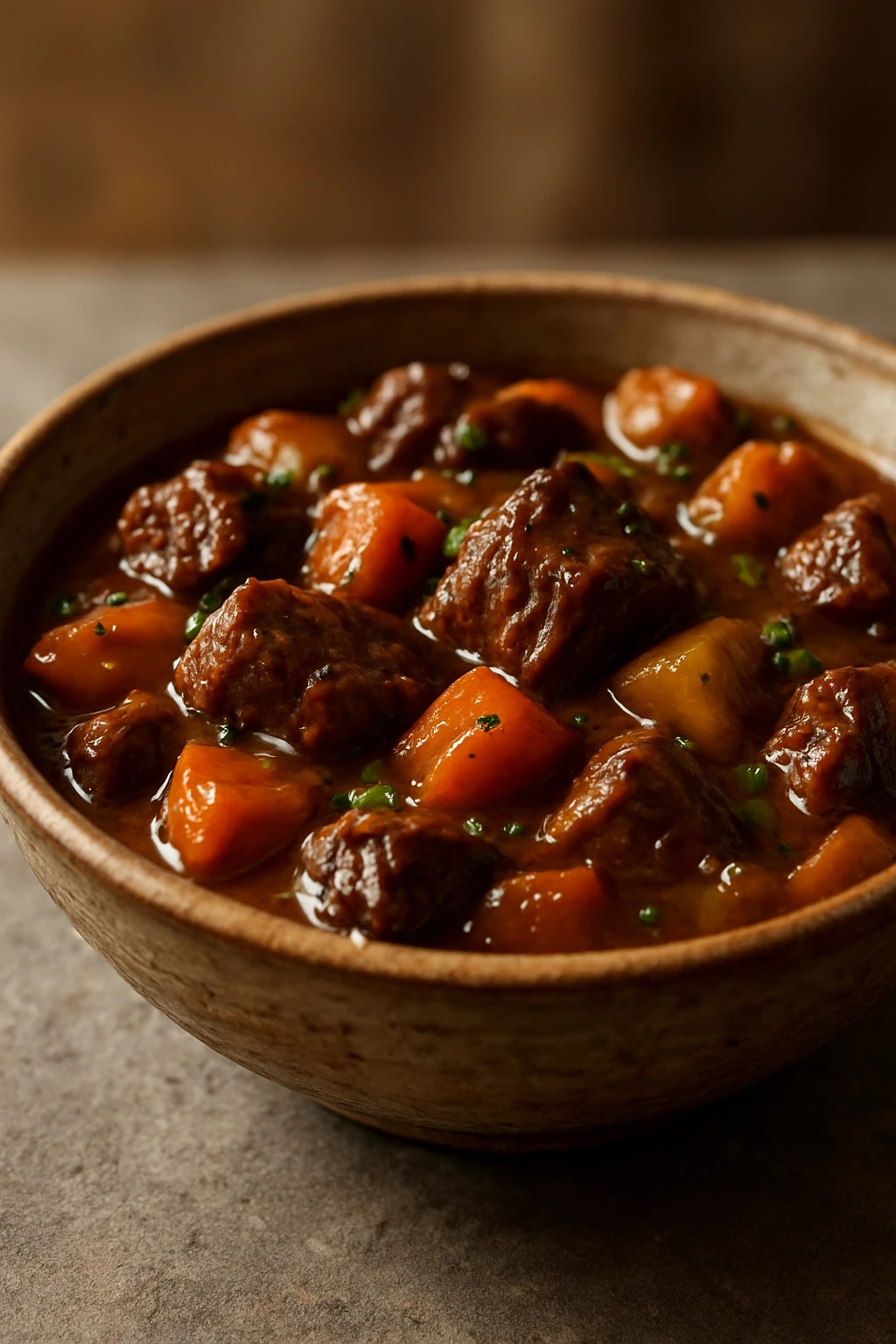
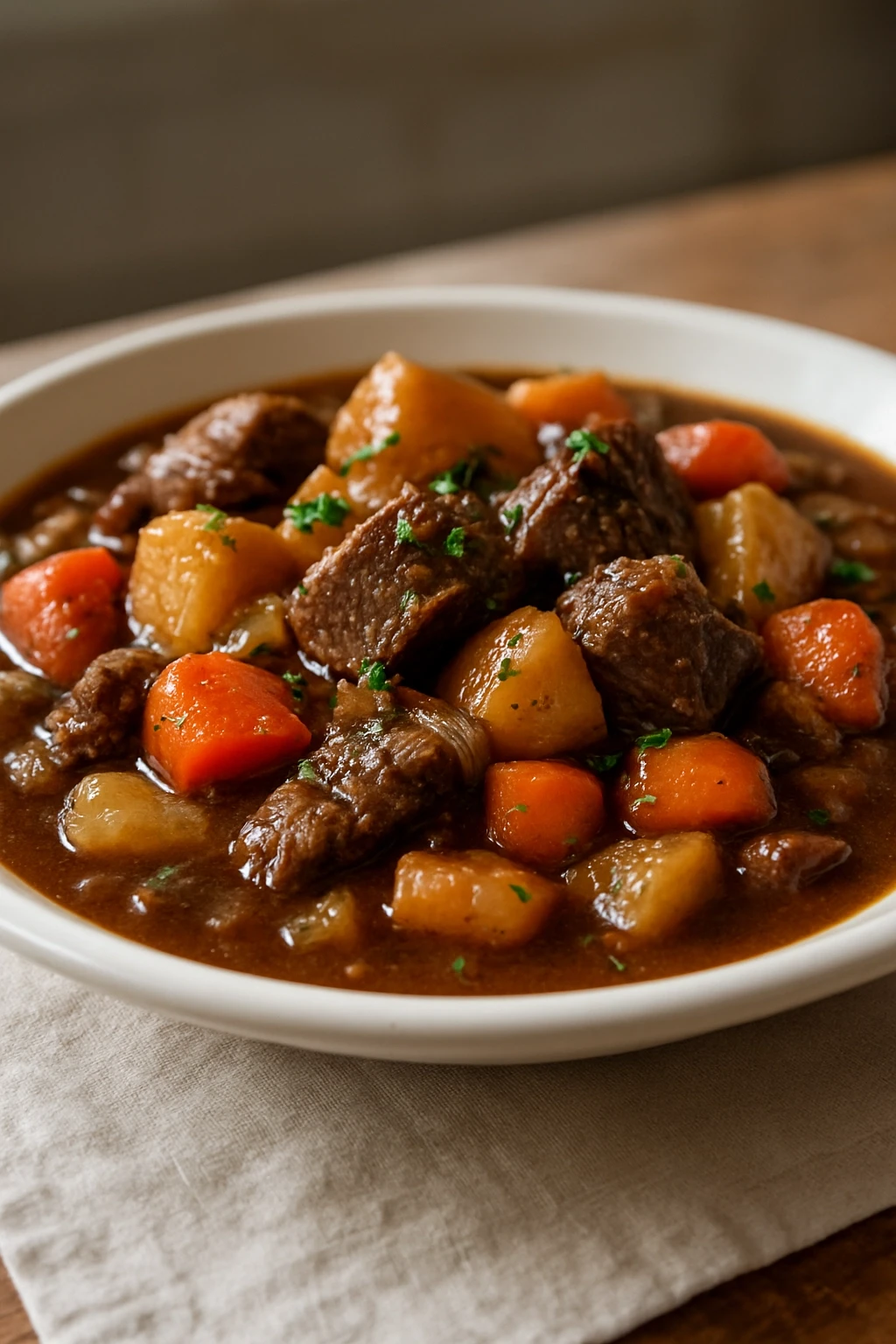
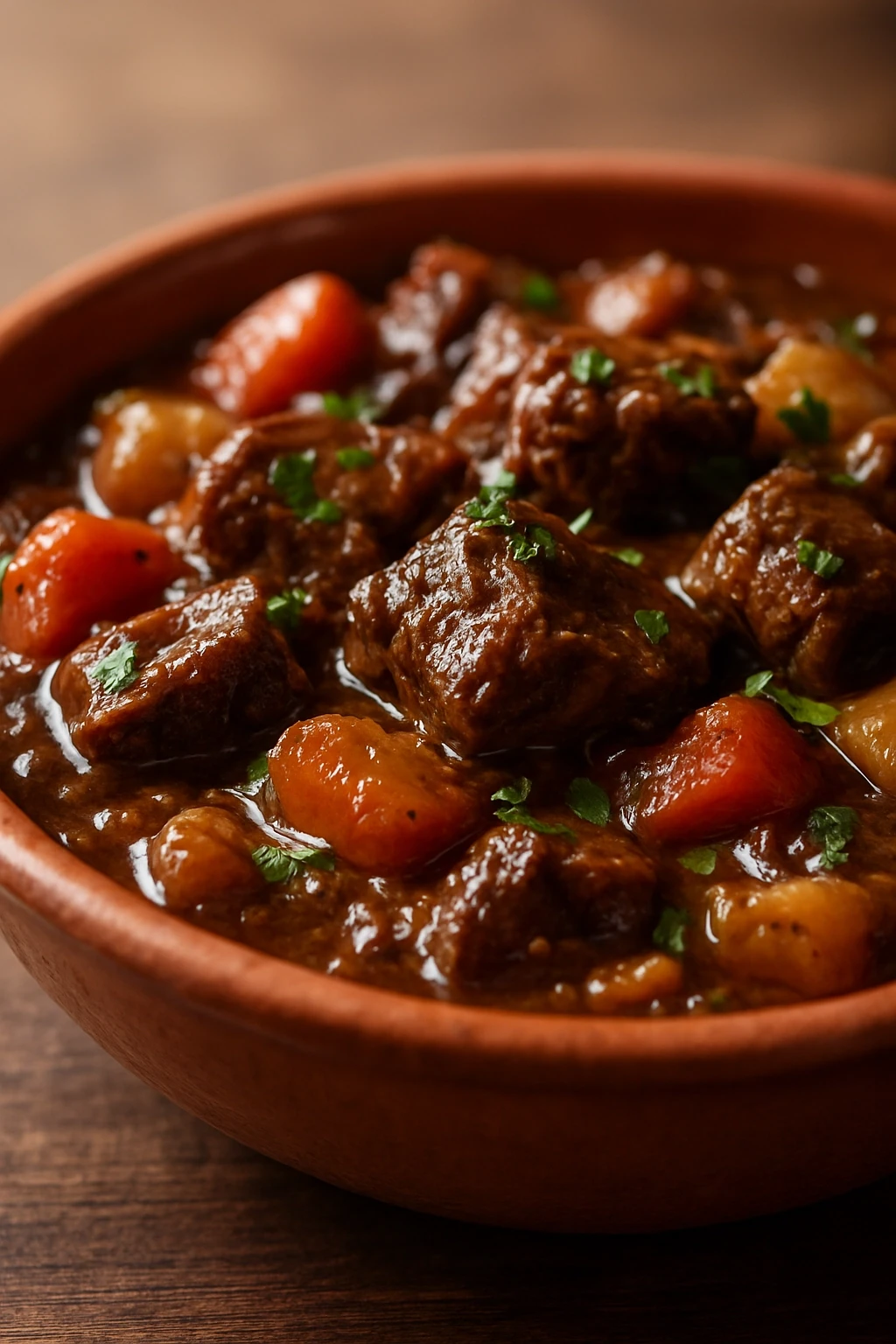
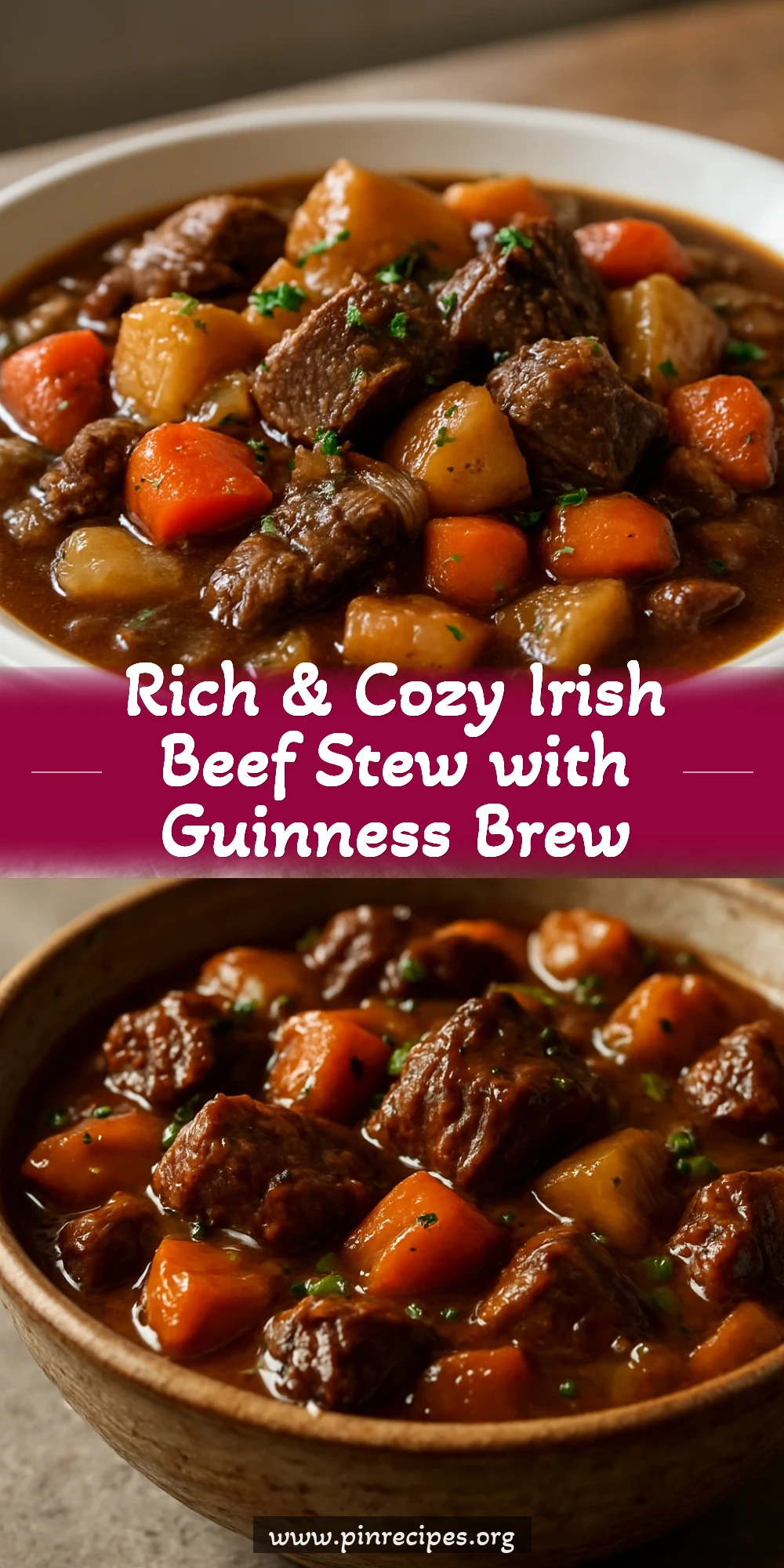
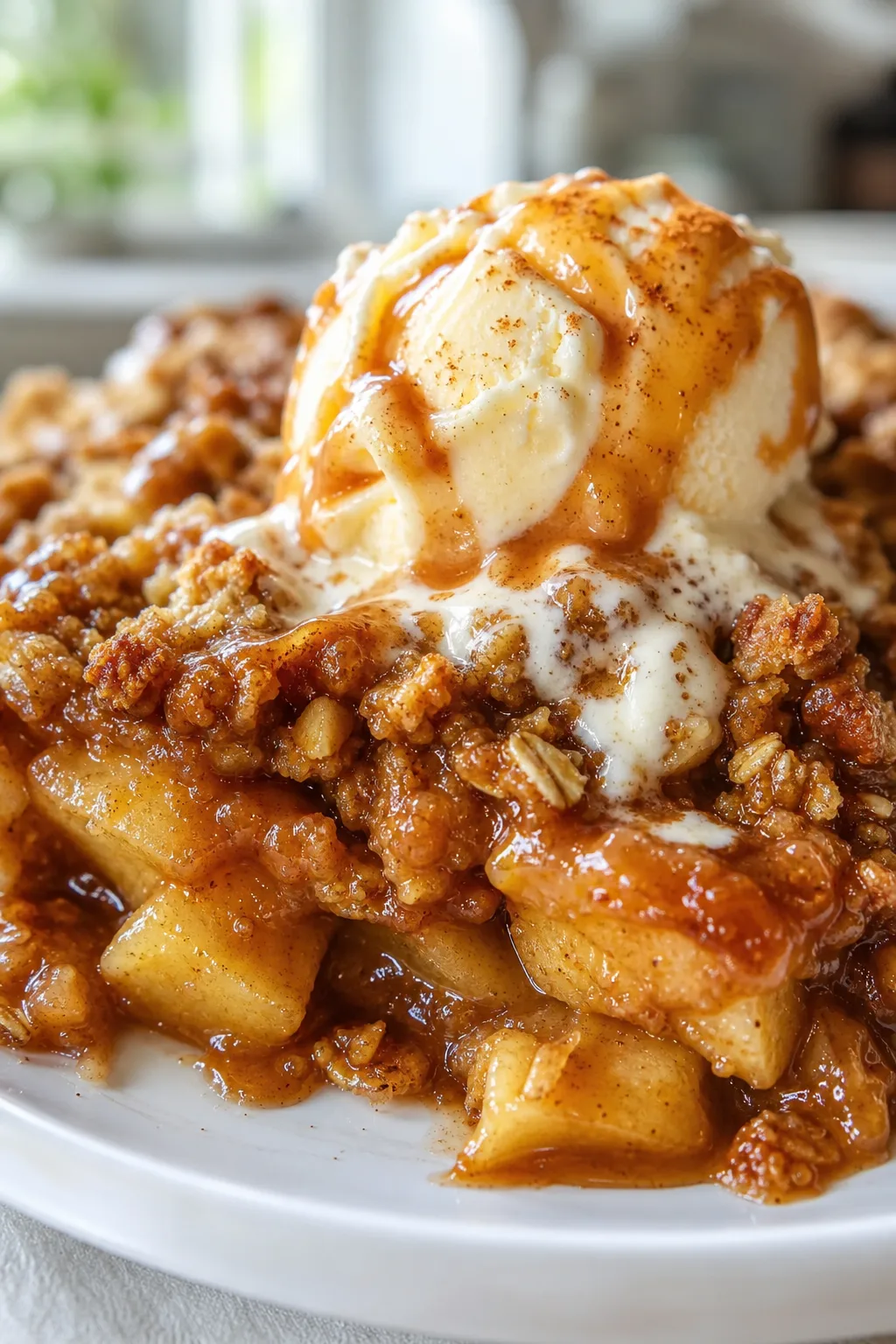
This rich Irish beef stew is slow-cooked with Guinness for deep flavor and tender meat. It’s the perfect cozy meal for chilly evenings or celebrating St. Patrick’s Day with family.
Introduction
I first tried Irish beef stew on a chilly March evening while visiting Dublin, and it instantly became one of my favorite comfort foods. The deep, malty flavor from Guinness combined with tender beef and root vegetables is just unbeatable. Over time, I tweaked the recipe to balance the richness without overpowering the natural beef taste. What sets this version apart is slow simmering the stew low and slow, allowing the flavors to meld and the meat to become melt-in-your-mouth tender. I also like to add potatoes toward the end so they don’t turn to mush but still soak up the savory broth. The result is a thick, hearty stew that’s perfect for St. Patrick’s Day or any cold night when you want something soul-warming. The aroma filling the kitchen while it cooks is half the joy, and the leftovers taste even better the next day. I hope you enjoy making this as much as I do!
What You'll Need
Approximately 6 hearty servings
- 2 lbs beef chuck, cut into 1 1/2-inch cubes
- Salt and freshly ground black pepper, to taste
- 3 tablespoons vegetable oil
- 1 large onion, chopped
- 3 cloves garlic, minced
- 4 carrots, peeled and cut into chunks
- 3 stalks celery, sliced
- 2 tablespoons tomato paste
- 2 cups beef broth
- 1 12-ounce bottle Guinness stout
- 2 teaspoons dried thyme
- 2 bay leaves
- 4 medium potatoes, peeled and quartered
- Fresh parsley, chopped for garnish
How To Do It
Step 1
Start by patting the beef cubes dry with paper towels and seasoning them generously with salt and pepper. Dry meat browns better, which is key to developing rich flavor through the Maillard reaction. Heat 2 tablespoons of vegetable oil in a large heavy-bottomed pot over medium-high heat. In batches, sear the beef cubes until deeply browned on all sides, about 3-4 minutes per batch. Avoid crowding the pan or stirring too often, as this will steam the meat instead of browning it. Set the browned beef aside on a plate.
⏱ Time: 15 minutes
✓ Doneness: Beef cubes are dark brown and caramelized on all sides without any gray spots
Step 2
In the same pot, add the remaining tablespoon of oil if needed and reduce heat to medium. Add chopped onions and cook, stirring occasionally, until softened and translucent, about 5-7 minutes. Stir in minced garlic and cook for another minute until fragrant. This step builds a savory base with sweet caramelized notes that complement the beef and Guinness.
⏱ Time: 8 minutes
✓ Doneness: Onions are soft, translucent, and slightly golden; garlic aroma is noticeable but not burnt
Step 3
Stir in tomato paste and cook for 2 minutes to deepen its flavor and remove raw taste. Then add the browned beef back to the pot along with carrots and celery. Toss everything together to coat with the tomato paste and onion mixture evenly.
⏱ Time: 5 minutes
✓ Doneness: Tomato paste darkens slightly and clings to vegetables and beef
Step 4
Pour in the Guinness stout and beef broth, scraping the bottom of the pot with a wooden spoon to loosen any browned bits. These bits are packed with flavor and will enrich the stew. Add dried thyme and bay leaves. Bring the stew to a gentle boil, then reduce heat to low and cover the pot with a tight-fitting lid.
⏱ Time: 10 minutes
✓ Doneness: Liquid is simmering gently with small bubbles forming around the edges
Step 5
Let the stew simmer gently for 1.5 to 2 hours, stirring occasionally to prevent sticking. Slow cooking at low heat breaks down the tough connective tissue in the beef, turning it tender and juicy. Avoid boiling vigorously as it can toughen the meat and cloud the broth.
⏱ Time: 90 minutes
✓ Doneness: Beef is fork-tender and easily pulls apart
Step 6
Add the quartered potatoes to the pot and continue simmering uncovered for another 30 minutes. This allows the potatoes to cook through without becoming mushy and helps thicken the stew naturally as some starch is released.
⏱ Time: 30 minutes
✓ Doneness: Potatoes are tender but hold their shape when pierced with a fork
Step 7
Taste the stew and adjust seasoning with salt and pepper as needed. Remove bay leaves and discard them. Stir in chopped fresh parsley to brighten the rich flavors and add a fresh herbal note.
⏱ Time: 5 minutes
✓ Doneness: Flavors are balanced with no overpowering bitterness or saltiness
Step 8
Serve the stew hot in deep bowls with crusty bread or soda bread on the side. The stew should be thick and hearty, with tender beef, soft vegetables, and a rich, savory broth infused with Guinness.
⏱ Time: Immediate
✓ Doneness: Stew is steaming hot and thick enough to coat a spoon
Step 9
Leftover stew tastes even better the next day after the flavors have had time to meld. Reheat gently on the stovetop over low heat, stirring occasionally and adding a splash of broth if it has thickened too much.
⏱ Time: 10 minutes
✓ Doneness: Stew is heated through without boiling or drying out
Pro Tips
Don’t skip drying the beef before browning.
Moisture on the surface of the meat prevents proper browning and causes steaming instead. Drying the beef ensures the Maillard reaction happens, which creates those rich caramelized flavors essential for a deep stew base.
Brown the beef in batches to avoid overcrowding the pan.
If the pan is crowded, the meat releases moisture and steams rather than browns. Browning in batches allows even heat exposure and better caramelization, which builds flavor complexity.
Simmer the stew gently over low heat.
A low simmer breaks down collagen slowly, turning tough meat tender without drying it out. Boiling vigorously tightens the meat fibers, making it tough and ruining the texture.
Add potatoes in the last 30 minutes of cooking.
Potatoes release starch that thickens the stew but can become mushy if cooked too long. Adding them late ensures they soften perfectly while retaining shape and texture.
Scrape the browned bits off the pot bottom when adding liquids.
Those browned bits, called fond, are packed with flavor. Scraping them into the stew enriches the broth and prevents burnt residue on the pot bottom.
Use fresh herbs like parsley at the end.
Fresh herbs lose their brightness and flavor if cooked too long. Adding them just before serving preserves their aroma and adds a fresh contrast to the rich stew.
Let leftovers rest overnight before reheating.
Stews often taste better the next day as the flavors meld and deepen. Resting also allows the gelatin to set slightly, giving a richer mouthfeel when reheated.
Common Mistakes to Avoid
Skipping the browning step
Why it happens Many assume stewing alone is enough to develop flavor and want to save time by skipping browning.
Fix Always brown the beef in batches over medium-high heat, ensuring a rich crust forms. This step is crucial for deep flavor and should not be rushed or skipped.
Cooking at too high heat
Why it happens Some cooks think a rapid boil will speed up tenderizing the meat.
Fix Maintain a gentle simmer to break down collagen slowly. High heat tightens meat fibers and leads to toughness.
Adding potatoes too early
Why it happens Potatoes are often added with the meat for convenience.
Fix Add potatoes in the last 30 minutes to avoid them becoming mushy and disintegrating into the stew.
Not seasoning properly
Why it happens Some rely on broth and stout for seasoning and forget to add salt and pepper.
Fix Season the beef before browning and taste the stew near the end to adjust seasoning for balanced flavor.
Using lean cuts of beef
Why it happens Lean cuts cook faster and are often chosen to reduce fat.
Fix Choose well-marbled beef chuck for tenderness and flavor; lean cuts can turn dry and tough during long cooking.
Variations
Vegetarian Irish Stew
Swap beef for hearty mushrooms and add extra root vegetables like parsnips and turnips. Use vegetable broth and omit the Guinness or replace with a non-alcoholic malt beverage for similar depth. The stew will be lighter but still comforting and rich in flavor.
Note: Simmer vegetables until tender, about 45-60 minutes, as mushrooms cook faster than meat. Adjust seasoning accordingly.
Spicy Irish Beef Stew
Add a chopped jalapeño or a pinch of cayenne pepper when cooking onions for a subtle heat kick. This variation adds warmth without overpowering the traditional flavors, perfect for those who like a little spice.
Note: Monitor spice level carefully; add gradually to avoid overwhelming the stew’s balance.
Slow Cooker Irish Stew
After browning the beef and sautéing vegetables, transfer everything to a slow cooker. Cook on low for 7-8 hours. This hands-off method yields tender meat and melded flavors with minimal effort.
Note: Add potatoes in the last hour to prevent them from overcooking.
Irish Stew with Pearl Barley
Add 1/2 cup pearl barley along with the broth for a heartier stew with a chewy texture. Barley absorbs flavors and thickens the stew naturally, making it more filling.
Note: Simmer an additional 20-30 minutes to cook barley fully.
Guinness and Ale Mixed Stew
Use a mix of Guinness and a mild Irish ale to soften the stout’s bitterness and add complexity. This creates a balanced, layered flavor profile that’s slightly lighter but still robust.
Note: Maintain the same total liquid volume; adjust simmer time if needed.
Nutrition
Per Serving:
Nutritional values are estimates and may vary based on specific ingredients used.
Storage & Tips
Room Temperature
The stew can safely sit covered at room temperature for up to 2 hours. Beyond that, bacteria can grow, so refrigerate promptly. Cover with a lid or plastic wrap to avoid contamination.
Refrigerator
Store leftovers in an airtight container for up to 4 days. The stew thickens as it cools; reheat gently on the stovetop with a splash of broth or water to loosen the consistency. Flavor often improves after resting overnight.
Freezer
Freeze stew in airtight containers or heavy-duty freezer bags for up to 3 months. Cool completely before freezing to prevent ice crystals. Thaw overnight in the fridge and reheat slowly on the stove to restore texture.
Reheating
Reheat over low heat on the stovetop, stirring occasionally. Add a little beef broth or water if the stew is too thick. Avoid microwaving at high power to prevent uneven heating and drying out.
Make Ahead
You can prepare the stew up to the simmering step 1-2 days ahead. Store covered in the fridge and add potatoes fresh on the day of serving to keep them firm. This saves time while ensuring the best texture.
FAQ
Can I use a different type of beer instead of Guinness?
Yes, but choose a dark stout or porter for similar maltiness and depth. Lighter beers won’t provide the same rich flavor. If you prefer no alcohol, try a non-alcoholic malt beverage or beef broth with a splash of balsamic vinegar for acidity.
What if I don’t have beef chuck?
You can substitute with lamb shoulder for a different but delicious twist, adjusting cooking time as needed.
How thick should the stew be?
It should be thick enough to coat a spoon but still spoonable. The potatoes release starch to naturally thicken the broth. If too thin, simmer uncovered to reduce; if too thick, add broth or water.
Can I make this stew in a slow cooker?
Absolutely! Brown the meat and sauté vegetables first, then transfer everything to the slow cooker. Cook on low for 7-8 hours. Add potatoes in the last hour to prevent overcooking.
Why does my stew taste bitter?
Bitterness can come from over-reduced Guinness or burnt tomato paste. Cook tomato paste briefly to mellow it and avoid boiling the stew too hard. Adjust with a pinch of sugar if needed to balance flavors.
Can I freeze leftovers?
Yes, stew freezes well. Cool completely, then store in airtight containers for up to 3 months. Thaw overnight in the fridge and reheat gently to maintain texture.
How do I prevent the meat from being tough?
Cook the stew at a gentle simmer, not a rolling boil. Slow cooking melts collagen into gelatin, tenderizing the meat. Also, don’t rush browning or overcrowd the pan, which can cause steaming.
Can I add other vegetables?
Definitely! Parsnips, turnips, or mushrooms add great flavor and texture. Add them according to their cooking times to avoid overcooking.
Final Thoughts
Give this Irish beef stew a try for your next cozy night or St. Patrick’s Day celebration. I’d love to hear how it turns out for you!