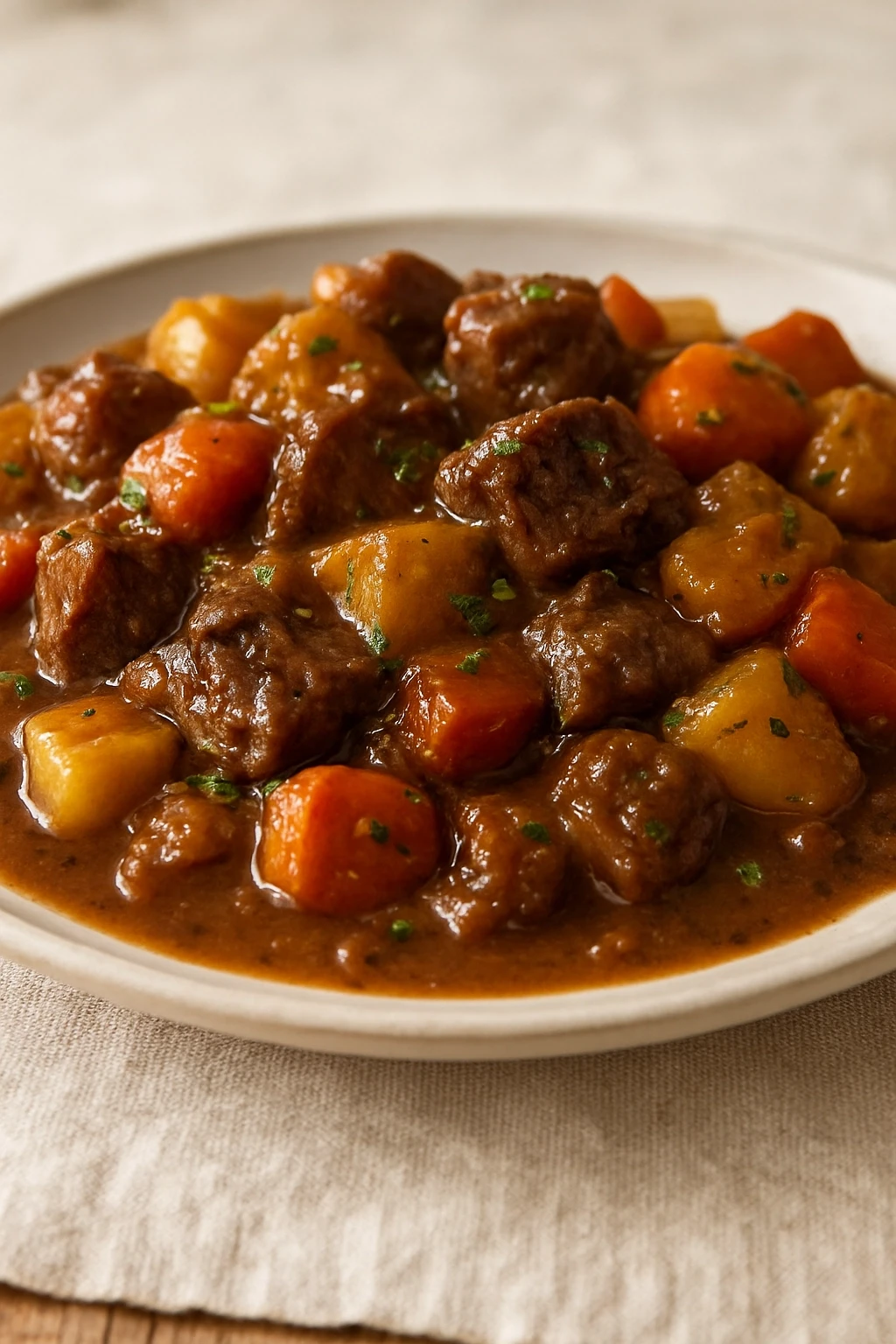
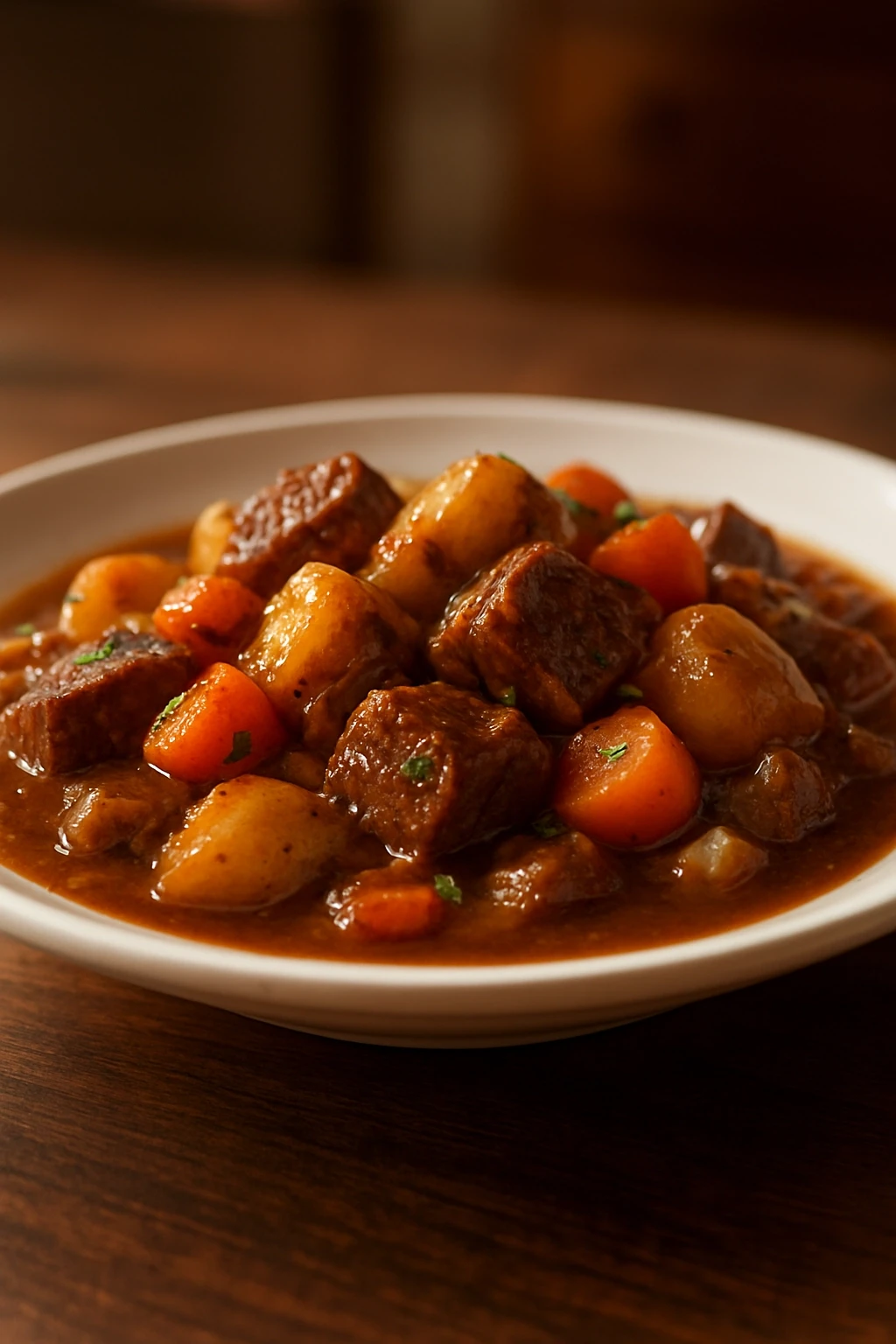
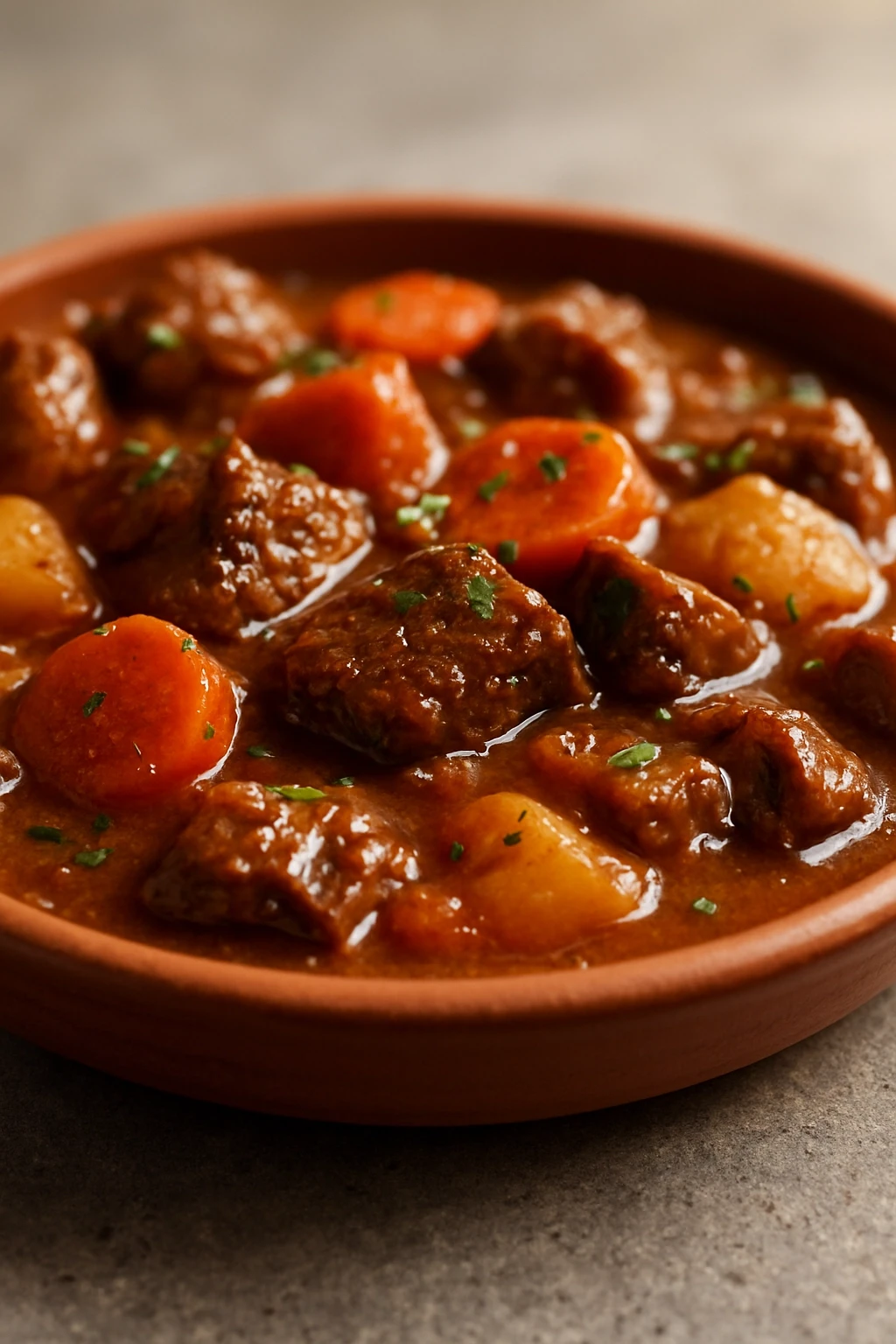
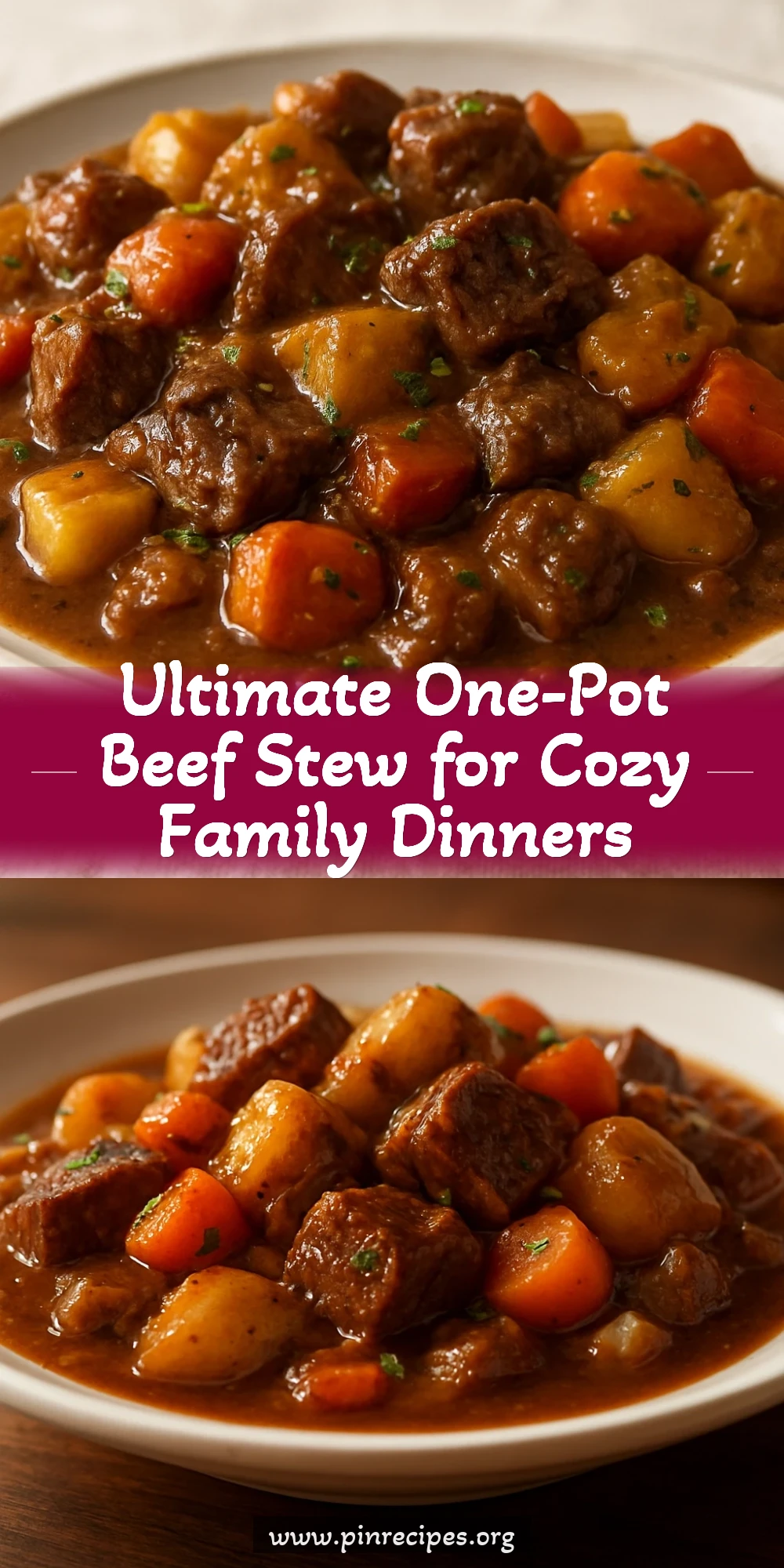
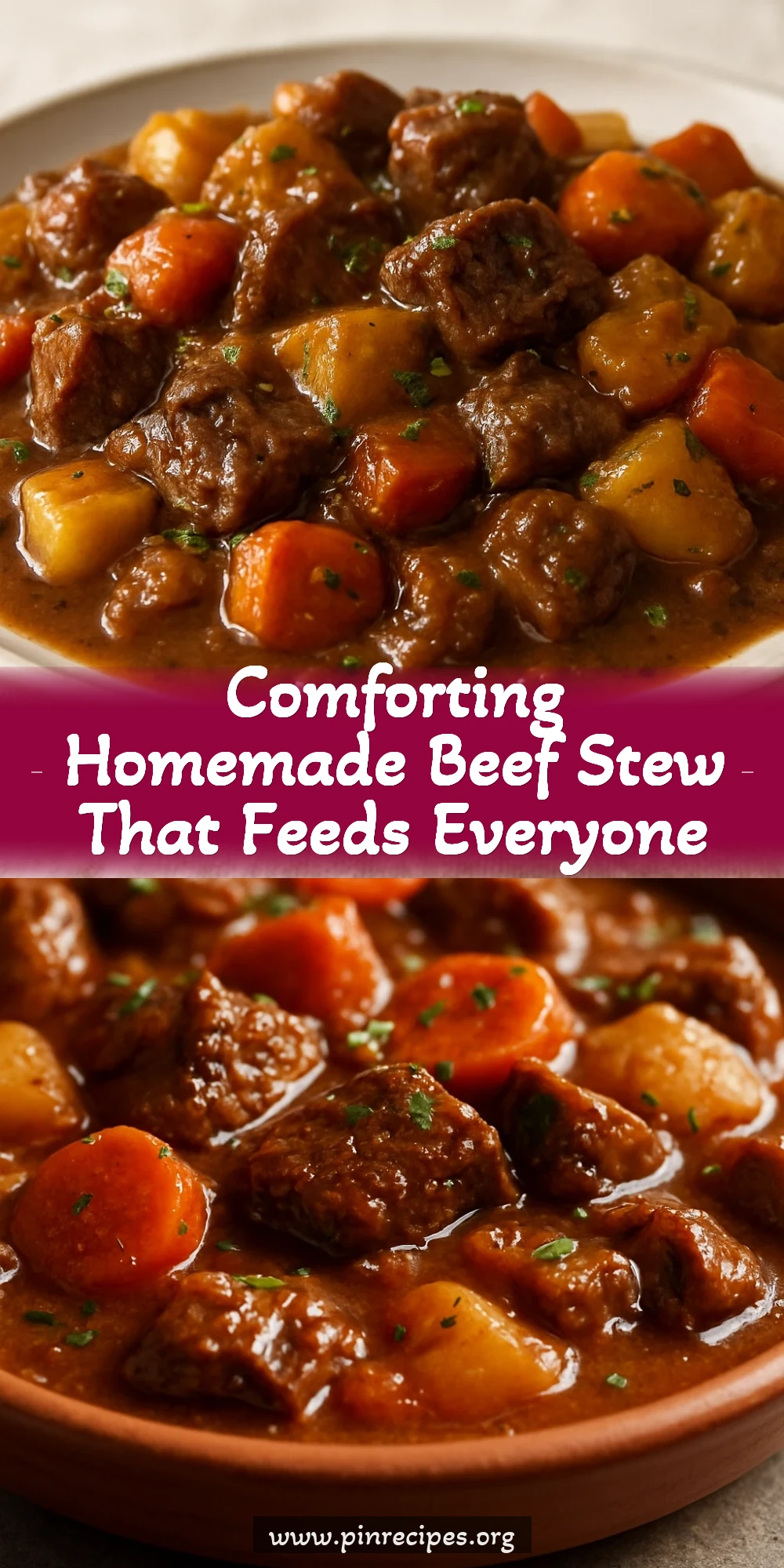
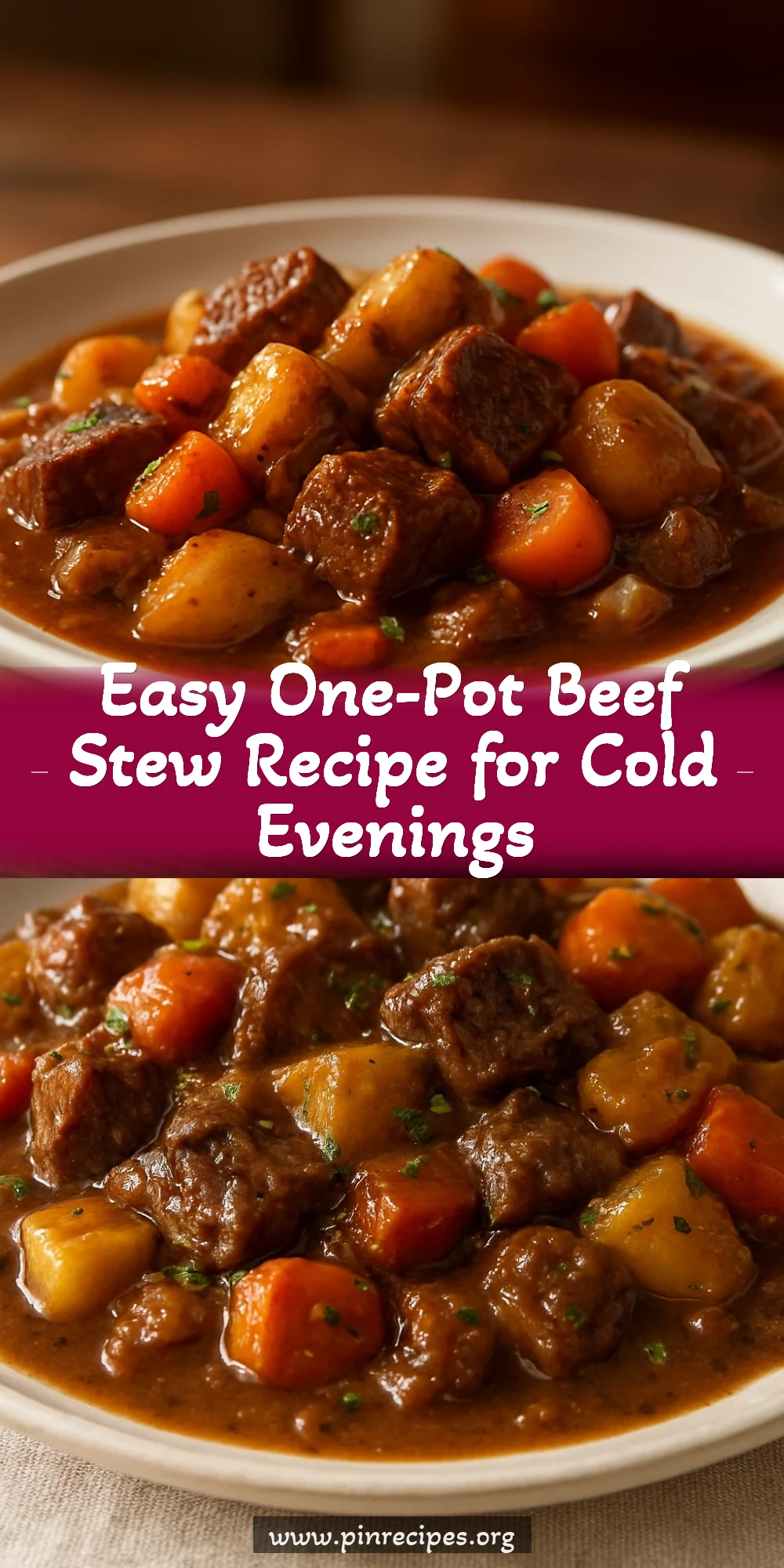
This beef stew is a warm hug in a bowl—rich, tender meat simmered with root veggies and herbs. The secret? Slow simmering to melt flavors together. Perfect for chilly evenings with family!
Introduction
I first stumbled upon this beef stew recipe during a particularly cold winter when I needed something hearty and filling to warm up the whole family. Over the years, I've tweaked it to balance rich flavors without being too heavy. What sets my version apart is the slow simmering in a mix of beef broth and a splash of red wine, which deepens the flavor without overpowering the natural taste of the meat and vegetables. I also coat the beef cubes lightly in flour before browning, which helps create a lovely, thickened stew base without needing extra thickeners later. The result is a stew that's comforting and rustic, with tender meat that almost melts in your mouth and vegetables that soak up all the savory goodness. I love how it fills the kitchen with an inviting aroma and brings everyone to the table. It’s perfect for weekend dinners or whenever you want a cozy meal that feels like a warm embrace.
What You'll Need
Approximately 8 cups, 6 servings
- 2 pounds beef chuck, cut into 1-inch cubes, trimmed of excess fat
- 3 tablespoons vegetable oil, divided
- 1 large onion, diced
- 3 cloves garlic, minced
- 4 cups beef broth, low sodium
- 1 cup dry red wine (optional)
- 4 large carrots, peeled and cut into chunks
- 3 medium potatoes, peeled and cubed
- 2 stalks celery, sliced
- 2 tablespoons tomato paste
- 1 teaspoon dried thyme
- 2 bay leaves
- Salt and freshly ground black pepper to taste
- 2 tablespoons all-purpose flour
- Fresh parsley, chopped for garnish
How To Do It
Step 1
Start by patting the beef cubes dry with paper towels—this helps them brown better. Toss them in flour seasoned lightly with salt and pepper; this coating will help thicken the stew later. Heat 2 tablespoons of vegetable oil in a large heavy-bottomed pot over medium-high heat. Add the beef in batches, making sure not to crowd the pan, and brown all sides until a deep caramelized crust forms. Browning is crucial because it develops rich flavors through the Maillard reaction, which adds depth and complexity to the stew. Avoid stirring too much; let the meat sear undisturbed for a few minutes on each side. Once browned, transfer the beef to a plate and set aside.
⏱ Time: 15 minutes
✓ Doneness: Beef cubes are deeply browned on all sides with a crusty surface but not burnt
Step 2
In the same pot, add the remaining tablespoon of oil if needed, then toss in the diced onion and sliced celery. Cook over medium heat until softened and translucent, about 5-7 minutes. Stir occasionally to prevent burning but allow the vegetables to caramelize slightly which builds sweetness and flavor. Add minced garlic and cook for another minute until fragrant. This base layer of sautéed aromatics is essential as it infuses the stew with savory notes and balances the richness of the beef. Don’t rush this step; gentle cooking ensures the flavors meld beautifully.
⏱ Time: 10 minutes
✓ Doneness: Onions are soft and translucent with a slight golden edge; garlic is aromatic but not burnt
Step 3
Return the browned beef to the pot and stir in the tomato paste, coating the meat and vegetables evenly. Let it cook for 2 minutes to deepen the tomato flavor. Then pour in the red wine (if using), scraping the bottom of the pot to loosen any browned bits stuck to the pan—this is where a lot of flavor hides! Let the wine simmer for 5 minutes to reduce slightly and mellow the alcohol. This deglazing step is key to capturing all those caramelized flavors and integrating them into the stew liquid.
⏱ Time: 7 minutes
✓ Doneness: Wine has reduced by about a third and the pot bottom is mostly clean
Step 4
Add the beef broth, dried thyme, and bay leaves to the pot. Stir everything together and bring to a gentle simmer over medium heat. Once simmering, reduce the heat to low and cover the pot partially to allow some steam to escape. Let the stew cook slowly for about 1 hour 30 minutes, stirring occasionally. Slow simmering breaks down the tough connective tissues in the beef, making it tender and juicy, while the flavors marry beautifully. Avoid boiling vigorously as it can toughen the meat and cloud the broth.
⏱ Time: 90 minutes
✓ Doneness: Beef is fork-tender and broth is rich and slightly thickened
Step 5
After the long simmer, add the chopped carrots and potatoes to the stew. Stir to combine and continue simmering uncovered for another 30 minutes or until the vegetables are tender but not mushy. Cooking the vegetables later prevents them from overcooking and disintegrating, keeping their texture intact. Check occasionally and adjust seasoning with salt and pepper as needed. This timing ensures the stew has a hearty texture with nicely cooked veggies that soak up the stew’s flavors.
⏱ Time: 30 minutes
✓ Doneness: Carrots and potatoes are tender when pierced with a fork but still hold shape
Step 6
Remove the bay leaves and taste the stew. If you want a thicker consistency, mix 1 tablespoon of flour with 2 tablespoons cold water to make a slurry, then stir it into the stew and simmer for 5 more minutes. This gentle thickening avoids clumps and gives the stew a luscious, velvety texture. Be careful not to add too much thickener or the stew will become gluey. Adjust seasoning one last time with salt and pepper.
⏱ Time: 5 minutes
✓ Doneness: Stew has a thickened, glossy broth that coats the back of a spoon
Step 7
Turn off the heat and let the stew rest for 10 minutes before serving. This resting period allows the flavors to settle and intensify. Plus, the stew will thicken slightly as it cools, giving it a perfect consistency. Sprinkle chopped fresh parsley over each serving for a burst of color and fresh herbal note that brightens the rich stew.
⏱ Time: 10 minutes
✓ Doneness: Stew is rich, thickened, and aromatic with fresh parsley garnish
Step 8
Serve the stew hot with crusty bread or over creamy mashed potatoes for a satisfying meal. This stew pairs beautifully with a simple green salad to balance the richness. Leftovers taste even better the next day as the flavors deepen. Just reheat gently on the stove, adding a splash of broth if needed to loosen the sauce.
⏱ Time: 5 minutes
✓ Doneness: Stew is steaming hot and thick with tender meat and vegetables
Step 9
For storing, cool the stew completely before transferring to airtight containers. It keeps well in the fridge for up to 4 days and freezes beautifully for up to 3 months. When reheating frozen stew, thaw overnight in the fridge and warm slowly on low heat to preserve texture and flavor.
⏱ Time: N/A
✓ Doneness: Stew reheated evenly without separating or toughening
Pro Tips
Dry the beef thoroughly before browning.
Moisture on the surface of the meat causes steaming instead of browning, preventing the Maillard reaction. Patting the beef dry ensures a better sear and richer flavor.
Brown the beef in batches without overcrowding the pan.
Overcrowding lowers pan temperature and causes the meat to steam rather than brown. Browning in batches develops a better crust and deeper flavor.
Use a heavy-bottomed pot or Dutch oven.
These retain and distribute heat evenly, preventing hot spots that can burn ingredients or cause uneven cooking.
Simmer gently rather than boiling.
Boiling toughens meat and clouds broth. A gentle simmer breaks down collagen slowly, producing tender meat and clear broth.
Add vegetables later in cooking.
Root vegetables cook faster than beef; adding them later prevents mushy texture and preserves their shape.
Deglaze the pot with wine or broth after browning.
This lifts flavorful browned bits from the pot, incorporating them into the stew for richer taste.
Let the stew rest before serving.
Resting allows flavors to meld and the sauce to thicken slightly, improving texture and taste.
Common Mistakes to Avoid
Skipping the browning step.
Why it happens Some cooks rush to save time and skip browning, thinking simmering alone is enough for flavor.
Fix Always brown beef in batches over medium-high heat until deeply caramelized. This step is essential for flavor development and creates a rich stew base.
Cooking at too high a temperature.
Why it happens Impatience or misunderstanding leads to boiling instead of simmering.
Fix Adjust heat to maintain a gentle simmer with small bubbles. This tenderizes meat and keeps broth clear and flavorful.
Adding all vegetables at the start.
Why it happens Assuming everything cooks at the same rate.
Fix Add root vegetables after the beef has simmered for about an hour to avoid mushy veggies.
Not seasoning properly throughout.
Why it happens Some add salt only at the end or not at all.
Fix Season in stages—light salt during browning, adjust after simmering, and final tweak after adding vegetables for balanced flavor.
Using lean beef cuts.
Why it happens Confusion about best cuts for stew or trying to reduce fat.
Fix Choose well-marbled chuck roast for tender, flavorful results. Lean cuts dry out and become tough when stewed.
Variations
Slow Cooker Beef Stew
Brown the beef and sauté aromatics as usual, then transfer everything to a slow cooker. Cook on low for 7-8 hours or high for 4-5 hours. Vegetables can be added halfway through cooking. This hands-off method produces tender meat and rich flavors with minimal effort.
Note: Slow cooker temperatures vary; check vegetables for doneness to avoid overcooking. Thicken stew with a slurry at the end if needed.
Spicy Beef Stew
Add 1 teaspoon smoked paprika, 1/2 teaspoon cayenne pepper, and a diced jalapeño with the onions for a smoky, spicy kick. This variation pairs well with a dollop of sour cream or cooling yogurt on top to balance heat.
Note: Adjust spice levels carefully; adding spicy ingredients early lets flavors mellow while maintaining heat.
Beef and Mushroom Stew
Add 8 ounces of sliced cremini or button mushrooms with the onions. Mushrooms add earthiness and umami that deepen the stew’s flavor. They also contribute moisture, so reduce broth slightly to maintain thickness.
Note: Sauté mushrooms until browned before adding liquids to maximize flavor.
Gluten-Free Beef Stew
Skip the flour coating and thicken the stew with a cornstarch slurry or arrowroot mixed with cold water at the end of cooking. Use gluten-free broth and ensure all other ingredients are free from gluten contamination.
Note: Cornstarch thickens quickly and gives a glossy finish; add gradually to avoid over-thickening.
Herb-Infused Beef Stew
Add fresh rosemary and parsley stems tied in a bundle with kitchen twine during simmering. Remove before serving. This adds a fresh, aromatic dimension to the stew without overpowering the beef.
Note: Use fresh herbs for best flavor; dried herbs can be too strong if added in large amounts.
Nutrition
Per Serving:
Nutritional values are estimates and may vary based on specific ingredients used.
Storage & Tips
Room Temperature
The stew can safely sit covered at room temperature for up to 2 hours. Beyond that, bacteria growth can occur, so refrigerate promptly after serving.
Refrigerator
Store in an airtight container for up to 4 days. The stew thickens and flavors deepen when chilled; reheat gently on the stove with a splash of broth or water to loosen if needed. Avoid microwave reheating without stirring to prevent uneven heating.
Freezer
Freeze in airtight containers or heavy-duty freezer bags for up to 3 months. Cool completely before freezing to prevent ice crystals. Thaw overnight in the fridge for best texture. Reheat slowly on the stove to restore creaminess and tenderness.
Reheating
Reheat over low to medium heat on the stovetop, stirring occasionally. Add a splash of broth or water if the stew is too thick. Avoid boiling vigorously as it can toughen meat and break down vegetables.
Make Ahead
You can prepare the stew up to 2 days ahead, refrigerate, and reheat before serving. For even better flavor, make it a day ahead to let the seasonings meld. Vegetables can be added fresh on the day of serving for firmer texture.
FAQ
Can I use other cuts of beef for this stew?
Chuck roast is best because it's well-marbled and becomes tender when slow-cooked. You can use brisket or short ribs, but leaner cuts like sirloin or round tend to dry out and become tough. If using different cuts, adjust cooking times accordingly.
What can I substitute for red wine if I don’t want to use alcohol?
You can replace red wine with extra beef broth plus a splash of balsamic vinegar or red grape juice to add acidity and depth. This keeps the flavor balanced without alcohol.
How do I prevent the stew from becoming too watery?
Make sure to brown the beef well and use the flour coating to help thicken the stew naturally. Also, simmer gently uncovered towards the end to reduce excess liquid. If still thin, thicken with a slurry of flour or cornstarch mixed with cold water.
Can I make this stew in a slow cooker?
Yes! Brown the meat and sauté vegetables first, then transfer everything to the slow cooker. Cook on low for 7-8 hours or high for 4-5 hours. Add vegetables halfway through cooking to avoid over-softening.
Why is my stew tough after cooking?
Tough stew meat usually means it was cooked at too high a temperature or not long enough. Maintain a gentle simmer to break down collagen slowly. Cooking too fast or boiling can tighten the meat fibers, making it chewy.
Can I freeze leftover stew?
Absolutely. Cool completely, then freeze in airtight containers for up to 3 months. Thaw overnight in the fridge before reheating gently on the stove to preserve texture and flavor.
How can I make the stew thicker without flour?
Use cornstarch or arrowroot slurry added at the end of cooking. Alternatively, mash some of the cooked potatoes or vegetables into the broth to naturally thicken it.
What vegetables work best in beef stew?
Root vegetables like carrots, potatoes, parsnips, and celery are classic choices because they hold up well during slow cooking and absorb flavors nicely.
Final Thoughts
I hope you give this hearty beef stew a try—it’s truly one of those dishes that feels like a warm hug from the inside out. Let me know how it turns out for your family!