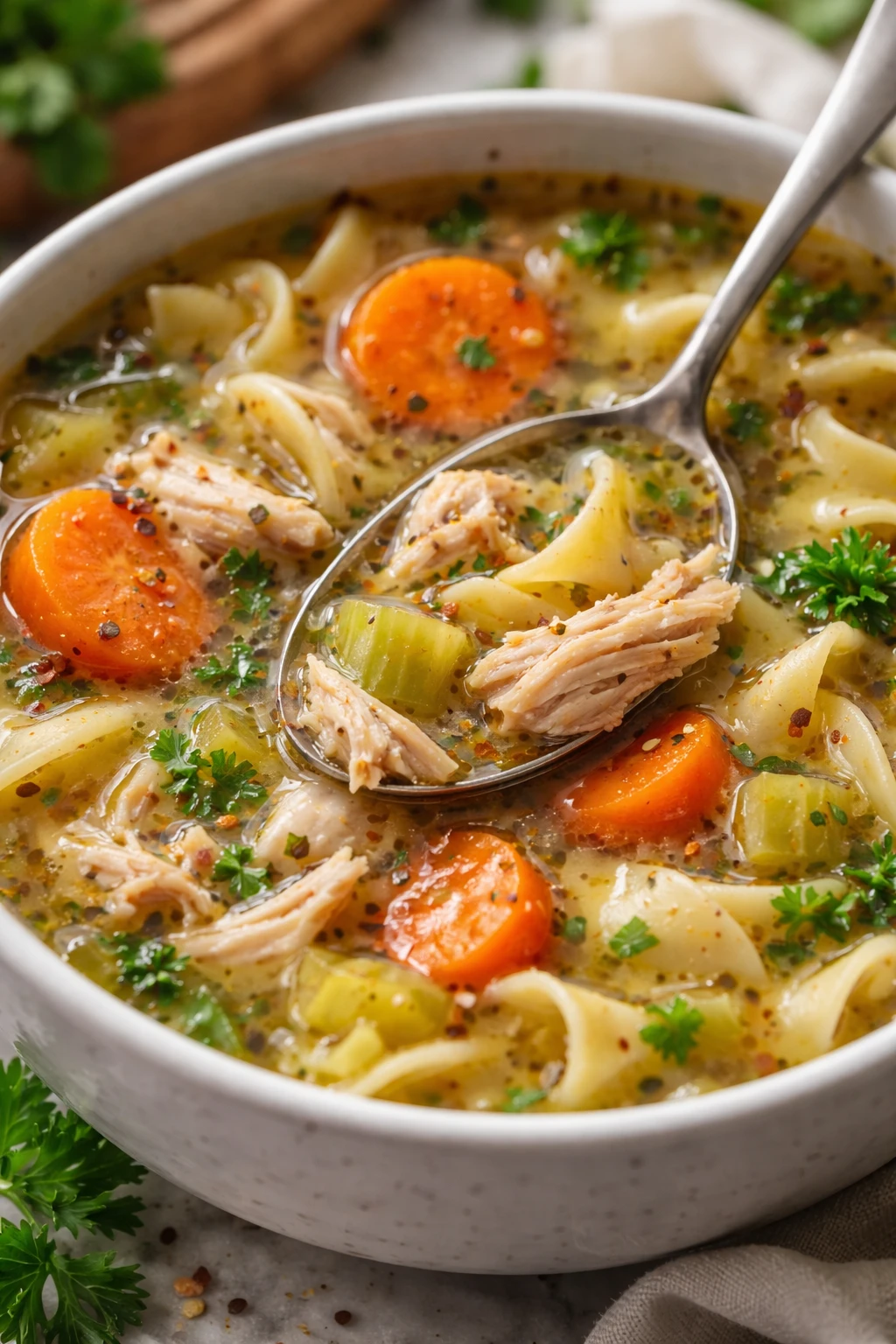
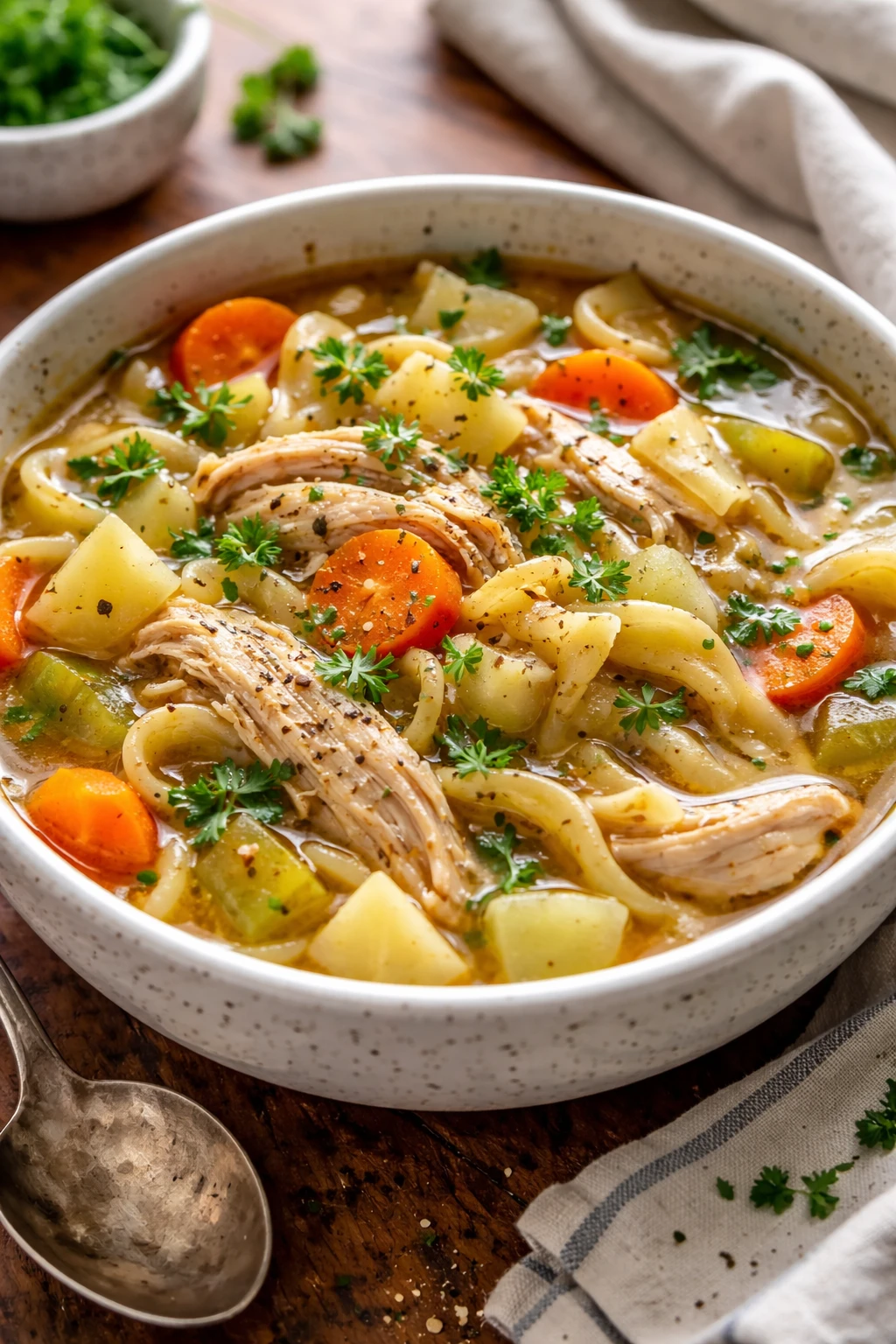
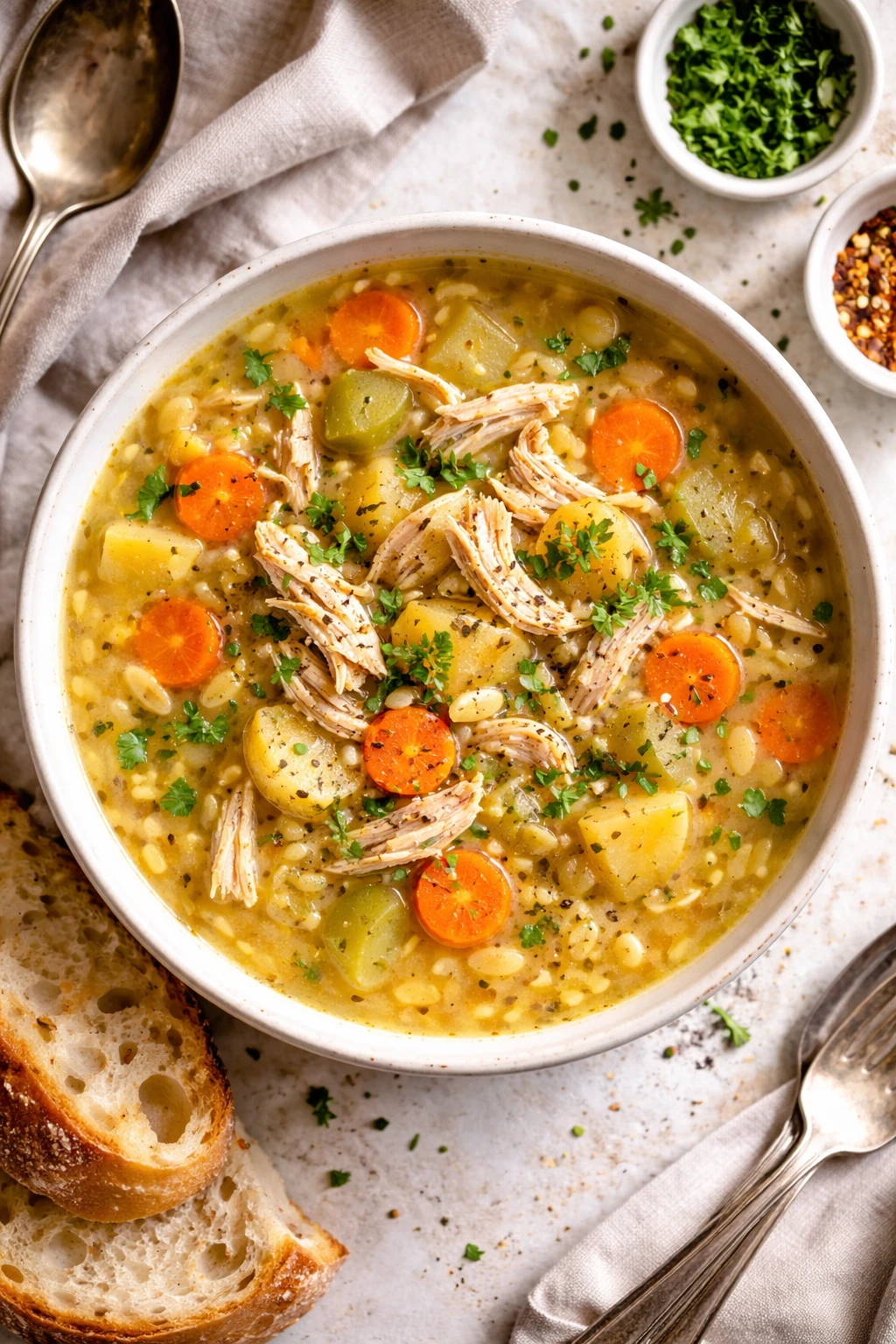
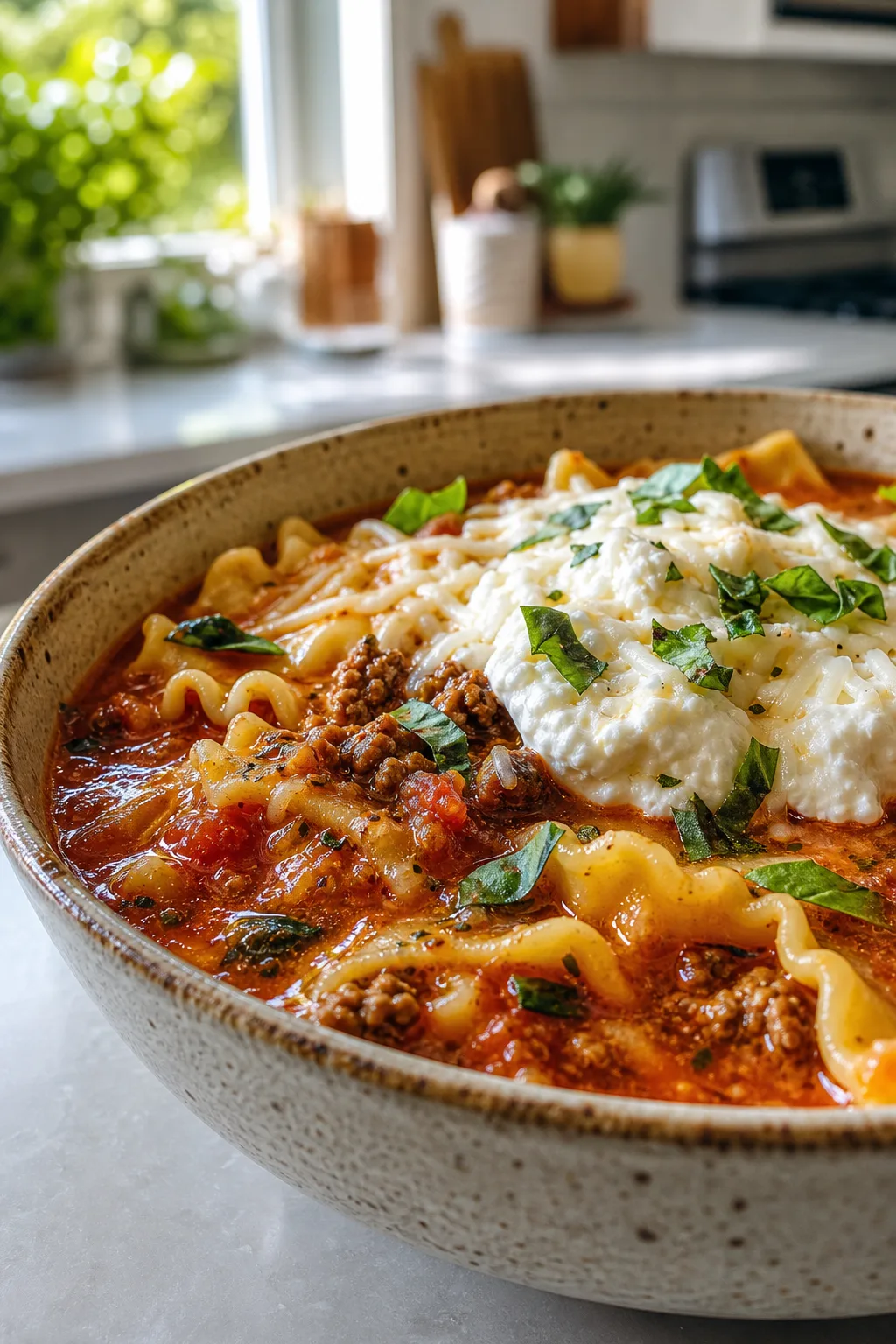
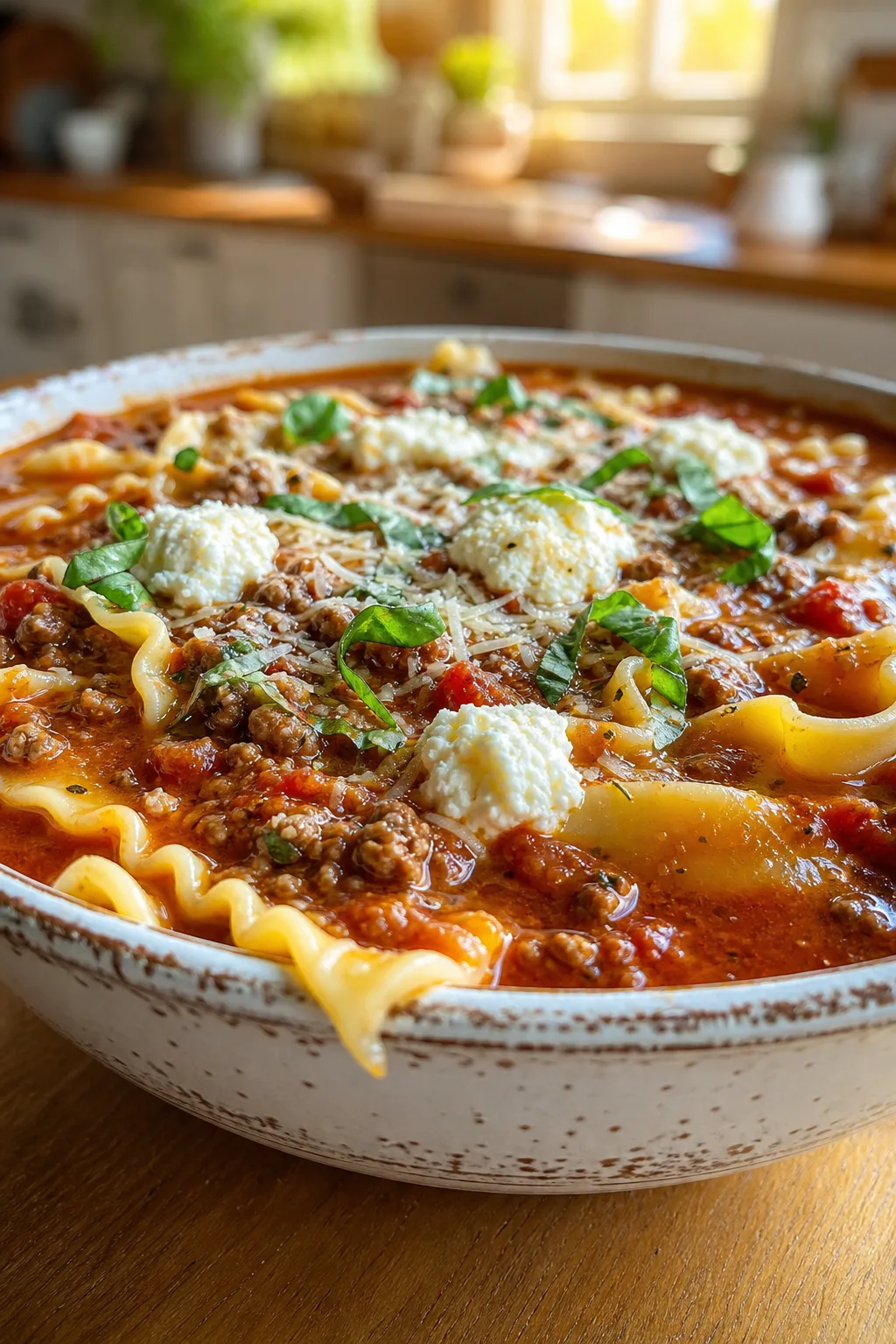
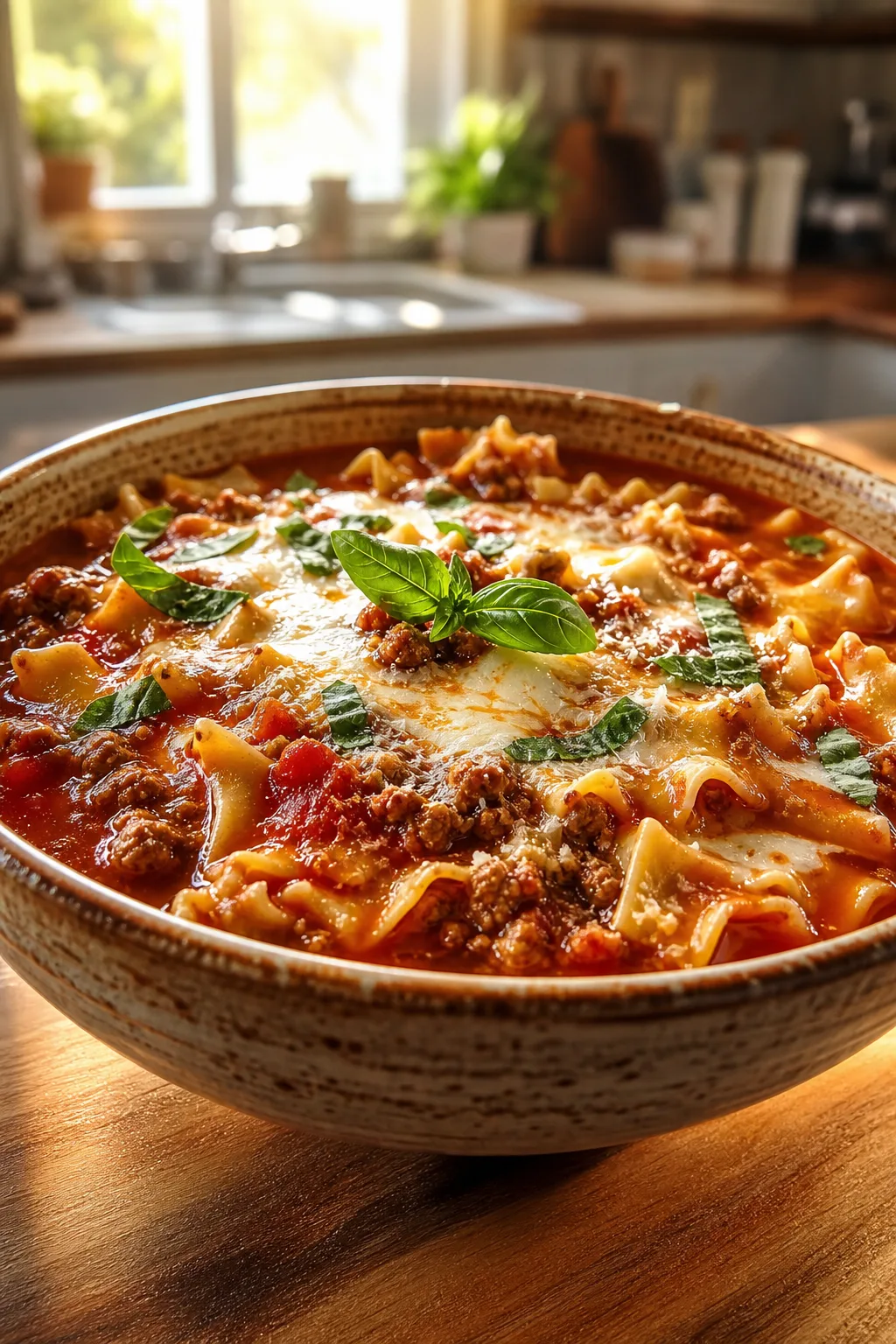
This homemade chicken soup is pure comfort in a bowl. It’s packed with tender chicken, fresh veggies, and a broth simmered low and slow for deep flavor. Perfect for chilly evenings or when you need a little cozy boost.
Introduction
I’ve been making this homemade chicken soup recipe for years, and it’s honestly my go-to whenever I want something soothing and satisfying. The first time I tried making it from scratch, I was surprised how simple it was to get such a rich, comforting broth without any shortcuts. What sets this version apart is the slow simmering of the whole chicken with fresh aromatics—it really builds deep flavor and tender meat that just falls off the bone. I also like to add fresh veggies near the end to keep them vibrant and slightly crisp, which adds a nice texture contrast. The finished soup is hearty but light, with a golden broth that tastes like a warm hug. It’s perfect for chilly nights or when you’re feeling under the weather. Plus, it’s easy enough to make on a weekend and reheat during the week. Honestly, my family always asks for seconds, and I love how versatile it is—you can add noodles or keep it simple and pure. I’m excited to share this recipe with you because it’s one of those classic dishes that never gets old and always feels like home.
What You'll Need
Approximately 8 cups, 6 servings
- 1 whole chicken (about 3-4 lbs), cleaned and quartered
- 10 cups cold water
- 3 large carrots, peeled and sliced
- 3 celery stalks, sliced
- 1 large onion, quartered
- 4 garlic cloves, smashed
- 2 bay leaves
- 1 teaspoon whole black peppercorns
- Salt to taste
- 1 cup egg noodles or pasta (optional)
- Fresh parsley, chopped for garnish
How To Do It
Step 1
Start by placing the whole cleaned chicken quarters into a large stockpot. Cover with 10 cups of cold water. Using cold water helps extract maximum flavor from the chicken as it slowly heats. Bring the pot to a gentle simmer over medium heat—avoid boiling as that can toughen the meat and cloud the broth. Skim off any foam or impurities that rise to the surface during the first 15 minutes to keep your broth clear and clean-tasting.
⏱ Time: 15 minutes
✓ Doneness: Clear broth with minimal foam on top
Step 2
Add the quartered onion, sliced carrots, celery, smashed garlic, bay leaves, and whole peppercorns to the pot. Lower the heat to maintain a gentle simmer and cover partially with a lid. Let everything cook for about 45 minutes to an hour. This slow simmer allows the chicken to become tender and the flavors to meld. Resist the urge to stir too often, as it can cloud the broth. Check occasionally to skim any foam and adjust heat to keep a steady simmer.
⏱ Time: 45-60 minutes
✓ Doneness: Chicken meat easily pulls away from the bone and broth smells fragrant
Step 3
Once the chicken is cooked through and tender, carefully remove the pieces from the pot. Let them cool slightly before shredding the meat off the bones. Discard the skin and bones or save the bones for another batch of stock. This step is important to get nice chunks of chicken without overcooking the meat in the broth.
⏱ Time: 10 minutes
✓ Doneness: Chicken meat is fully cooked, white inside, and easy to shred
Step 4
Strain the broth through a fine-mesh sieve into another pot or large bowl to remove the cooked vegetables and spices. This gives you a clear, clean broth that’s perfect for your soup. You can press the vegetables lightly to extract more flavor, but avoid pushing too hard to keep the broth clear.
⏱ Time: 10 minutes
✓ Doneness: Clear golden broth without solids
Step 5
Return the strained broth to the pot and bring it back to a simmer. Add the shredded chicken back in along with fresh sliced carrots and celery if you want some crisp veggies in your soup. Cook for about 10-15 minutes until the vegetables are tender but still hold their shape.
⏱ Time: 15 minutes
✓ Doneness: Vegetables are tender and bright in color
Step 6
If using noodles, add them to the simmering soup and cook according to package instructions, usually about 6-8 minutes. Stir occasionally to prevent sticking. Adding noodles last keeps them from getting mushy and soaking up all the broth.
⏱ Time: 6-8 minutes
✓ Doneness: Noodles are tender but not mushy
Step 7
Taste the soup and season with salt as needed. It’s important to season at the end because the broth and chicken release salt during cooking. Adding salt too early can concentrate flavors unevenly.
⏱ Time: 5 minutes
✓ Doneness: Balanced, savory flavor without overpowering saltiness
Step 8
Turn off the heat and stir in freshly chopped parsley for a pop of color and fresh flavor. This final touch brightens the soup and adds a lovely herbaceous note.
⏱ Time: 2 minutes
✓ Doneness: Bright green parsley evenly distributed
Step 9
Ladle the soup into bowls and serve hot. This soup pairs wonderfully with crusty bread or a simple green salad. Leftovers keep well and taste even better the next day once the flavors meld further.
⏱ Time: Immediate serving
✓ Doneness: Steaming, inviting bowls of soup ready to enjoy
Pro Tips
Always start with cold water when making your broth.
Cold water helps extract collagen and proteins slowly from the chicken bones, which results in a rich, silky broth. Starting with hot water can cook the proteins too quickly, causing a cloudy broth and less flavor.
Skim foam and impurities from the surface during the first 15 minutes of simmering.
Removing foam keeps your broth clear and prevents off-flavors. Foam consists of coagulated proteins and impurities released from the chicken and vegetables. Leaving it in can make the broth bitter or cloudy.
Don’t rush the simmer; keep it low and steady.
A gentle simmer allows flavors to develop gradually without toughening the chicken meat or emulsifying fat into the broth, which would make it greasy and cloudy.
Add fresh vegetables after straining the broth.
This keeps the vegetables bright and slightly crisp, adding texture and freshness to the soup. Cooking them with the chicken too long can make them mushy and dull.
Season your soup at the end of cooking.
Salt concentration changes as the broth reduces and flavors concentrate. Adding salt too early can result in an overly salty soup by the time it’s finished.
Use whole peppercorns instead of ground pepper.
Whole peppercorns provide a subtle, clean heat and aroma without clouding the broth or creating gritty textures. They can be strained out easily before serving.
Let the soup rest before serving or refrigerate overnight.
Resting allows flavors to meld and deepen. The fat rises to the top, which you can skim off for a leaner broth or stir back in for richness.
Common Mistakes to Avoid
Boiling the soup too hard
Why it happens Many cooks think a rolling boil speeds up cooking, but it actually toughens the chicken and clouds the broth.
Fix Lower the heat to maintain a gentle simmer. Watch for small bubbles breaking the surface slowly, not a vigorous boil.
Skipping the skimming of foam
Why it happens It’s easy to overlook this step when busy, but foam leads to off-flavors and cloudy broth.
Fix Use a fine mesh skimmer or spoon to gently remove foam during the first 15 minutes of simmering.
Overcooking the vegetables
Why it happens Adding vegetables too early causes them to become mushy and lose flavor.
Fix Add fresh vegetables after straining the broth and cook just until tender-crisp.
Not seasoning at the end
Why it happens Adding salt early can concentrate too much and make the soup salty.
Fix Taste and season the soup after all cooking is done, adjusting salt to your preference.
Using boneless chicken only
Why it happens Boneless cuts lack bones and skin that enrich the broth with flavor and gelatin.
Fix Use whole chicken pieces with bone and skin for a richer, more flavorful broth.
Variations
Spicy Chicken Soup
Add diced jalapeño or a pinch of cayenne pepper with the aromatics for a warming spicy kick. You can also finish with a squeeze of lime and fresh cilantro for brightness. Expect a bolder flavor profile with a little heat that complements the comforting base.
Note: Adjust spice level carefully and add fresh herbs at the end to keep flavors vibrant.
Gluten-Free Version
Skip the noodles or substitute with gluten-free pasta or spiralized vegetables like zucchini. This keeps the soup light and suitable for gluten-sensitive eaters while maintaining hearty texture from the chicken and veggies.
Note: Cook gluten-free pasta separately and add just before serving to avoid mushiness.
Creamy Chicken Soup
Stir in a splash of heavy cream or coconut milk near the end for a richer, velvety texture. This variation turns the soup into a comforting, creamy meal without losing the fresh chicken flavor.
Note: Add cream off heat to prevent curdling and keep the soup smooth.
Herb-Infused Chicken Soup
Add fresh thyme, rosemary, or dill with the aromatics for an herbal twist. These herbs add complexity and an earthy aroma that pairs beautifully with the chicken and vegetables.
Note: Tie herbs in a bundle for easy removal or chop finely if you prefer them in the soup.
Vegetable-Loaded Chicken Soup
Boost the veggie content by adding diced potatoes, green beans, or peas with the fresh vegetables. This variation makes the soup more filling and colorful, perfect for a one-pot meal.
Note: Add root vegetables earlier to ensure they cook through; delicate veggies go in last.
Nutrition
Per Serving:
Nutritional values are estimates and may vary based on specific ingredients used.
Storage & Tips
Room Temperature
You can keep the soup at room temperature covered for up to 2 hours safely. Beyond that, bacteria can grow, so it’s best to refrigerate promptly.
Refrigerator
Store leftover soup in an airtight container for up to 4 days. The flavors deepen but the noodles may absorb broth and soften. Reheat gently on the stove or microwave, adding a splash of water or broth if needed.
Freezer
Freeze soup in airtight containers for up to 3 months. To prevent freezer burn, leave some headspace and seal tightly. Thaw overnight in the fridge before reheating gently.
Reheating
Reheat soup on the stovetop over medium-low heat or in the microwave until steaming hot. Add a splash of broth or water if it’s too thick. Avoid boiling again to keep chicken tender.
Make Ahead
You can prepare the broth and shredded chicken 1-2 days ahead and store separately. Add fresh vegetables and noodles just before serving to keep them fresh and crisp.
FAQ
Can I use chicken breasts instead of a whole chicken?
You can, but the broth won’t be as rich or gelatinous because breasts lack bones and skin. For best flavor and texture, use bone-in pieces or a whole chicken.
How do I keep the broth clear and not cloudy?
Start with cold water, simmer gently (not boiling), and skim foam during the first 15 minutes. Avoid stirring too much and strain the broth before adding fresh vegetables.
Can I make this soup in a slow cooker?
Yes! Place all ingredients except fresh vegetables and noodles in the slow cooker and cook on low for 6-8 hours. Add fresh veggies and noodles in the last 30 minutes to avoid overcooking.
What can I substitute for egg noodles?
You can use any pasta shape, rice, quinoa, or even spiralized vegetables. Add them towards the end of cooking to prevent them from becoming mushy.
How do I store leftover soup with noodles?
Noodles tend to soak up broth over time. Store soup and noodles separately if possible, or reheat with extra broth or water to loosen the soup.
Can I freeze chicken soup with noodles?
It’s best to freeze the soup without noodles, then cook fresh noodles when reheating. Freezing noodles can make them mushy and unappealing.
Why does my chicken soup taste bland sometimes?
Make sure to simmer long enough to extract flavor, season at the end, and use fresh aromatics. Skipping skimming or using low-quality chicken can also affect flavor.
Can I add other herbs or spices?
Absolutely! Thyme, rosemary, dill, or parsley work well. Add fresh herbs at the end for brightness, and dried herbs early in the simmer for depth.
Final Thoughts
I hope you enjoy making and sharing this homemade chicken soup as much as my family does. Let me know how it turns out and any twists you try!