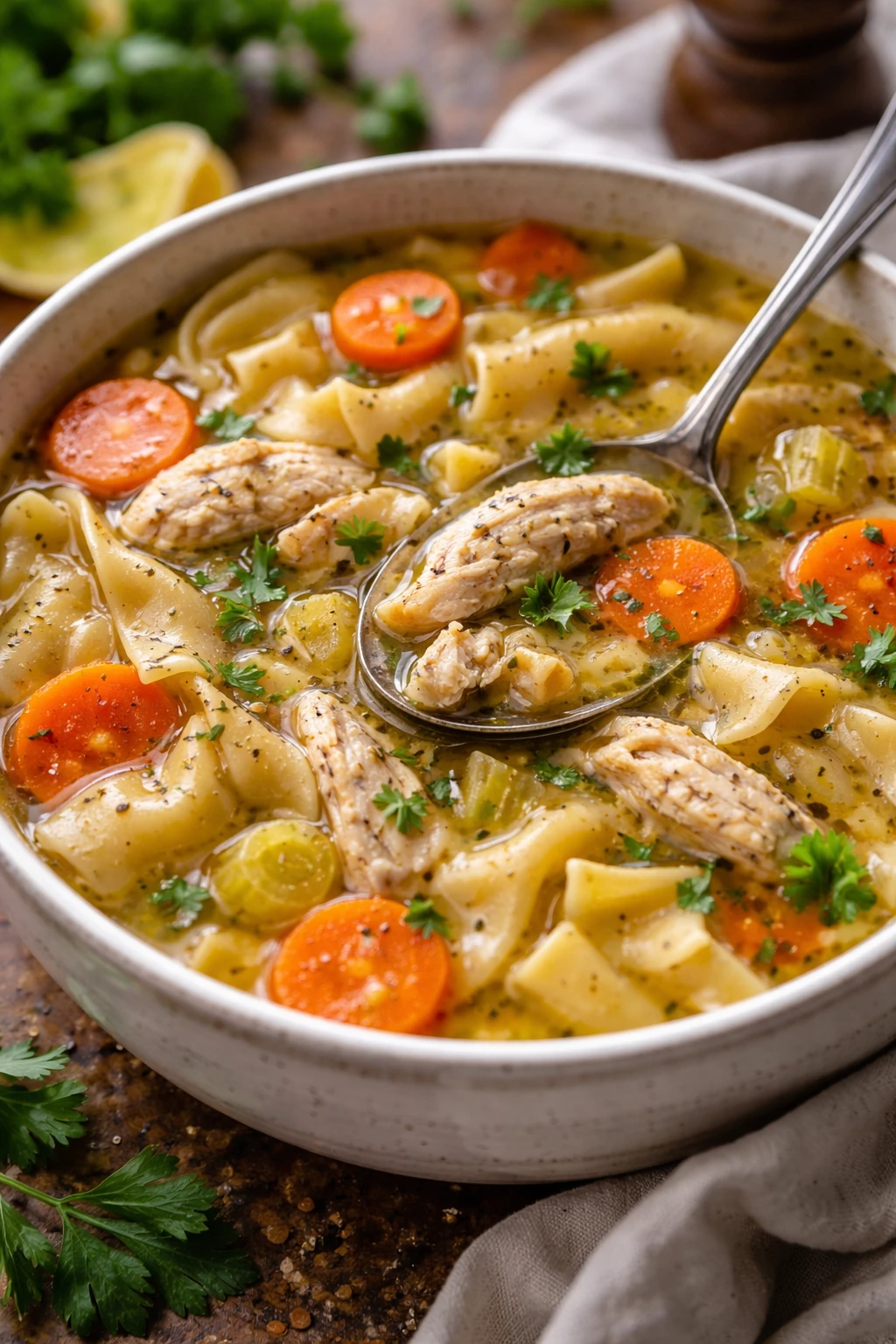
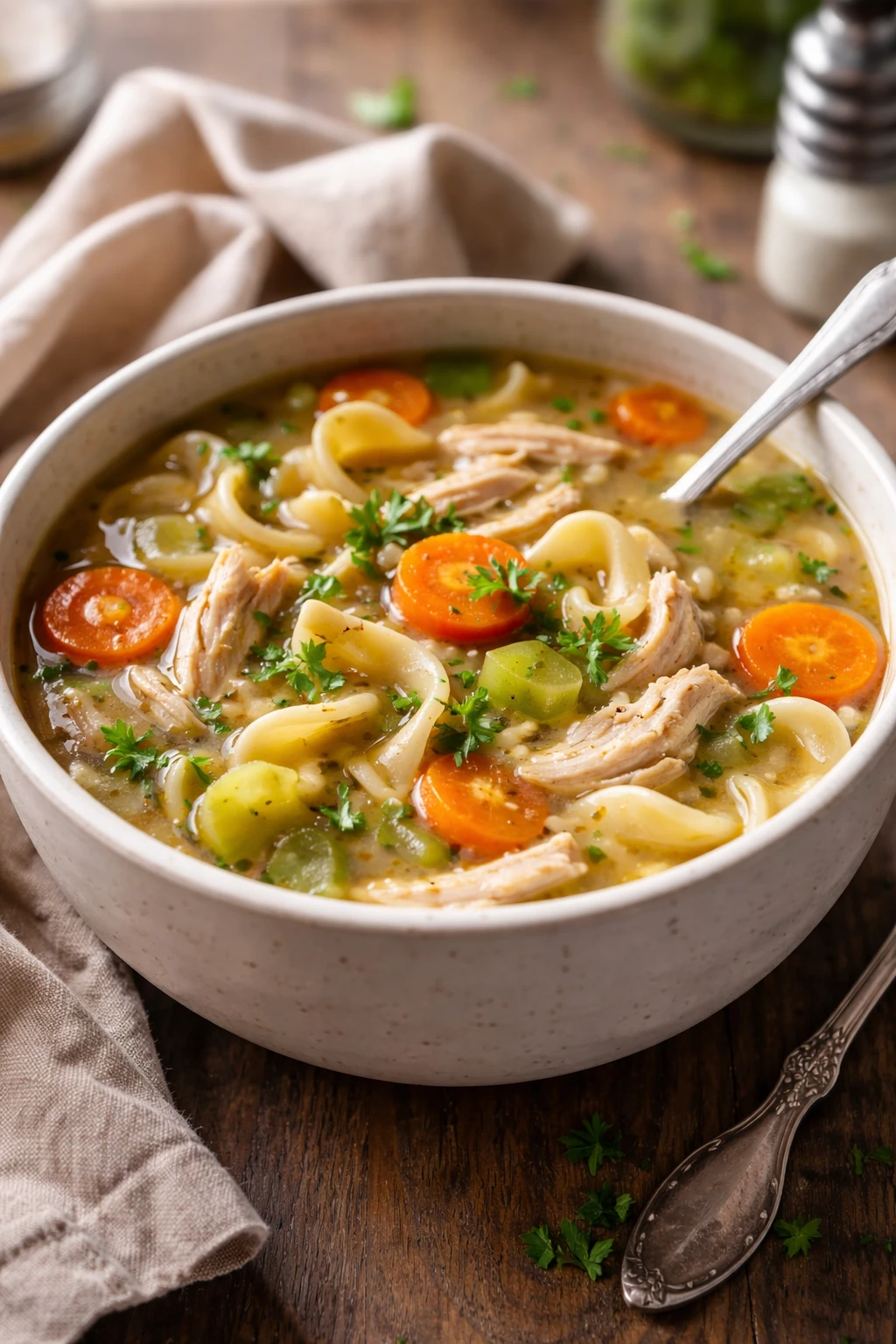
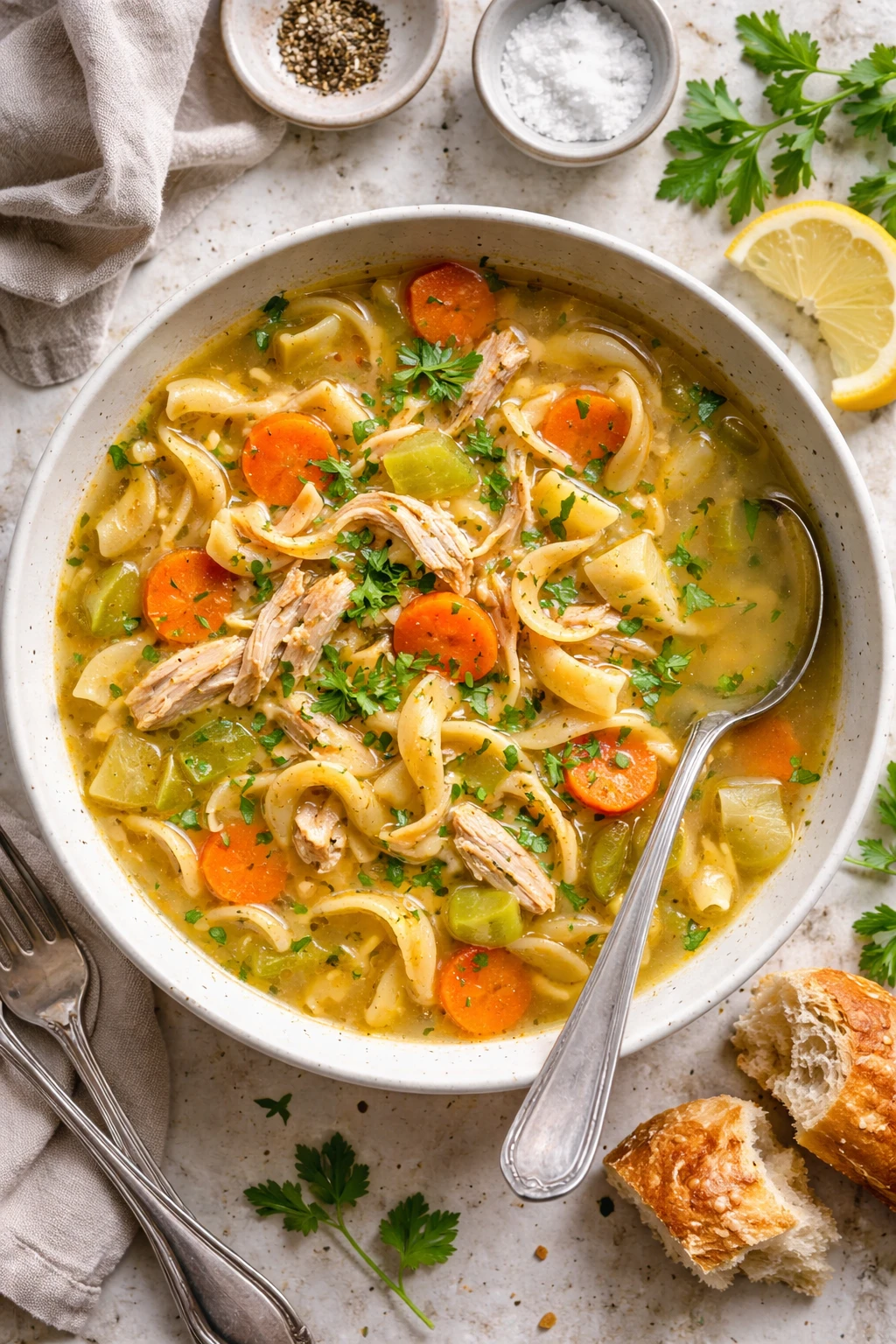
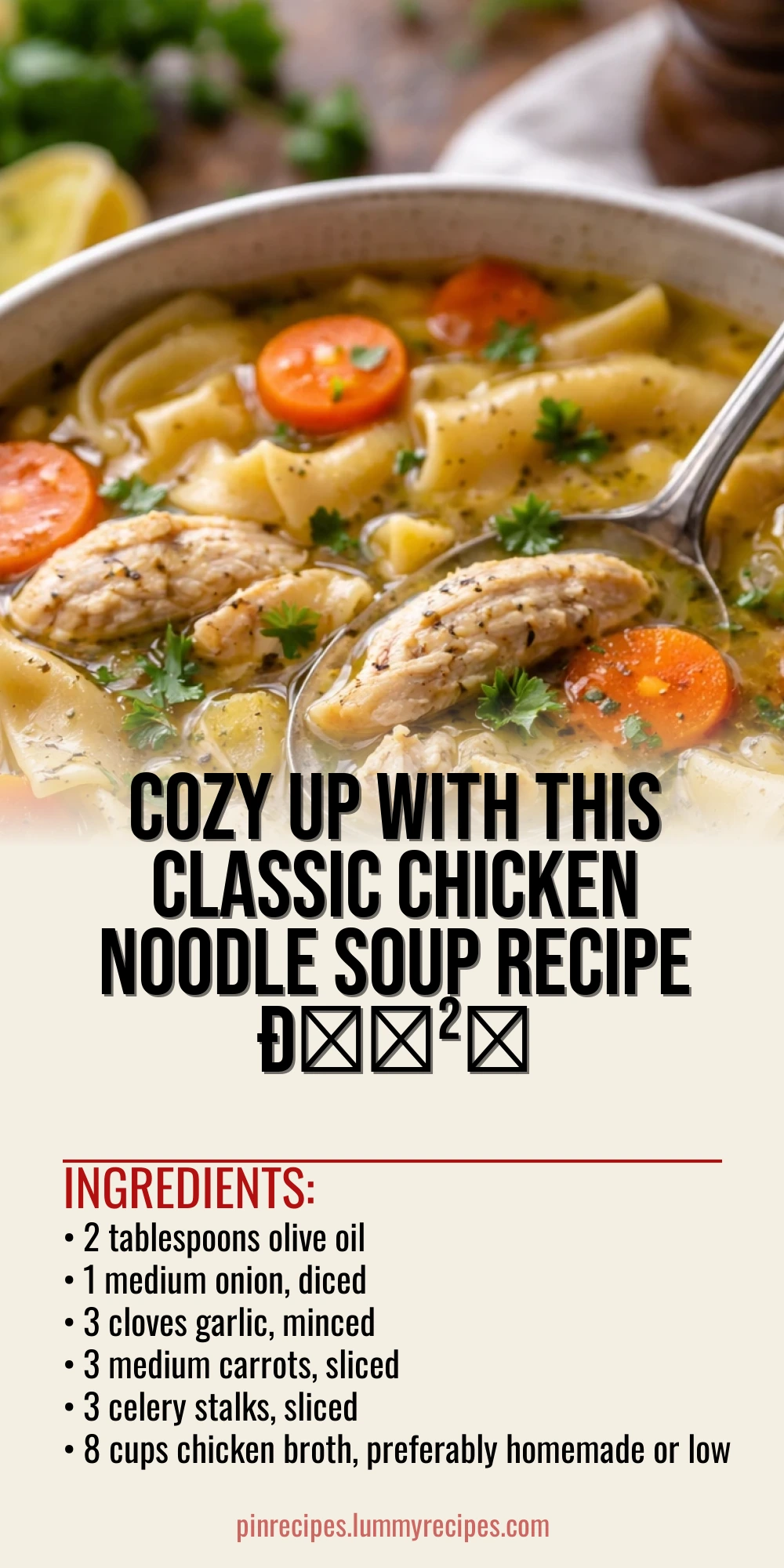
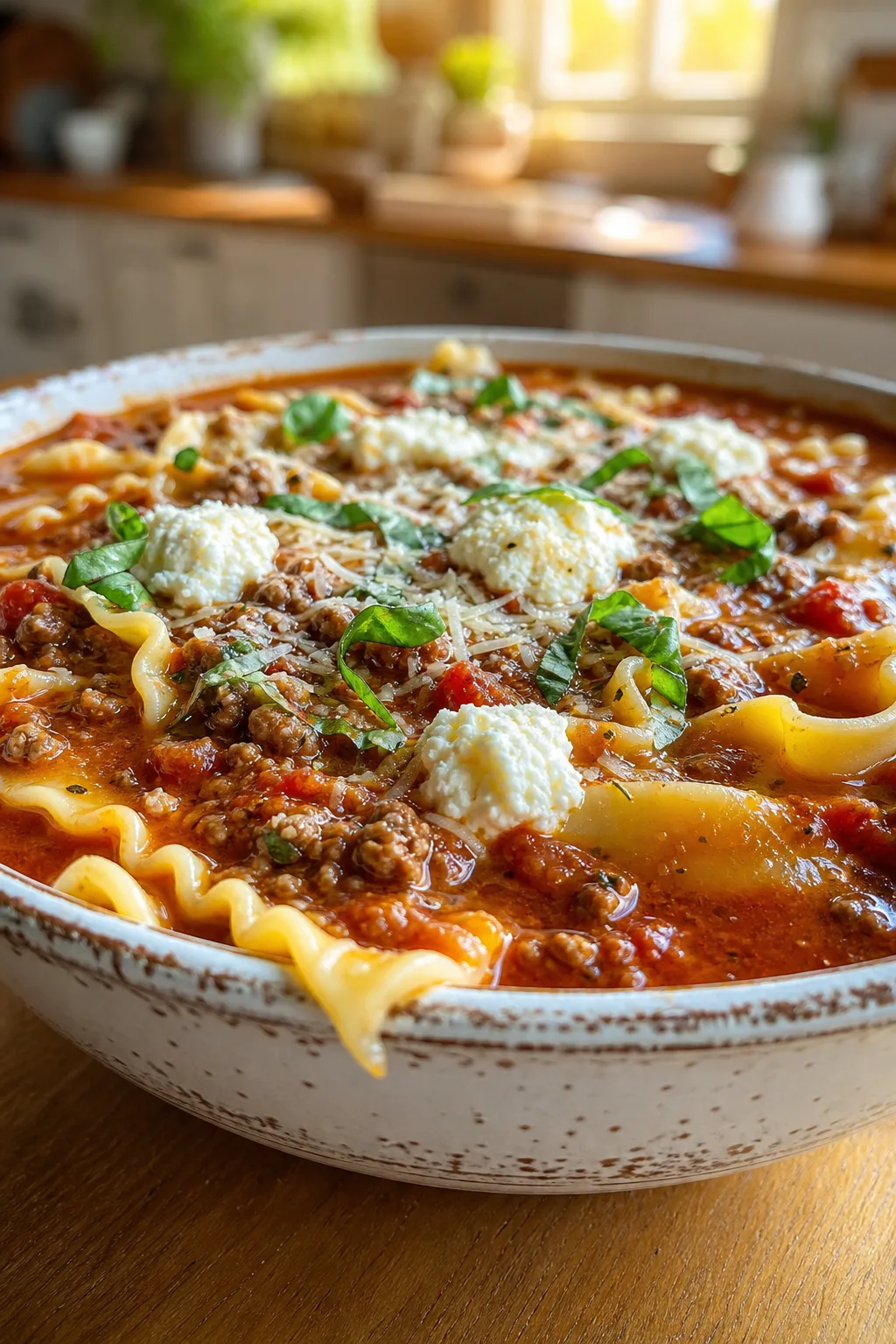
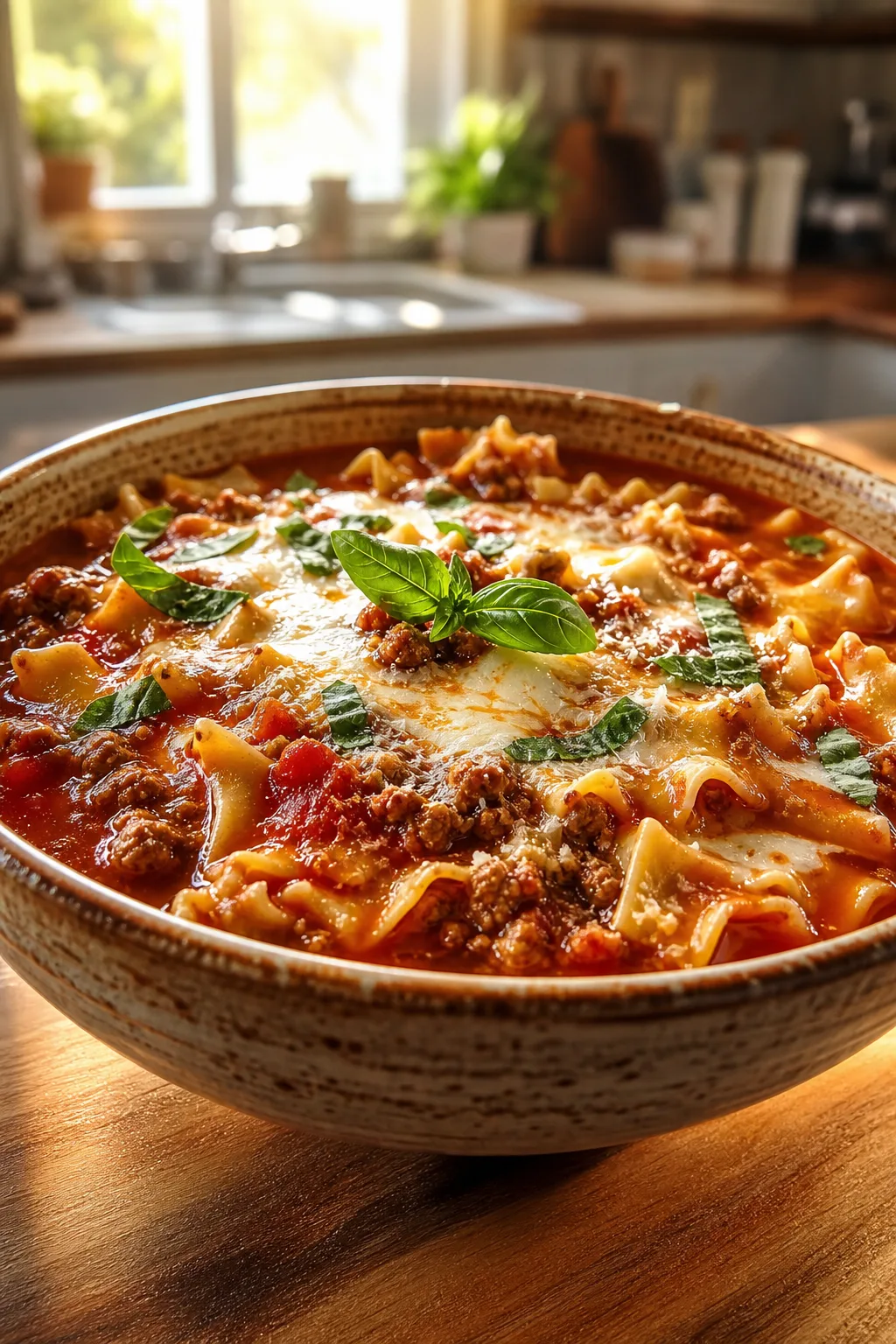
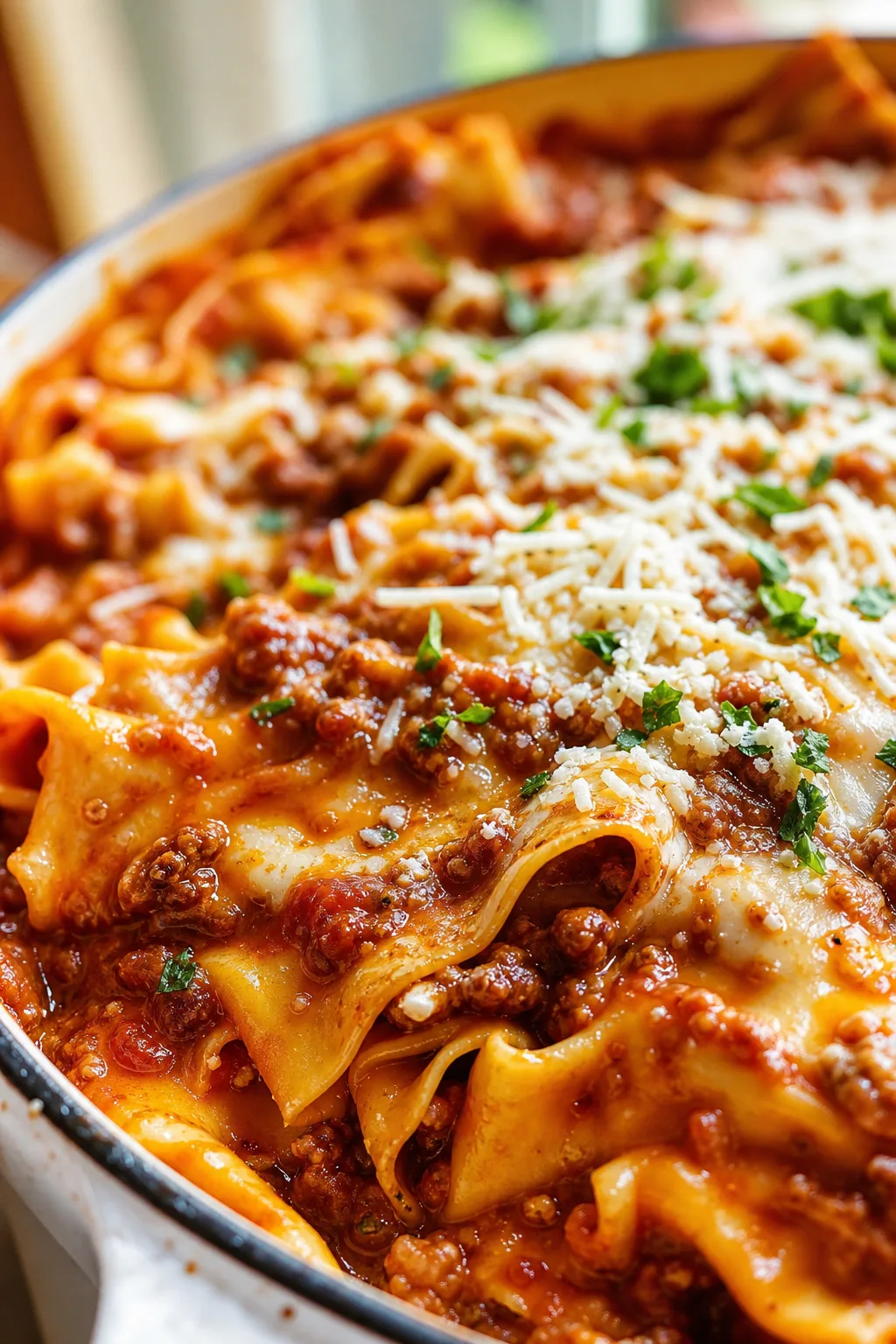
This homemade chicken noodle soup is everything you want on a cold day—comforting broth, tender chicken, and fresh noodles. The secret? Simmering the broth slowly to deepen flavors. Perfect for cozy dinners or when you’re feeling under the weather.
Introduction
I first fell in love with homemade chicken noodle soup on a rainy autumn afternoon when my grandma made a big pot for the whole family. There’s something so comforting about the smell of simmering broth and fresh herbs filling the kitchen. Over the years, I tweaked the recipe to make it a little lighter but still rich in flavor—using olive oil instead of butter and adding fresh herbs at the end for brightness. One trick I learned is to simmer the broth gently with bay leaves and thyme to develop a deep, cozy flavor without any heaviness. I also like to use egg noodles that cook quickly and hold their texture well, so the soup never gets mushy. This soup is perfect for chilly nights or whenever you need a little pick-me-up. It’s warm, nourishing, and makes the whole house smell like home.
What You'll Need
Approximately 6 hearty servings
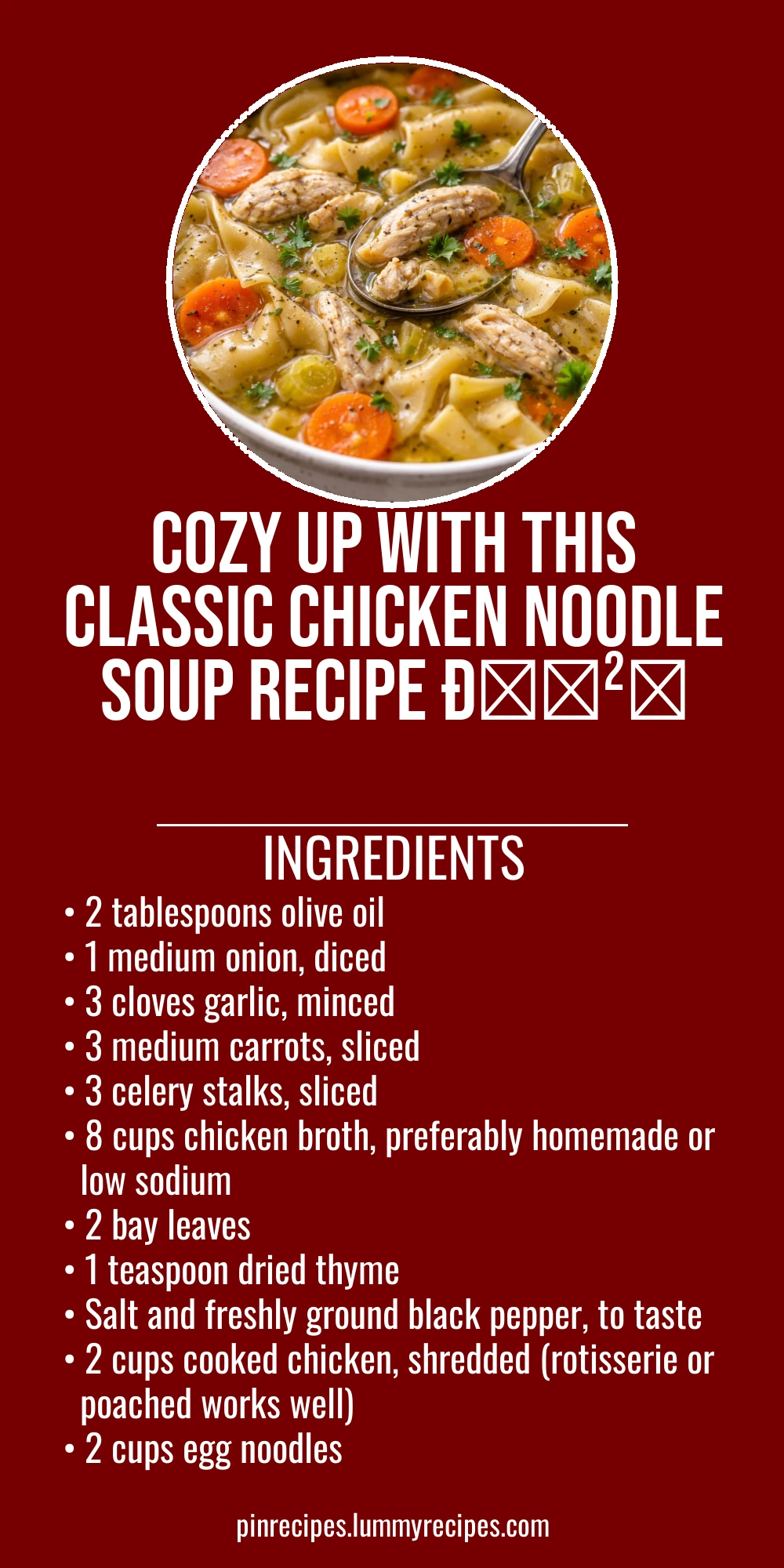
- 2 tablespoons olive oil
- 1 medium onion, diced
- 3 cloves garlic, minced
- 3 medium carrots, sliced
- 3 celery stalks, sliced
- 8 cups chicken broth, preferably homemade or low sodium
- 2 bay leaves
- 1 teaspoon dried thyme
- Salt and freshly ground black pepper, to taste
- 2 cups cooked chicken, shredded (rotisserie or poached works well)
- 2 cups egg noodles
- 2 tablespoons fresh parsley, chopped
How To Do It
Step 1
Heat the olive oil in a large pot over medium heat. Add the diced onion, sliced carrots, and celery. Sauté gently for about 8-10 minutes until the vegetables are soft and the onions are translucent. This step is crucial because it builds the flavor base for your soup. Cooking the veggies slowly releases their natural sweetness and softens them so they blend perfectly into the broth. Avoid turning the heat too high or the vegetables might brown, which could alter the soup’s delicate flavor.
⏱ Time: 10 minutes
✓ Doneness: Vegetables should be tender and onions translucent without any browning
Step 2
Add the minced garlic and cook for another minute until fragrant. Then pour in the chicken broth along with bay leaves and dried thyme. Bring the mixture to a gentle boil, then reduce heat and let it simmer uncovered for 25-30 minutes. This slow simmer allows the herbs to infuse the broth deeply, creating that classic comforting taste. Rushing this step or boiling too hard can make the broth cloudy and less flavorful.
⏱ Time: 30 minutes
✓ Doneness: Broth should be clear, aromatic, and slightly reduced
Step 3
Remove the bay leaves from the pot. Add the shredded cooked chicken and stir well. This is where the soup gets hearty and protein-packed. Using pre-cooked chicken saves time but make sure it’s shredded finely so it distributes evenly in the soup. If you add the chicken too early, it can dry out or become tough.
⏱ Time: 5 minutes
✓ Doneness: Chicken is warmed through and evenly mixed
Step 4
Bring the soup back to a gentle boil and add the egg noodles. Cook according to package instructions, usually about 6-8 minutes, until noodles are tender but still slightly firm. Overcooking noodles will make them mushy and soak up too much broth, so keep an eye on the texture and taste frequently.
⏱ Time: 8 minutes
✓ Doneness: Noodles are tender but not falling apart
Step 5
Season the soup with salt and freshly ground black pepper to taste. This final seasoning is key because the broth can vary in saltiness depending on your chicken broth. Taste as you go to avoid over-seasoning. Fresh pepper adds a nice subtle warmth.
⏱ Time: 2 minutes
✓ Doneness: Balanced seasoning with a hint of peppery warmth
Step 6
Turn off the heat and stir in the fresh chopped parsley. Adding parsley at the end keeps its bright color and fresh flavor, which lifts the whole soup. If you add it too early, the herbs wilt and lose their vibrancy.
⏱ Time: 1 minute
✓ Doneness: Soup looks vibrant with flecks of green parsley
Step 7
Ladle the soup into bowls and serve hot. This soup pairs wonderfully with crusty bread or a simple side salad. Serving it immediately ensures the noodles stay perfectly tender and the broth is warm and inviting.
⏱ Time: 5 minutes
✓ Doneness: Soup is steaming hot and noodles retain texture
Step 8
If making ahead, cook noodles separately and add just before serving to prevent sogginess. This little extra step keeps your soup fresh and delicious even after reheating. It’s a game changer for meal prep!
⏱ Time: N/A
✓ Doneness: Noodles remain firm and separate when served
Step 9
Store leftovers in an airtight container in the fridge for up to 3 days. Reheat gently on the stove with a splash of broth or water to loosen it up. Avoid boiling during reheating to preserve the delicate flavors and noodle texture.
⏱ Time: N/A
✓ Doneness: Soup is warmed through but not boiling
Pro Tips
Simmer the broth gently instead of boiling hard.
Boiling vigorously can make the broth cloudy and cause flavors to become harsh or bitter. A gentle simmer extracts flavor slowly, keeps the broth clear, and results in a smoother taste.
Add noodles at the very end and cook until just tender.
Noodles absorb liquid quickly and can become mushy if overcooked. Cooking them last ensures they retain a pleasant texture and the soup doesn’t become thick and gummy.
Use shredded cooked chicken instead of raw.
Pre-cooked chicken warms through without drying out or toughening. Raw chicken requires longer cooking that can cloud the broth and alter texture.
Sauté vegetables slowly to develop sweetness.
Slow cooking softens the veggies and releases natural sugars that add depth and balance to the broth, making the soup more flavorful.
Season gradually and taste at the end.
Broth and chicken can vary in saltiness. Adding salt little by little prevents over-seasoning and allows you to achieve perfect balance.
Add fresh herbs last to keep brightness.
Herbs lose flavor and color if cooked too long. Adding parsley at the end adds freshness and visual appeal.
Make broth ahead and refrigerate overnight.
Chilling broth allows fat to rise and be skimmed off, resulting in a cleaner, less greasy soup.
Common Mistakes to Avoid
Boiling the soup too hard.
Why it happens Many cooks think a rolling boil speeds cooking, but it actually breaks down ingredients too fast and clouds the broth.
Fix Reduce heat to a gentle simmer once broth boils. This slow cooking preserves clarity and flavor.
Overcooking the noodles.
Why it happens Noodles cook quickly and can become mushy if left in hot broth too long.
Fix Add noodles just before serving and cook until al dente. Alternatively, cook separately and add when serving.
Not seasoning properly.
Why it happens Assuming broth is already salty enough or adding all salt at once leads to bland or overly salty soup.
Fix Season gradually and taste frequently to adjust salt and pepper perfectly.
Using raw chicken and cooking too long.
Why it happens Raw chicken requires longer cooking that can toughen meat and cloud broth.
Fix Use cooked shredded chicken and add near the end to warm through gently.
Skipping the fresh herbs at the end.
Why it happens Adding herbs too early causes them to lose flavor and color.
Fix Add parsley or other fresh herbs right before serving for best taste and appearance.
Variations
Spicy Chicken Noodle Soup
Add a diced jalapeño or a pinch of red pepper flakes when sautéing the vegetables to give the soup a gentle kick. This variation adds warmth and depth without overpowering the classic flavors.
Note: Adjust spice level carefully and taste as you go to keep balance.
Gluten-Free Chicken Noodle Soup
Swap traditional egg noodles with gluten-free pasta or rice noodles. The soup remains comforting and delicious, perfect for those with dietary restrictions.
Note: Cook gluten-free noodles separately to avoid mushiness and add just before serving.
Creamy Chicken Noodle Soup
Stir in 1/2 cup of heavy cream or coconut milk at the end for a richer, creamier texture. This makes the soup feel indulgent and perfect for cold winter days.
Note: Add cream off the heat to prevent curdling.
Vegetable-Loaded Chicken Noodle Soup
Add diced potatoes, peas, or green beans along with the carrots and celery for a heartier soup packed with extra veggies and nutrients.
Note: Adjust cooking time to ensure all vegetables are tender.
Herbed Lemon Chicken Noodle Soup
Finish the soup with a squeeze of fresh lemon juice and a sprinkle of dill or basil for a bright, fresh twist that lightens the rich broth.
Note: Add lemon juice off the heat to preserve brightness.
Nutrition
Per Serving:
Nutritional values are estimates and may vary based on specific ingredients used.
Storage & Tips
Room Temperature
Chicken noodle soup can safely sit out covered for up to 2 hours. Beyond that, bacteria growth increases, so refrigerate promptly to keep it safe.
Refrigerator
Store in an airtight container for up to 3 days. The noodles may absorb broth and soften more when chilled. Reheat gently on the stove with a splash of broth or water to loosen the soup before serving.
Freezer
Freeze soup without noodles for up to 3 months in a freezer-safe container. Thaw overnight in the refrigerator and add fresh noodles when reheating to maintain texture.
Reheating
Reheat on the stovetop over medium-low heat, stirring occasionally. Add a splash of broth or water if the soup is too thick. Avoid boiling to keep noodles from breaking down.
Make Ahead
Prepare the broth and cooked chicken a day ahead and store separately. Assemble and add noodles on the day of serving for the freshest texture and flavor.
FAQ
Can I use rotisserie chicken for this soup?
Absolutely! Rotisserie chicken is a great shortcut that adds plenty of flavor and saves time. Just shred the meat and add it near the end of cooking to warm through without drying out.
What if I don’t have fresh parsley?
Dried parsley works in a pinch, but add it earlier in the cooking process since it won’t hold up well at the end. Fresh parsley really brightens the soup, so I recommend it when possible.
Can I freeze the soup with noodles?
It’s best to freeze the soup without noodles since they can become mushy after thawing. Freeze the broth and chicken separately, then cook fresh noodles when you reheat.
How do I keep the broth clear and not cloudy?
Simmer the broth gently rather than boiling hard. Avoid stirring too much once the broth is simmering. This helps keep it clear and flavorful.
Can I make this soup vegetarian?
You can substitute vegetable broth and omit the chicken or use a plant-based protein. The flavor will be different but still comforting with the right seasoning.
What noodles work best in chicken noodle soup?
Egg noodles are classic because they cook quickly and hold their shape well. You can also use other pasta shapes like shells or elbows, but adjust cooking time accordingly.
How do I prevent the noodles from getting mushy?
Add noodles at the very end of cooking and cook just until tender. Alternatively, cook noodles separately and add them to bowls when serving.
Can I use frozen vegetables in this recipe?
Yes, frozen carrots and celery can work but may be softer in texture. Add them earlier in the cooking process to allow time to thaw and cook through.
Final Thoughts
I hope you enjoy making and sharing this homemade chicken noodle soup as much as I do. It’s simple, comforting, and always hits the spot—give it a try and let me know what you think!