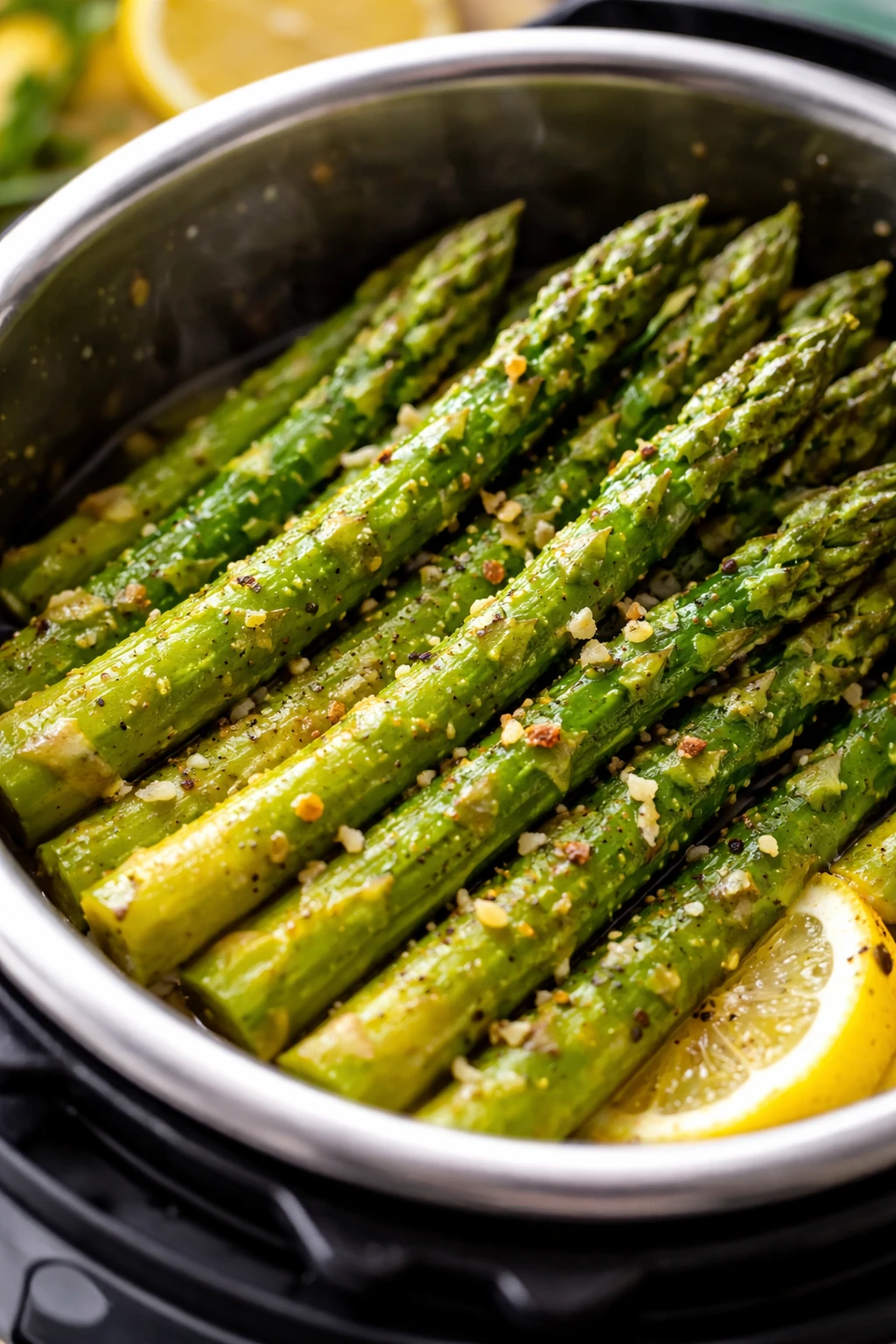
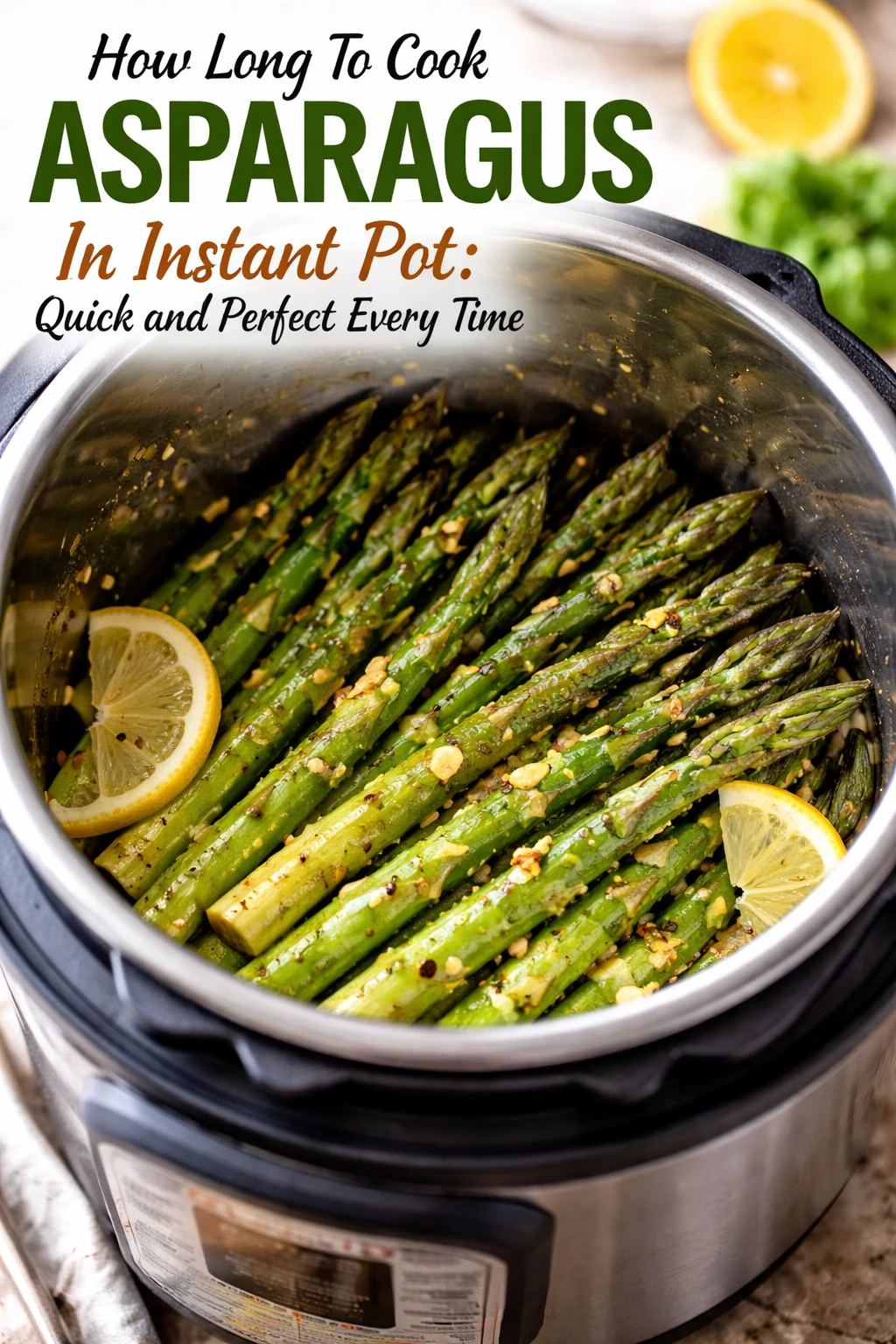
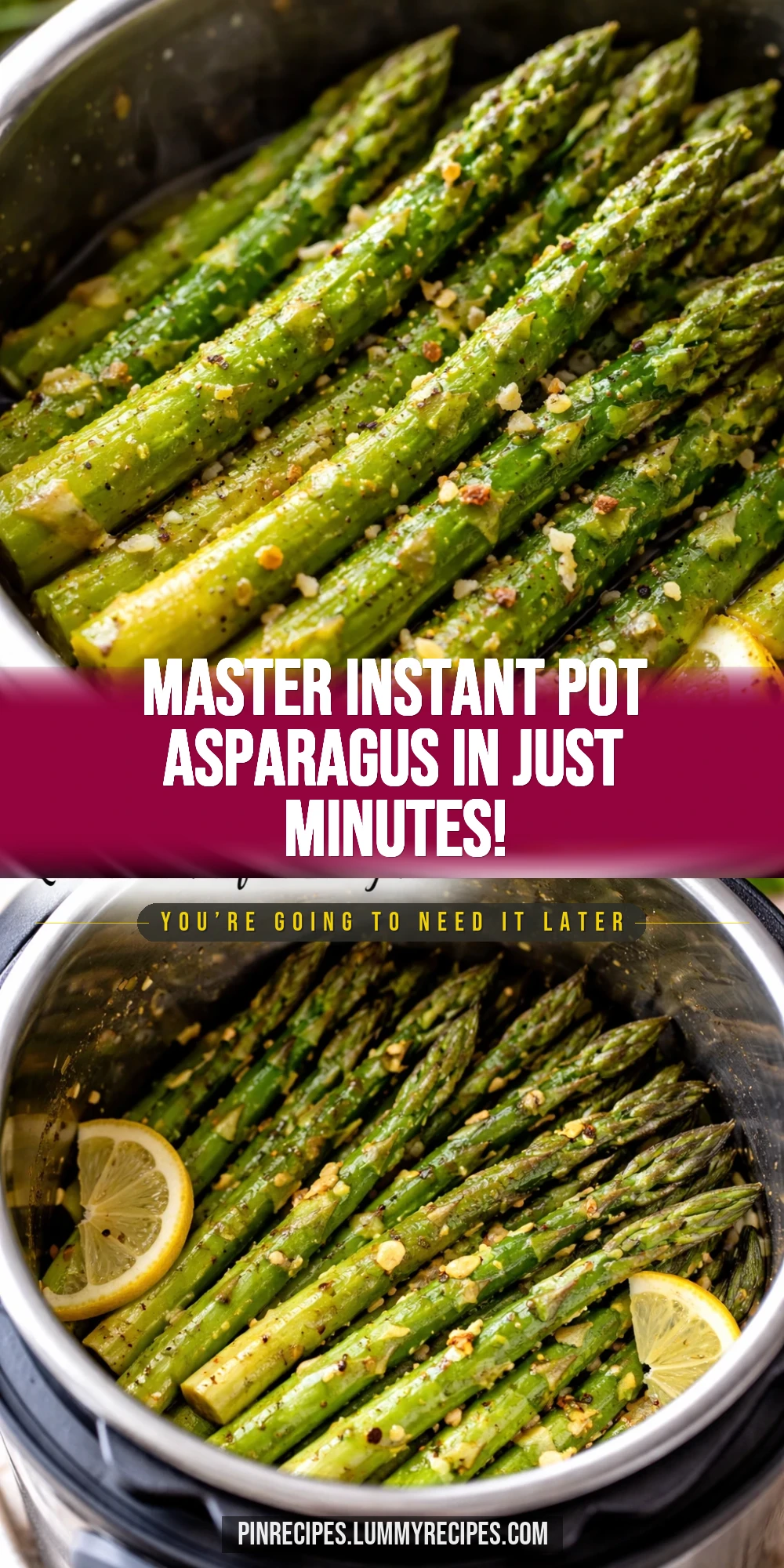
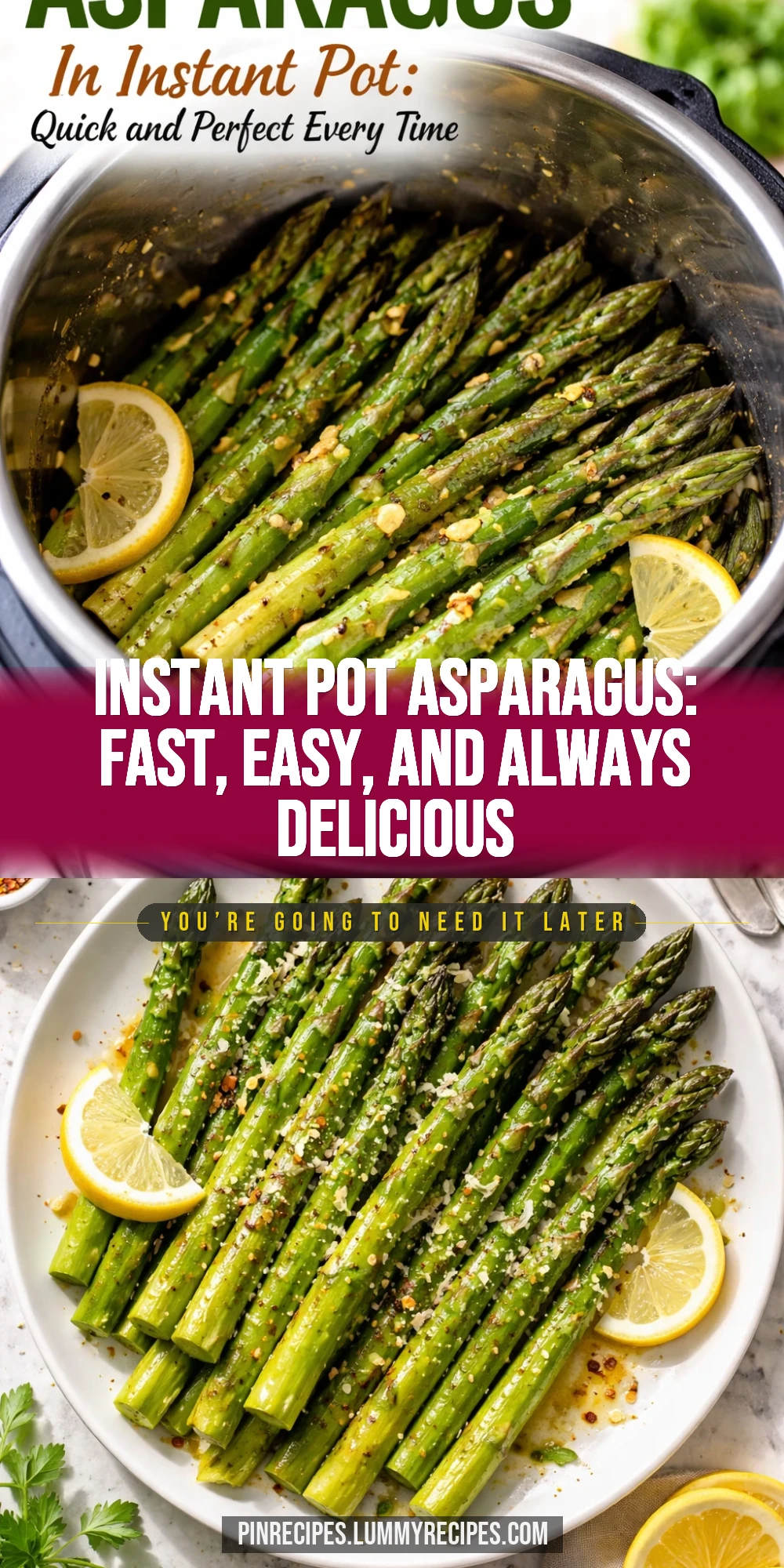
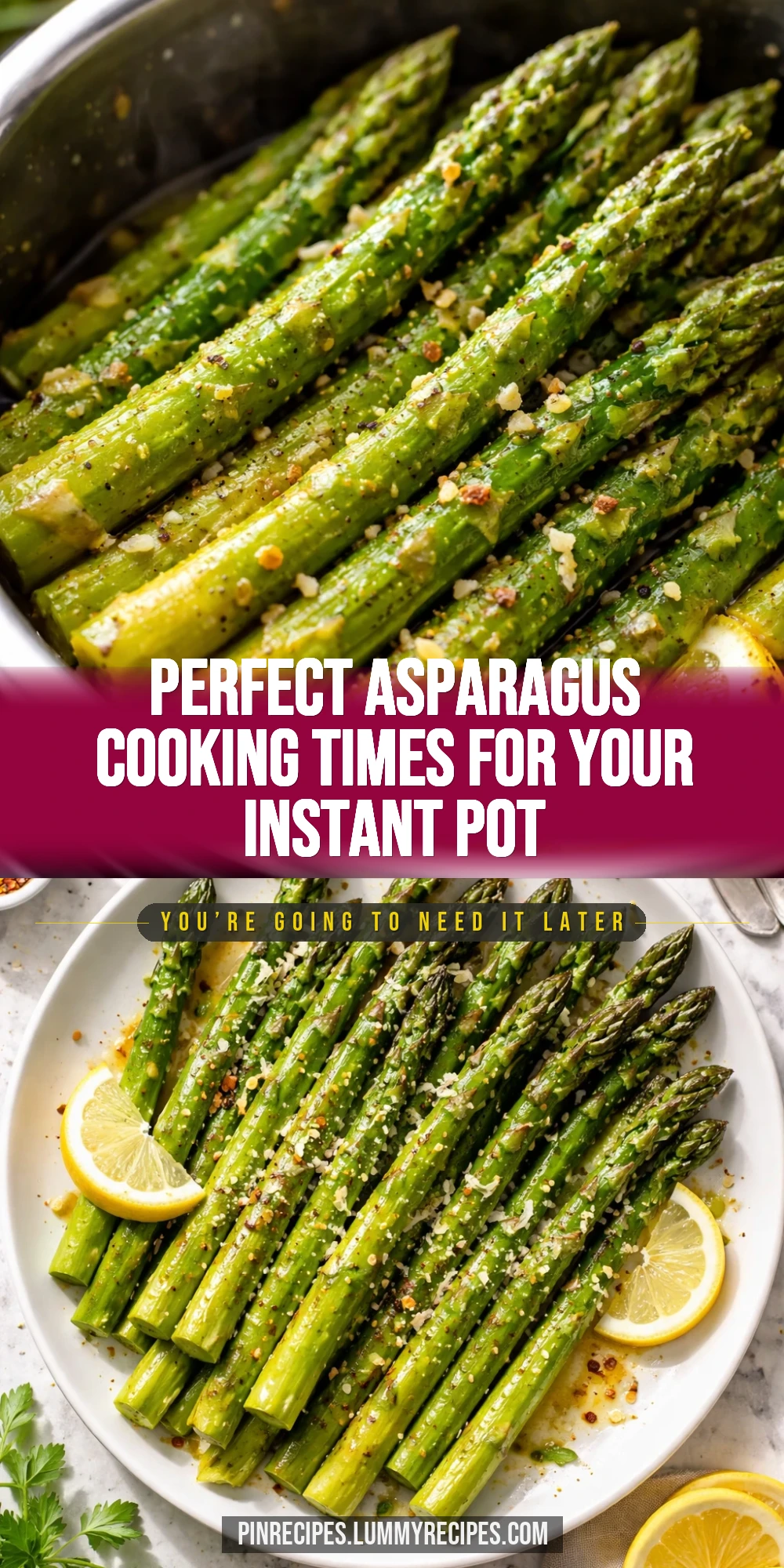
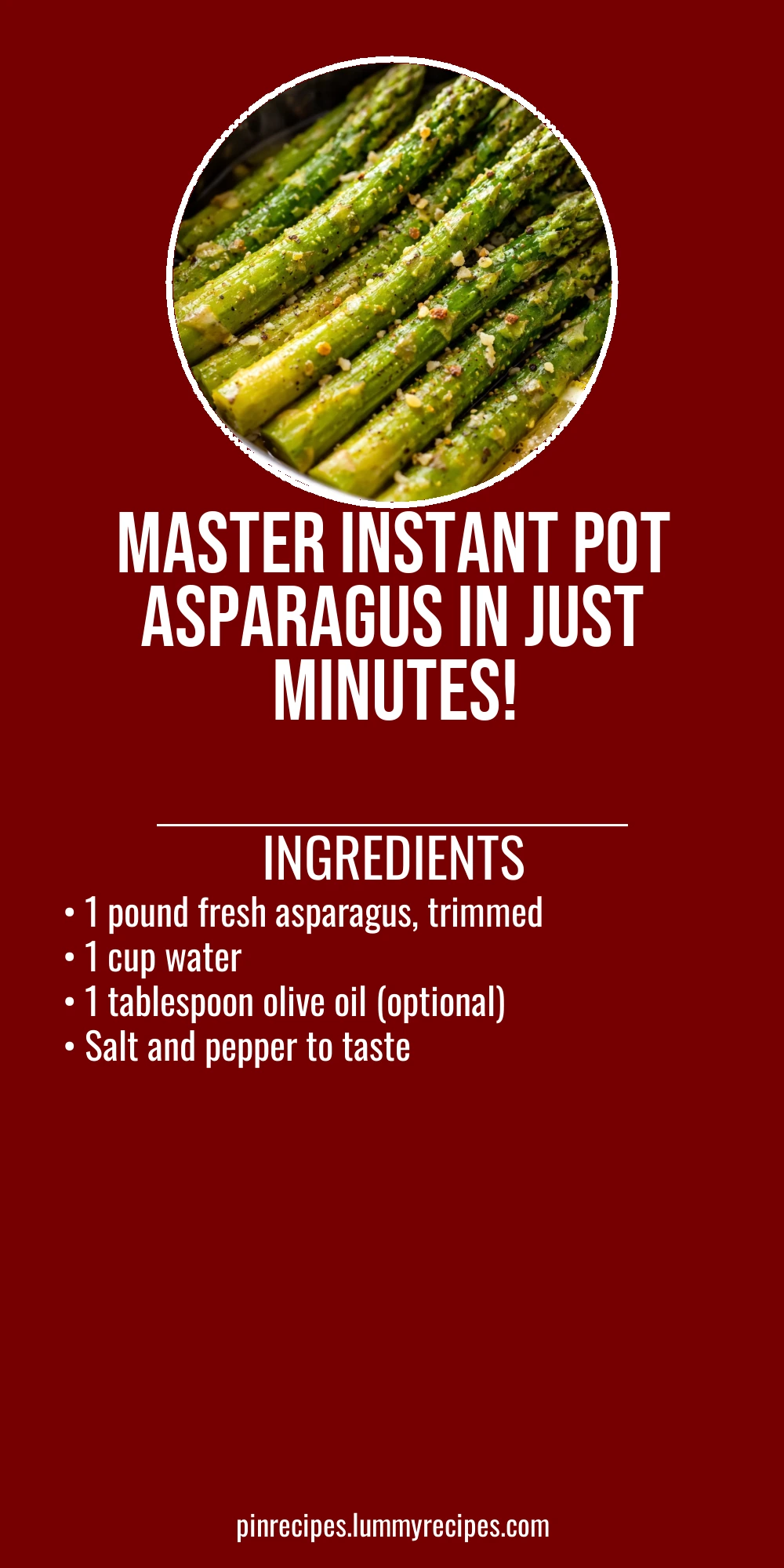
Wondering how to get perfectly tender asparagus in your Instant Pot? This quick guide nails timing so you get vibrant, crisp-tender stalks every time. Great for weeknight sides or meal prep!
Introduction
I first started cooking asparagus in my Instant Pot a couple of years ago when I wanted a super quick way to get dinner on the table without losing that fresh, bright flavor. The first time I tried it, I overcooked the asparagus and ended up with mushy stalks — not what I was aiming for! After some trial and error, I nailed the perfect timing that keeps the asparagus tender but still with a satisfying snap. What makes this method different is the short pressure cook time combined with quick release, so the asparagus doesn’t keep cooking in the residual heat. Plus, adding just a little water and a quick steam locks in the natural flavor and vibrant green color. The result is a side dish that’s simple, fresh, and perfect for busy weeknights or meal prep. You’ll love how easy it is to get consistent results every time, and it pairs beautifully with just about any main dish.
How To Do It
Step 1
Start by rinsing your asparagus under cold water and trimming off the tough woody ends—usually about an inch or so. This step is important because those ends can be fibrous and unpleasant to eat. Also, trimming ensures even cooking since the stalks will be more uniform in length. If your asparagus is thick, you might want to peel the lower parts with a vegetable peeler to avoid any stringiness. Once trimmed, arrange the asparagus in the Instant Pot on the trivet or steamer basket to keep them above the water. This prevents sogginess and helps steam the stalks evenly.
⏱ Time: 5 minutes
✓ Doneness: Asparagus stalks are cleanly trimmed with no woody ends and arranged evenly in the pot.
Step 2
Pour in 1 cup of water into the Instant Pot base—this creates the steam needed to cook the asparagus quickly and evenly. Lock the lid in place and set the valve to sealing. Select the manual or pressure cook setting and set the timer for 1 minute on high pressure for thin asparagus, or 2 minutes for thicker stalks. It might seem fast, but asparagus cooks very quickly under pressure, and this timing keeps it from turning mushy. Once the cooking time is up, immediately do a quick release of the pressure to stop the cooking process. This step is crucial because letting the pressure release naturally will overcook the asparagus.
⏱ Time: 3 minutes
✓ Doneness: Pressure cooking completes and the quick release is done promptly; asparagus should be bright green and tender-crisp.
Step 3
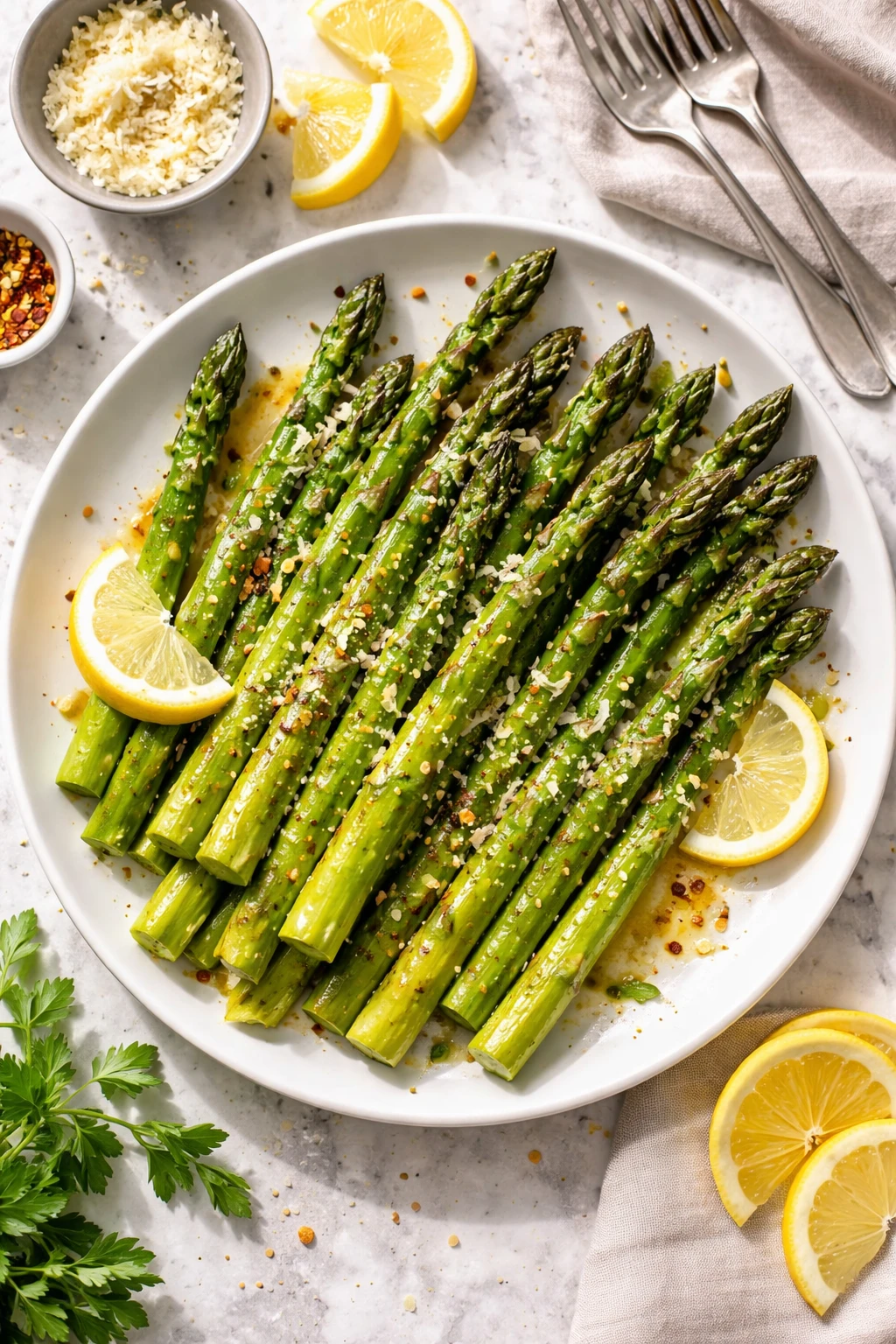
Carefully remove the lid away from you to avoid steam burns. Use tongs or a slotted spoon to transfer the asparagus to a serving dish. Drizzle with olive oil and season with salt and pepper while still hot to enhance flavor. The olive oil adds a lovely richness and helps carry seasoning evenly. If you prefer, add a squeeze of lemon juice or sprinkle some Parmesan cheese for extra zest. Serve immediately for the best texture and flavor. If you wait too long, the asparagus will continue to soften as it cools.
⏱ Time: 2 minutes
✓ Doneness: Asparagus is bright green, tender but still slightly firm, and seasoned to taste.
Step 4
For thicker asparagus, you can increase the pressure cook time to 2 minutes, but avoid going beyond that to prevent mushiness. If you’re cooking a large batch, try to keep the asparagus in a single layer on the trivet for even cooking. Crowding the pot can cause uneven results. Also, consider cutting thicker stalks in half lengthwise to speed up cooking and ensure tenderness throughout.
⏱ Time: 1 minute
✓ Doneness: Thicker stalks are evenly cooked without being limp or overdone.
Step 5
If you want to add garlic or herbs, place them in the water at the bottom of the Instant Pot before cooking. This infuses a subtle flavor into the asparagus without overpowering it. Avoid adding heavy sauces or oils before cooking since they can burn under pressure. Instead, add those after cooking for best taste and texture.
⏱ Time: 1 minute
✓ Doneness: Aromatic steam with hints of garlic or herbs during cooking.
Step 6
To keep asparagus vibrant when serving later, plunge cooked stalks into an ice bath right after cooking. This stops the cooking instantly and preserves the bright green color. It’s especially helpful if you’re meal prepping or serving the asparagus cold in a salad. Just drain well before using.
⏱ Time: 5 minutes
✓ Doneness: Asparagus is cool to the touch and retains a bright green color.
Step 7
If you want to reheat asparagus, steam it gently or warm briefly in the microwave with a splash of water to prevent drying out. Avoid overheating, which can make it mushy and dull the color.
⏱ Time: 2 minutes
✓ Doneness: Asparagus is warmed through but still firm and bright.
Step 8
Experiment with seasoning after cooking: a sprinkle of chili flakes, a drizzle of balsamic glaze, or a dusting of Parmesan can elevate simple steamed asparagus to a flavorful side. Taste as you go to find your favorite combo.
⏱ Time: 2 minutes
✓ Doneness: Seasonings complement but don’t overpower the fresh asparagus flavor.
Step 9
Clean your Instant Pot promptly after cooking to avoid any stuck-on bits from water or seasoning. Use a damp cloth or sponge with mild soap. Keeping your pot clean ensures better cooking performance and longevity.
⏱ Time: 5 minutes
✓ Doneness: Instant Pot is clean and ready for next use.
Pro Tips
Trim asparagus ends evenly for uniform cooking.
Uneven stalk lengths lead to some pieces overcooking while others remain tough. Trimming ensures all stalks cook at the same rate, giving a consistent texture throughout.
Use quick release immediately after cooking.
Quick release stops the cooking process instantly. Delaying release lets residual heat overcook the asparagus, resulting in mushy, dull-colored stalks.
Place asparagus on a trivet or steamer basket.
Elevating asparagus keeps it out of the water, allowing steam to circulate evenly and preventing sogginess or waterlogging.
Add flavorings like garlic or herbs to the water, not directly on asparagus.
Infusing the steam with aromatics adds subtle flavor without risking burning or interfering with the steaming process.
Use an ice bath if not serving immediately.
Rapid cooling stops cooking instantly and preserves bright green color and crisp texture, especially useful for meal prep or salads.
Peel thick asparagus stalks if needed.
Thick stalks can be fibrous and tough. Peeling the lower part ensures tenderness and better mouthfeel.
Season asparagus after cooking.
Adding salt and oil post-cooking enhances flavor without drawing moisture out during steaming, which can cause limpness.
Common Mistakes to Avoid
Overcooking asparagus by setting pressure time too long
Why it happens Many assume vegetables need several minutes under pressure, but asparagus cooks very quickly and excess time turns it mushy.
Fix Set pressure cook time to 1-2 minutes depending on thickness and always perform a quick release immediately after to stop cooking.
Not trimming woody ends
Why it happens People sometimes overlook trimming ends, leading to tough, stringy bites that ruin the texture.
Fix Trim or snap off the bottom inch or so of each stalk before cooking to remove woody parts.
Placing asparagus directly in water
Why it happens Some put asparagus in water instead of on a trivet, causing soggy, waterlogged stalks.
Fix Always use a trivet or steamer basket to keep asparagus above the water for proper steaming.
Skipping seasoning after cooking
Why it happens Some cook and serve asparagus plain, missing the chance to enhance flavor with salt, oil, or lemon.
Fix Add salt, olive oil, or lemon juice immediately after cooking while asparagus is hot for best flavor absorption.
Allowing natural pressure release
Why it happens Letting pressure release naturally continues cooking asparagus beyond desired doneness.
Fix Use quick release right after cooking to preserve texture and color.
Variations
Garlic Parmesan Asparagus
After cooking, toss asparagus with minced garlic sautéed in butter and sprinkle generously with grated Parmesan cheese. This adds a rich, savory flavor that pairs beautifully with the tender stalks. Great as a side for pasta or grilled meats.
Note: Add garlic after cooking to avoid burning; Parmesan melts quickly so add right before serving.
Spicy Lemon Asparagus
Add a pinch of red pepper flakes and a generous squeeze of fresh lemon juice after cooking for a zesty, spicy kick. This variation brightens the dish and adds a little heat, perfect for those who like bold flavors.
Note: Adjust red pepper flakes to taste; add lemon juice last to preserve freshness.
Asparagus with Balsamic Glaze
Drizzle cooked asparagus with a reduced balsamic vinegar glaze for a sweet-tart contrast. This adds complexity and a gourmet touch without extra effort, ideal for entertaining.
Note: Prepare balsamic reduction ahead; add glaze just before serving to keep asparagus crisp.
Roasted Instant Pot Asparagus
After steaming in the Instant Pot, toss asparagus with olive oil, salt, and pepper then roast at 425°F for 5-7 minutes to add caramelized edges and smoky flavor. Combines quick steaming with roasting for texture contrast.
Note: Roast briefly to avoid overcooking; watch closely for browning.
Cold Asparagus Salad
Chill steamed asparagus in an ice bath, then toss with cherry tomatoes, feta, and a lemon vinaigrette for a refreshing salad. Perfect for warm days or as a light appetizer.
Note: Drain asparagus well after ice bath to prevent watery salad.
Nutrition
Per Serving:
Nutritional values are estimates and may vary based on specific ingredients used.
Storage & Tips
Room Temperature
Cooked asparagus can safely sit at room temperature for up to 2 hours if covered. Beyond that, bacteria can grow rapidly, so refrigerate promptly.
Refrigerator
Store cooked asparagus in an airtight container in the fridge for up to 3 days. It may lose some crispness but reheats well with gentle steaming or microwaving.
Freezer
Freeze cooked asparagus in a single layer on a baking sheet first, then transfer to freezer bags for up to 1 month. Thaw in the fridge overnight. Texture softens after freezing, so best used in cooked dishes.
Reheating
Reheat asparagus gently by steaming or microwaving with a splash of water to avoid drying out. Avoid high heat or long reheating which makes it mushy.
Make Ahead
You can trim and prep asparagus 1-2 days ahead, storing it wrapped in a damp paper towel in the fridge. Cook and season just before serving for best texture.
FAQ
Can I cook frozen asparagus in the Instant Pot?
Yes, but frozen asparagus cooks faster and can become mushy easily. Use 1 minute on high pressure and quick release immediately. Avoid thawing first to prevent sogginess.
What if I don’t have a trivet for the Instant Pot?
You can use a heatproof steaming basket or even crumpled foil to elevate the asparagus above the water. This prevents sogginess and ensures even steaming.
How do I know when asparagus is done in the Instant Pot?
It should be bright green and tender but still have a slight snap when you bite it. Overcooked asparagus will look dull and feel mushy.
Can I add seasoning before cooking asparagus in the Instant Pot?
It’s best to add seasonings like salt, oil, or lemon juice after cooking. Adding them before can interfere with steaming and sometimes cause burning.
Is it better to use thin or thick asparagus for Instant Pot cooking?
Thin asparagus cooks faster and is naturally tender. Thick stalks can be steamed but may need peeling or a slightly longer cook time.
Can I cook asparagus with other vegetables in the Instant Pot?
Yes, but choose vegetables with similar cooking times to avoid over- or undercooking. Layering can also affect steam circulation, so arrange carefully.
How do I keep asparagus from turning mushy after cooking?
Use the quick release immediately after cooking, avoid overcooking, and serve or chill promptly. An ice bath helps lock in texture if not eating right away.
Can I use broth instead of water for cooking asparagus?
Yes, using broth adds extra flavor. Just make sure it’s low sodium to control salt levels, and use the same amount as water.
Final Thoughts
Give this Instant Pot asparagus timing a try—you’ll get perfectly cooked stalks every time! I’d love to hear how it turns out for you, so don’t forget to share your results.