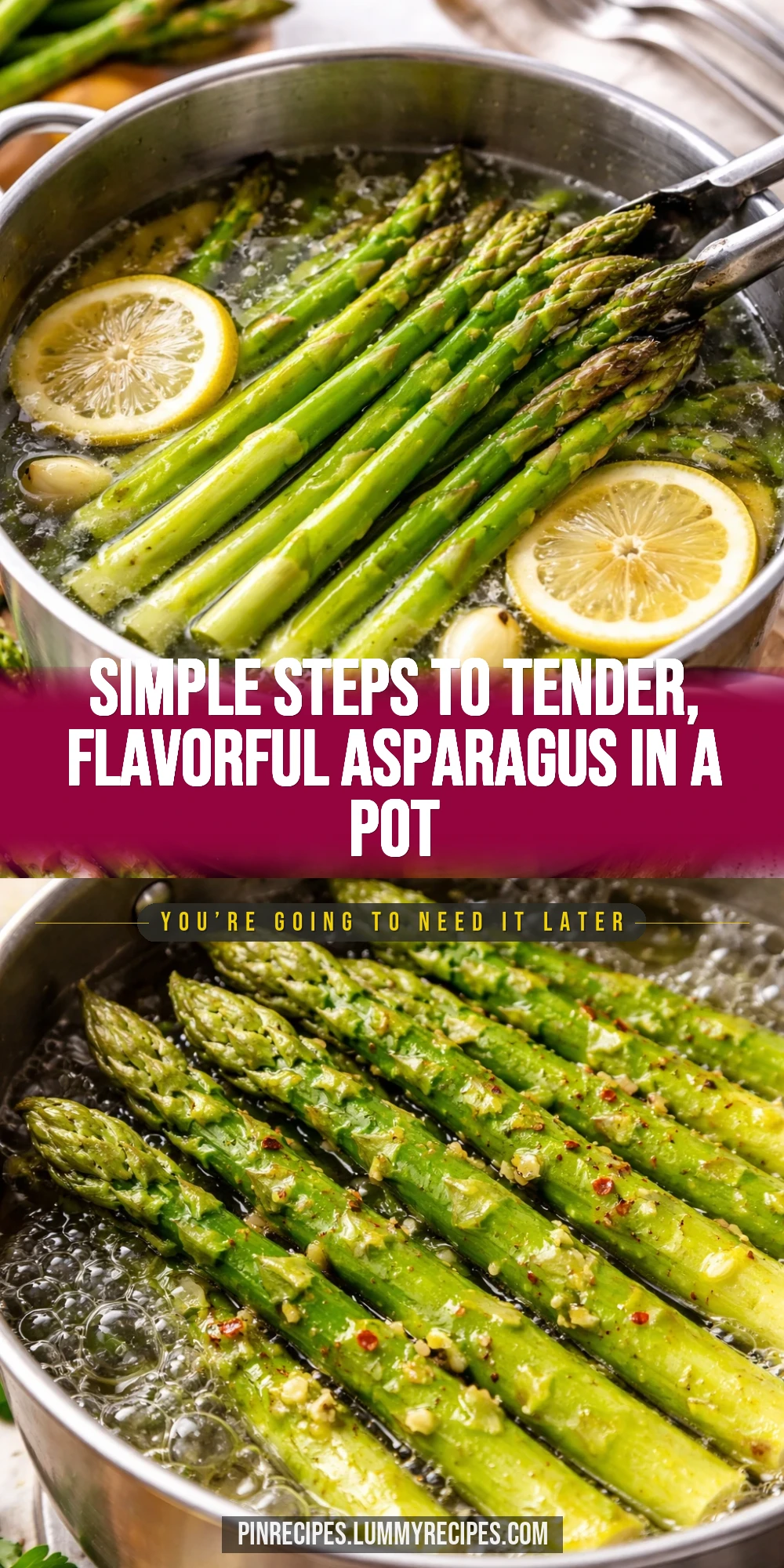
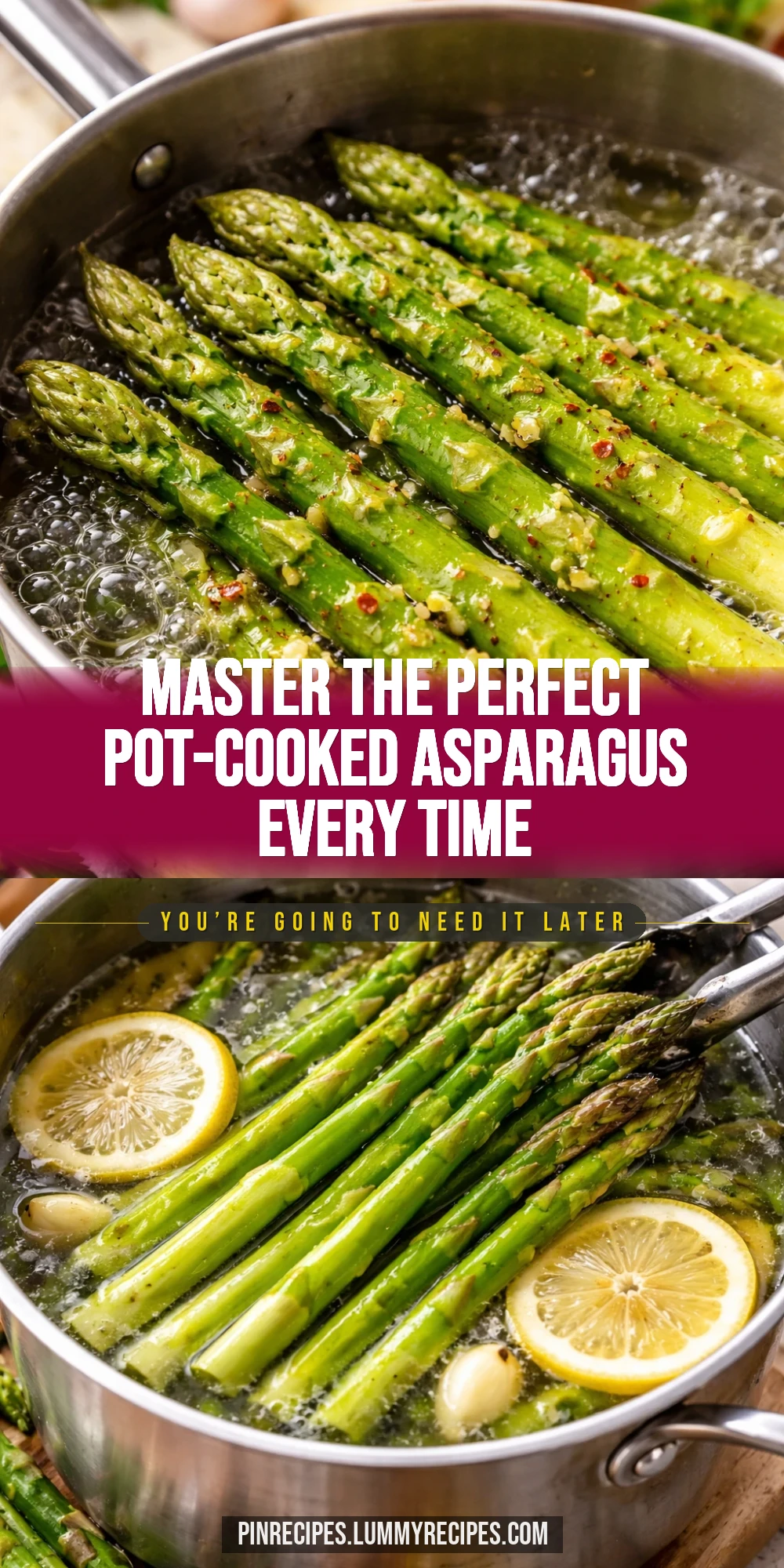
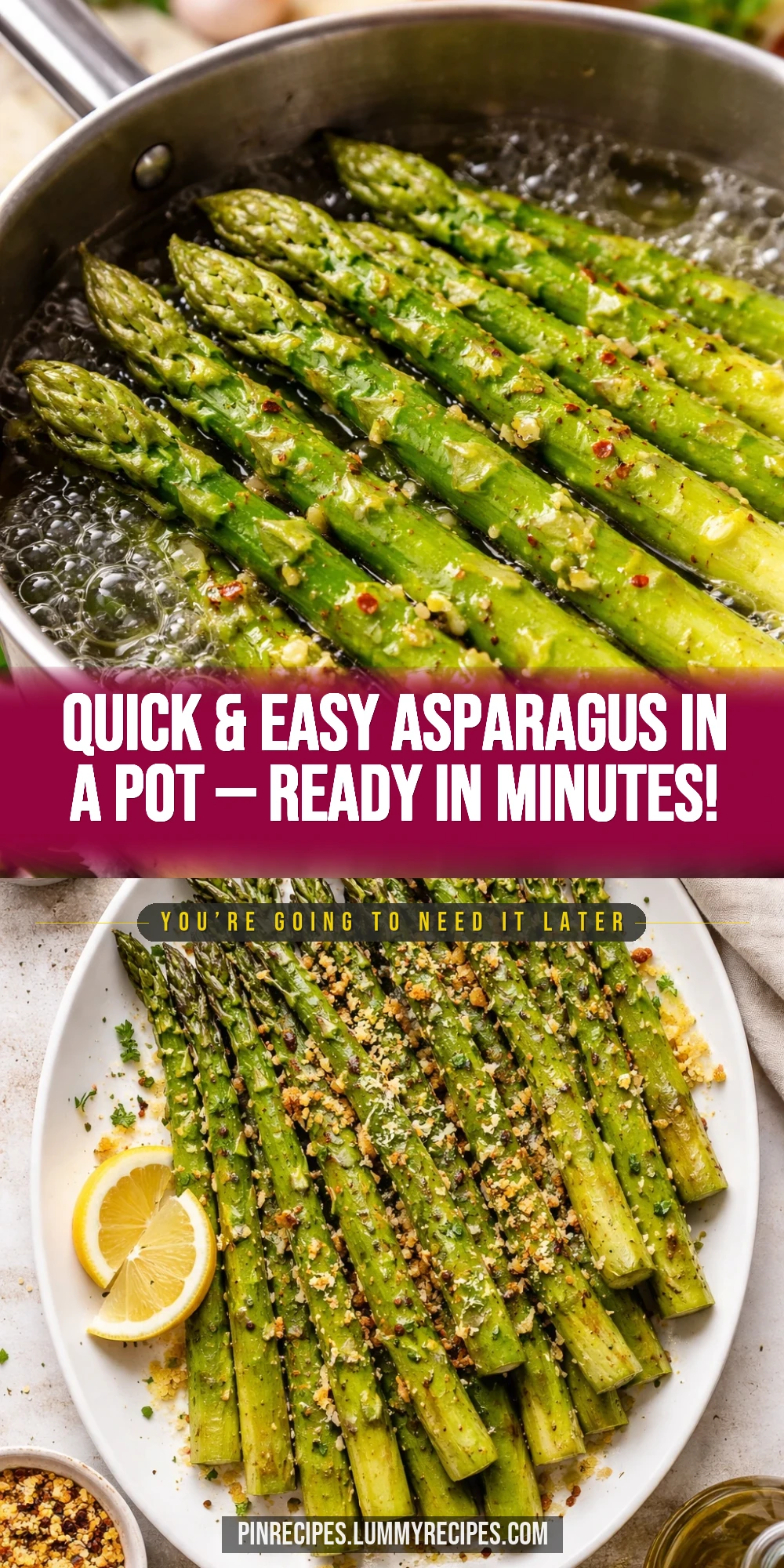
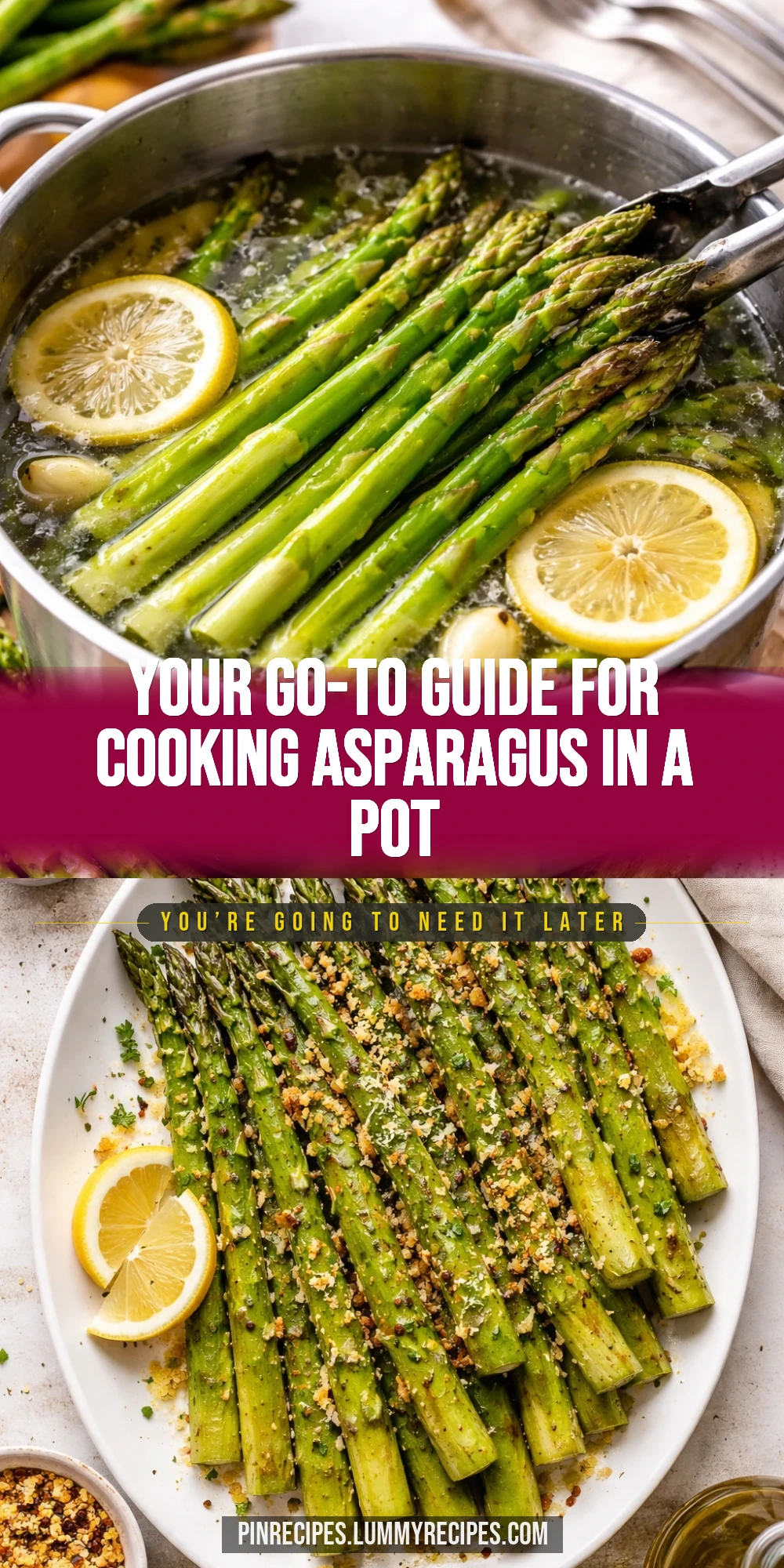
This quick and easy method for cooking asparagus in a pot keeps it tender-crisp and bright green. Using just water and a pinch of salt, it’s perfect for a simple side anytime you want fresh veggies.
Introduction
I remember the first time I tried cooking asparagus in a pot — I was intimidated, thinking it might turn mushy or lose its vibrant color. But once I found the right timing and technique, it became one of my go-to veggie sides. What makes this method stand out is how simple it is: just water, a pinch of salt, and the right cooking time to keep the spears tender yet crisp. I like to trim the woody ends carefully and watch the pot closely to avoid overcooking. The result is bright green asparagus with a fresh, slightly grassy flavor that pairs well with almost anything on my plate. Sometimes I toss it with a bit of butter or olive oil and a crack of pepper for an easy finish. This recipe is perfect for weeknights when you want something healthy but don’t want to fuss too much. Plus, it’s a great way to introduce asparagus to picky eaters since it’s not overwhelming in texture or taste. Honestly, I’ve had my share of overcooked, limp asparagus in the past, but this method really nails it every time. Give it a try — you might just find yourself making asparagus more often!
How To Do It
Step 1
Start by rinsing the asparagus under cold water to remove any dirt or grit. Then, trim about 1 to 2 inches off the tough woody ends at the bottom of each spear. This step is crucial because those ends can be fibrous and unpleasant to eat. You can bend each stalk gently until it snaps naturally, which helps remove just the right amount. Trimming ensures your asparagus cooks evenly and has a tender bite without any stringy parts.
⏱ Time: 5 minutes
✓ Doneness: Woody ends removed, asparagus spears clean and ready to cook
Step 2
Fill a medium-sized pot with about 4 cups of water and add 1 teaspoon of salt. Bring the water to a rolling boil over medium-high heat. The salt seasons the asparagus and helps preserve its bright green color during cooking. Avoid skipping the salt because it enhances flavor and prevents the spears from tasting bland. Boiling water is essential to cook the asparagus quickly, locking in freshness and crunch.
⏱ Time: 5 minutes
✓ Doneness: Water is vigorously boiling with salt fully dissolved
Step 3
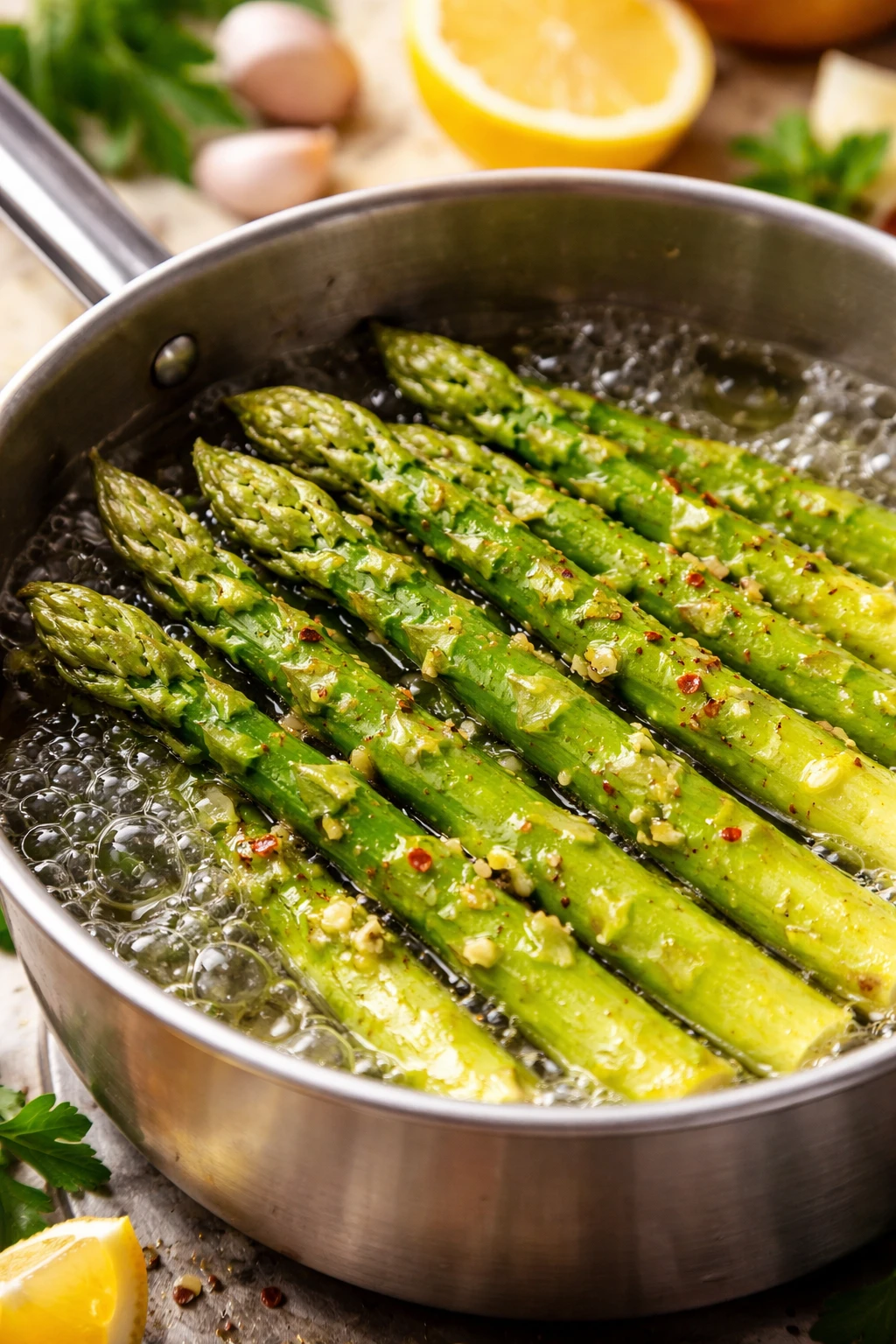
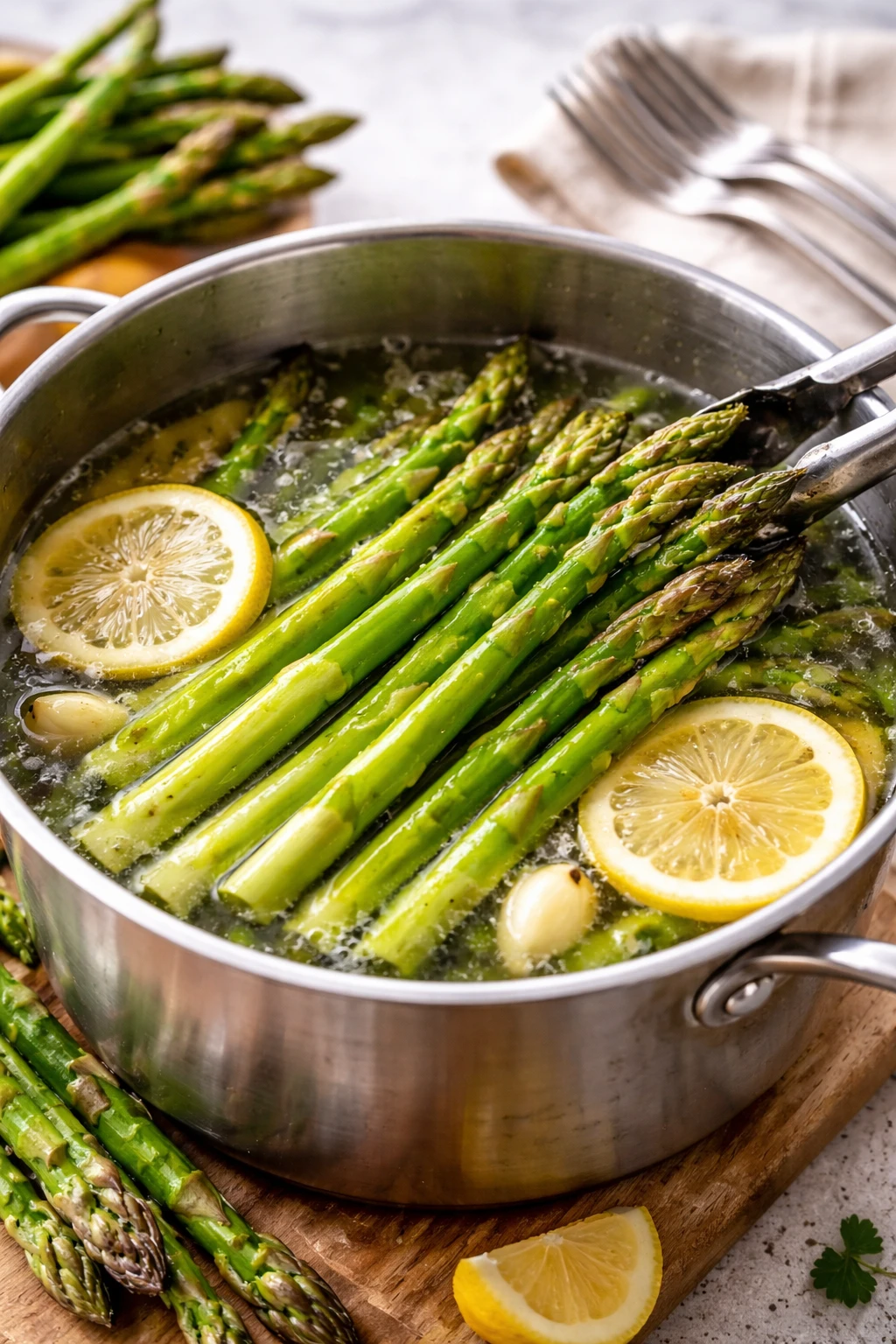
Once the water is boiling, carefully add the trimmed asparagus spears. Make sure they are fully submerged. Reduce the heat slightly to maintain a gentle boil. Cooking asparagus at a rolling boil rather than simmering helps keep the texture crisp-tender. If you rush this step by cooking at too low a temperature, the asparagus can turn mushy and lose its vibrant color.
⏱ Time: 1 minute
✓ Doneness: Asparagus submerged and water gently boiling
Step 4
Cook the asparagus for 3 to 5 minutes depending on thickness. Thin spears need about 3 minutes, while thicker ones may take closer to 5. The goal is tender yet firm spears that offer a slight snap when bitten. Overcooking will cause them to become limp and dull in color. Check doneness by piercing a spear with a fork; it should slide in easily but still have some resistance.
⏱ Time: 3-5 minutes
✓ Doneness: Asparagus bright green and tender-crisp when pierced
Step 5
Once cooked, immediately drain the asparagus in a colander. To stop the cooking process and preserve color, you can rinse briefly under cold water or plunge into an ice bath if you prefer a firmer texture. This step is key to preventing overcooking from residual heat. If you skip this, the asparagus will continue cooking in the hot water or pot, resulting in mushiness.
⏱ Time: 2 minutes
✓ Doneness: Asparagus drained and cooled, color remains vibrant
Step 6
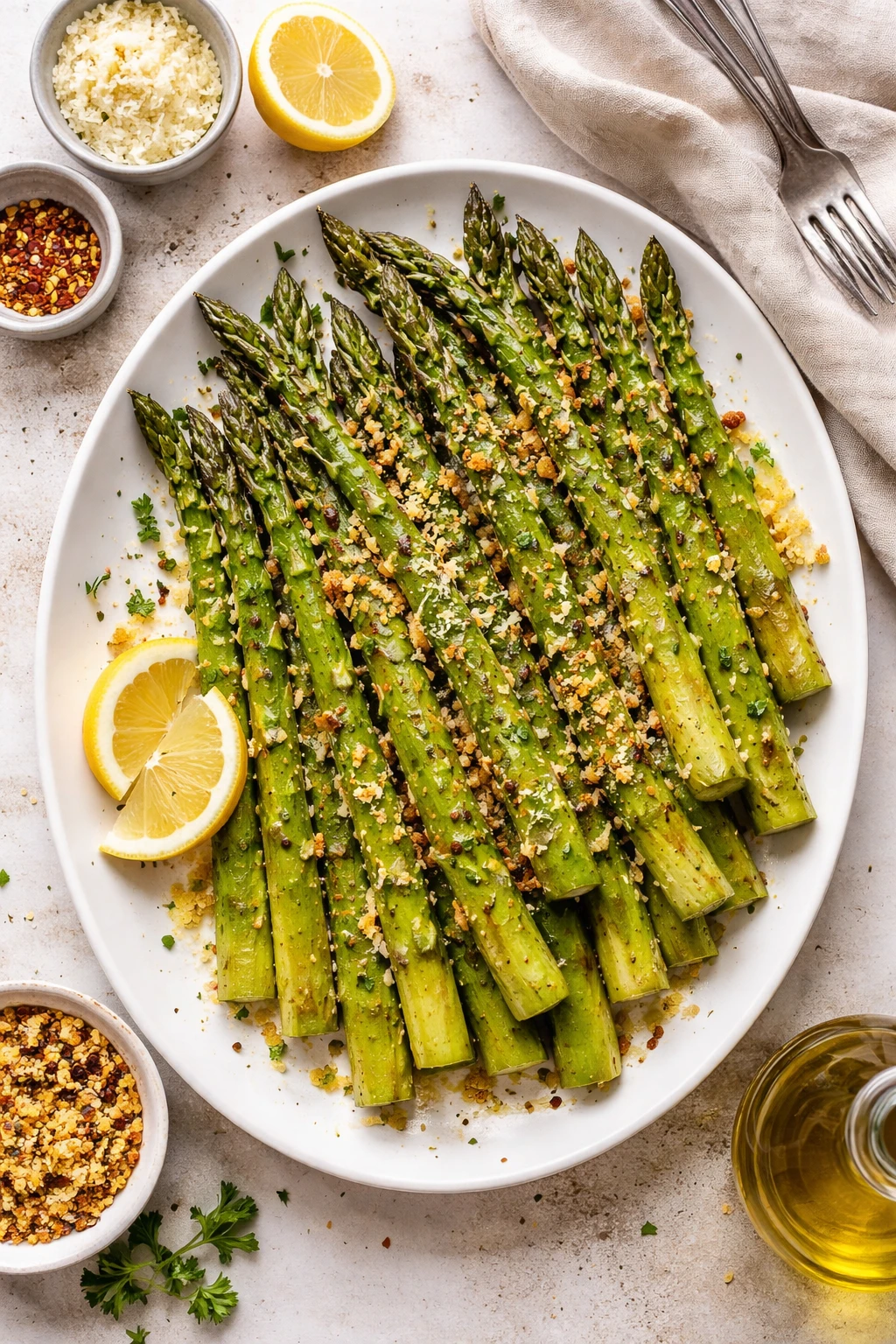
Transfer the asparagus to a serving dish. At this point, you can toss the spears with a tablespoon of butter or olive oil to add richness and help seasonings stick. A sprinkle of freshly ground black pepper or a squeeze of lemon juice brightens the flavor. This finishing touch is optional but really elevates the simple vegetable without overpowering it.
⏱ Time: 2 minutes
✓ Doneness: Asparagus coated lightly and ready to serve
Step 7
Serve the asparagus warm as a side dish alongside your favorite proteins like grilled chicken, fish, or steak. It also works great cold in salads or as part of a veggie platter. The versatility of this simple pot-cooking method makes asparagus approachable and delicious in many meals.
⏱ Time: Immediate
✓ Doneness: Asparagus served fresh and vibrant
Step 8
If you want to add a little extra flavor, try sprinkling some toasted almonds or grated Parmesan cheese on top just before serving. These add texture and a salty kick that pairs beautifully with the natural sweetness of asparagus. Small additions like this make the dish feel special without complicating the process.
⏱ Time: 1 minute
✓ Doneness: Garnished asparagus with added texture and flavor
Step 9
Clean up your cooking area and store any leftover asparagus in an airtight container in the fridge. Leftovers keep well and can be reheated gently or eaten cold. Having cooked asparagus on hand makes it easy to add a healthy side to meals throughout the week.
⏱ Time: Varies
✓ Doneness: Kitchen tidy and asparagus stored properly
Pro Tips
Trim asparagus by snapping the ends naturally instead of cutting with a knife.
Snapping asparagus removes just the tough, woody part and preserves more of the tender stalk. Cutting blindly can waste good asparagus or leave fibrous bits that ruin texture.
Use a timer and start checking asparagus doneness early.
Asparagus cooks quickly, and even a minute or two too long can make it mushy. Timing precisely ensures tender-crisp spears with bright color and fresh flavor.
Shock asparagus in ice water after boiling to stop cooking.
Residual heat continues to cook asparagus after draining. Ice water immediately halts this process, locking in texture and preventing overcooking.
Add salt to boiling water before cooking asparagus.
Salt seasons the asparagus evenly and helps preserve its vibrant green color by stabilizing chlorophyll during the cooking process.
Don’t overcrowd the pot — cook asparagus in batches if needed.
Crowding lowers water temperature and causes uneven cooking. Proper spacing ensures each spear cooks quickly and evenly.
Finish with a drizzle of olive oil or a pat of butter.
Fat enriches the flavor, adds silkiness, and helps seasonings stick, making the simple asparagus taste more luxurious.
Use fresh, firm asparagus with tight tips for best results.
Fresh asparagus has better texture and flavor. Older or limp stalks cook unevenly and can taste bitter or woody.
Common Mistakes to Avoid
Overcooking the asparagus until mushy
Why it happens Many cooks assume longer cooking makes vegetables softer and more palatable, but asparagus quickly becomes limp and loses flavor if boiled too long.
Fix Set a timer and check doneness early by piercing with a fork. Aim for tender-crisp texture and bright green color. Drain immediately and shock in cold water to stop cooking.
Not trimming the woody ends properly
Why it happens It’s tempting to just cut asparagus quickly, but the tough ends ruin the texture if left on.
Fix Snap each stalk near the base to remove the woody part naturally. This ensures only the tender, edible part is cooked and eaten.
Skipping salt in the boiling water
Why it happens Some think salt is optional or can be added later, but it’s crucial during cooking.
Fix Add salt to the water before boiling. It seasons the asparagus evenly and helps keep it bright green.
Crowding the pot with too many spears
Why it happens Trying to cook all asparagus at once can lower water temperature and cause uneven cooking.
Fix Cook in batches if needed, ensuring the spears have room to submerge fully and cook evenly.
Not stopping the cooking process after boiling
Why it happens Leaving asparagus in hot water or the pot causes it to keep cooking and become mushy.
Fix Drain immediately and rinse under cold water or use an ice bath to halt cooking and preserve texture.
Variations
Steamed Asparagus in a Pot
Instead of boiling, place a steamer basket over simmering water and steam the asparagus for 4-6 minutes. This method retains more nutrients and a firmer texture.
Note: Steaming requires careful timing to avoid under or overcooking; check doneness frequently.
Garlic Butter Asparagus
After cooking, toss asparagus with melted garlic butter and a squeeze of lemon for a rich, flavorful side dish with a hint of zest.
Note: Use fresh minced garlic and add it to warm butter off heat to prevent burning.
Roasted Asparagus with Pot-Cooked Start
Blanch asparagus in boiling water for 2 minutes, then roast in the oven with olive oil and herbs for 10 minutes for a crispy finish.
Note: Blanching before roasting ensures tender interior and crisp exterior.
Asparagus Salad with Vinaigrette
Cook asparagus in the pot, cool it, then toss with a lemon vinaigrette, cherry tomatoes, and feta cheese for a fresh, bright salad.
Note: Chilling the asparagus after cooking helps maintain crispness in the salad.
Spicy Asparagus with Chili Flakes
Add chili flakes and a dash of smoked paprika to the cooked asparagus tossed in olive oil for a spicy kick that pairs well with grilled meats.
Note: Adjust chili quantity to taste; add spices after cooking to avoid burning.
Nutrition
Per Serving:
Nutritional values are estimates and may vary based on specific ingredients used.
Storage & Tips
Room Temperature
Cooked asparagus can safely sit at room temperature for up to 2 hours if covered. After that, it should be refrigerated to prevent bacterial growth.
Refrigerator
Store cooked asparagus in an airtight container in the fridge for up to 3 days. It may lose some crispness but reheats well or can be enjoyed cold in salads.
Freezer
Freeze cooked asparagus in a sealed container or freezer bag for up to 2 months. To prevent freezer burn, remove as much air as possible. Thaw overnight in the fridge before reheating.
Reheating
Reheat asparagus gently in a skillet over medium heat with a splash of water or olive oil to prevent drying out, or microwave briefly covered. Avoid overheating to maintain texture.
Make Ahead
You can trim and prep asparagus 1 day ahead, storing trimmed spears wrapped in a damp towel in the fridge. Cook it fresh the day of serving for best texture and flavor.
FAQ
Can I cook frozen asparagus in a pot the same way?
Frozen asparagus is usually pre-blanched, so it cooks faster. Boil for 1-2 minutes until heated through, but be careful not to overcook as it can become mushy quickly.
What if I don’t have a pot large enough to submerge the asparagus?
You can cook asparagus in batches or try steaming with a basket or colander over simmering water. This ensures even cooking without overcrowding.
How do I know when asparagus is perfectly cooked?
It should be bright green, tender but still firm, and a fork should pierce easily without the spear feeling mushy or limp.
Can I add flavors to the cooking water?
You can add a slice of lemon or herbs like thyme, but keep it simple to avoid overpowering the natural flavor of asparagus.
Is it better to peel thick asparagus stalks before cooking?
Peeling thick stalks can help remove tough outer fibers and improve tenderness, but it’s optional. Trimming woody ends is more important.
How long can cooked asparagus be stored safely?
Refrigerated cooked asparagus lasts about 3 days in an airtight container. Beyond that, it may spoil or lose quality.
Can I reheat asparagus multiple times?
It’s best to reheat only once to preserve texture and flavor. Repeated reheating can make asparagus mushy and dry.
What are good side dishes to serve with pot-cooked asparagus?
Asparagus pairs well with grilled meats, roasted potatoes, rice dishes, or creamy pastas. Its fresh flavor balances rich or hearty mains.
Final Thoughts
Give this simple pot method a try next time you want fresh asparagus. It’s quick, reliable, and delicious—perfect for adding a healthy green touch to any meal. Let me know how it turns out!