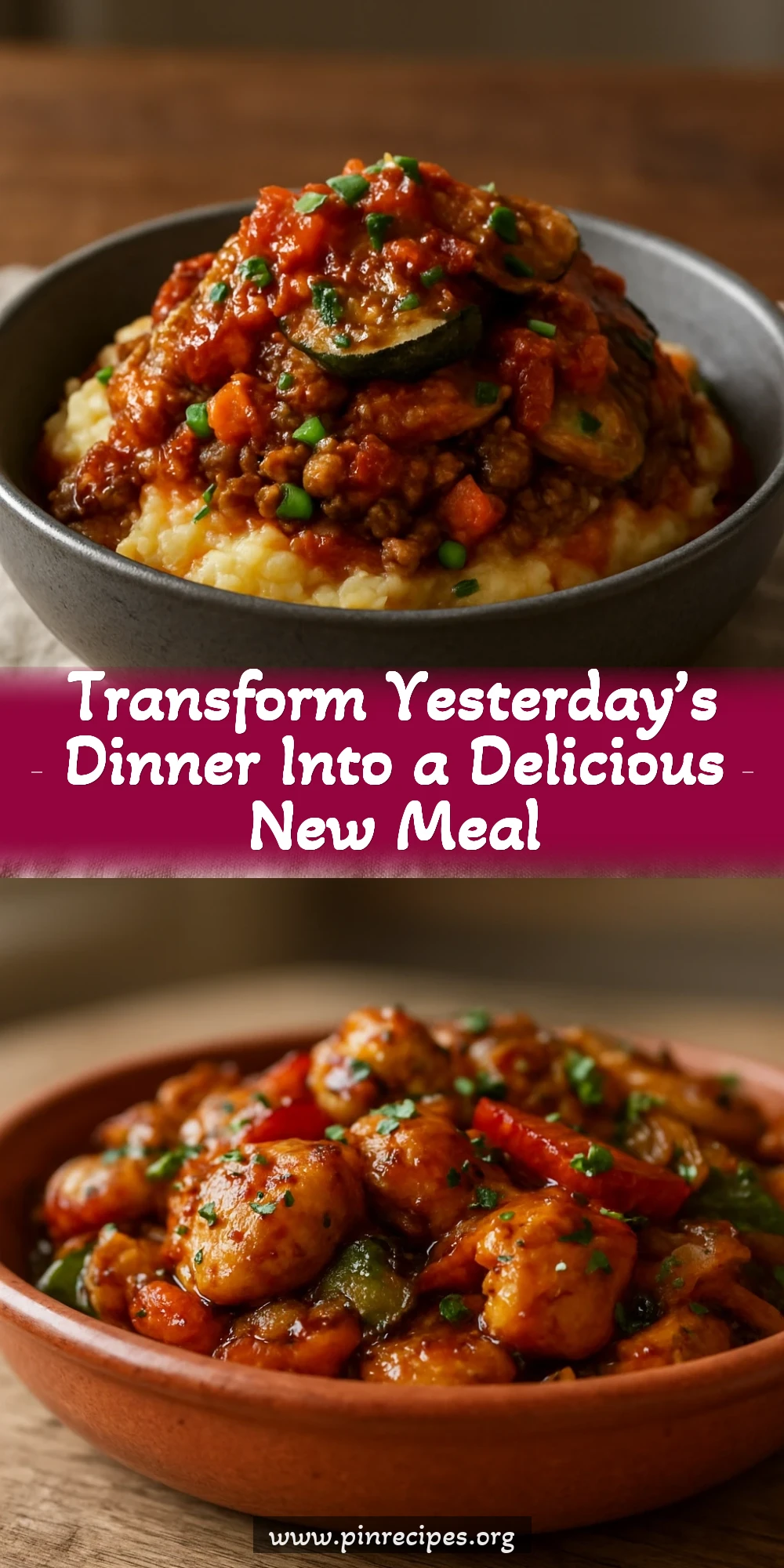
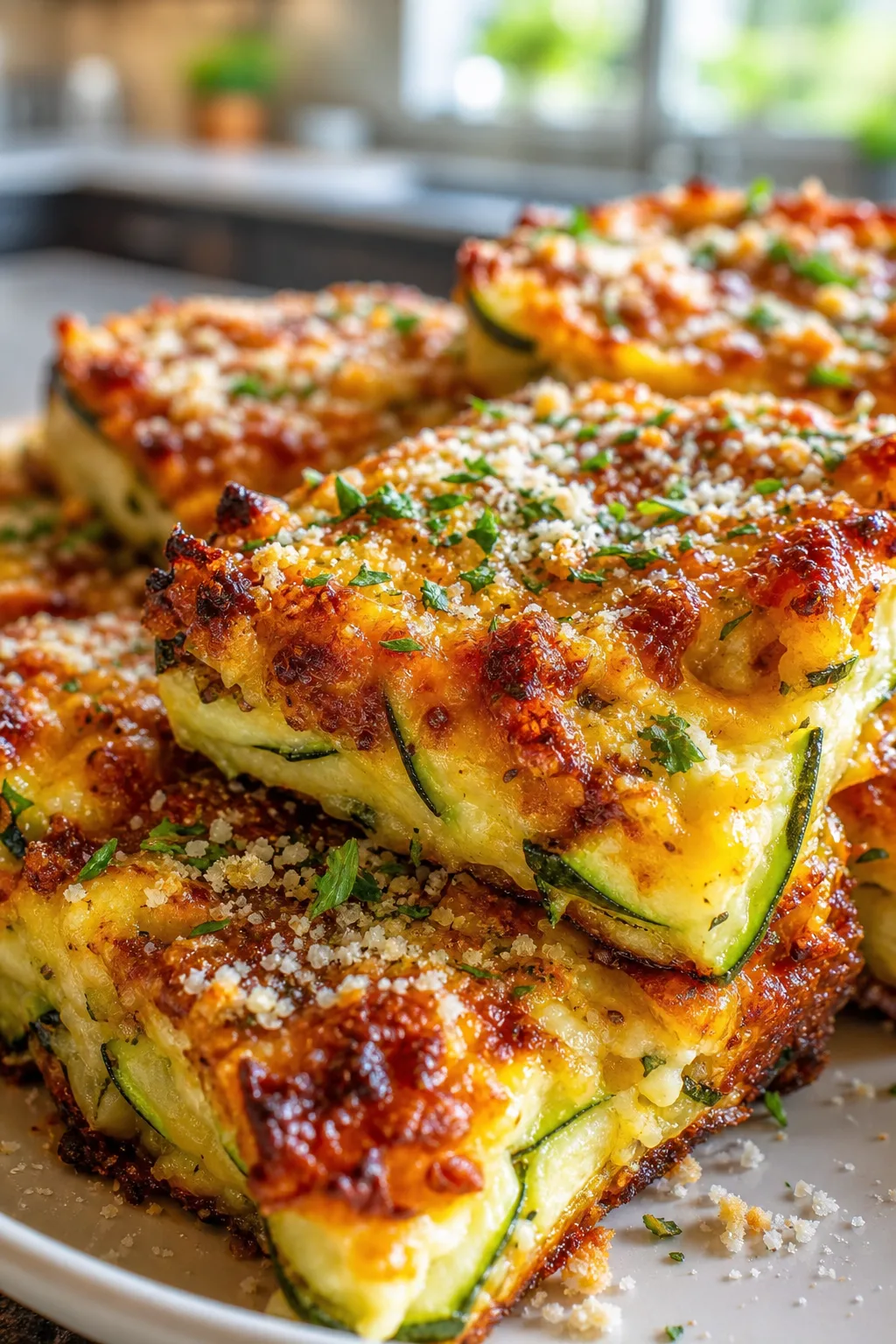
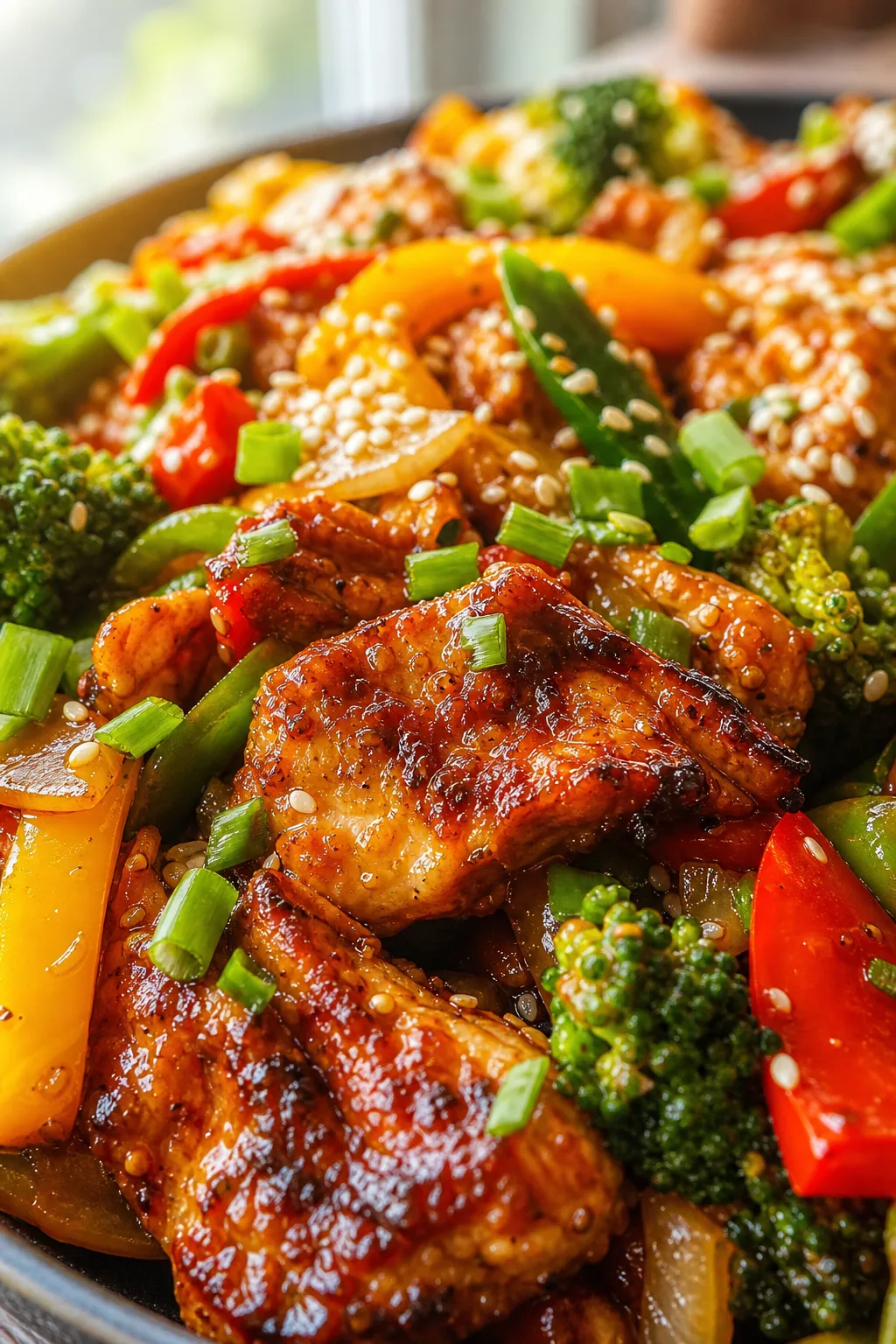
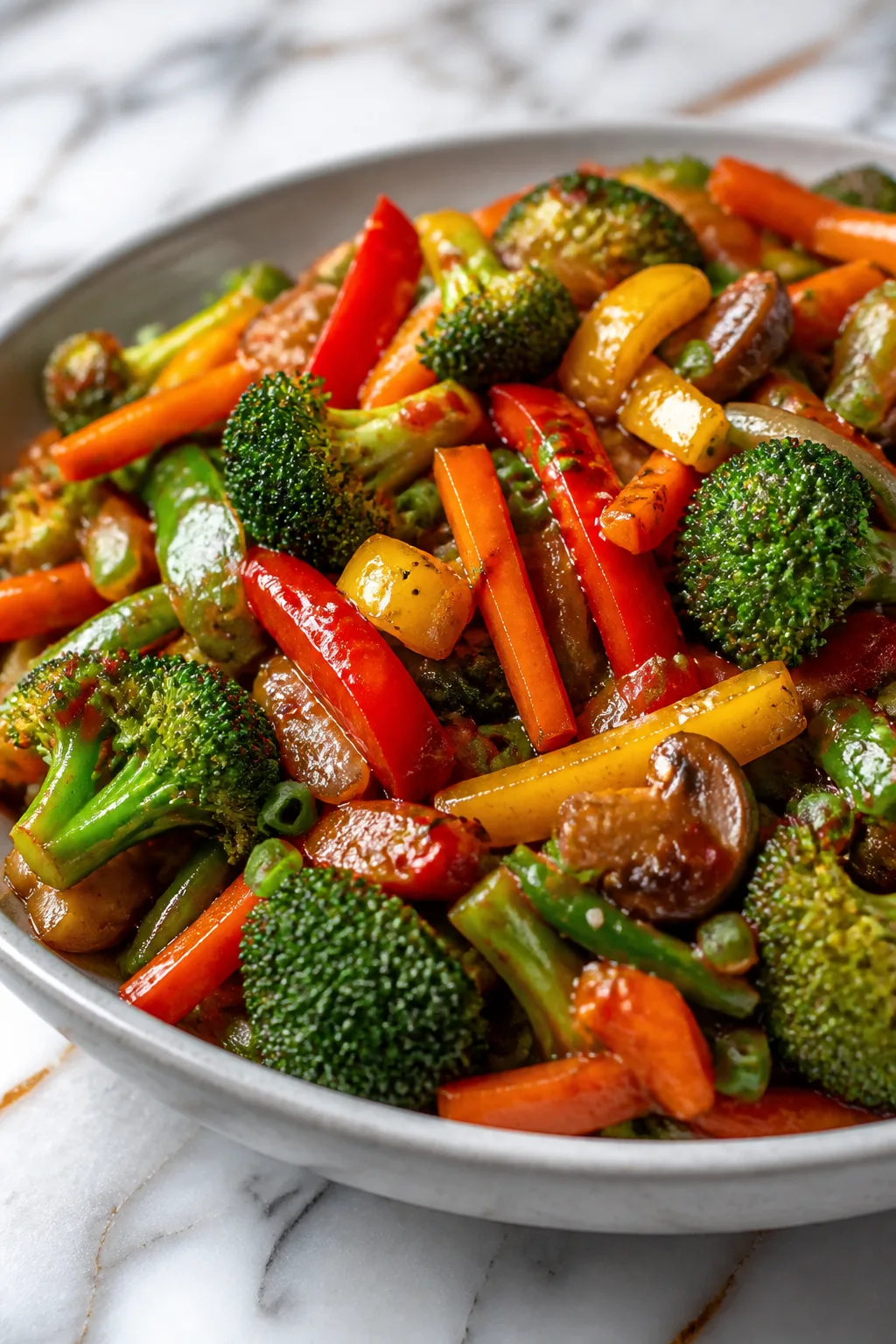
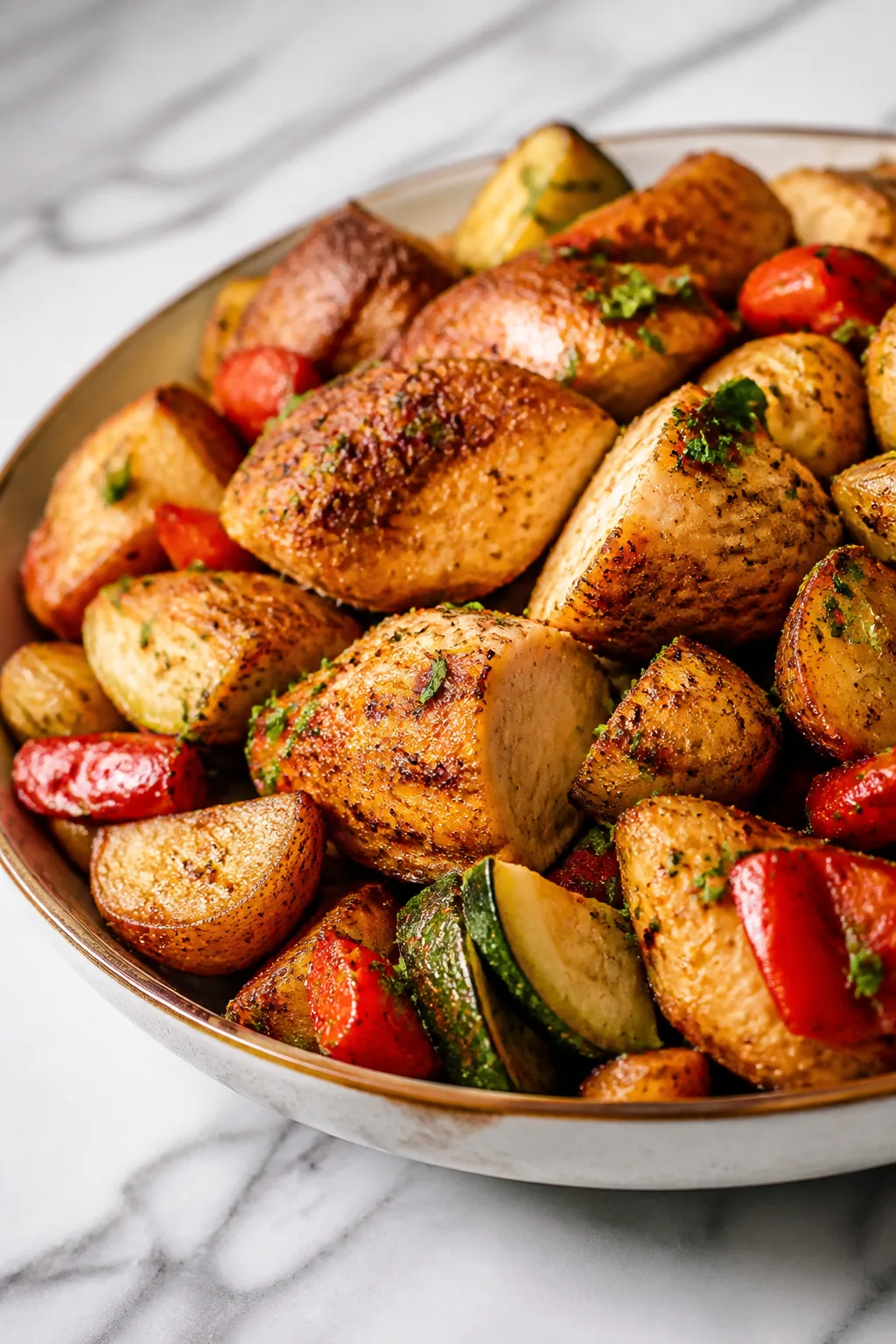
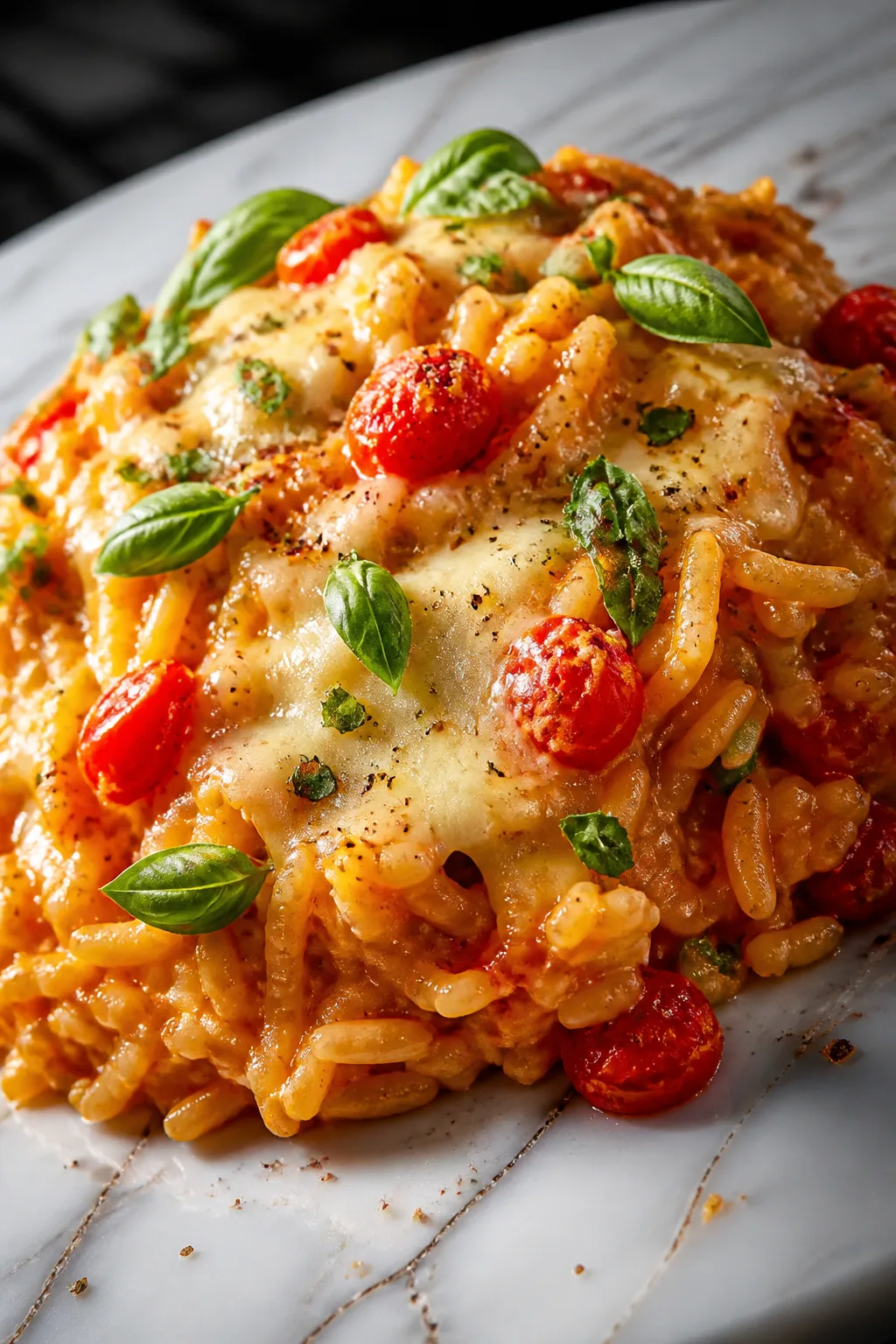
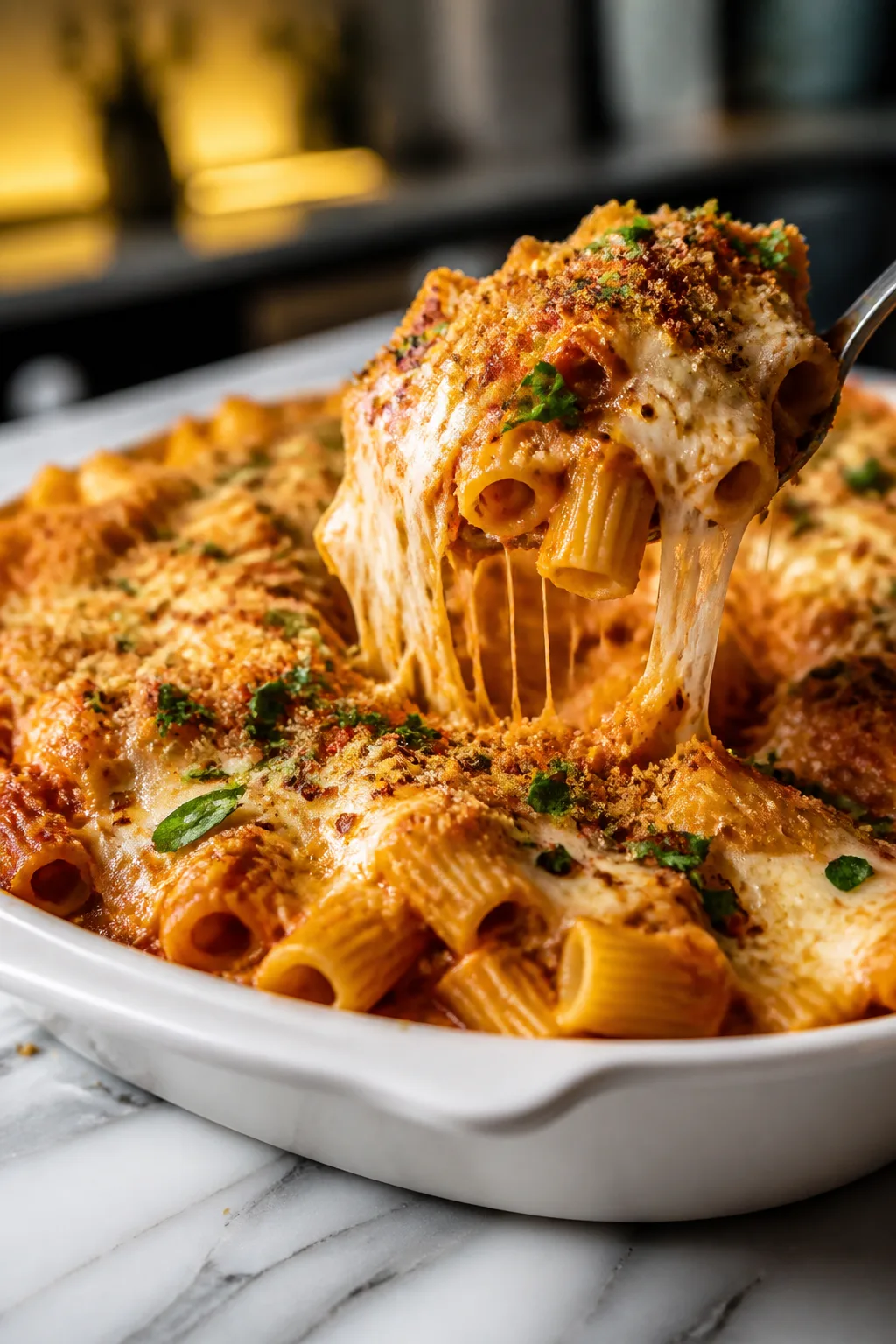
Got leftovers? This recipe breathes new life into yesterday's dinner with fresh herbs and a quick pan sauté. It’s a simple trick that turns boring into brilliant, perfect for busy weeknights when you want something tasty but fast.
Introduction
I’ve always been a bit guilty about letting leftovers sit too long or getting bored of reheating the same meal. One evening, I decided to toss whatever was left from dinner into a hot pan with some fresh veggies and herbs, and honestly, it was a game changer. This simple leftover makeover recipe is my go-to when I want to avoid waste but still crave something fresh and flavorful. What makes it different? The quick sauté with garlic and lemon juice adds brightness and a little zing that completely revives the dish. I also like to add fresh parsley at the end for a pop of color and freshness. It’s easy, fast, and feels like a brand new meal. Plus, it’s perfect for busy weeknights when you don’t want to spend much time cooking but still want to enjoy a satisfying dinner. Give it a try next time you have leftovers sitting in the fridge—you might just love the transformation as much as I do!
How To Do It
Step 1
Heat the olive oil in a large skillet over medium heat until shimmering but not smoking. Adding the oil at the right temperature is key; too cool and the garlic won’t release its flavor, too hot and it burns quickly, becoming bitter. Once the oil is ready, add the chopped onion and sauté gently for about 3-4 minutes until it softens and becomes translucent. This step builds the flavor base for the dish and softens the onion to blend smoothly with the leftovers.
⏱ Time: 5 minutes
✓ Doneness: Onions appear translucent and slightly golden around edges, aroma is sweet and inviting
Step 2
Add the minced garlic to the skillet and stir constantly for about 30 seconds to 1 minute. Garlic cooks very fast, so keep an eye on it to avoid burning. The goal is to release its fragrant oils to infuse the oil and onions without turning bitter. Once fragrant, immediately add the diced fresh vegetables and cook for 4-5 minutes, stirring occasionally. This quick sauté softens the veggies just enough to meld with the leftovers while maintaining some crunch for texture.
⏱ Time: 6 minutes
✓ Doneness: Garlic aroma is strong but not burnt; vegetables are tender but still vibrant in color
Step 3
Toss in your leftover protein, whether it’s shredded chicken, beef, or tofu, stirring well to combine with the vegetables and aromatics. Cook for another 3-4 minutes, just until the leftovers are heated through. Be careful not to overcook here — you want to warm the protein without drying it out. Stirring frequently helps everything heat evenly and keeps the mixture from sticking to the pan.
⏱ Time: 4 minutes
✓ Doneness: Protein is hot throughout and the mixture is steaming gently
Step 4
Season the mixture with salt and freshly ground black pepper to taste. Then squeeze the juice of half a lemon over the skillet and stir to combine. The acidity brightens the flavors and cuts through any heaviness from the leftovers. This finishing touch really lifts the dish and makes it taste fresh and vibrant again.
⏱ Time: 1 minute
✓ Doneness: A fresh, tangy aroma fills the pan and the mixture glistens lightly
Step 5
Remove the skillet from heat and sprinkle chopped fresh parsley over the top. Give everything one last gentle stir to distribute the herbs. The parsley adds a fresh herbal note and a lovely pop of green color that makes the dish more inviting. Serve immediately while warm for the best flavor and texture.
⏱ Time: 1 minute
✓ Doneness: Bright green parsley evenly scattered and the dish looks vibrant
Pro Tips
Always heat the oil before adding onions to ensure proper sautéing.
Heating the oil first allows the onions to cook evenly without sticking or burning. If the oil is too cool, onions will stew instead of sauté, leading to a mushy texture and less flavor development.
Add garlic last among aromatics to prevent bitterness.
Garlic burns quickly and turns bitter if cooked too long or at too high heat. Adding it after the onions have softened ensures it releases flavor without burning.
Use fresh lemon juice rather than bottled for best brightness.
Fresh lemon juice contains volatile oils and bright acids that elevate the dish’s flavor. Bottled juice can taste flat or metallic, dulling the final taste.
Don’t overcook leftover protein when reheating.
Overheating proteins dries them out and makes them tough. Gentle reheating with frequent stirring keeps leftovers moist and tender.
Chop leftovers into smaller pieces for even reheating.
Smaller pieces heat more evenly and absorb flavors better. Large chunks risk uneven temperature and dry edges.
Add fresh herbs at the very end to preserve their flavor.
Cooking fresh herbs too long causes flavor loss and dull color. Adding at the end keeps their aroma and brightness intact.
Use a non-stick or well-seasoned skillet to prevent sticking.
Leftovers can stick and tear if the pan isn’t non-stick or properly heated. This ensures easy stirring and even cooking.
Common Mistakes to Avoid
Reheating leftovers on high heat too quickly
Why it happens Many cooks want to save time and crank the heat, assuming it will speed things up without issue.
Fix Use medium heat and stir frequently to warm leftovers gently. This prevents drying out and burning, preserving moisture and flavor.
Skipping fresh ingredients when reviving leftovers
Why it happens It’s tempting to just reheat as-is without adding fresh veggies or herbs.
Fix Always add fresh vegetables, lemon juice, or herbs to brighten the dish. This adds new flavors and textures that make leftovers feel fresh.
Adding lemon juice too early during cooking
Why it happens Some think acidity should be cooked in for flavor melding.
Fix Add lemon juice at the end to preserve its bright, fresh taste. Cooking it too long dulls the flavor and can cause bitterness.
Using dried herbs instead of fresh parsley
Why it happens Dried herbs are convenient and shelf-stable, so cooks often substitute without thinking.
Fix Use fresh parsley for a vibrant herbal note and color. Dried parsley won’t provide the same freshness or visual appeal.
Not chopping leftovers into smaller pieces
Why it happens Sometimes leftovers are reheated in large chunks out of convenience.
Fix Chop or shred leftovers before reheating for even warming and better flavor absorption.
Variations
Spicy Leftover Stir-Fry
Add a teaspoon of chili flakes or a splash of sriracha during the vegetable sauté for a spicy kick. Swap parsley for fresh cilantro for a different herbal note. Expect a bit more heat and a bold flavor profile that livens up the dish.
Note: Spices should be added early enough to bloom in the oil but not so early as to burn. Adjust cooking time slightly if adding more robust veggies.
Creamy Leftover Casserole
Mix the leftovers with a splash of cream or sour cream and transfer to a baking dish. Top with shredded cheese and bake until bubbly and golden. This variation adds richness and a creamy texture, perfect for comfort food lovers.
Note: Bake at 375°F for 15-20 minutes until cheese is melted and bubbling. Avoid overbaking to keep leftovers moist.
Mediterranean Leftover Salad
Toss chopped leftovers with diced cucumber, cherry tomatoes, olives, and a drizzle of olive oil and lemon juice. Serve chilled or at room temperature for a fresh, light meal with Mediterranean flavors.
Note: No reheating needed; just combine and serve. Use fresh herbs like oregano or mint for authentic taste.
Leftover Fried Rice
Add cooked rice and soy sauce to the sautéed leftovers and stir-fry until heated through. This turns your leftovers into a filling fried rice dish with savory umami notes.
Note: Use day-old rice for best texture to avoid mushiness. Cook over high heat for a quick stir-fry.
Leftover Soup Blend
Simmer the leftovers with broth and blend until smooth for a hearty soup. Add cream or coconut milk for extra richness. A comforting way to use up leftovers with minimal effort.
Note: Simmer gently for 10 minutes before blending. Adjust seasoning after blending to taste.
Nutrition
Per Serving:
Nutritional values are estimates and may vary based on specific leftover ingredients used.
Storage & Tips
Room Temperature
Leftover makeover dishes should not be left out at room temperature for more than 2 hours. Cover with a clean lid or foil to prevent contamination.
Refrigerator
Store leftovers in an airtight container for up to 3 days. The dish may lose some freshness and texture when cold, so reheat gently before serving for best flavor.
Freezer
Freeze leftovers in a sealed container or freezer bag for up to 2 months. To prevent freezer burn, remove as much air as possible before sealing. Thaw overnight in the fridge before reheating.
Reheating
Reheat gently on the stovetop over medium heat, stirring frequently to warm evenly. You can add a splash of water or broth if the mixture seems dry. Avoid microwaving at high power to prevent drying out.
Make Ahead
You can prepare the sautéed vegetables and aromatics a day ahead and store separately. Add leftover protein and lemon juice just before reheating to keep flavors bright and textures fresh.
FAQ
Can I use frozen leftovers for this recipe?
Yes, frozen leftovers work well but make sure to thaw them completely in the fridge before reheating. Thawing ensures even heating and prevents the protein from drying out or cooking unevenly.
What if I don’t have fresh parsley?
If fresh parsley isn’t available, you can substitute with fresh cilantro or basil for a different but still fresh herbal note. Avoid dried herbs here as they won’t provide the same flavor or color vibrancy.
Can I add more vegetables than listed?
Absolutely! Feel free to add whatever fresh veggies you have on hand. Just adjust the sauté time slightly to ensure they cook through but remain crisp and vibrant.
Is it okay to use leftover rice or grains with this recipe?
Yes, adding leftover rice or grains turns this into a more filling dish. Just toss them in with the protein and veggies during the last few minutes of reheating to warm through.
How do I avoid the leftovers becoming dry?
Reheat gently over medium heat and stir frequently. Adding a splash of water, broth, or lemon juice helps keep moisture in. Avoid high heat or overcooking which dries out the protein.
Can I make this recipe vegan?
Definitely! Use tofu or tempeh as your leftover protein and vegetable stock if adding broth. The lemon juice and fresh herbs still brighten the dish beautifully.
What if my leftovers are very bland?
This recipe is designed to add flavor, but if leftovers are bland, consider adding a pinch of smoked paprika, soy sauce, or a dash of hot sauce during the sauté to boost taste.
How long can I store the leftover makeover dish?
Store in the fridge for up to 3 days in an airtight container. For longer storage, freeze for up to 2 months. Always reheat thoroughly before eating.
Final Thoughts
Give this leftover makeover a try next time you want something quick and tasty without cooking from scratch. I’d love to hear how you transform your leftovers!