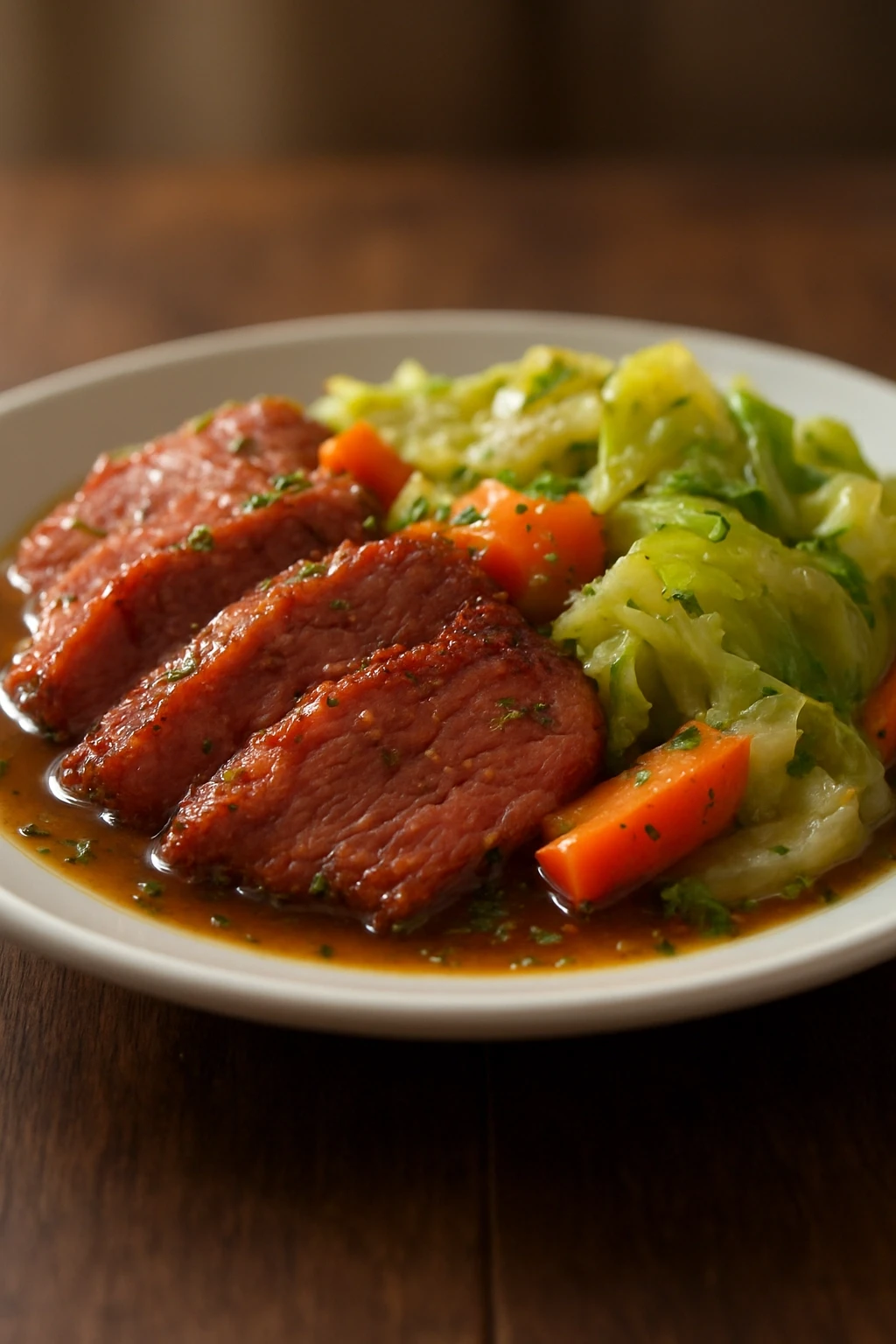
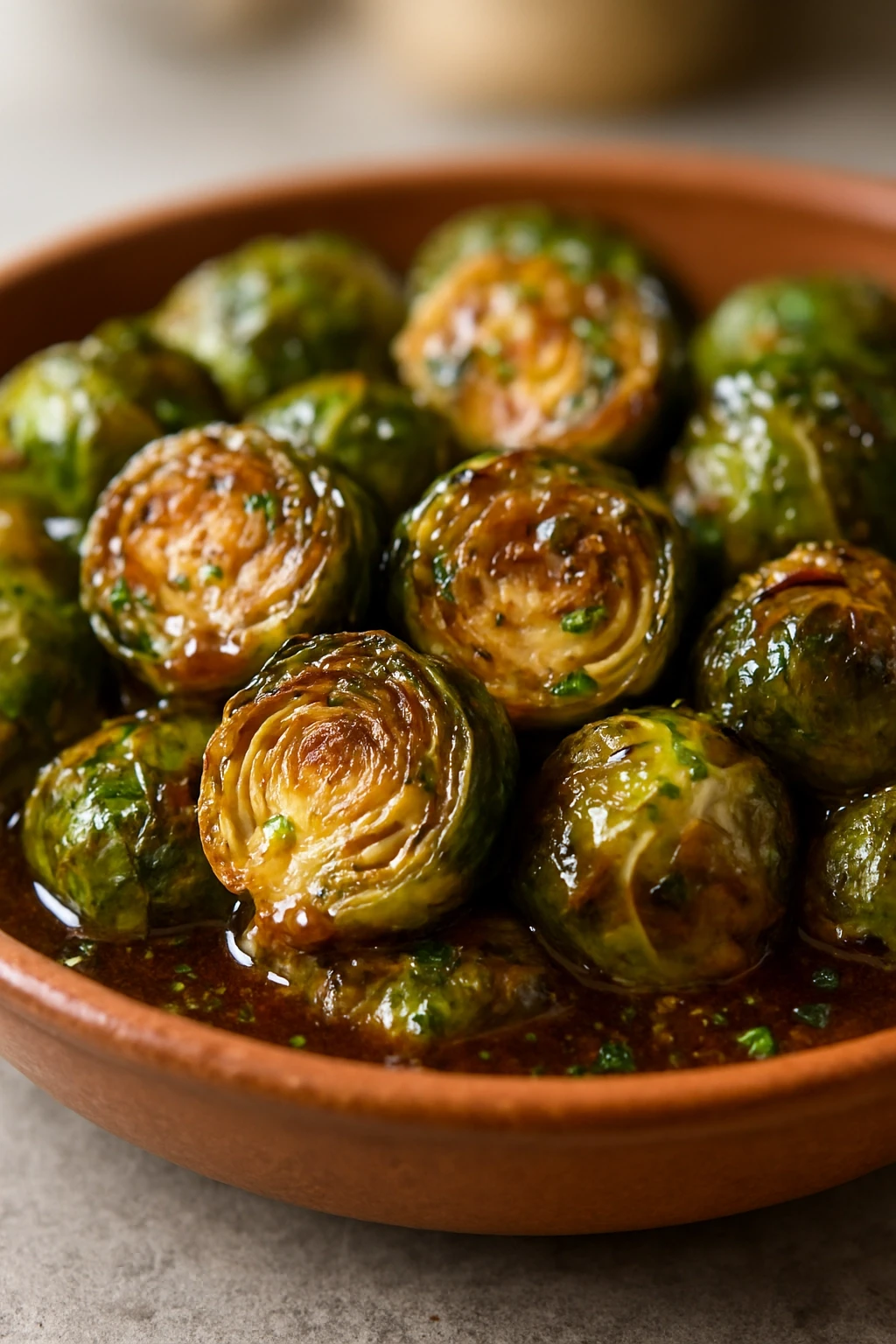
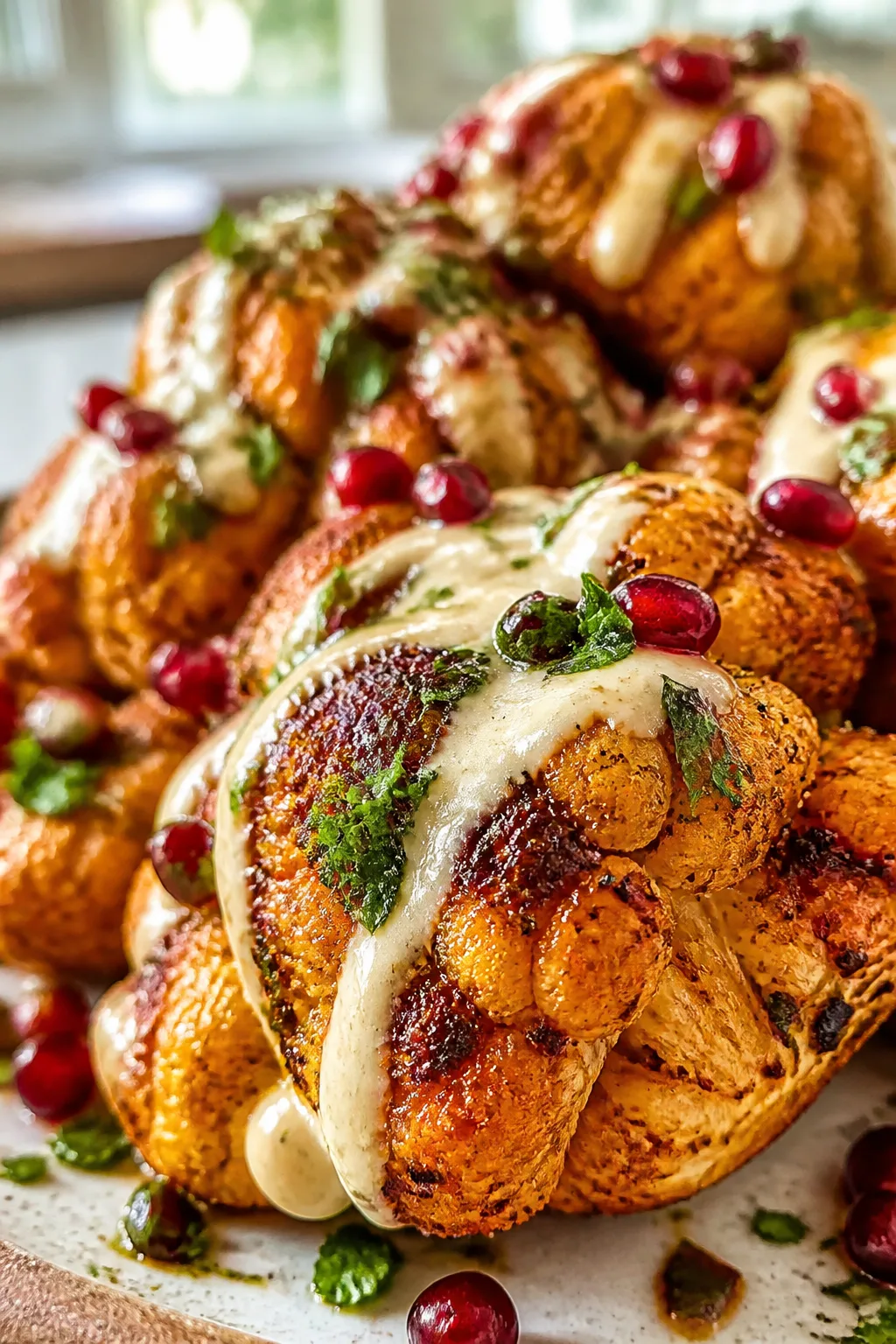
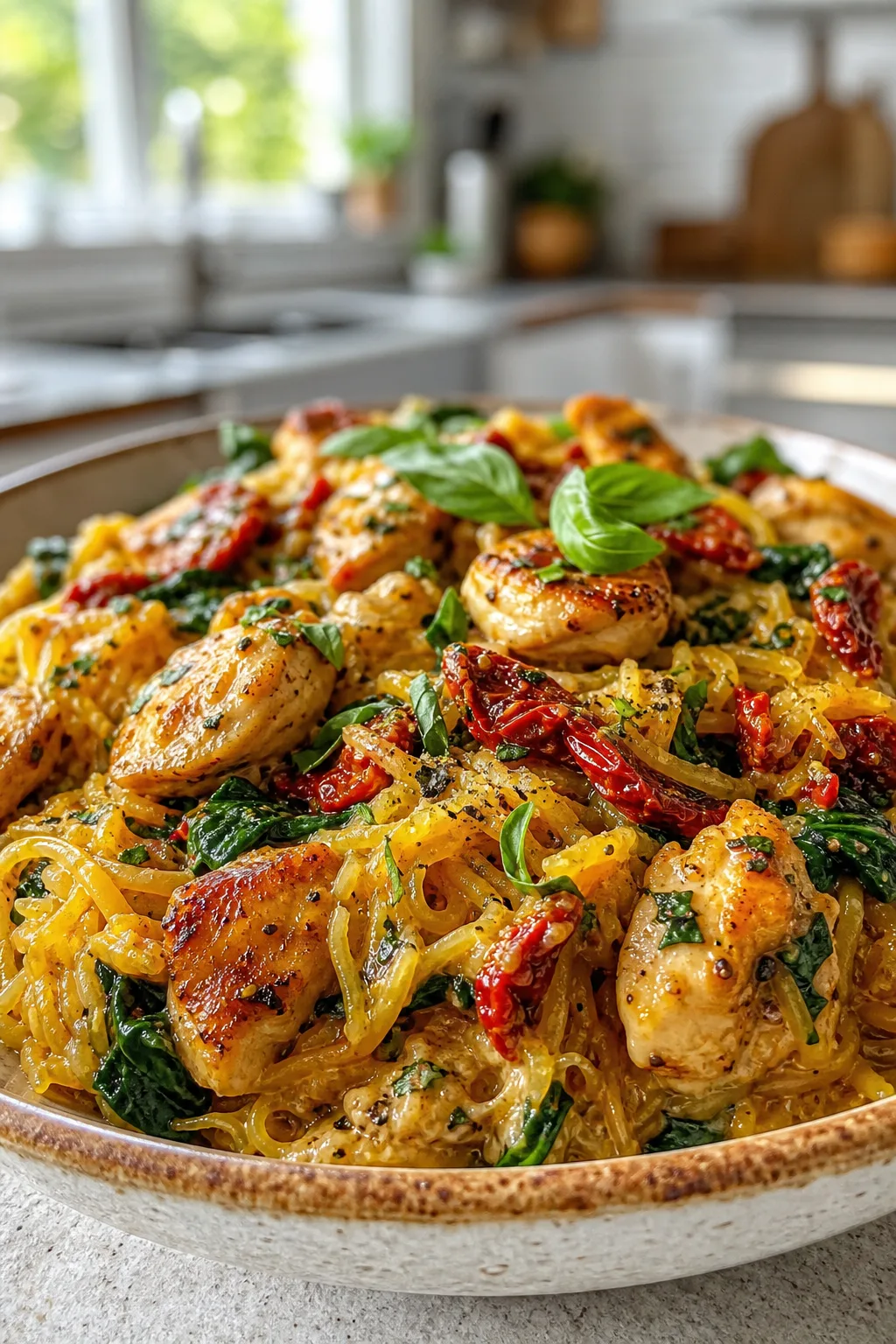
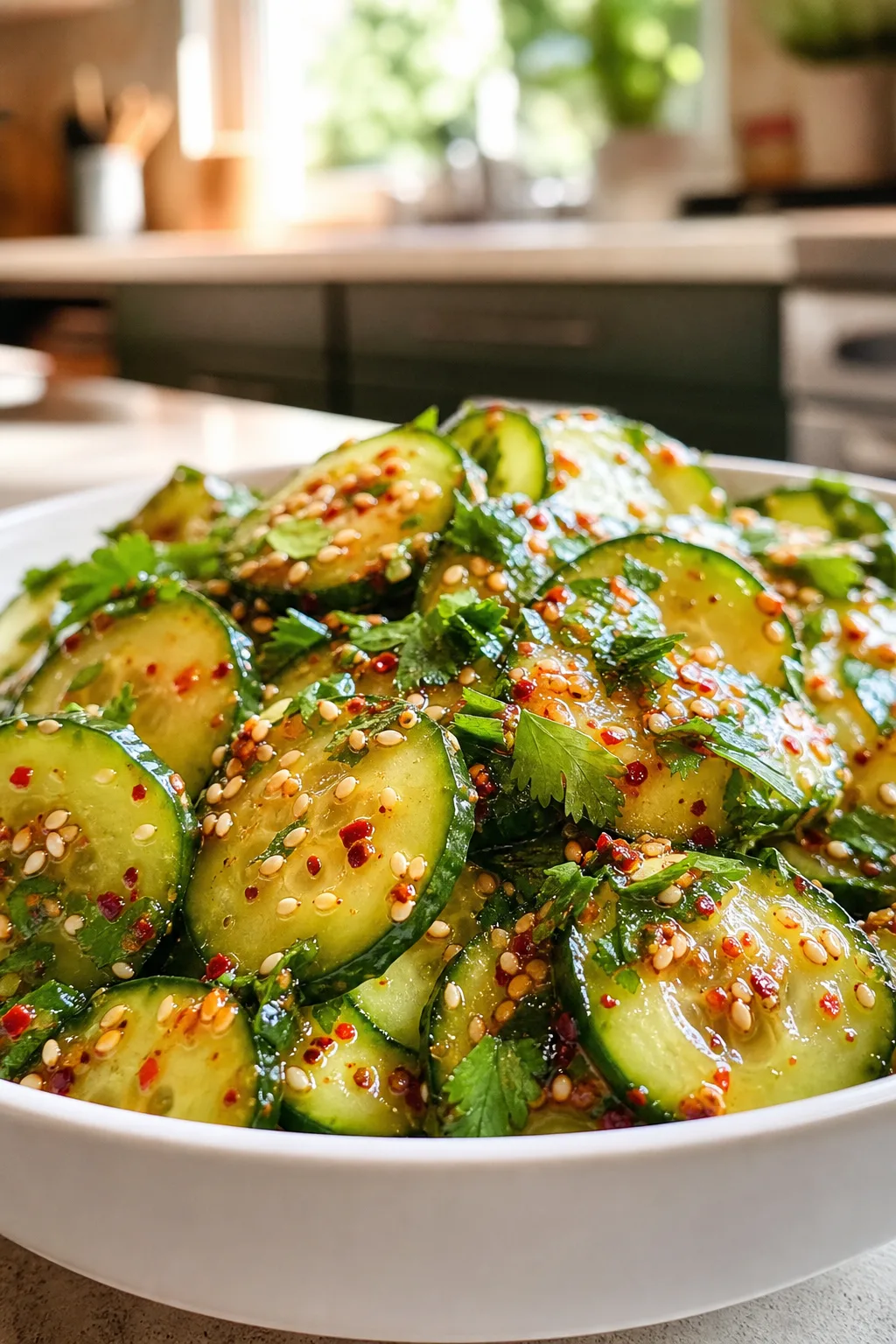
This vibrant plate of lucky green dishes is packed with fresh spinach, kale, and peas, celebrating St. Patrick’s Day with wholesome flavors. The secret? A splash of lemon brightens every bite. Great for festive family dinners or casual get-togethers!
Introduction
I’ve always loved celebrating St. Patrick’s Day with dishes that highlight green veggies—there’s something so festive and fresh about it! This recipe came about when I wanted to create a vibrant, healthy meal that still felt special enough for a holiday. Instead of going heavy on traditional corned beef or potatoes, I focused on fresh greens that are lucky to find year-round. The trick I learned? Adding lemon zest and juice at the end really wakes up the flavors and keeps the greens bright and lively. Plus, the toasted pine nuts add a lovely crunch that makes the dish feel a little indulgent without being heavy. When you plate this up, the colors just pop, and it’s a crowd-pleaser even for folks who don’t always love greens. It’s perfect for a casual St. Patrick’s Day dinner or even a light lunch. I remember the first time I made it for my family, and they kept asking for more—so I hope you’ll enjoy it just as much!
How To Do It
Step 1
Heat olive oil in a large skillet over medium heat. Add the diced onion and cook gently until translucent and soft, about 5-7 minutes. This step is crucial because slowly cooking the onion releases its sweetness which forms a flavorful base for the greens. Avoid turning the heat too high or the onions will brown too quickly and become bitter instead of mellow.
⏱ Time: 7 minutes
✓ Doneness: Onions should be soft, translucent, and slightly sweet-smelling without any browning.
Step 2
Add the minced garlic to the skillet and sauté for 1-2 minutes until fragrant. Garlic cooks quickly and can burn easily, so stir constantly and keep the heat moderate. This step infuses the oil with garlic flavor, which will coat the greens and make the whole dish taste richer.
⏱ Time: 2 minutes
✓ Doneness: Garlic should be aromatic but not browned or bitter.
Step 3
Add the chopped kale to the skillet and stir to combine with the onion and garlic. Cook for about 5 minutes until the kale starts to soften but still holds some texture. Kale is tougher than spinach, so it needs a bit more time to become tender but not mushy.
⏱ Time: 5 minutes
✓ Doneness: Kale should be bright green and tender but not limp or slimy.
Step 4
Stir in the fresh peas and chopped spinach. The spinach wilts very quickly, so add it last and cook just until it’s bright green and softened, about 2-3 minutes. Overcooking spinach can make it watery and dull in color, so keep an eye on it.
⏱ Time: 3 minutes
✓ Doneness: Spinach should be wilted but still vibrant green; peas should be tender but slightly firm.
Step 5
Season the greens with salt and freshly ground black pepper to taste. Then add the lemon zest and juice, stirring well to combine. The acid from the lemon brightens the dish and balances the earthiness of the greens perfectly. Don’t skip this step—it really makes a difference!
⏱ Time: 2 minutes
✓ Doneness: The dish should smell fresh and tangy with a balanced seasoning.
Step 6
Remove the skillet from heat and sprinkle toasted pine nuts over the top. The nuts add a toasty crunch and a subtle nutty flavor that complements the greens beautifully. If you don’t have pine nuts, toasted walnuts or almonds work well too.
⏱ Time: 1 minute
✓ Doneness: Pine nuts should be golden and fragrant, not burnt.
Step 7
Transfer the greens to a serving dish while still warm. This dish is best served immediately to enjoy the fresh, vibrant flavors and textures. If you wait too long, the greens will continue to wilt and lose their bright color.
⏱ Time: 1 minute
✓ Doneness: Greens should look fresh, bright, and inviting on the plate.
Step 8
Optional: For a heartier meal, serve alongside boiled baby potatoes or crusty bread. This pairing balances the lightness of the greens with some comforting carbs, making it a perfect St. Patrick’s Day dinner.
⏱ Time: 0 minutes
✓ Doneness: Potatoes or bread should be warm and ready to complement the greens.
Step 9
Garnish with an extra squeeze of lemon juice or a sprinkle of freshly chopped parsley if desired. These finishing touches add freshness and a pop of color that makes the dish feel extra special.
⏱ Time: 1 minute
✓ Doneness: Dish should look vibrant and fresh with a hint of citrus aroma.
Pro Tips
Don’t overcrowd the pan when cooking greens to avoid steaming instead of sautéing.
When greens are crowded, they release moisture and steam rather than sauté, causing them to become soggy instead of tender-crisp. Cooking in batches or using a large pan ensures even heat and proper texture.
Use fresh lemon zest and juice rather than bottled lemon juice for best flavor.
Fresh lemon zest contains essential oils that add brightness and aroma, while fresh juice has a clean acidity. Bottled juice can taste flat or bitter, diminishing the fresh quality of the dish.
Toast pine nuts just before serving to keep them crunchy and flavorful.
Toasted nuts lose their crunch and flavor over time. Toasting right before plating ensures they add the perfect texture contrast and nutty aroma.
Remove kale stems before cooking to avoid tough, fibrous bites.
Kale stems are woody and hard to chew. Removing them improves mouthfeel and allows the leaves to cook evenly and absorb flavors better.
Cook onions slowly over medium heat to develop sweetness without browning.
Slow cooking breaks down onions’ sugars gradually, creating a mellow sweetness. High heat can burn them, resulting in bitterness that throws off the dish’s balance.
Add spinach last since it wilts very quickly compared to kale.
Spinach’s delicate leaves cook fast and can become mushy if overdone. Adding it last preserves texture, color, and nutrients.
Season with salt gradually and taste as you go.
Greens can vary in bitterness and water content, so adding salt little by little helps achieve balanced seasoning without over-salting.
Common Mistakes to Avoid
Overcooking the spinach until it becomes mushy.
Why it happens Many cooks add all greens at once and leave them cooking too long, assuming it will improve flavor. Spinach wilts quickly and can lose texture and color.
Fix Add spinach last and cook just 2-3 minutes until wilted but still vibrant. Remove from heat immediately to preserve texture.
Burning the garlic while sautéing.
Why it happens Garlic cooks fast and cooks at a lower temperature than onions. It’s easy to get distracted and let it brown or burn, which causes bitterness.
Fix Add garlic after onions soften, stir constantly, and keep heat medium to low. Remove from heat as soon as garlic is fragrant.
Skipping lemon juice or zest.
Why it happens Some might think lemon is optional or won’t affect the dish much, but it actually brightens and balances flavors.
Fix Always add fresh lemon zest and juice at the end. It adds acidity that balances earthiness and keeps greens vibrant.
Not removing kale stems before cooking.
Why it happens It’s easy to overlook the stems or think they’re edible, but they’re tough and fibrous.
Fix Strip stems from kale leaves before chopping. This improves texture and makes the dish more pleasant to eat.
Using bottled lemon juice instead of fresh.
Why it happens Convenience or not realizing the flavor difference leads some to use bottled juice.
Fix Use fresh lemon for zest and juice to get the full bright, fresh flavor and aroma that bottled juice lacks.
Variations
Add Crispy Bacon
For a smoky twist, add chopped crispy bacon to the skillet before cooking the onions. The bacon fat adds richness and a salty crunch that pairs beautifully with the greens. This variation turns the dish into a heartier side perfect for St. Patrick’s Day.
Note: Cook bacon first until crispy, remove excess fat if desired, then proceed with onions in the rendered bacon fat for extra flavor.
Swap Pine Nuts for Walnuts
If pine nuts are hard to find or expensive, toasted walnuts make a great substitute. They add a slightly earthier flavor and similar crunch. Toast them gently to avoid bitterness and sprinkle on top at the end.
Note: Walnuts toast faster than pine nuts, so watch carefully to avoid burning.
Add Chili Flakes for Heat
Want to make it spicier? Sprinkle in a pinch of red chili flakes when sautéing the garlic. The heat adds a lively kick that contrasts nicely with the lemon and greens.
Note: Add chili flakes early with garlic to infuse the oil with heat without overpowering the dish.
Use Swiss Chard Instead of Kale
Substitute Swiss chard for kale for a milder, slightly sweeter green. The cooking time is similar, but chard stems are less tough and can be chopped finely and cooked with the leaves.
Note: Cook chard stems a little longer than leaves to ensure tenderness.
Add Cooked Quinoa for a Complete Meal
Stir in cooked quinoa at the end to make this a filling vegetarian main dish. The quinoa adds protein and a nutty flavor that pairs well with the greens and lemon.
Note: Warm the quinoa separately and fold in gently to avoid breaking the grains.
Nutrition
Per Serving:
Nutritional values are estimates and may vary based on specific ingredients used.
Storage & Tips
Room Temperature
This dish can safely sit at room temperature for up to 2 hours if covered loosely to prevent drying out. Beyond that, it’s best to refrigerate to maintain freshness and food safety.
Refrigerator
Store leftovers in an airtight container for up to 3 days. The greens may soften and lose some texture when cold; reheat gently to restore warmth and brightness. Adding a splash of lemon juice after reheating can freshen flavors.
Freezer
Freezing is not recommended for this dish because cooked greens and lemon lose texture and flavor when frozen. If necessary, freeze in airtight containers for up to 1 month and thaw overnight in the fridge.
Reheating
Reheat gently on the stovetop over low heat, stirring frequently to prevent sticking. Add a splash of olive oil or lemon juice if the dish seems dry. Avoid microwaving at high power to prevent overcooking.
Make Ahead
You can prep the onions and garlic base a day ahead and store it refrigerated. Chop the greens fresh on the day of serving and combine just before cooking to ensure vibrant color and texture.
FAQ
Can I use frozen spinach or kale instead of fresh?
You can use frozen greens, but they tend to be wetter and softer after cooking. Thaw and drain them well before adding to avoid a watery dish. Fresh greens give the best texture and vibrant color.
What if I don’t have pine nuts? What’s a good substitute?
Toasted walnuts, almonds, or even sunflower seeds make great alternatives. They add crunch and nuttiness but may change the flavor slightly. Always toast nuts lightly to bring out their best flavor.
How can I make this dish vegan?
This recipe is naturally vegan as long as you use olive oil and avoid adding any animal products like bacon or cheese. It’s a great plant-based side or main dish.
Can I prepare this dish ahead of time?
You can prep onions and garlic base ahead, but cook the greens fresh to keep them bright and tender. Combining everything too early can cause the greens to become soggy.
Is lemon juice necessary, or can I skip it?
Lemon juice is key for brightening the flavors and balancing the earthiness of the greens. Skipping it makes the dish taste flat and less vibrant, so I recommend including it.
How do I prevent garlic from burning?
Add garlic after onions have softened and keep the heat moderate. Stir constantly and remove from heat as soon as garlic is fragrant to avoid bitterness.
What’s the best way to remove kale stems?
Hold the kale leaf by the stem with one hand and strip the leaf away with the other. Alternatively, fold the leaf lengthwise and cut along the stem with a knife.
Can I add protein to make this a full meal?
Absolutely! Adding cooked quinoa, chickpeas, or grilled chicken pairs well with this dish and makes it more filling for a main course.
Final Thoughts
I hope you enjoy this fresh and festive green feast as much as my family does! Don’t forget to share your St. Patrick’s Day creations with me—I’d love to see how your lucky greens turn out.