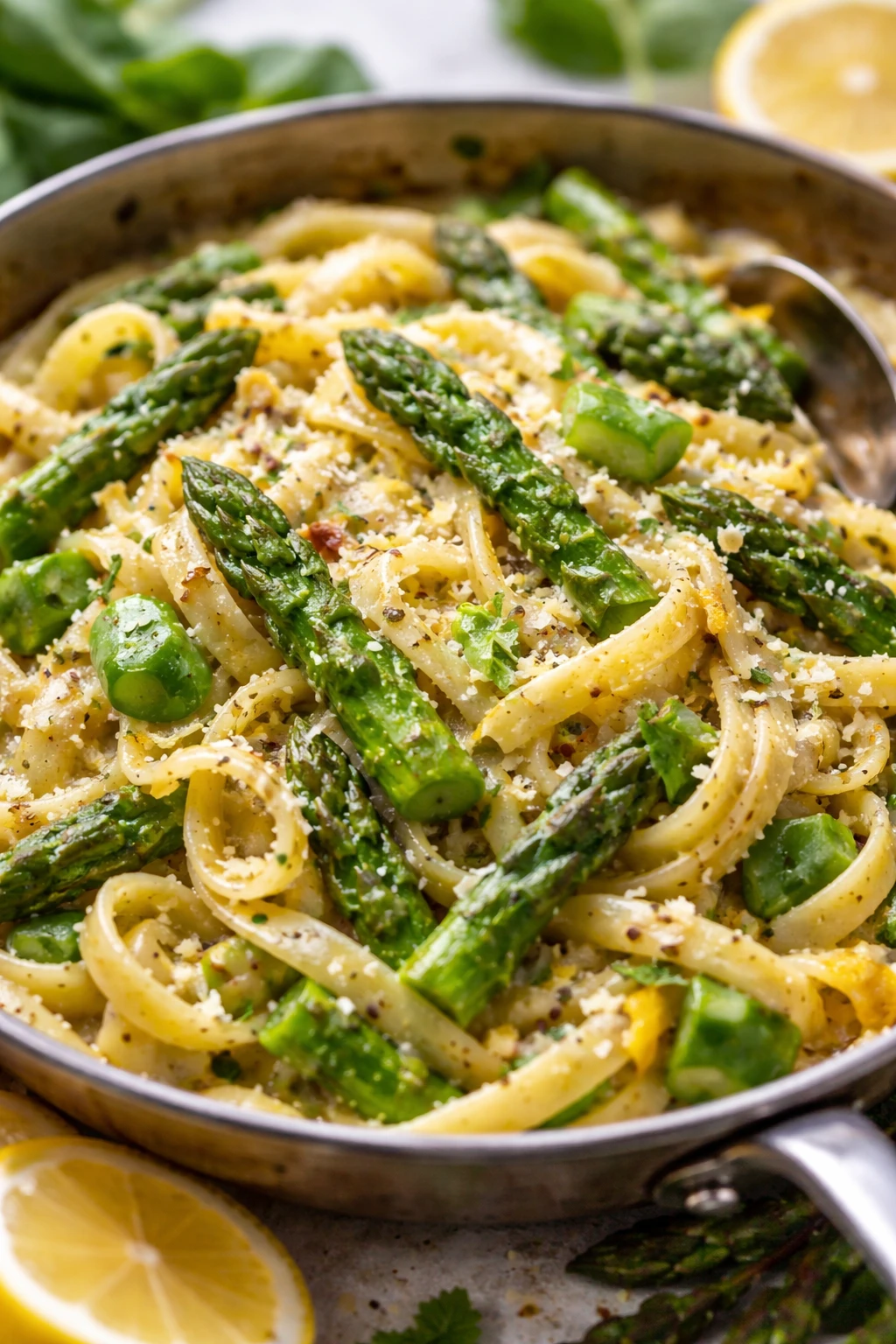
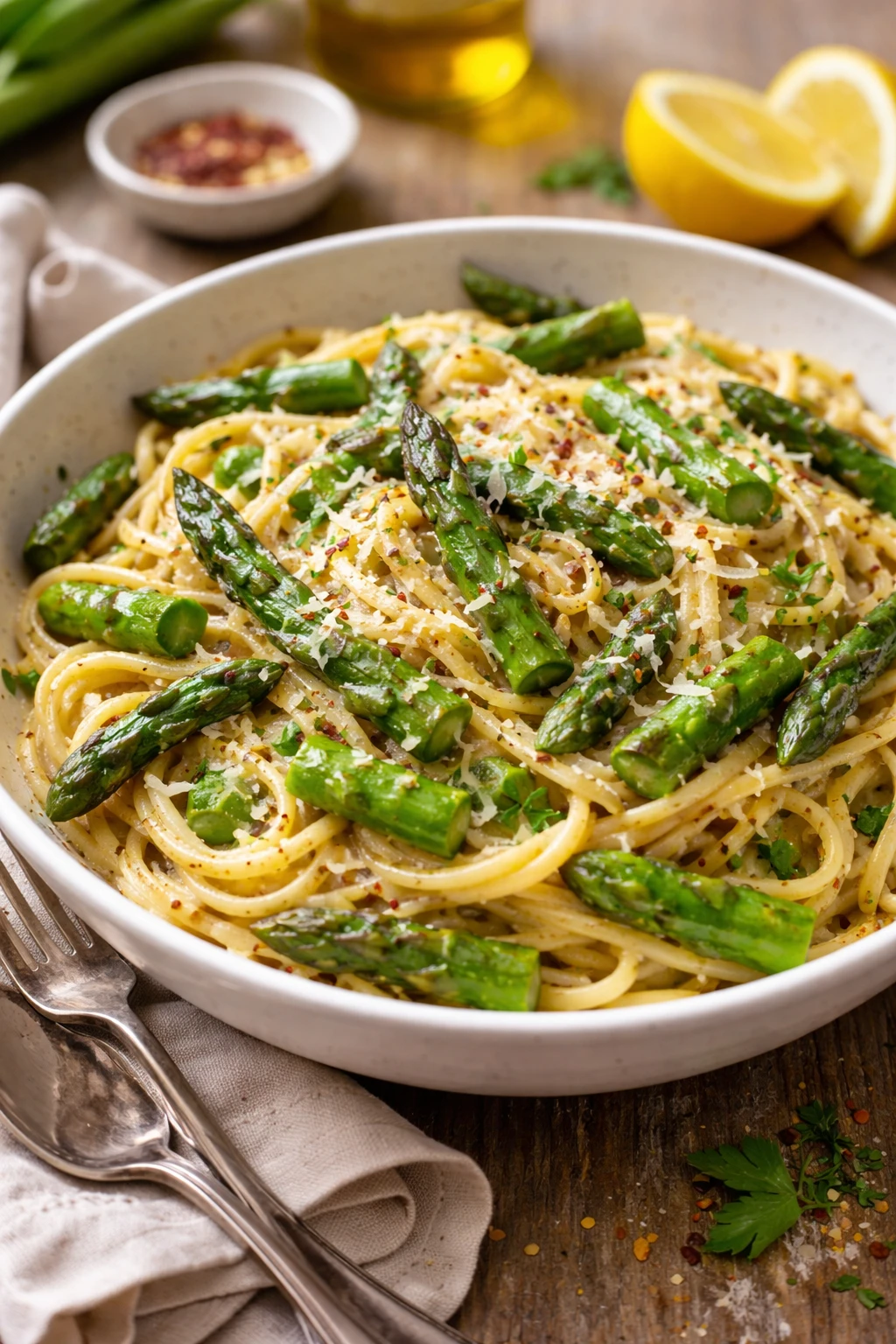
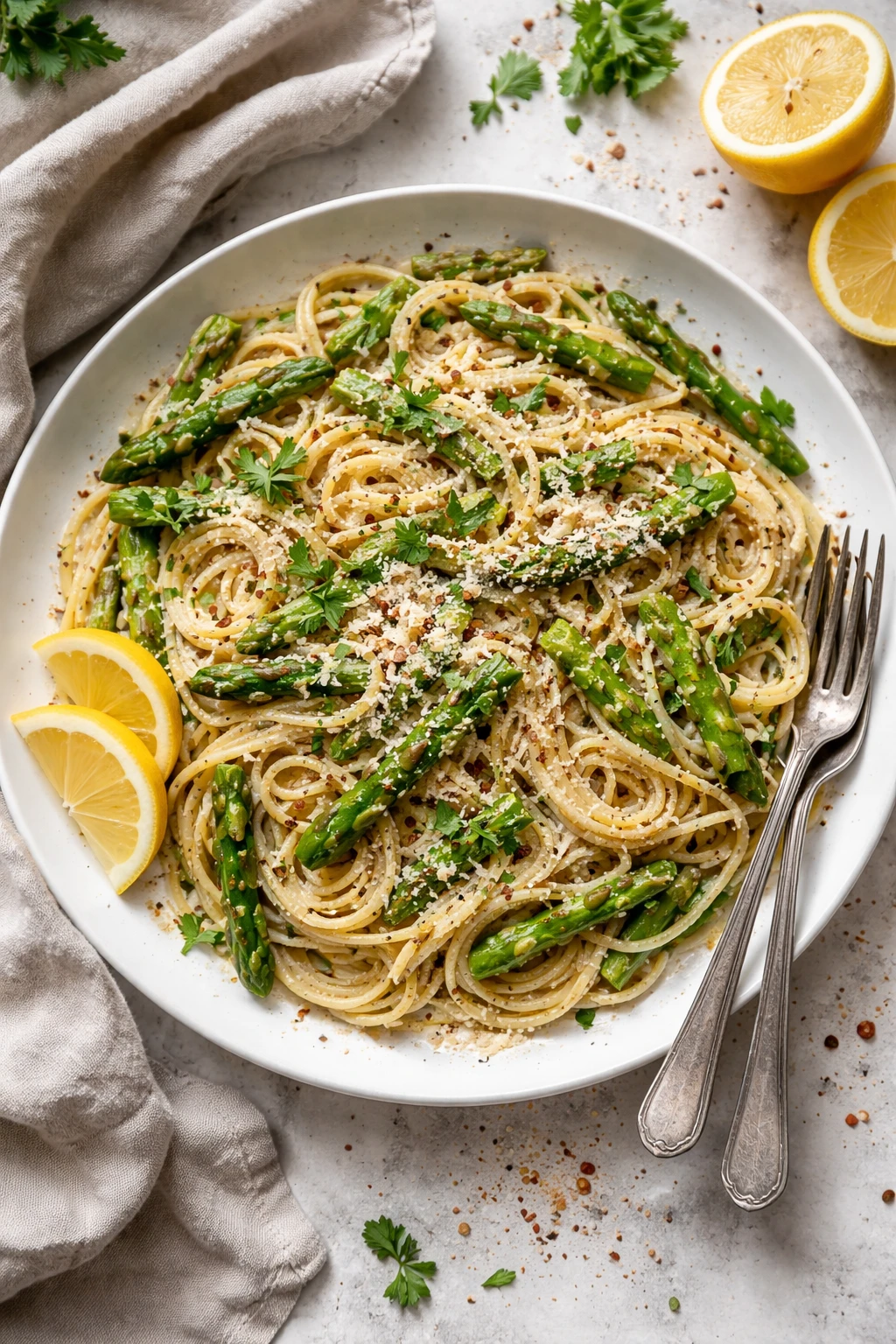
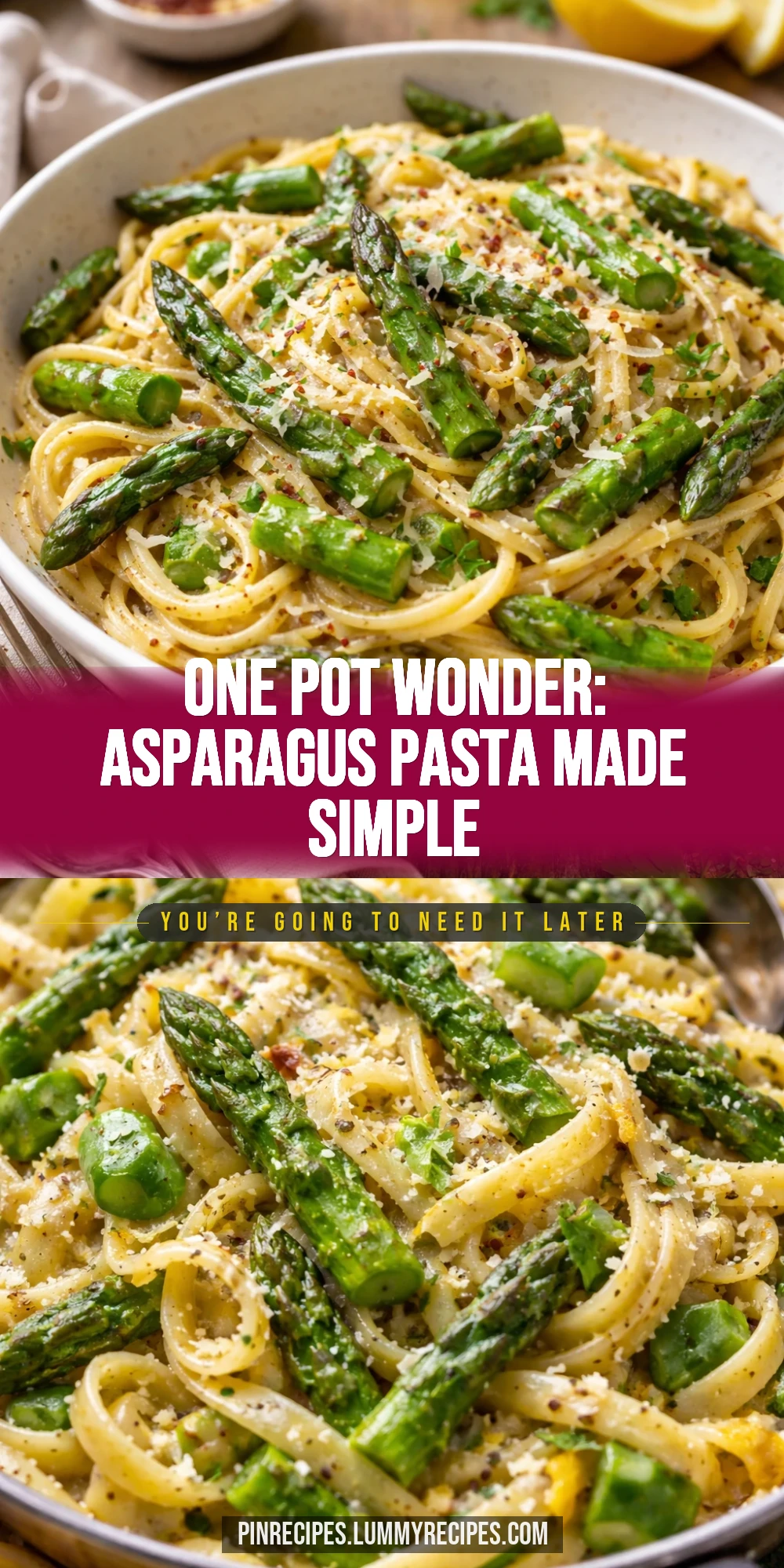
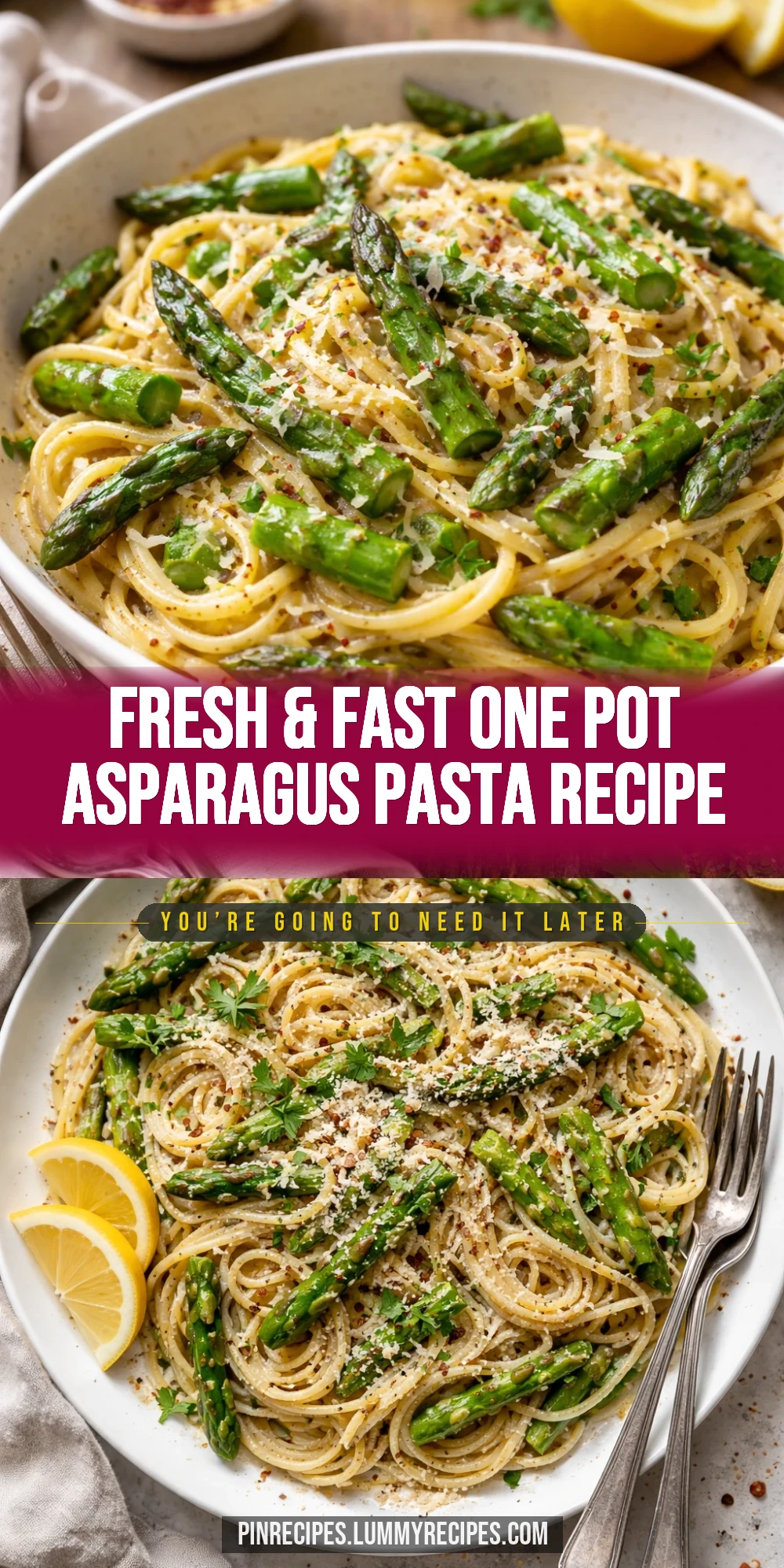
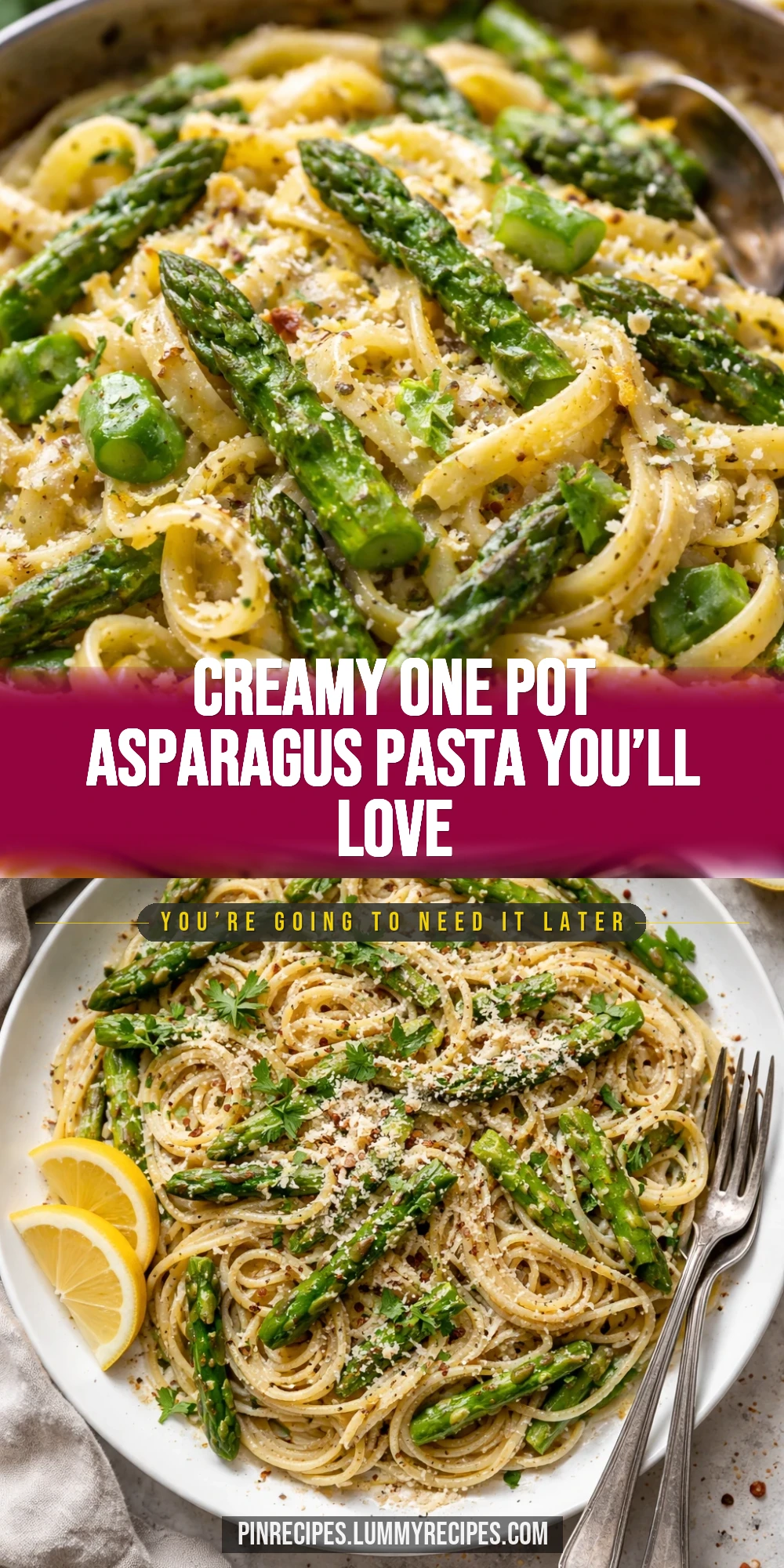
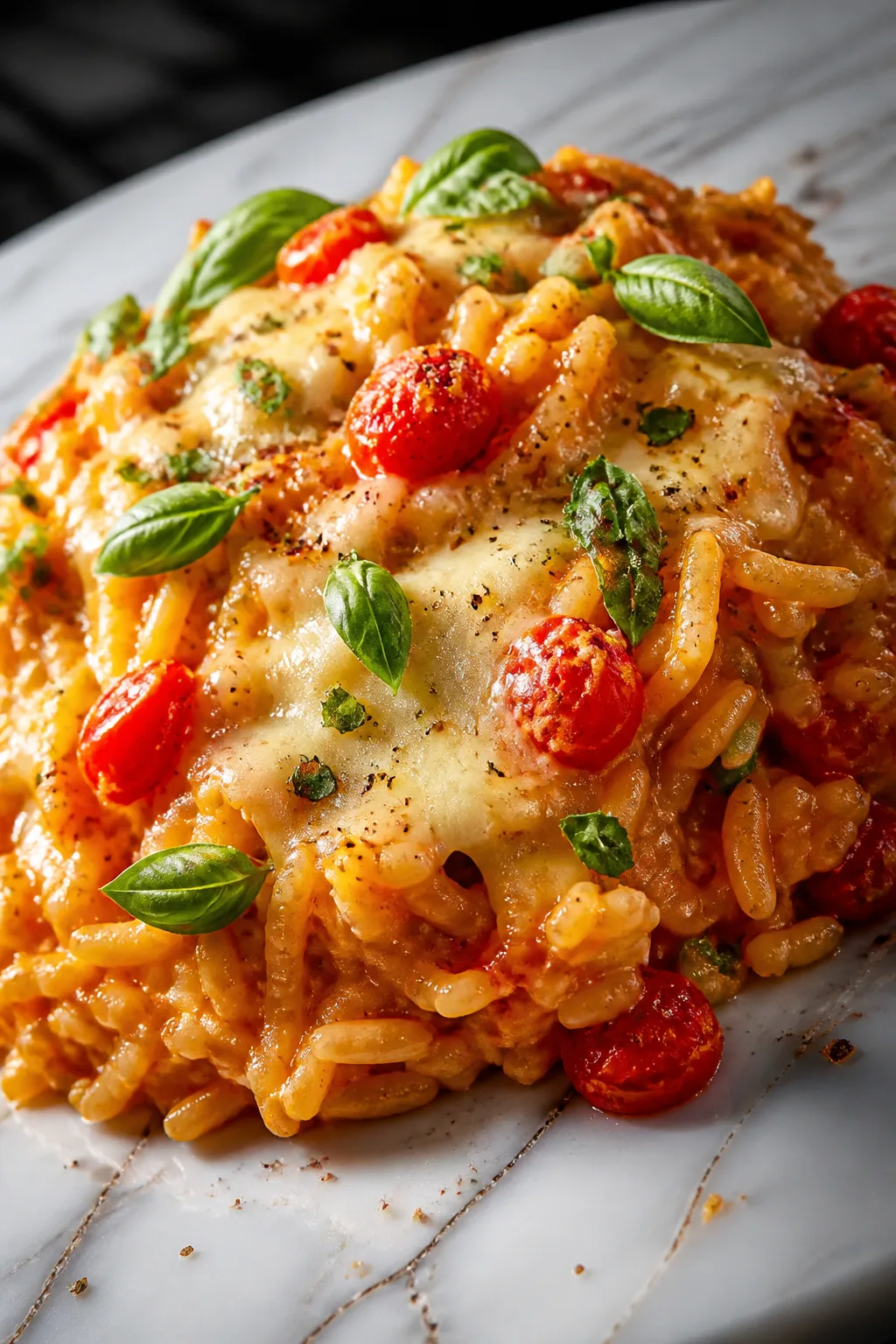
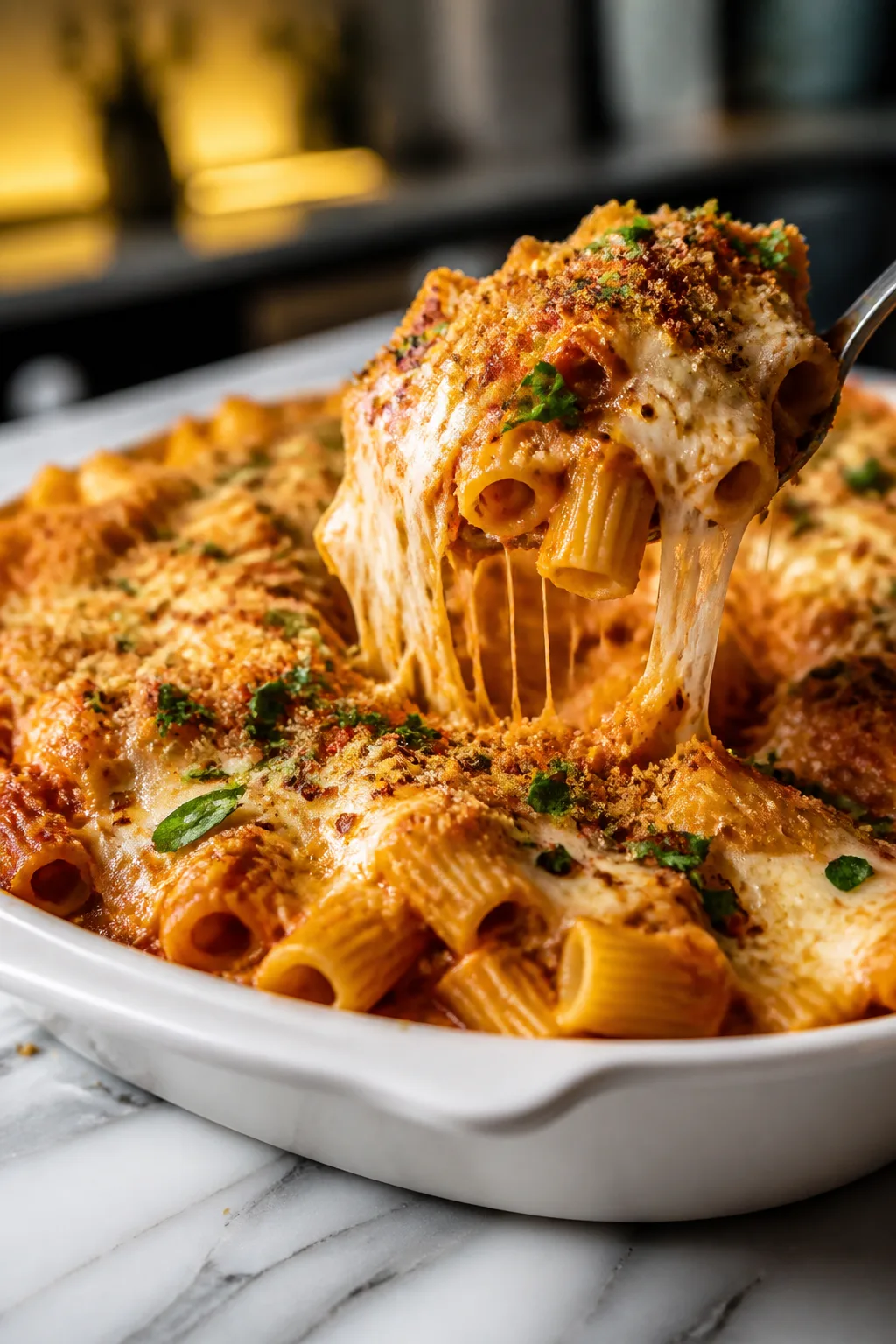
This one pot asparagus pasta is a total lifesaver on busy nights. It’s fresh, creamy, and the asparagus adds a perfect spring crunch. Super simple cleanup too — perfect for weeknight dinners!
Introduction
I first stumbled on this one pot asparagus pasta recipe during a particularly hectic spring week when I had little time but craved something fresh and comforting. What I love about this dish is how it combines the bright, crisp flavor of asparagus with a creamy sauce — all cooked in one pot! It’s a game changer because it cuts down on dishes and still feels special. I tweaked the recipe a bit by adding lemon zest and fresh basil at the end, which really lifts the flavors and keeps it from feeling heavy. The trick I learned is to add the asparagus partway through cooking the pasta so it stays tender but still has a nice bite. The final dish is creamy, fresh, and just the right balance of richness and spring brightness. It’s perfect for busy weeknights or when you want a quick dinner that feels homemade without the fuss.
What You'll Need
Approximately 4 generous servings
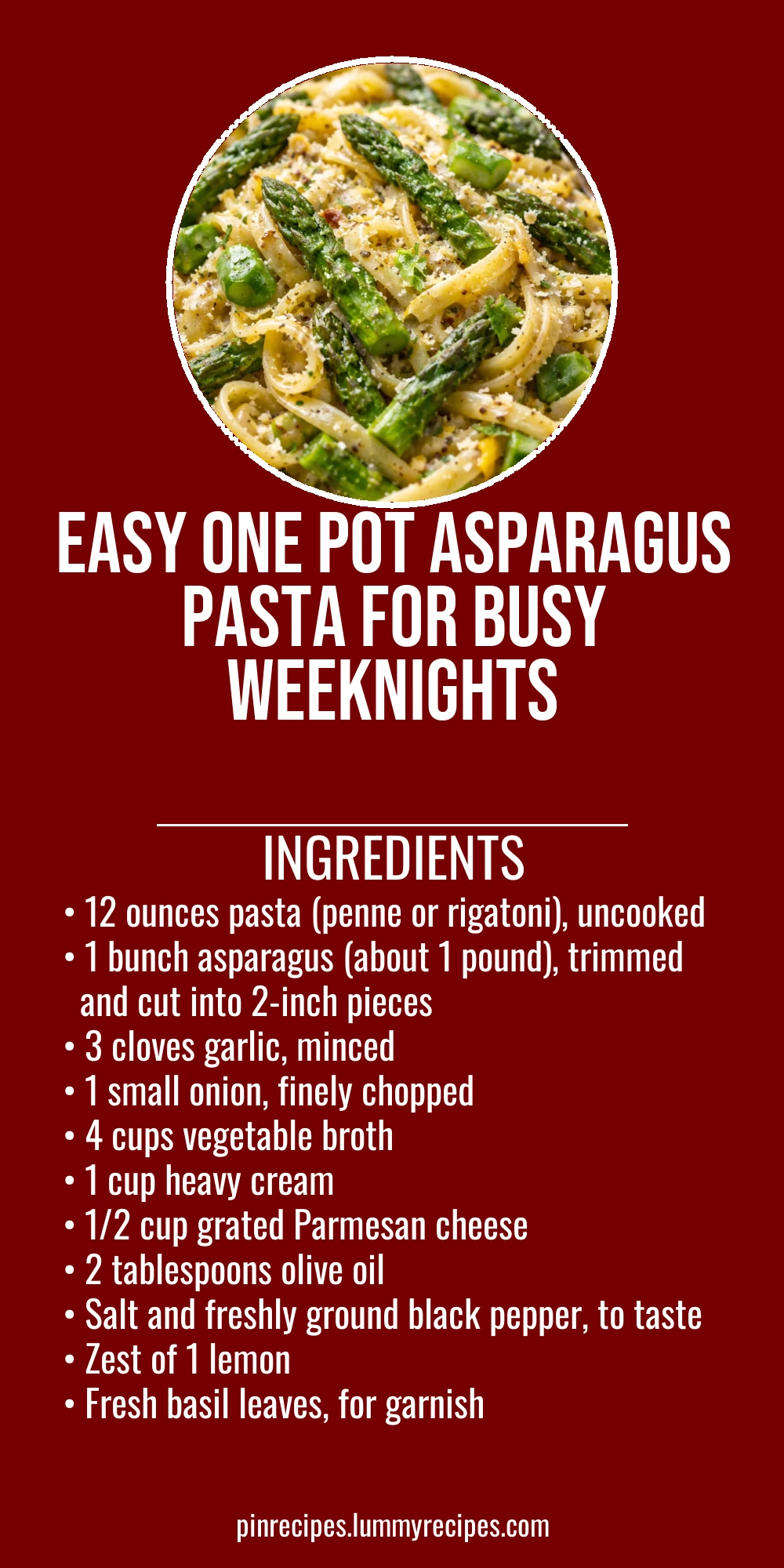
- 12 ounces pasta (penne or rigatoni), uncooked
- 1 bunch asparagus (about 1 pound), trimmed and cut into 2-inch pieces
- 3 cloves garlic, minced
- 1 small onion, finely chopped
- 4 cups vegetable broth
- 1 cup heavy cream
- 1/2 cup grated Parmesan cheese
- 2 tablespoons olive oil
- Salt and freshly ground black pepper, to taste
- Zest of 1 lemon
- Fresh basil leaves, for garnish
How To Do It
Step 1
Heat olive oil in a large deep skillet or pot over medium heat. Add the chopped onion and sauté until translucent and soft, about 5 minutes. This step builds the flavor base for the pasta sauce. Avoid browning the onions too much because you want a gentle sweetness rather than a caramelized flavor here.
⏱ Time: 5
✓ Doneness: Onions should be soft, translucent, and fragrant without any browning.
Step 2
Add minced garlic to the onions and cook for about 1 minute until fragrant. Garlic burns quickly, so stir constantly and watch for that fresh garlicky aroma without letting it brown, which could make it bitter.
⏱ Time: 1
✓ Doneness: Garlic should smell aromatic and golden but not brown.
Step 3
Pour in the vegetable broth and bring to a boil. Adding broth at this stage deglazes the pan and picks up all those onion and garlic flavors, which will infuse into the pasta as it cooks.
⏱ Time: 3
✓ Doneness: Broth should be simmering and slightly reduced after boiling.
Step 4
Add the uncooked pasta to the boiling broth. Stir immediately to prevent the pasta from sticking together or to the bottom. This technique allows the pasta to absorb flavor directly from the broth while cooking evenly.
⏱ Time: 10
✓ Doneness: Pasta should be just shy of al dente, tender but still firm.
Step 5
When the pasta is halfway cooked (about 5 minutes in), add the asparagus pieces. This timing ensures the asparagus cooks through but retains a bright green color and slight crunch, avoiding mushiness.
⏱ Time: 5
✓ Doneness: Asparagus should be bright green and tender-crisp.
Step 6
Once pasta and asparagus are cooked, reduce heat to low and stir in the heavy cream. This step creates a luscious, creamy sauce that clings to every bite. Don’t boil after adding cream or it might curdle.
⏱ Time: 3
✓ Doneness: Sauce should be smooth, creamy, and slightly thickened.
Step 7
Stir in grated Parmesan cheese until melted and fully incorporated. Cheese adds richness and umami depth. If the sauce seems too thick, add a splash of broth or cream to loosen it up.
⏱ Time: 2
✓ Doneness: Cheese should be melted and sauce silky without clumps.
Step 8
Season with salt, freshly ground black pepper, and lemon zest. The lemon zest brightens the whole dish and balances the creaminess, so don’t skip this step! Taste as you go to get the seasoning just right.
⏱ Time: 2
✓ Doneness: Flavors should be balanced with a fresh citrus note.
Step 9
Serve immediately garnished with fresh basil leaves. The basil adds a fresh herbal note that complements the asparagus perfectly. This dish is best enjoyed right away while the sauce is creamy and warm.
⏱ Time: 1
✓ Doneness: Pasta should be hot, creamy, and garnished beautifully.
Pro Tips
Add asparagus halfway through pasta cooking for perfect texture.
Asparagus cooks quickly and adding it too early will result in mushy, dull-tasting veggies. Adding it halfway ensures it stays tender-crisp and vibrant green, which contrasts nicely with the creamy pasta.
Use vegetable broth instead of water to cook pasta.
Broth infuses the pasta with savory flavor as it cooks, building a richer sauce base without extra steps. This technique enhances depth and complexity in the final dish.
Don’t boil after adding cream to avoid curdling.
Cream can separate if boiled, creating an unpleasant texture. Stir gently over low heat to maintain a smooth, silky sauce.
Grate Parmesan fresh for best melting and flavor.
Pre-grated cheese often contains additives that prevent smooth melting. Freshly grated Parmesan melts evenly and adds a nutty, savory note essential for the sauce.
Zest lemon just before serving for maximum brightness.
Lemon zest loses its aromatic oils quickly once exposed to air. Adding it last preserves the fresh citrus aroma that balances the rich sauce.
Use a wide, deep skillet or pot for even cooking.
A wider surface area allows the pasta to cook evenly in broth without clumping, and gives space to stir in asparagus and cream without spills.
Stir frequently during pasta cooking to prevent sticking.
Pasta releases starch as it cooks, which can cause sticking or clumping. Stirring ensures even cooking and a smooth sauce texture.
Common Mistakes to Avoid
Adding asparagus too early
Why it happens People often add all ingredients at once to save time, assuming everything cooks at the same rate.
Fix Add asparagus halfway through the pasta cooking time to keep it tender but crisp. This prevents mushy, overcooked asparagus and preserves its color and flavor.
Boiling the cream after adding
Why it happens Some cooks think the sauce needs to boil to thicken quickly.
Fix Lower the heat and stir gently after adding cream to avoid curdling. The sauce will thicken nicely without boiling.
Not stirring pasta enough
Why it happens Assuming pasta won’t stick if there’s enough liquid.
Fix Stir frequently during cooking to release starch evenly and prevent clumping, ensuring a creamy, cohesive sauce.
Using pre-grated Parmesan
Why it happens Convenience often wins over quality.
Fix Grate Parmesan fresh for better melting and flavor impact. It makes a noticeable difference in sauce texture and taste.
Skipping lemon zest
Why it happens Underestimating the power of a small ingredient.
Fix Add lemon zest at the end to brighten the dish and balance richness. It transforms the flavor profile from heavy to fresh.
Variations
Add Grilled Chicken for Protein Boost
Toss in sliced grilled chicken breast for a heartier meal. The smoky, savory chicken pairs beautifully with the creamy asparagus pasta, turning it into a complete dinner.
Note: Add cooked chicken after cream and cheese to warm through without drying out.
Make It Vegan with Plant-Based Cream and Cheese
Use coconut cream or cashew cream and vegan Parmesan alternatives to keep it creamy and flavorful while staying dairy-free. The asparagus still shines in this version.
Note: Adjust seasoning as vegan cheeses can be less salty; add nutritional yeast for umami.
Swap Asparagus for Broccoli or Green Beans
If asparagus isn’t in season, try tender broccoli florets or blanched green beans. They offer a similar crunch and fresh green flavor to complement the creamy sauce.
Note: Adjust cooking time slightly as broccoli may take a bit longer to become tender.
Add Red Pepper Flakes for a Spicy Kick
Sprinkle in some red pepper flakes with the garlic for subtle heat that contrasts nicely with the creamy sauce and bright asparagus.
Note: Add flakes early with garlic to infuse the oil with spice.
Use Whole Wheat Pasta for Extra Fiber
Swap regular pasta for whole wheat to add fiber and a nuttier flavor. It’s a healthy twist that doesn’t compromise texture or taste.
Note: Whole wheat pasta may require a minute or two more cooking time; adjust accordingly.
Nutrition
Per Serving:
Nutritional values are estimates and may vary based on specific ingredients used.
Storage & Tips
Room Temperature
This pasta is best enjoyed fresh but can sit at room temperature covered for up to 2 hours safely. Beyond that, bacteria growth risks increase, so refrigerate promptly.
Refrigerator
Store leftovers in an airtight container for up to 3 days. The sauce may thicken and the asparagus soften when cold; reheat gently with a splash of broth or cream to restore creaminess.
Freezer
Freezing is not recommended as cream-based sauces can separate and become grainy upon thawing. If you must freeze, do so in airtight containers for up to 1 month and thaw overnight in the fridge.
Reheating
Reheat on the stovetop over low heat, stirring frequently. Add a splash of broth or cream to loosen the sauce and prevent drying out. Avoid high heat to keep sauce smooth.
Make Ahead
You can prep the onion, garlic, and trim asparagus 1-2 days ahead and store separately. Cook the pasta fresh for best texture. Alternatively, cook the pasta and asparagus fully, cool, and refrigerate; reheat gently with cream and cheese added last.
FAQ
Can I use frozen asparagus for this recipe?
Yes, but frozen asparagus tends to be softer and releases more water, which can thin the sauce. Add it later in the cooking process and reduce other liquids slightly to maintain creaminess.
What’s the best pasta shape for one pot cooking?
Medium to large shaped pastas like penne, rigatoni, or farfalle work best because they hold up well during cooking and trap sauce nicely. Thin pastas can overcook and get mushy.
Can I make this recipe dairy-free?
Absolutely! Use plant-based creams like coconut or cashew cream and vegan Parmesan substitutes. Adjust seasoning to compensate for differences in saltiness and richness.
How do I prevent the sauce from curdling?
Don’t boil the sauce after adding cream. Keep the heat low and stir gently. Adding cheese off the heat also helps maintain a smooth texture.
Can I prepare this dish ahead of time?
You can prep ingredients ahead but it’s best to cook pasta fresh for optimal texture. Cooked pasta and asparagus can be refrigerated and reheated, but the sauce may need loosening with extra cream or broth.
Why is lemon zest important in this recipe?
Lemon zest adds brightness and balances the richness of cream and cheese. It lifts the flavors and keeps the dish from feeling too heavy or one-dimensional.
How do I store leftovers properly?
Store in an airtight container in the fridge for up to 3 days. Reheat gently with a splash of broth or cream to restore creaminess and prevent drying.
Can I add protein like chicken or shrimp?
Yes! Cooked chicken or shrimp can be stirred in at the end to warm through. This makes the dish more filling and adds extra flavor.
Final Thoughts
I hope you enjoy making this one pot asparagus pasta as much as I do! It’s a fresh, creamy weeknight winner that’s easy to whip up and share. Let me know how it turns out!