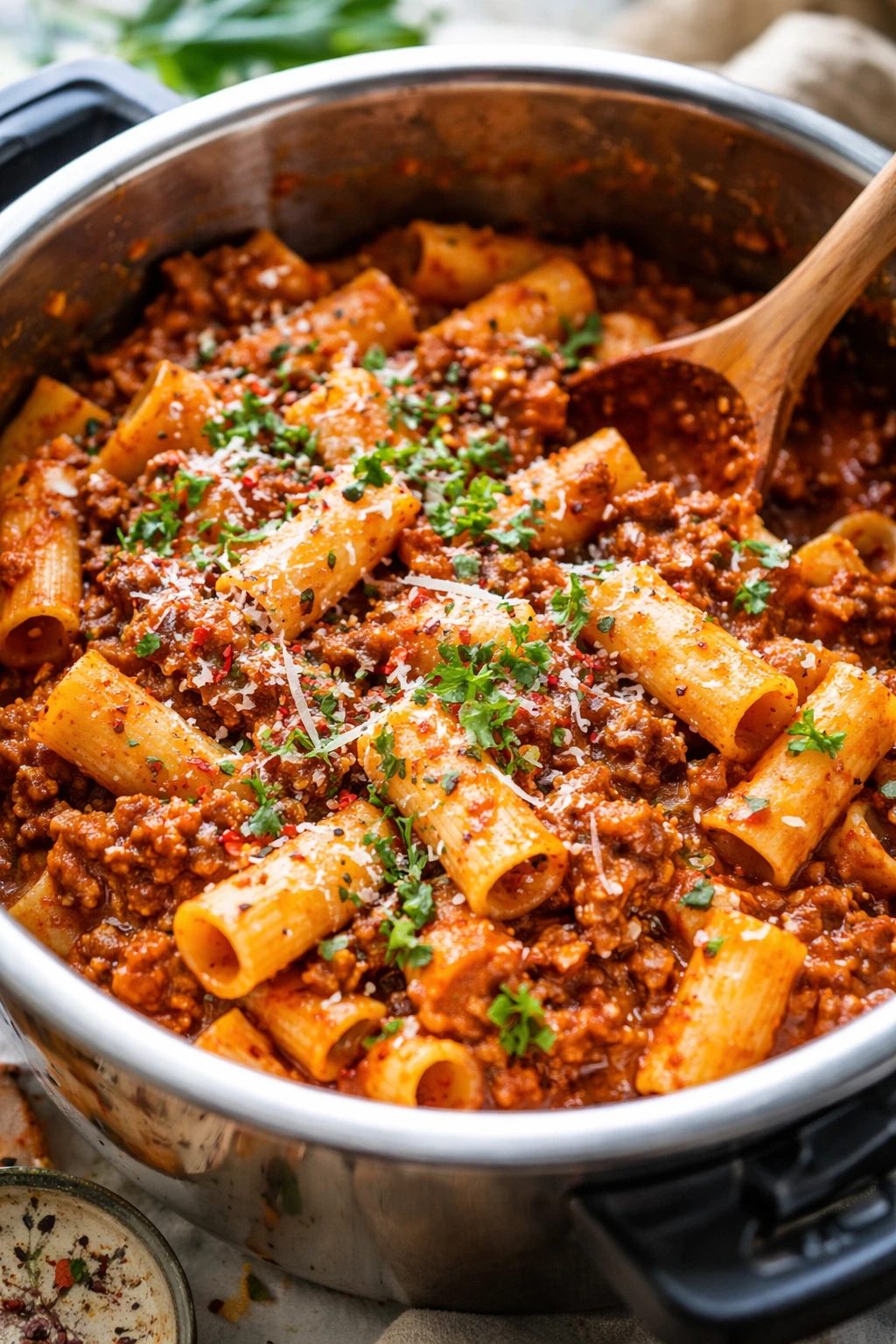
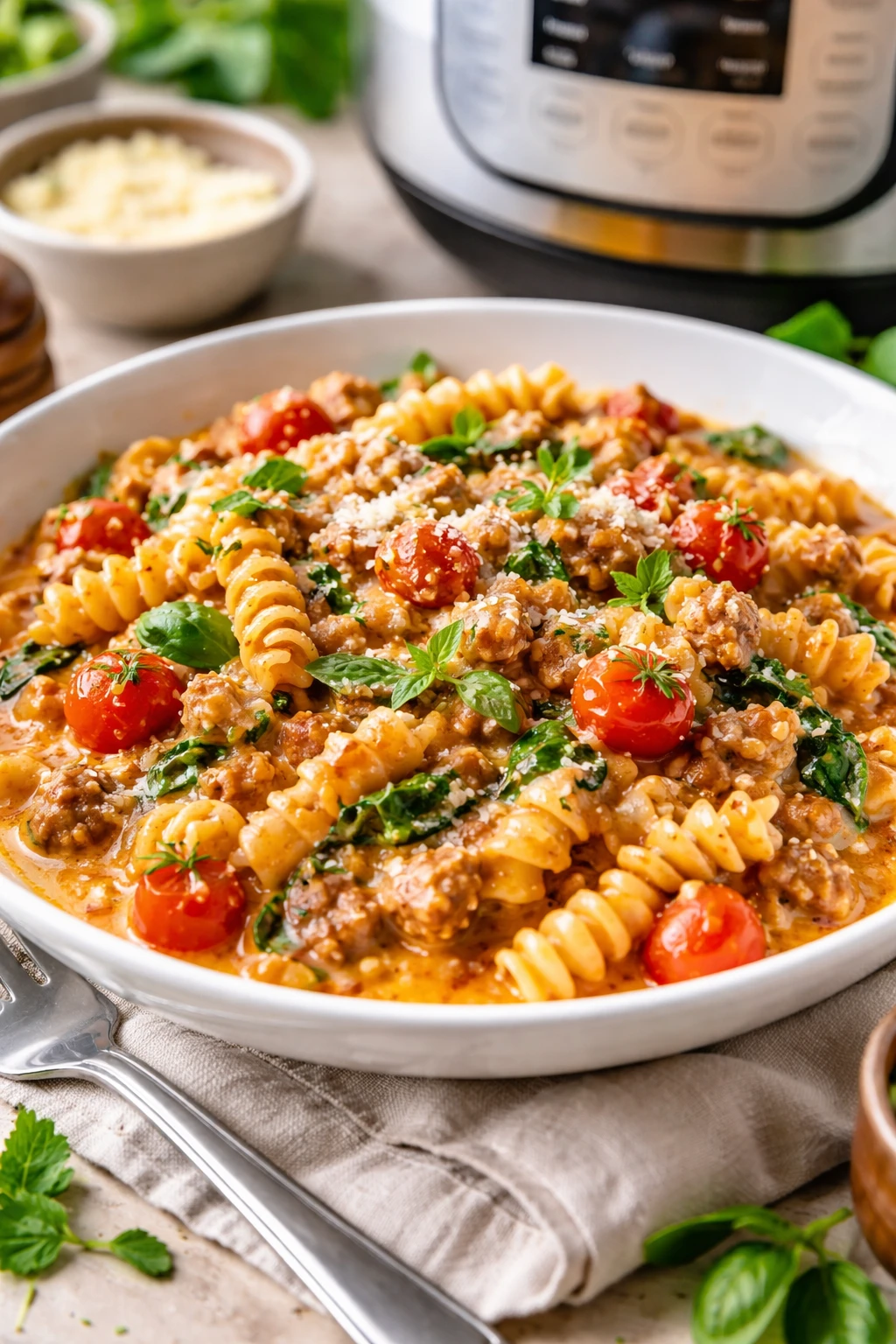
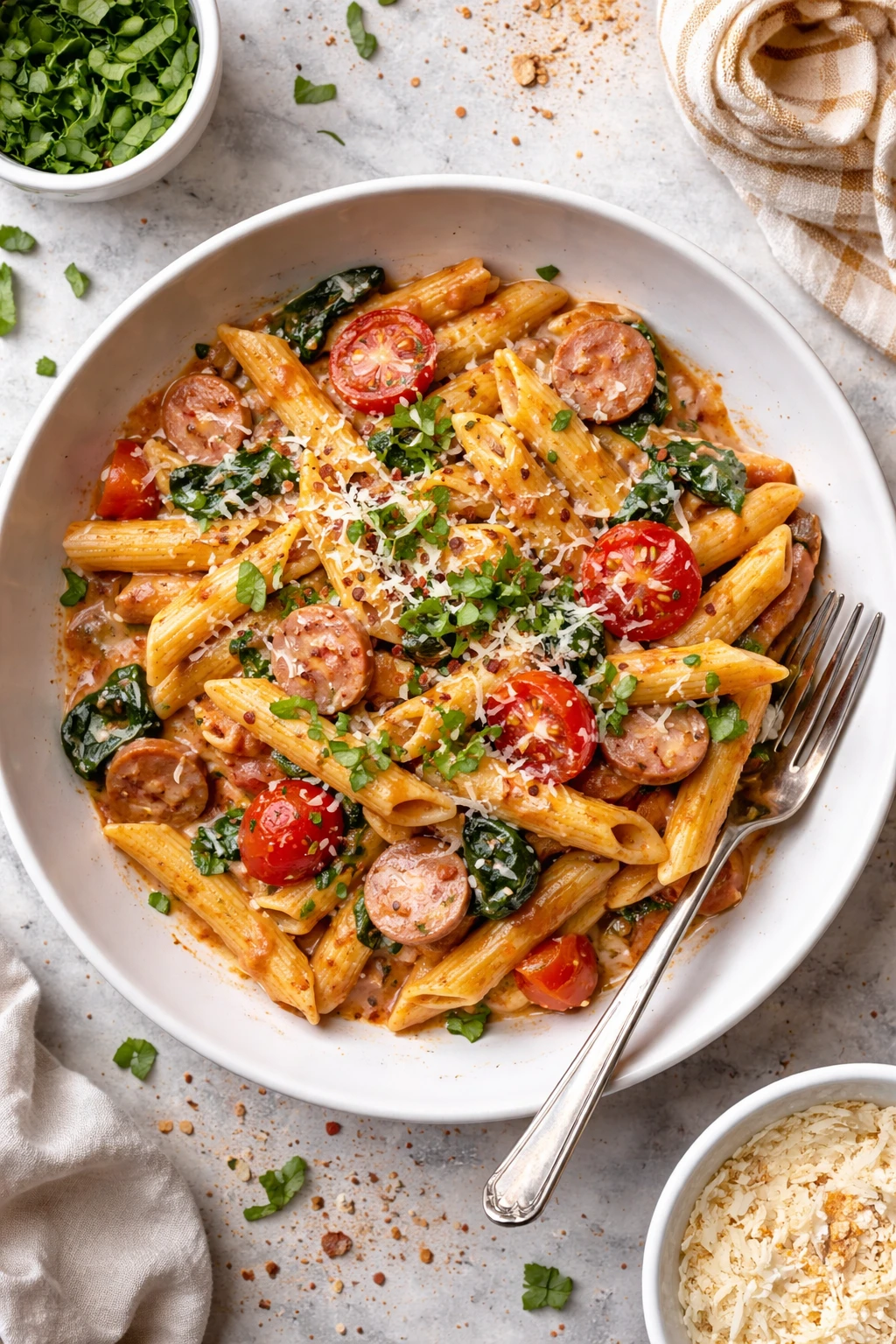
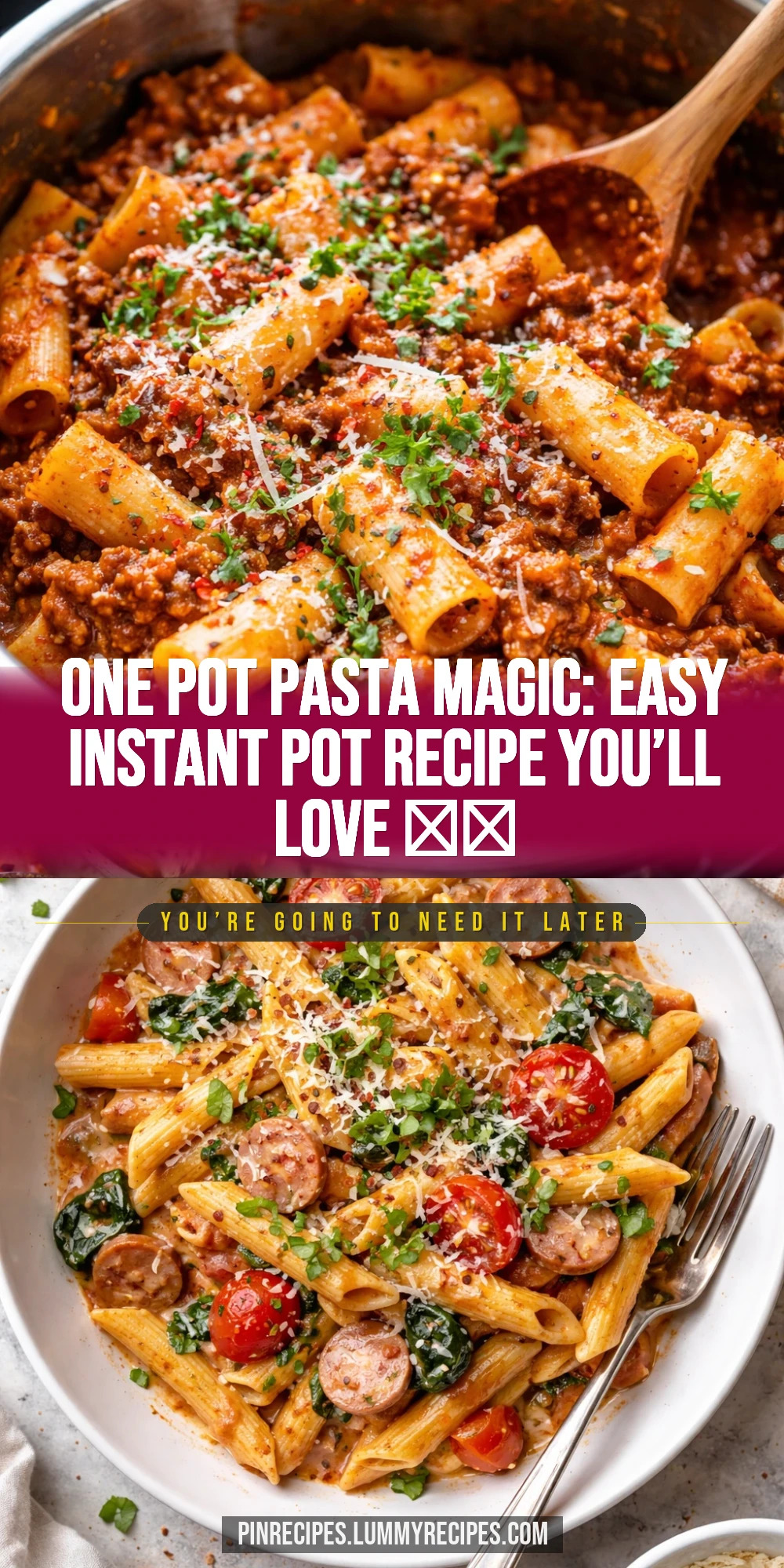
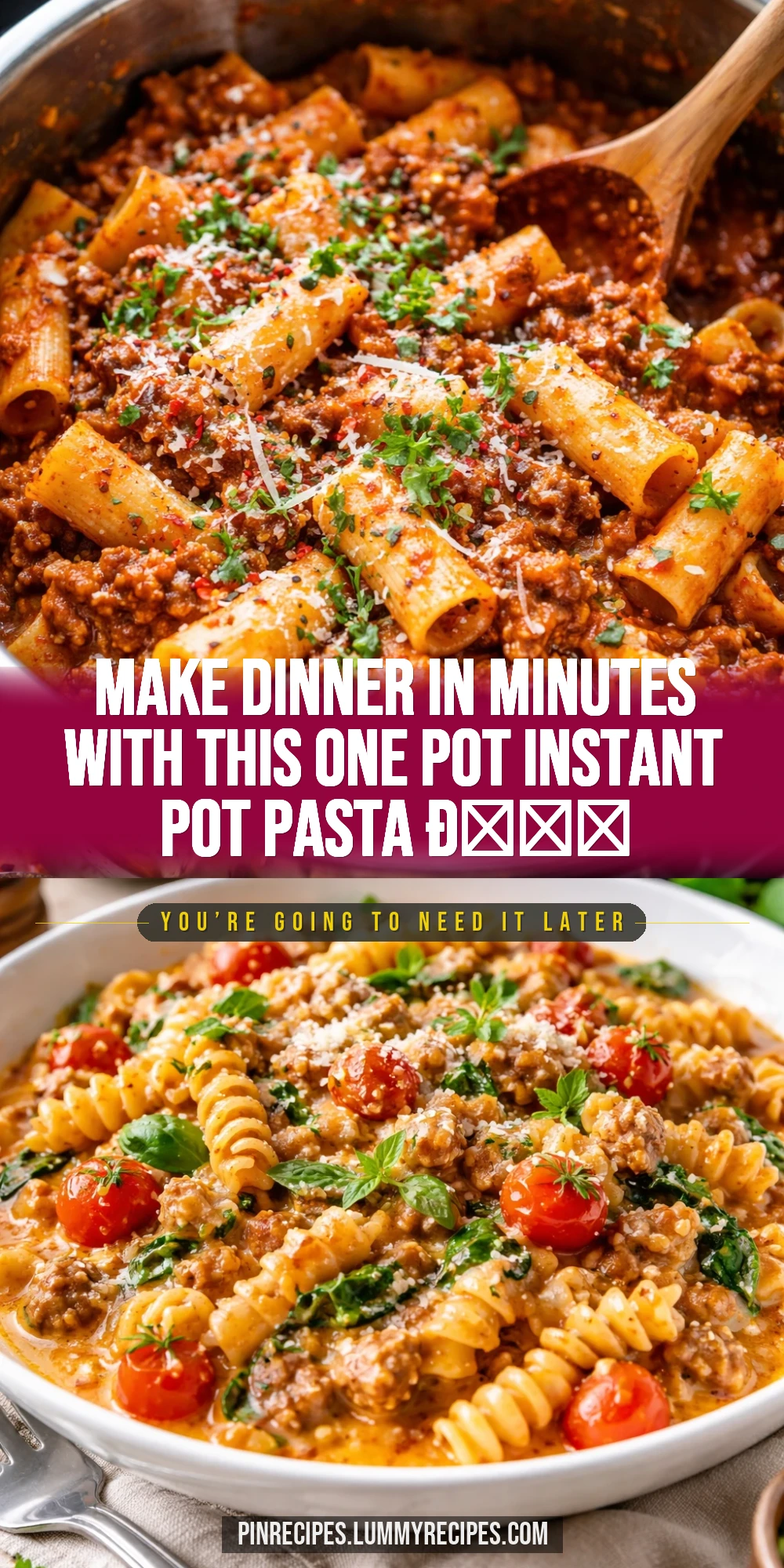
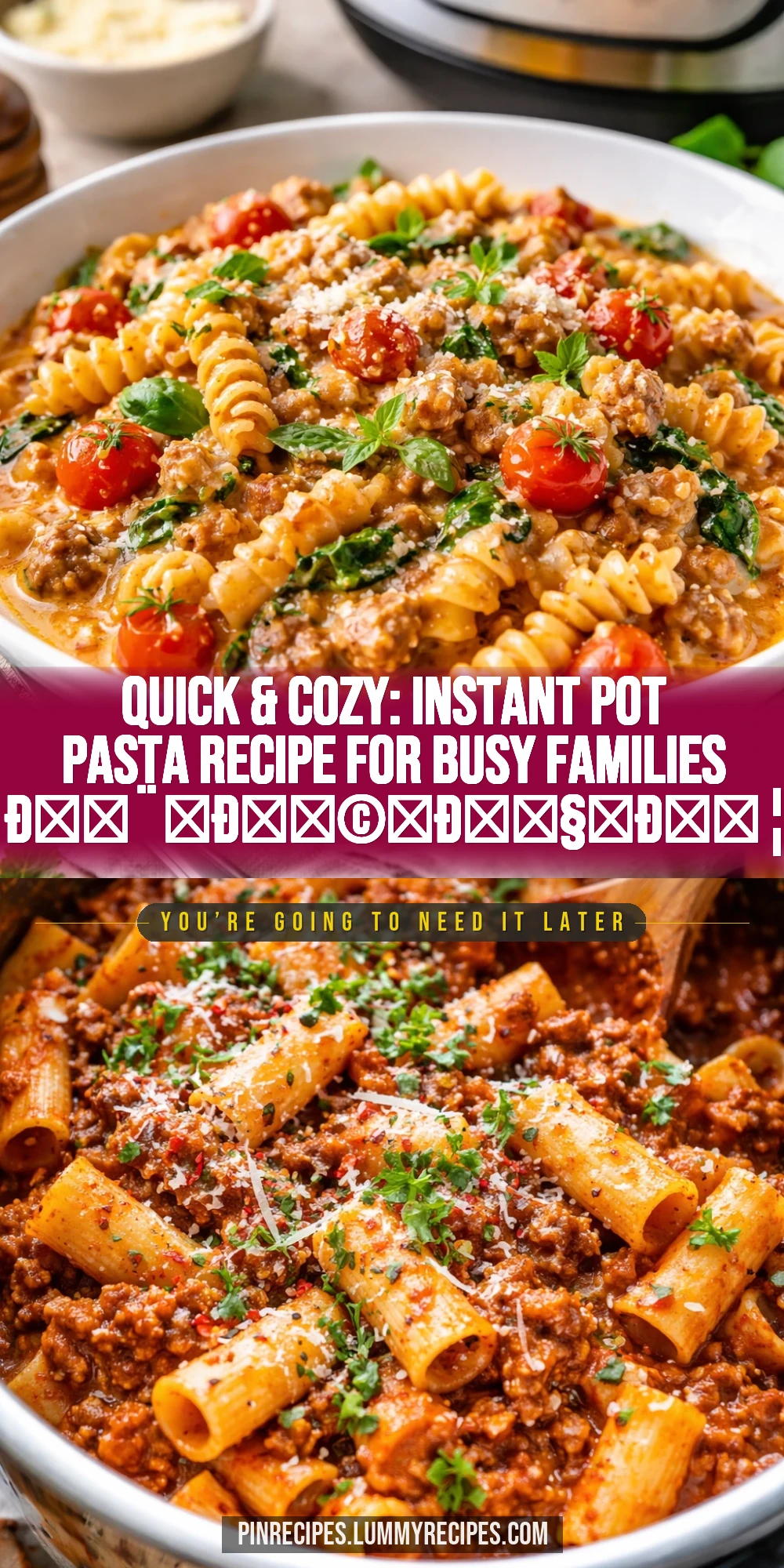
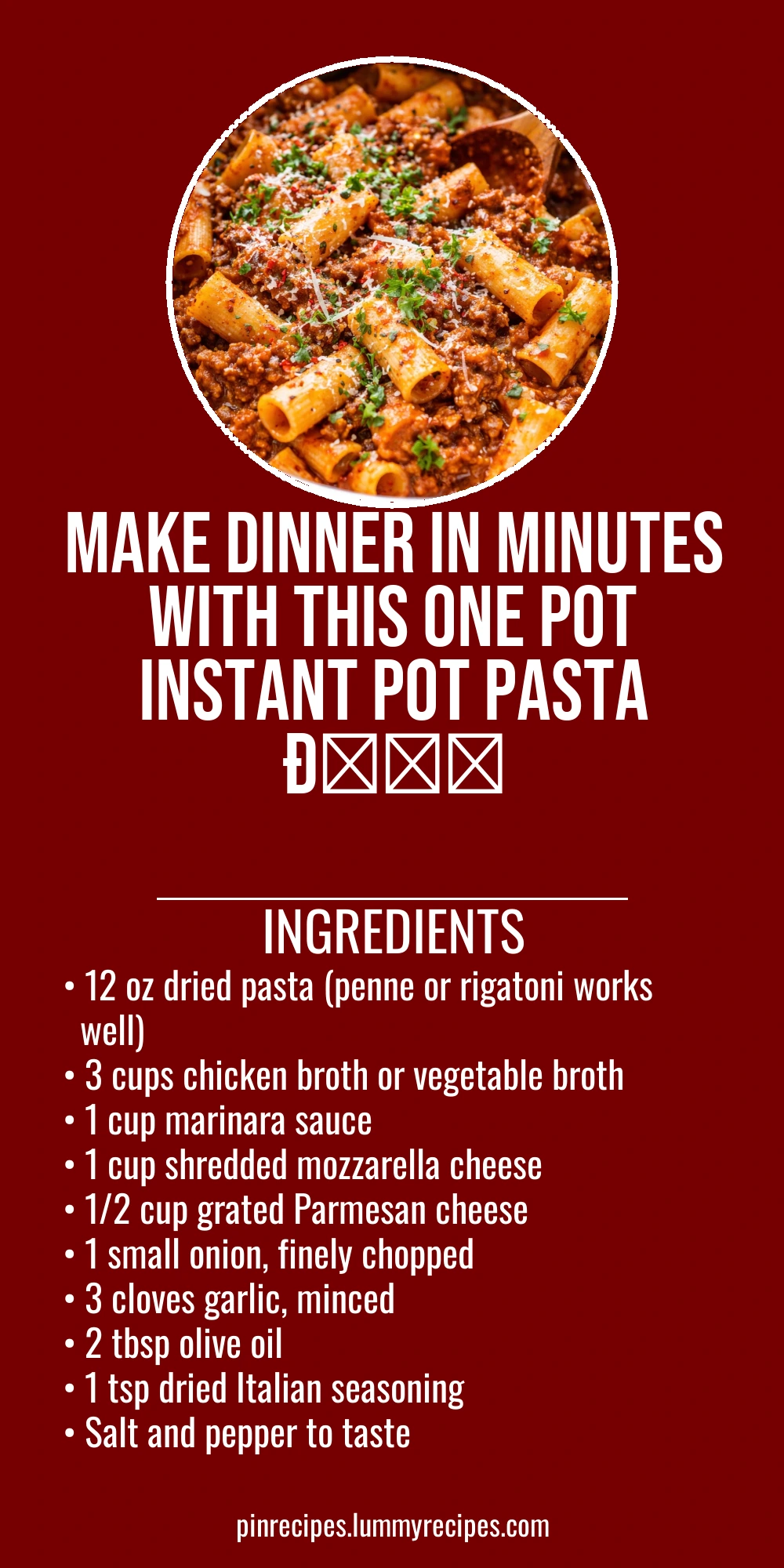
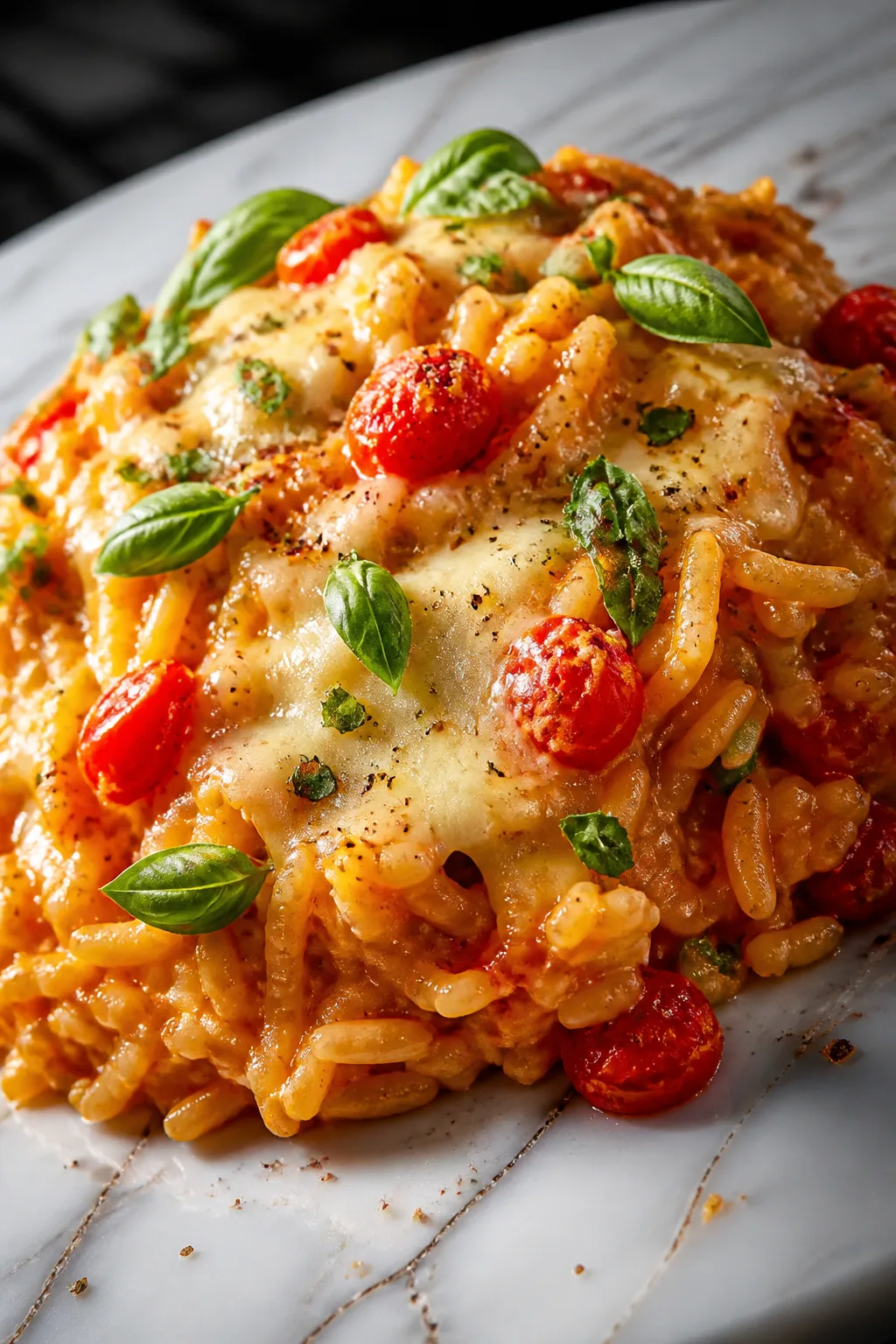
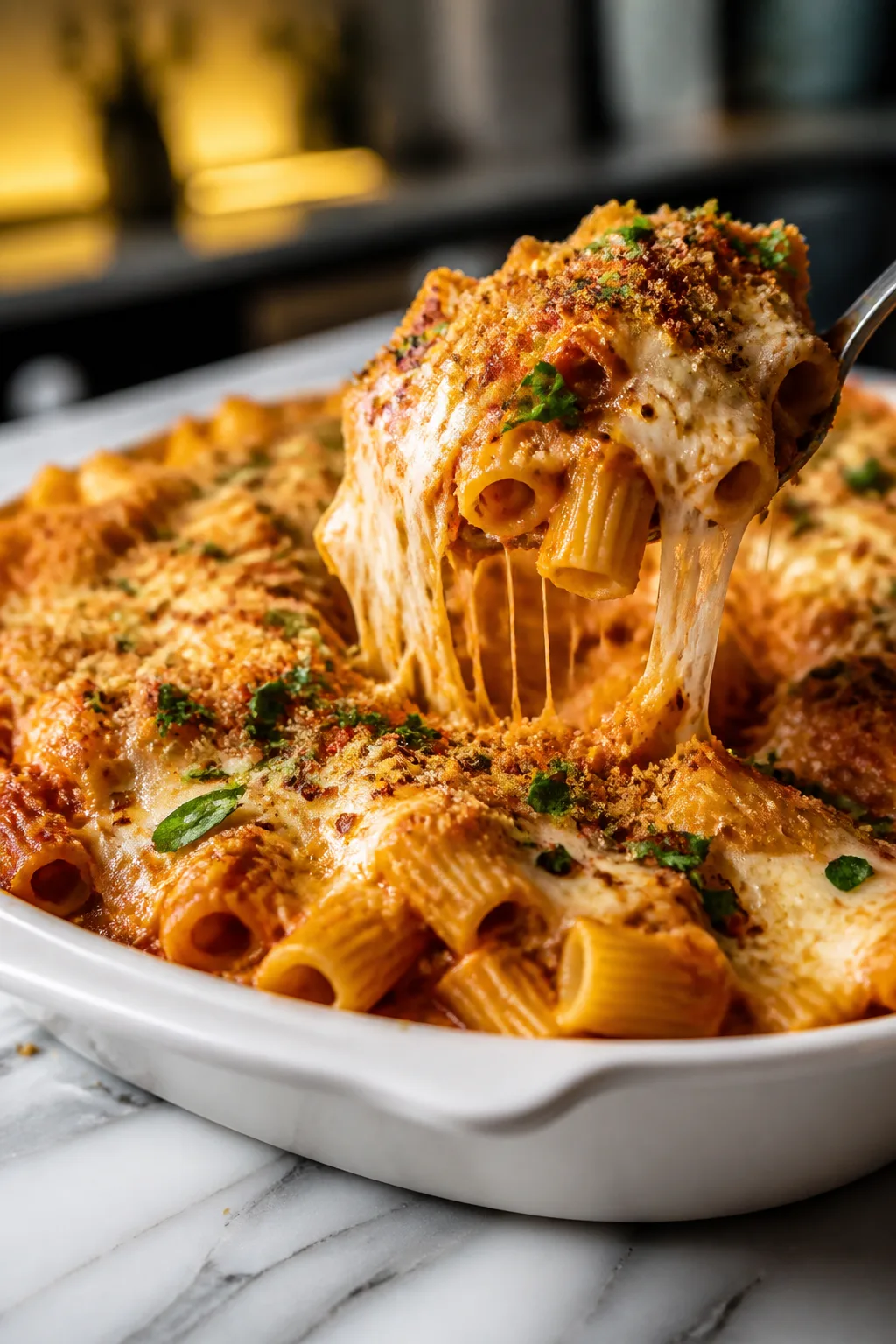
This one pot Instant Pot pasta recipe is a lifesaver when you want dinner fast without the mess. Using the pressure cooker means tender pasta and rich sauce all cooked together. Great for busy weeknights or lazy weekends!
Introduction
I first tried making this one pot Instant Pot pasta recipe when I was desperate for a quick, no-fuss dinner after a long day. What really hooked me was how everything cooks together — pasta, sauce, and spices — so the flavors meld perfectly without standing over the stove. I’ve tweaked it over time to balance the cheese and seasoning just right, and I love how creamy it turns out without any extra steps. The secret is adding the cheese after pressure cooking so it melts in gently, keeping the texture silky. Plus, using broth instead of water adds this subtle depth that makes the sauce taste homemade. This recipe is my go-to for busy weeknights or when I want comfort food without the cleanup. The finished dish is creamy, cheesy, and packed with Italian flavors, and it’s so satisfying that even picky eaters ask for seconds. Honestly, it feels like a warm hug in a bowl! I think you’ll enjoy how simple it is to make yet so delicious — it’s perfect for anyone who loves pasta but hates the mess.
How To Do It
Step 1
Start by turning your Instant Pot to the sauté function and heating the olive oil. Add the finely chopped onion and cook for about 3-4 minutes until translucent and fragrant. This step is crucial because it softens the onion and brings out its sweetness, forming a flavorful base for the sauce. Avoid browning the onion too much, as it can turn bitter and overpower the dish.
⏱ Time: 4 minutes
✓ Doneness: Onions are soft and translucent without any brown edges
Step 2
Add the minced garlic and dried Italian seasoning to the pot with the onions and sauté for another 30 seconds to 1 minute. This quick step releases the garlic’s aroma and infuses the oil with herbs, which helps build layers of flavor. Be careful not to burn the garlic, as burnt garlic tastes bitter and will ruin the dish.
⏱ Time: 1 minute
✓ Doneness: Garlic is fragrant but not browned or burnt
Step 3
Pour in the chicken or vegetable broth, marinara sauce, and season with salt and pepper. Stir to combine everything well. Adding the broth and sauce together ensures the pasta will cook evenly and absorb the flavors. Make sure to scrape any browned bits off the bottom to prevent the Instant Pot from triggering a burn warning.
⏱ Time: 2 minutes
✓ Doneness: Mixture is well combined and simmering slightly
Step 4
Add the dried pasta to the pot and press it down gently so it’s mostly submerged in the liquid but don’t stir. This prevents the pasta from sticking together or to the bottom, which can cause uneven cooking or burning. Layering the pasta without stirring is key for even pressure cooking.
⏱ Time: 1 minute
✓ Doneness: Pasta is mostly submerged but not stirred into sauce
Step 5
Seal the Instant Pot lid and set it to manual high pressure for 5 minutes. The pressure cooking will cook the pasta quickly and infuse it with the sauce flavors. Don’t rush this step or open the lid early, as the pasta needs time under pressure to cook through properly.
⏱ Time: 5 minutes
✓ Doneness: Instant Pot beeps signaling cooking is complete
Step 6
Once cooking is done, perform a quick release to let out the steam immediately. This stops the pasta from overcooking and turning mushy. Be careful during this step to avoid steam burns and open the lid only after the float valve drops.
⏱ Time: 2 minutes
✓ Doneness: Float valve drops and steam is fully released
Step 7
Stir the pasta gently to combine the sauce and pasta evenly. At this point, the pasta should be tender and the sauce thickened nicely. If it seems too thick, add a splash of broth or water and stir to loosen it up.
⏱ Time: 2 minutes
✓ Doneness: Sauce coats pasta evenly and looks creamy
Step 8
Turn the Instant Pot back to sauté mode on low heat and stir in the shredded mozzarella and grated Parmesan cheese. Stir continuously until the cheese melts smoothly into the sauce, creating a rich, creamy texture. Adding cheese off pressure prevents it from curdling or clumping.
⏱ Time: 3-4 minutes
✓ Doneness: Cheese is fully melted and sauce is creamy
Step 9
Taste and adjust seasoning with extra salt or pepper if needed. Serve immediately garnished with fresh basil leaves if you have them. This final step ensures the flavors are balanced and fresh herbs add a lovely brightness to the dish.
⏱ Time: 1 minute
✓ Doneness: Balanced flavor and fresh herb aroma
Pro Tips
Don’t stir the pasta after adding it to the pot before cooking.
Stirring pasta into the liquid before pressure cooking can cause it to clump or stick to the bottom, which might trigger a burn warning on the Instant Pot. Layering it evenly without stirring ensures the pasta cooks uniformly and prevents sticking, resulting in perfectly tender noodles.
Use low-sodium broth to control salt levels better.
Broth adds flavor and salt, but store-bought versions can vary widely in sodium content. Starting with low-sodium broth lets you season the dish more precisely, preventing it from becoming too salty after adding cheese and marinara sauce.
Add cheese after pressure cooking on sauté mode.
High pressure and heat can cause cheese to separate or become grainy. Adding it during the gentle sauté phase melts the cheese smoothly into the sauce, creating a creamy texture and rich flavor without curdling.
Perform a quick release immediately after cooking.
Quick releasing the pressure stops the pasta from overcooking, which can make it mushy. It also prevents the pasta from absorbing too much liquid, preserving the ideal texture.
Scrape the bottom of the pot before sealing the lid.
Removing any browned bits prevents the Instant Pot from detecting a burn and shutting down. This step ensures the pressure cooker functions properly and the pasta cooks evenly.
Use sturdy pasta shapes like penne or rigatoni.
Thicker pasta holds up better under pressure cooking, maintaining texture and bite. Thin pastas can become mushy quickly, ruining the dish’s mouthfeel.
Garnish with fresh herbs for brightness.
Fresh basil or parsley adds a pop of color and fresh flavor that balances the richness of the cheese and sauce, enhancing the overall eating experience.
Common Mistakes to Avoid
Stirring pasta into the liquid before pressure cooking
Why it happens Many assume stirring helps mix flavors, but it causes pasta to stick and clump at the bottom, which can trigger the Instant Pot’s burn warning.
Fix Layer the pasta evenly over the sauce and broth without stirring. This prevents sticking and ensures even cooking.
Using too much liquid
Why it happens Some cooks add excessive broth thinking pasta needs a lot of water, but this can make the dish soupy and dilute flavors.
Fix Stick to the recommended 3 cups of broth for 12 oz pasta. The pasta will absorb liquid during cooking, thickening the sauce naturally.
Adding cheese before pressure cooking
Why it happens Adding cheese too early can cause it to curdle or separate under high heat and pressure.
Fix Add cheese after pressure cooking on sauté mode to melt it gently and keep the sauce creamy.
Not performing a quick release
Why it happens Letting the pressure release naturally continues cooking pasta, leading to mushy texture.
Fix Quick release immediately after cooking to stop pasta from overcooking.
Not scraping the bottom before sealing
Why it happens Residual browned bits can trigger burn warnings, stopping the cooking process prematurely.
Fix Always scrape the pot bottom clean before sealing the lid to avoid errors.
Variations
Creamy Alfredo One Pot Instant Pot Pasta
Swap marinara for a creamy Alfredo sauce made with heavy cream, butter, and Parmesan. This version is rich and indulgent, perfect for a cozy night in. Add cooked chicken or mushrooms for extra protein and flavor.
Note: Reduce broth slightly to keep the sauce thick and add cream after pressure cooking to avoid curdling.
Spicy Arrabbiata Instant Pot Pasta
Add red pepper flakes and chopped jalapeños to the sauce for a spicy kick. This variation is great if you love bold, fiery flavors. Pair with fresh parsley and extra Parmesan to balance heat.
Note: Add spicy ingredients during the sauté phase to bloom their flavors before pressure cooking.
Vegetarian One Pot Instant Pot Pasta
Use vegetable broth and add chopped bell peppers, zucchini, and spinach for a veggie-packed meal. This keeps it light but hearty, with plenty of color and nutrition.
Note: Add delicate veggies like spinach after pressure cooking to prevent overcooking.
Cheesy Taco Style Instant Pot Pasta
Mix in taco seasoning, black beans, corn, and cheddar cheese for a Tex-Mex twist. Top with sour cream and cilantro for a fun, family-friendly meal.
Note: Use broth and tomato sauce with taco seasoning; add cheese after pressure cooking for best melt.
Pesto One Pot Instant Pot Pasta
Stir in basil pesto and cherry tomatoes after cooking for a fresh, herbaceous flavor. This variation is bright and perfect for spring or summer dinners.
Note: Add pesto off heat to preserve its fresh, vibrant flavor and color.
Nutrition
Per Serving:
Nutritional values are estimates and may vary based on specific ingredients used.
Storage & Tips
Room Temperature
This pasta can safely sit at room temperature for up to 2 hours if covered. Beyond that, bacteria growth increases, so refrigerate promptly to maintain freshness and safety.
Refrigerator
Store leftovers in an airtight container for up to 3 days. The sauce may thicken and pasta can absorb liquid, so add a splash of broth or water when reheating to restore creaminess.
Freezer
Freeze in airtight containers for up to 2 months. Wrap tightly to prevent freezer burn. Thaw overnight in the fridge before reheating to maintain texture and flavor.
Reheating
Reheat gently on the stovetop over low heat or in the microwave, stirring occasionally. Add a little broth or water to loosen the sauce if it has thickened. Avoid overheating to prevent the cheese from separating.
Make Ahead
You can prep the sauce and sautéed aromatics 1-2 days ahead and refrigerate. Add pasta and broth when ready to cook in the Instant Pot. Cheese should be added fresh after cooking for best texture.
FAQ
Can I use fresh pasta instead of dried in this recipe?
Fresh pasta cooks much faster than dried, so if you use it, reduce the cooking time significantly or pressure cook for only 1-2 minutes. Otherwise, it will become mushy. Also, fresh pasta releases more starch, which might thicken the sauce more than expected.
What if my Instant Pot shows a burn warning during cooking?
Burn warnings usually happen if there’s food stuck to the bottom or not enough liquid. Make sure to scrape the pot bottom clean before sealing, and use the recommended amount of broth. Avoid stirring pasta into the liquid before cooking.
Can I make this recipe vegan?
Yes! Use vegetable broth, a marinara sauce without cheese, and substitute mozzarella and Parmesan with vegan cheese alternatives. Nutritional yeast can also add a cheesy flavor if you like.
How can I make the sauce thicker if it’s too watery?
After cooking, turn Instant Pot to sauté mode and simmer the pasta for a few minutes with the lid off to reduce excess liquid. Stir frequently to prevent sticking. Adding cheese also helps thicken the sauce.
Is it okay to double this recipe?
You can double the ingredients, but be careful not to fill your Instant Pot beyond the max fill line. Also, cooking time remains the same, but release time might be longer. Avoid overfilling to ensure even cooking and safety.
What’s the best pasta shape for this recipe?
Medium to large tubular shapes like penne, rigatoni, or ziti work best because they cook evenly under pressure and hold sauce well. Thin pastas like spaghetti or angel hair tend to overcook quickly and get mushy.
Can I add meat or vegetables to this recipe?
Absolutely! You can add precooked chicken, sausage, or ground beef before pressure cooking. For vegetables, add sturdy ones like bell peppers or mushrooms before cooking, and delicate greens like spinach after cooking to avoid overcooking.
How do I prevent the cheese from clumping when melting?
Add cheese after pressure cooking on the sauté setting and stir gently until melted. Avoid adding cheese before pressure cooking, as high heat can cause it to separate and become grainy.
Final Thoughts
Give this one pot Instant Pot pasta a try and enjoy a quick, comforting meal with minimal cleanup. I’d love to hear how it turns out for you—don’t forget to share your results!