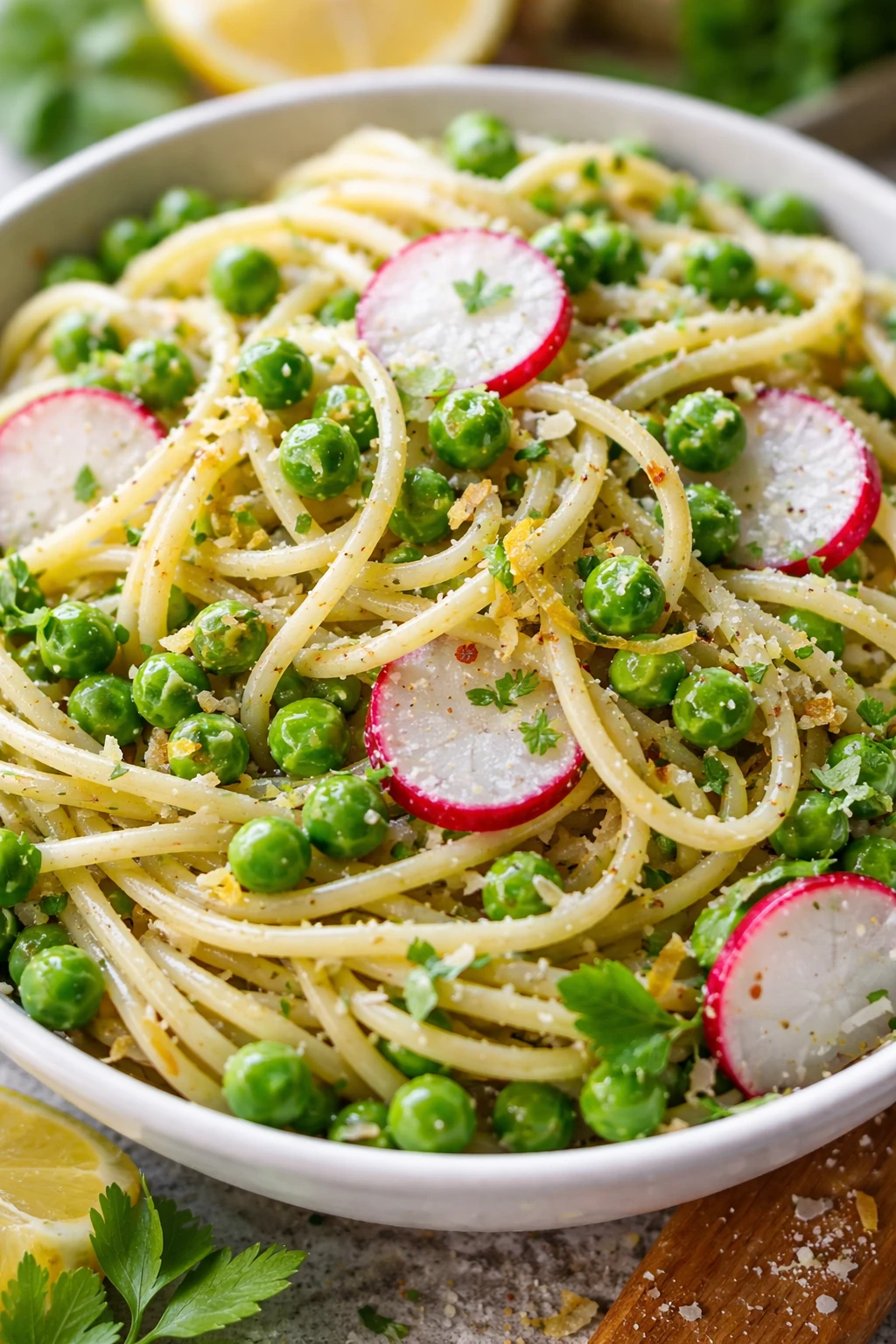
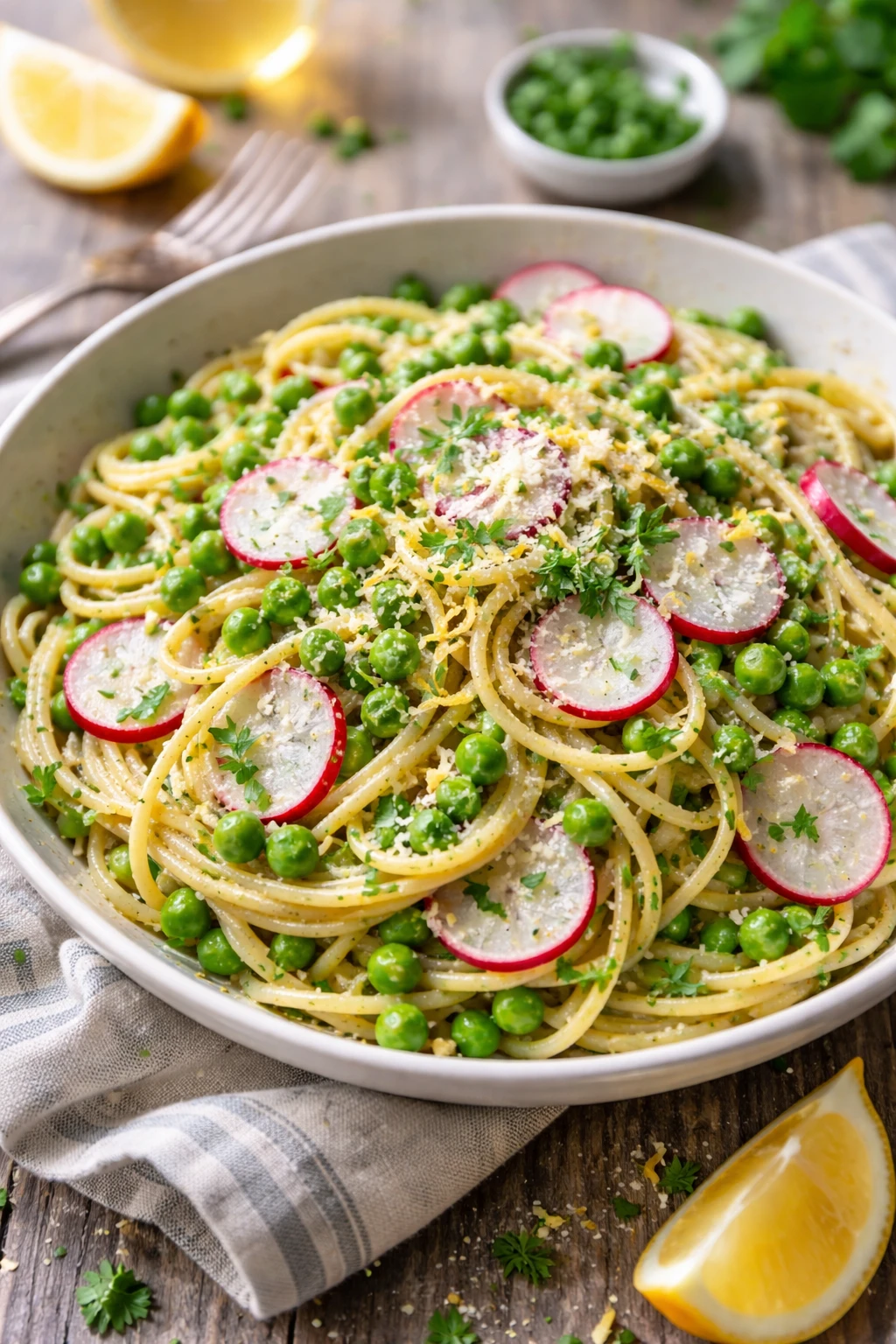
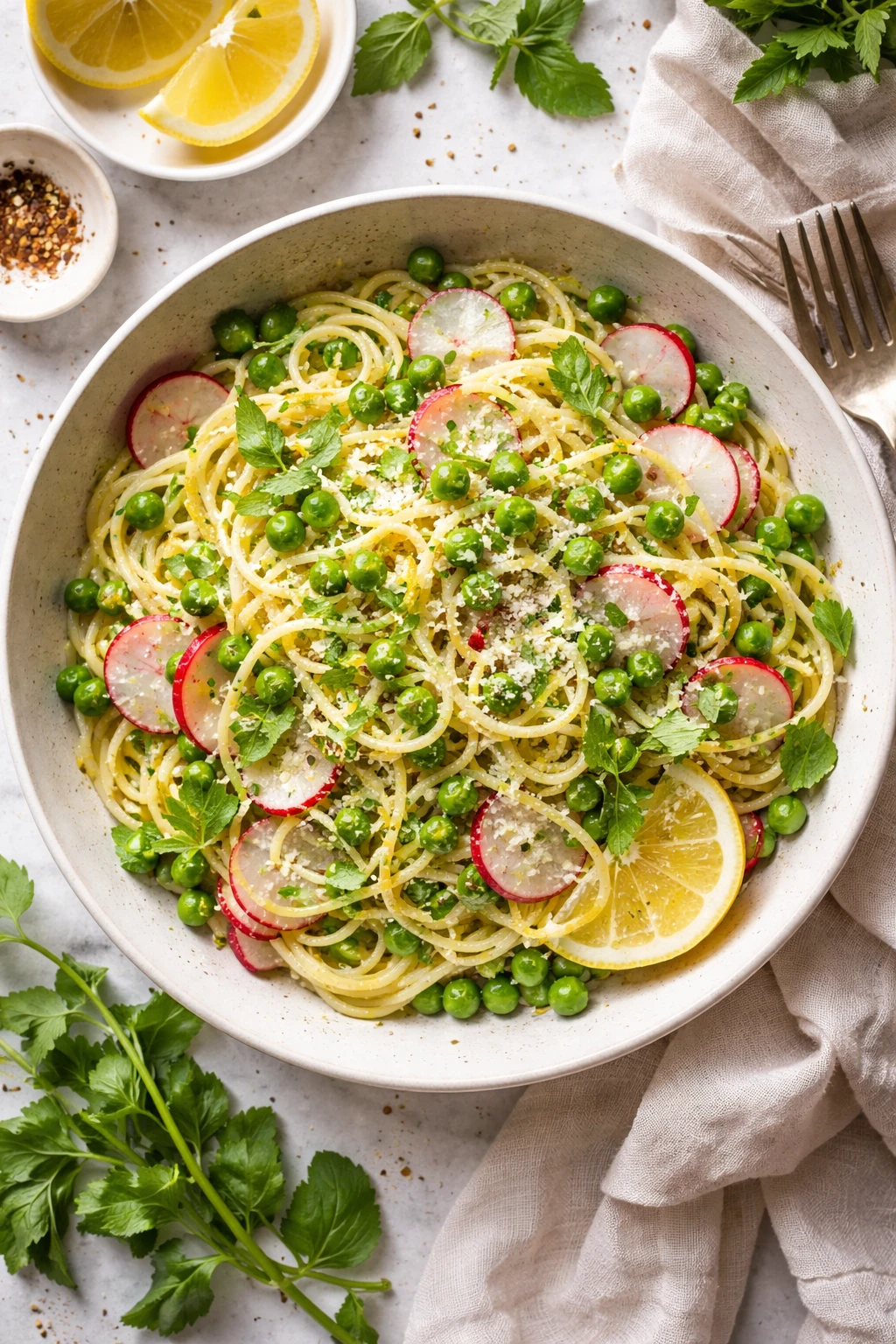
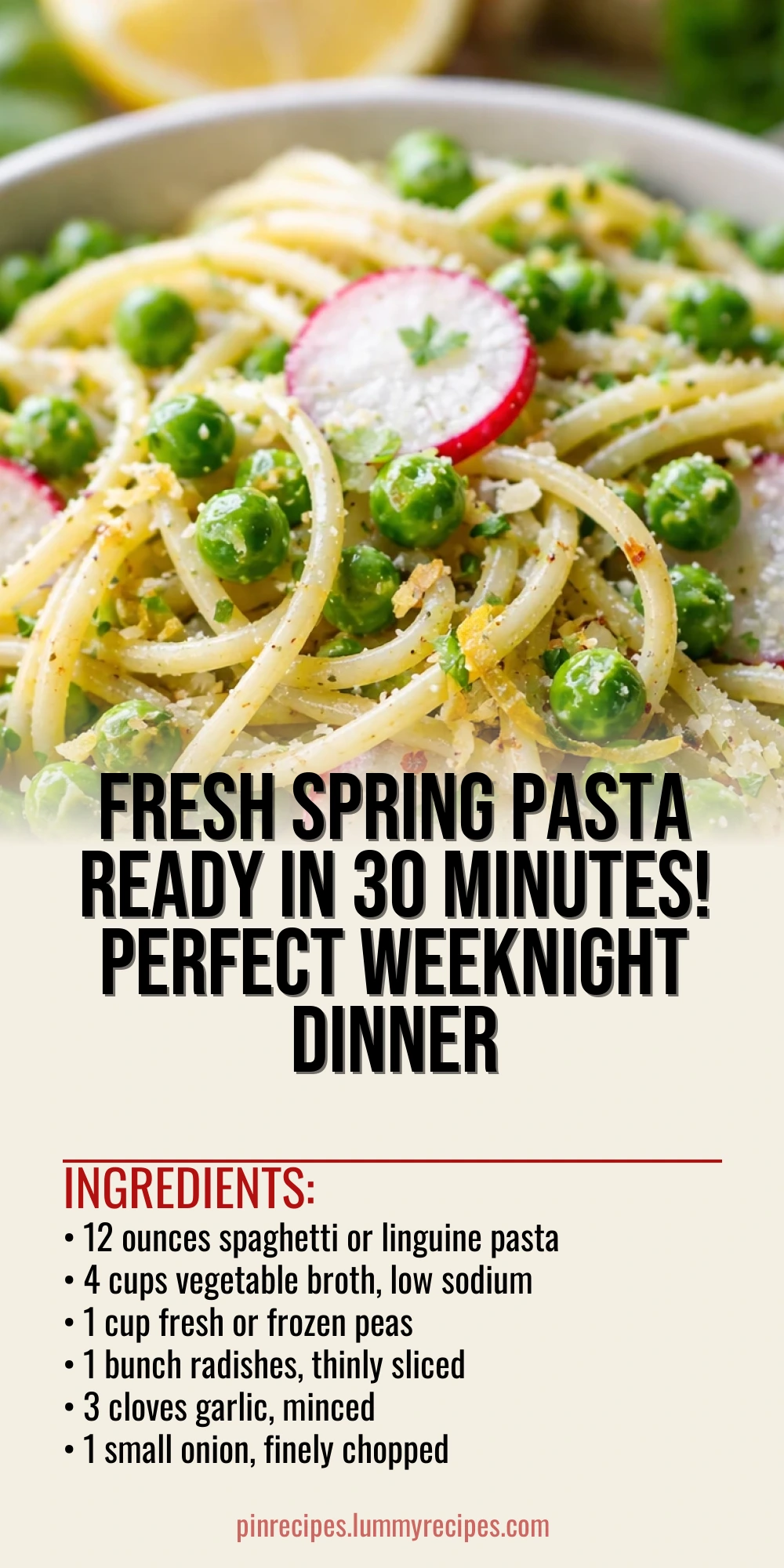
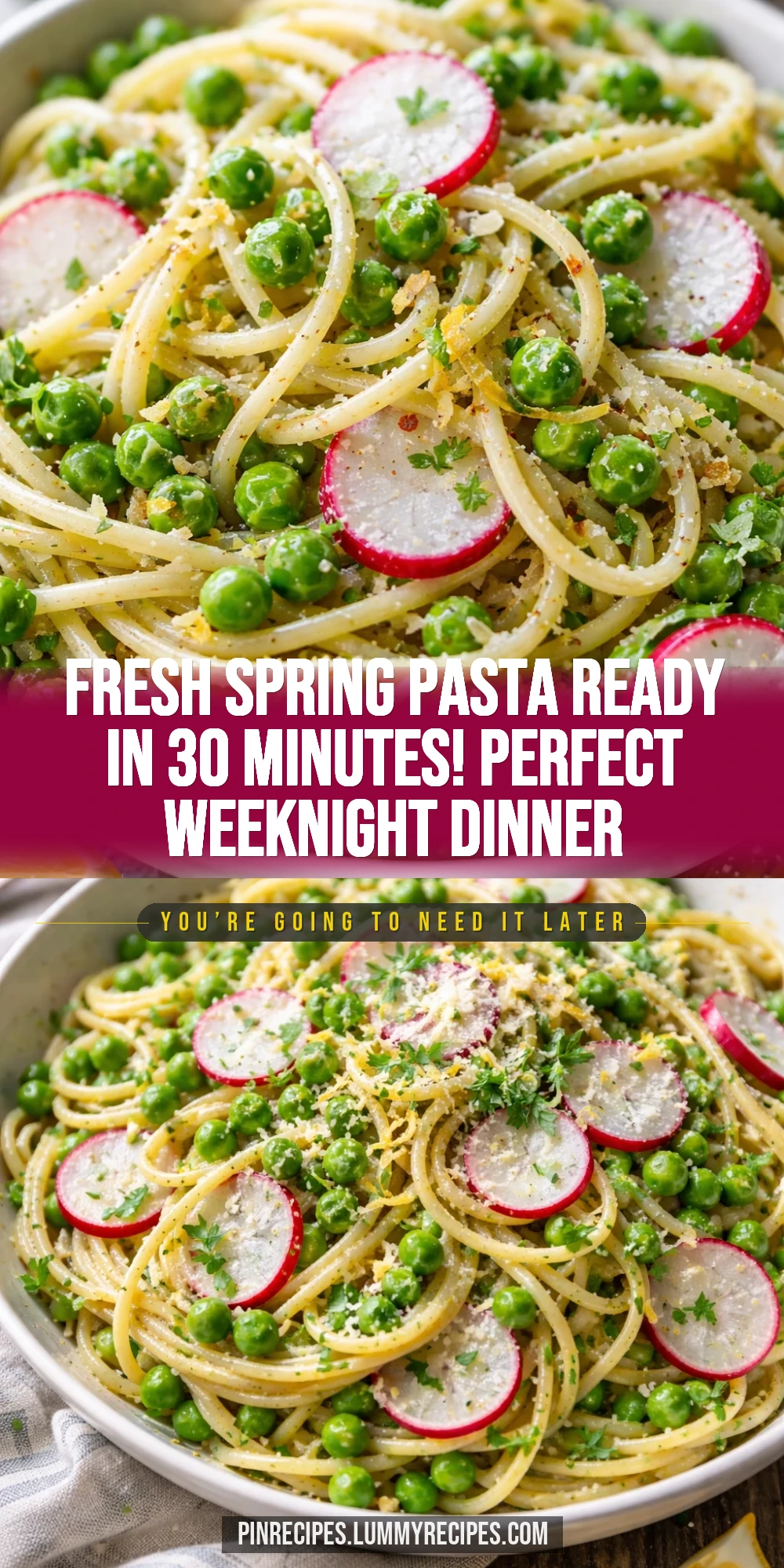
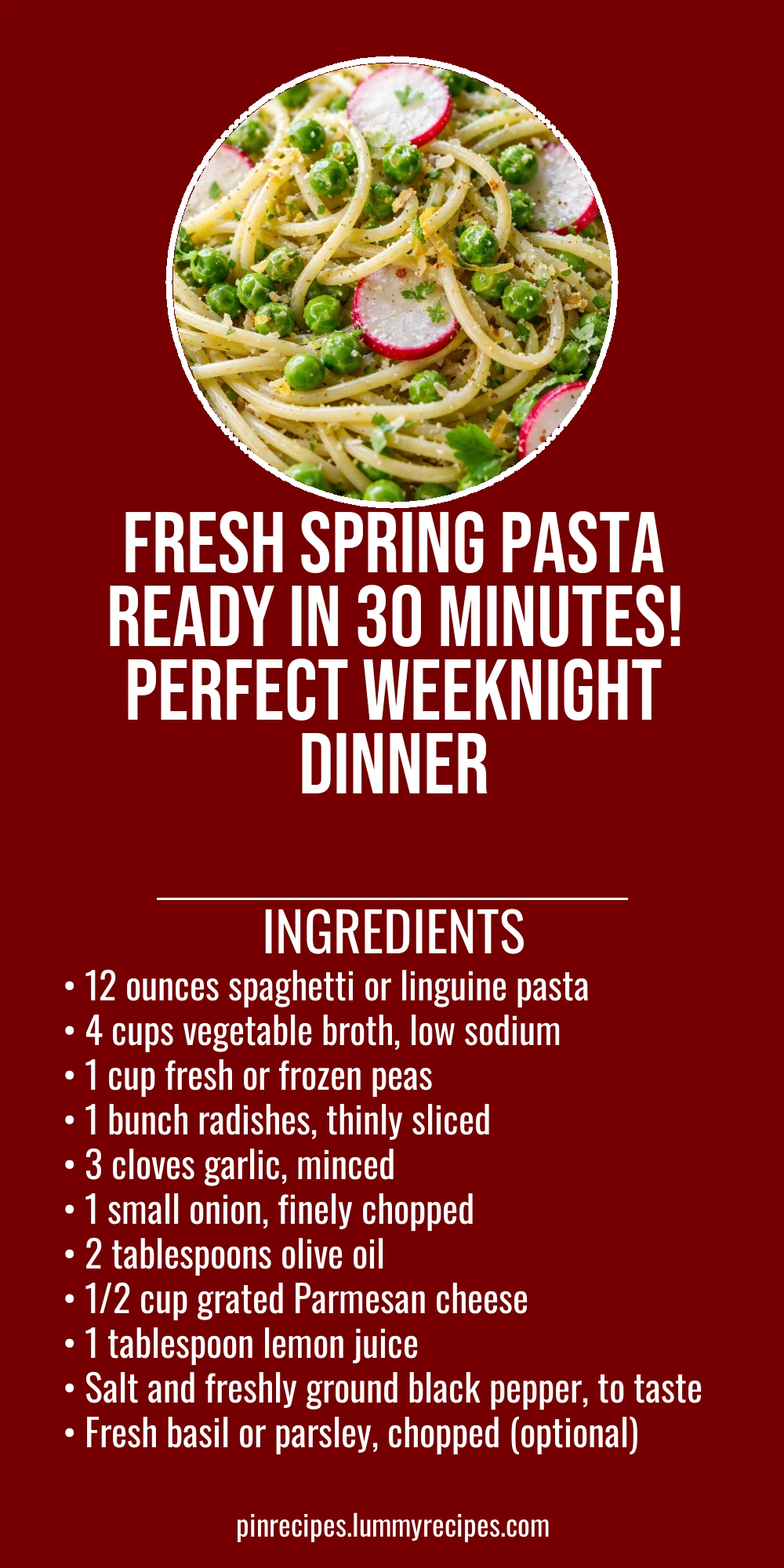
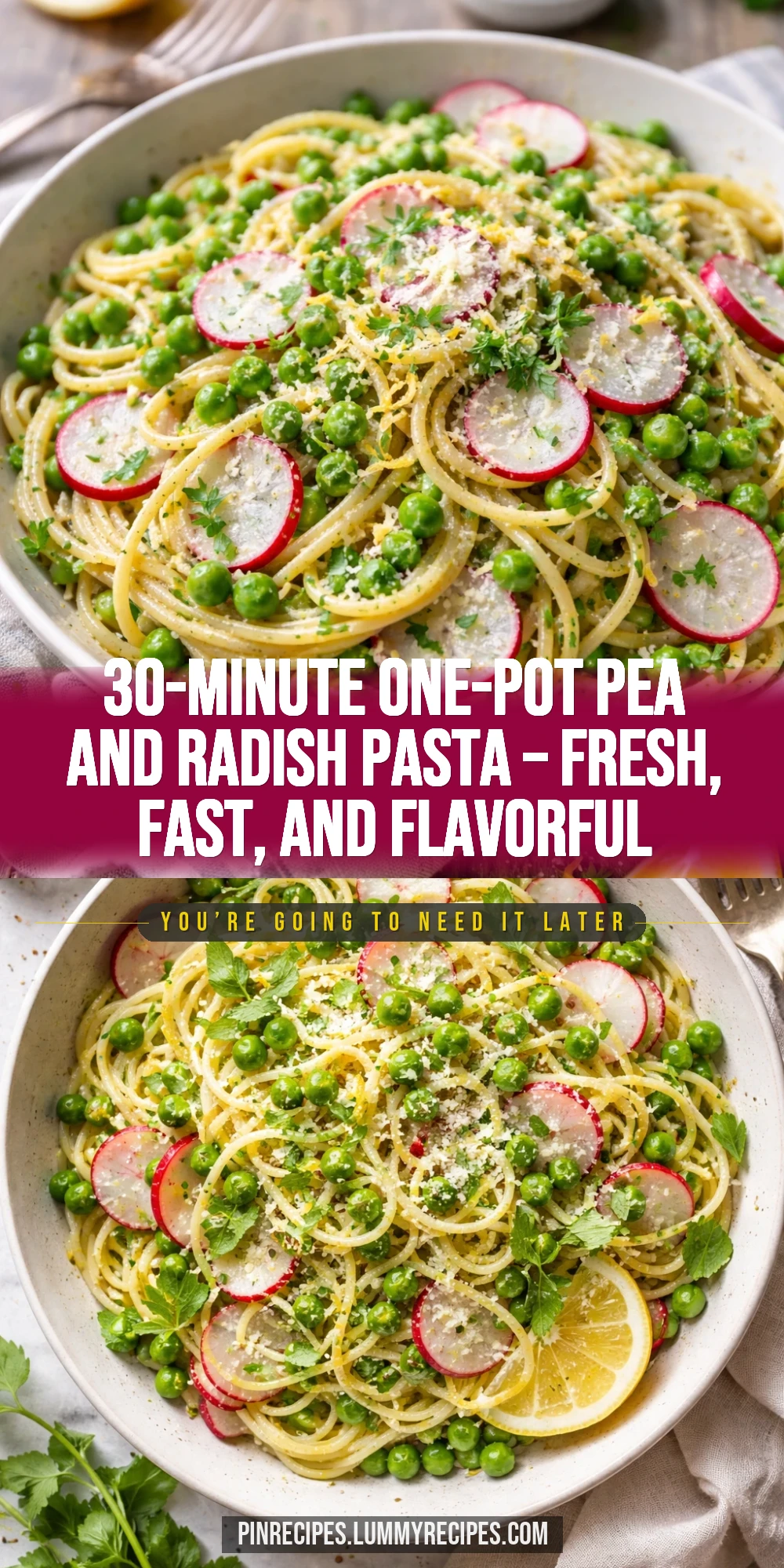
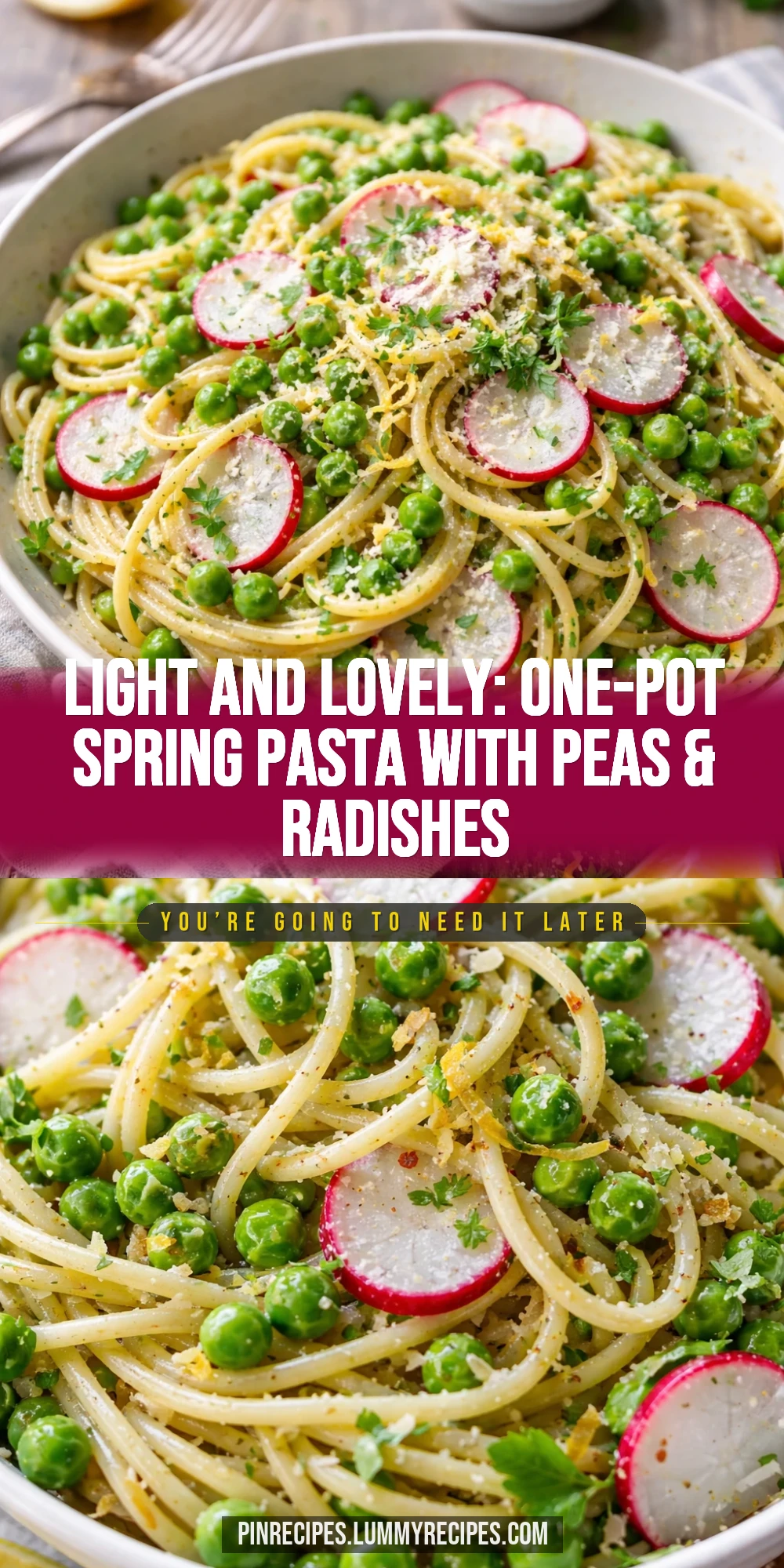
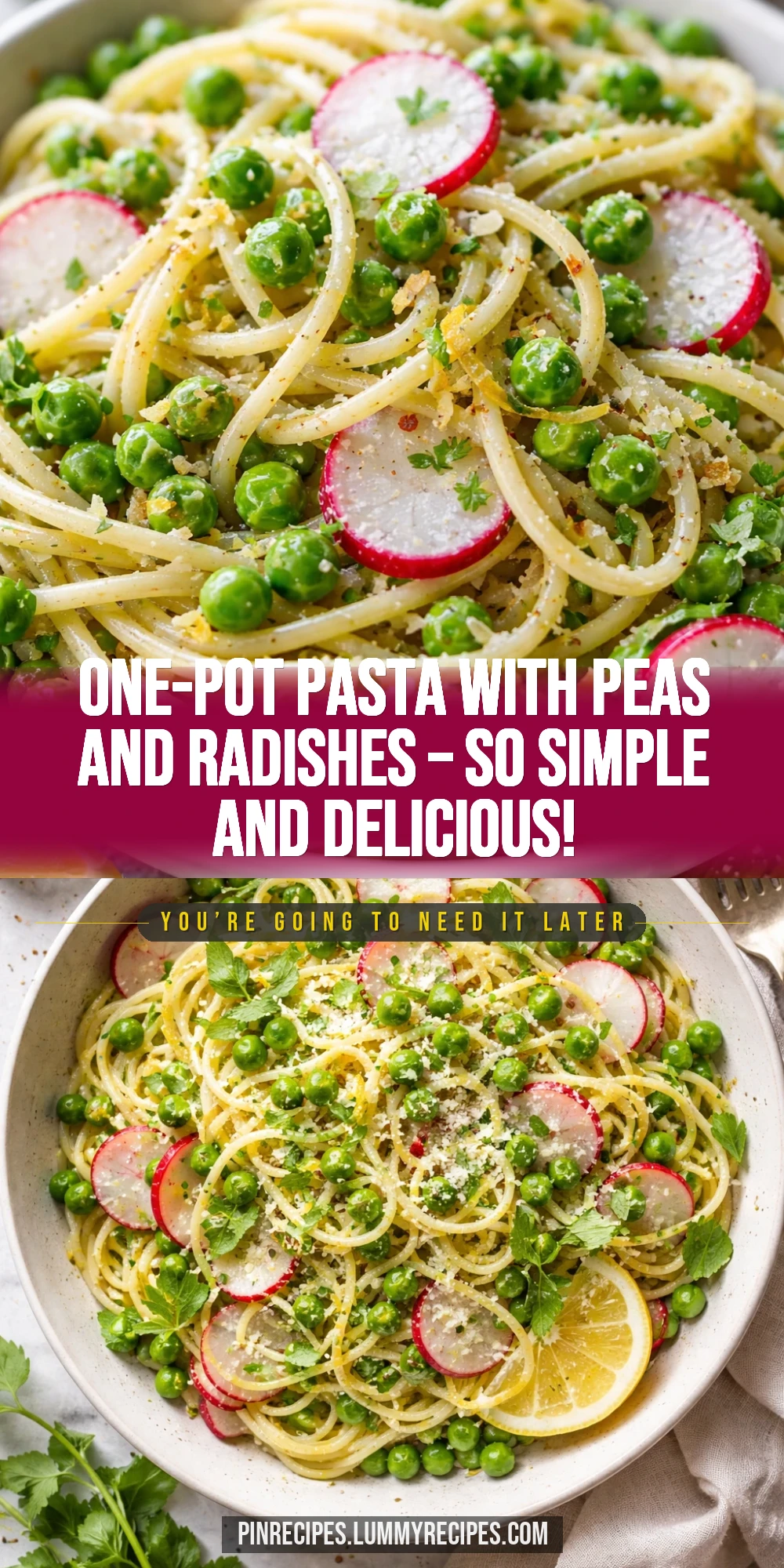
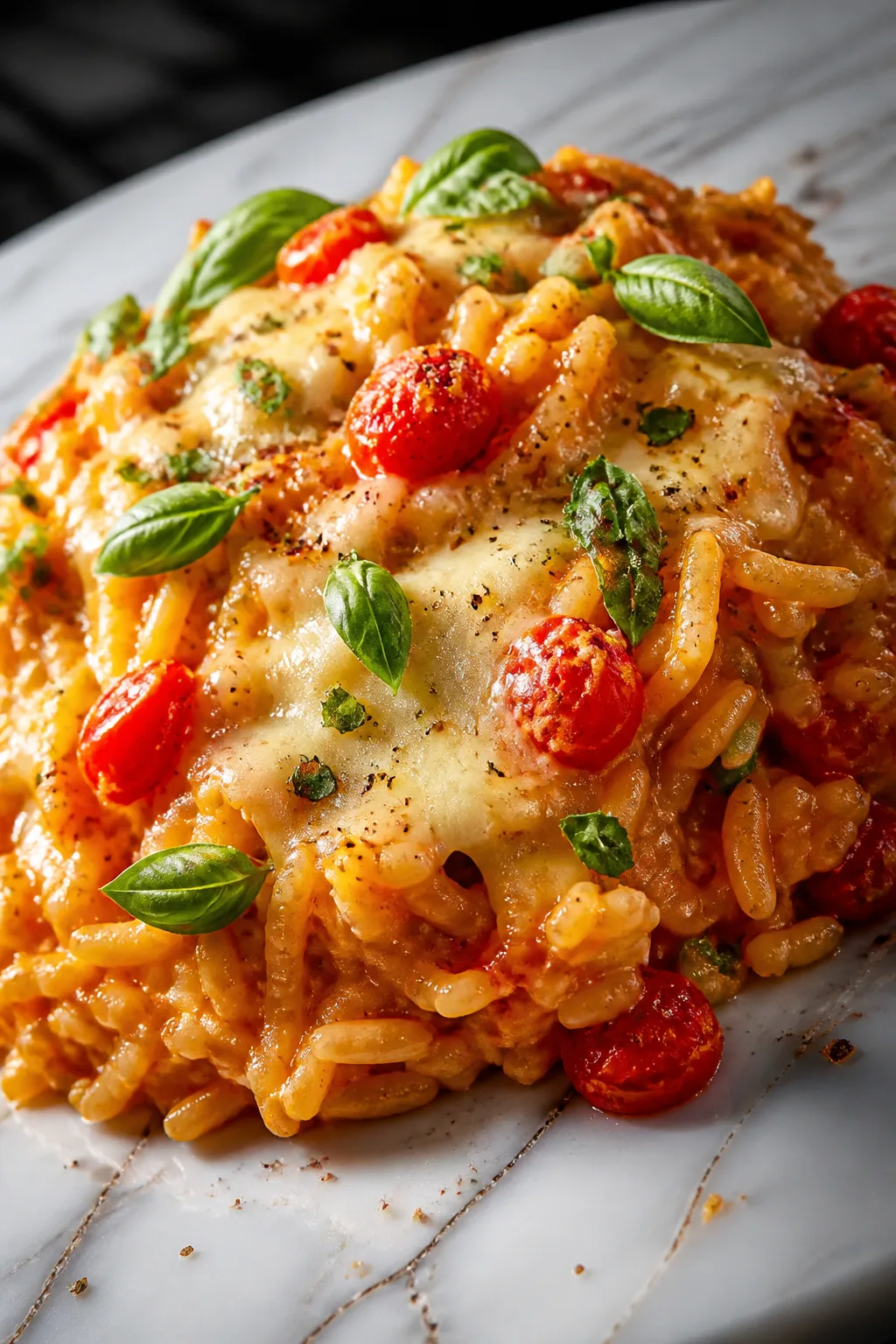
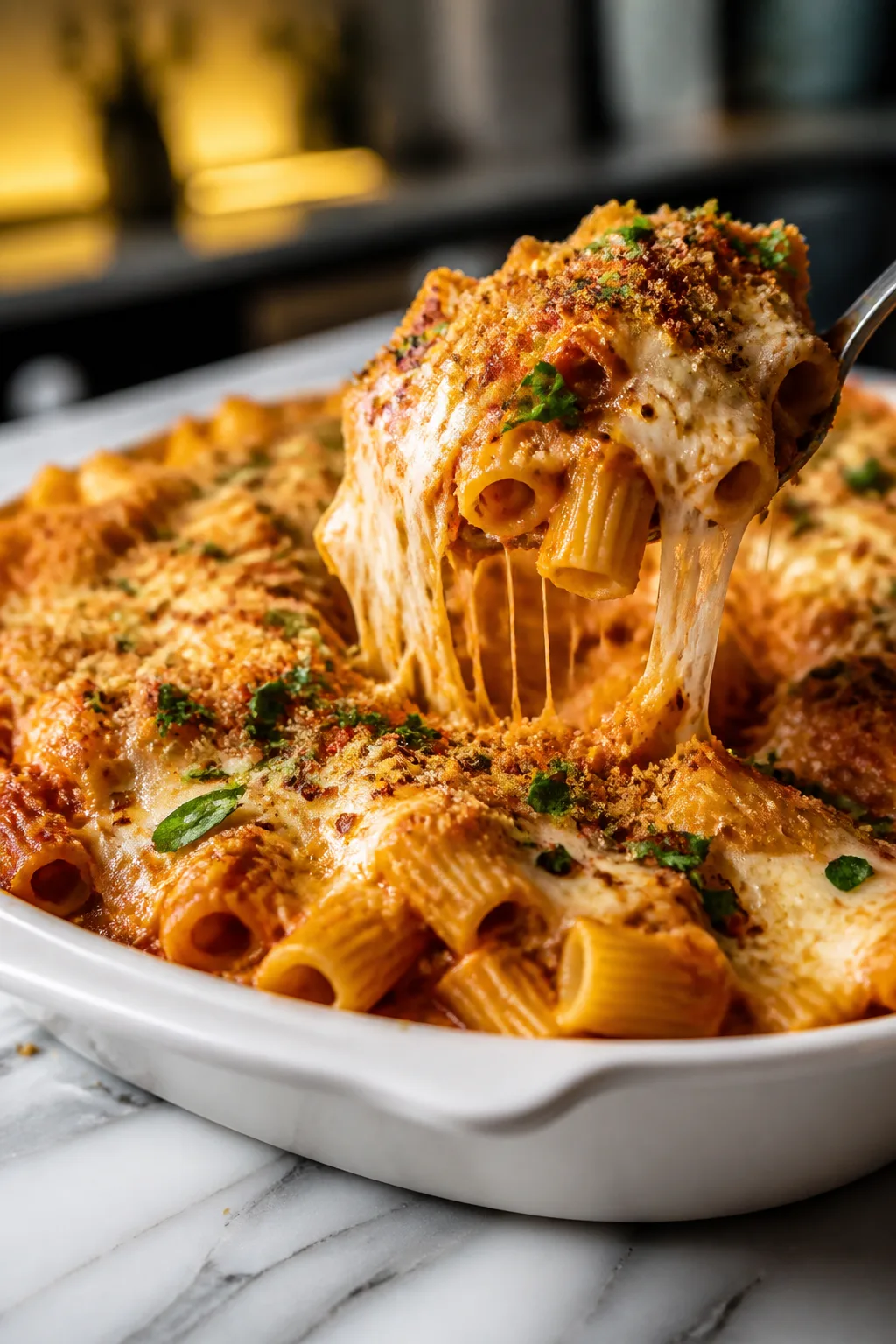
This bright and fresh pasta comes together in just one pot, making dinner a breeze. The sweet peas and peppery radishes add a springtime pop you don’t want to miss. Perfect for busy weeknights when you want something light but satisfying.
Introduction
I first made this one-pot pea and radish spring pasta a couple of years ago when I was craving something light but still comforting in the middle of a busy week. I loved the idea of combining fresh spring veggies like peas and radishes with pasta, but I didn’t want to spend forever cooking or cleaning up. This recipe quickly became a favorite because it’s all cooked in one pot, which means less mess and more time to relax.
What makes this version stand out is the balance between the sweet peas and the peppery crunch of radishes, plus the bright hit of lemon juice at the end. I also add the Parmesan cheese right in the pot while the pasta is still hot, so it melts perfectly and creates a silky sauce without needing cream. One trick I learned is to use vegetable broth instead of water for cooking the pasta — it infuses flavor right into the noodles.
The finished dish is fresh, colorful, and satisfying. It’s perfect for spring dinners or anytime you want a quick meal that feels special but isn’t complicated. I hope you love making it as much as I do!
How To Do It
Step 1
Start by heating olive oil in a large deep skillet or wide pot over medium heat. Add the chopped onion and cook gently until translucent, about 5 minutes. This step is crucial because it softens the onion and releases its sweetness, which forms the flavor base of the dish. Avoid browning the onions too much as it can overpower the delicate spring flavors later.
⏱ Time: 5 minutes
✓ Doneness: Onions should be soft and translucent but not browned
Step 2
Add the minced garlic to the pot and stir for about 1 minute until fragrant. Garlic cooks quickly and can burn easily, so keep the heat moderate and stir constantly. This step provides a warm, aromatic backdrop that complements the fresh veggies perfectly.
⏱ Time: 1 minute
✓ Doneness: Garlic is fragrant but not browned
Step 3
Pour in the vegetable broth and bring it to a gentle boil. Using broth instead of water adds depth to the pasta as it cooks. Be sure to bring the liquid to a boil before adding pasta so it starts cooking immediately and evenly.
⏱ Time: 5 minutes
✓ Doneness: Broth is boiling gently
Step 4
Add the dry pasta to the boiling broth. Stir immediately to prevent the noodles from sticking together or to the bottom of the pot. It’s important to stir often throughout cooking so the pasta cooks evenly and doesn’t clump.
⏱ Time: 1 minute to add and stir
✓ Doneness: Pasta is submerged and separated in broth
Step 5
Reduce heat to medium-low and simmer uncovered, stirring every few minutes. This lets the pasta absorb the broth, cooking it through without needing to drain later. Watch the liquid level and add a splash of water if it evaporates too quickly to avoid burning.
⏱ Time: 8-10 minutes
✓ Doneness: Pasta is tender but still slightly firm (al dente)
Step 6
About 5 minutes before pasta finishes, add the peas and sliced radishes. Adding them later keeps their color bright and texture fresh. Peas will soften nicely while radishes retain a bit of crunch, balancing the dish.
⏱ Time: 5 minutes
✓ Doneness: Peas are tender and radishes are slightly softened but crisp
Step 7
Once the pasta is cooked and the veggies are just tender, remove the pot from heat. Stir in the lemon juice and grated Parmesan cheese. The cheese melts into the hot pasta creating a creamy coating, while lemon juice brightens the whole dish. Season with salt and pepper to taste.
⏱ Time: 2 minutes
✓ Doneness: Cheese is melted and sauce looks creamy
Step 8
If desired, sprinkle chopped fresh basil or parsley on top for an herbal note and added color. This step is optional but really elevates the freshness and visual appeal of the dish.
⏱ Time: 1 minute
✓ Doneness: Herbs are vibrant and evenly distributed
Step 9
Serve immediately while warm. This pasta is best enjoyed fresh as the radishes keep their crunch and the sauce stays creamy. If you need to hold it, cover loosely and reheat gently adding a splash of broth to loosen the sauce.
⏱ Time: Serve right away
✓ Doneness: Pasta is hot and creamy, veggies fresh
Pro Tips
Use a wide, deep skillet or pot to give the pasta room to cook evenly in the broth.
A wide pan ensures the pasta spreads out in a single layer, preventing clumping and uneven cooking. It also allows the broth to evaporate properly, concentrating flavors and creating a natural sauce. Using a narrow pot can cause noodles to stick together and cook unevenly.
Stir the pasta frequently while it cooks to avoid sticking and ensure even cooking.
Pasta releases starch as it cooks, which can cause it to clump. Frequent stirring keeps the noodles separate and helps distribute heat and liquid evenly. Skipping this step often leads to a sticky, unevenly cooked dish.
Add the radishes and peas towards the end to keep their texture and color bright.
Cooking these vegetables too long can cause them to lose their crunch and vibrant color. Adding them late in the process preserves their fresh, spring-like qualities, enhancing both the look and taste of the dish.
Use freshly grated Parmesan cheese instead of pre-grated for better melting.
Freshly grated cheese melts smoothly and blends into the pasta sauce, creating a creamy texture. Pre-grated cheese often contains additives that prevent clumping but can result in a grainy texture and less flavor integration.
Finish with a squeeze of fresh lemon juice to brighten the flavors.
Lemon juice adds acidity, which balances the richness of the cheese and olive oil. This contrast enhances the overall flavor profile and keeps the dish tasting fresh and vibrant.
Season gradually and taste as you go to avoid over-salting.
Since the broth and cheese already contain salt, adding too much at once can make the dish overly salty. Tasting during cooking lets you adjust seasoning carefully for the best balance.
Serve immediately after cooking for best texture and flavor.
Pasta dishes with fresh vegetables and cheese are best enjoyed right away. Waiting too long causes the radishes to soften too much and the sauce to thicken or dry out, diminishing the fresh, vibrant qualities of the dish.
Common Mistakes to Avoid
Cooking pasta in too little liquid causing it to stick and burn.
Why it happens Sometimes cooks underestimate how much broth is needed to fully submerge and cook the pasta, leading to sticking or scorching on the bottom.
Fix Start with enough broth to cover the pasta completely and keep an eye on the liquid level while cooking. Add small amounts of hot water or broth if it evaporates too quickly to prevent sticking and burning.
Adding peas and radishes too early resulting in mushy vegetables.
Why it happens Rushing to add all ingredients at once can cause delicate veggies to overcook and lose their texture and color.
Fix Add peas and radishes in the last 5 minutes of cooking to keep them tender but still crisp and vibrant.
Not stirring pasta enough causing clumps and uneven cooking.
Why it happens Pasta releases starch that makes it sticky; without stirring, noodles stick together and cook unevenly.
Fix Stir the pasta frequently throughout cooking to keep noodles separate and ensure even heat distribution.
Using pre-grated Parmesan cheese that doesn’t melt well.
Why it happens Pre-grated cheeses often have anti-caking agents that affect melting and texture.
Fix Always grate Parmesan fresh from the block to get a smooth, creamy sauce.
Over-salting the dish due to salty broth and cheese.
Why it happens Broth and Parmesan already add salt, so adding extra without tasting can make the dish too salty.
Fix Season lightly at first and taste before adding more salt.
Variations
Add Crispy Bacon
Cook chopped bacon until crispy and add it to the pasta at the end for a smoky, savory twist. The bacon adds texture and richness that pairs well with the fresh veggies.
Note: Drain excess bacon fat before adding broth to avoid greasiness and balance flavors.
Make it Vegan
Skip the Parmesan and finish with nutritional yeast or a drizzle of olive oil and lemon zest. Use vegan broth to keep it plant-based but still flavorful.
Note: Nutritional yeast adds umami and a cheesy flavor without dairy, though the texture will be less creamy.
Add Fresh Herbs
Stir in chopped mint, dill, or tarragon along with basil or parsley for an herbal punch that brightens the dish even more.
Note: Add delicate herbs at the end off the heat to preserve their fresh flavor and color.
Use Asparagus Instead of Radishes
Swap thinly sliced radishes for chopped asparagus tips for a milder, tender green vegetable that complements peas beautifully.
Note: Add asparagus about 3-4 minutes before the end of cooking to keep it crisp-tender.
Add a Touch of Cream
Stir in a splash of heavy cream or crème fraîche at the end for a richer, silkier sauce that’s perfect for cooler evenings.
Note: Add cream off the heat to prevent curdling and maintain smooth texture.
Nutrition
Per Serving:
Nutritional values are estimates and may vary based on specific ingredients used.
Storage & Tips
Room Temperature
This pasta can safely sit at room temperature for up to 2 hours if covered loosely. Beyond that, it’s best to refrigerate to avoid spoilage.
Refrigerator
Store leftovers in an airtight container for up to 3 days. The pasta may absorb more liquid and thicken; reheat gently with a splash of broth or water to loosen the sauce. Radishes may soften slightly when chilled.
Freezer
Freezing is not recommended as fresh vegetables like radishes lose their crisp texture and the sauce can separate. If necessary, freeze in an airtight container for up to 1 month and thaw overnight in the fridge.
Reheating
Reheat on the stovetop over low heat with a splash of broth or water, stirring gently until warmed through. Avoid microwaving at high power as it can dry out the pasta and toughen the vegetables.
Make Ahead
You can chop the vegetables and prepare the broth mixture 1-2 days ahead. Keep veggies refrigerated separately and add them during the last 5 minutes of cooking on the day you plan to serve.
FAQ
Can I use a different type of pasta for this recipe?
Absolutely! While spaghetti or linguine work best for even cooking in one pot, you can substitute with penne or fusilli. Just keep in mind that cooking times may vary slightly, and you’ll still want enough broth to cover the pasta completely for even cooking.
What if I don’t have vegetable broth?
You can use water, but the dish will be less flavorful. To boost taste, add a bouillon cube or some extra seasoning like garlic powder and herbs to the water. Homemade or store-bought broth adds depth that really makes the pasta shine.
How do I keep the radishes from getting too soft?
Add the radishes in the last 5 minutes of cooking so they soften slightly but still retain their crunch. Overcooking them will turn them mushy and dull their peppery flavor.
Can I make this recipe gluten-free?
Yes! Use gluten-free pasta and ensure your vegetable broth is gluten-free as well. Cooking times might be shorter, so watch the pasta carefully to avoid overcooking.
Is it okay to add cream or butter to make it richer?
Definitely. Adding a splash of cream or a pat of butter at the end will make the sauce richer and silkier. Just add them off the heat to avoid curdling and stir gently to combine.
Can I prepare this dish ahead of time?
You can prep the veggies and broth in advance, but it’s best to cook the pasta fresh to maintain texture. If you must make it ahead, store it refrigerated and reheat gently with a splash of broth to refresh the sauce.
How do I prevent the pasta from sticking while cooking?
Stir the pasta frequently during cooking to keep it from sticking together or to the pot. Also, make sure there’s enough broth to cover the noodles fully and add a bit more if it evaporates too fast.
What herbs go best with this pasta?
Basil, parsley, and mint all complement the fresh flavors nicely. Add delicate herbs at the end of cooking or as a garnish to preserve their brightness and aroma.
Final Thoughts
Give this one-pot pea and radish spring pasta a try for a quick, fresh meal that’s full of flavor and easy to make. I’d love to hear how it turns out for you!