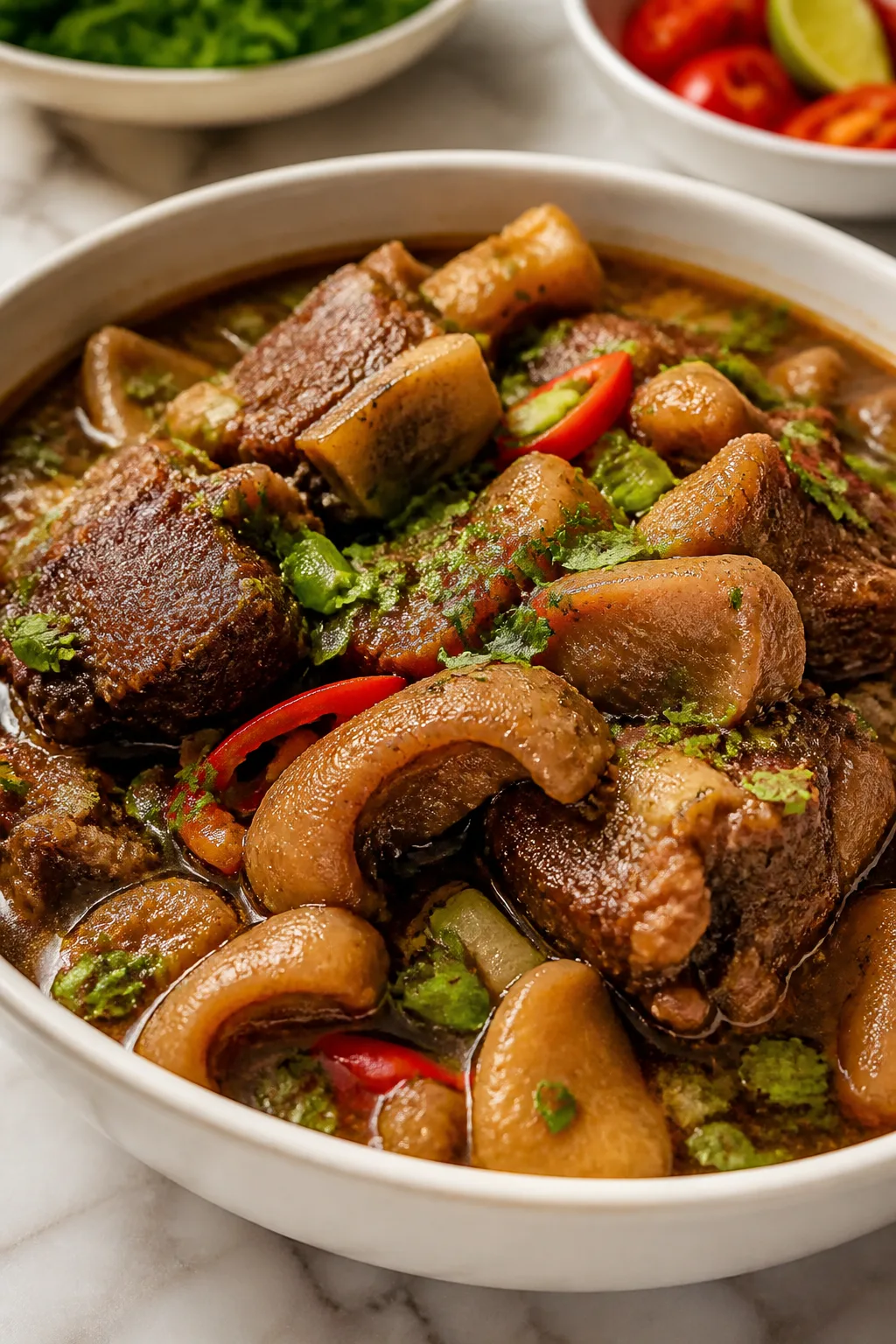
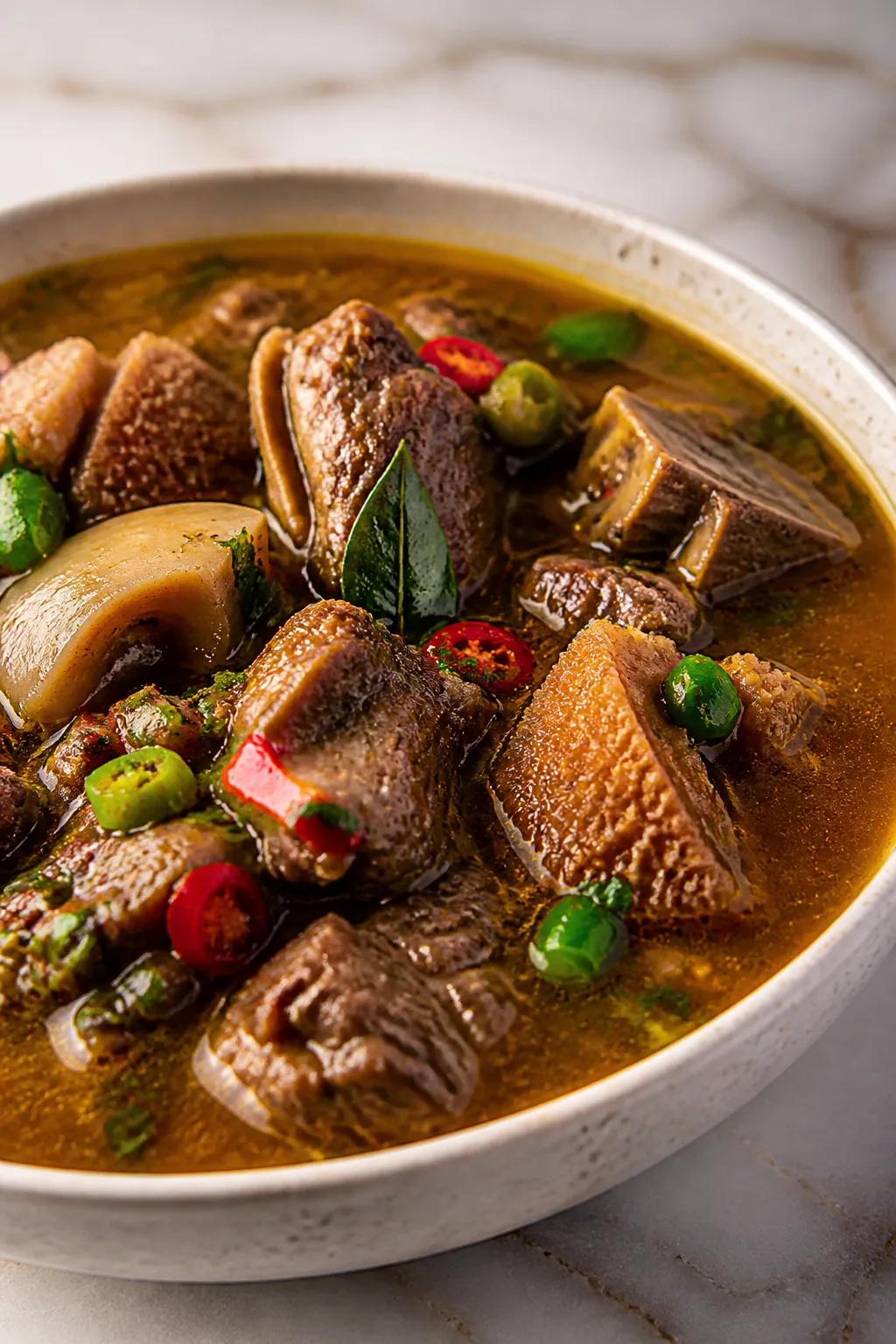
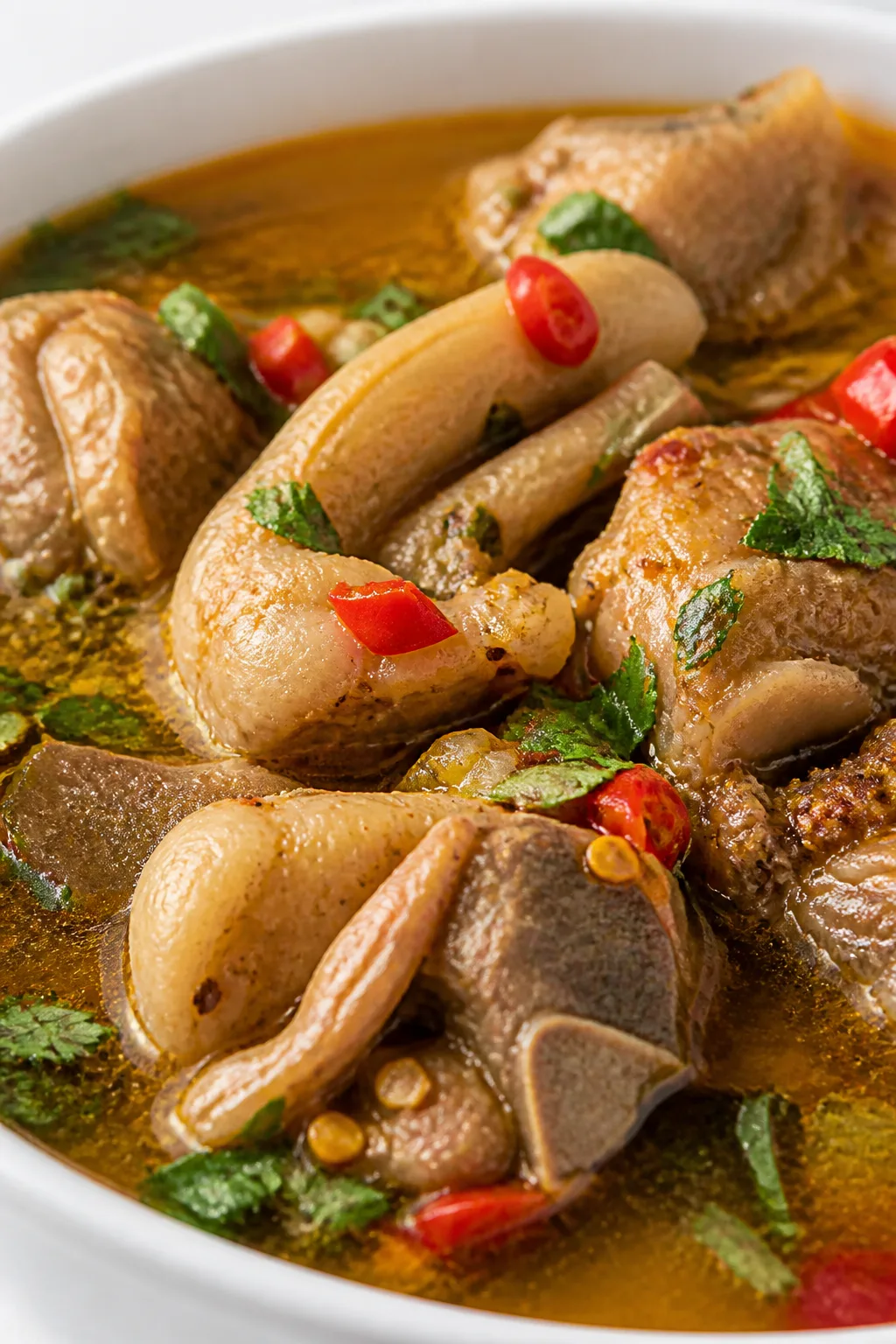
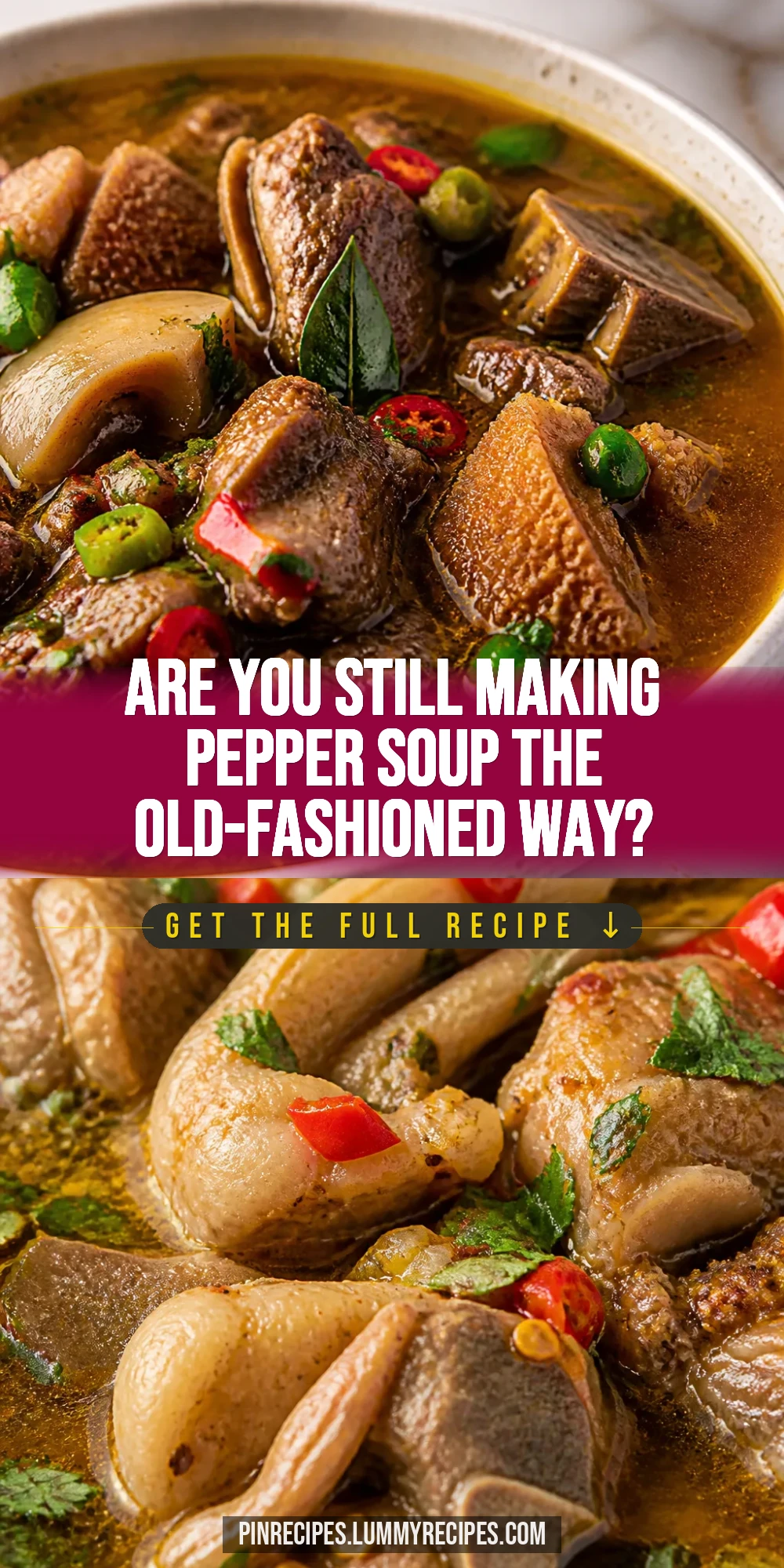
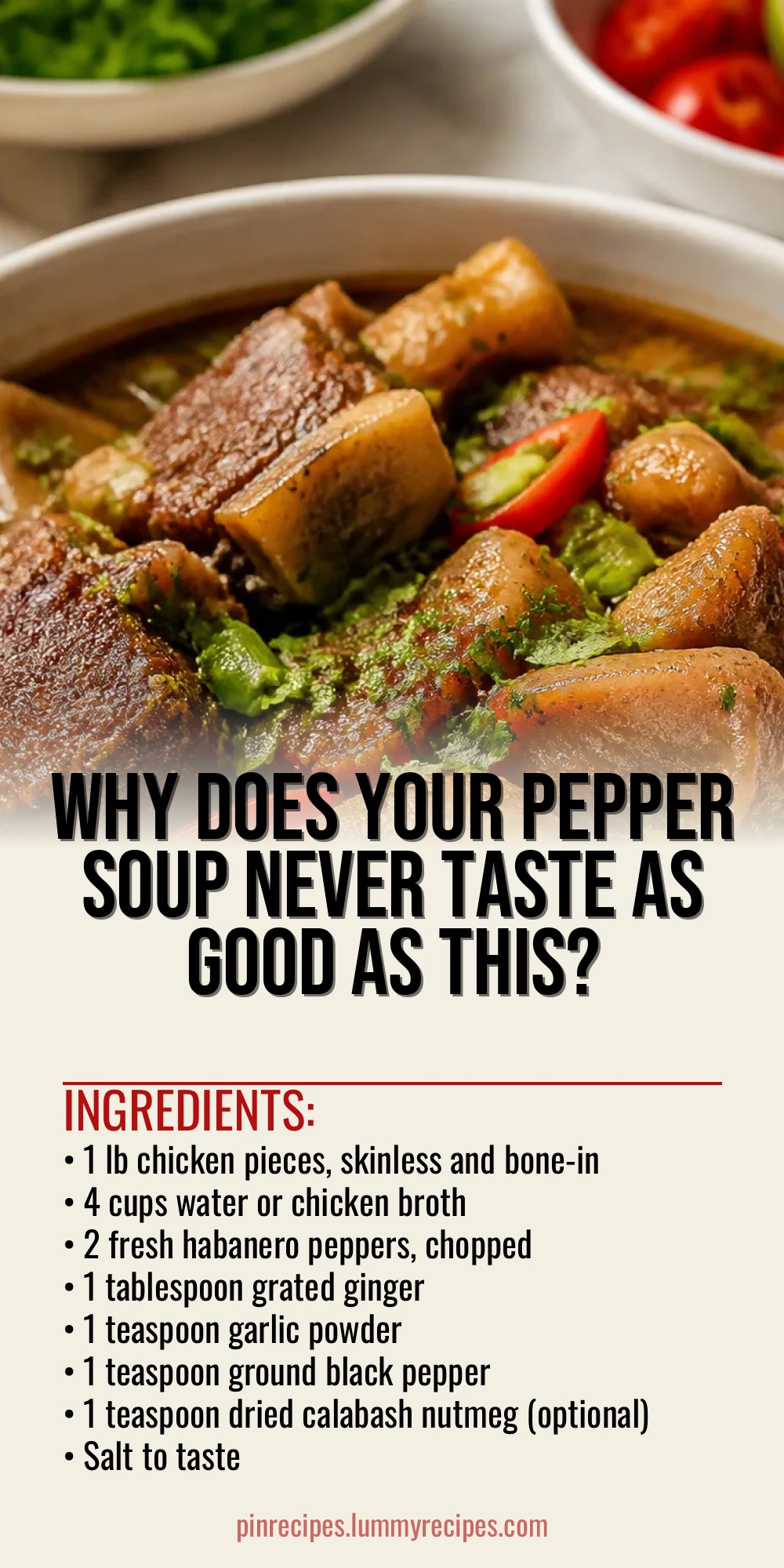
This pepper soup is my go-to when I want something spicy and soothing. It’s got a cozy kick from fresh peppers and warming spices, perfect for chilly nights or when you need a little comfort.
Introduction
I first tried making pepper soup years ago when a friend shared her family recipe. It was unlike any soup I’d had before — fiery, fragrant, and so comforting on a cold night. Over time, I tweaked it to balance the heat with warming spices, making it just right for my family’s taste. What sets this version apart is using fresh habanero peppers and scent leaves, which give it a bright, authentic flavor. I also learned to simmer it gently to meld the spices without overpowering the chicken. The result is a clear, spicy broth that’s both soothing and invigorating. It’s perfect when you want something simple but with a punch, and it always brings everyone to the table. I love making this soup when someone’s feeling under the weather or when we just want a cozy meal. Plus, it’s quick enough for a weeknight but special enough for guests. Give it a try — I think you’ll find it’s a keeper in your recipe collection!
What You'll Need
Approximately 6 cups, 4 servings
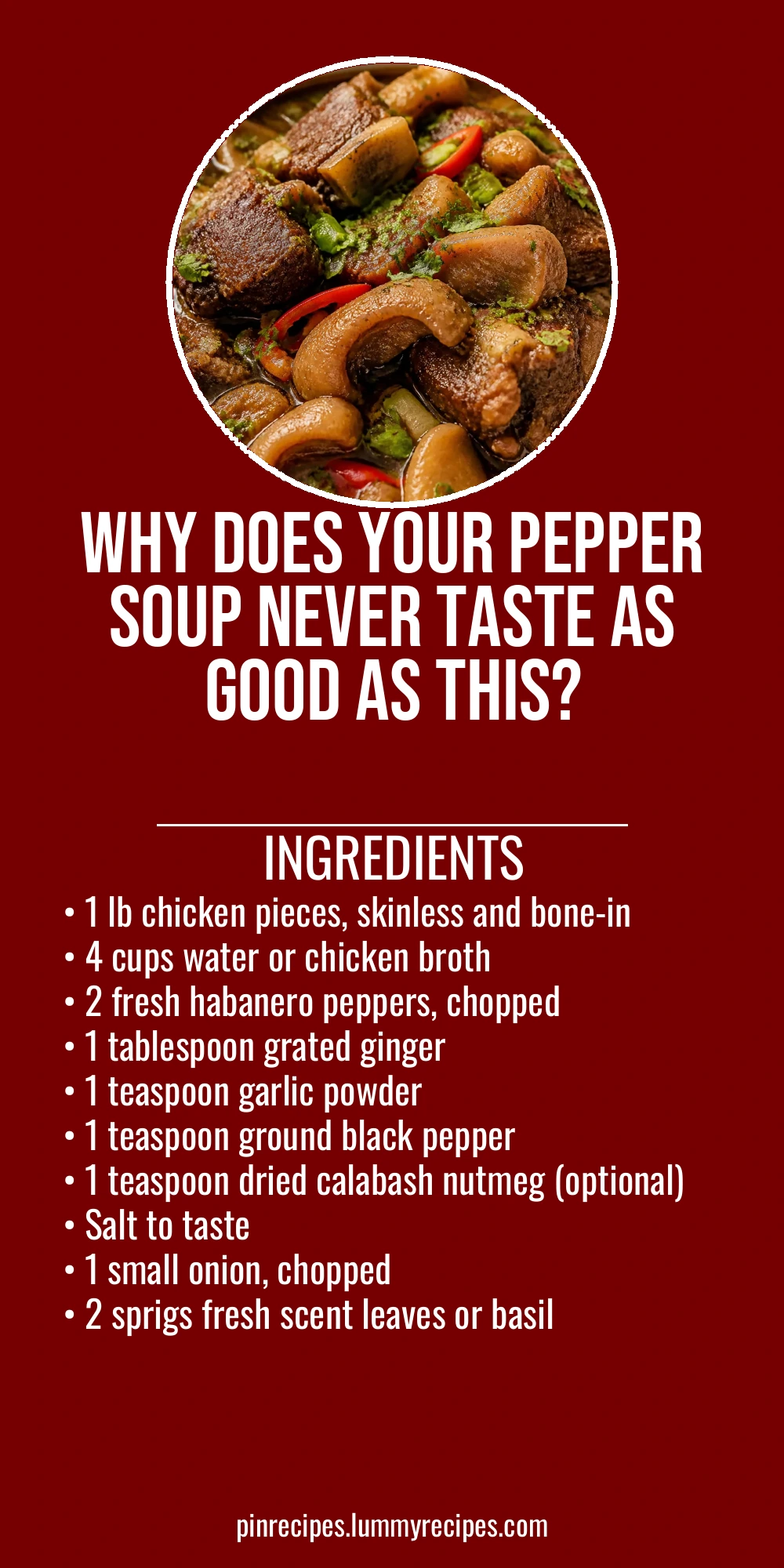
- 1 lb chicken pieces, skinless and bone-in
- 4 cups water or chicken broth
- 2 fresh habanero peppers, chopped
- 1 tablespoon grated ginger
- 1 teaspoon garlic powder
- 1 teaspoon ground black pepper
- 1 teaspoon dried calabash nutmeg (optional)
- Salt to taste
- 1 small onion, chopped
- 2 sprigs fresh scent leaves or basil
How To Do It
Step 1
Start by rinsing the chicken pieces under cold water and patting them dry. This helps remove any excess moisture or impurities that can cloud the soup. Place the chicken in a large pot with 4 cups of water or chicken broth. Bring it to a gentle boil over medium-high heat. Skim off any foam or scum that rises to the surface; this keeps the broth clear and clean-tasting. Avoid stirring too vigorously, as this can make the broth cloudy. This first step is crucial for a clear and flavorful base.
⏱ Time: 10 minutes
✓ Doneness: Broth is clear with minimal foam on top
Step 2
Add the chopped onion, grated ginger, garlic powder, and ground black pepper to the pot. Lower the heat to a simmer and cover loosely. Let the soup cook gently for about 15 minutes. This slow simmer allows the flavors to infuse into the broth and tenderizes the chicken. If you rush this step with high heat, the chicken can become tough and the flavors won’t meld as well. Keep the heat low enough that the broth barely bubbles.
⏱ Time: 15 minutes
✓ Doneness: Chicken is tender and broth is fragrant
Step 3
Carefully add the chopped fresh habanero peppers and dried calabash nutmeg if using. These bring the signature heat and depth to the soup. Stir gently to distribute evenly. Be cautious with the habaneros — you can reduce the amount if you prefer less heat. Cover and simmer for another 5 minutes to let the spice flavors develop fully. This step is what makes the soup truly vibrant and warming.
⏱ Time: 5 minutes
✓ Doneness: Broth has a spicy aroma and gentle heat
Step 4
Add salt to taste, starting with about 1 teaspoon, and adjust as needed. Salt enhances all the other flavors and balances the heat. Taste the broth carefully — it should be well-seasoned but not salty. Remember, you can always add more later but can’t take it out once added. Stir gently to combine.
⏱ Time: 2 minutes
✓ Doneness: Balanced seasoning with no overpowering saltiness
Step 5
Add the fresh scent leaves or basil sprigs to the soup. These herbs add a subtle, earthy aroma that complements the heat of the peppers. Let the soup simmer uncovered for another 3 minutes to infuse the herb flavors. Avoid overcooking the leaves, as they can become bitter if left too long.
⏱ Time: 3 minutes
✓ Doneness: Herbs are bright green and fragrant
Step 6
Turn off the heat and let the soup rest for a few minutes before serving. This brief rest allows the flavors to settle and the heat to mellow slightly. It also makes the soup more enjoyable to eat without burning your mouth. Serve hot, ideally with a side of steamed rice or bread to soak up the broth.
⏱ Time: 5 minutes
✓ Doneness: Soup is hot but not boiling, flavors well blended
Step 7
If you want a clearer broth, strain the soup through a fine-mesh sieve before serving, removing the solids but keeping the flavorful liquid. This is optional but recommended if you prefer a lighter texture. Otherwise, serve as is for a heartier experience with tender chicken pieces in every spoonful.
⏱ Time: 3 minutes
✓ Doneness: Broth is clear and bright, solids removed
Step 8
Garnish with freshly chopped parsley or additional scent leaves for a fresh pop of color and flavor. This step makes the soup look inviting and adds a little herbal brightness right before eating. I like to add a squeeze of lime juice sometimes for extra zing.
⏱ Time: 2 minutes
✓ Doneness: Fresh herbs bright and vibrant on top
Step 9
Serve the pepper soup immediately with your favorite sides. It’s wonderful with plain steamed rice, fufu, or crusty bread. The heat and spices make it a great starter or a light main dish. Enjoy the warming, comforting flavors with family or friends — it’s a real crowd-pleaser!
⏱ Time: Immediate
✓ Doneness: Soup served hot and steaming
Pro Tips
Always skim the foam off the broth during the first boil.
Removing the scum prevents the broth from becoming cloudy or bitter. It’s mostly coagulated proteins and impurities that can affect the soup’s clarity and flavor. Skimming early ensures a clean, bright broth that looks and tastes fresh.
Simmer gently rather than boiling hard.
A gentle simmer extracts flavors slowly and tenderizes the chicken without breaking it apart. Boiling aggressively can toughen the meat and cloud the broth. Keeping the heat low helps maintain a clear soup with tender chicken pieces.
Add fresh herbs at the very end of cooking.
Herbs like scent leaves or basil lose their brightness and can turn bitter if cooked too long. Adding them last preserves their color, aroma, and delicate flavor, giving the soup a fresh, inviting finish.
Adjust pepper quantity based on your spice tolerance.
Habanero peppers are very spicy, so start with less if you’re sensitive to heat. You can always add more later. This control lets you customize the soup’s kick without overpowering the other flavors.
Use chicken broth instead of water for a richer soup.
Broth adds depth and body to the soup, enhancing the chicken flavor. If you use water, the soup can taste flat. Homemade or good-quality store-bought broth works best for an authentic taste.
Serve with a starchy side like rice or fufu.
Pepper soup’s spicy broth pairs wonderfully with mild, absorbent sides. They balance the heat and make the meal more filling. This combination is traditional and comforting.
Don’t forget to season gradually and taste often.
Salt and spices can build up quickly. Adding them little by little lets you find the perfect balance. Tasting as you go prevents over-seasoning and ensures the soup suits your palate.
Common Mistakes to Avoid
Boiling the soup too hard from the start.
Why it happens Many cooks think higher heat speeds up cooking, but it can toughen meat and cloud broth.
Fix Start with a boil to bring to temperature, then reduce to a gentle simmer. This keeps chicken tender and broth clear.
Adding peppers too early.
Why it happens Some add hot peppers at the start, which can make the soup overly spicy and bitter.
Fix Add fresh peppers mid-way or later to preserve their bright heat and avoid bitterness.
Skipping the skimming step.
Why it happens It’s easy to overlook, especially when in a hurry.
Fix Use a spoon to skim foam during the first boil to keep broth clear and flavorful.
Overcooking fresh herbs.
Why it happens Adding herbs too early causes loss of aroma and bitterness.
Fix Add herbs in the last few minutes of cooking or just before serving.
Not tasting and adjusting seasoning.
Why it happens Assuming initial amounts are perfect can lead to bland or overly salty soup.
Fix Taste frequently and adjust salt and pepper gradually for balanced flavor.
Variations
Fish Pepper Soup
Swap out chicken for firm white fish like tilapia or catfish. Fish cooks faster and gives a lighter broth. Add fish pieces in the last 10 minutes to avoid overcooking. The flavor is delicate but still spicy and warming.
Note: Reduce cooking time to prevent fish from falling apart; add fish last.
Beef Pepper Soup
Use beef chunks instead of chicken for a heartier version. Brown the beef first for extra flavor, then simmer longer until tender. This creates a rich, robust soup perfect for cold days.
Note: Increase simmer time to at least 45 minutes for tender beef.
Vegetarian Pepper Soup
Replace meat with mushrooms and vegetables like carrots and potatoes. Use vegetable broth and keep the spices the same. This makes a spicy, comforting soup without animal products.
Note: Simmer vegetables until tender, about 20-25 minutes.
Creamy Pepper Soup
Add a splash of coconut milk or cream at the end for a richer, creamier texture. This softens the heat slightly and adds a subtle sweetness that pairs well with the spices.
Note: Stir in cream after removing from heat to avoid curdling.
Extra Spicy Pepper Soup
Double the habanero peppers and add a pinch of cayenne for those who love serious heat. Balance with a little extra ginger and lime juice to keep flavors bright and fresh.
Note: Adjust seasoning carefully to avoid overwhelming bitterness.
Nutrition
Per Serving:
Nutritional values are estimates and may vary based on specific ingredients used.
Storage & Tips
Room Temperature
Pepper soup can safely sit out covered for up to 2 hours. Beyond that, bacteria growth increases, so refrigerate promptly. Keep it covered to prevent contamination and moisture loss.
Refrigerator
Store in an airtight container in the fridge for up to 3 days. The flavors deepen but the heat may mellow. Reheat gently on the stove to preserve texture and aroma.
Freezer
Freeze in airtight containers or heavy-duty freezer bags for up to 2 months. To prevent freezer burn, remove as much air as possible. Thaw overnight in the fridge before reheating.
Reheating
Warm pepper soup on the stovetop over low heat, stirring occasionally. Add a splash of water or broth if it’s too thick. Avoid microwaving at high heat as it can toughen the chicken and dull flavors.
Make Ahead
You can prepare the broth and cook the chicken a day ahead, storing separately. Add fresh peppers and herbs just before serving to keep the flavors vibrant and fresh.
FAQ
Can I use dried peppers instead of fresh habaneros?
You can substitute dried chili peppers, but the flavor will be different—less bright and fruity, more smoky or earthy. Use about half the amount of dried peppers and soak them first to soften. Fresh peppers give a fresher, more vibrant heat that’s key to authentic pepper soup.
Is it okay to use chicken breast instead of bone-in pieces?
Chicken breast cooks faster but lacks the collagen and richness bones provide. The broth may be less flavorful and lighter. If using breast, reduce cooking time and consider adding chicken stock to boost flavor.
How do I reduce the heat if the soup is too spicy?
Add more broth or water to dilute the heat. Adding a little coconut milk or cream can also mellow the spice. Serving with a starchy side like rice helps balance the heat too.
Can I make this soup in a slow cooker?
Yes, slow cookers work well. Cook chicken and spices on low for 4-6 hours. Add fresh peppers and herbs in the last 30 minutes to preserve their flavor and heat.
What can I use if I don’t have scent leaves?
Fresh basil or mint are good substitutes. They add a fresh, herbal note though not exactly the same. Add them at the end of cooking to keep their aroma intact.
Why is my pepper soup cloudy?
Cloudiness usually comes from not skimming the foam or boiling too hard. Skim the scum during the first boil and simmer gently to keep the broth clear and bright.
Can I freeze pepper soup with the chicken in it?
Yes, but the chicken texture may change slightly after freezing. Freeze in portions and thaw slowly in the fridge. Reheat gently to avoid drying out the chicken.
How spicy is this soup for someone who doesn’t like heat?
This recipe is moderately spicy due to habanero peppers. You can reduce heat by using fewer peppers or removing seeds. The warming spices balance the heat, but adjust to your preference.
Final Thoughts
I hope you enjoy making and sharing this pepper soup as much as my family does. It’s simple, comforting, and full of flavor — perfect for any day you need a little warmth. Let me know how yours turns out!