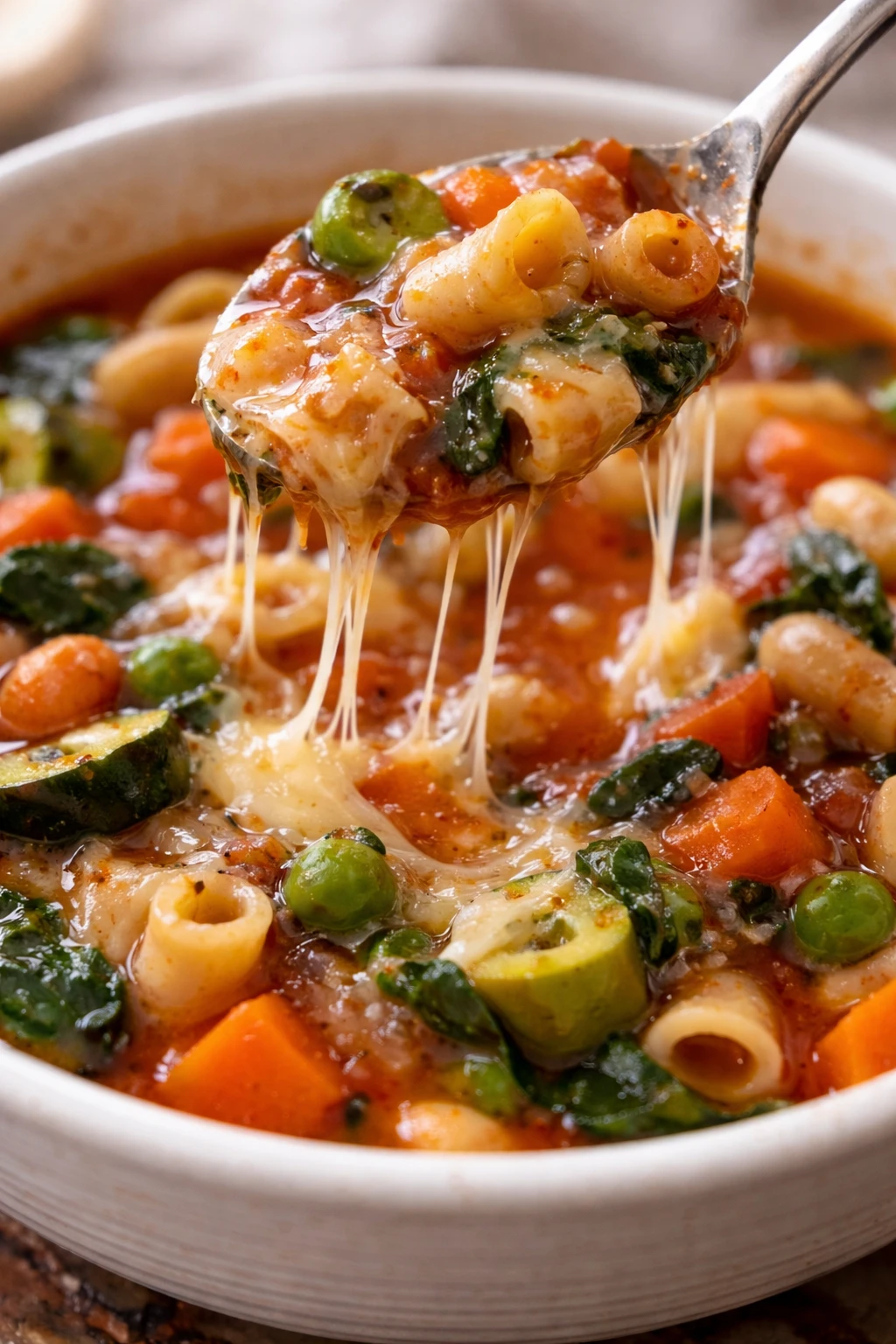
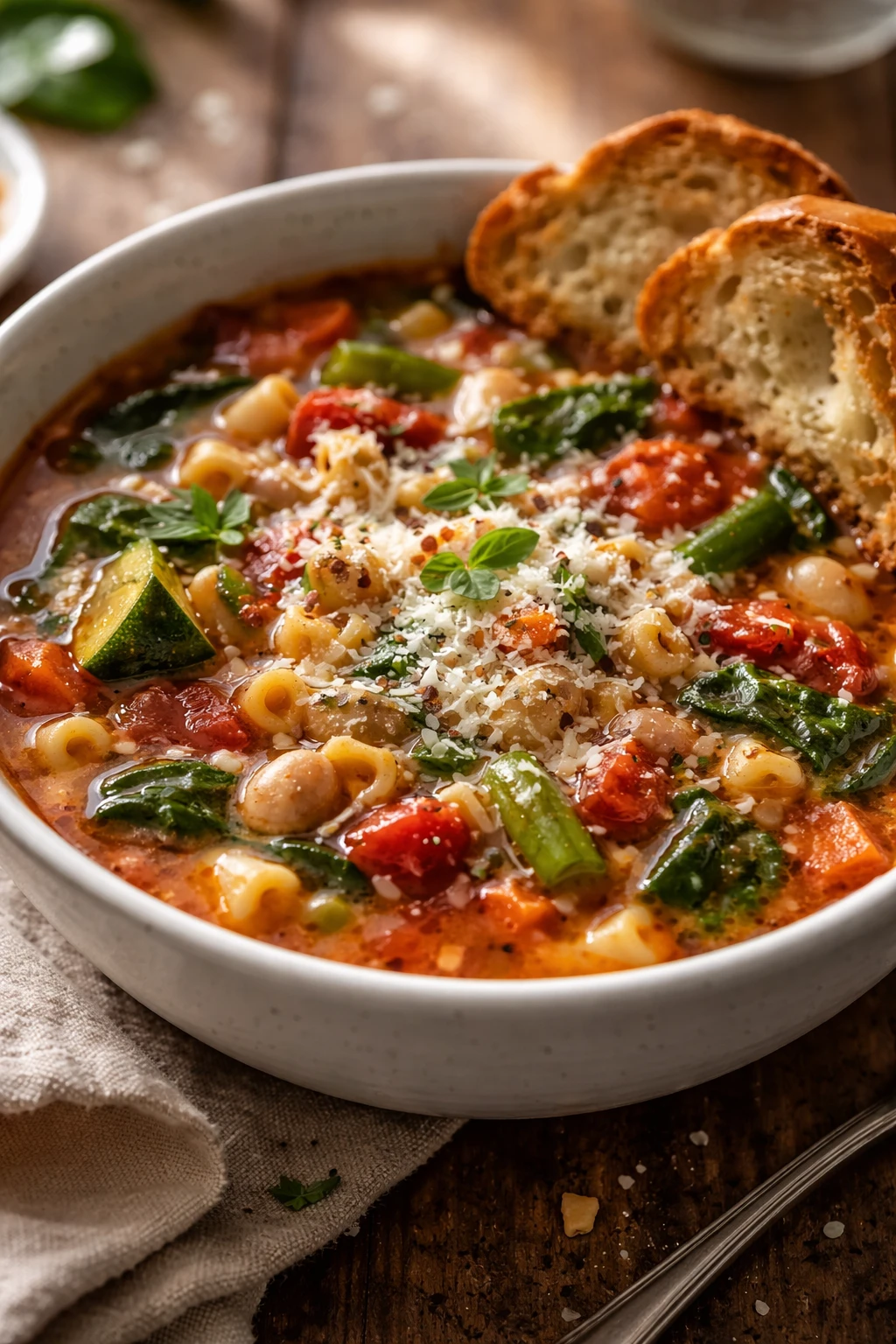
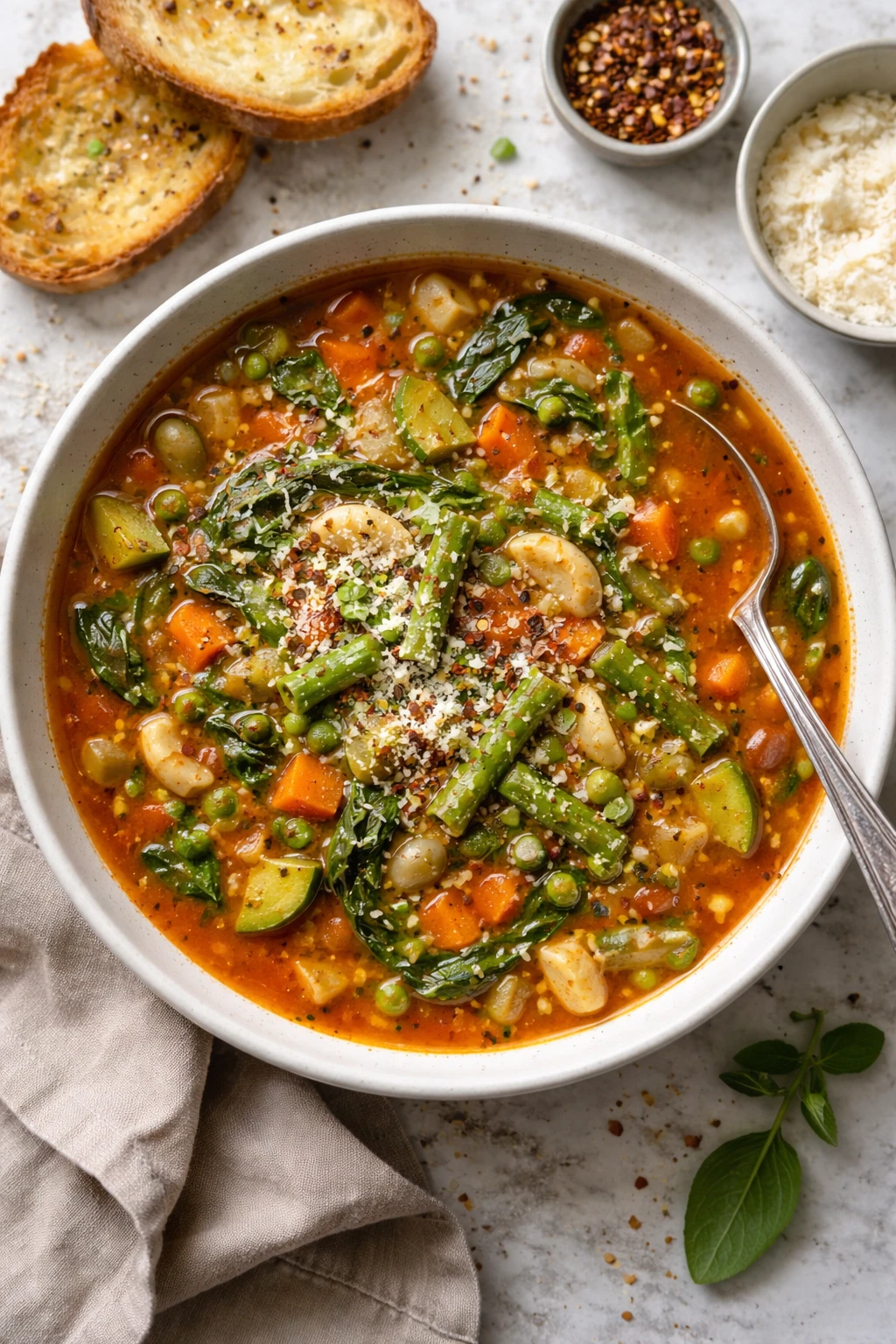
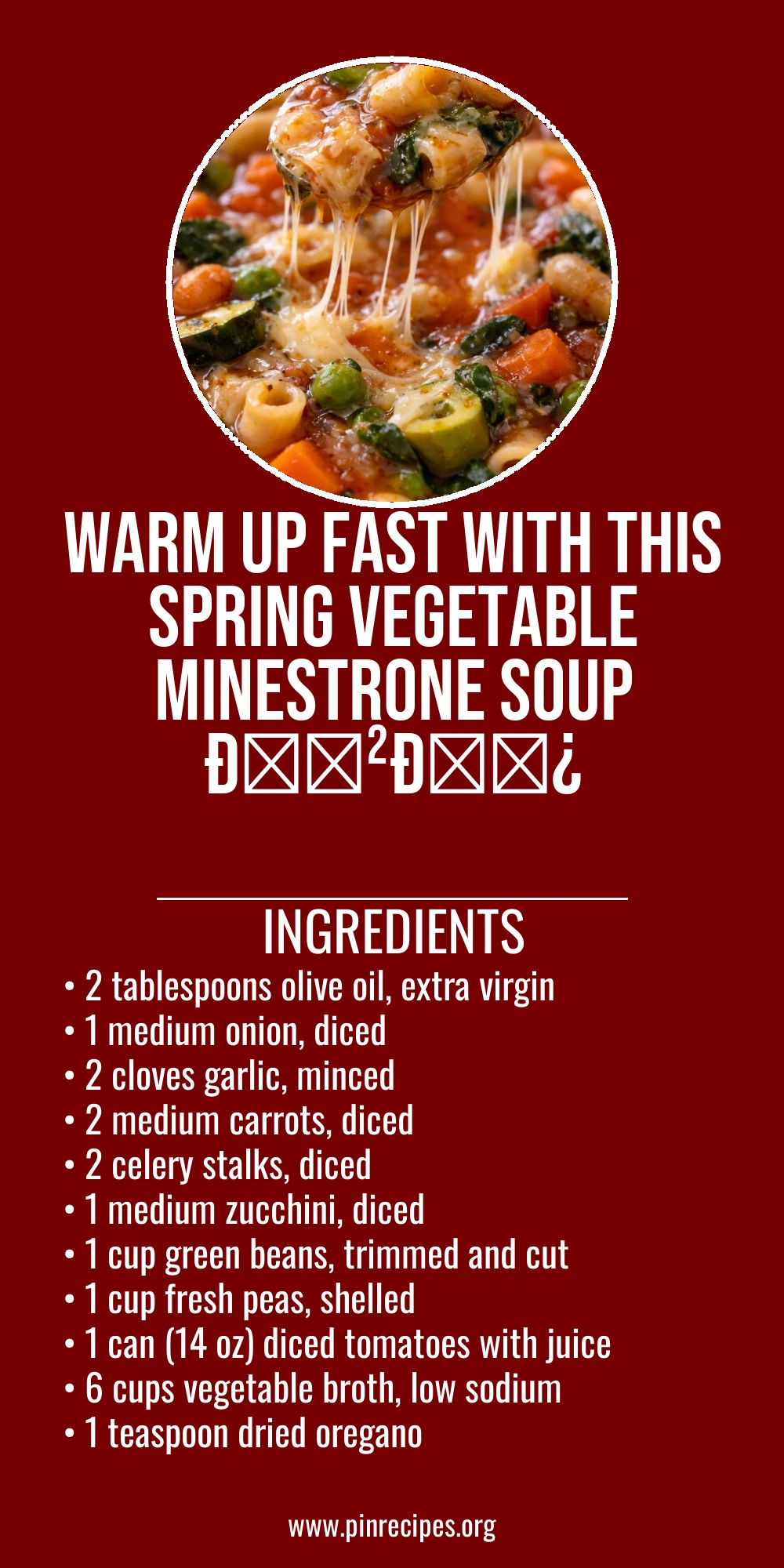
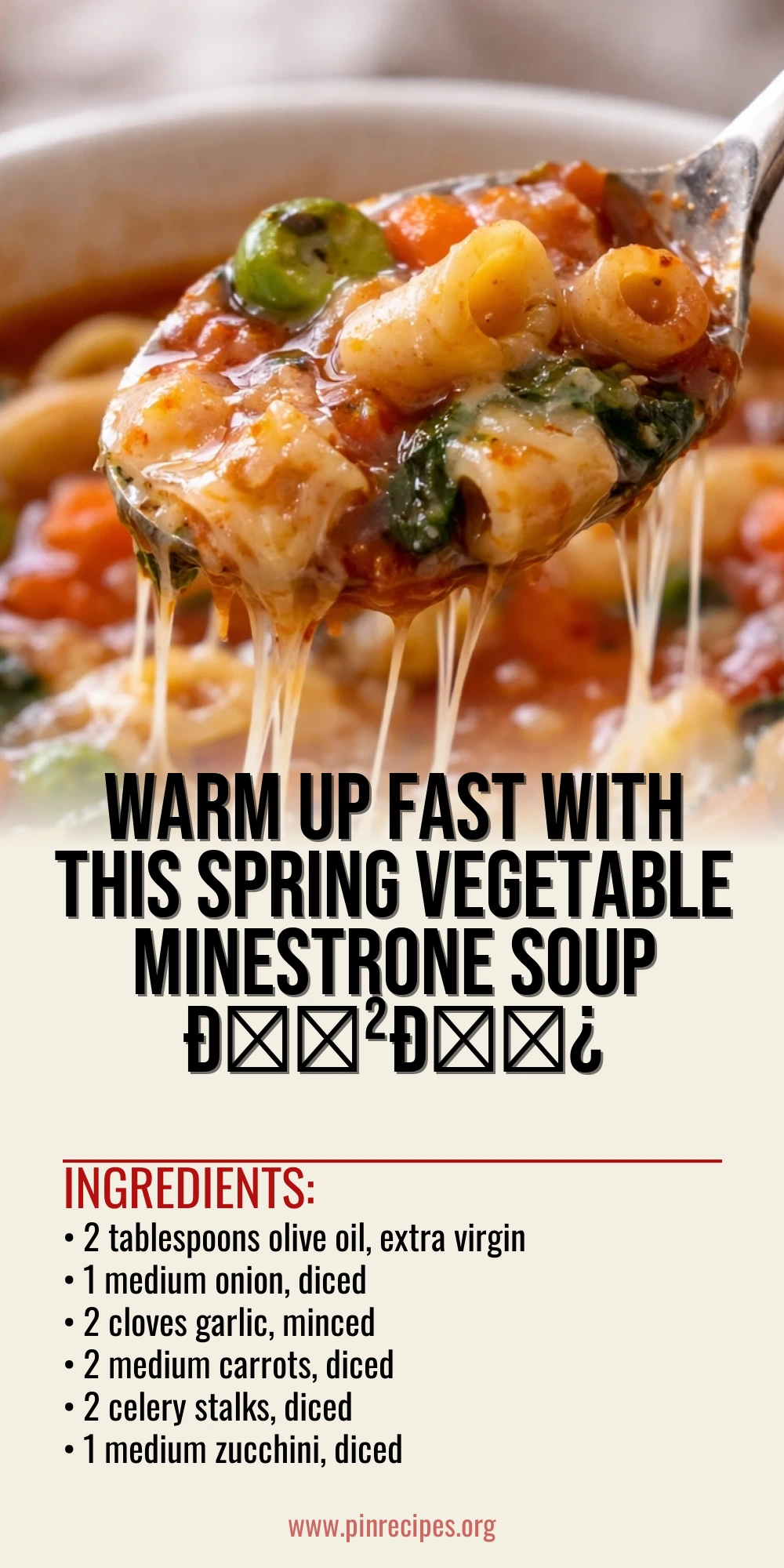
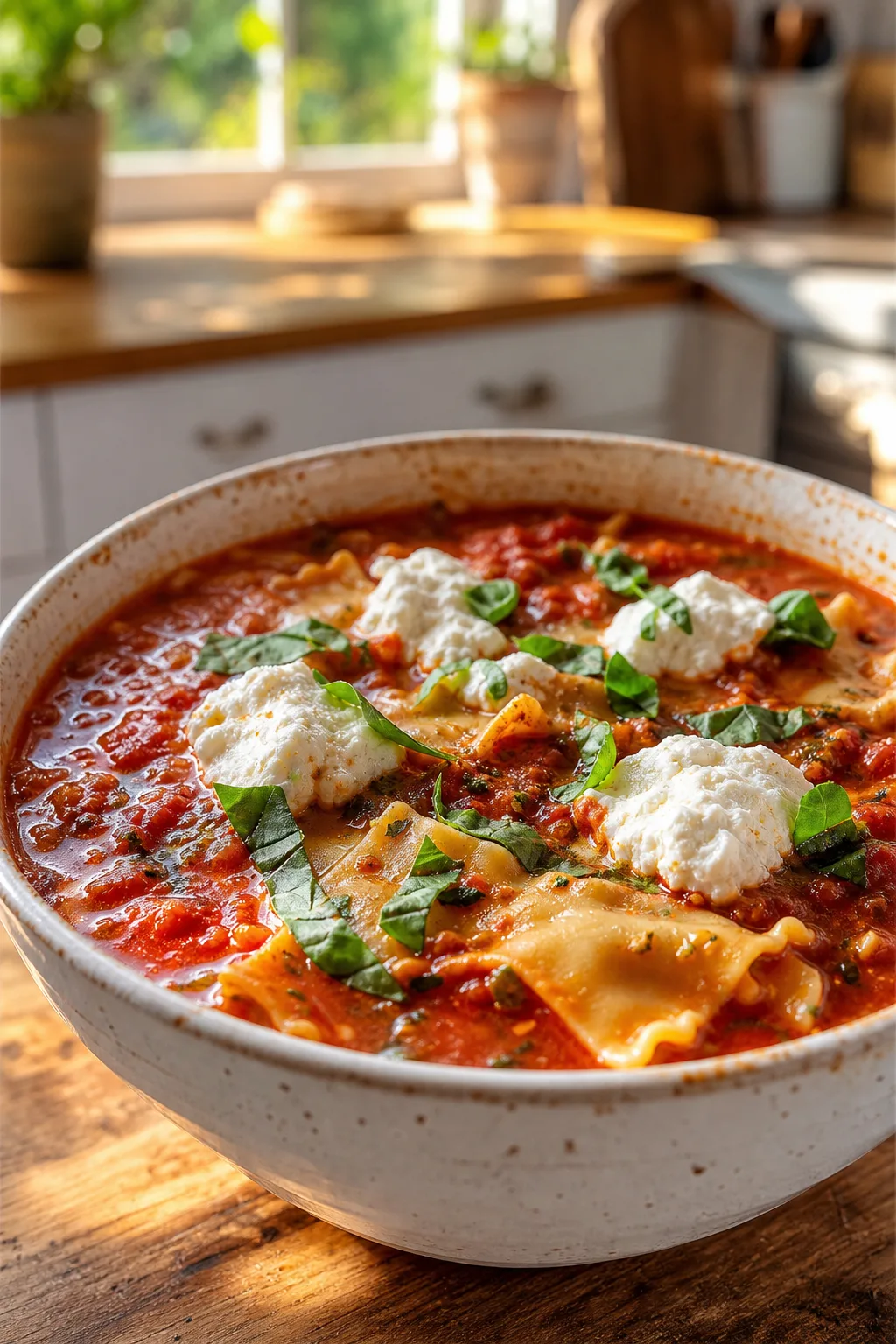
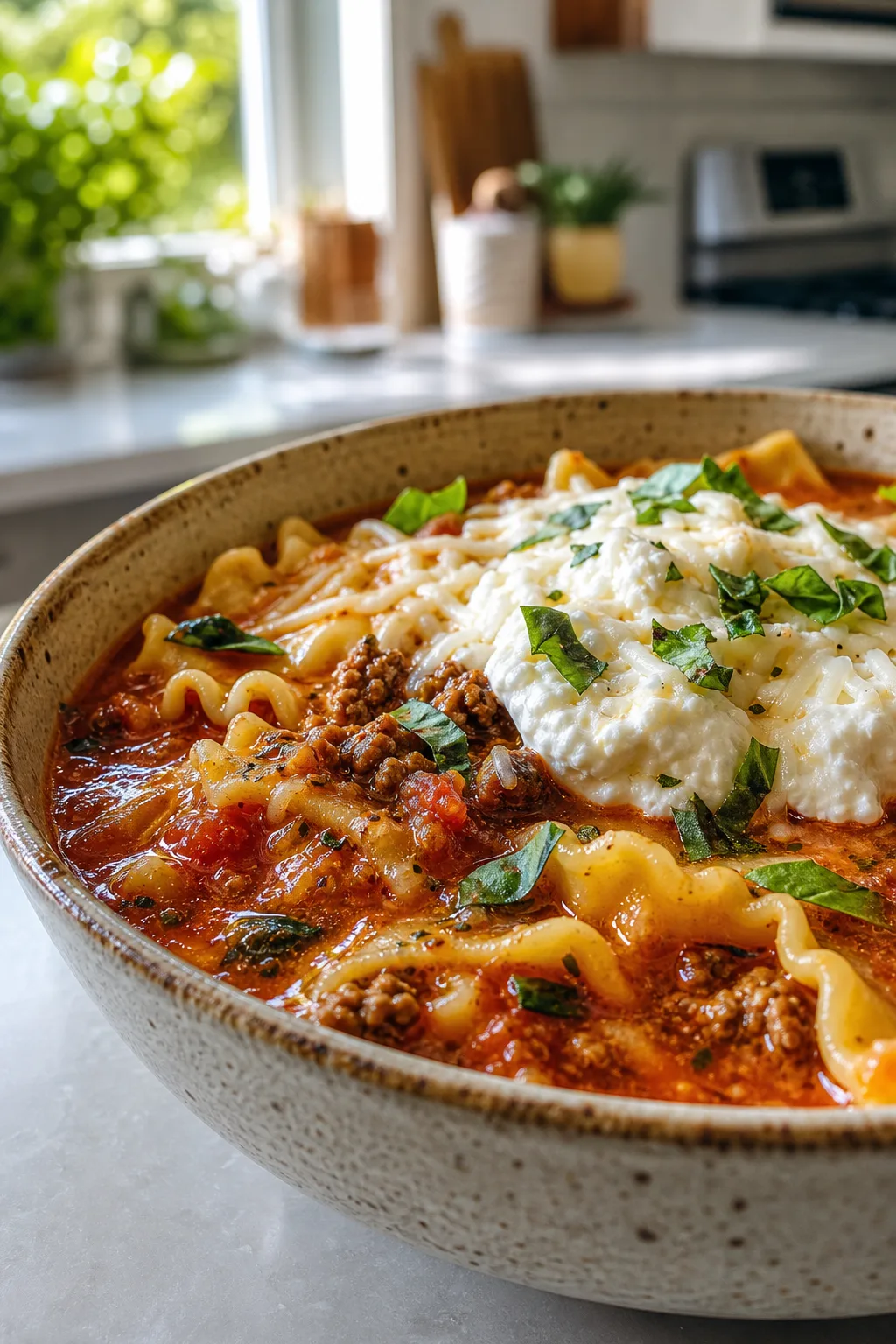
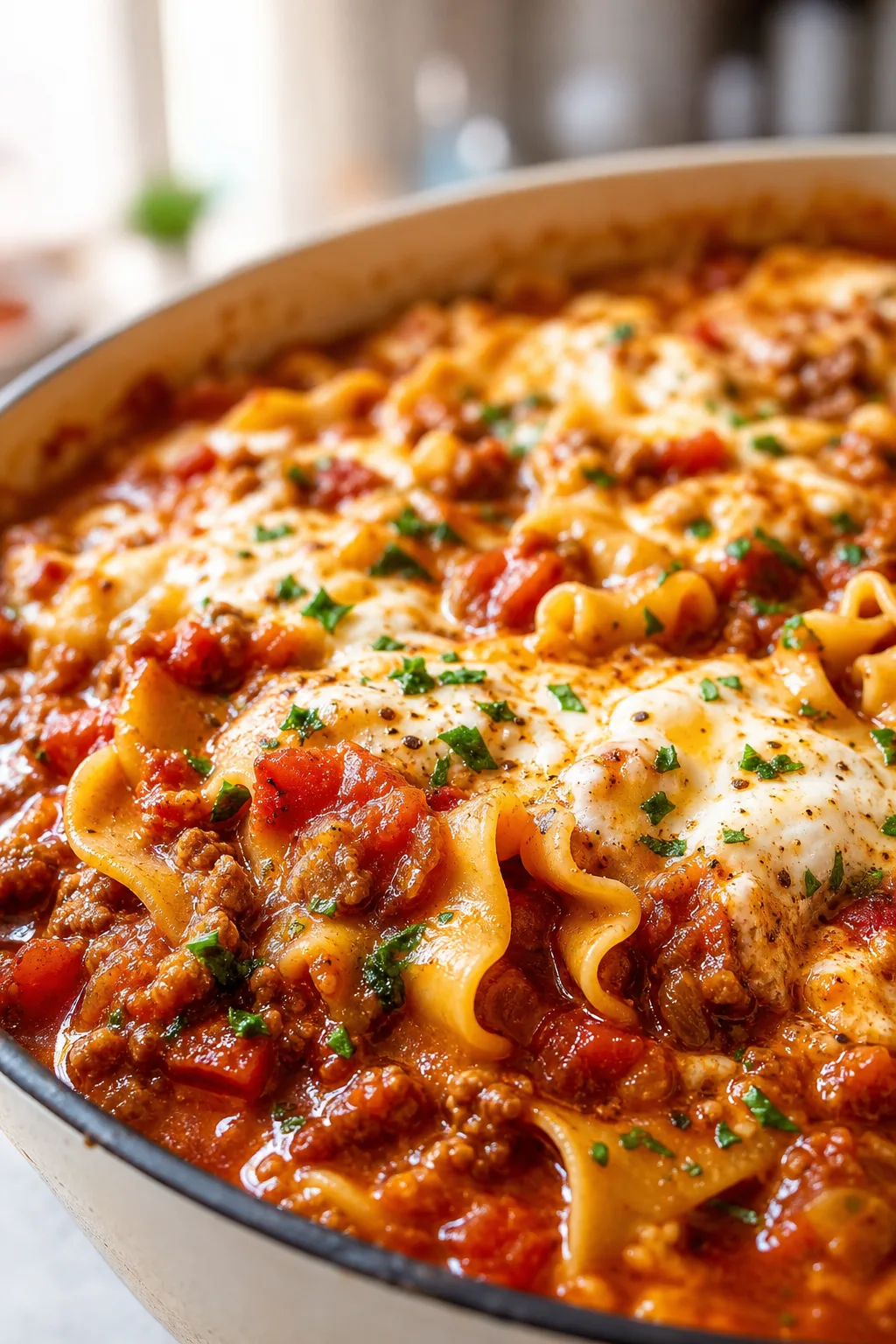
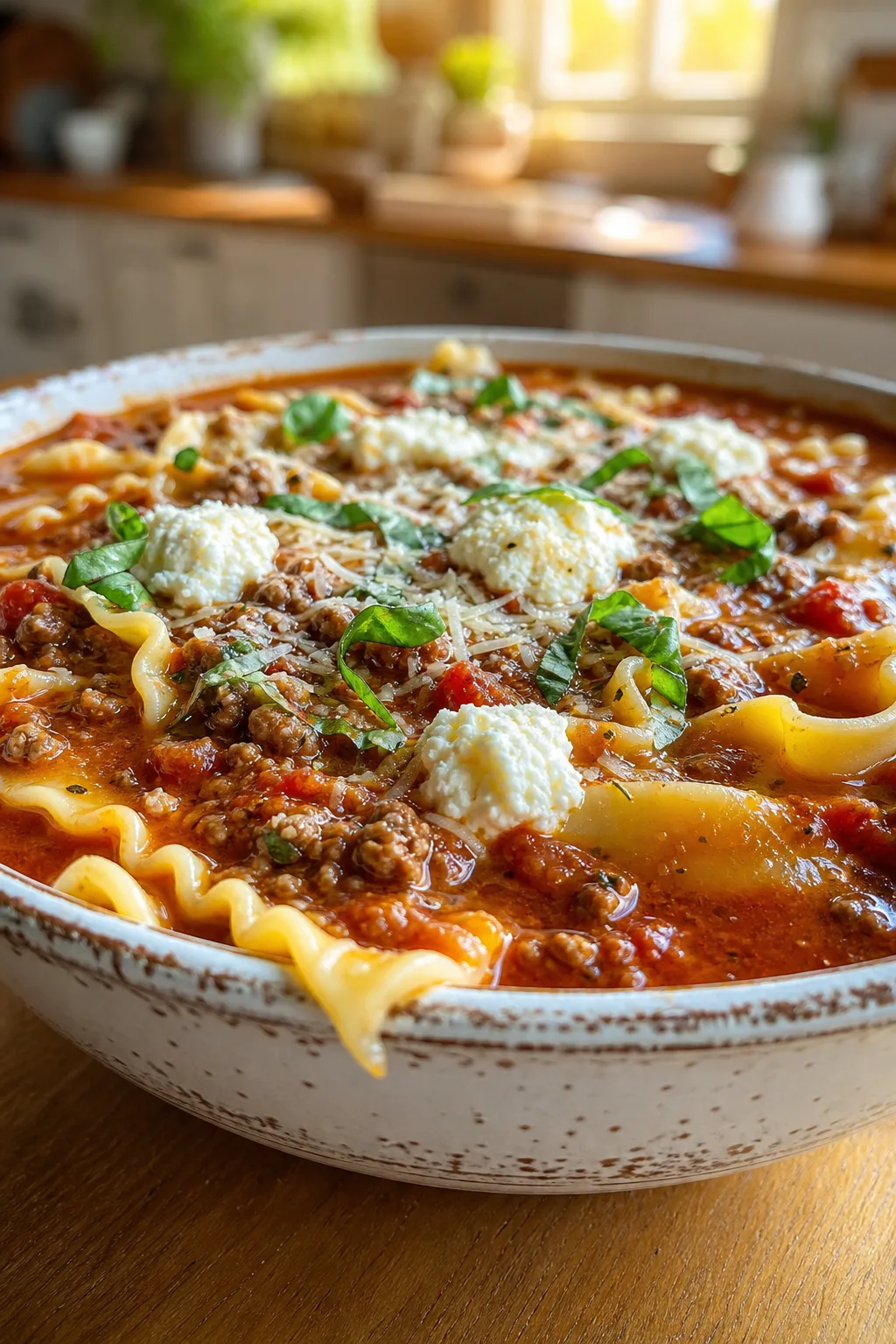
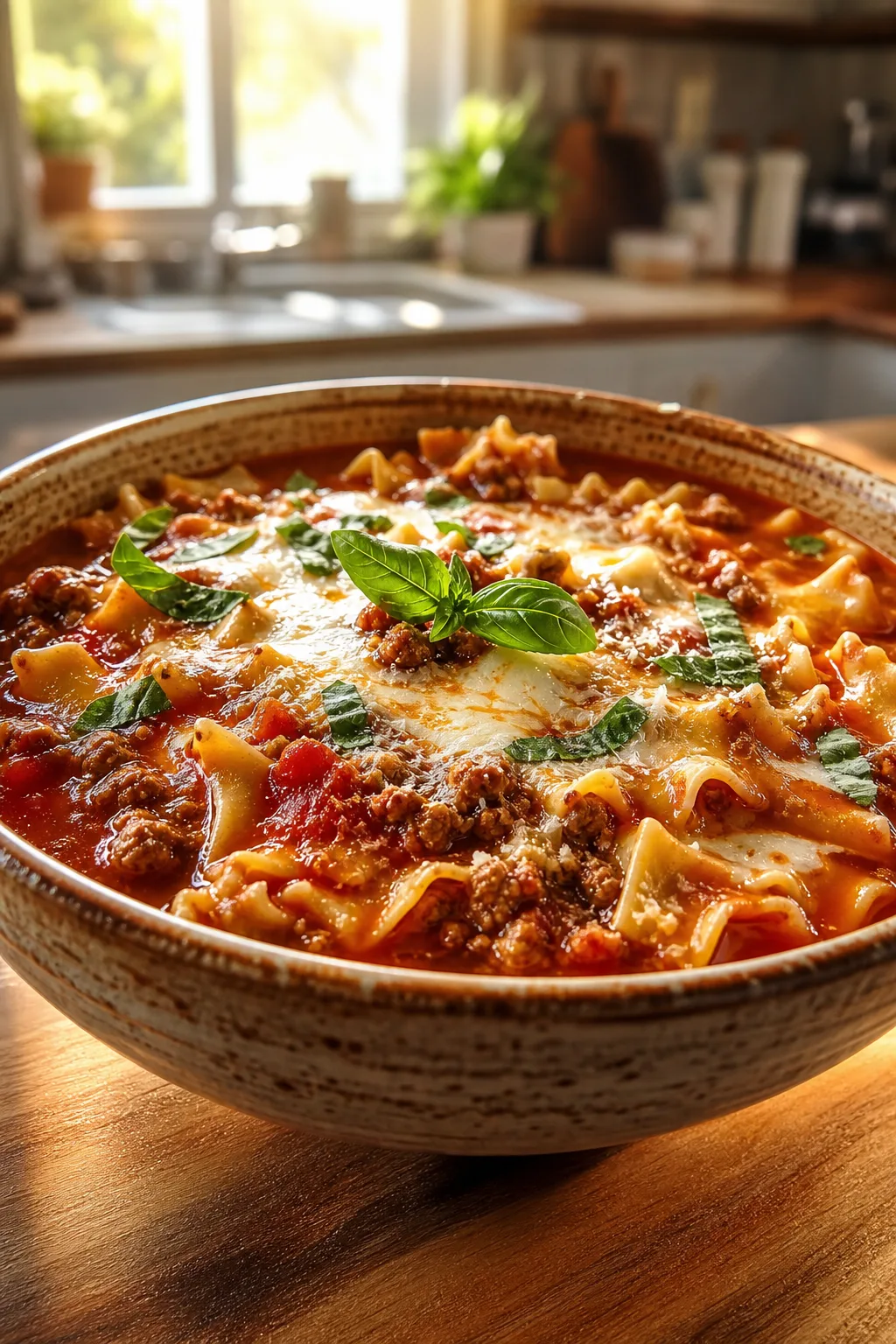
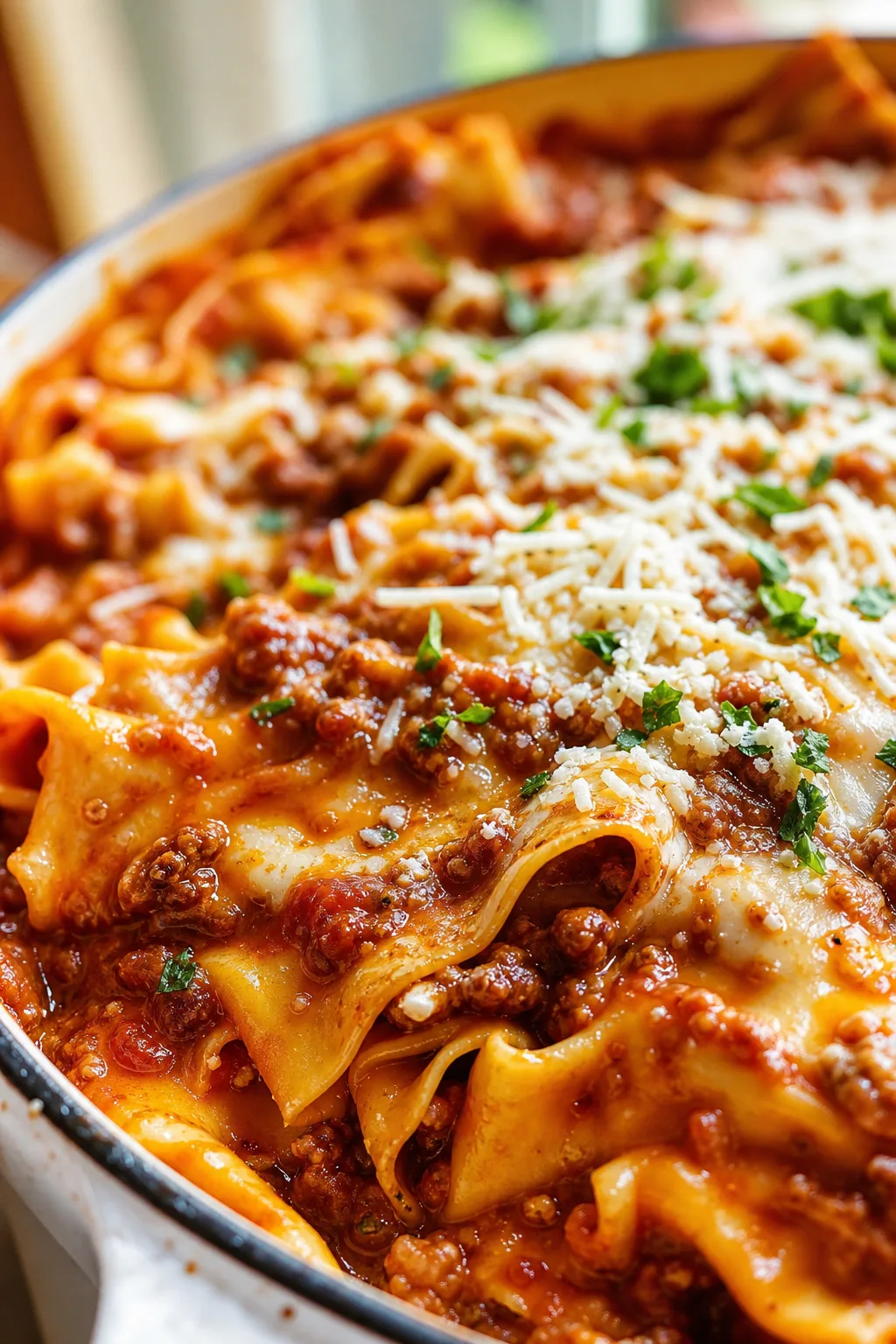
This minestrone soup bursts with fresh spring vegetables and herbs, making it both comforting and vibrant. The secret’s in the slow-simmered broth that pulls all the flavors together. Perfect for a cozy lunch or light dinner!
Introduction
I’ve always loved minestrone soup for its hearty, comforting qualities and endless versatility. This spring vegetable version is my go-to when I want something light but still filling. The first time I made it, I tried using frozen veggies and it was okay, but fresh spring vegetables make all the difference in flavor and texture. What sets this recipe apart is the slow simmering of the broth with fresh herbs and tomatoes, which really brings out a deep, rich taste without being heavy. I also add the pasta towards the end to keep it perfectly al dente, so it doesn’t get mushy if you want leftovers. The result is a vibrant, cozy soup that tastes like spring captured in a bowl. It’s bright, fresh, and just the right amount of comforting—ideal for chilly spring evenings or a quick lunch that feels special. Plus, it’s super easy to throw together, even if you’re short on time or cooking energy. I hope you enjoy making it as much as my family and I do!
What You'll Need
Approximately 6 cups, 4 servings
- 2 tablespoons olive oil, extra virgin
- 1 medium onion, diced
- 2 cloves garlic, minced
- 2 medium carrots, diced
- 2 celery stalks, diced
- 1 medium zucchini, diced
- 1 cup green beans, trimmed and cut
- 1 cup fresh peas, shelled
- 1 can (14 oz) diced tomatoes with juice
- 6 cups vegetable broth, low sodium
- 1 teaspoon dried oregano
- 1 teaspoon dried basil
- 1/2 cup small pasta (like ditalini or elbow macaroni)
- Salt and pepper, to taste
- Fresh parsley, chopped (for garnish)
- Grated Parmesan cheese (optional, for serving)
How To Do It
Step 1
Heat the olive oil in a large pot over medium heat. Add the diced onion and sauté for about 5 minutes until it becomes translucent and soft. This step is crucial because gently cooking the onion releases its natural sweetness, which forms the flavor base of the soup. Avoid browning the onion too much to keep the broth clear and fresh-tasting. Stir occasionally to prevent sticking or burning.
⏱ Time: 5 minutes
✓ Doneness: Onions should be soft, translucent, and fragrant without any browning.
Step 2
Add the minced garlic, carrots, and celery to the pot. Cook for another 3-4 minutes, stirring often. The garlic will become fragrant but not burnt, and the carrots and celery will start softening. This step builds layers of flavor and ensures your soup has a nice aromatic base. Rushing this can result in raw-tasting vegetables or harsh garlic flavor.
⏱ Time: 4 minutes
✓ Doneness: Garlic aroma is strong but not burnt; carrots and celery begin to soften.
Step 3
Stir in the diced zucchini, green beans, fresh peas, and canned tomatoes with their juice. Mix well to combine all the vegetables. This combination brings a fresh, springtime brightness to the soup. The tomatoes add acidity and depth, balancing the sweetness of the other veggies.
⏱ Time: 3 minutes
✓ Doneness: Vegetables are evenly coated and starting to soften slightly.
Step 4
Pour in the vegetable broth and add the dried oregano and basil. Increase heat to bring the soup to a gentle boil. Then reduce heat to low and let it simmer uncovered for 20 minutes. This simmering step allows the flavors to meld and the vegetables to soften fully without losing texture. Avoid boiling vigorously, which can break down the veggies too much.
⏱ Time: 20 minutes
✓ Doneness: Soup is gently bubbling, vegetables tender but intact, aroma rich and inviting.
Step 5
Add the small pasta to the simmering soup and cook for another 8-10 minutes until al dente. Stir occasionally to prevent the pasta from sticking to the bottom. Cooking the pasta directly in the soup absorbs some broth flavor and makes the soup heartier. Be careful not to overcook the pasta, or it will become mushy.
⏱ Time: 10 minutes
✓ Doneness: Pasta is tender but still firm to the bite.
Step 6
Season the soup with salt and freshly ground black pepper to taste. Taste the broth and adjust seasoning as needed. Salt enhances the natural flavors of the vegetables and herbs, so don’t skip this step. Adding pepper adds a subtle warmth that balances the soup.
⏱ Time: 2 minutes
✓ Doneness: Balanced seasoning with no single flavor overpowering the others.
Step 7
Remove the pot from heat and stir in chopped fresh parsley for a bright, herbaceous finish. Fresh herbs added at the end keep their vibrant color and flavor, which lifts the whole dish. Avoid adding them too early or cooking them down, as that dulls their freshness.
⏱ Time: 1 minute
✓ Doneness: Soup looks fresh with flecks of green parsley throughout.
Step 8
Ladle the soup into bowls and optionally sprinkle grated Parmesan cheese on top. The cheese adds a creamy, salty note that complements the fresh veggies beautifully. If you want a vegan option, skip the cheese or use a plant-based alternative.
⏱ Time: 1 minute
✓ Doneness: Soup is steaming hot with melted cheese on top if used.
Step 9
Serve the soup immediately with crusty bread or a simple side salad. This soup is best enjoyed fresh but also reheats well for leftovers. The combination of fresh spring vegetables, tender pasta, and rich broth makes it a satisfying and healthy meal anytime.
⏱ Time: Serve immediately
✓ Doneness: Soup is hot and comforting, with fresh vegetable flavors shining through.
Pro Tips
Sauté onions and garlic gently over medium heat.
Cooking these aromatics slowly releases their natural sweetness without burning, which would create bitterness and spoil the soup’s delicate flavor balance.
Add pasta towards the end of cooking.
This prevents the pasta from overcooking and becoming mushy, keeping the soup’s texture pleasant and the pasta al dente.
Use fresh spring vegetables when possible.
Fresh veggies provide brighter flavors and better texture than frozen or canned, making the soup feel light and vibrant.
Simmer soup gently rather than boiling hard.
A gentle simmer cooks vegetables evenly and preserves their shape and color, while boiling can break them down too much.
Season the soup at the end.
Adding salt and pepper after cooking allows better control of flavor since broth and canned tomatoes already contain some salt.
Add fresh herbs just before serving.
Fresh herbs lose their bright flavor and color if cooked too long, so adding them last keeps the soup fresh and aromatic.
Use low sodium broth to control saltiness.
This helps you adjust seasoning precisely without the soup becoming too salty from canned tomatoes or broth.
Common Mistakes to Avoid
Overcooking the pasta
Why it happens Many cooks add pasta too early or leave it cooking too long, thinking it will absorb more flavor, but this leads to mushy texture.
Fix Add pasta in the last 8-10 minutes of cooking and test frequently to ensure it remains al dente. Remove from heat promptly once done.
Skipping the gentle sauté of aromatics
Why it happens Rushing to add all ingredients at once can seem faster, but misses flavor development.
Fix Take time to cook onions and garlic slowly until translucent and fragrant; this builds a flavorful base.
Boiling the soup too hard
Why it happens High heat speeds cooking but breaks down vegetables and dulls flavors.
Fix Keep soup at a low simmer to maintain texture and develop deeper flavors.
Not seasoning properly
Why it happens Some assume canned tomatoes and broth provide enough salt, leading to bland soup.
Fix Always taste at the end and adjust salt and pepper to balance flavors.
Adding fresh herbs too early
Why it happens Cooking herbs too long results in loss of flavor and color.
Fix Add fresh parsley or basil right before serving to keep brightness.
Variations
Add White Beans for Extra Protein
Stir in a can of drained and rinsed cannellini beans along with the vegetables for a heartier, protein-rich soup. This makes it more filling and adds a creamy texture contrast to the crisp veggies.
Note: Beans should be added early enough to warm through but avoid overcooking to keep their texture intact.
Make It Vegan by Skipping Cheese
Simply omit the Parmesan or use a plant-based cheese alternative. The soup remains flavorful and comforting without dairy, perfect for vegan diets.
Note: No other changes needed; the broth and vegetables provide plenty of flavor.
Spicy Kick with Red Pepper Flakes
Add 1/4 teaspoon of red pepper flakes when sautéing onions for a subtle spicy warmth that livens up the soup without overpowering the fresh vegetable flavors.
Note: Adjust amount to taste; add early so spice infuses the broth.
Use Barley Instead of Pasta
Swap the pasta for pearl barley to add a nutty flavor and chewy texture. Barley takes longer to cook, so add it during the simmer stage and adjust cooking time accordingly.
Note: Simmer for about 30-40 minutes to fully cook barley; broth may thicken slightly.
Add Fresh Spinach at the End
Toss in a couple of handfuls of fresh spinach just before serving for extra greens and a mild earthy flavor. The spinach wilts quickly, adding nutrition without changing cooking time.
Note: Add spinach off heat or in the last minute to preserve color and texture.
Nutrition
Per Serving:
Nutritional values are estimates and may vary based on specific ingredients used.
Storage & Tips
Room Temperature
The soup can be safely left out covered for up to 2 hours. After that, it’s best to refrigerate to prevent bacterial growth. Keep it covered to avoid drying out or absorbing other odors.
Refrigerator
Store in an airtight container for up to 4 days. The flavors meld nicely overnight, but the pasta may absorb broth and soften. Reheat gently to preserve texture.
Freezer
Freeze the soup without pasta for up to 3 months in a freezer-safe container. Thaw overnight in the fridge and add fresh pasta when reheating for best texture.
Reheating
Reheat on the stovetop over medium-low heat, adding a splash of broth or water if too thick. Avoid boiling to keep vegetables intact. Microwave reheating is fine but stir halfway through.
Make Ahead
You can prepare the base soup and broth a day ahead, refrigerate, and add pasta and fresh herbs just before serving to keep everything fresh and perfectly textured.
FAQ
Can I use frozen vegetables instead of fresh?
Yes, frozen veggies work fine in a pinch, but fresh spring vegetables give the best flavor and texture. Frozen ones may release more water and soften more during cooking, so reduce broth slightly to keep soup from becoming too thin.
How do I keep the pasta from getting mushy if I want leftovers?
Cook the pasta separately and add it to individual bowls when serving leftovers. This prevents the pasta from soaking up too much broth and turning mushy during storage.
Can I make this soup vegan?
Absolutely! Just skip the Parmesan cheese or use a vegan alternative. The soup’s rich vegetable broth and herbs provide plenty of flavor without dairy.
What’s the best pasta to use in minestrone?
Small shapes like ditalini, elbow macaroni, or small shells work best because they cook quickly and fit nicely on a spoon with the veggies and broth.
Can I prepare this soup in a slow cooker?
Yes, you can sauté the aromatics first, then add all ingredients except pasta to the slow cooker on low for 4-6 hours. Add pasta in the last 30 minutes to avoid overcooking.
How do I store leftovers to maintain freshness?
Keep soup in an airtight container in the fridge for up to 4 days. Reheat gently, adding broth if needed. For longer storage, freeze without pasta and add fresh pasta when reheating.
Can I add meat or sausage to this soup?
Yes, cooked Italian sausage or diced chicken can be added for a heartier meal. Brown the meat first and add it with the broth to infuse flavors.
What if I don’t have fresh parsley?
Dried parsley can be used but add it early during simmering since it needs time to rehydrate. Fresh parsley added at the end gives a brighter flavor.
Final Thoughts
I hope you enjoy this cozy spring minestrone as much as I do! It’s a simple way to celebrate fresh veggies in a comforting bowl. Let me know how it turns out!