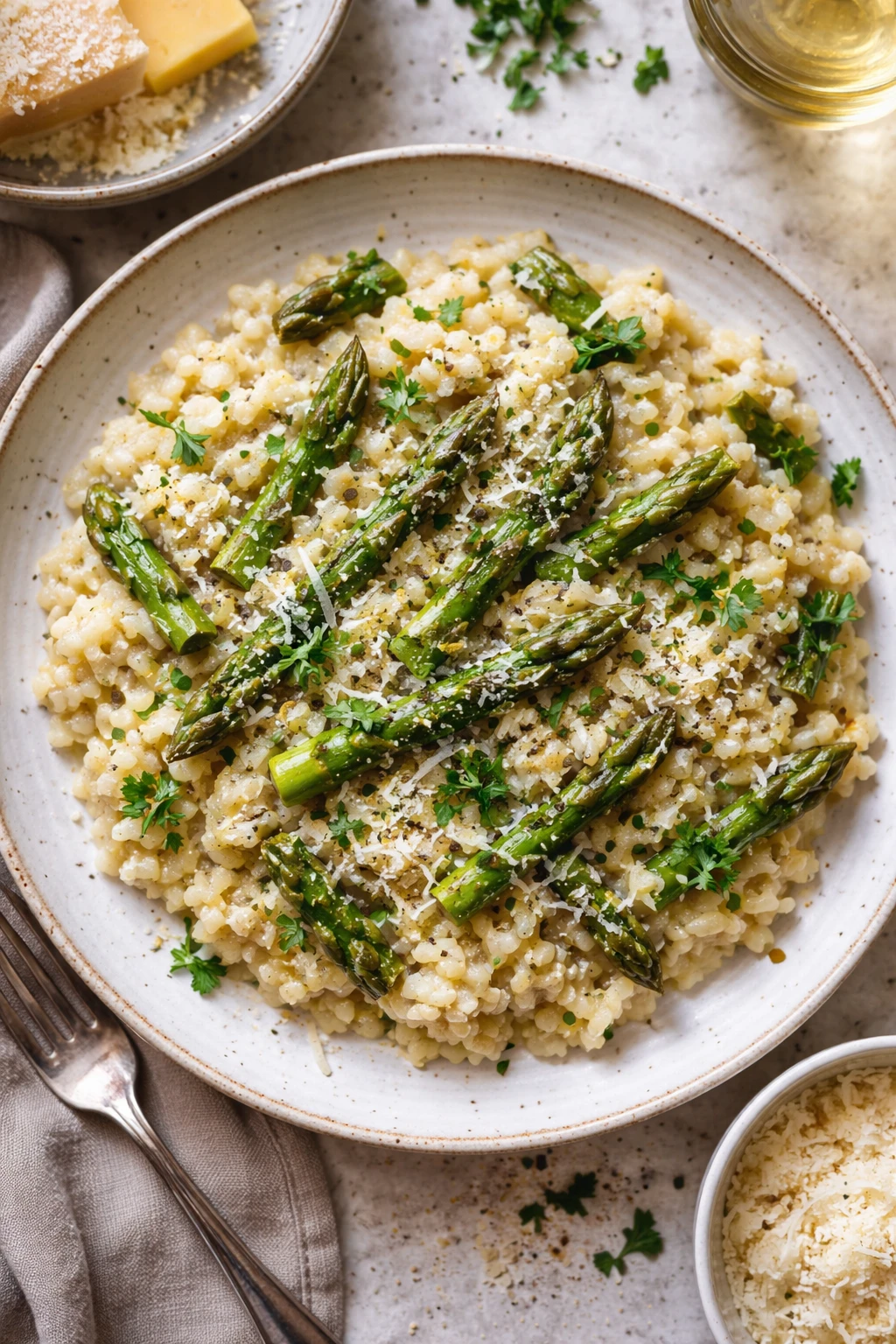
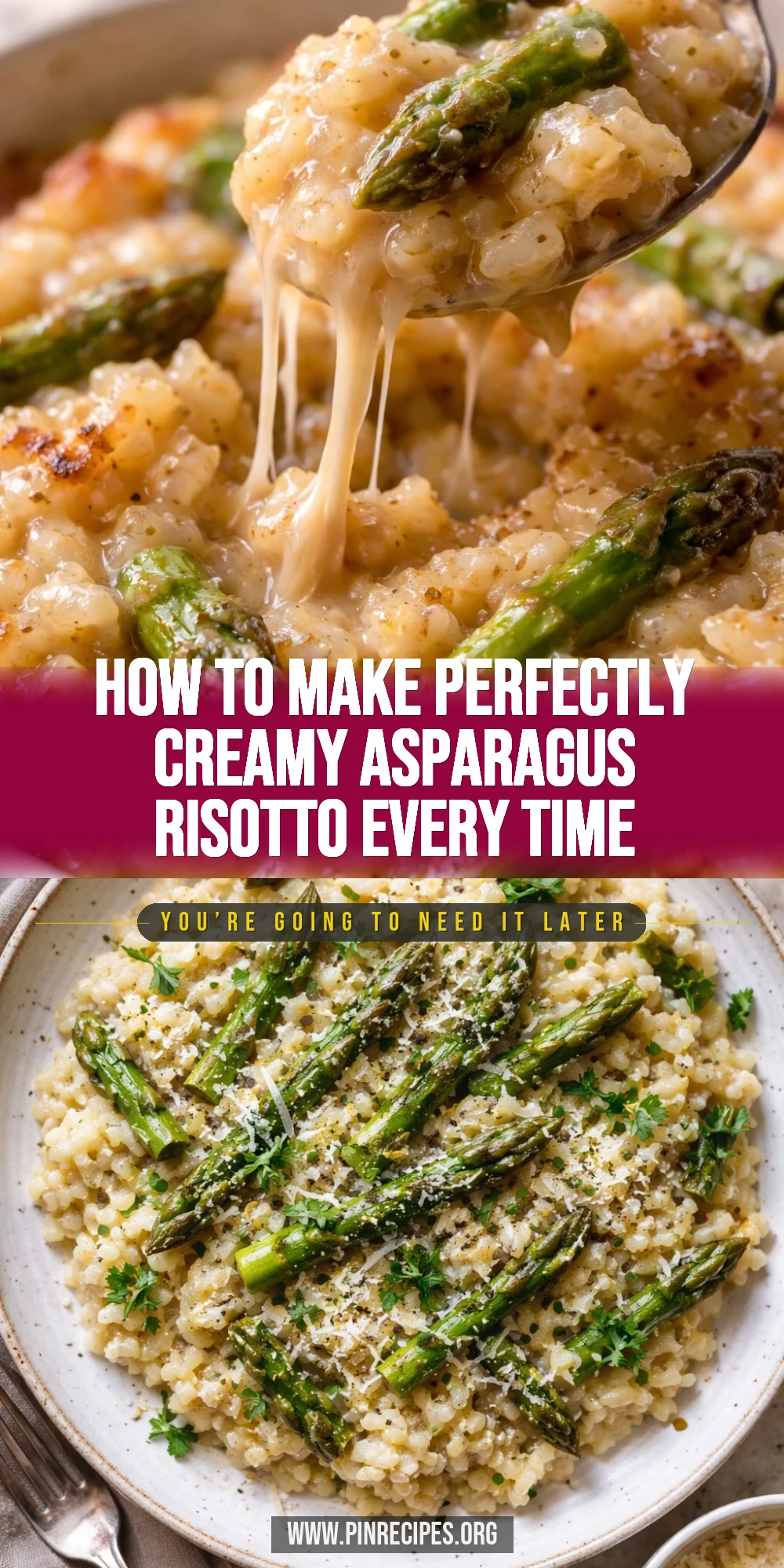
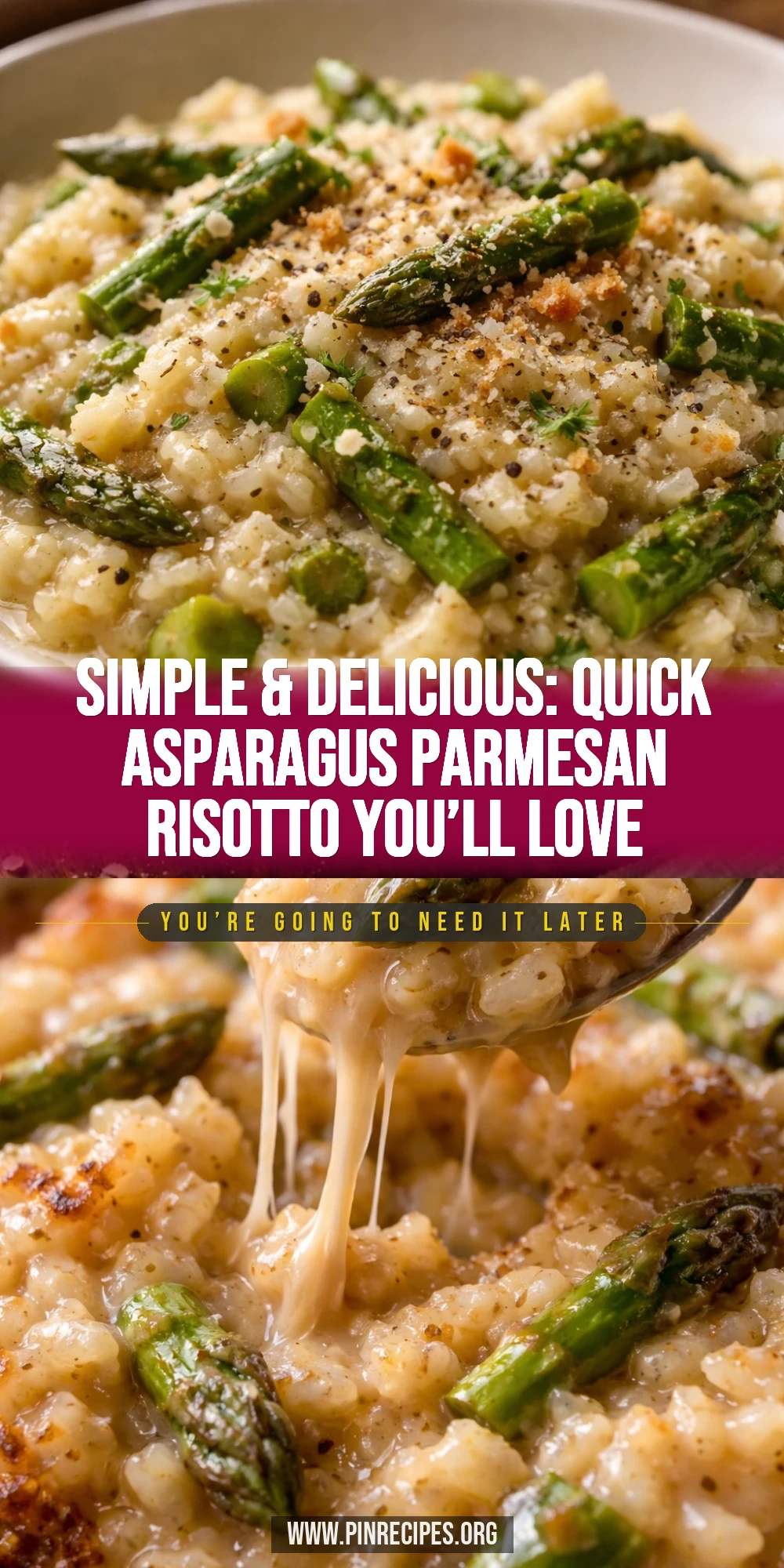
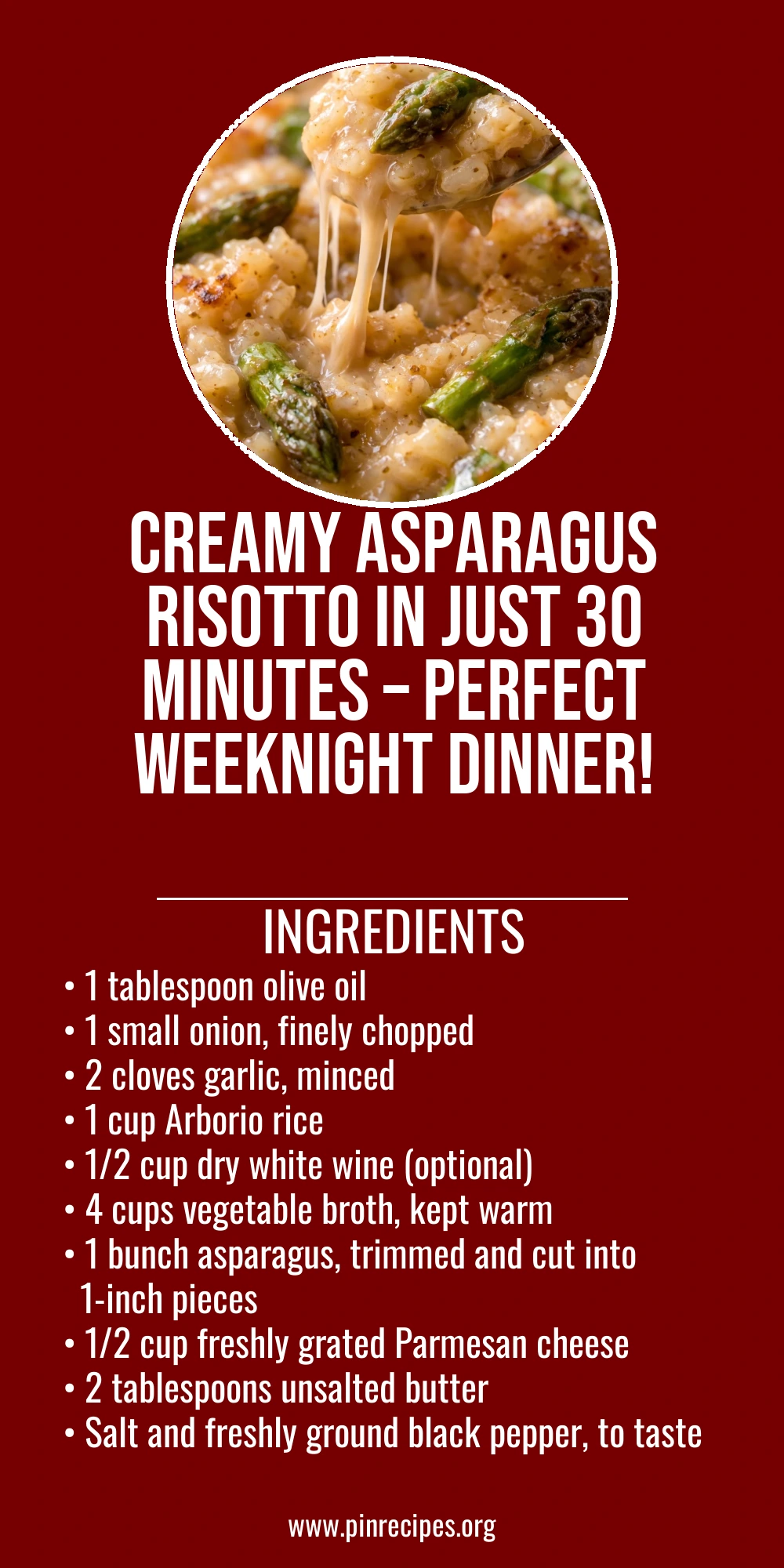
This risotto is my go-to when I want something creamy and comforting but without hours in the kitchen. The fresh asparagus adds a nice crunch and bright flavor, while Parmesan gives it that rich, cheesy finish. Great for a cozy dinner or a special lunch.
Introduction
I first tried making risotto years ago and was intimidated by how long it took and the constant stirring. But then I discovered a quicker method that still gives you that rich, creamy texture without standing over the stove all afternoon. This asparagus risotto became an instant favorite in my house because it’s fresh, comforting, and comes together in about 45 minutes total. The key is using good quality Arborio rice and adding the broth gradually to coax out the starch slowly. I also love that the asparagus adds a nice crunch and fresh flavor that balances the richness of the Parmesan and butter. I’ve tweaked this recipe a few times to get the perfect balance of creaminess and bite. The result is a velvety risotto that’s comforting but not heavy. It’s perfect for a weeknight dinner when you want something special but don’t want to fuss too much. Plus, it looks impressive on the plate, so it’s great for guests too! Just make sure to keep stirring gently and don’t rush the broth absorption – that’s the secret to the perfect creamy texture.
How To Do It
Step 1
Heat the olive oil in a large skillet or wide saucepan over medium heat. Add the finely chopped onion and cook gently, stirring occasionally, until it’s soft and translucent but not browned, about 5-7 minutes. This slow cooking releases the onion’s natural sweetness which builds a flavorful base for the risotto. Avoid turning the heat too high or the onion will burn and add bitterness.
⏱ Time: 7 minutes
✓ Doneness: Onions are soft, translucent, and fragrant without any browning
Step 2
Add the minced garlic to the pan and stir for about 1 minute until fragrant. Then add the Arborio rice and stir well to coat each grain with oil and onion mixture. Toasting the rice like this helps develop a nutty flavor and starts the starch release process, which is essential for creamy risotto. Make sure the rice grains look glossy and slightly translucent at the edges but don’t let them brown.
⏱ Time: 3 minutes
✓ Doneness: Rice grains appear glossy and slightly translucent on edges
Step 3
Pour in the white wine (if using) and stir continuously until it’s mostly absorbed. The wine adds acidity that balances the richness and helps deglaze the pan, lifting any stuck bits of flavor. If you skip the wine, just start adding broth slowly. Don’t rush this step or you’ll miss out on building layers of flavor.
⏱ Time: 3-4 minutes
✓ Doneness: Wine is almost completely absorbed with a gentle sizzle
Step 4
Begin adding the warm vegetable broth one ladle at a time, stirring gently but continuously. Wait until the liquid is almost fully absorbed before adding the next ladle. This slow addition and stirring coax the rice to release its starch gradually, creating that creamy texture risotto is known for. Patience here is key; if you add broth too fast or don’t stir enough, the risotto will be unevenly cooked and less creamy.
⏱ Time: 20 minutes
✓ Doneness: Rice is tender but still has a slight bite, and the mixture is creamy
Step 5
About halfway through the broth additions, stir in the asparagus pieces. Adding asparagus midway keeps them bright green and tender-crisp so they add a fresh pop of texture and flavor rather than turning mushy. Keep stirring gently to incorporate evenly without breaking the stalks.
⏱ Time: 10 minutes
✓ Doneness: Asparagus is bright green and tender but not soft or mushy
Step 6
Once all the broth is absorbed and the rice is creamy with a slight bite, remove the pan from heat. Stir in the butter and freshly grated Parmesan cheese until melted and fully incorporated. This finishing step enriches the risotto and gives it that luscious, velvety mouthfeel. Season with salt and pepper to taste. The cheese also helps thicken the risotto slightly as it cools.
⏱ Time: 3 minutes
✓ Doneness: Risotto is glossy, creamy, and cheesy with balanced seasoning
Step 7
Let the risotto rest for a minute or two off the heat before serving. This allows the flavors to meld and the texture to settle into that perfect creamy consistency. Avoid letting it sit too long or it will thicken too much and lose its silky texture.
⏱ Time: 2 minutes
✓ Doneness: Risotto holds together but is still creamy and spoonable
Step 8
Serve immediately in warmed bowls, garnished with extra Parmesan or a drizzle of good olive oil if you like. Risotto is best enjoyed fresh and hot; it tends to thicken if left to cool but can be loosened with a splash of broth or water when reheated.
⏱ Time: Serve immediately
✓ Doneness: Risotto is hot, creamy, and visually appealing on the plate
Step 9
If you want to add a little extra freshness, sprinkle some chopped fresh herbs like parsley or chives on top just before serving. This adds a nice color contrast and a subtle herbal note that brightens the dish.
⏱ Time: Optional garnish
✓ Doneness: Fresh herbs add vibrant green color and fresh aroma
Pro Tips
Keep your broth warm throughout cooking.
Adding cold broth shocks the rice and slows down the cooking process, which can lead to uneven texture. Warm broth helps maintain a steady simmer and allows the rice to absorb liquid gradually, releasing starch properly for that creamy finish.
Stir gently but consistently while adding broth.
Stirring encourages the rice to release starch and prevents it from sticking or burning on the bottom. However, vigorous stirring can break the grains and make the risotto gluey, so a gentle, rhythmic motion is best.
Toast the rice before adding liquid.
Toasting the rice grains in oil and aromatics coats them and brings out a nutty flavor. It also helps the rice hold its structure during cooking, resulting in a better texture and deeper flavor.
Add asparagus halfway through cooking.
Adding asparagus too early will make it mushy and dull in color. Adding it midway ensures it cooks just enough to be tender-crisp and vibrant, providing a fresh contrast to the creamy risotto.
Use freshly grated Parmesan cheese.
Freshly grated cheese melts more smoothly into the risotto and avoids the graininess that pre-grated cheeses sometimes cause, which can affect the final texture and mouthfeel.
Don’t rush the broth additions.
Patience is key in risotto. Pouring broth too fast prevents proper starch release and results in uneven cooking. Waiting for the liquid to absorb before adding more creates that signature creamy texture.
Finish with butter off the heat.
Adding butter after removing from heat enriches the risotto and creates a silky finish without cooking off the richness. It also helps bind the sauce and cheese together for a smooth texture.
Common Mistakes to Avoid
Adding broth too quickly
Why it happens Many cooks rush to finish risotto faster, thinking more liquid at once will speed up cooking, but this prevents proper starch release and leads to uneven texture.
Fix Add broth one ladle at a time, stirring gently and waiting until nearly absorbed before adding more. This slow process allows the rice to gradually release starch and cook evenly, producing creamy risotto.
Using cold broth
Why it happens Sometimes broth is added straight from the fridge to save time, but cold liquid cools down the pan and disrupts cooking temperature.
Fix Always keep broth warm in a separate pot on low heat. Adding warm broth maintains steady cooking temperature and ensures the rice cooks uniformly.
Not stirring enough
Why it happens Some think risotto requires constant stirring, but others may stir too little, causing rice to stick or cook unevenly.
Fix Stir gently but consistently to keep rice suspended in liquid, preventing sticking and encouraging even starch release. Avoid vigorous stirring which breaks grains.
Overcooking asparagus
Why it happens Adding asparagus too early results in mushy, dull-tasting spears that lose their bright color and texture.
Fix Add asparagus halfway through cooking to keep it tender-crisp and vibrant, creating a nice contrast with creamy rice.
Skipping the finishing butter and cheese
Why it happens Sometimes to cut calories or time, cooks omit the last step, but this leads to less flavorful and less creamy risotto.
Fix Always stir in butter and freshly grated Parmesan off the heat at the end. This enriches the risotto and gives it that silky, luxurious texture.
Variations
Mushroom and Asparagus Risotto
Add sautéed cremini or shiitake mushrooms along with the asparagus for an earthy twist. The mushrooms add umami depth and a meaty texture that pairs beautifully with the creamy risotto and fresh asparagus.
Note: Sauté mushrooms separately until golden and add them to the risotto at the end to avoid excess moisture.
Lemon and Herb Risotto
Stir in fresh lemon zest and chopped herbs like parsley or basil just before serving. This adds a bright, fresh note that lightens the rich Parmesan and asparagus flavors, perfect for spring or summer meals.
Note: Add lemon zest off heat and fresh herbs last to preserve their vibrant flavor.
Vegan Asparagus Risotto
Replace butter with olive oil and use nutritional yeast instead of Parmesan for a dairy-free version. The nutritional yeast adds cheesy flavor without dairy, and olive oil keeps it silky.
Note: Omit cheese and butter, and finish with a drizzle of good-quality olive oil for richness.
Pea and Asparagus Risotto
Add fresh or frozen peas along with the asparagus for a pop of sweetness and extra green color. Peas complement asparagus nicely and add a slightly different texture to the risotto.
Note: Add peas in the last 5 minutes of cooking to keep them tender but vibrant.
Spicy Asparagus Risotto
Add a pinch of red pepper flakes when cooking the onions for a subtle kick. This variation adds warmth and depth without overpowering the delicate asparagus flavor.
Note: Add red pepper flakes early with the onion to infuse the oil and distribute heat evenly.
Nutrition
Per Serving:
Nutritional values are estimates and may vary based on specific ingredients and brands used.
Storage & Tips
Room Temperature
Risotto can safely sit at room temperature for up to 2 hours if covered loosely. Beyond that, bacteria can grow, so refrigerate promptly for food safety.
Refrigerator
Store leftover risotto in an airtight container for up to 3 days. It will thicken as it cools; reheat gently with a splash of broth or water to loosen the texture. Flavor may mellow slightly when cold.
Freezer
Freeze risotto in airtight containers or heavy-duty freezer bags for up to 2 months. Thaw overnight in the fridge. Texture may change slightly but reheating with broth helps restore creaminess.
Reheating
Reheat risotto gently on the stovetop over low heat, stirring often and adding broth or water as needed to loosen. Microwave works too but stir halfway through. Avoid high heat to prevent drying out or burning.
Make Ahead
You can prepare the risotto base (onions, rice toasted, and initial broth added) a day ahead and refrigerate. Add asparagus, finish cooking, and stir in butter and Parmesan just before serving for fresher texture.
FAQ
Can I use regular long-grain rice instead of Arborio?
Long-grain rice doesn’t have the same starch content as Arborio and won’t produce the creamy texture risotto is known for. It will cook differently and won’t absorb liquid the same way, resulting in a less creamy, more separate grain dish.
What if I don’t have white wine? Can I skip it?
Yes, you can skip the wine and just start adding broth after toasting the rice. The wine adds acidity and flavor depth, but the risotto will still be delicious without it.
How do I know when the risotto is done?
The rice should be tender but still have a slight bite (al dente) and the overall texture should be creamy and loose, not dry or mushy. Taste a few grains to check doneness.
Can I make this risotto vegan?
Absolutely! Replace butter with olive oil and use nutritional yeast or vegan cheese instead of Parmesan. The texture will be slightly different but still delicious and creamy.
Why is my risotto sometimes gluey or sticky?
Over-stirring vigorously or adding too much liquid at once can break down the rice grains too much, releasing excess starch and creating a gluey texture. Stir gently and add broth gradually.
Can I prepare risotto ahead of time?
You can prep the base ingredients ahead but risotto is best served fresh. If made ahead, reheat gently with broth and stir well to restore creaminess.
What’s the best way to store leftover risotto?
Store in an airtight container in the fridge for up to 3 days. Reheat with a splash of broth to loosen. You can also freeze for up to 2 months but texture may change slightly.
How do I keep asparagus bright green and tender in risotto?
Add asparagus halfway through cooking to avoid overcooking. This keeps it tender-crisp and preserves its bright color and fresh flavor.
Final Thoughts
Give this quick and creamy asparagus risotto a try—you’ll love how easy it is to make and how comforting it feels. I’d love to hear how yours turns out!