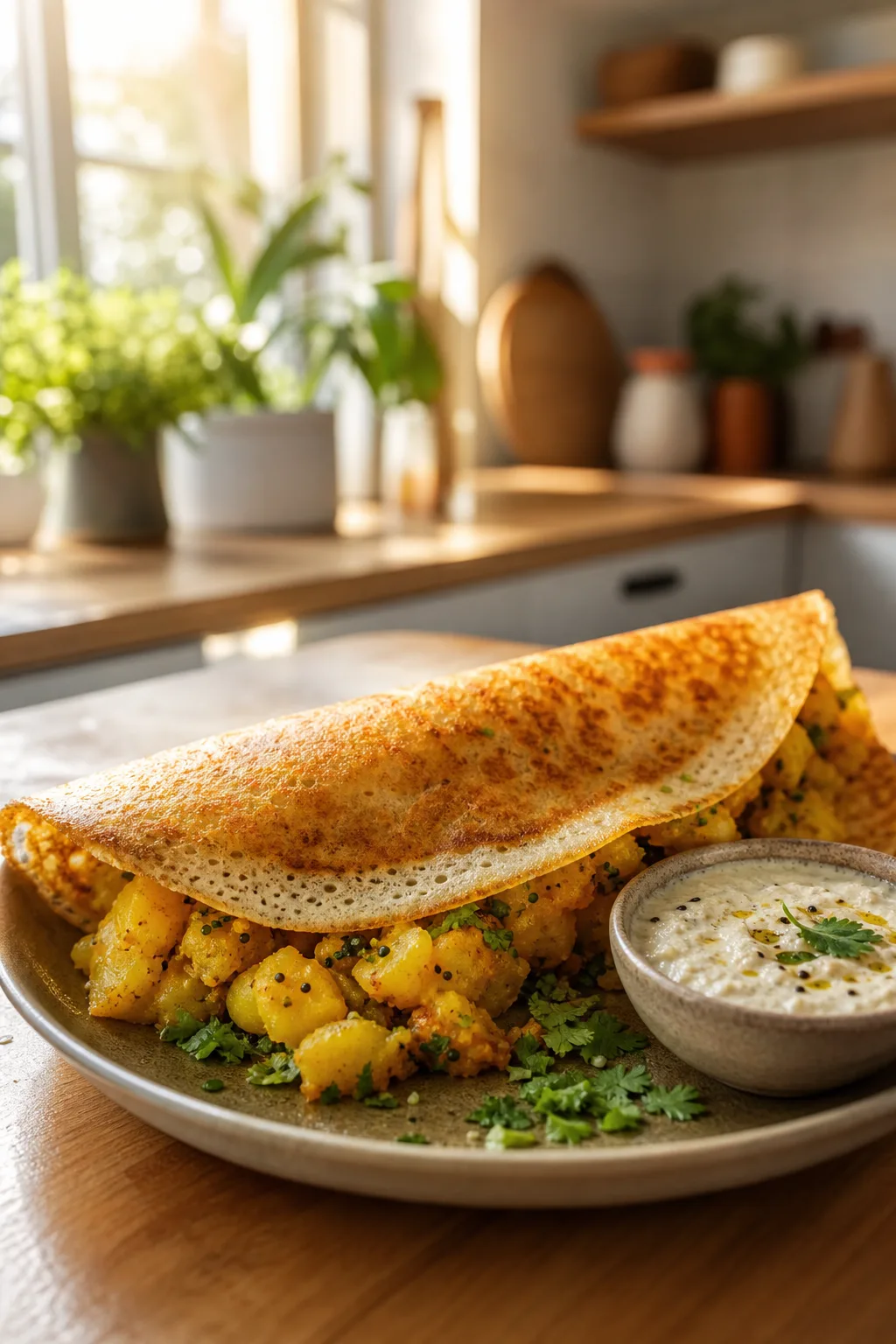
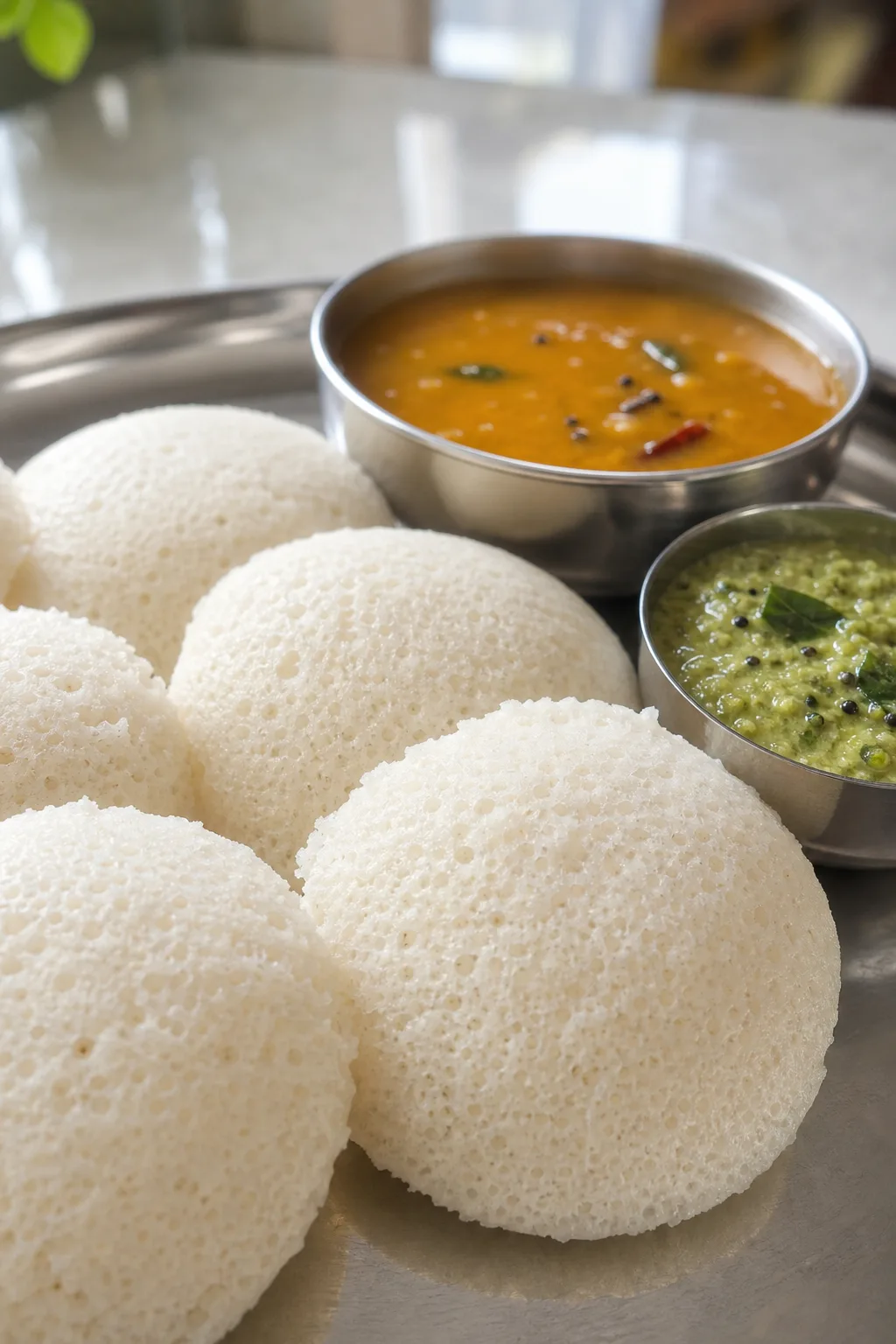
These quick Indian breakfast recipes for kids are packed with flavor and nutrition. I love how simple ingredients come together for a wholesome start to the day. Perfect for busy mornings when you want something tasty and fast!
Introduction
I first started making quick Indian breakfasts for my kids when mornings were a whirlwind of getting everyone ready for school. I wanted something nutritious but fast, and these recipes quickly became a lifesaver. What sets my version apart is the use of fresh veggies and a little ghee for richness without extra fuss. I love that these dishes are not only easy to prepare but also appealing to kids who can be picky eaters. The trick I learned early on was to keep the texture soft and the flavors mild but interesting, so my kids actually ask for seconds. Whether it’s a warm bowl of upma or a fluffy idli with chutney, these breakfasts feel comforting and satisfying. Plus, they’re perfect for busy mornings when you need something quick but wholesome. I hope you find these recipes as helpful and delicious as my family does!
How To Do It
Step 1
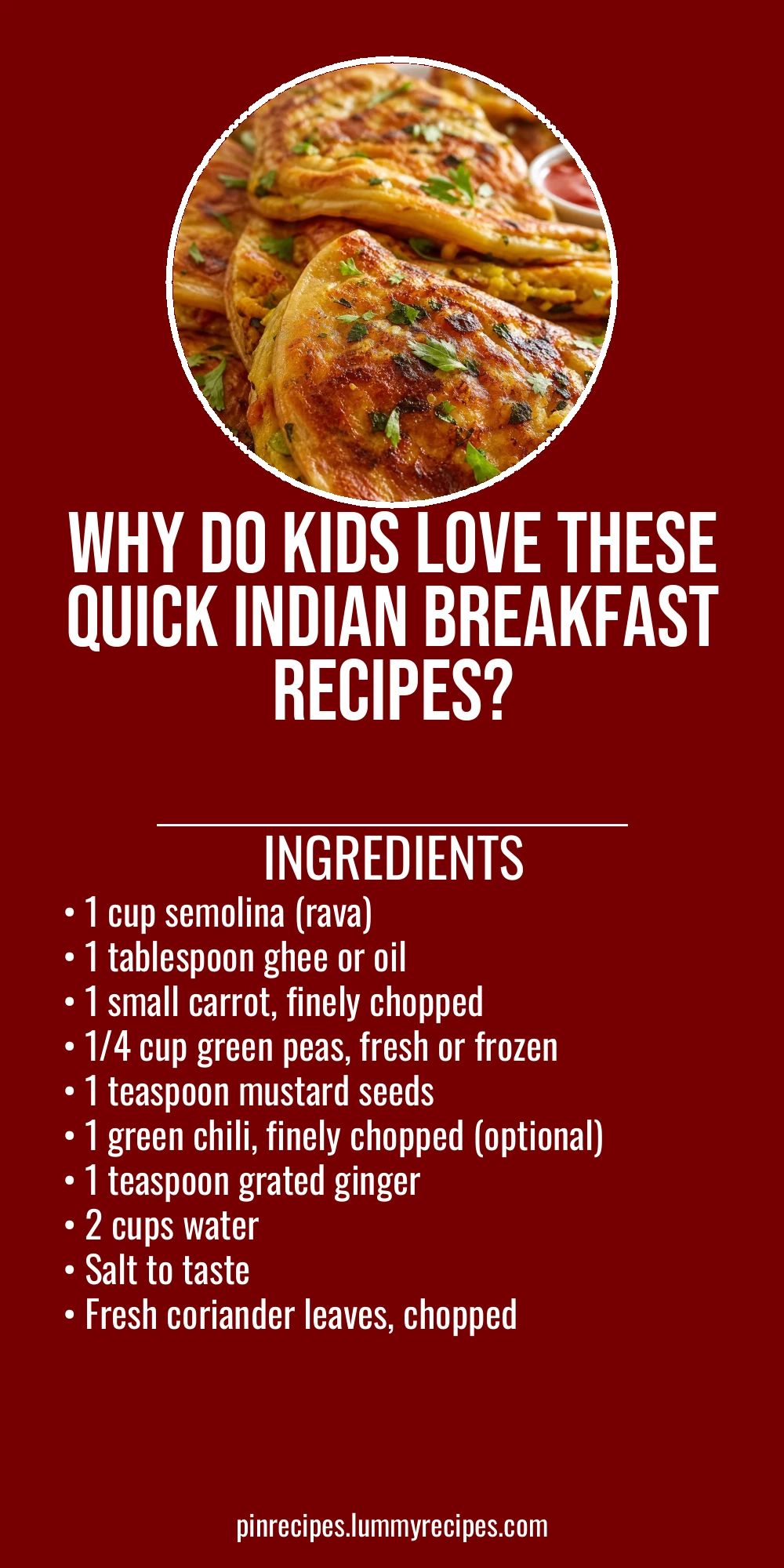
Start by roasting the semolina in a dry pan over medium heat for about 3-4 minutes until it turns light golden and releases a nutty aroma. This step is crucial because it prevents the semolina from becoming mushy when cooked and adds a subtle depth of flavor. Stir constantly to avoid burning and watch for the color change carefully. Once roasted, remove from heat and set aside.
⏱ Time: 5
✓ Doneness: Semolina should be lightly golden and fragrant, not browned or burnt.
Step 2
In the same pan, heat ghee or oil and add mustard seeds. When they start to pop, add chopped green chili and grated ginger, sautéing briefly to release their aroma. Then add the chopped carrot and peas, cooking for 2-3 minutes until tender but still vibrant. This adds texture and nutrition to the dish. Be careful not to overcook the veggies to keep their color and crunch.
⏱ Time: 5
✓ Doneness: Vegetables should be softened yet colorful and slightly crisp.
Step 3
Slowly pour in 2 cups of water and add salt to taste. Bring the mixture to a gentle boil. This liquid will cook the semolina and create the right consistency. Avoid rushing this step to prevent lumps. Once boiling, reduce heat to low.
⏱ Time: 3
✓ Doneness: Water should be at a rolling boil before adding semolina.
Step 4
Gradually sprinkle the roasted semolina into the boiling water while stirring continuously with a whisk or spoon. This prevents clumping and ensures a smooth texture. Stir vigorously for 2-3 minutes until the mixture thickens and semolina is cooked through. The upma should be soft but not watery.
⏱ Time: 5
✓ Doneness: Upma thickens and pulls away slightly from the pan edges.
Step 5
Turn off the heat and cover the pan. Let the upma sit for 2 minutes to absorb any remaining moisture. This resting step helps the texture set perfectly. After resting, fluff it with a fork and stir in fresh chopped coriander for brightness.
⏱ Time: 2
✓ Doneness: Upma is fluffy and moist without being sticky.
Step 6
Serve the upma warm with a side of yogurt or chutney if desired. The mild flavors and soft texture make it ideal for kids. You can also add a squeeze of lemon for a fresh tang if your kids like it. Enjoy immediately for best taste.
⏱ Time: 1
✓ Doneness: Dish should be served warm and fresh.
Step 7
For aloo paratha, prepare dough with whole wheat flour and water, kneading until smooth. Let it rest covered for 20 minutes. Resting the dough relaxes gluten, making the paratha softer and easier to roll.
⏱ Time: 20
✓ Doneness: Dough is smooth, elastic, and not sticky.
Step 8
Make the potato filling by boiling and mashing potatoes, mixing with mild spices like cumin, coriander, and salt. Avoid over-spicing to keep it kid-friendly. The filling should be moist but not wet to prevent tearing the dough.
⏱ Time: 10
✓ Doneness: Filling is smooth and holds together without being crumbly.
Step 9
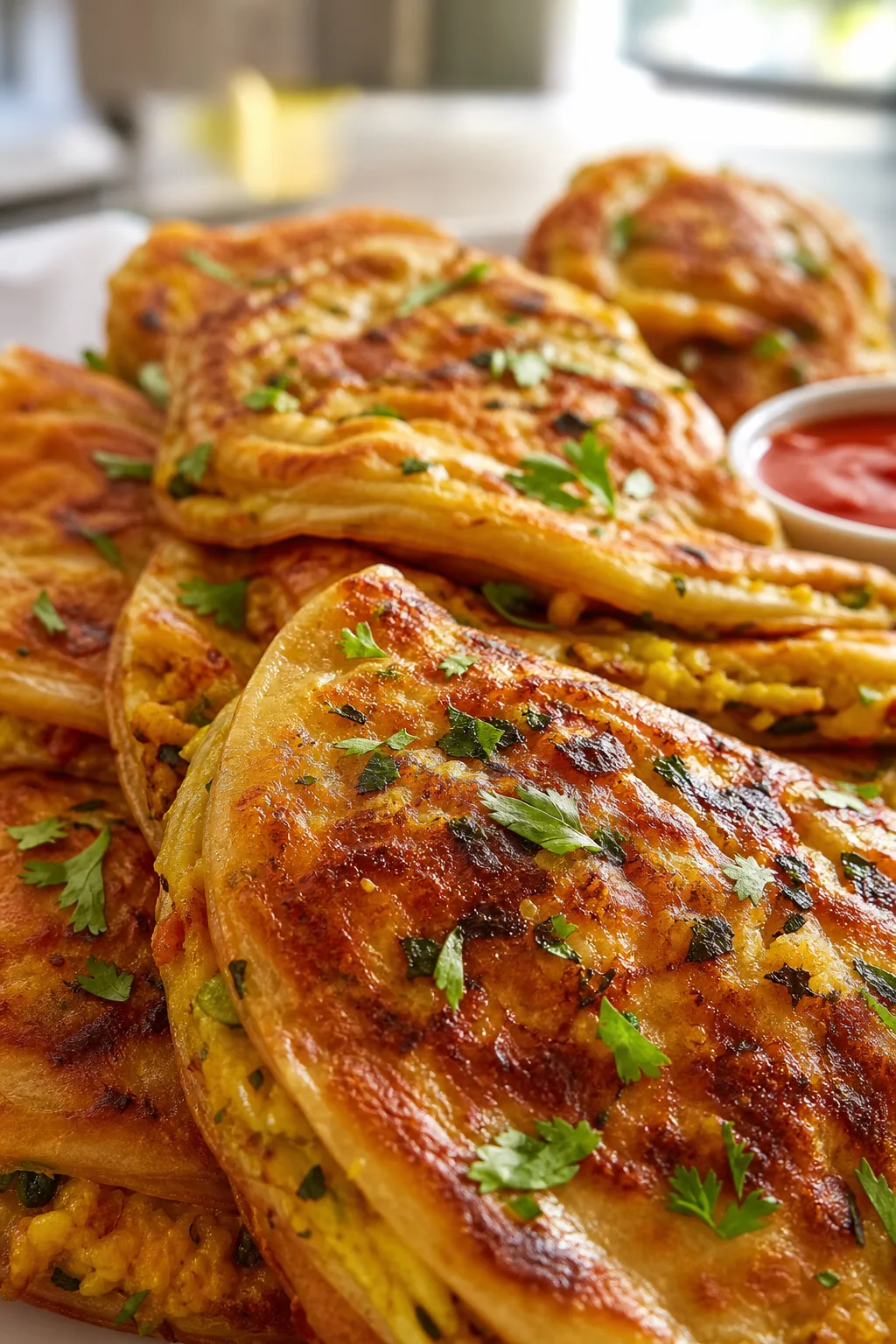
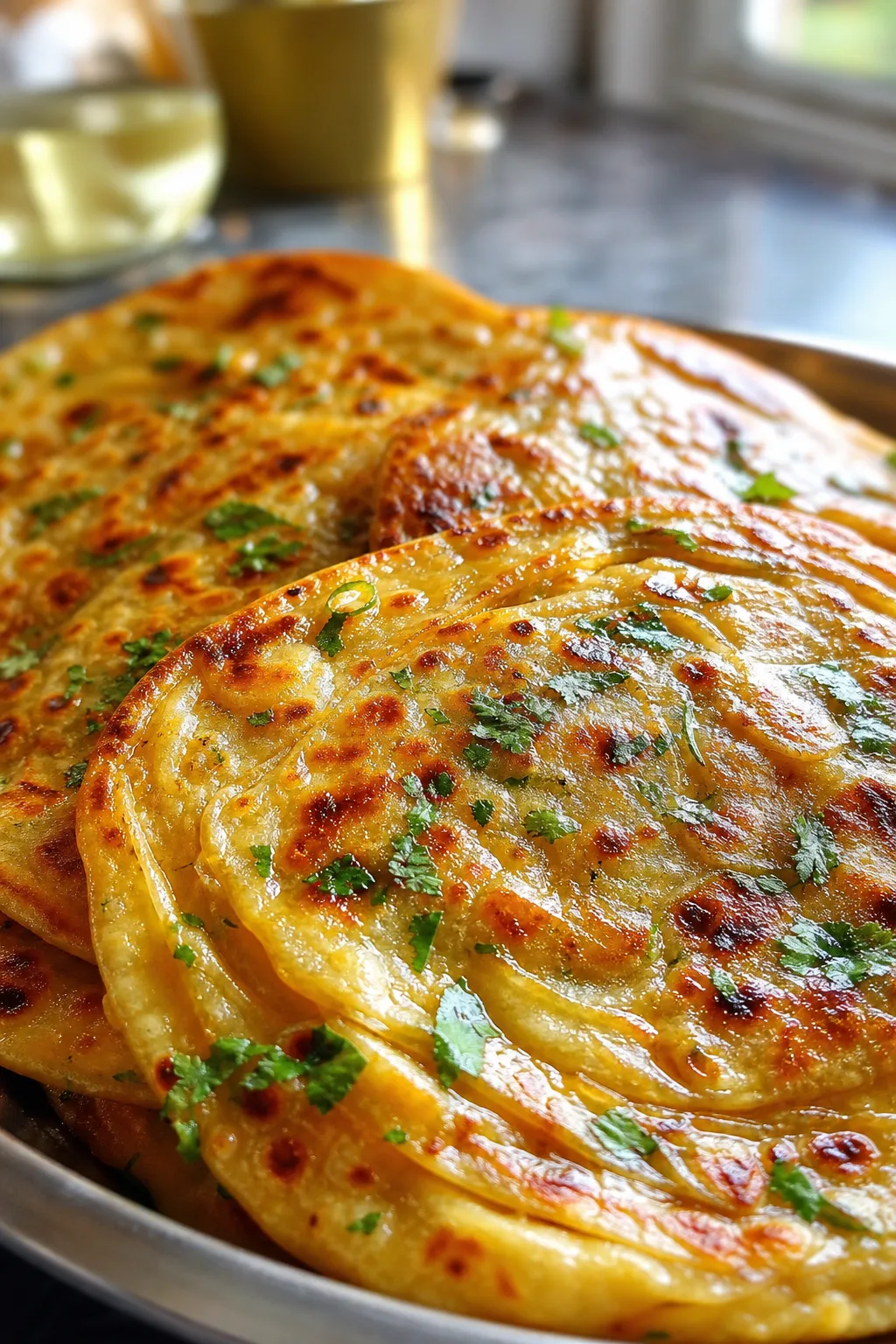
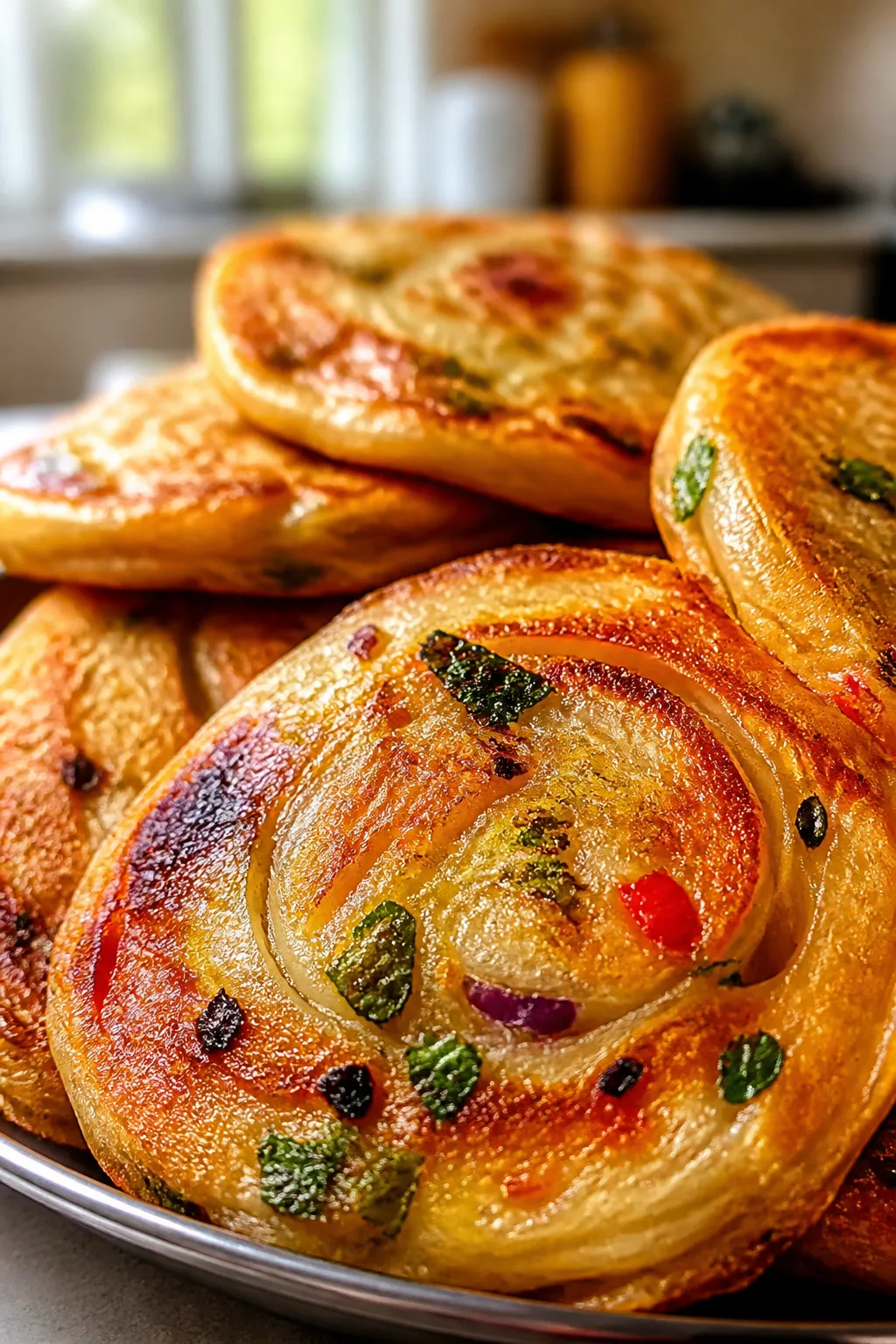
Roll out the dough into small circles, place a spoonful of potato filling in the center, then fold and seal the edges. Roll gently to flatten into a paratha shape. Cook on a hot griddle with a little ghee until golden brown on both sides. The ghee adds flavor and crispness kids love.
⏱ Time: 10
✓ Doneness: Paratha is golden with some crispy spots and cooked through.
Pro Tips
Always roast semolina before cooking upma.
Roasting semolina drives off excess moisture and prevents clumping when cooked, resulting in a fluffy, separate grain texture rather than a gummy mass. It also adds a toasty flavor that makes the dish more complex.
Use fresh vegetables finely chopped for quick cooking.
Smaller vegetable pieces cook evenly and quickly, preserving color and texture. This keeps the dish visually appealing and adds a slight crunch that kids enjoy, enhancing the overall eating experience.
Let dough rest before rolling parathas.
Resting relaxes gluten strands in the dough, making it softer and easier to roll without shrinking back. This leads to tender, pliable parathas with a better texture after cooking.
Temper spices in hot ghee at the start.
Heating mustard seeds and spices in ghee releases their essential oils and aromas, infusing the dish with deep flavor. Starting with this step ensures even flavor distribution.
Add fresh coriander at the end.
Fresh herbs lose their bright flavor if cooked too long. Adding coriander just before serving preserves its fresh aroma and vibrant color, enhancing the dish's appeal.
Cook upma on low heat after adding semolina.
Low heat prevents burning and allows semolina to absorb water evenly, resulting in a creamy yet fluffy texture. Stirring continuously avoids lumps and scorching.
Use ghee or butter to cook parathas for flavor and crispness.
Ghee adds a rich, nutty flavor and helps achieve a golden, crispy exterior while keeping the inside soft. Butter is a good substitute but may brown faster.
Common Mistakes to Avoid
Skipping roasting semolina
Why it happens Many cooks overlook this step thinking it’s unnecessary or to save time, not realizing it affects texture.
Fix Always dry roast semolina until fragrant and lightly golden. This prevents lumps and gives a better mouthfeel.
Adding semolina too quickly to water
Why it happens Rushing leads to clumps forming and uneven cooking.
Fix Slowly sprinkle semolina while stirring continuously to ensure even hydration and smooth texture.
Overcooking or undercooking vegetables
Why it happens Not monitoring cooking time or heat leads to mushy or hard veggies.
Fix Cook vegetables just until tender but still vibrant, usually 2-3 minutes, for best texture and flavor.
Not resting dough before rolling parathas
Why it happens Impatience or lack of planning causes tough, shrinking dough.
Fix Allow dough to rest covered for at least 20 minutes to relax gluten for easier rolling and tender parathas.
Using too much water when cooking upma
Why it happens Guesswork or skipping measurements can make the dish watery or dry.
Fix Measure water carefully and adjust gradually. The final texture should be moist but not runny.
Variations
Vegetable Upma with Mixed Veggies
Add finely chopped beans, corn, and bell peppers along with carrots and peas for a colorful, nutrient-dense upma. The extra veggies add texture and flavor, making it even more appealing to kids.
Note: Adjust cooking time slightly to ensure all vegetables are tender but not mushy.
Cheese Stuffed Aloo Paratha
Mix grated mild cheese into the potato filling for a gooey, kid-friendly twist. The melted cheese adds richness and makes the paratha extra delicious.
Note: Seal edges well to prevent cheese from oozing out during cooking.
Idli with Vegetable Puree
Incorporate pureed carrots or spinach into the idli batter for added nutrition and color. This variation is a sneaky way to get veggies into picky eaters.
Note: Adjust water in batter to maintain proper consistency when adding puree.
Sweet Upma with Jaggery and Coconut
Make a sweet version by adding grated jaggery and coconut flakes instead of vegetables. This is a comforting breakfast treat kids often enjoy.
Note: Skip mustard seeds and spices; roast semolina lightly and add jaggery syrup at the end.
Moong Dal Cheela Pancakes
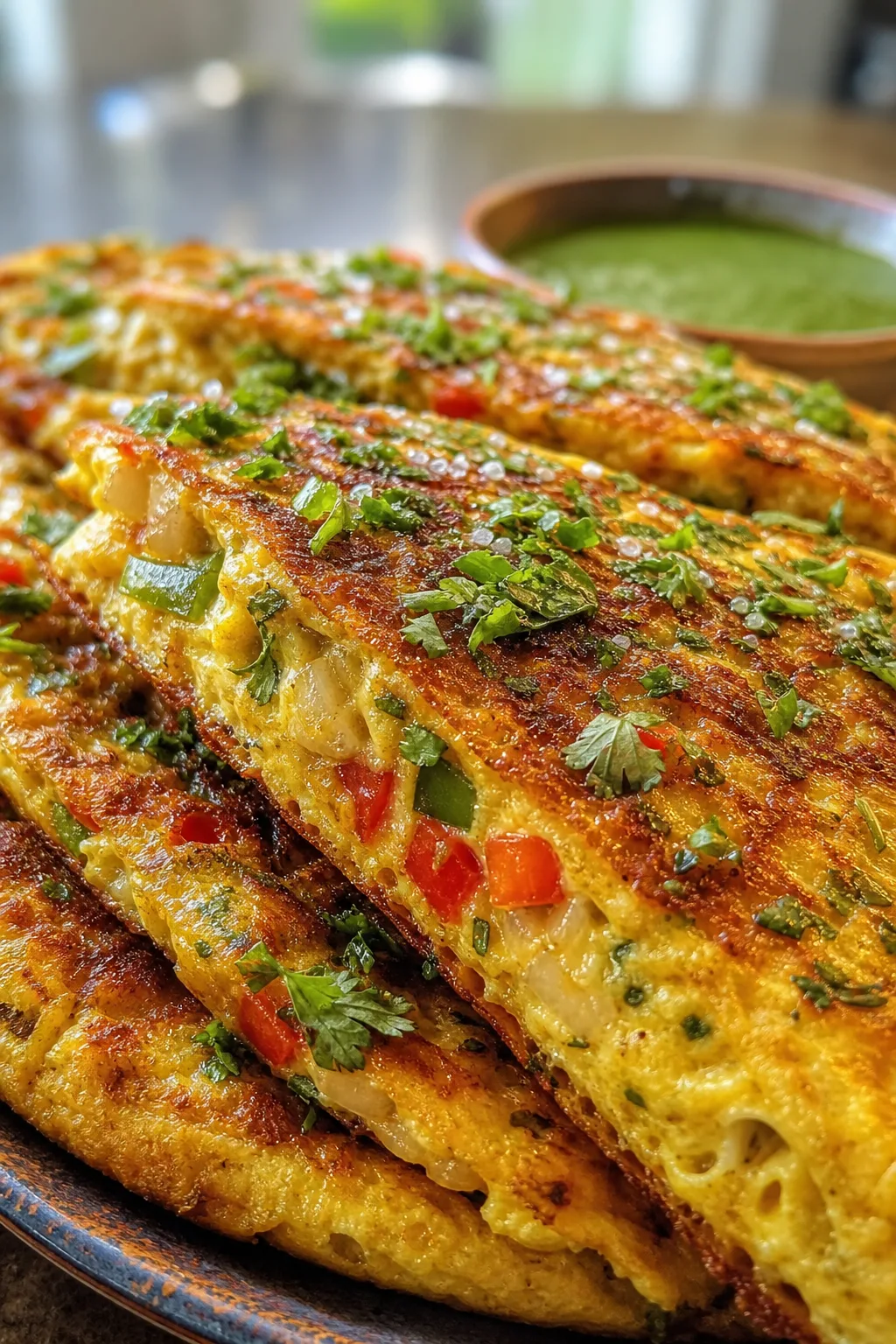
Use soaked and ground moong dal batter to make savory pancakes filled with finely chopped veggies. These are quick, protein-rich, and kid-approved.
Note: Cook on medium heat to ensure they cook through without burning.
Nutrition
Per Serving:
Nutritional values are estimates and may vary based on specific ingredients used.
Storage & Tips
Room Temperature
Upma and parathas can be kept covered at room temperature for up to 4 hours. Avoid leaving them out longer to prevent spoilage, especially in warm climates.
Refrigerator
Store leftovers in airtight containers for up to 2 days. Upma may thicken in the fridge; reheat with a splash of water to loosen. Parathas can be reheated on a skillet or microwave but may lose crispness.
Freezer
Freeze parathas individually wrapped in foil or plastic wrap for up to 1 month. Thaw overnight in the fridge and reheat on a skillet for best texture. Upma is best eaten fresh and is not ideal for freezing.
Reheating
Reheat upma in a pan over low heat with a little water, stirring occasionally until warm. For parathas, reheat on a hot skillet with a little ghee or oil until crispy and heated through. Avoid microwaving parathas without moisture as they can become tough.
Make Ahead
Prepare the dough and potato filling for parathas a day ahead and refrigerate separately. Assemble and cook fresh in the morning. Upma ingredients can be pre-chopped, and semolina roasted in advance to speed up cooking.
FAQ
Can I make these recipes gluten-free?
Traditional semolina and whole wheat flour contain gluten. For gluten-free options, use rice flour or millet flour for upma and paratha dough, respectively. Note that texture and flavor will differ, and cooking times may need adjustment.
How can I make the dishes less spicy for kids?
Simply omit or reduce green chili and use mild spices. You can also add a little yogurt or coconut milk to mellow flavors. Fresh herbs add aroma without heat.
What can I substitute for ghee?
Butter or neutral oils like vegetable or canola oil can be used. Ghee adds a distinctive flavor and aroma, but these substitutes work fine if unavailable.
Can I prepare these recipes ahead of time?
Yes, dough and fillings for parathas can be made a day ahead. Upma ingredients can be prepped in advance, but it’s best cooked fresh for optimal texture and flavor.
How do I prevent lumps in upma?
Roast semolina well and add it slowly to boiling water while stirring continuously. Using a whisk helps break up lumps and ensures a smooth texture.
What side dishes pair well with these breakfasts?
Yogurt, coconut chutney, sambar, or mild pickles complement these dishes well, adding moisture and flavor variety.
How do I store leftover parathas?
Cool completely, then store in an airtight container in the fridge for up to 2 days or freeze for longer storage. Reheat on a skillet for best texture.
Can I add protein to these breakfasts?
Yes, add cooked lentils or moong dal to upma or serve with a side of boiled eggs or paneer for extra protein.
Final Thoughts
I hope you enjoy these quick Indian breakfast recipes as much as my family does. They’re simple, wholesome, and perfect for busy mornings. Give them a try and share how your kids like them!