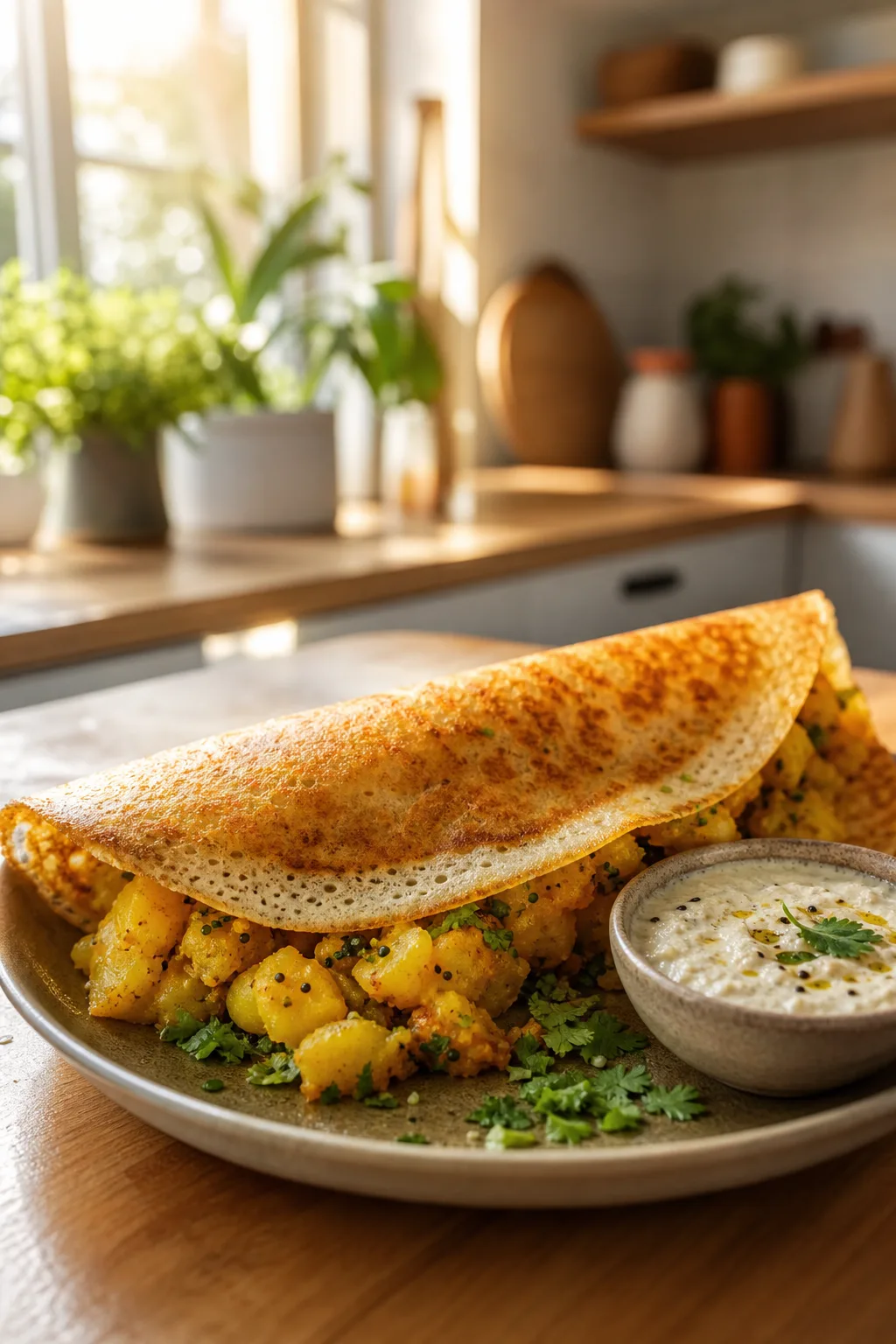
This quick Indian vegetarian breakfast is packed with flavor and perfect for busy mornings. The crispy masala dosa with its spiced potato filling is a comforting classic that’s easy to whip up. Great for a wholesome start to your day!
Introduction
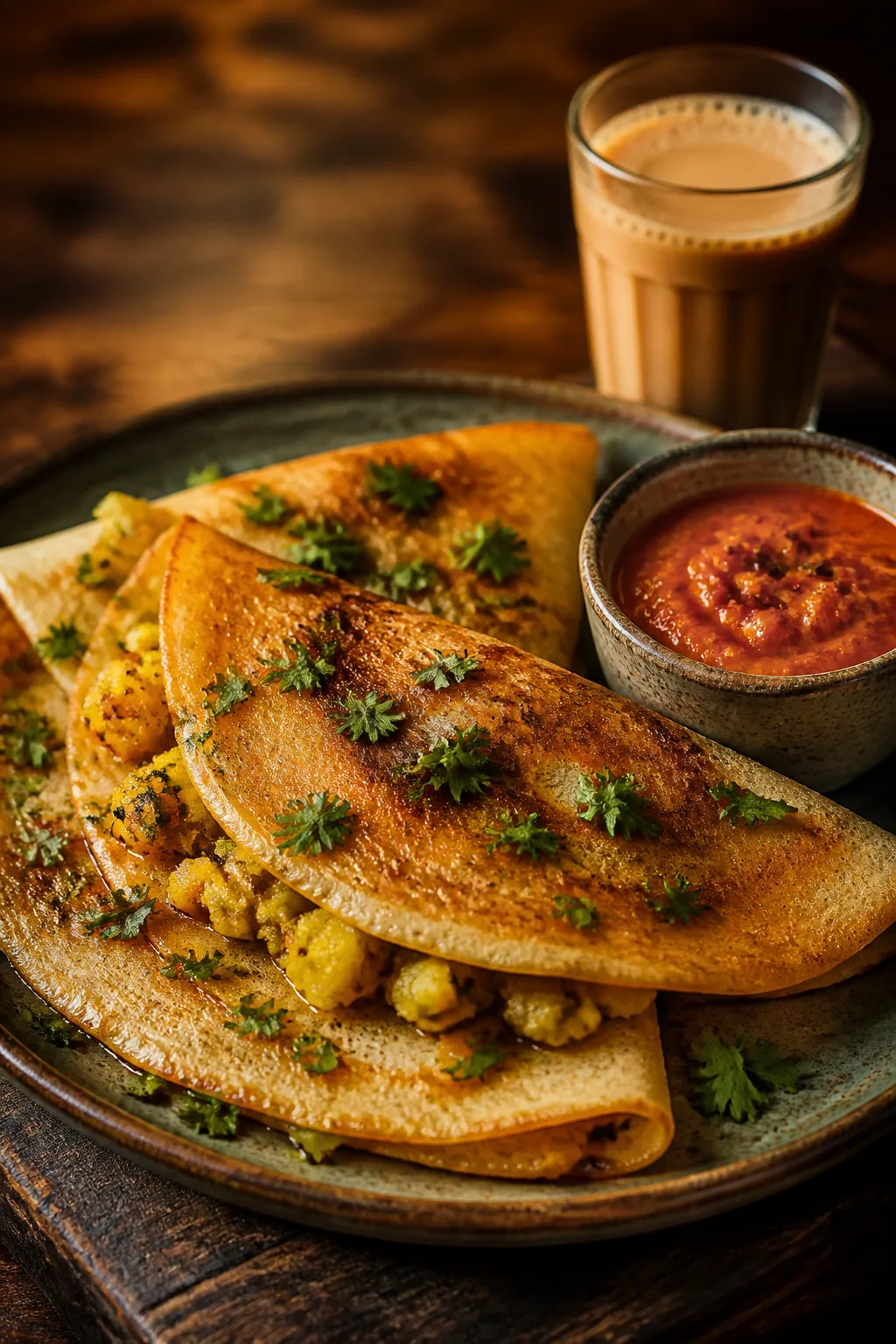
I've been making this quick Indian vegetarian breakfast for years, especially on busy mornings when I want something comforting yet fast. The first time I tried making masala dosa at home, I was intimidated by the batter fermentation and the delicate cooking technique. But over time, I found a simple shortcut by soaking rice and urad dal together and blending them fresh, skipping the long ferment. The spiced potato filling is my family's favorite part – the mustard seeds and turmeric bring warmth and color that make it feel like a special treat. What sets this recipe apart is how the dosa turns out perfectly crispy on the edges while staying soft in the middle, thanks to a little ghee and the right pan temperature. It’s a classic South Indian breakfast that’s vegetarian, wholesome, and full of flavor. I love serving it with homemade coconut chutney and a hot cup of chai for a cozy start. Plus, this recipe is forgiving enough for beginners but delicious enough for longtime fans of Indian cuisine. Whether you’re new to dosa or looking for a quick weekday meal, this recipe will become a go-to in your kitchen.
What You'll Need
Approximately 8 medium dosas, serves 4
- 1 cup rice, soaked for 4 hours
- 1/4 cup urad dal (split black gram), soaked for 4 hours
- 1/2 teaspoon fenugreek seeds
- Salt to taste
- 2 medium potatoes, boiled and mashed
- 1 small onion, finely chopped
- 1 green chili, finely chopped
- 1/2 teaspoon mustard seeds
- 1/2 teaspoon turmeric powder
- 1 tablespoon oil
- Fresh coriander leaves, chopped
- Ghee or oil for cooking dosa
- Coconut chutney for serving
How To Do It
Step 1
Start by soaking the rice, urad dal, and fenugreek seeds in water for at least 4 hours or overnight. This softens the grains and helps with fermentation if you choose to ferment the batter. After soaking, drain and blend the mixture with a little water to a smooth batter consistency, similar to pancake batter. Add salt and mix well. The soaking and blending process is critical because it affects the dosa's texture; too thick or too thin batter will not spread or crisp properly. If you have time, let the batter rest for a few hours at room temperature to develop a subtle tang, but you can also use it fresh for a quicker version.
⏱ Time: 20 minutes (plus soaking time)
✓ Doneness: Batter should be smooth, pourable but not runny, with no lumps.
Step 2
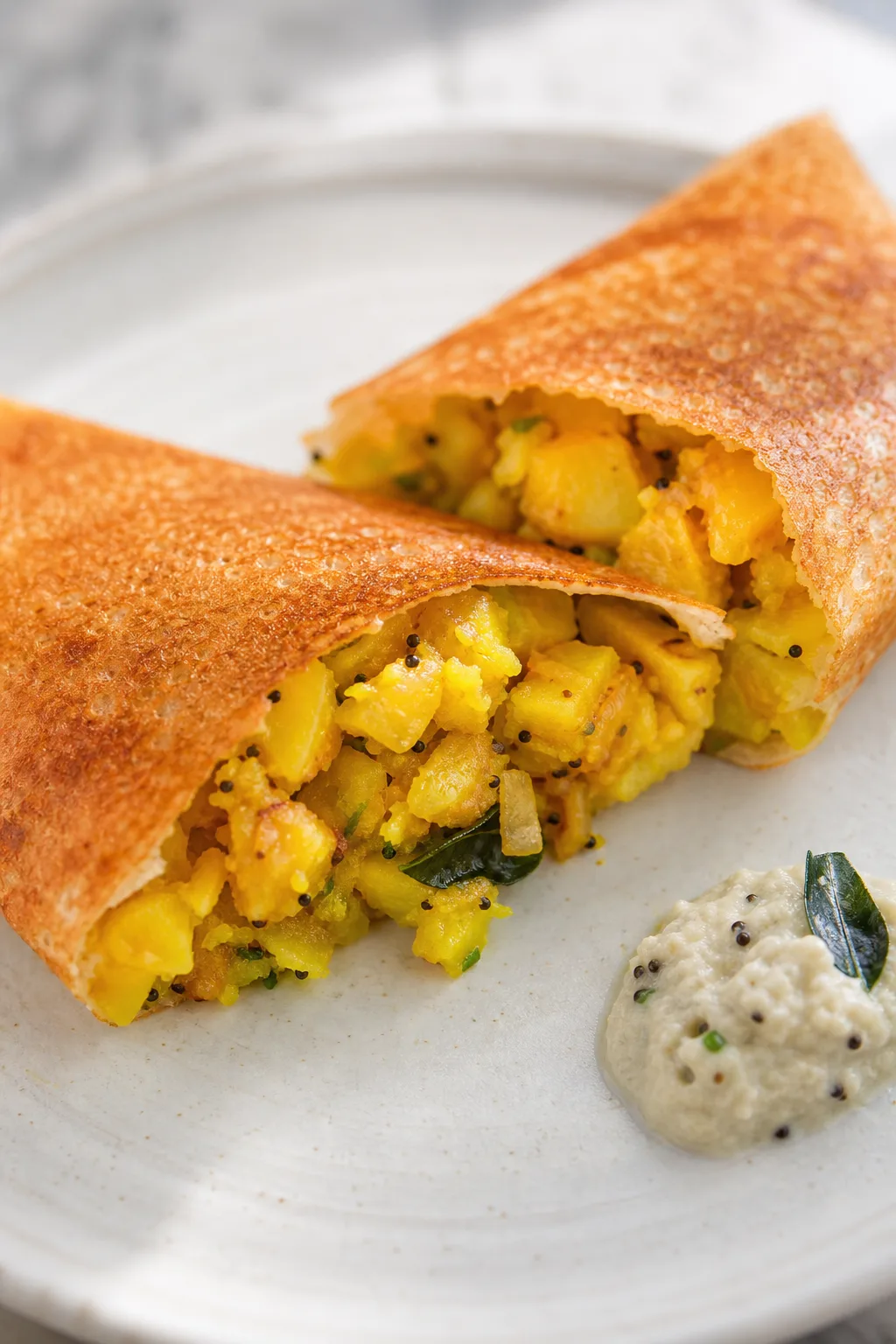
Prepare the potato filling by heating oil in a pan. Add mustard seeds and wait until they crackle. Then add chopped onions and green chili, sauté until translucent. Mix in turmeric powder and mashed potatoes, stir well to combine and heat through. Season with salt and garnish with fresh coriander. This step infuses the filling with warm spices and a bit of crunch from the mustard seeds, balancing the soft potatoes perfectly. Avoid overcooking the potatoes to keep the filling moist and flavorful.
⏱ Time: 10 minutes
✓ Doneness: Filling should be warm, fragrant, and evenly mixed with no raw onion smell.
Step 3
Heat a non-stick or cast iron skillet over medium-high heat until hot. Lightly grease with ghee or oil. Pour a ladleful of batter onto the pan and spread it thin in a circular motion. Cook until the edges lift and become golden brown and crispy. Flip carefully if desired, but traditionally dosa is cooked on one side only. The right pan temperature and spreading technique are key to getting a crispy dosa without burning. If the pan is too cold, the dosa will be soggy; too hot, it will burn quickly.
⏱ Time: 3-4 minutes per dosa
✓ Doneness: Edges are crisp and golden, surface has brown spots, and dosa lifts easily from the pan.
Step 4
Place a spoonful of the potato filling in the center of the dosa and fold it over or roll it up. Serve immediately with coconut chutney or your favorite accompaniments. The filling should be warm and moist to contrast with the crisp dosa shell. Serving right away keeps the dosa crispy and the flavors fresh.
⏱ Time: 2 minutes
✓ Doneness: Dosa remains crisp, filling is hot and flavorful.
Step 5
To make coconut chutney, blend fresh grated coconut with green chilies, ginger, roasted chana dal, and salt, adding water to reach a smooth consistency. Temper with mustard seeds and curry leaves fried in oil for an authentic flavor. This chutney adds a cooling, creamy contrast to the spicy dosa filling. Freshness of the coconut is essential for the best taste.
⏱ Time: 10 minutes
✓ Doneness: Chutney is smooth with a vibrant white color and aromatic tempering.
Step 6
If you want to ferment the batter, cover it and leave it in a warm place for 8-12 hours until it becomes bubbly and slightly sour. Fermentation improves the dosa’s texture and flavor, making it lighter and crispier. This step is optional if you’re short on time but recommended for authentic taste.
⏱ Time: 8-12 hours (optional)
✓ Doneness: Batter shows bubbles and a slight sour aroma.
Step 7
Adjust the consistency of the batter before cooking by adding a little water if it has thickened after resting. The batter should be pourable but not watery. Proper consistency ensures the dosa spreads evenly and crisps up nicely without tearing.
⏱ Time: 2 minutes
✓ Doneness: Batter flows easily from the ladle and spreads smoothly on the pan.
Step 8
Clean your pan between dosas if needed by wiping with a paper towel to remove residue. This prevents sticking and helps maintain even cooking for each dosa. A clean surface is crucial for the perfect crisp texture.
⏱ Time: 1 minute between dosas
✓ Doneness: Pan surface looks clean and slightly oiled.
Step 9
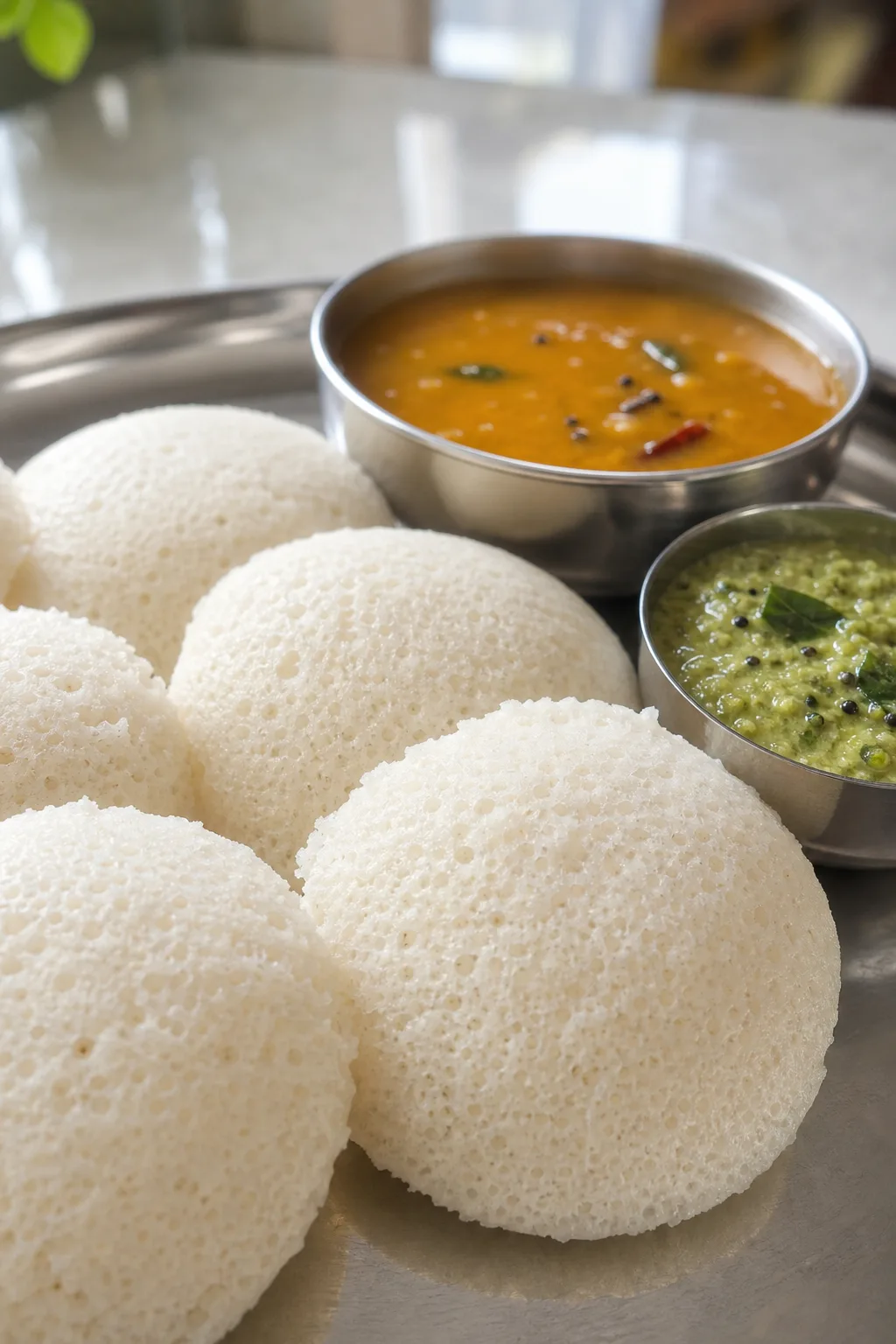
Serve the dosas hot with chutney and optional sambar for a complete breakfast. Pair with a cup of masala chai for a comforting start to your day. The combination of textures and flavors makes this meal satisfying and energizing.
⏱ Time: Immediate serving
✓ Doneness: Dosas are crisp, chutney fresh, and sambar hot.
Pro Tips
Use a well-seasoned cast iron skillet or non-stick pan for cooking dosas.
A seasoned cast iron pan distributes heat evenly and helps create the perfect crispy dosa without sticking. Using an unseasoned or poor-quality pan can cause uneven cooking or tearing.
Adjust the batter consistency with water before each batch.
Batter thickens as it rests, making spreading difficult. Adding a little water keeps the batter pourable and ensures thin, evenly cooked dosas every time.
Cook dosas on medium-high heat to get crispy edges without burning.
Too low heat results in soggy dosas, while too high burns them. Medium-high heat allows the batter to cook quickly and develop golden brown spots.
Tempering the potato filling with mustard seeds and curry leaves enhances flavor.
Tempering releases essential oils and aromas that infuse the filling, making it more flavorful and authentic. Skipping this step results in a bland filling.
Serve dosas immediately after cooking for best texture.
Dosas begin to lose crispness as they cool due to moisture absorption. Serving hot maintains their signature crunch and contrasts nicely with the soft filling.
Use fresh coconut for chutney to maximize flavor and creaminess.
Fresh coconut provides natural sweetness and a creamy texture. Using desiccated or canned coconut changes the flavor and consistency, making chutney less vibrant.
Avoid overcrowding the pan when cooking multiple dosas.
Overcrowding lowers pan temperature, causing uneven cooking and soggy dosas. Cooking one at a time ensures each dosa gets the right heat and texture.
Common Mistakes to Avoid
Batter too thick or too thin
Why it happens Beginners often misjudge batter consistency, leading to dosas that don’t spread or crisp properly.
Fix Adjust batter with small amounts of water to reach a pourable but not runny consistency. Test on the pan and tweak as needed.
Pan not hot enough
Why it happens Cooking dosas on a cold pan results in soggy, sticky crepes.
Fix Preheat the pan until a drop of water sizzles and evaporates quickly before pouring batter.
Skipping tempering in potato filling
Why it happens Omitting tempering to save time removes key flavor components.
Fix Always temper mustard seeds and spices in hot oil before adding potatoes to unlock authentic flavor.
Letting batter ferment too long or too short
Why it happens Fermenting too long makes batter overly sour; too short means no rise.
Fix Ferment batter 8-12 hours at room temperature or use fresh batter if short on time.
Not cleaning pan between dosas
Why it happens Residue buildup causes sticking and uneven cooking.
Fix Wipe pan with a paper towel lightly oiled between dosas to maintain a clean surface.
Variations
Instant Rava Dosa
Swap rice batter for semolina (rava) mixed with rice flour and yogurt for a quicker, crispier dosa with a lacy texture. It requires no fermentation and cooks faster, perfect for last-minute breakfasts.
Note: Batter consistency differs; thinner batter spreads more irregularly and cooks quickly, so watch closely to avoid burning.
Vegetable Stuffed Dosa
Add grated carrots, peas, and finely chopped bell peppers to the potato filling for extra nutrition and color. The veggies add sweetness and crunch, making it a wholesome meal.
Note: Sauté vegetables lightly before mixing into the potato mash to remove excess moisture and enhance flavor.
Paneer Masala Dosa
Include crumbled paneer cheese in the potato filling for a creamy texture and added protein. This variation is richer and more filling, ideal for a weekend brunch.
Note: Use fresh paneer and mix gently to maintain a soft filling without drying out.
Spinach and Potato Dosa
Mix finely chopped spinach into the potato filling for a green twist packed with nutrients. Spinach adds moisture and a mild earthy flavor that pairs well with spices.
Note: Wilt spinach in a pan before mixing to reduce moisture and prevent soggy filling.
Sweet Coconut Dosa
For a sweet breakfast, spread a mixture of grated coconut, jaggery, and cardamom inside the dosa instead of savory filling. It’s a delightful treat for special mornings.
Note: Cook the sweet filling lightly to melt jaggery and blend flavors before spreading.
Nutrition
Per Serving:
Nutritional values are estimates and may vary based on specific ingredients and portion sizes.
Storage & Tips
Room Temperature
Dosas are best eaten fresh but can safely sit at room temperature for up to 2 hours if covered to prevent drying out.
Refrigerator
Store cooked dosas and filling separately in airtight containers for up to 2 days. Reheat dosas on a hot pan to restore crispness; the filling can be warmed in a microwave or skillet.
Freezer
Freeze dosas in a single layer separated by parchment paper for up to 1 month. Thaw overnight in the fridge and reheat on a skillet for best texture. Potato filling can also be frozen in airtight containers.
Reheating
Reheat dosas over medium heat on a dry skillet for 1-2 minutes per side to regain crispness. Warm filling in microwave or pan with a splash of water to prevent drying.
Make Ahead
Prepare batter the night before and refrigerate to ferment slowly. Cook filling and store separately. Assemble and cook dosas fresh in the morning for best results.
FAQ
Can I make this dosa batter without soaking overnight?
Yes, you can soak rice and urad dal for 4 hours and blend fresh batter for a quick version. While fermentation improves flavor and crispness, fresh batter still makes tasty dosas if you’re short on time.
What if my dosas stick to the pan?
Ensure your pan is hot and lightly greased before pouring batter. Using a well-seasoned cast iron or non-stick pan helps. Wiping the pan between dosas also prevents residue buildup that causes sticking.
How do I store leftover dosas?
Store dosas in an airtight container in the refrigerator for up to 2 days. Reheat on a hot skillet to restore crispness. Avoid stacking them while warm to prevent sogginess.
Can I use all rice without urad dal?
Urad dal adds to the dosa’s texture and fermentation. Using only rice will result in denser dosas that may not crisp as well. For best results, include urad dal.
How do I make the potato filling spicier?
Add finely chopped green chilies or a pinch of red chili powder to the filling while cooking. Adjust to your heat preference, but add gradually to avoid overpowering the dish.
Is it necessary to ferment the batter?
Fermentation is traditional and enhances flavor and texture but is optional for a quick recipe. Using fresh batter yields good results, especially if you adjust batter consistency properly.
Can I freeze dosa batter?
Freezing batter is not recommended as it can affect fermentation and texture. It’s best to prepare fresh batter or refrigerate for up to 2 days.
What can I substitute for fenugreek seeds?
Fenugreek seeds help fermentation and add flavor but can be omitted if unavailable. The batter may ferment more slowly without them, so consider adding a pinch of baking soda just before cooking for lightness.
Final Thoughts
Give this quick Indian vegetarian breakfast a try—you’ll love how simple and flavorful it is. Share your results and enjoy a cozy start to your day!