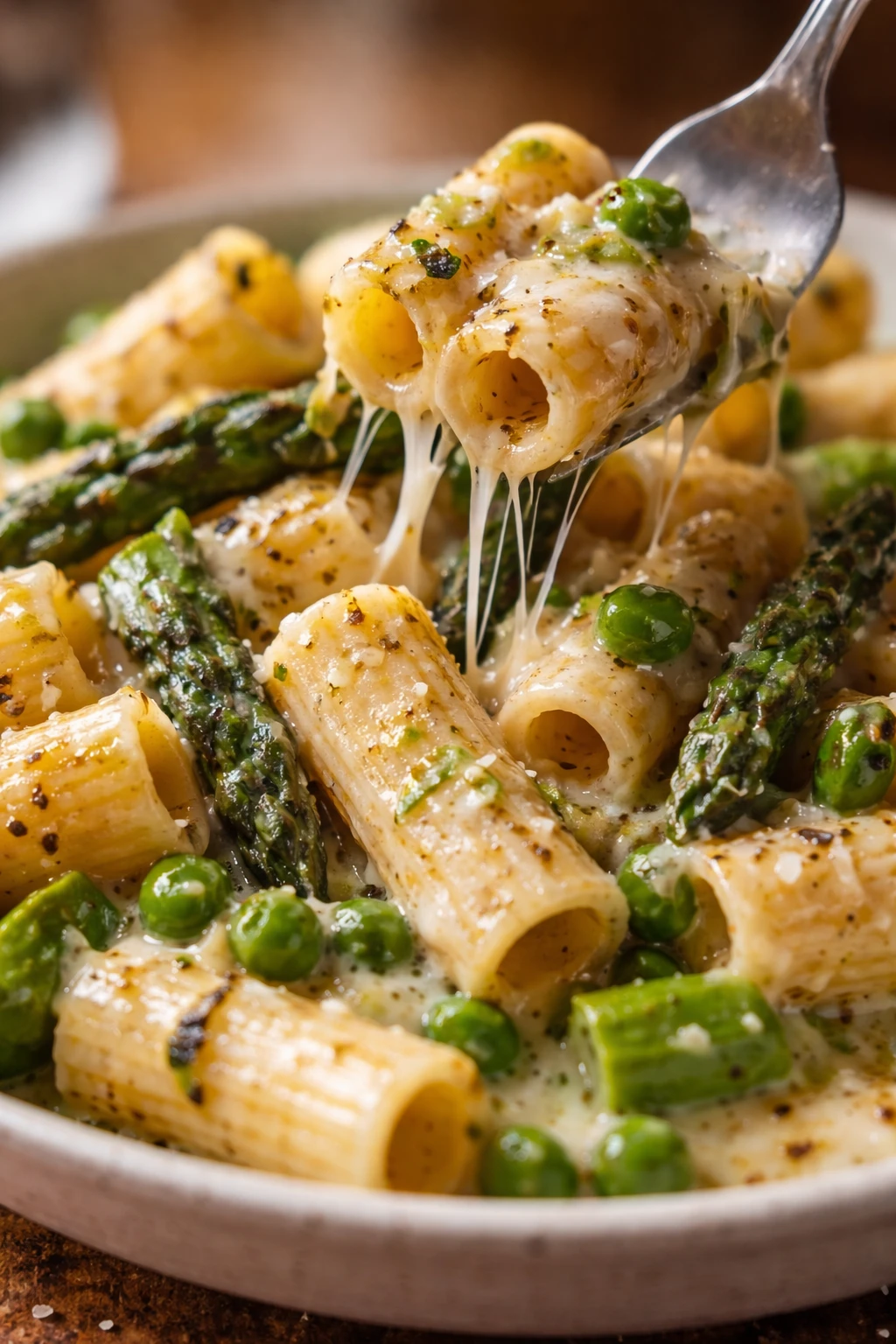
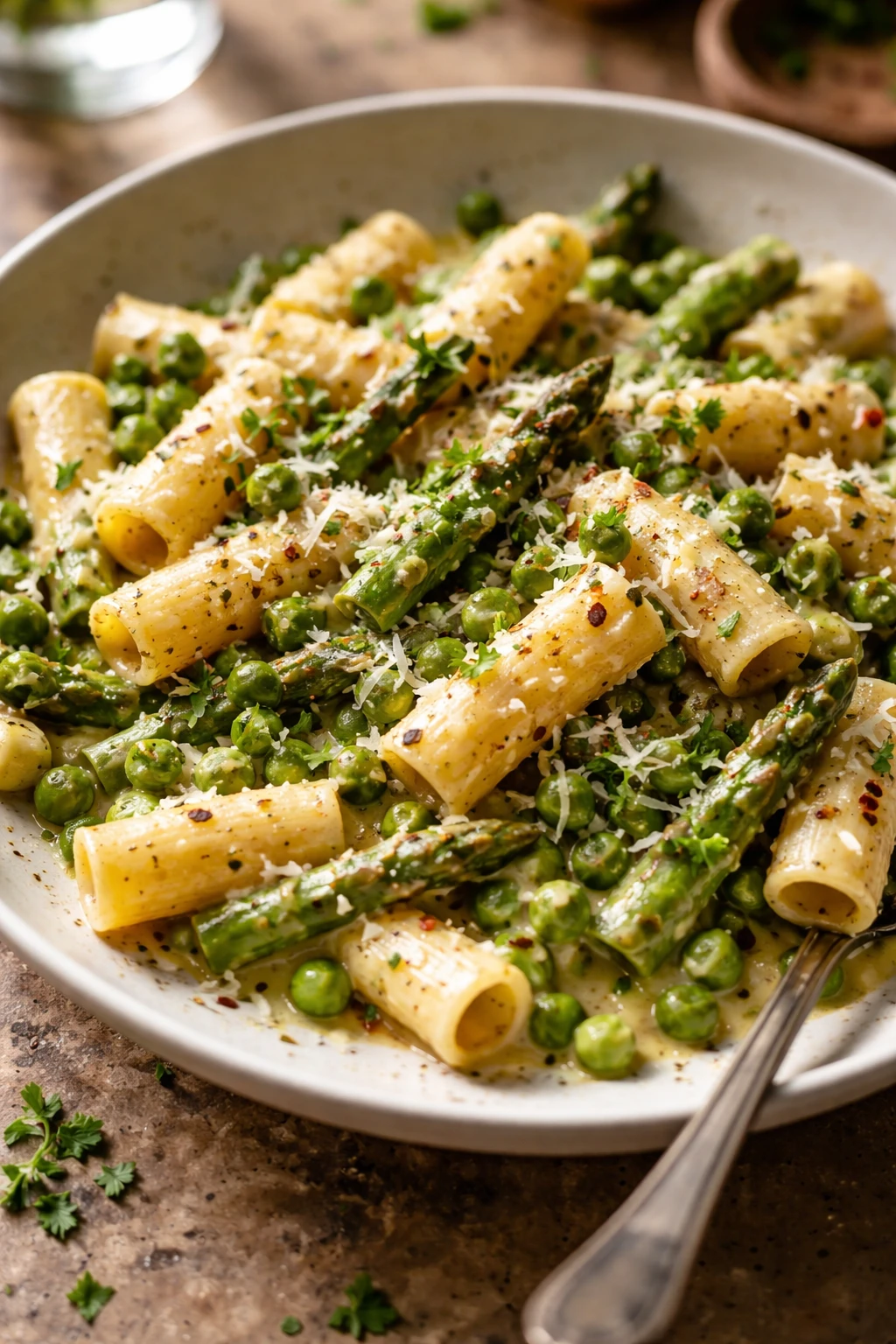
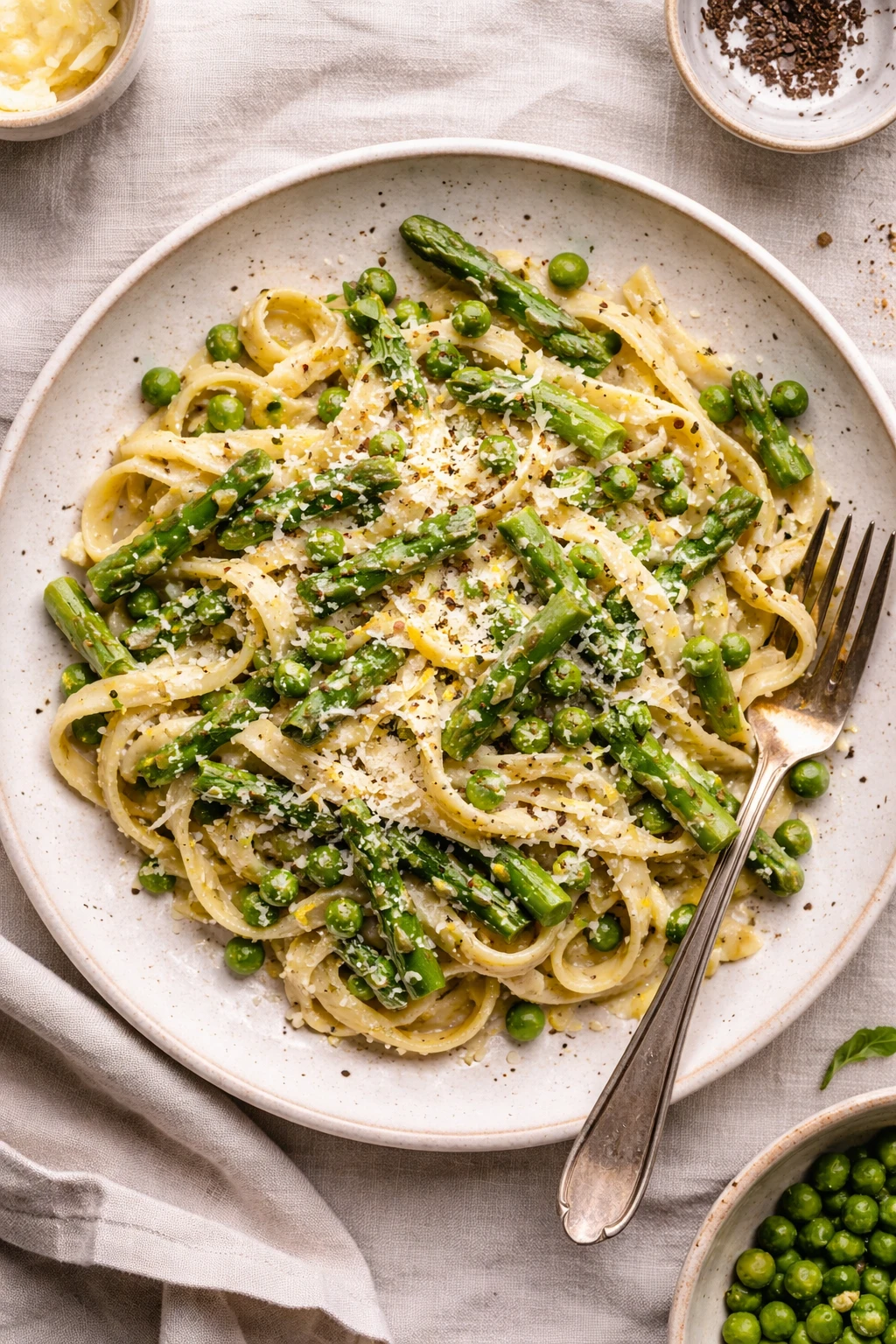
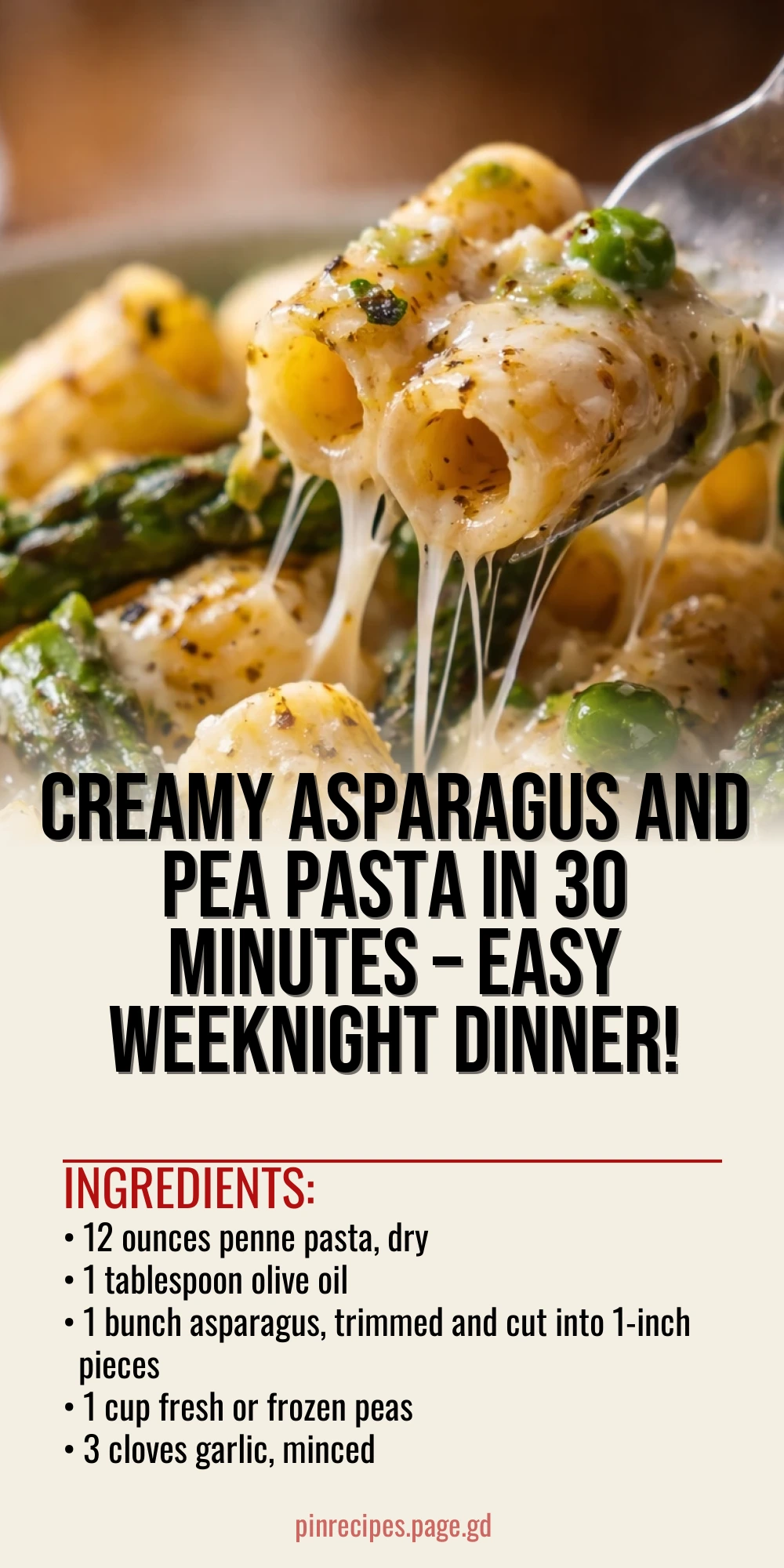
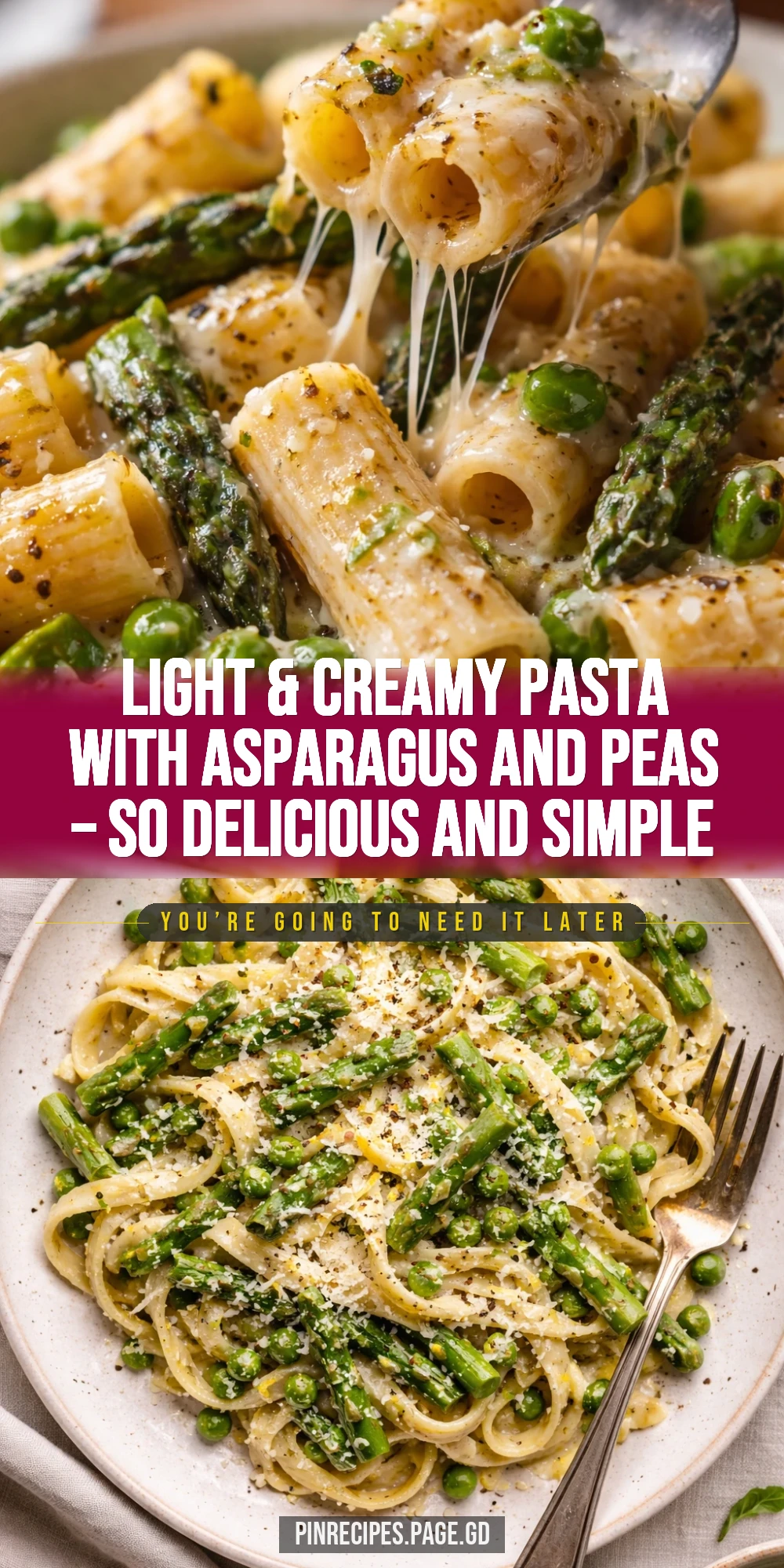
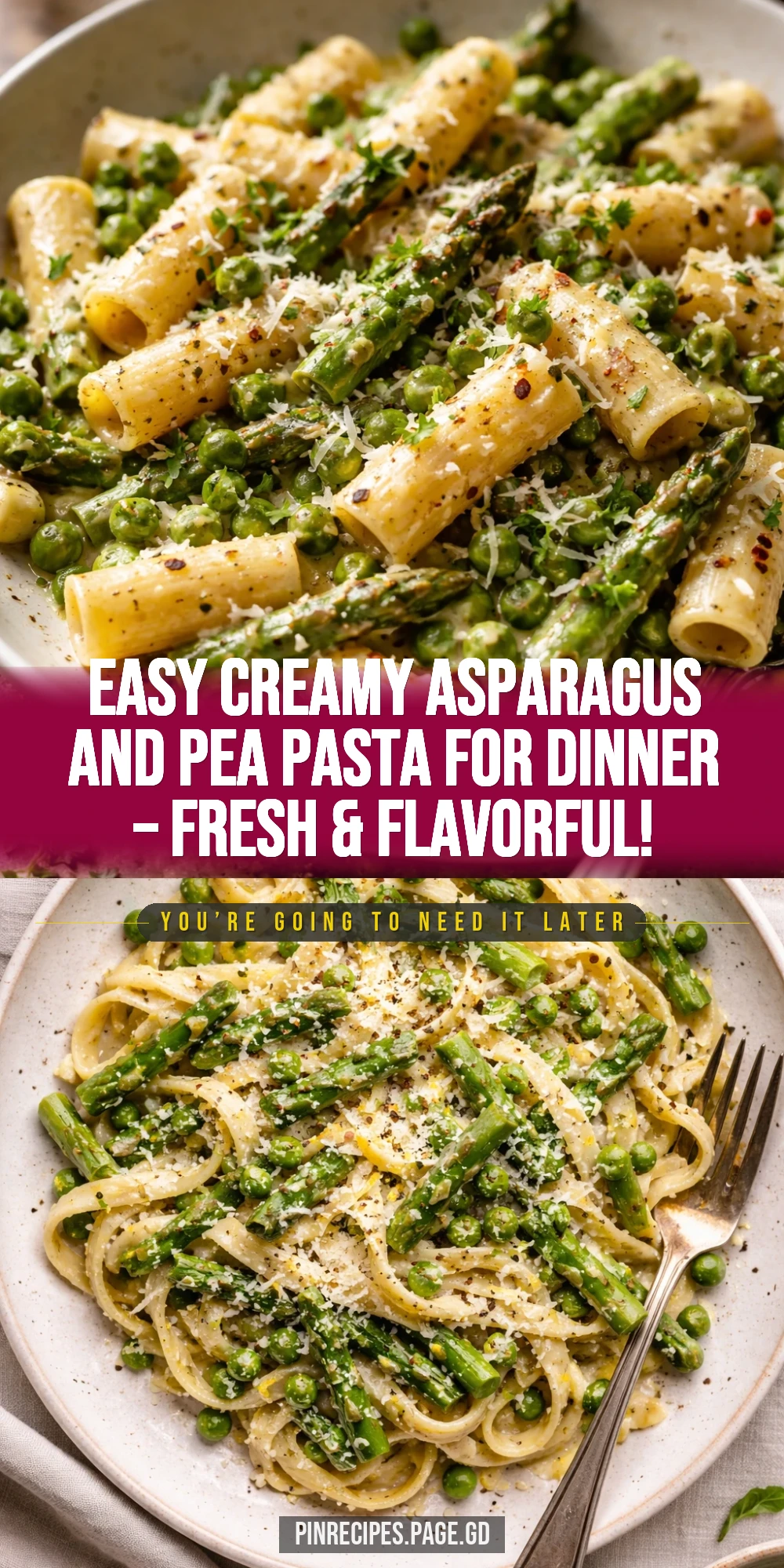
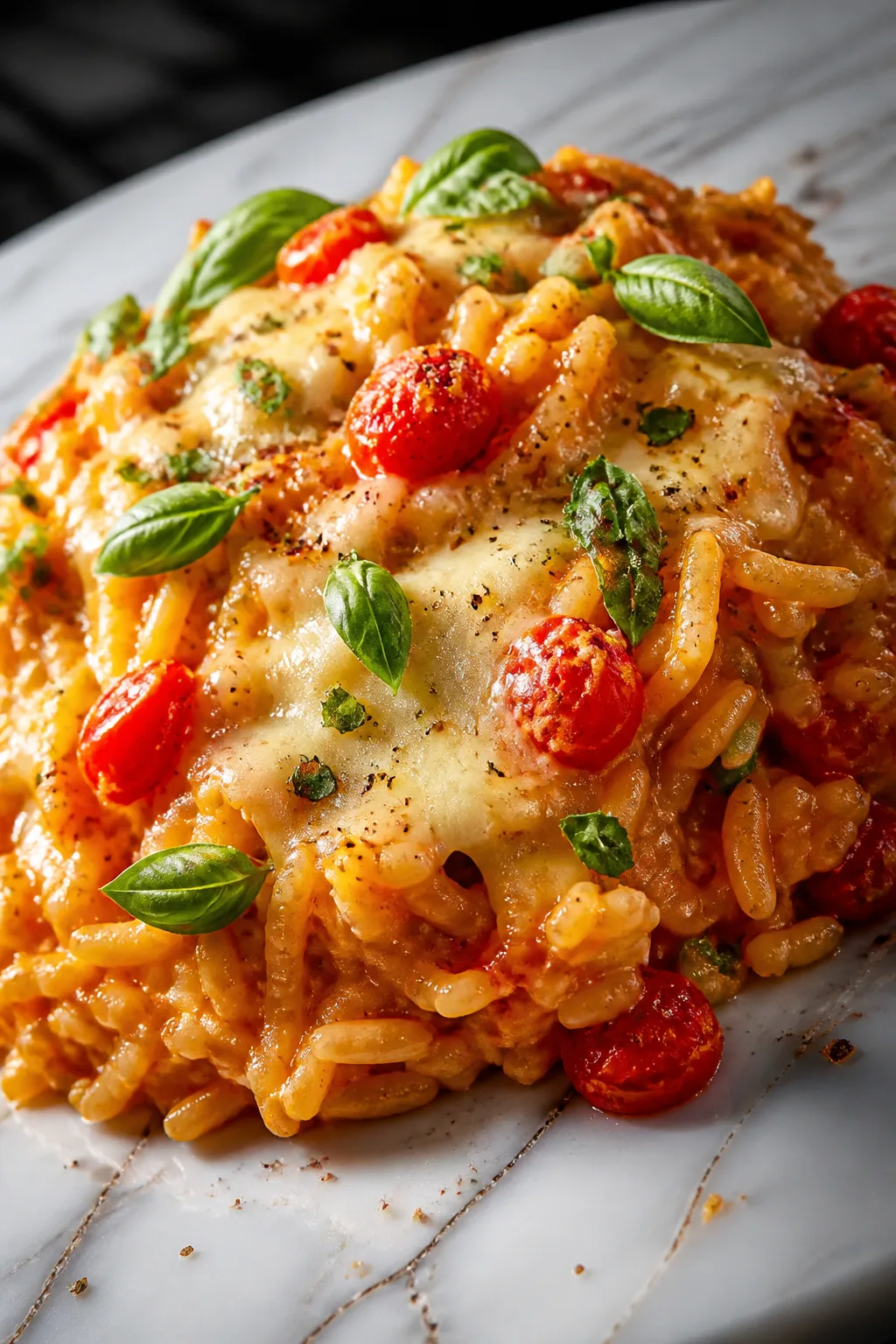
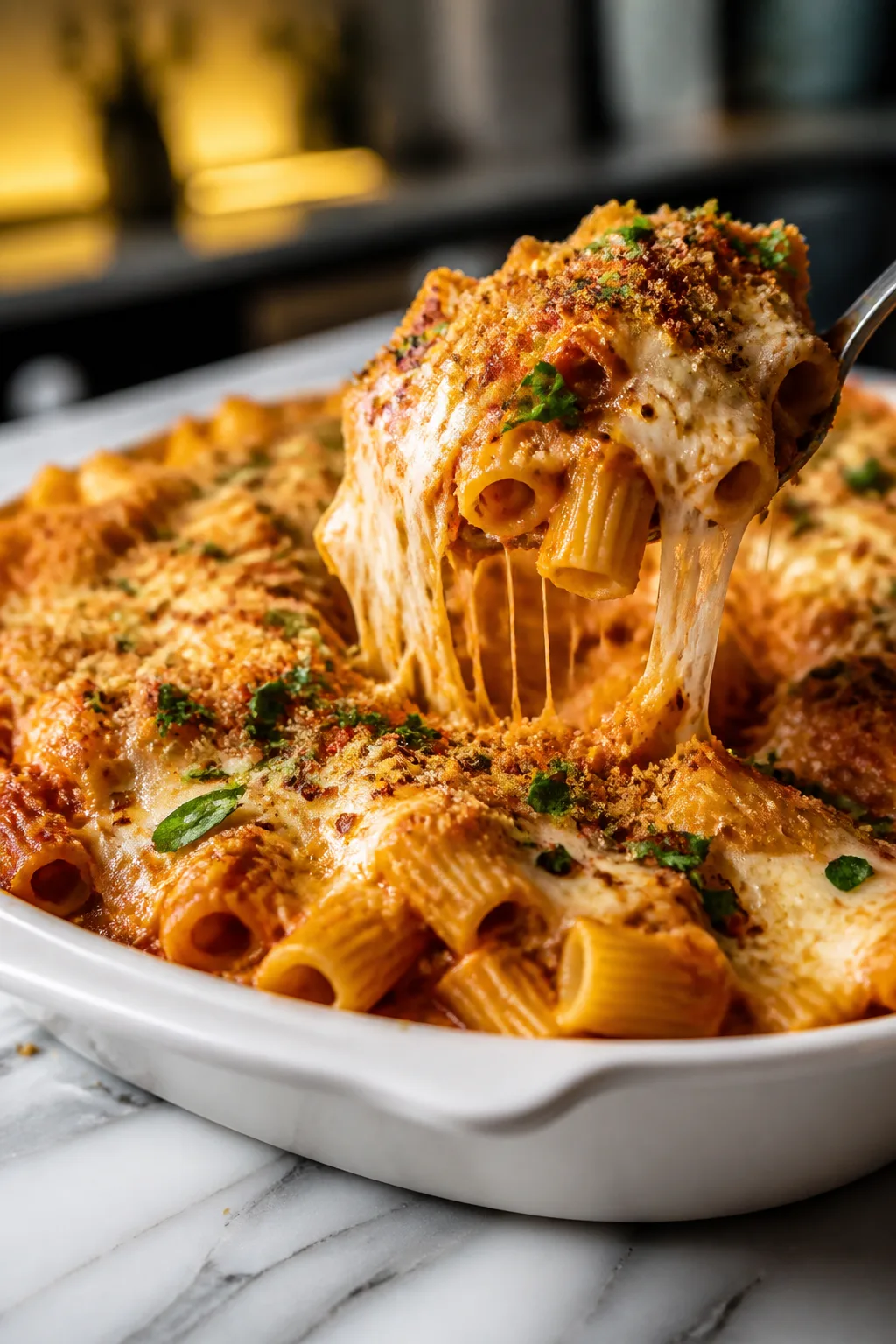
A light yet indulgent pasta loaded with fresh asparagus and peas in a silky cream sauce. The secret? A splash of lemon zest that brightens every bite. Perfect for a cozy weeknight dinner when you want something fast but special.
Introduction
I first stumbled upon this creamy asparagus and pea pasta recipe during a busy spring week when I wanted something quick but still fresh and flavorful. I’d tried a few creamy veggie pastas before, but they often felt heavy or bland. What makes this one stand out is the bright lemon zest and juice that cut through the richness, plus the fresh peas and crisp asparagus give it a lovely pop of texture. I also like to cook the veggies just right — tender but still with a bit of bite — which keeps the dish lively. It’s perfect for a weeknight dinner when you want something comforting but not too heavy. Plus, it’s super easy to throw together, which is a win in my book. The finished dish is creamy and dreamy, with a fresh, springtime feel that never gets old. I’ve made this for friends and family, and it’s always a hit!
How To Do It
Step 1
Bring a large pot of salted water to a boil. Add the penne pasta and cook according to package instructions until al dente, usually about 10-12 minutes. It’s important not to overcook the pasta because it will continue to cook slightly when mixed with the sauce later. Drain the pasta, reserving about a cup of the pasta water to adjust sauce consistency if needed. This step sets the foundation for the dish, so make sure the pasta is tender but still firm to the bite.
⏱ Time: 10-12 minutes
✓ Doneness: Pasta should be tender but still firm when bitten, not mushy
Step 2
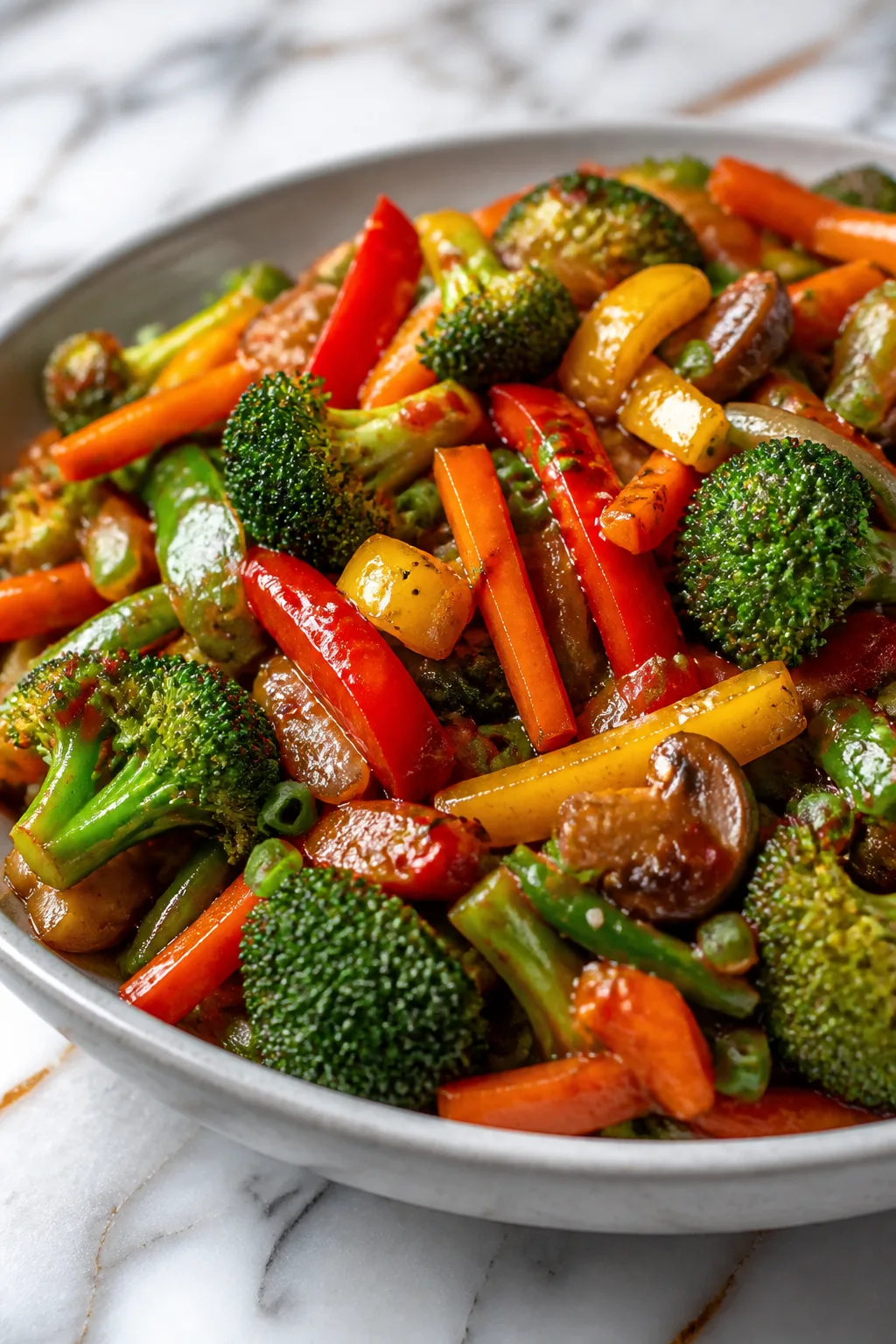
While the pasta cooks, heat olive oil in a large skillet over medium heat. Add the minced garlic and sauté for about 1 minute until fragrant but not browned; burnt garlic turns bitter and can ruin the sauce. Immediately add the asparagus pieces and cook for 3-4 minutes until they turn bright green and are just tender. Then stir in the peas and cook for another 2 minutes to warm through. Cooking the veggies separately lets them keep their color and texture, which adds freshness to the dish.
⏱ Time: 6-7 minutes
✓ Doneness: Asparagus is bright green and tender-crisp; peas are warmed through
Step 3
Lower the heat to medium-low and pour in the heavy cream. Stir gently and let it simmer for 3-4 minutes until it slightly thickens. This slow simmer helps the cream reduce and intensifies the flavor without curdling. Avoid boiling the cream vigorously, which can cause it to separate and make the sauce grainy.
⏱ Time: 3-4 minutes
✓ Doneness: Cream sauce thickens slightly and coats the back of a spoon
Step 4
Add the grated Parmesan cheese to the cream sauce and stir until melted and smooth. Parmesan adds a salty, nutty depth that balances the sweetness of the peas and asparagus. Stirring continuously ensures the cheese melts evenly and the sauce stays creamy.
⏱ Time: 2-3 minutes
✓ Doneness: Sauce is smooth, creamy, and slightly thickened with no lumps
Step 5
Add the cooked pasta to the skillet with the sauce and vegetables. Toss everything together gently to combine. If the sauce feels too thick, add a splash of reserved pasta water a little at a time until you reach your desired consistency. This pasta water contains starch that helps the sauce cling to the noodles beautifully.
⏱ Time: 2-3 minutes
✓ Doneness: Pasta is evenly coated with creamy sauce and veggies are well distributed
Step 6
Stir in the lemon zest and juice, then season with salt and freshly ground black pepper to taste. The lemon brightens the whole dish and adds a fresh zing that cuts through the richness. Taste and adjust seasoning carefully here; the cheese already adds saltiness, so go easy at first.
⏱ Time: 1-2 minutes
✓ Doneness: Sauce has a fresh, balanced flavor with a hint of citrus brightness
Step 7
Remove the skillet from heat and let the pasta rest for a minute to allow flavors to meld. This brief rest helps the sauce thicken slightly and the flavors develop fully. It also prevents the pasta from being too hot to enjoy immediately.
⏱ Time: 1 minute
✓ Doneness: Pasta is warm, sauce slightly thickened, and flavors well combined
Step 8
Serve the pasta immediately, garnished with fresh basil leaves if you like. The basil adds a lovely herbal note and a pop of green that makes the dish look as good as it tastes. Fresh herbs always brighten a creamy pasta and add a fresh aroma.
⏱ Time: Immediate
✓ Doneness: Dish looks vibrant with green herbs and creamy sauce
Step 9
Enjoy your quick creamy asparagus and pea pasta with a simple side salad or crusty bread for a complete meal. This pasta is best enjoyed fresh but can be reheated gently with a splash of cream or water to loosen the sauce. It’s a great way to get a fresh vegetable fix on busy nights without sacrificing flavor.
⏱ Time: N/A
✓ Doneness: Balanced meal with fresh flavors and creamy texture
Pro Tips
Always reserve some pasta water before draining.
The starchy pasta water helps loosen the sauce if it gets too thick and helps the sauce adhere to the noodles better, creating a cohesive dish rather than a clumpy one.
Don’t overcook your asparagus and peas.
Overcooked veggies lose their vibrant color and fresh texture, making the dish dull and mushy. Quick sautéing keeps them bright and crisp, adding a nice contrast to the creamy sauce.
Add lemon zest and juice at the end.
Adding citrus at the end preserves its bright, fresh flavor and prevents bitterness. It balances the richness of the cream and cheese, giving the pasta a lively finish.
Use freshly grated Parmesan cheese.
Freshly grated cheese melts smoothly without clumping, ensuring a silky sauce. Pre-grated cheese often contains additives that can affect texture and flavor.
Simmer cream gently without boiling.
Boiling cream can cause it to separate or curdle. Gentle simmering allows it to thicken naturally, resulting in a smooth, luscious sauce.
Toss pasta and sauce off the heat.
Mixing off heat prevents overcooking the pasta and helps maintain the sauce’s creamy texture without it breaking or becoming watery.
Add fresh basil as a garnish.
Fresh herbs add aroma and a fresh flavor contrast to creamy dishes, making the pasta feel lighter and more vibrant.
Common Mistakes to Avoid
Overcooking the pasta
Why it happens Many people assume pasta should be very soft, but overcooking leads to mushy texture and less enjoyable mouthfeel.
Fix Cook pasta al dente by timing carefully and tasting early. Drain promptly and toss with sauce immediately to prevent further cooking.
Burning the garlic
Why it happens Garlic cooks very quickly and can easily burn if left unattended, resulting in bitterness.
Fix Sauté garlic on medium heat for just about a minute until fragrant, then add veggies quickly to prevent burning.
Boiling the cream sauce
Why it happens High heat causes cream to separate or curdle, ruining the sauce texture.
Fix Simmer cream gently on low to medium heat, stirring often, and avoid rapid boiling.
Skipping the pasta water
Why it happens Not reserving pasta water means you can’t adjust sauce consistency or help it stick to noodles.
Fix Always save at least 1 cup of pasta water before draining to use as needed for sauce.
Adding lemon too early
Why it happens Lemon juice added too soon can lose its brightness or cause the sauce to curdle.
Fix Add lemon zest and juice at the end, off the heat, to preserve fresh flavor.
Variations
Vegan Version
Swap heavy cream for full-fat coconut milk or cashew cream and use nutritional yeast instead of Parmesan. The texture will be creamy but slightly different, with a subtle coconut undertone. Add a pinch of turmeric for color.
Note: Cashew cream needs to be blended smooth and heated gently to avoid separation. Nutritional yeast melts differently than cheese, so expect a less gooey sauce.
Add Protein with Grilled Chicken
Grill or pan-sear chicken breasts seasoned with salt and pepper, slice thinly, and toss on top of the pasta. This adds a satisfying protein boost and makes it a heartier meal.
Note: Make sure chicken is cooked through and rested before slicing to keep it juicy and tender.
Use Whole Wheat Pasta for More Fiber
Substitute regular penne with whole wheat pasta for a nuttier flavor and extra fiber. The texture will be a bit firmer and chewier, which pairs nicely with the creamy sauce.
Note: Whole wheat pasta may require slightly longer cooking time; monitor closely to avoid overcooking.
Add Fresh Herbs and Chili Flakes
Stir in chopped fresh parsley, thyme, or tarragon along with a pinch of red chili flakes for a flavor boost and mild heat. This adds complexity and a little kick to the dish.
Note: Add herbs at the end to preserve their fresh flavors; chili flakes can be adjusted to taste.
Swap Asparagus for Broccoli or Zucchini
If asparagus isn’t in season, use broccoli florets or zucchini slices instead. Both vegetables work well with the creamy sauce and peas, offering a slightly different texture and flavor.
Note: Adjust cooking time to suit vegetable tenderness; broccoli may need slightly longer sautéing.
Nutrition
Per Serving:
Nutritional values are estimates and may vary based on specific ingredients used.
Storage & Tips
Room Temperature
This pasta can safely sit out for up to 2 hours if covered. After that, bacteria can grow, so refrigerate promptly to keep it fresh and safe.
Refrigerator
Store leftovers in an airtight container for up to 3 days. The sauce may thicken when cold; reheat gently with a splash of cream or water to loosen it. Flavor remains fresh but texture is best when warmed.
Freezer
Freeze in airtight containers for up to 1 month. Wrap tightly to prevent freezer burn. Thaw overnight in the fridge before reheating. Sauce texture may change slightly after freezing but still tastes good.
Reheating
Reheat on the stovetop over low heat, stirring frequently and adding a splash of cream or water to restore sauce consistency. Avoid high heat to prevent curdling. Microwave reheating is possible but stir often to heat evenly.
Make Ahead
You can prepare the sauce and cook the vegetables up to 1 day ahead, then refrigerate separately from the pasta. Cook pasta fresh or reheat gently and toss with warmed sauce just before serving for best texture.
FAQ
Can I use frozen peas instead of fresh?
Absolutely! Frozen peas are a great substitute and often more convenient. Just add them directly to the pan when cooking the asparagus and give them a couple of minutes to warm through. They retain their sweetness and texture well when cooked gently.
What if I don’t have heavy cream on hand?
You can substitute with half-and-half or a mix of milk and cream cheese for a lighter sauce, but the texture won’t be as rich or thick. For a dairy-free option, coconut milk or cashew cream works well but changes the flavor slightly.
How do I prevent the cream sauce from curdling?
Simmer the cream gently over low to medium heat and avoid boiling. Also, add cheese slowly and stir continuously. High heat or rapid temperature changes can cause the fat to separate, making the sauce grainy.
Can I make this pasta ahead of time?
You can prepare the sauce and veggies a day ahead and store them separately from the pasta. Cook the pasta fresh or reheat it gently and toss with warmed sauce just before serving to keep the best texture.
What’s the best way to reheat leftovers?
Reheat on the stovetop over low heat, stirring frequently and adding a splash of cream or water to loosen the sauce. Avoid high heat to prevent curdling. Microwave reheating is possible but stir often to heat evenly.
Can I use other pasta shapes?
Yes! Penne works great because it holds sauce well, but fusilli, farfalle, or rigatoni are good alternatives. Just adjust cooking time according to the shape.
How can I make this dish vegan?
Replace heavy cream with coconut milk or cashew cream and use nutritional yeast instead of Parmesan. The texture will be creamy but with a slightly different flavor profile.
Is it okay to add more garlic?
Definitely! Garlic adds great flavor. Just be careful not to burn it during sautéing, as burnt garlic tastes bitter and can overpower the dish.
Final Thoughts
Give this quick creamy asparagus and pea pasta a try—you’ll love how fresh and comforting it feels. Don’t forget to share your version with friends or family!