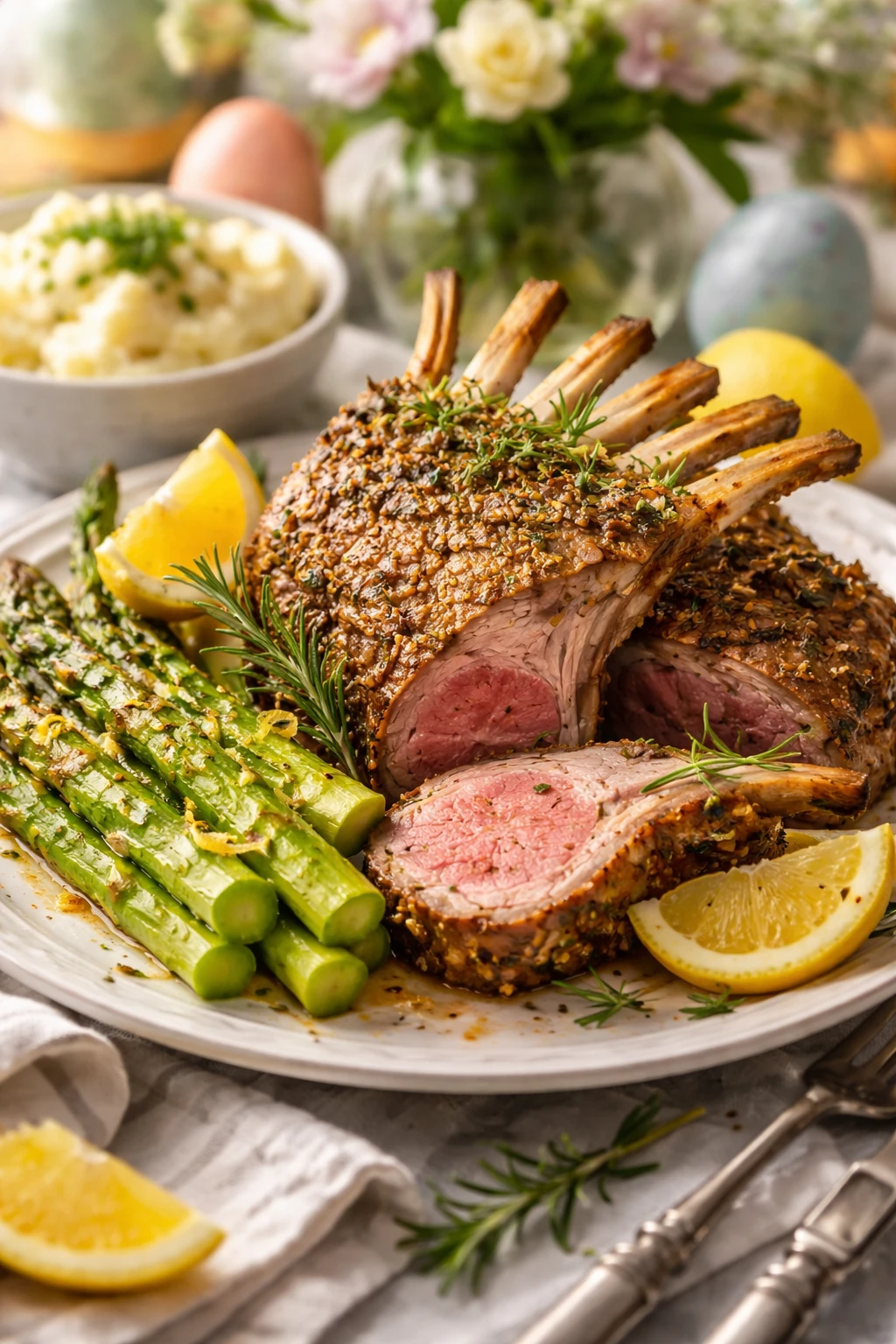
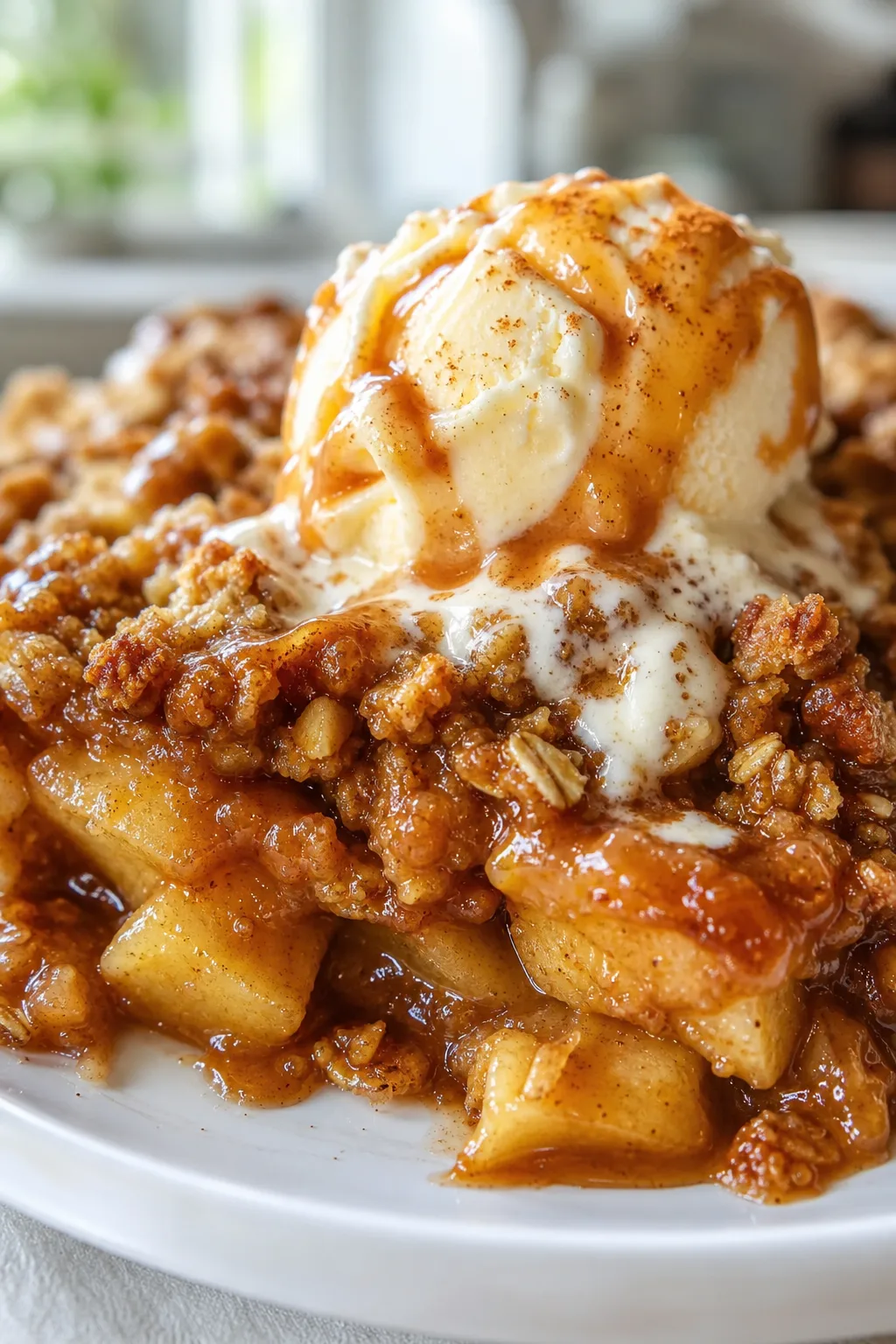
A delightful Easter dinner that’s quick to prepare but impressive enough to wow your guests. Featuring fresh herbs and vibrant sides, it’s perfect for a festive spring gathering without the stress.
Introduction
I remember the first time I hosted Easter dinner and felt overwhelmed by all the planning and cooking. Over the years, I’ve learned that quick, simple dishes can be just as impressive as elaborate ones. This recipe collection is my go-to for Easter: it’s fresh, flavorful, and easy enough to pull together even if you’re short on time. What makes this version special is the combination of roasting the chicken with fresh rosemary and lemon, which adds a bright, herbaceous note that feels festive but not fussy. Plus, the roasted baby potatoes and asparagus cook alongside the chicken, soaking up all those lovely juices. The trick I learned is to season everything well and roast at a high temperature to get that perfect golden skin and tender veggies. The finished meal looks beautiful on the plate with vibrant green asparagus and golden potatoes, and it tastes like a feast made with love. It’s perfect for gathering family around the table without the stress.
How To Do It
Step 1
Preheat your oven to 425°F (220°C). This high heat helps to crisp the chicken skin and roast the vegetables nicely. Make sure your chicken is patted dry to get that golden, crispy skin. Rub the chicken all over with olive oil, then season generously with salt, pepper, minced garlic, and chopped rosemary. The oil helps the seasoning stick and promotes browning. Place lemon slices under the skin and inside the cavity for a fresh citrus aroma that brightens the flavor. Avoid skipping the lemon—it really elevates the dish.
⏱ Time: 15 minutes prep
✓ Doneness: Chicken skin looks golden brown and slightly blistered, and lemon aroma is fragrant
Step 2
Arrange the halved baby potatoes and trimmed asparagus around the chicken in the roasting pan. Drizzle them with olive oil and season with salt and pepper. The potatoes take longer to cook, so place them closer to the heat source. The asparagus will roast quickly and stay tender-crisp. Roast everything together for about 30 minutes, turning the veggies halfway through to ensure even cooking. This method lets the veggies soak up the chicken juices, enhancing their flavor. Don’t rush this step; the roasting time is key for perfect texture.
⏱ Time: 30 minutes cook
✓ Doneness: Potatoes are tender when pierced with a fork and asparagus is bright green with slight char spots
Step 3
Once cooked, remove the chicken and vegetables from the oven. Let the chicken rest for 10 minutes before carving—this step is crucial as it allows the juices to redistribute, keeping the meat moist and flavorful. While resting, toss the asparagus and potatoes with a bit of melted butter and fresh parsley for a glossy finish and fresh herbal note. This simple finishing touch makes your vegetables look and taste restaurant-quality. Serve everything warm on a large platter for a beautiful presentation.
⏱ Time: 10 minutes rest
✓ Doneness: Chicken juices run clear and vegetables have a shiny, herb-coated appearance
Step 4
Carve the chicken into serving pieces, making sure to include both white and dark meat for variety. Arrange the slices on a platter surrounded by the roasted potatoes and asparagus. Garnish with extra lemon slices and chopped parsley for color and freshness. The contrast of golden chicken skin, green asparagus, and bright lemon makes the dish visually appealing. This final plating step invites your guests to dig in and enjoy a delicious, effortless Easter feast.
⏱ Time: 5 minutes
✓ Doneness: Chicken pieces are neatly sliced with moist, tender meat visible
Step 5
Optional: prepare a quick pan sauce by deglazing the roasting pan with a splash of white wine or chicken broth. Scrape up the browned bits and simmer until slightly reduced. Pour the sauce over the chicken before serving to add a rich, savory layer. This step is optional but really boosts the flavor and adds a professional touch. Just be careful not to add too much liquid or your sauce will be thin.
⏱ Time: 5-7 minutes
✓ Doneness: Sauce is slightly thickened and glossy
Step 6
For a light side, toss a simple spring salad with mixed greens, sliced radishes, and a lemon vinaigrette. The acidity cuts through the richness of the roasted chicken and potatoes, balancing the plate. Preparing this while the main roasts saves time and keeps everything fresh. Avoid overdressing the salad to keep it crisp and vibrant.
⏱ Time: 10 minutes
✓ Doneness: Salad leaves look fresh and lightly coated with dressing
Step 7
Set your table with spring-themed decor or fresh flowers to create a festive atmosphere. Presentation matters and adds to the overall experience. Even simple touches like cloth napkins or pastel plates can make your quick dinner feel special. This step doesn’t take long but leaves a lasting impression.
⏱ Time: 10 minutes
✓ Doneness: Table looks inviting and seasonally themed
Step 8
If you want to add a dessert, consider a no-bake lemon cheesecake or fresh fruit tart. These options keep the meal light and are easy to prepare ahead of time. Avoid heavy desserts after a rich main course to keep your guests comfortable and happy.
⏱ Time: Prep ahead or 15 minutes
✓ Doneness: Dessert is chilled and ready to serve
Step 9
Enjoy your meal with family and friends! The best part of this quick Easter dinner is how relaxed you’ll feel. You’ve prepared a beautiful, flavorful meal without spending hours in the kitchen, so take time to savor the moment and the company.
⏱ Time: N/A
✓ Doneness: Happy guests and satisfied smiles
Pro Tips
Always pat your chicken dry before seasoning and roasting.
Removing excess moisture from the skin ensures it crisps up beautifully in the oven. Moisture creates steam which prevents browning and leaves the skin soggy. This simple step is key for that coveted golden, crunchy texture.
Roast vegetables around the chicken to soak up flavorful drippings.
Cooking veggies alongside the meat lets them absorb rendered fat and juices, boosting their taste naturally. This technique also saves time and cleanup by using one pan for the whole meal.
Let the chicken rest after roasting before carving.
Resting allows muscle fibers to relax and reabsorb juices, resulting in moist, tender meat. Cutting too soon causes juices to run out, leaving the chicken dry and less flavorful.
Use fresh herbs like rosemary for seasoning instead of dried.
Fresh herbs provide brighter, more vibrant flavors and aromas. Dried herbs can overpower or taste bitter if not measured carefully. Fresh rosemary also releases essential oils during roasting that enhance the dish.
Turn vegetables halfway through roasting for even cooking.
Flipping vegetables ensures all sides get exposed to heat evenly, preventing burnt spots and undercooked edges. This simple step guarantees perfectly tender, caramelized veggies.
Add lemon slices under the chicken skin for subtle citrus flavor.
Placing lemon under the skin infuses the meat gently without overwhelming it. The citrus oils and acidity brighten the flavor and tenderize the chicken during roasting.
Finish roasted vegetables with a pat of butter and fresh parsley.
Butter adds richness and a glossy finish, while parsley brings fresh herbal notes and color. This simple garnish elevates the dish’s taste and presentation.
Common Mistakes to Avoid
Skipping the drying step before roasting chicken.
Why it happens Many cooks underestimate the importance of drying the skin, thinking seasoning alone is enough. This leads to soggy skin that won’t crisp.
Fix Pat the chicken thoroughly with paper towels before applying oil and seasoning to ensure the skin crisps up nicely during roasting.
Overcrowding the roasting pan.
Why it happens It’s tempting to fit everything in one pan, but overcrowding traps steam and prevents browning.
Fix Leave space between the chicken and vegetables for hot air to circulate, ensuring even roasting and caramelization.
Not letting the chicken rest before carving.
Why it happens Excited to serve, cooks often cut the meat immediately, causing juices to escape.
Fix Allow the chicken to rest at least 10 minutes to keep it juicy and tender.
Using old or dried-out herbs.
Why it happens Sometimes dried herbs are used in place of fresh for convenience, but they lack vibrant flavor.
Fix Use fresh rosemary for best aroma and taste, or adjust dried herb quantity carefully.
Roasting asparagus too long.
Why it happens Asparagus cooks quickly and can become mushy if left too long.
Fix Add asparagus later in the roasting process or cut stalks thicker for longer cooking.
Variations
Herb Butter Roasted Chicken
Mix softened butter with garlic, thyme, and parsley, then rub under the chicken skin before roasting. This adds richness and an herby depth to the meat, making it extra juicy and flavorful.
Note: Butter under the skin helps baste the chicken from within, requiring the same roasting temperature but a slightly longer rest time.
Lemon Dijon Glazed Chicken
Brush the chicken with a mixture of lemon juice, Dijon mustard, and honey before roasting. This glaze adds a tangy-sweet crust that caramelizes beautifully and pairs well with spring vegetables.
Note: Apply glaze halfway through roasting to prevent burning and maintain a glossy finish.
Garlic Parmesan Roasted Vegetables
Toss the potatoes and asparagus with minced garlic and grated Parmesan before roasting for a savory, cheesy twist. This variation adds a crispy, flavorful crust to the veggies.
Note: Add Parmesan during the last 10 minutes of roasting to avoid burning the cheese.
Mediterranean Style with Olives and Feta
Add pitted Kalamata olives and crumbled feta cheese to the roasted vegetables after cooking. This brings a salty, briny flavor that complements the lemon and rosemary chicken beautifully.
Note: Add feta just before serving to keep it fresh and creamy.
Spicy Paprika Chicken
Rub the chicken with smoked paprika, cumin, and chili powder for a smoky, spicy kick. This version adds warmth and depth, perfect if you want to spice up your Easter dinner.
Note: Adjust spice level to taste and monitor roasting to prevent burning paprika.
Nutrition
Per Serving:
Nutritional values are estimates and may vary based on specific ingredients used.
Storage & Tips
Room Temperature
This Easter dinner can safely sit out for up to 2 hours covered loosely with foil or a clean towel. To keep veggies from drying out, cover immediately after serving.
Refrigerator
Store leftovers in an airtight container for up to 3 days. Chicken may dry slightly when cold, so reheat gently to maintain moisture. Vegetables can be served cold in salads or reheated separately.
Freezer
Freeze cooked chicken and vegetables separately in airtight containers or heavy-duty freezer bags for up to 2 months. Wrap chicken tightly to prevent freezer burn. Thaw overnight in the refrigerator before reheating.
Reheating
Reheat chicken and vegetables in a 350°F oven covered with foil for 15-20 minutes until warmed through. Add a splash of broth to keep chicken moist. Avoid microwaving as it can dry out the meat.
Make Ahead
Roast the chicken and vegetables a day ahead, then cool and store in the fridge. On serving day, reheat gently in the oven and finish with fresh herbs and lemon slices for brightness.
FAQ
Can I use chicken thighs instead of a whole chicken?
Absolutely! Bone-in, skin-on thighs work well and cook faster. Adjust roasting time to about 25-30 minutes at 425°F, and check for an internal temperature of 165°F. The flavor will be just as delicious, and the skin crisps nicely.
How do I keep the asparagus from getting soggy?
Add asparagus during the last 10-15 minutes of roasting since it cooks quickly. Also, trim woody ends and avoid overcrowding the pan. This keeps the stalks tender-crisp with a slight char.
What’s the best way to carve the roasted chicken?
Use a sharp knife to cut along the joints. Start by removing the legs and thighs, then slice the breast meat against the grain for tenderness. Letting the chicken rest before carving helps keep juices inside.
Can I prepare this meal in advance?
Yes! Roast the chicken and vegetables a day ahead and refrigerate. Reheat gently in the oven before serving, then add fresh herbs and lemon slices to brighten flavors. This saves time on the day of your gathering.
Is there a substitute for fresh rosemary?
Dried rosemary can be used in a pinch, but use about one-third the amount of fresh. Be careful not to overdo it as dried herbs have a more concentrated flavor and can taste bitter.
How do I know when the chicken is fully cooked?
The safest way is to use a meat thermometer; the internal temperature should reach 165°F in the thickest part of the thigh. The juices should run clear when pierced with a knife.
Can I add other vegetables to the roasting pan?
Definitely! Carrots, Brussels sprouts, or parsnips roast well alongside potatoes and asparagus. Just adjust roasting times based on the vegetable’s density to avoid under or overcooking.
What wine pairs well with this Easter dinner?
A crisp white like Sauvignon Blanc or a light Pinot Noir pairs beautifully with herb-roasted chicken and spring vegetables. The acidity complements the lemon and rosemary flavors perfectly.
Final Thoughts
I hope you give these quick Easter dinner ideas a try and enjoy a stress-free, delicious holiday meal. Don’t forget to share your results—I’d love to hear how it turns out!