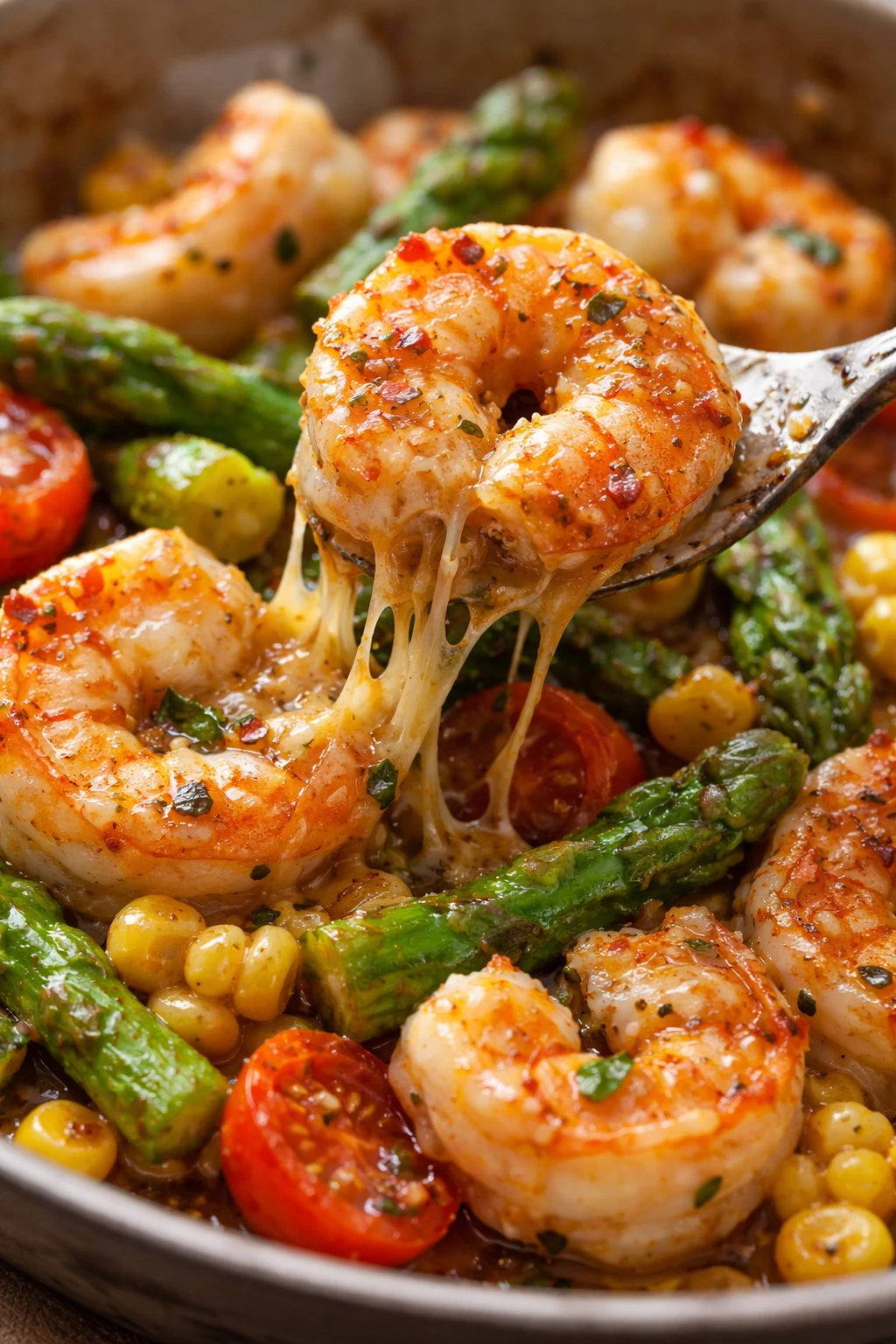
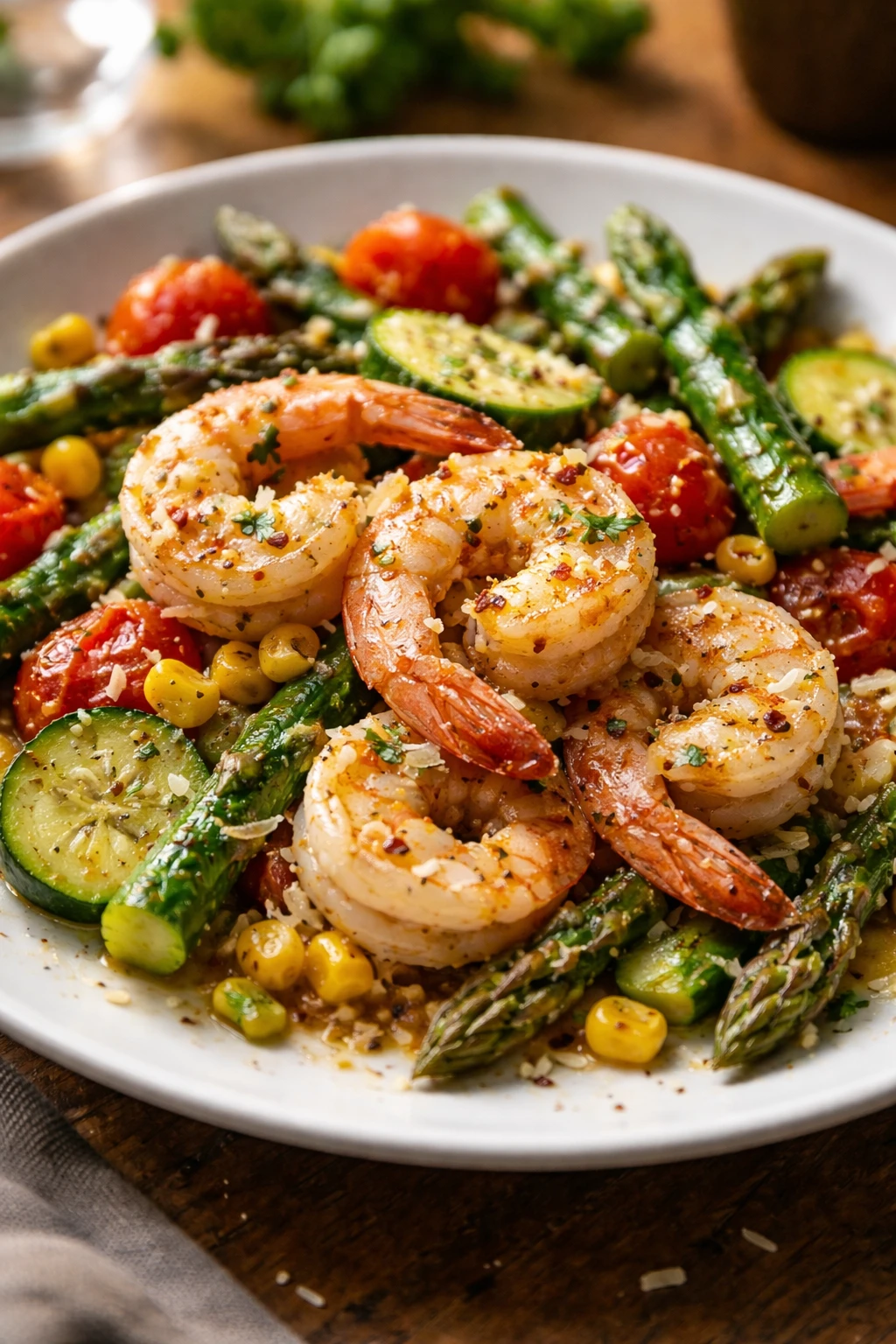
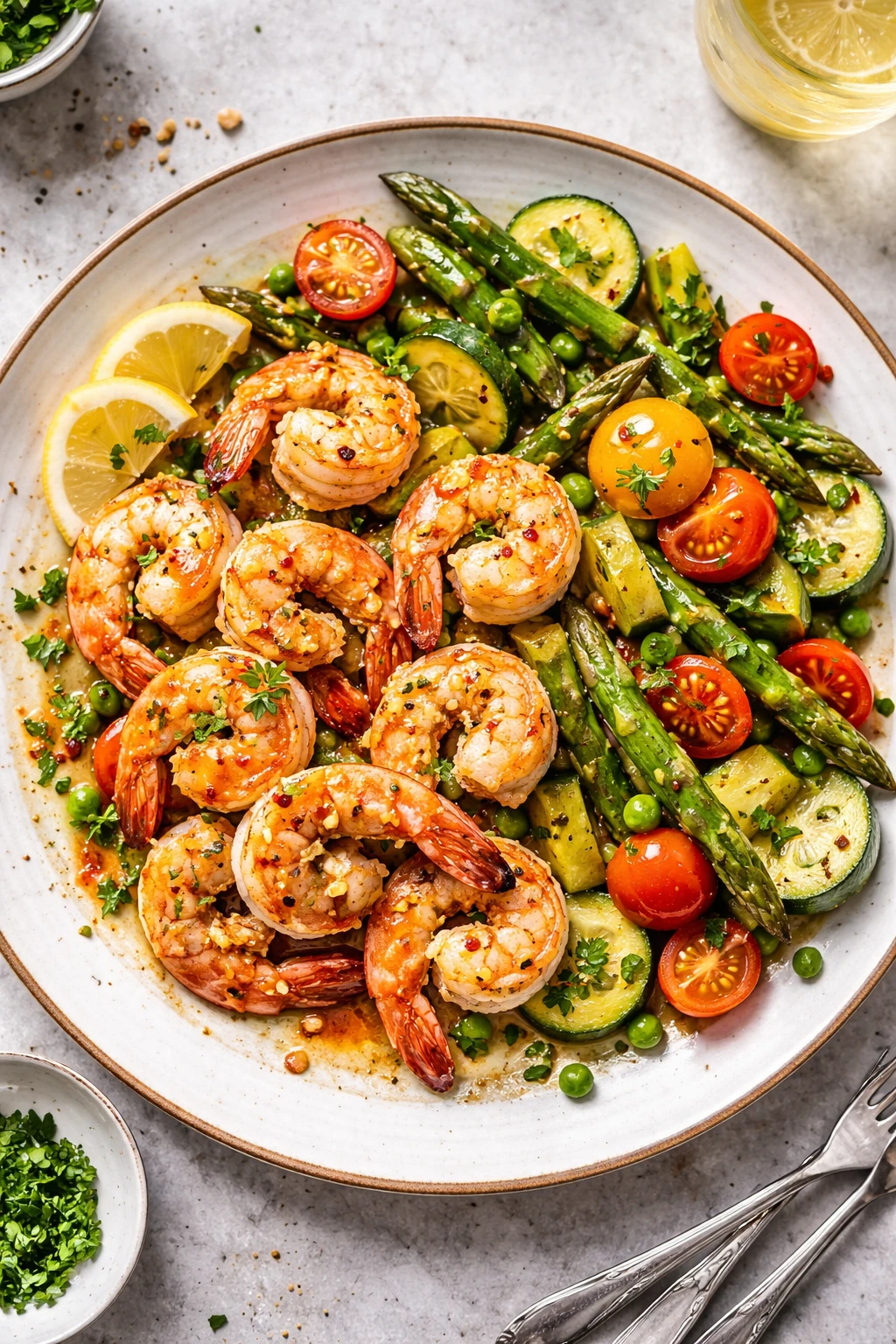
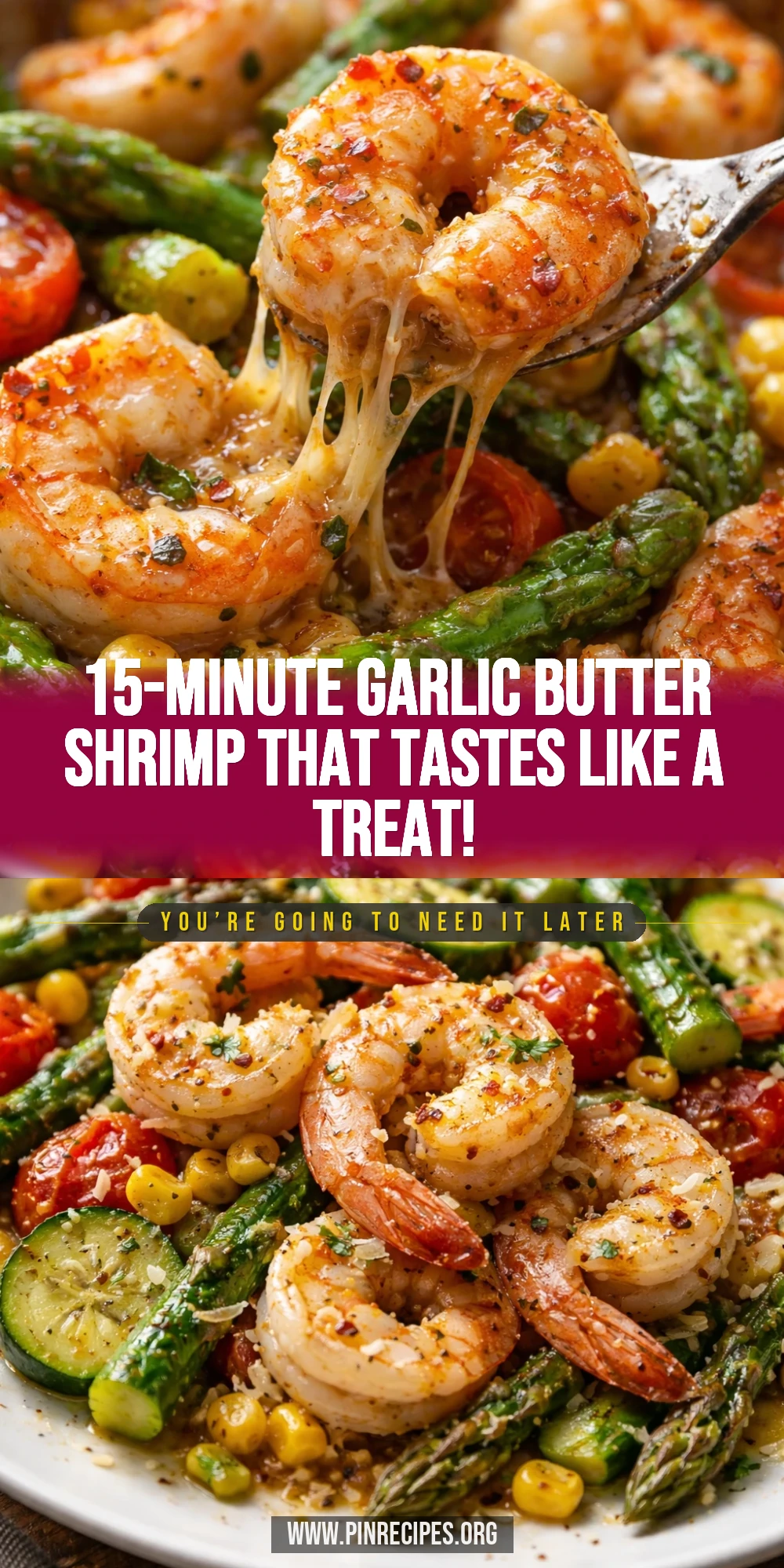
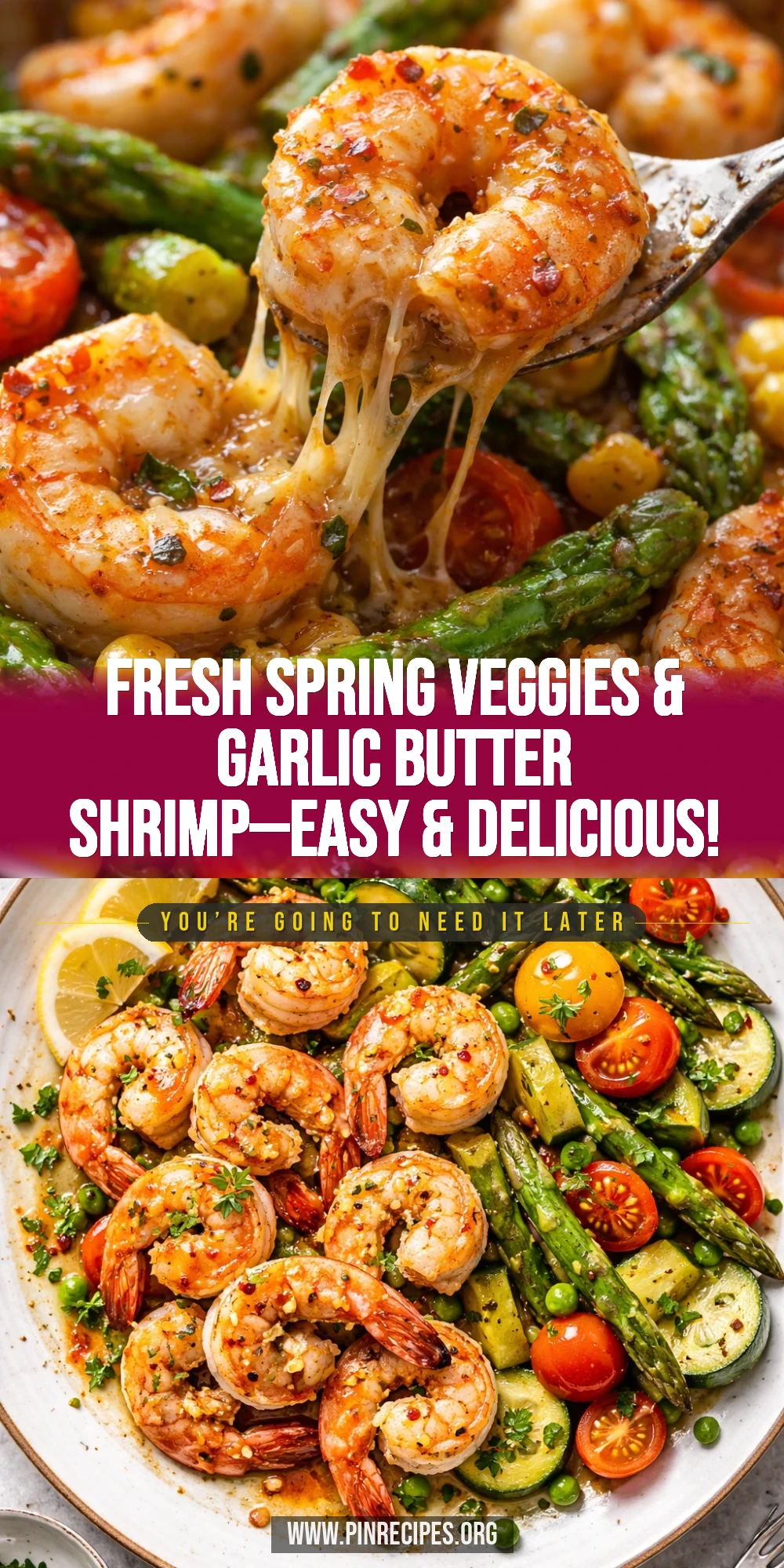
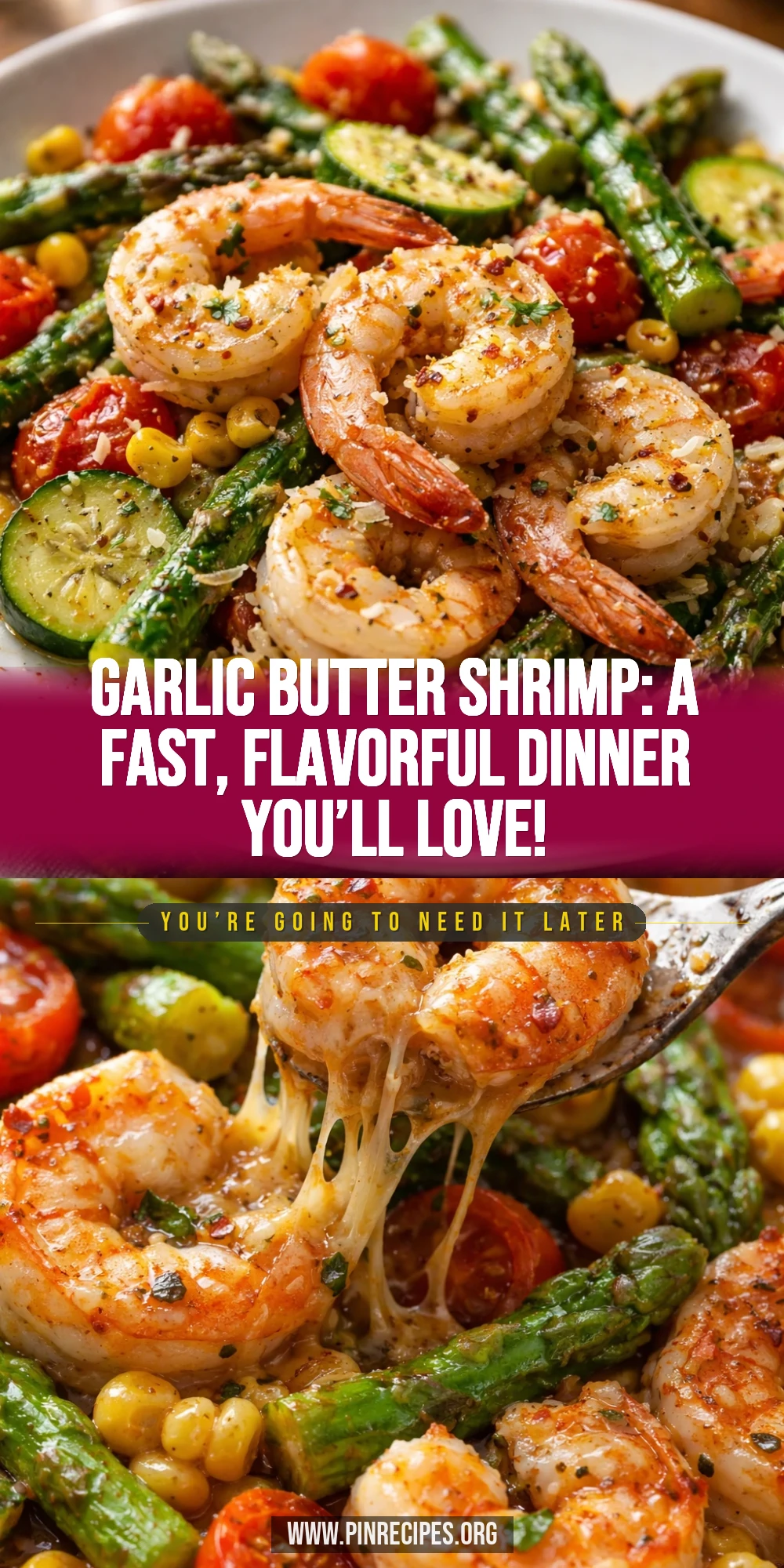
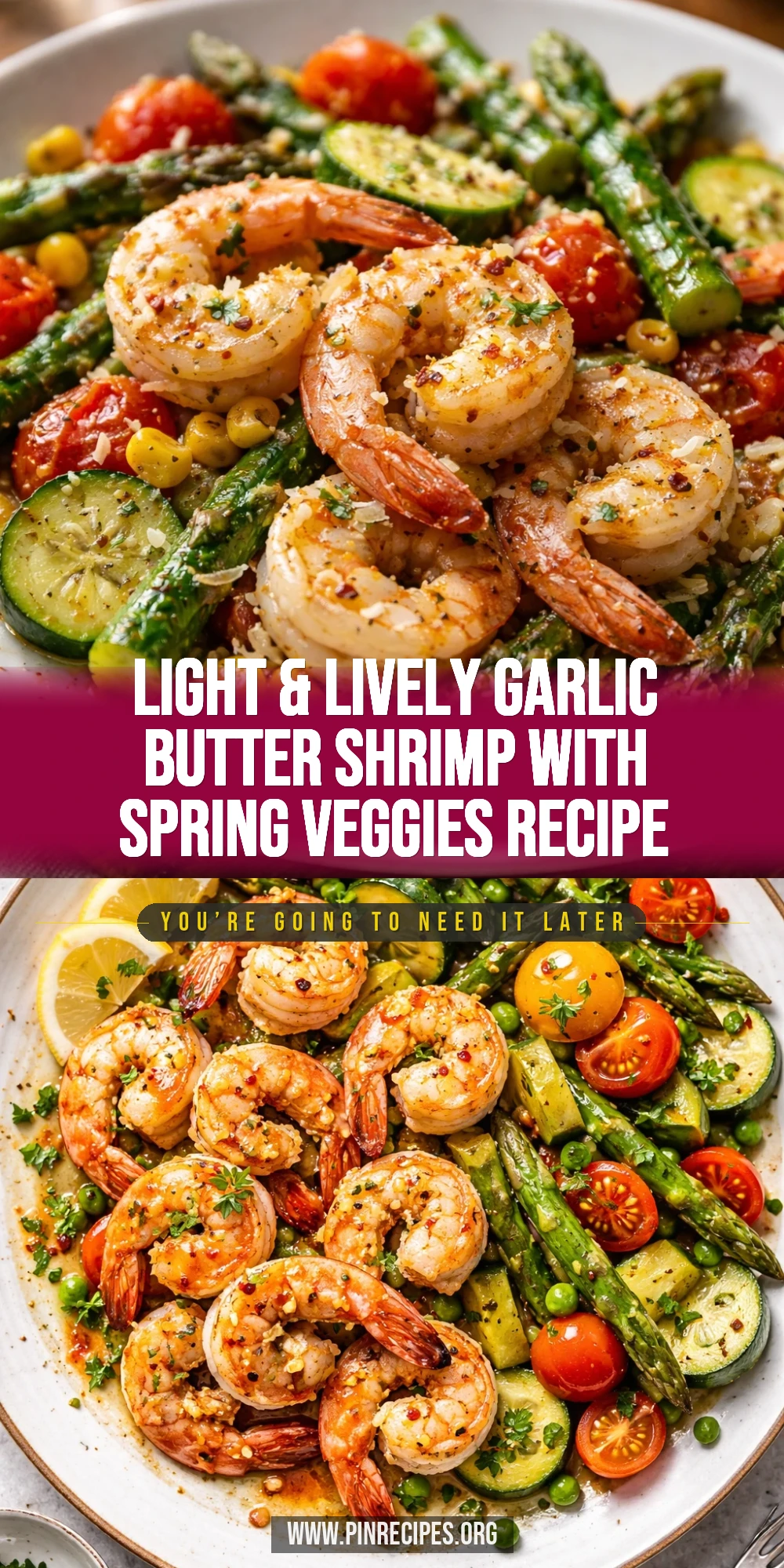
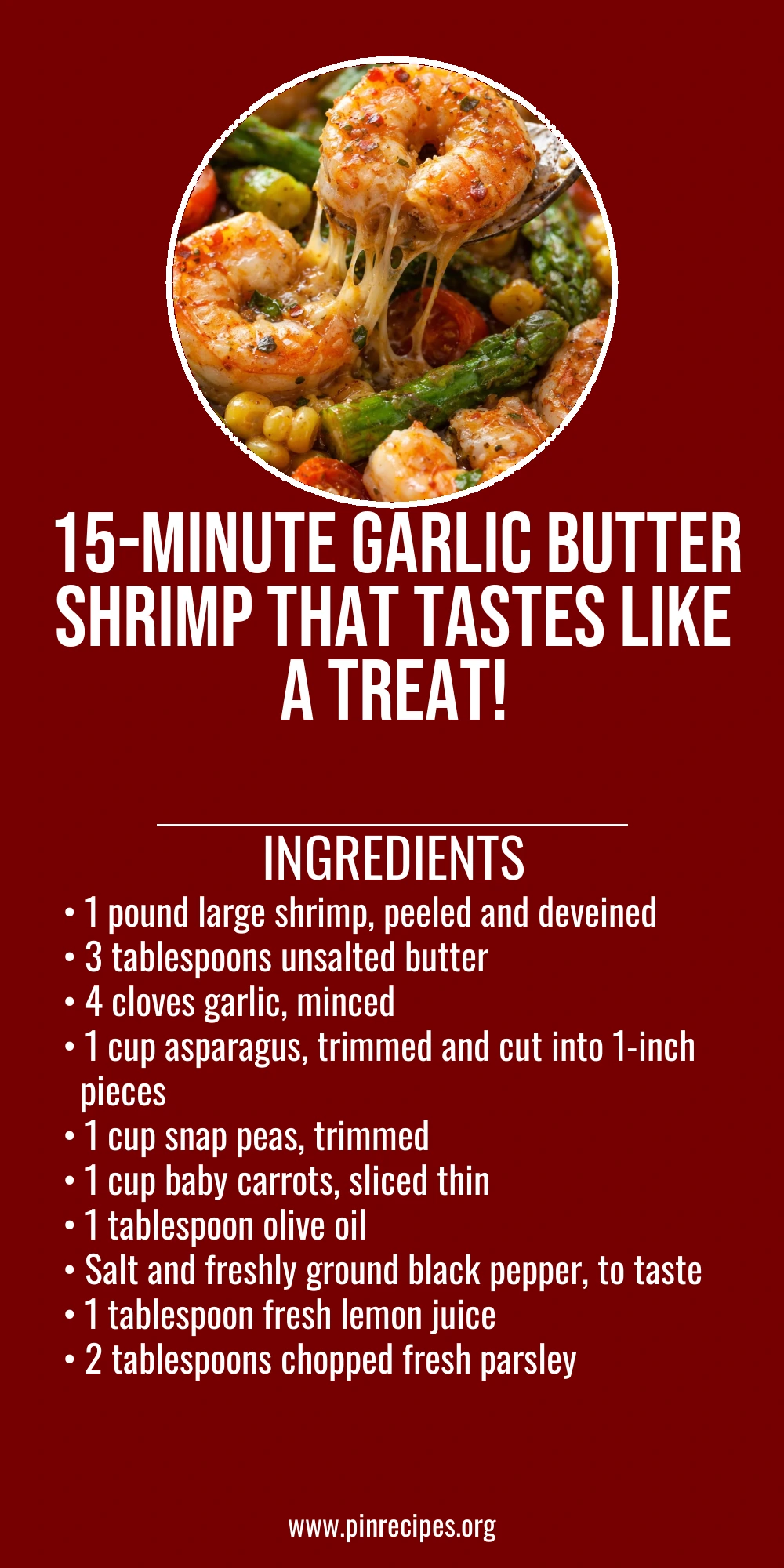
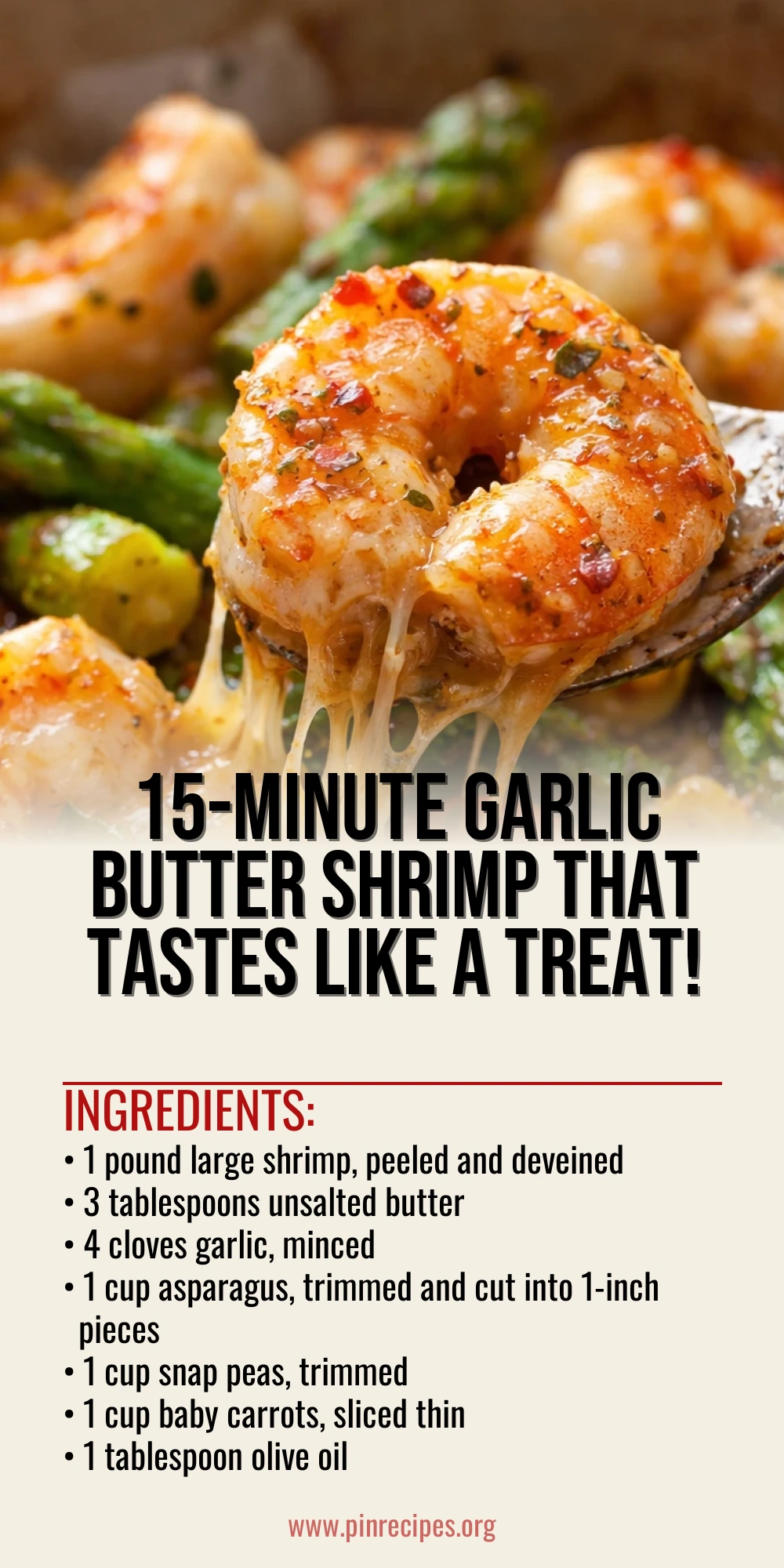
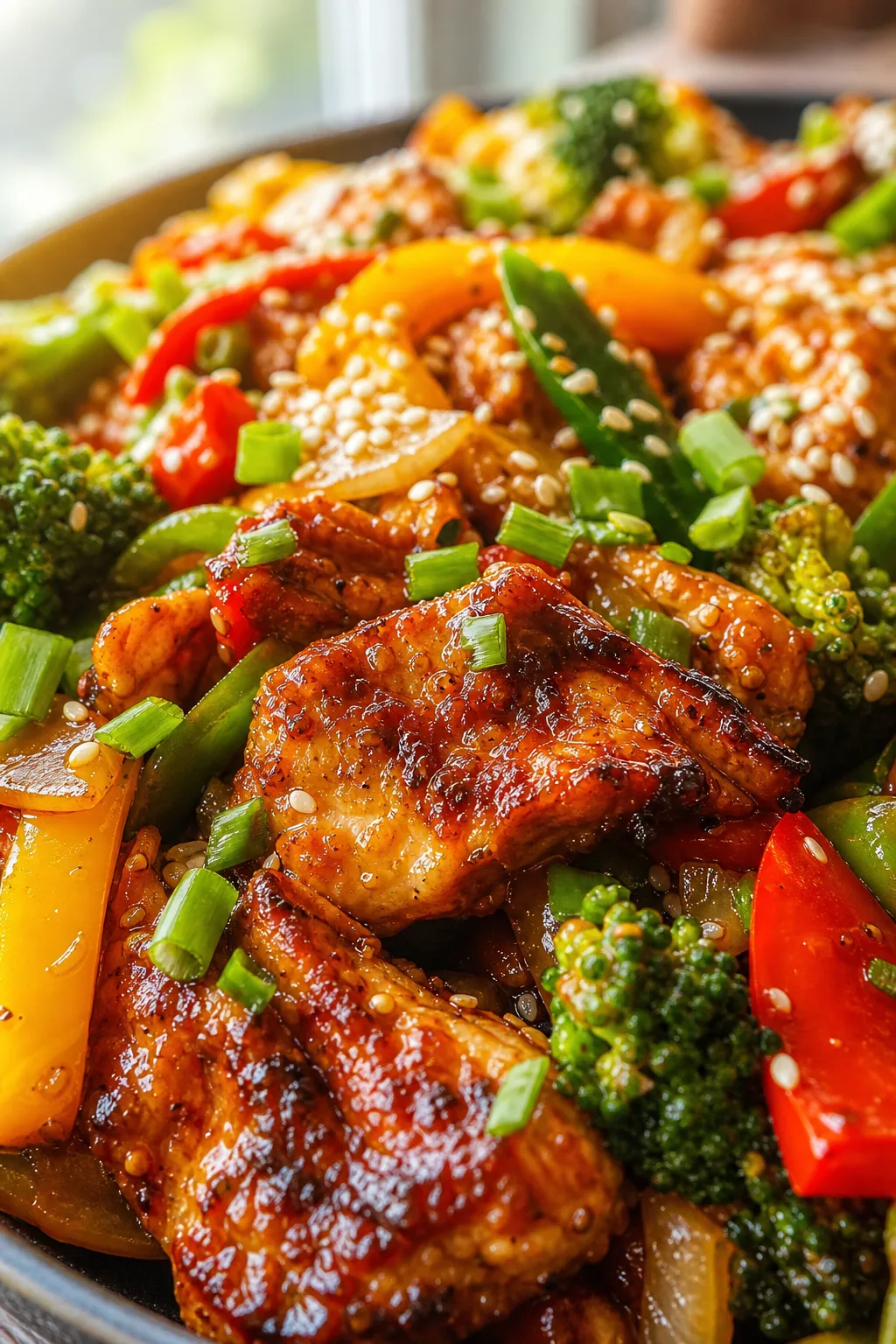
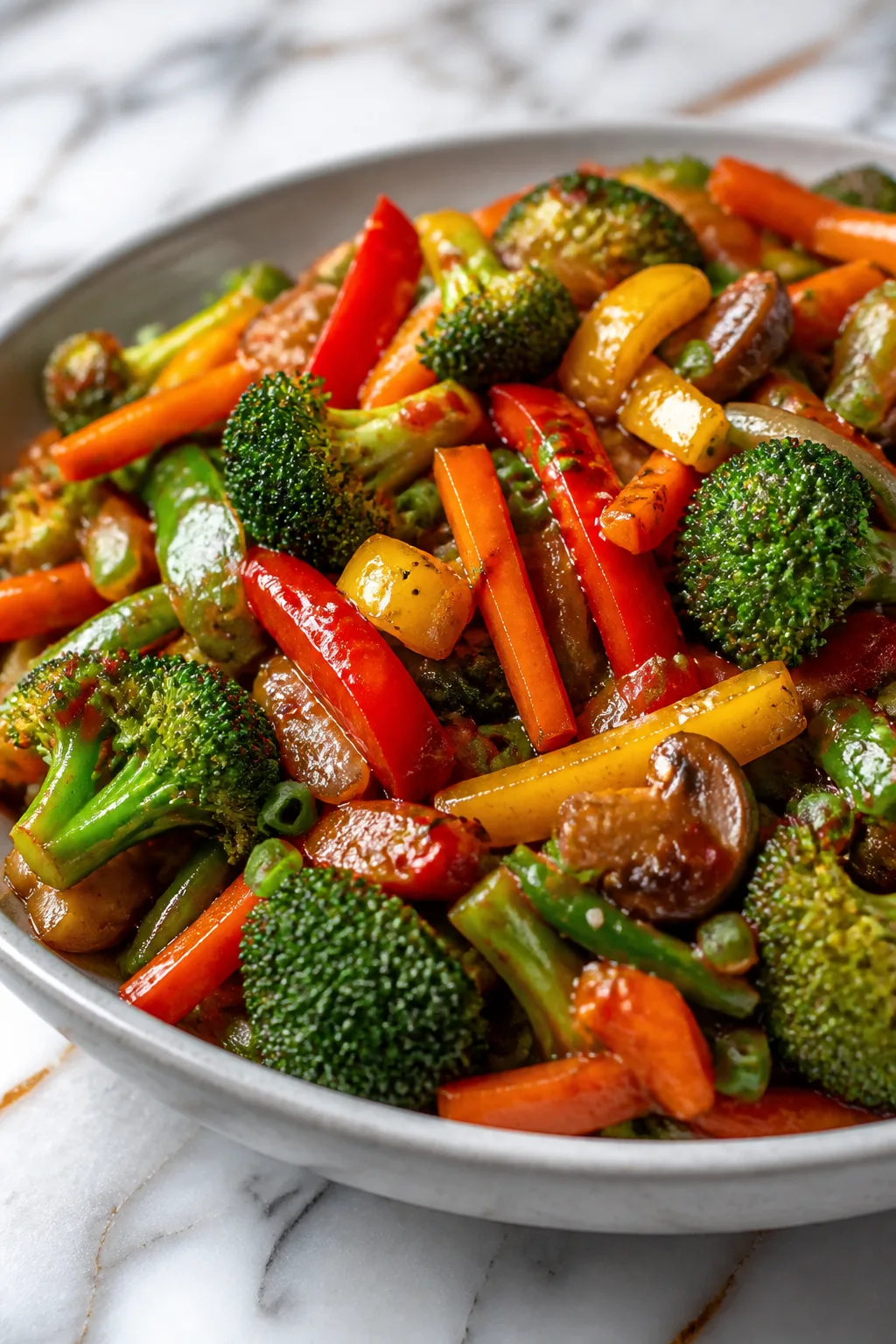
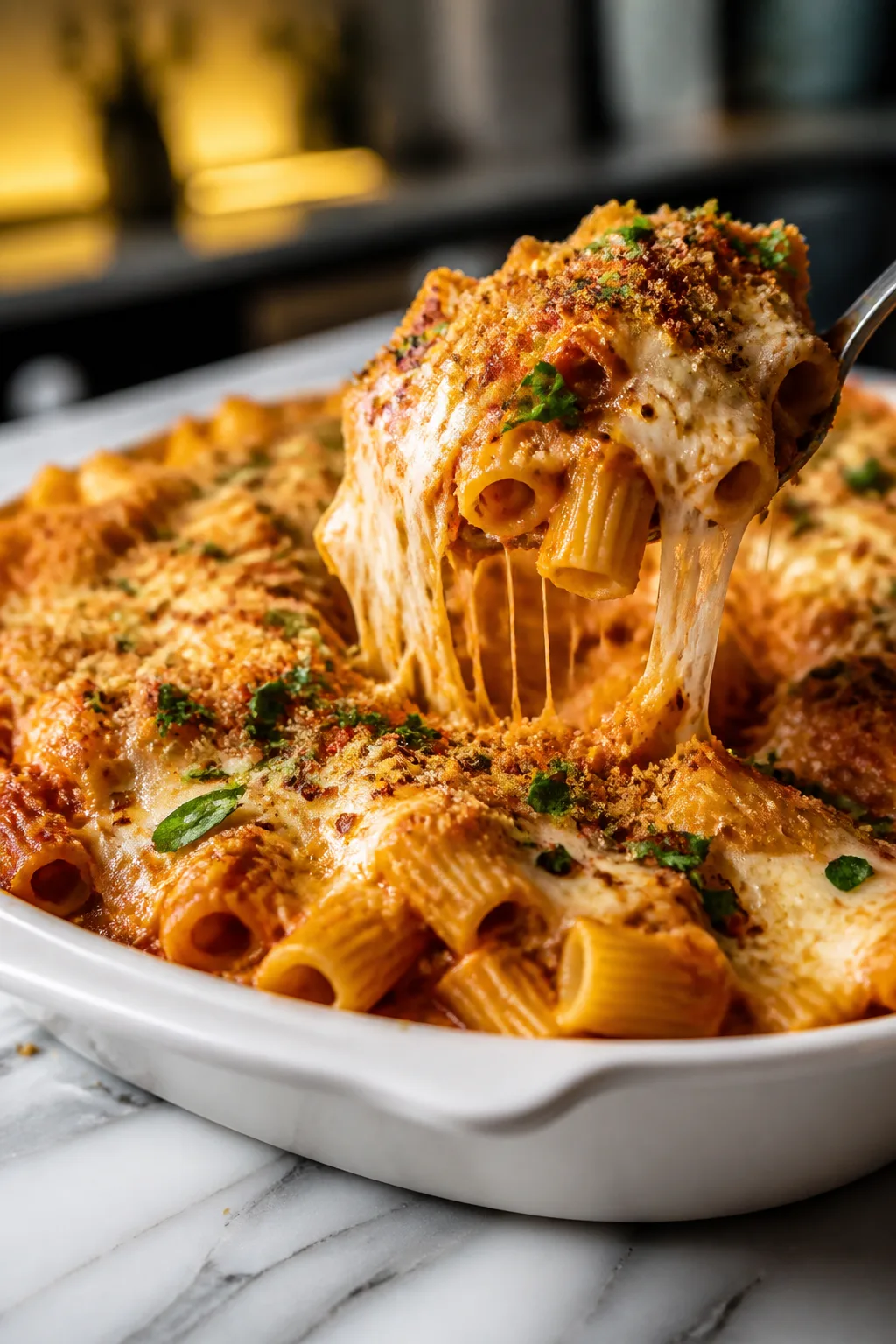
This shrimp dish is a speedy weeknight winner—garlic butter brings out the best flavors, paired with crisp spring veggies. It’s light, fresh, and perfect when you want a dinner that feels fancy but comes together fast.
Introduction
I first made this garlic butter shrimp dish on a busy weeknight when I needed something quick but still special. What sets this recipe apart is how the butter and garlic coat the shrimp, giving it that rich, comforting flavor, while the spring vegetables add a fresh crunch that keeps it light. I’ve tried shrimp dishes before that end up rubbery or bland, but the key here is cooking the shrimp just until they turn pink and tossing them with the hot garlic butter right away. The veggies are quickly sautéed to keep their snap, making the whole dish feel vibrant and bright. It’s perfect for those nights when you want something that tastes like you put in way more effort than you actually did. Plus, the lemon juice at the end adds this little zing that really lifts the whole meal. I love serving this with crusty bread or over a bed of rice to soak up the buttery sauce. Honestly, it’s become a family favorite — simple, fast, and so delicious.
How To Do It
Step 1
Heat olive oil in a large skillet over medium-high heat. Add the baby carrots first since they take the longest to cook. Sauté for about 3-4 minutes until they start to soften but still have a bit of crunch. This step is important because it ensures your carrots aren’t mushy later on. Keep the heat high enough to get a slight sear but not so high that they burn. Stir frequently to cook evenly.
⏱ Time: 4
✓ Doneness: Carrots are tender-crisp and slightly browned in spots
Step 2
Add asparagus and snap peas to the skillet with the carrots. Continue sautéing for another 3-4 minutes, stirring often. The goal is to cook the veggies until they’re bright green and still crisp. Overcooking here will make them lose their vibrant color and texture, so keep an eye on them. Remove the vegetables from the skillet and set aside to prevent overcooking while you prepare the shrimp.
⏱ Time: 4
✓ Doneness: Vegetables are tender but still snap when bitten, bright green color
Step 3
In the same skillet, melt the butter over medium heat. Once melted, add the minced garlic and cook for about 30 seconds to 1 minute until fragrant. Be careful not to burn the garlic as it will turn bitter. This step infuses the butter with garlic flavor, creating the base for the shrimp’s sauce.
⏱ Time: 1
✓ Doneness: Butter is melted and garlic aroma is strong but not burnt
Step 4
Add the shrimp to the skillet in a single layer. Cook without moving them for about 2 minutes so they get a nice sear. Then flip and cook another 1-2 minutes until shrimp are pink and opaque. Cooking shrimp quickly at medium heat prevents them from becoming rubbery and keeps them juicy.
⏱ Time: 4
✓ Doneness: Shrimp are pink, opaque, and slightly curled
Step 5
Return the sautéed vegetables to the skillet with the shrimp. Toss everything together gently to coat with the garlic butter sauce. Heat through for 1-2 minutes. This combines all the flavors and warms the veggies back up without overcooking.
⏱ Time: 2
✓ Doneness: Dish is hot and glossy with sauce coating all ingredients
Step 6
Remove the skillet from heat and stir in fresh lemon juice and chopped parsley. The lemon juice adds brightness that balances the richness of the butter, while parsley gives a fresh herbal note. Taste and season with salt and pepper as needed.
⏱ Time: 1
✓ Doneness: Bright, fresh aroma with balanced seasoning
Step 7
Serve immediately, ideally with crusty bread or over rice to soak up the flavorful garlic butter sauce. The dish is best enjoyed fresh to appreciate the contrast between the tender shrimp and crisp vegetables.
⏱ Time: 0
✓ Doneness: Dish is served hot with vibrant colors and inviting aroma
Step 8
If you want to add a little extra flavor, sprinkle some red pepper flakes over the top for a subtle kick. This step is optional but adds a nice depth without overpowering the garlic butter.
⏱ Time: 0
✓ Doneness: Dish has a gentle spicy aroma if added
Step 9
For a finishing touch, drizzle a tiny bit of good quality olive oil over the dish just before serving. This adds a silky texture and enhances the flavors beautifully.
⏱ Time: 0
✓ Doneness: Dish looks glossy and appetizing
Pro Tips
Don’t overcrowd the pan when cooking shrimp.
Shrimp release moisture as they cook, and overcrowding traps steam, causing them to steam instead of sear. This results in rubbery, less flavorful shrimp. Cooking in batches if needed ensures a nice sear and better texture.
Use fresh garlic and add it to melted butter off the heat or on low.
Garlic burns quickly and turns bitter if cooked on high heat. Adding it gently to warm butter allows the flavors to infuse without burning, keeping the sauce smooth and aromatic.
Trim and slice vegetables uniformly for even cooking.
Vegetables that are cut to similar sizes cook evenly, preventing some pieces from being overdone while others remain undercooked. This consistency improves texture and presentation.
Add lemon juice off the heat at the end.
Heating lemon juice too long dulls its bright, fresh flavor. Adding it after cooking preserves acidity, which balances the richness of the butter and enhances the overall dish.
Serve immediately after cooking.
Shrimp and vegetables can quickly lose their ideal texture if left sitting. Serving right away ensures the shrimp are tender and the vegetables crisp, preserving the dish’s fresh character.
Use a heavy-bottomed skillet for even heat distribution.
A heavy pan prevents hot spots that can burn garlic or unevenly cook shrimp and vegetables, leading to better flavor and texture.
Pat shrimp dry before cooking.
Removing excess moisture helps shrimp sear properly instead of steaming, which improves texture and flavor development.
Common Mistakes to Avoid
Overcooking the shrimp
Why it happens Shrimp cook very quickly, so it’s easy to leave them on the heat too long thinking they need more time to cook through.
Fix Watch for the shrimp to turn pink and curl slightly; remove from heat immediately to prevent rubbery texture. Cooking shrimp in a single layer helps them cook evenly and quickly.
Burning the garlic
Why it happens Garlic cooks faster than other ingredients and can burn if cooked on high heat or too long.
Fix Add garlic to melted butter on medium-low heat and cook just until fragrant, about 30 seconds to 1 minute. Stir continuously to prevent burning.
Overcooking vegetables
Why it happens Trying to cook all vegetables at once or for too long can make them mushy and dull in color.
Fix Cook harder vegetables like carrots first, then add quicker-cooking ones like asparagus and snap peas later. Remove vegetables from heat as soon as they’re tender-crisp.
Not drying shrimp before cooking
Why it happens Shrimp often come wet from thawing or packaging, and moisture prevents proper searing.
Fix Pat shrimp dry with paper towels before cooking to get a nice sear and avoid steaming.
Skipping the lemon juice
Why it happens Some cooks forget to add acidity, which can leave the dish feeling heavy or flat.
Fix Always add fresh lemon juice at the end to brighten flavors and balance richness.
Variations
Spicy Garlic Butter Shrimp
Add 1/2 teaspoon red pepper flakes when cooking garlic for a subtle heat that complements the buttery sauce. This variation adds a nice kick without overpowering the fresh veggies.
Note: Adjust spice level to taste; adding chili flakes early allows flavor to infuse the butter.
Creamy Garlic Butter Shrimp
Stir in 1/4 cup heavy cream after adding shrimp to create a silky, richer sauce. This makes the dish feel more indulgent and pairs well with pasta or rice.
Note: Simmer gently after adding cream to avoid curdling and maintain sauce smoothness.
Shrimp and Broccoli Medley
Swap the asparagus and snap peas for broccoli florets for a different texture and flavor. Broccoli’s earthiness pairs beautifully with garlic butter and shrimp.
Note: Par-cook broccoli by steaming or blanching before sautéing to ensure tenderness without overcooking.
Lemon Herb Garlic Butter Shrimp
Add fresh thyme and rosemary with the parsley for an herby twist. The combination of lemon and herbs brightens the dish and adds complexity.
Note: Add herbs towards the end of cooking to preserve their fresh flavors.
Garlic Butter Shrimp Tacos
Use the garlic butter shrimp and veggies as a filling for soft corn tortillas. Top with avocado and a squeeze of lime for a fun, casual meal.
Note: Serve immediately after assembling to keep tortillas from getting soggy.
Nutrition
Per Serving:
Nutritional values are estimates and may vary based on specific ingredients used.
Storage & Tips
Room Temperature
This dish can safely sit at room temperature for up to 2 hours if covered. Beyond that, bacteria growth increases so refrigerate promptly.
Refrigerator
Store leftovers in an airtight container for up to 3 days. The shrimp may firm up and vegetables soften, so reheat gently to preserve texture.
Freezer
Freeze in a sealed container for up to 1 month. To avoid freezer burn, wrap tightly with plastic wrap before placing in container. Thaw overnight in the fridge before reheating.
Reheating
Reheat gently in a skillet over low heat with a splash of water or broth to loosen the sauce. Avoid microwaving on high to prevent rubbery shrimp and mushy vegetables.
Make Ahead
You can prep and sauté the vegetables 1 day ahead and store separately. Cook shrimp fresh on the day of serving, then combine and finish with lemon and parsley just before serving.
FAQ
Can I use frozen shrimp for this recipe?
Yes, frozen shrimp work well if properly thawed and patted dry before cooking. Thaw in the fridge overnight or under cold running water. Drying shrimp thoroughly is key to getting a good sear and avoiding steaming.
What can I substitute for asparagus if I don’t have any?
Snap peas, green beans, or broccoli are great substitutes. Choose vegetables that cook quickly and retain a bit of crunch to keep the dish’s fresh texture intact.
How do I prevent the shrimp from becoming rubbery?
Cook shrimp only until they turn pink and opaque, which usually takes 3-4 minutes total. Overcooking is the main cause of rubbery texture, so watch closely and remove from heat immediately.
Can I make this recipe vegetarian?
You can swap shrimp for firm tofu or mushrooms for a vegetarian version. Sauté tofu or mushrooms similarly in garlic butter, but adjust cooking times since these ingredients have different textures.
Is there a way to make this dish gluten-free?
This recipe is naturally gluten-free as it contains no wheat ingredients. Just ensure any sides or additional sauces you serve with it are gluten-free as well.
What’s the best way to reheat leftovers without drying out the shrimp?
Reheat gently in a skillet over low heat with a splash of water or broth to keep the shrimp moist. Avoid microwaving on high as it can quickly overcook and dry out the shrimp.
Can I use pre-minced garlic instead of fresh?
Fresh garlic is best for flavor and aroma, but pre-minced garlic can be used in a pinch. Use less since it’s more concentrated, and add it late in cooking to avoid bitterness.
How do I make the sauce thicker?
To thicken the sauce, you can add a small amount of heavy cream or reduce the sauce by simmering it a bit longer before adding shrimp. Be careful not to overreduce or it may become too oily.
Final Thoughts
Give this quick garlic butter shrimp and spring vegetable medley a try—you’ll love how simple yet flavorful it is. Don’t forget to share your results, I’d love to hear how it turns out!